




Charlotte Fare
@charlottefare.bsky.social
Principal Scientist at GSK • Still learning
Previously: JHU, UPenn, UNC-CH
🧬🦠🔬🧠🐈🌱
Previously: JHU, UPenn, UNC-CH
🧬🦠🔬🧠🐈🌱
Reposted by Charlotte Fare

Super excited to share that our paper is now out in @science.org. Lots of work, but also lots of fun getting this out.
Be sure to check it out!
www.science.org/doi/10.1126/...
Also, follow:
@huabin-zhou.bsky.social @juliamaristany.bsky.social @kieran-russell.bsky.social @rcollepardo.bsky.social
Be sure to check it out!
www.science.org/doi/10.1126/...
Also, follow:
@huabin-zhou.bsky.social @juliamaristany.bsky.social @kieran-russell.bsky.social @rcollepardo.bsky.social
December 4, 2025 at 10:15 PM
Super excited to share that our paper is now out in @science.org. Lots of work, but also lots of fun getting this out.
Be sure to check it out!
www.science.org/doi/10.1126/...
Also, follow:
@huabin-zhou.bsky.social @juliamaristany.bsky.social @kieran-russell.bsky.social @rcollepardo.bsky.social
Be sure to check it out!
www.science.org/doi/10.1126/...
Also, follow:
@huabin-zhou.bsky.social @juliamaristany.bsky.social @kieran-russell.bsky.social @rcollepardo.bsky.social
Reposted by Charlotte Fare
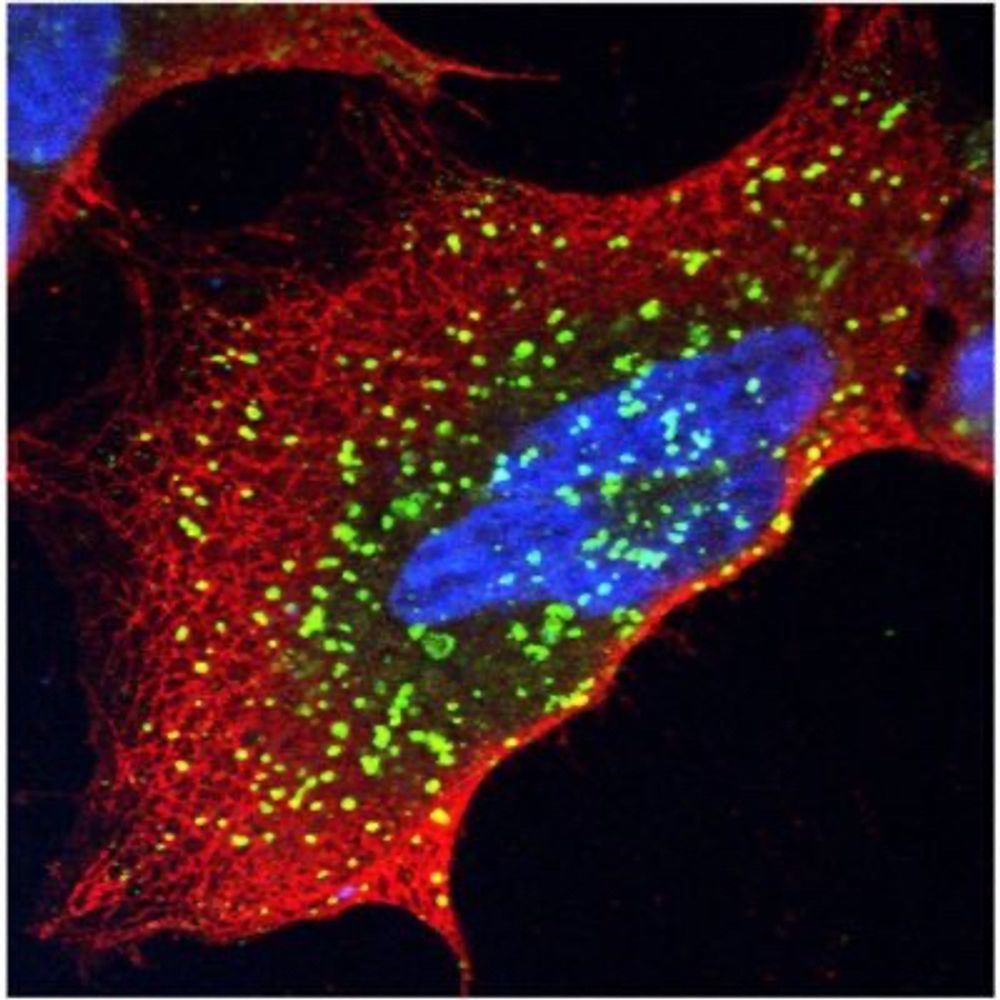
Karyopherins remodel the dynamic organization of the nuclear pore complex transport barrier
www.nature.com/articles/s41...
www.nature.com/articles/s41...

Karyopherins remodel the dynamic organization of the nuclear pore complex transport barrier - Nature Cell Biology
Kozai, Fernandez-Martinez et al. use high-speed atomic force microscopy to study the permeability barrier of yeast nuclear pore complexes. They show that karyopherins remodel a central plug that shape...
www.nature.com
December 2, 2025 at 2:26 PM
Karyopherins remodel the dynamic organization of the nuclear pore complex transport barrier
www.nature.com/articles/s41...
www.nature.com/articles/s41...
Computationally-designed aptamers targeting RAD51-BRCA2 interaction impair homologous recombination and induce synthetic lethality www.nature.com/articles/s41...
Computationally-designed aptamers targeting RAD51-BRCA2 interaction impair homologous recombination and induce synthetic lethality - Nature Communications
Milordini et al. report the design of DNA aptamers that block RAD51-BRCA2 interaction and impair DNA repair in cancer cells. Combined with the PARP inhibitor Olaparib, they trigger synthetic lethality...
www.nature.com
December 4, 2025 at 2:43 PM
Computationally-designed aptamers targeting RAD51-BRCA2 interaction impair homologous recombination and induce synthetic lethality www.nature.com/articles/s41...
U7 small nuclear RNA splice-switching therapeutics for STMN2 and UNC13A in Amyotrophic Lateral Sclerosis www.biorxiv.org/content/10.1...

U7 small nuclear RNA splice-switching therapeutics for STMN2 and UNC13A in Amyotrophic Lateral Sclerosis
TDP-43 nuclear depletion in amyotrophic lateral sclerosis (ALS) causes de-repression of cryptic exons (CEs) in multiple transcripts, including UNC13A and STMN2 , disrupting synaptic transmission and n...
www.biorxiv.org
December 4, 2025 at 2:38 PM
U7 small nuclear RNA splice-switching therapeutics for STMN2 and UNC13A in Amyotrophic Lateral Sclerosis www.biorxiv.org/content/10.1...
Reposted by Charlotte Fare

Great work by Jakob! RNA co-aggregates with α-synuclein, reshaping fibril structure and inhibiting its catalytic activity. It also drives selective recruitment of transcripts—highlighting RNA as a key cofactor.
www.biorxiv.org/content/10.1...
www.biorxiv.org/content/10.1...
www.biorxiv.org
December 2, 2025 at 7:50 AM
Great work by Jakob! RNA co-aggregates with α-synuclein, reshaping fibril structure and inhibiting its catalytic activity. It also drives selective recruitment of transcripts—highlighting RNA as a key cofactor.
www.biorxiv.org/content/10.1...
www.biorxiv.org/content/10.1...
Reposted by Charlotte Fare

New from the Butcher Lab—defining the RNA binding mechanism of TDP-43. Happy to have played a small part in this amazing work!
www.biorxiv.org/content/10.1...
www.biorxiv.org/content/10.1...

TDP-43 controls RNA structure through high affinity lattice interactions
TDP-43 is an RNA binding protein implicated in neurodegenerative disease. TDP-43 binds to GU dinucleotide repeats, which are highly abundant sequences in human RNA. Here we show TDP- 43 has one of the...
www.biorxiv.org
November 29, 2025 at 12:14 AM
New from the Butcher Lab—defining the RNA binding mechanism of TDP-43. Happy to have played a small part in this amazing work!
www.biorxiv.org/content/10.1...
www.biorxiv.org/content/10.1...
TDP-43 suppression of ATP8A2 cryptic splicing implicates phosphatidylserine-driven neuroinflammation in ALS/FTD www.biorxiv.org/content/10.1...
TDP-43 suppression of ATP8A2 cryptic splicing implicates phosphatidylserine-driven neuroinflammation in ALS/FTD
Inappropriate externalization of phosphatidylserine (PS) is a candidate mechanism of pathogenic neuroinflammation, a critical driver of neurodegenerative disease. ATP8A2, a flippase that maintains PS ...
www.biorxiv.org
November 29, 2025 at 2:31 PM
TDP-43 suppression of ATP8A2 cryptic splicing implicates phosphatidylserine-driven neuroinflammation in ALS/FTD www.biorxiv.org/content/10.1...
Reposted by Charlotte Fare
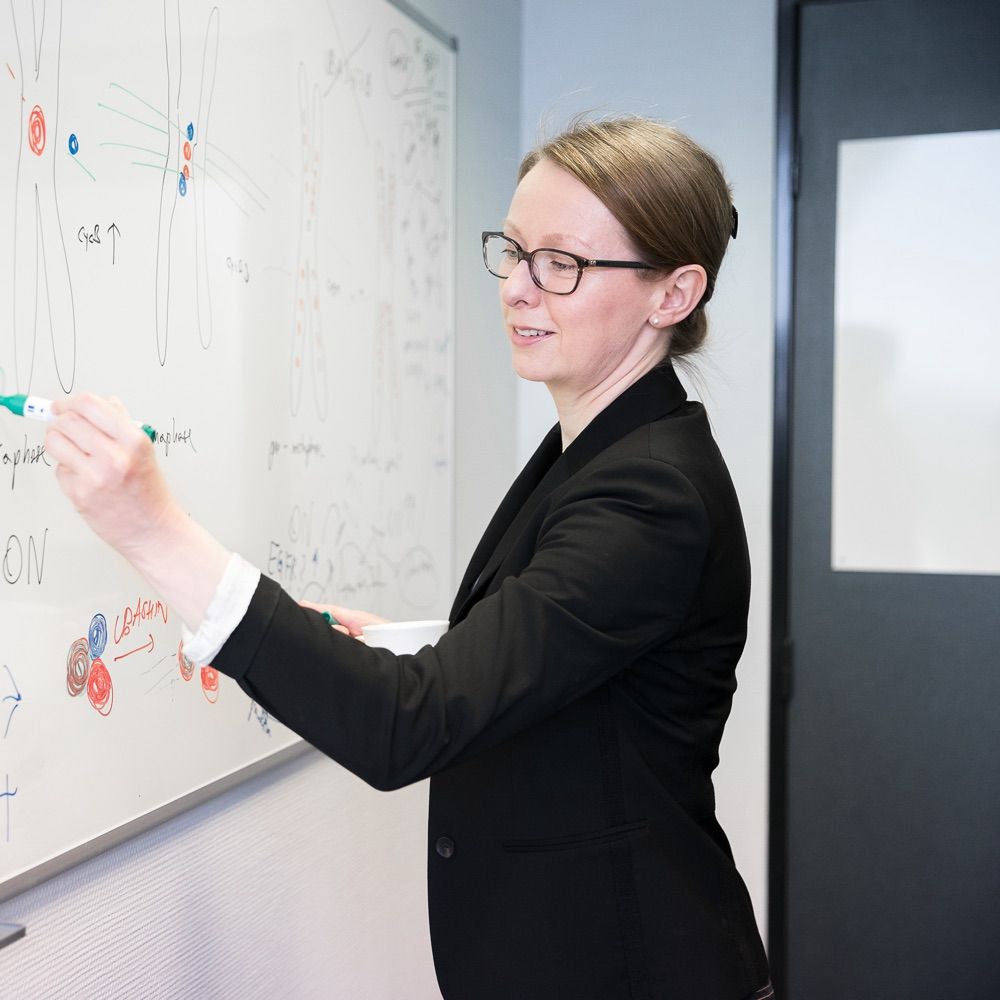
We are excited to share the revised version of our preprint elucidating the role of Annulate Lamellae in the assembly of Nuclear Pore Complexes #NPCs during early interphase.
Big thanks to Junyan Lin and all collaborators for their fantastic work! 🙏🎉
Big thanks to Junyan Lin and all collaborators for their fantastic work! 🙏🎉

RanBP2-dependent annulate lamellae drive nuclear pore assembly and nuclear expansion
Nuclear pore complexes (NPCs) enable nucleocytoplasmic transport. While NPCs primarily localize to the nuclear envelope (NE), they also appear in cytoplasmic endoplasmic reticulum (ER) membranes calle...
www.biorxiv.org
November 27, 2025 at 3:25 PM
We are excited to share the revised version of our preprint elucidating the role of Annulate Lamellae in the assembly of Nuclear Pore Complexes #NPCs during early interphase.
Big thanks to Junyan Lin and all collaborators for their fantastic work! 🙏🎉
Big thanks to Junyan Lin and all collaborators for their fantastic work! 🙏🎉
Telomeric RNA and HP1α form interfacial clusters that stabilize HP1α-DNA condensates rdcu.be/eRTE6
November 26, 2025 at 12:59 PM
Telomeric RNA and HP1α form interfacial clusters that stabilize HP1α-DNA condensates rdcu.be/eRTE6
Reposted by Charlotte Fare

A new 3D brain tissue model integrates all major human brain cell types, enabling more accurate studies of brain biology, disease mechanisms, and personalized therapeutic development. doi.org/g969s5
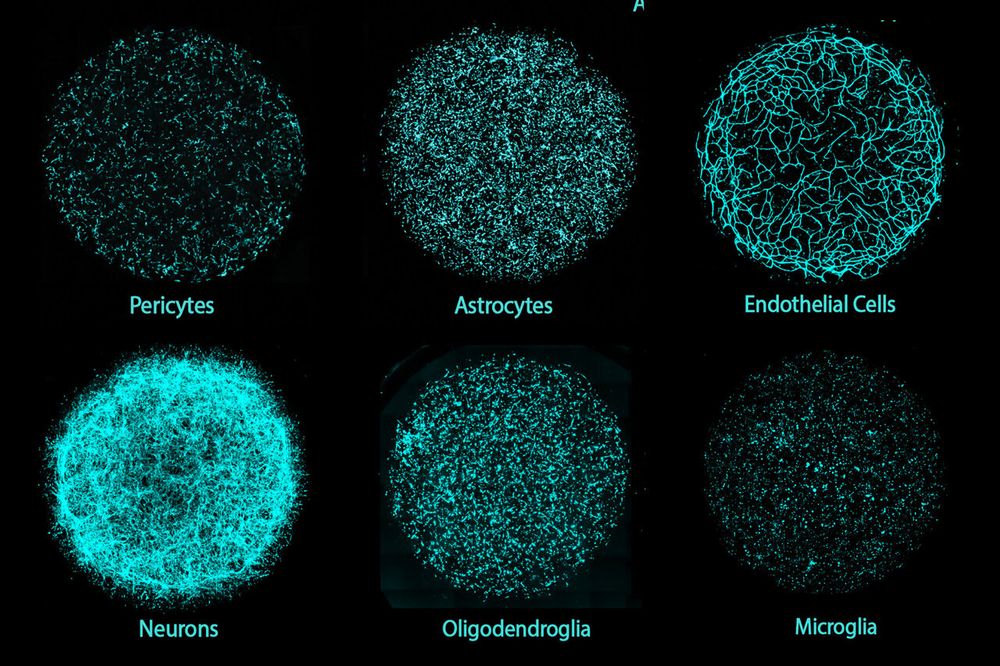
Lab-grown brains with all major cell types support next-generation therapy research
A new 3D human brain tissue platform developed by MIT researchers is the first to integrate all major brain cell types, including neurons, glial cells and the vasculature into a single culture.
medicalxpress.com
October 18, 2025 at 9:08 AM
A new 3D brain tissue model integrates all major human brain cell types, enabling more accurate studies of brain biology, disease mechanisms, and personalized therapeutic development. doi.org/g969s5
Transcriptome-wide mRNP condensation precedes stress granule formation and excludes new mRNAs - new from @drummondlab.bsky.social www.cell.com/molecular-ce...

Transcriptome-wide mRNP condensation precedes stress granule formation and excludes new mRNAs
Glauninger, Bard, Wong Hickernell, et al. reveal that stress causes transcriptome-wide
mRNP condensation, largely independent of length and often without stress granule
formation, but newly synthesize...
www.cell.com
November 25, 2025 at 3:32 PM
Transcriptome-wide mRNP condensation precedes stress granule formation and excludes new mRNAs - new from @drummondlab.bsky.social www.cell.com/molecular-ce...
Reposted by Charlotte Fare

Check out the latest work from our lab, led by Daniel Lin and Lara Elcavage: www.biorxiv.org/content/10.1... (1/3)

mRNA 3′ UTRs direct microRNA degradation to participate in imprinted gene networks and regulate growth
MicroRNAs direct downregulation of target mRNAs. Sometimes, however, this regulatory paradigm inverts, and a target RNA triggers the degradation of a microRNA. This target-directed microRNA degradatio...
www.biorxiv.org
November 7, 2025 at 6:33 PM
Check out the latest work from our lab, led by Daniel Lin and Lara Elcavage: www.biorxiv.org/content/10.1... (1/3)
Reposted by Charlotte Fare

Clathrin adaptors drive phase separation in endocytosis and trafficking https://www.biorxiv.org/content/10.1101/2025.11.20.689461v1
November 20, 2025 at 6:48 PM
Clathrin adaptors drive phase separation in endocytosis and trafficking https://www.biorxiv.org/content/10.1101/2025.11.20.689461v1
Large-scale drug screening in iPSC-derived motor neurons from sporadic ALS patients identifies a potential combinatorial therapy www.nature.com/articles/s41...

Large-scale drug screening in iPSC-derived motor neurons from sporadic ALS patients identifies a potential combinatorial therapy - Nature Neuroscience
In this study, the authors generated iPSC lines from more than 100 sporadic ALS cases, which recapitulated key disease phenotypes and enabled large-scale drug screening, identifying a promising combin...
www.nature.com
November 24, 2025 at 7:07 PM
Large-scale drug screening in iPSC-derived motor neurons from sporadic ALS patients identifies a potential combinatorial therapy www.nature.com/articles/s41...
Fulfilling Multiple Roles in PROTAC Design: The Emerging Potential of Oligonucleotides doi.org/10.26434/che...
November 24, 2025 at 3:35 PM
Fulfilling Multiple Roles in PROTAC Design: The Emerging Potential of Oligonucleotides doi.org/10.26434/che...
FUS nanoclusters are a distinct state within the dilute phase rdcu.be/eQkxU

FUS nanoclusters are a distinct state within the dilute phase
Nature Communications - FUS drives the formation of biomolecular condensates in cells. Here, the authors reveal the dynamics and biophysical properties of FUS nanoclusters, an intermediate state in...
rdcu.be
November 17, 2025 at 12:04 PM
FUS nanoclusters are a distinct state within the dilute phase rdcu.be/eQkxU
Reposted by Charlotte Fare

www.biorxiv.org/content/10.1... @rohitpappu68.bsky.social and Jim Shorter latest banger just dropped

Nuclear-import receptors remodel the dilute phase to suppress phase transitions of RNA-binding proteins with prion-like domains.
RNA-binding proteins (RBPs) with prion-like domains, including FUS, hnRNPA1, and hnRNPA2, assemble into functional, metastable condensates that organize ribostasis, but can also transition into self-t...
www.biorxiv.org
November 16, 2025 at 2:11 AM
www.biorxiv.org/content/10.1... @rohitpappu68.bsky.social and Jim Shorter latest banger just dropped
Emergent Chemical Reactivity and Complexity of RNA Condensates onlinelibrary.wiley.com/doi/10.1002/...

Emergent Chemical Reactivity and Complexity of RNA Condensates
RNA condensates capable of substrate enrichment and catalysis modulate their environment. Could this start a catalytic selection loop or evolution?
onlinelibrary.wiley.com
November 14, 2025 at 12:59 PM
Emergent Chemical Reactivity and Complexity of RNA Condensates onlinelibrary.wiley.com/doi/10.1002/...
Reposted by Charlotte Fare

Stress granules and protein aggregates reveal intracellular resource competition https://www.biorxiv.org/content/10.1101/2025.11.08.687377v1
November 10, 2025 at 8:30 PM
Stress granules and protein aggregates reveal intracellular resource competition https://www.biorxiv.org/content/10.1101/2025.11.08.687377v1
Reposted by Charlotte Fare
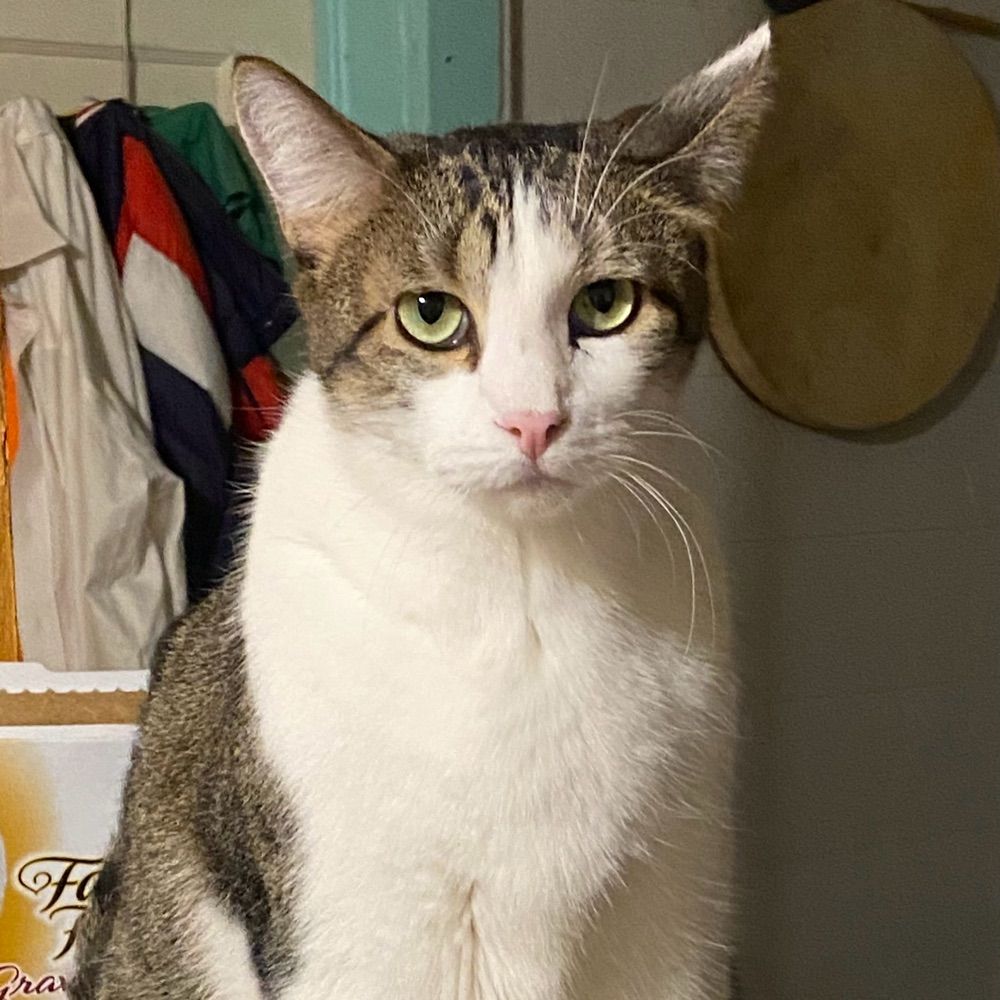
I found Squeaky & Albert six years ago today, on Halloween eve. What unexpected joy they have brought…

October 31, 2025 at 4:48 PM
I found Squeaky & Albert six years ago today, on Halloween eve. What unexpected joy they have brought…
RNA-Mediated Inhibition Mechanism of Liquid–Liquid Phase Separation and Subsequent Aggregation Revealed by Raman Microscopy pubs.acs.org/doi/full/10....

RNA-Mediated Inhibition Mechanism of Liquid–Liquid Phase Separation and Subsequent Aggregation Revealed by Raman Microscopy
Liquid–liquid phase separation (LLPS) is a phenomenon where homogeneous solutions of biomacromolecules separate into two liquid phases and generate liquid droplets enriched in specific biomolecules. L...
pubs.acs.org
November 7, 2025 at 7:12 PM
RNA-Mediated Inhibition Mechanism of Liquid–Liquid Phase Separation and Subsequent Aggregation Revealed by Raman Microscopy pubs.acs.org/doi/full/10....
RNA G-Quadruplexes Function as a Tunable Switch of FUS Phase Separation www.biorxiv.org/content/10.1...

RNA G-Quadruplexes Function as a Tunable Switch of FUS Phase Separation
FUS undergoes liquid-liquid phase separation (LLPS) to support essential cellular functions, but aberrant phase transitions promote toxic aggregation in neurodegenerative disease. Short RNA oligonucle...
www.biorxiv.org
November 4, 2025 at 7:32 PM
RNA G-Quadruplexes Function as a Tunable Switch of FUS Phase Separation www.biorxiv.org/content/10.1...
Reposted by Charlotte Fare
TDP-43 skein-like inclusions are formed by BAG3- and HSP70-guided co-aggregation with actin-binding proteins
www.nature.com/articles/s41...
www.nature.com/articles/s41...

TDP-43 skein-like inclusions are formed by BAG3- and HSP70-guided co-aggregation with actin-binding proteins - Nature Cell Biology
Lu et al. show that, under proteotoxic stress, TDP-43 inclusions of skein-like morphology are guided by the chaperone HSP70 and its nucleotide exchange factor BAG3 to induce TDP-43 co-aggregation with...
www.nature.com
October 31, 2025 at 3:06 PM
TDP-43 skein-like inclusions are formed by BAG3- and HSP70-guided co-aggregation with actin-binding proteins
www.nature.com/articles/s41...
www.nature.com/articles/s41...
Reposted by Charlotte Fare

SuB3 a Simple Subcellular Fractionation Protocol for Localization Studies of Nucleic Acids and Proteins https://www.biorxiv.org/content/10.1101/2025.10.21.683662v1
October 22, 2025 at 2:19 AM
SuB3 a Simple Subcellular Fractionation Protocol for Localization Studies of Nucleic Acids and Proteins https://www.biorxiv.org/content/10.1101/2025.10.21.683662v1
Improved targeted delivery of antisense oligonucleotide with an antibody mask academic.oup.com/nar/article/...

Improved targeted delivery of antisense oligonucleotide with an antibody mask
Abstract. Antisense oligonucleotides (ASOs) are synthetic nucleic acid strands designed to modulate gene expression by binding to RNA transcripts. In brain
academic.oup.com
November 2, 2025 at 7:08 PM
Improved targeted delivery of antisense oligonucleotide with an antibody mask academic.oup.com/nar/article/...