


yourlocalarchaeologist
@localarchaeologist.bsky.social
Archaeology student at KU Leuven | Especially interested in paleoanthropology and palaeolithic archaeology
Reposted by yourlocalarchaeologist

What makes Antarctica so useful to archaeologists? #AntarcticaDay
It was never occupied by primates, so may be the perfect 'natural laboratory' for comparing human (or other primate)-made #lithic tools with naturally fractured stones.
🔗 from 2023 🆓 doi.org/10.15184/aqy...
🏺 #Archaeology
It was never occupied by primates, so may be the perfect 'natural laboratory' for comparing human (or other primate)-made #lithic tools with naturally fractured stones.
🔗 from 2023 🆓 doi.org/10.15184/aqy...
🏺 #Archaeology

December 1, 2025 at 8:13 AM
What makes Antarctica so useful to archaeologists? #AntarcticaDay
It was never occupied by primates, so may be the perfect 'natural laboratory' for comparing human (or other primate)-made #lithic tools with naturally fractured stones.
🔗 from 2023 🆓 doi.org/10.15184/aqy...
🏺 #Archaeology
It was never occupied by primates, so may be the perfect 'natural laboratory' for comparing human (or other primate)-made #lithic tools with naturally fractured stones.
🔗 from 2023 🆓 doi.org/10.15184/aqy...
🏺 #Archaeology
Reposted by yourlocalarchaeologist
NEW Is this West Africa's first 'multi-tool'?
Use-wear analysis of Ground Stone Axes from Later #StoneAge (c.13000–12000 years ago) Nigeria indicates they were used for many different tasks, such as wood working, butchery/bone working and digging.
🆓 doi.org/10.15184/aqy...
🏺 #Archaeology
Use-wear analysis of Ground Stone Axes from Later #StoneAge (c.13000–12000 years ago) Nigeria indicates they were used for many different tasks, such as wood working, butchery/bone working and digging.
🆓 doi.org/10.15184/aqy...
🏺 #Archaeology

December 1, 2025 at 2:25 PM
NEW Is this West Africa's first 'multi-tool'?
Use-wear analysis of Ground Stone Axes from Later #StoneAge (c.13000–12000 years ago) Nigeria indicates they were used for many different tasks, such as wood working, butchery/bone working and digging.
🆓 doi.org/10.15184/aqy...
🏺 #Archaeology
Use-wear analysis of Ground Stone Axes from Later #StoneAge (c.13000–12000 years ago) Nigeria indicates they were used for many different tasks, such as wood working, butchery/bone working and digging.
🆓 doi.org/10.15184/aqy...
🏺 #Archaeology
Reposted by yourlocalarchaeologist
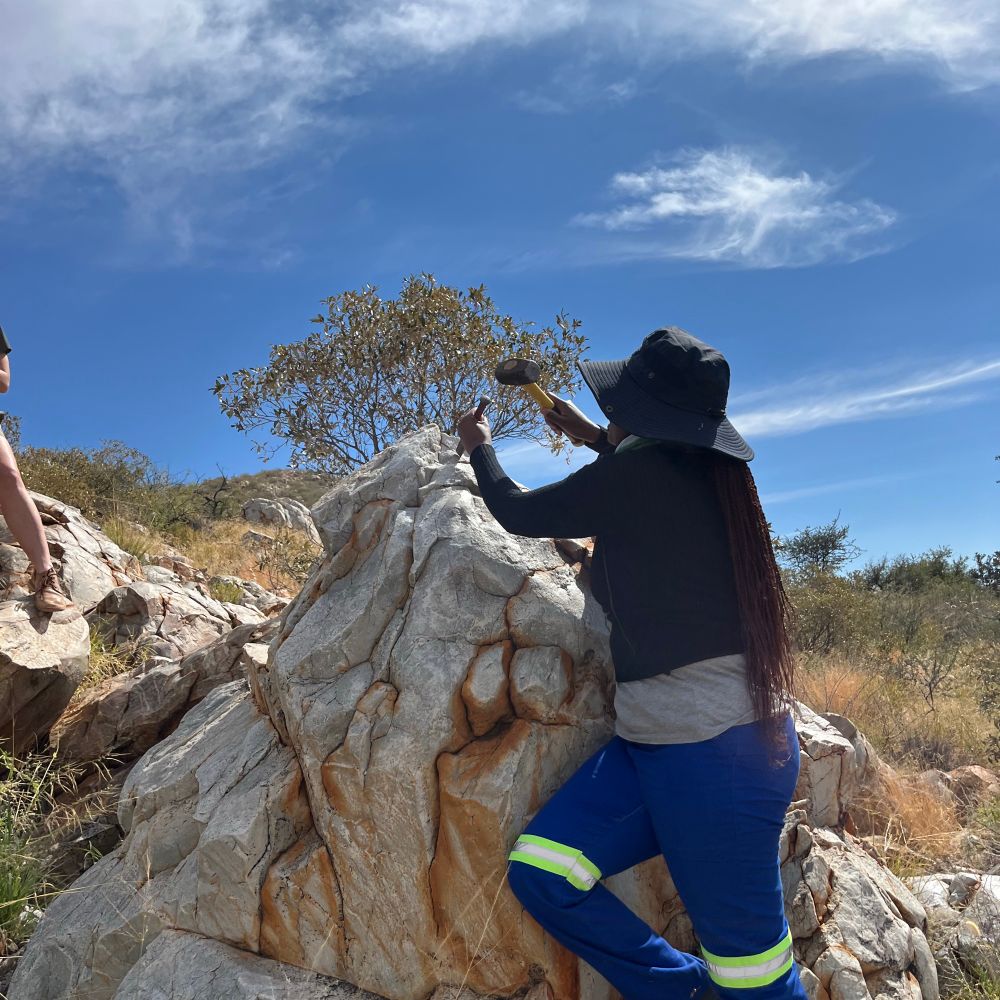
New publication alert!‼️ Wrapping up 2025 with my fifth paper of the year in the SAJS!
The paper reviews how stone tools reveal social connections, noting similar patterns can also arise independently and suggesting ways to better distinguish the two. 💫
🔗 doi.org/10.17159/saj...
The paper reviews how stone tools reveal social connections, noting similar patterns can also arise independently and suggesting ways to better distinguish the two. 💫
🔗 doi.org/10.17159/saj...

November 26, 2025 at 12:32 PM
New publication alert!‼️ Wrapping up 2025 with my fifth paper of the year in the SAJS!
The paper reviews how stone tools reveal social connections, noting similar patterns can also arise independently and suggesting ways to better distinguish the two. 💫
🔗 doi.org/10.17159/saj...
The paper reviews how stone tools reveal social connections, noting similar patterns can also arise independently and suggesting ways to better distinguish the two. 💫
🔗 doi.org/10.17159/saj...
Reposted by yourlocalarchaeologist

Archaeologists have analyzed 16 pieces of ocher unearthed at Neanderthal sites in Crimea and Ukraine. One piece was scraped into a crayon-like shape, and its tip had been resharpened—possibly a tool for drawing.
archaeology.org/news/2025/11/03/neanderthals-may-have-crafted-implements-for-drawing/
archaeology.org/news/2025/11/03/neanderthals-may-have-crafted-implements-for-drawing/

November 23, 2025 at 4:00 PM
Archaeologists have analyzed 16 pieces of ocher unearthed at Neanderthal sites in Crimea and Ukraine. One piece was scraped into a crayon-like shape, and its tip had been resharpened—possibly a tool for drawing.
archaeology.org/news/2025/11/03/neanderthals-may-have-crafted-implements-for-drawing/
archaeology.org/news/2025/11/03/neanderthals-may-have-crafted-implements-for-drawing/
Reposted by yourlocalarchaeologist

A paper in Nature Communications presents archaeology of the Namorotukunan site in Kenya’s Turkana Basin, and the study’s findings suggests continuity in tool-making practices over 300,000 years, with evidence of systematic selection of rock types. go.nature.com/3WJnBrK 🏺 🧪

November 8, 2025 at 8:49 PM
A paper in Nature Communications presents archaeology of the Namorotukunan site in Kenya’s Turkana Basin, and the study’s findings suggests continuity in tool-making practices over 300,000 years, with evidence of systematic selection of rock types. go.nature.com/3WJnBrK 🏺 🧪
Reposted by yourlocalarchaeologist

Some fascinating new research is showing how fast ancestral humans evolved their skulls, outpacing all other lineages of apes. These methods intersect with work that my students and I are doing, fun to explain how they work and what the results may mean.
www.johnhawks.net/p/human-skul...
www.johnhawks.net/p/human-skul...

Human skull shape evolved faster than any of the apes
New research led by Aida Gómez-Robles helps illustrate how researchers study the evolution of cranial form.
www.johnhawks.net
November 14, 2025 at 1:55 PM
Some fascinating new research is showing how fast ancestral humans evolved their skulls, outpacing all other lineages of apes. These methods intersect with work that my students and I are doing, fun to explain how they work and what the results may mean.
www.johnhawks.net/p/human-skul...
www.johnhawks.net/p/human-skul...
Reposted by yourlocalarchaeologist


Reposted by yourlocalarchaeologist

New fossils reveal the hand of Paranthropus boisei🏺🧪
C. Mongle, Meave Leakey, @louiseleakey.bsky.social et al
www.nature.com/articles/s41...
Suggests P. boisei capable of tool making and use in some capacity while also supports proposed dichotomy of dietary adaptations between Paranthropus and Homo
C. Mongle, Meave Leakey, @louiseleakey.bsky.social et al
www.nature.com/articles/s41...
Suggests P. boisei capable of tool making and use in some capacity while also supports proposed dichotomy of dietary adaptations between Paranthropus and Homo

October 17, 2025 at 3:31 PM
New fossils reveal the hand of Paranthropus boisei🏺🧪
C. Mongle, Meave Leakey, @louiseleakey.bsky.social et al
www.nature.com/articles/s41...
Suggests P. boisei capable of tool making and use in some capacity while also supports proposed dichotomy of dietary adaptations between Paranthropus and Homo
C. Mongle, Meave Leakey, @louiseleakey.bsky.social et al
www.nature.com/articles/s41...
Suggests P. boisei capable of tool making and use in some capacity while also supports proposed dichotomy of dietary adaptations between Paranthropus and Homo
Reposted by yourlocalarchaeologist
Ardipithecus ramidus ankle provides evidence for African ape-like vertical climbing in the earliest hominins 🏺🧪
www.nature.com/articles/s42...
Examines the evolutionary context of human bipedalism by analyzing the morphology of 4.4 million-year-old hominin talus attributed to ARA-VP-6/500-023.
www.nature.com/articles/s42...
Examines the evolutionary context of human bipedalism by analyzing the morphology of 4.4 million-year-old hominin talus attributed to ARA-VP-6/500-023.

October 17, 2025 at 3:00 PM
Ardipithecus ramidus ankle provides evidence for African ape-like vertical climbing in the earliest hominins 🏺🧪
www.nature.com/articles/s42...
Examines the evolutionary context of human bipedalism by analyzing the morphology of 4.4 million-year-old hominin talus attributed to ARA-VP-6/500-023.
www.nature.com/articles/s42...
Examines the evolutionary context of human bipedalism by analyzing the morphology of 4.4 million-year-old hominin talus attributed to ARA-VP-6/500-023.
Reposted by yourlocalarchaeologist

Ancient Teotihuacan murals reveal possible 2,000-year-old Uto-Aztecan language
A new study published in Current Anthropology may have solved one of the largest mysteries of ancient Mesoamerica—the language spoken in Teotihuacan...
More information: archaeologymag.com/2025/10/teot...
A new study published in Current Anthropology may have solved one of the largest mysteries of ancient Mesoamerica—the language spoken in Teotihuacan...
More information: archaeologymag.com/2025/10/teot...

October 17, 2025 at 2:53 PM
Ancient Teotihuacan murals reveal possible 2,000-year-old Uto-Aztecan language
A new study published in Current Anthropology may have solved one of the largest mysteries of ancient Mesoamerica—the language spoken in Teotihuacan...
More information: archaeologymag.com/2025/10/teot...
A new study published in Current Anthropology may have solved one of the largest mysteries of ancient Mesoamerica—the language spoken in Teotihuacan...
More information: archaeologymag.com/2025/10/teot...
Reposted by yourlocalarchaeologist
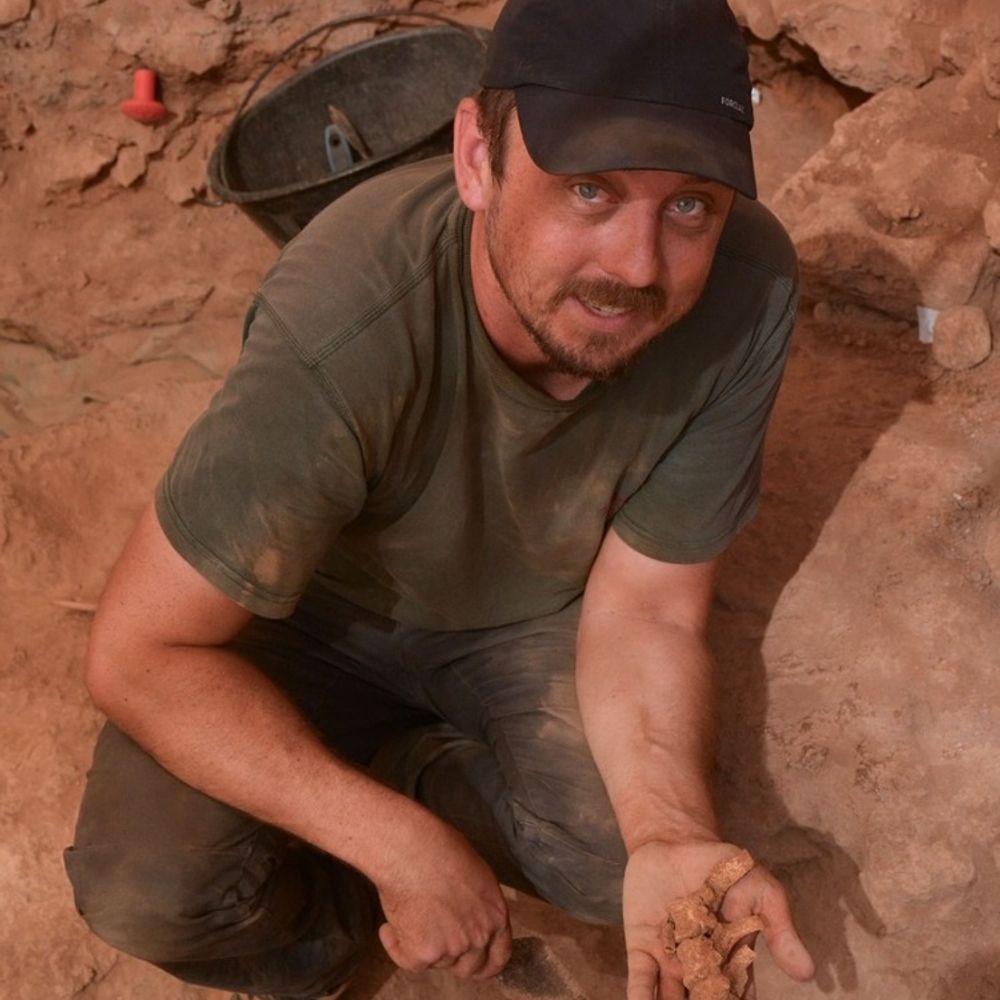
Ancient microbial DNA and proteins preserve in concretions covering human remains

Ancient microbial DNA and proteins preserve in concretions covering human remains
Archaeological remains covered with concretions, including human bones, are commonly found in certain areas and time periods of interest for understan…
www.sciencedirect.com
October 13, 2025 at 2:53 AM
Ancient microbial DNA and proteins preserve in concretions covering human remains
Reposted by yourlocalarchaeologist

🏺 This book mostly makes me wonder what image Sally Rosen Binford might have chosen of herself if she'd written her own archaeological magnum opus
(of course, one might argue whether she would ever have chosen to write such a book or centre herself on its cover in the first place...)
(of course, one might argue whether she would ever have chosen to write such a book or centre herself on its cover in the first place...)
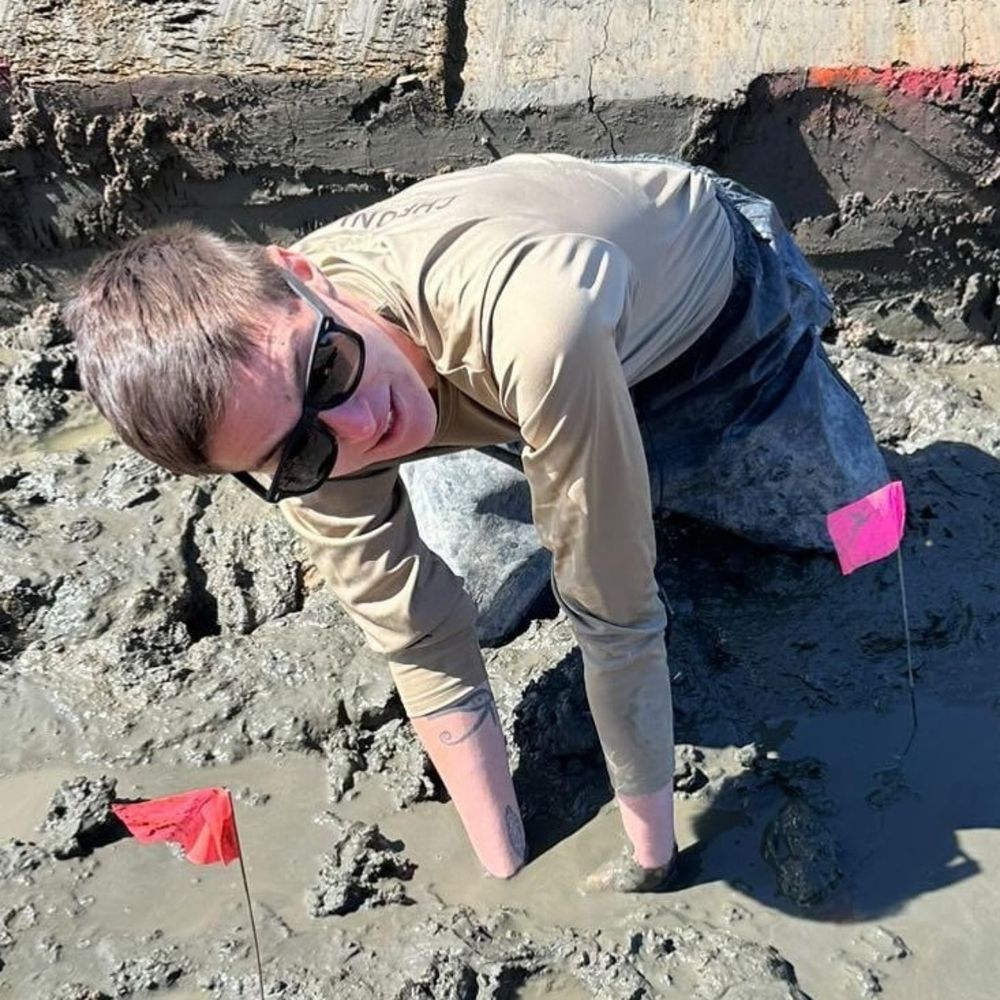
Giving a lecture on settlement archaeology this week so you KNOW I had to include my favorite archaeological book cover of all time 😂🏺

October 13, 2025 at 2:01 PM
🏺 This book mostly makes me wonder what image Sally Rosen Binford might have chosen of herself if she'd written her own archaeological magnum opus
(of course, one might argue whether she would ever have chosen to write such a book or centre herself on its cover in the first place...)
(of course, one might argue whether she would ever have chosen to write such a book or centre herself on its cover in the first place...)
Reposted by yourlocalarchaeologist
Isometric reconstruction of a previously unknown Tiwanaku temple in the Bolivian Andes, published this year in Antiquity. Its study reveals the complex trade and ritual interaction networks of this powerful pre-Inka state.
Learn more 🆓 doi.org/10.15184/aqy...
🏺 #Archaeology
Learn more 🆓 doi.org/10.15184/aqy...
🏺 #Archaeology

October 13, 2025 at 8:15 PM
Isometric reconstruction of a previously unknown Tiwanaku temple in the Bolivian Andes, published this year in Antiquity. Its study reveals the complex trade and ritual interaction networks of this powerful pre-Inka state.
Learn more 🆓 doi.org/10.15184/aqy...
🏺 #Archaeology
Learn more 🆓 doi.org/10.15184/aqy...
🏺 #Archaeology
Reposted by yourlocalarchaeologist

Remarkable archaeological finds are telling a new story of how prehistoric humans turned clothing from a necessity into a means of self-expression

How our ancestors invented clothing and transformed it into fashion
www.newscientist.com
October 13, 2025 at 7:46 PM
Remarkable archaeological finds are telling a new story of how prehistoric humans turned clothing from a necessity into a means of self-expression
Reposted by yourlocalarchaeologist

A new study identifies traces of azurite on a concave stone artefact from the Final Palaeolithic site of Mühlheim-Dietesheim, Germany. This represents the earliest use of blue pigment in Europe.
www.cambridge.org/core/journal...
www.cambridge.org/core/journal...

September 30, 2025 at 10:48 AM
A new study identifies traces of azurite on a concave stone artefact from the Final Palaeolithic site of Mühlheim-Dietesheim, Germany. This represents the earliest use of blue pigment in Europe.
www.cambridge.org/core/journal...
www.cambridge.org/core/journal...
Reposted by yourlocalarchaeologist
Early European evidence of artificial cranial modification from the Italian Late Upper Palaeolithic Arene Candide Cave 🏺🧪
www.nature.com/articles/s41...
Signs of artificial cranial modification in a Late Upper Palaeolithic individual (AC12) from Arene Candide Cave, Italy (ca. 12,620–12,190 Cal BP)
www.nature.com/articles/s41...
Signs of artificial cranial modification in a Late Upper Palaeolithic individual (AC12) from Arene Candide Cave, Italy (ca. 12,620–12,190 Cal BP)

October 3, 2025 at 3:30 PM
Early European evidence of artificial cranial modification from the Italian Late Upper Palaeolithic Arene Candide Cave 🏺🧪
www.nature.com/articles/s41...
Signs of artificial cranial modification in a Late Upper Palaeolithic individual (AC12) from Arene Candide Cave, Italy (ca. 12,620–12,190 Cal BP)
www.nature.com/articles/s41...
Signs of artificial cranial modification in a Late Upper Palaeolithic individual (AC12) from Arene Candide Cave, Italy (ca. 12,620–12,190 Cal BP)
Reposted by yourlocalarchaeologist
The phylogenetic position of the Yunxian cranium elucidates the origin of Homo longi and the Denisovans | Science www.science.org/doi/10.1126/...

The phylogenetic position of the Yunxian cranium elucidates the origin of Homo longi and the Denisovans
Diverse forms of Homo coexisted during the Middle Pleistocene. Whether these fossil humans represent different species or clades is debated. The ~1-million-year-old Yunxian 2 fossil from China is impo...
www.science.org
September 25, 2025 at 6:08 PM
The phylogenetic position of the Yunxian cranium elucidates the origin of Homo longi and the Denisovans | Science www.science.org/doi/10.1126/...
Reposted by yourlocalarchaeologist
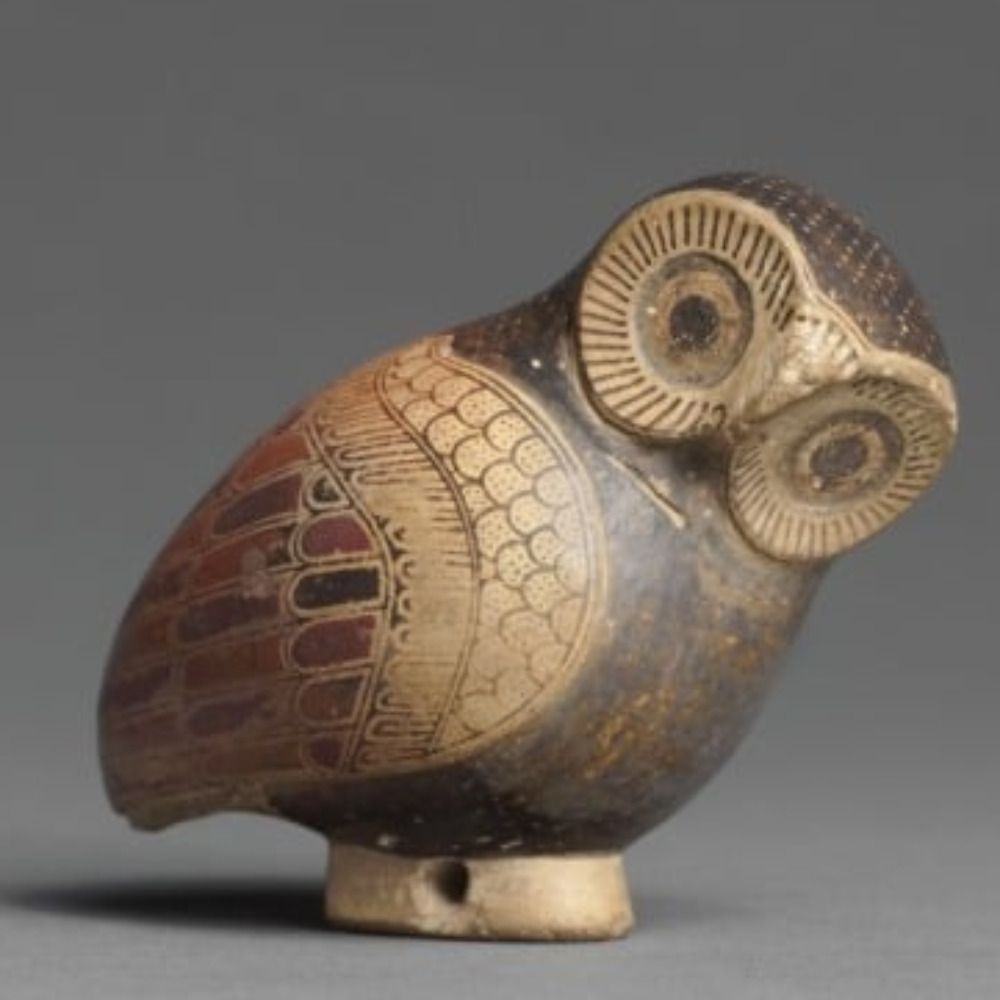
Oldest-known hippopotamus ivory object found in Iberian Peninsula Copper Age site.
phys.org/news/2025-09...
phys.org/news/2025-09...

Oldest-known hippopotamus ivory object found in Iberian Peninsula Copper Age site
Researchers at the Prehistoric Studies and Research Seminar (SERP) of the University of Barcelona have identified the oldest-known piece made of hippopotamus ivory in the Iberian Peninsula. This findi...
phys.org
September 25, 2025 at 4:43 PM
Oldest-known hippopotamus ivory object found in Iberian Peninsula Copper Age site.
phys.org/news/2025-09...
phys.org/news/2025-09...
Reposted by yourlocalarchaeologist
Can video games help advance #archaeology? By inputting their 3D model of South Africa's Sterkfontein Caves into the Unreal video game engine, researchers made this key site in human evolution research more accessible than ever #NationalVideoGamesDay
Learn more 🆓 doi.org/10.15184/aqy...
🏺
Learn more 🆓 doi.org/10.15184/aqy...
🏺
September 12, 2025 at 12:45 PM
Can video games help advance #archaeology? By inputting their 3D model of South Africa's Sterkfontein Caves into the Unreal video game engine, researchers made this key site in human evolution research more accessible than ever #NationalVideoGamesDay
Learn more 🆓 doi.org/10.15184/aqy...
🏺
Learn more 🆓 doi.org/10.15184/aqy...
🏺
Reposted by yourlocalarchaeologist
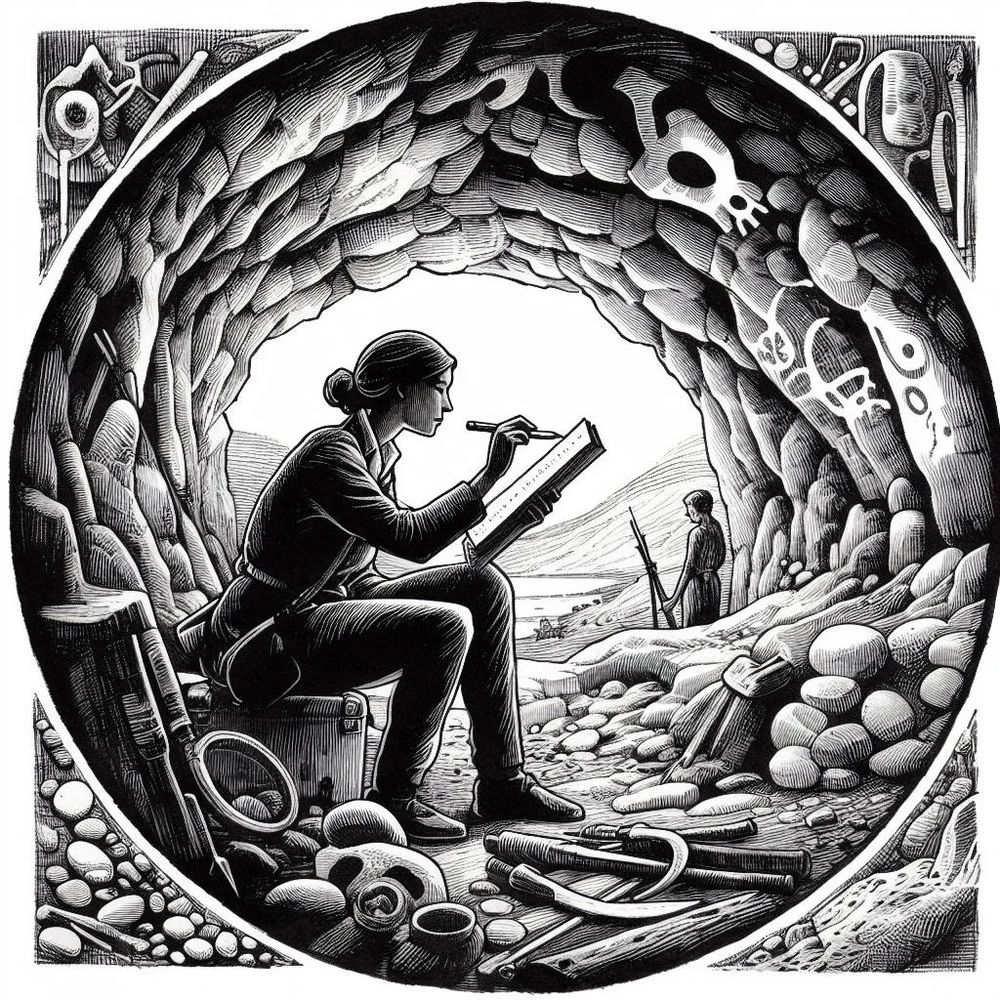
New study from Abrigo de la Malia shows early Homo sapiens hunted deer, horses, and bison in Iberia’s interior 36k years ago—challenging the idea of an “empty” plateau. #Paleoarchaeology #HumanEvolution #Iberia #Zooarchaeology #anthropology

Hunters of the Plateau: Rethinking Early Homo sapiens in Iberia
New faunal evidence from Abrigo de la Malia suggests that early modern humans settled central Iberia far earlier, and with greater skill, than once believed.
www.anthropology.net
September 9, 2025 at 1:00 AM
New study from Abrigo de la Malia shows early Homo sapiens hunted deer, horses, and bison in Iberia’s interior 36k years ago—challenging the idea of an “empty” plateau. #Paleoarchaeology #HumanEvolution #Iberia #Zooarchaeology #anthropology
Reposted by yourlocalarchaeologist

An empirically-based scenario for the evolution of cultural transmission in the human lineage during the last 3.3 million years doi.org/10.1371/jour...

An empirically-based scenario for the evolution of cultural transmission in the human lineage during the last 3.3 million years
Humans accumulate an ever-growing body of knowledge that far exceeds the capacity of any single individual or generation. Social learning and transmission are essential for this process. However, how…
doi.org
September 8, 2025 at 11:00 AM
An empirically-based scenario for the evolution of cultural transmission in the human lineage during the last 3.3 million years doi.org/10.1371/jour...
Reposted by yourlocalarchaeologist

We decoded the oldest genetic data from an Egyptian, a man buried about 4,500 years ago
#Egypt #science
phys.org/news/2025-09...
#Egypt #science
phys.org/news/2025-09...
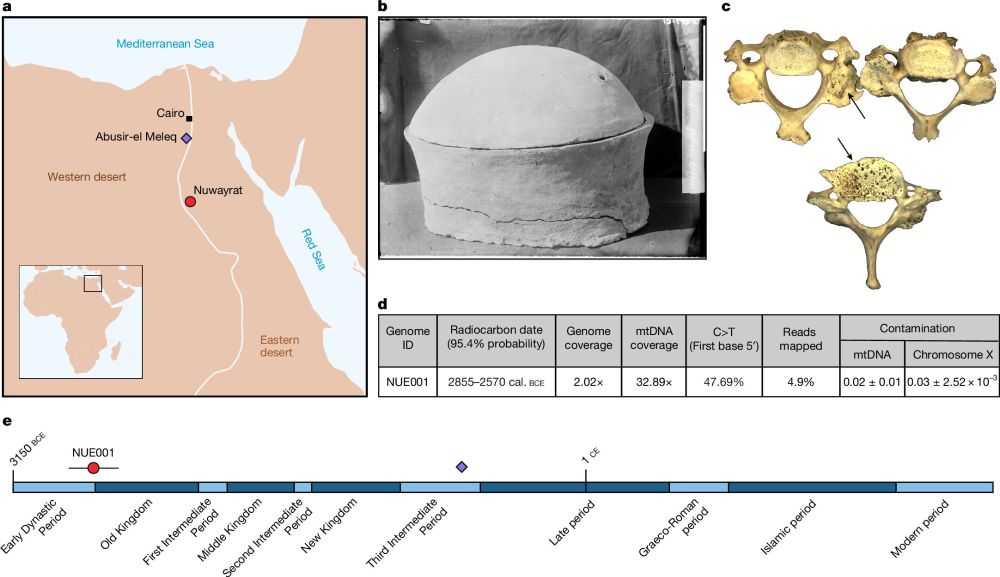
We decoded the oldest genetic data from an Egyptian, a man buried about 4,500 years ago
A group of scientists has sequenced the genome of a man who was buried in Egypt around 4,500 years ago. The study offers rare insight into the genetic ancestry of early Egyptians and reveals links to ...
phys.org
September 7, 2025 at 11:53 AM
We decoded the oldest genetic data from an Egyptian, a man buried about 4,500 years ago
#Egypt #science
phys.org/news/2025-09...
#Egypt #science
phys.org/news/2025-09...
Reposted by yourlocalarchaeologist

Reposted by yourlocalarchaeologist
Hominin skull from Petralona Cave dated to be at least 286,000 years old
New U-series dates on the Petralona cranium,
a key fossil in European human evolution 🏺🧪
Christophe Falguères, Chris Stringer @chrisbstringer.bsky.social, et al
www.sciencedirect.com/science/arti...
New U-series dates on the Petralona cranium,
a key fossil in European human evolution 🏺🧪
Christophe Falguères, Chris Stringer @chrisbstringer.bsky.social, et al
www.sciencedirect.com/science/arti...

August 22, 2025 at 3:01 PM
Hominin skull from Petralona Cave dated to be at least 286,000 years old
New U-series dates on the Petralona cranium,
a key fossil in European human evolution 🏺🧪
Christophe Falguères, Chris Stringer @chrisbstringer.bsky.social, et al
www.sciencedirect.com/science/arti...
New U-series dates on the Petralona cranium,
a key fossil in European human evolution 🏺🧪
Christophe Falguères, Chris Stringer @chrisbstringer.bsky.social, et al
www.sciencedirect.com/science/arti...
Reposted by yourlocalarchaeologist

Today in stone tool news... 🏺🧪

2.6 million-year-old stone tools reveal ancient human relatives were 'forward planning' 600,000 years earlier than thought
Hundreds of stone tools discovered in Kenya have revealed that human relatives traveled long distances to find raw material.
www.livescience.com
August 15, 2025 at 6:36 PM
Today in stone tool news... 🏺🧪