



Simons Observatory
@simonsobservatory.org
Figuring out some of the mysteries of the Universe from Chile at simonsobservatory.org
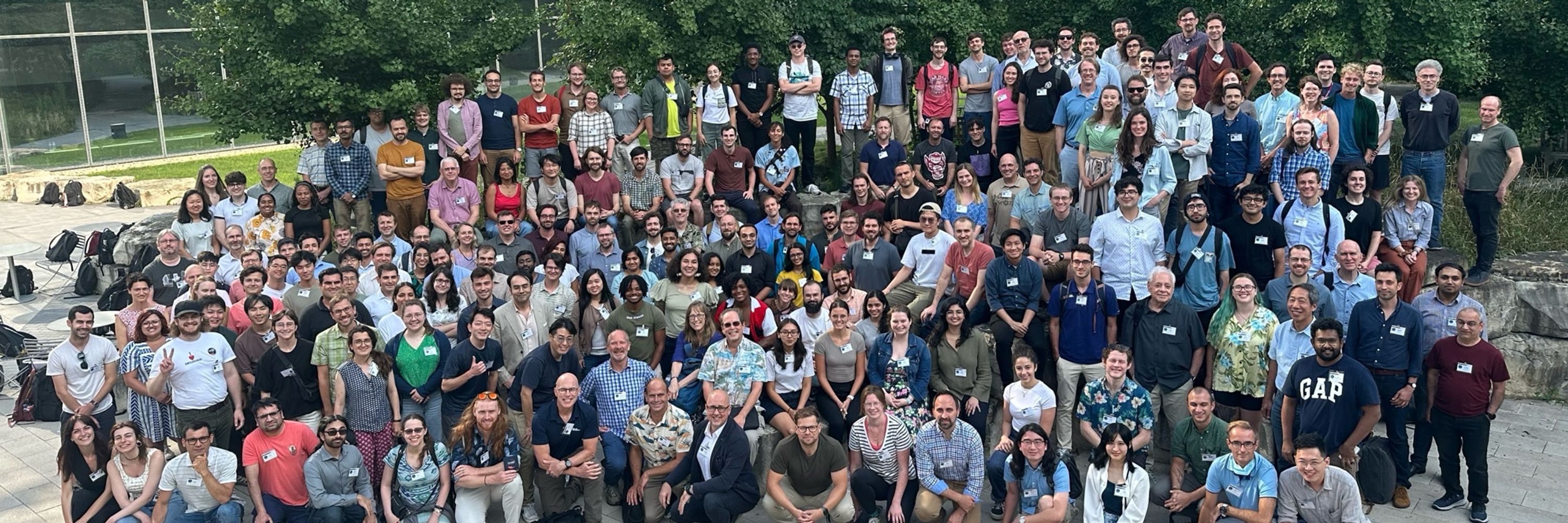
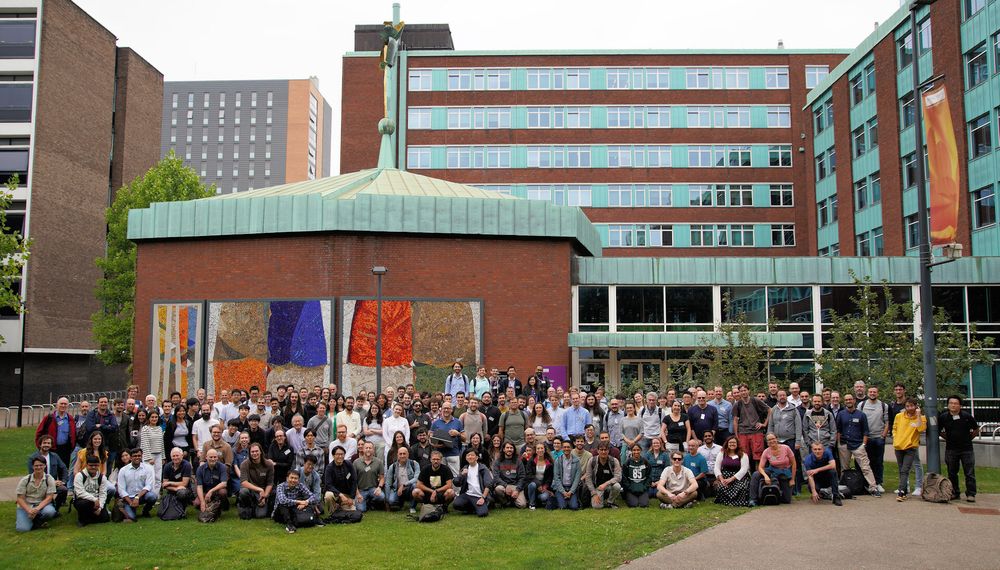
We're having our collaboration meeting this week! Many of our members went to the University of Manchester, many more are online. Kudos to the local team for an adorable logo (with a pun in it of course) 🐝-modes are the sweetest honey! #AstroSci
July 24, 2025 at 11:49 AM
We're having our collaboration meeting this week! Many of our members went to the University of Manchester, many more are online. Kudos to the local team for an adorable logo (with a pun in it of course) 🐝-modes are the sweetest honey! #AstroSci
Cool results from our cousins at the South Pole Telescope! 🔭 With our Large Aperture Telescope, we hope to reach a similarly exquisite sensitivity as they do on their green patch over a large sky area (that I crudely outlined in blue).
![An oval projection of the full night sky, with the galaxy forming a wispy horseshoe figure through it. several trapezoids of color cover different parts of it. The original caption reads:
"FIG. 3. Footprints of the SPT-3G surveys—Main (green filled area), Summer (orange filled area), and Wide (red filled area)—shown alongside the ACT DR6 survey mask (blue solid line). We show Galactic dust as measured by Planck in the background [45] and indicate the most contaminated region with the Planck GAL080 mask as shown in gray shading with a white border. This work is based on observations of the SPT-3G Main field. The combination of the SPT-3G Main, SPT-3G
Summer, and SPT-3G Wide fields will constitute the Ext-10k field, which will probe 25% of the sky with low noise and high resolution."](https://cdn.bsky.app/img/feed_thumbnail/plain/did:plc:o6nhidmwtyfznchshyb7jugb/bafkreibyx2furgyist3ubq2dzbj4lbvpkukqfq7kgufmu2xxu5nnfgzyju@jpeg)
June 25, 2025 at 11:49 PM
Cool results from our cousins at the South Pole Telescope! 🔭 With our Large Aperture Telescope, we hope to reach a similarly exquisite sensitivity as they do on their green patch over a large sky area (that I crudely outlined in blue).
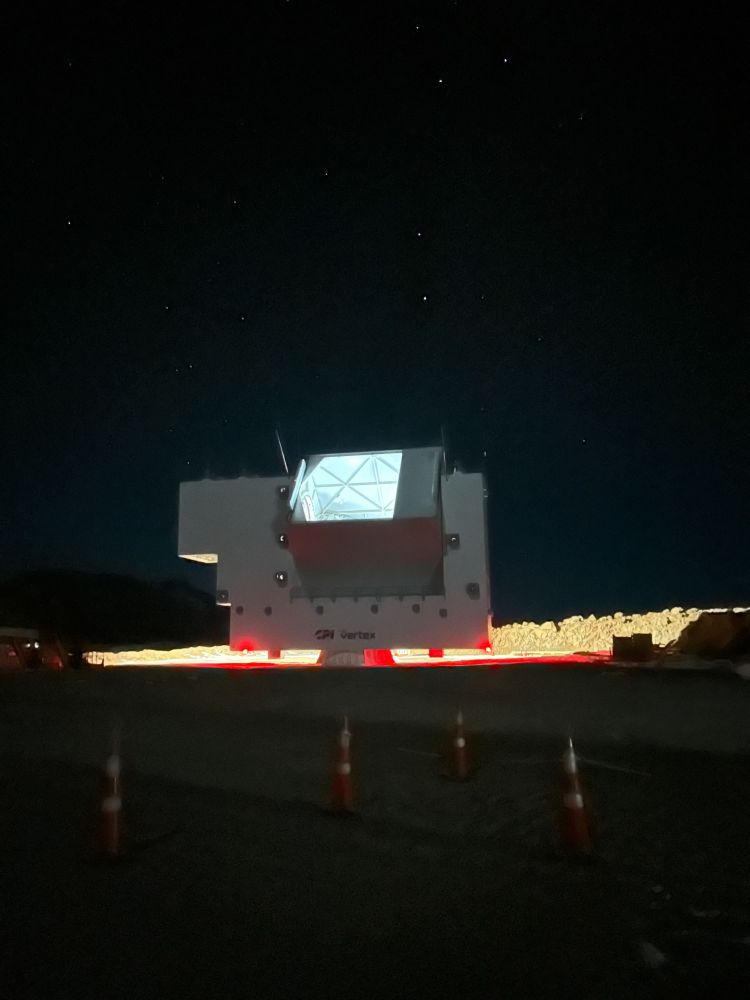
OK, who was throwing a rave inside the Large Aperture Telescope 🔭?
(Image credit: Prof. Suzanne Staggs, Princeton)
(Image credit: Prof. Suzanne Staggs, Princeton)
May 6, 2025 at 12:32 AM
OK, who was throwing a rave inside the Large Aperture Telescope 🔭?
(Image credit: Prof. Suzanne Staggs, Princeton)
(Image credit: Prof. Suzanne Staggs, Princeton)
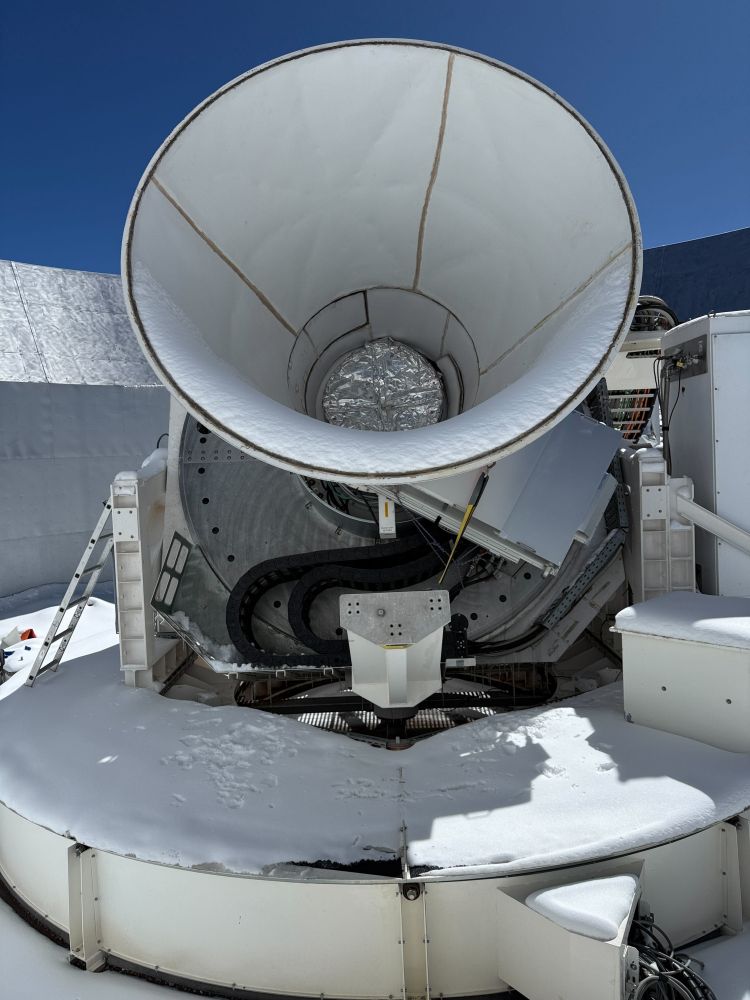
We had snow last week at our site! Our telescopes 🔭 like being cold, our teams not so much. Here you are looking inside the sun-shield of one of the SO SATs, the actual lenses and the focal plane sit beneath that shiny cover, cooled to cryogenic temperatures.
Image credit: Dr Elle Shaw, UT Austin
Image credit: Dr Elle Shaw, UT Austin
April 28, 2025 at 8:15 PM
We had snow last week at our site! Our telescopes 🔭 like being cold, our teams not so much. Here you are looking inside the sun-shield of one of the SO SATs, the actual lenses and the focal plane sit beneath that shiny cover, cooled to cryogenic temperatures.
Image credit: Dr Elle Shaw, UT Austin
Image credit: Dr Elle Shaw, UT Austin
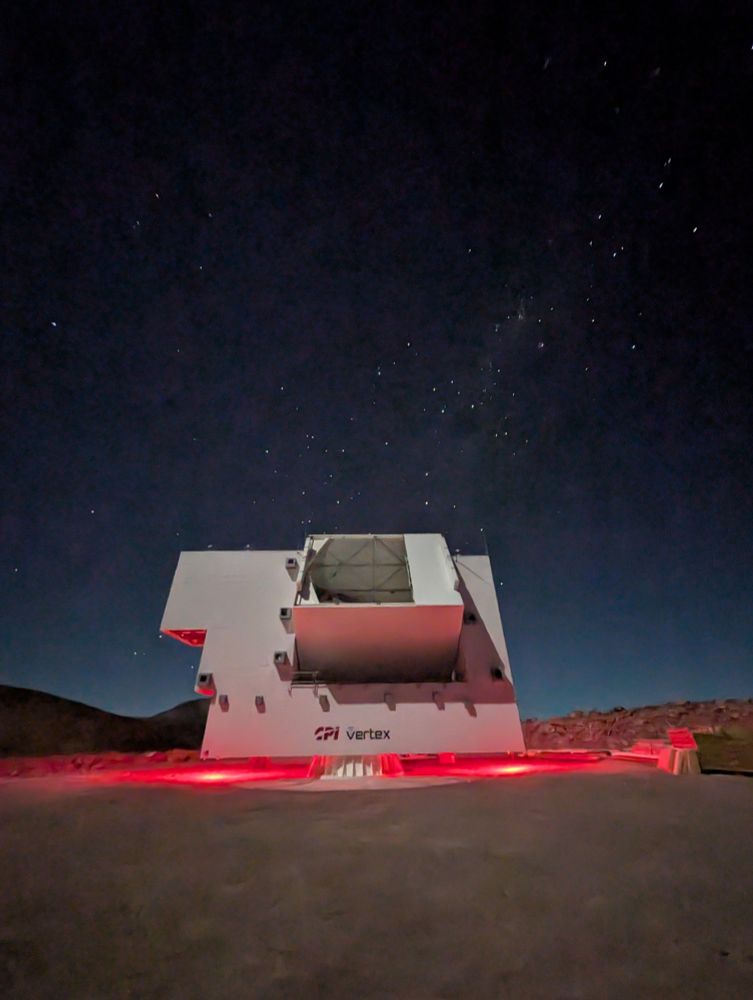
This week, we are trying to assess performance of our Large Aperture Telescope by looking at the planet Mars. For our telescope, it appears as a point, so we can understand our optical response and pointing by observing it.
Image credit: Mark Devlin. ☄️🔭
Image credit: Mark Devlin. ☄️🔭
April 10, 2025 at 6:37 PM
This week, we are trying to assess performance of our Large Aperture Telescope by looking at the planet Mars. For our telescope, it appears as a point, so we can understand our optical response and pointing by observing it.
Image credit: Mark Devlin. ☄️🔭
Image credit: Mark Devlin. ☄️🔭
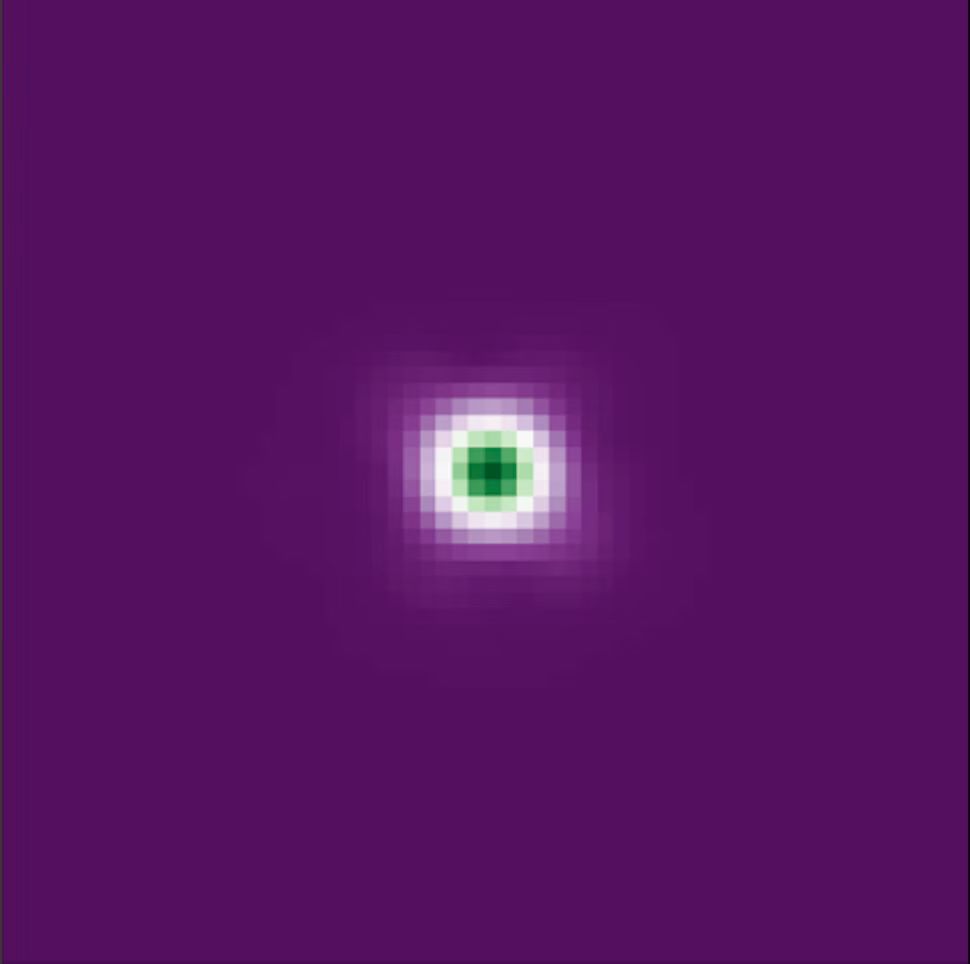
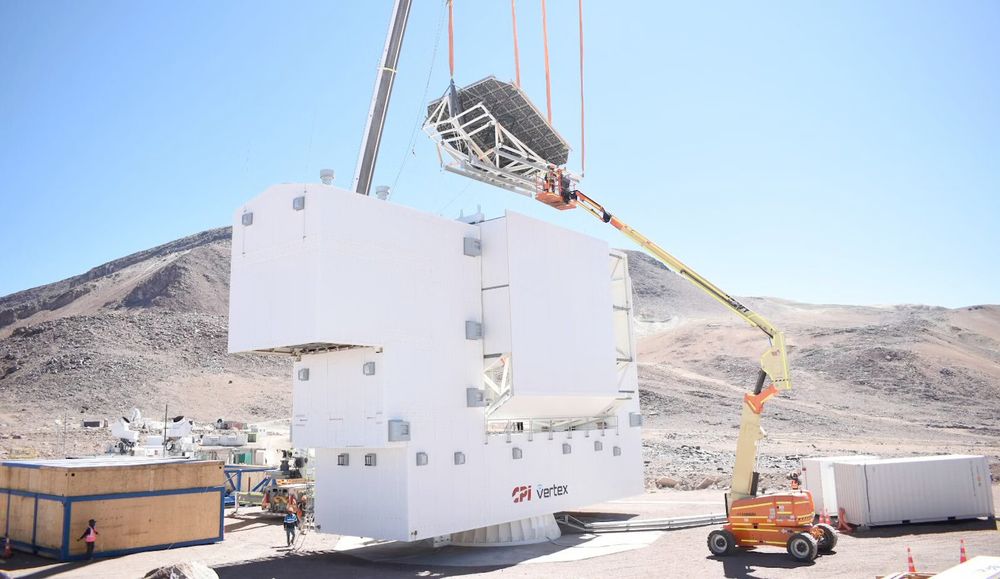
We have first light on our Large Aperture Telescope! www.simonsfoundation.org/2025/03/17/s...
After installing our mirrors over the last few weeks, we have started looking at the sky. We are still tuning the telescope, but we can already make maps of objects in the sky, like Mars. ☄️🔭🧪
After installing our mirrors over the last few weeks, we have started looking at the sky. We are still tuning the telescope, but we can already make maps of objects in the sky, like Mars. ☄️🔭🧪
March 17, 2025 at 3:45 PM
We have first light on our Large Aperture Telescope! www.simonsfoundation.org/2025/03/17/s...
After installing our mirrors over the last few weeks, we have started looking at the sky. We are still tuning the telescope, but we can already make maps of objects in the sky, like Mars. ☄️🔭🧪
After installing our mirrors over the last few weeks, we have started looking at the sky. We are still tuning the telescope, but we can already make maps of objects in the sky, like Mars. ☄️🔭🧪
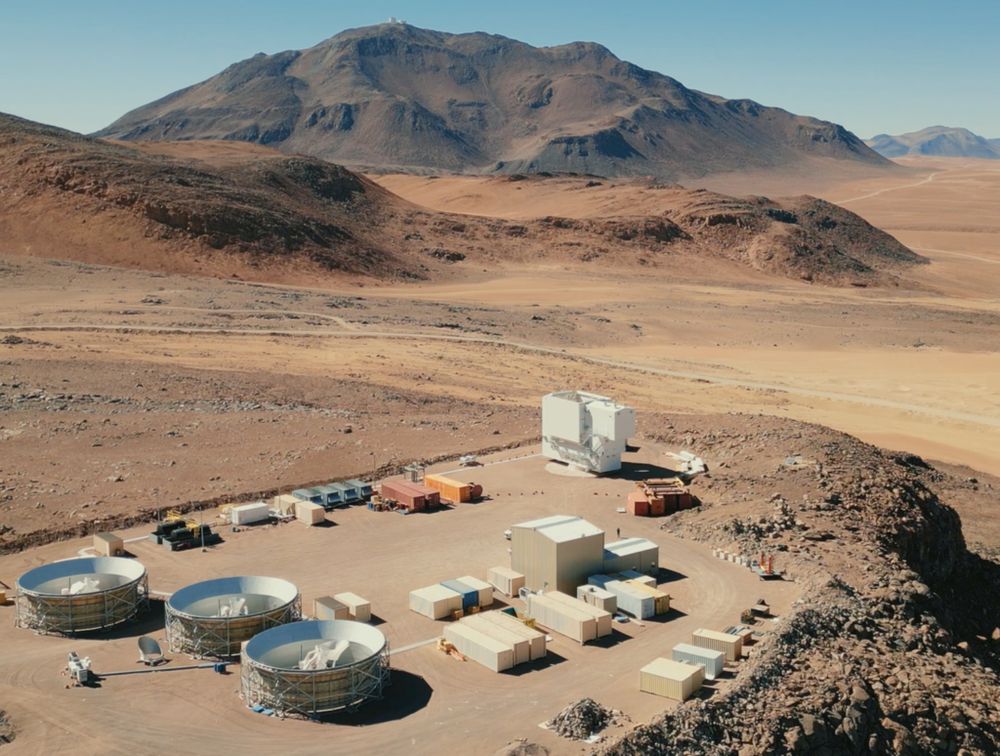
We have a brand new website! simonsobservatory.org Go check it out for information on what we do, recent publications, and cool images. 🧪🔭
March 13, 2025 at 10:42 PM
We have a brand new website! simonsobservatory.org Go check it out for information on what we do, recent publications, and cool images. 🧪🔭
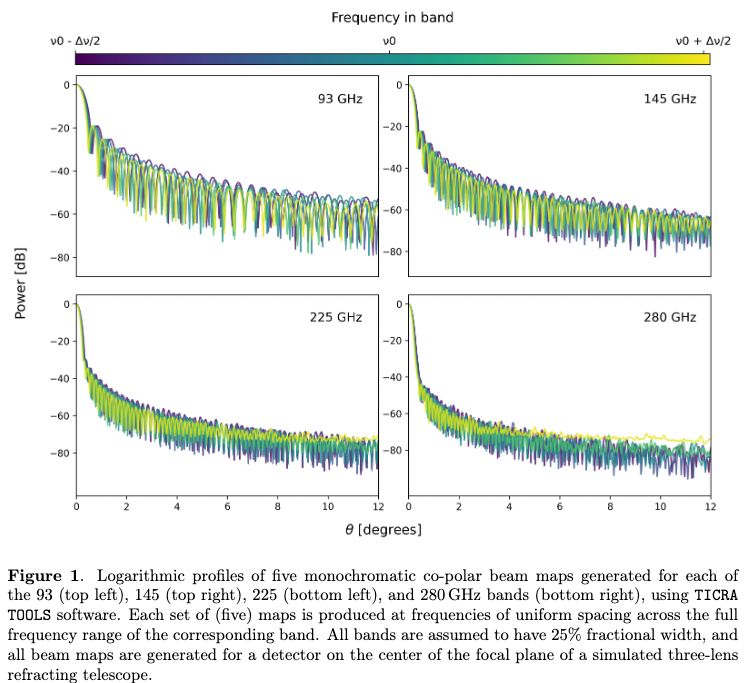
The second preprint is about our small aperture telescopes. We ran simulations to forecast how much of a problem shifts in the shape of our beam within a band (color corrections/chromaticity) would be for our cosmological analysis. arxiv.org/abs/2503.01791 This project was led by Nadia Dachlythra.🔭☄️
March 4, 2025 at 11:00 PM
The second preprint is about our small aperture telescopes. We ran simulations to forecast how much of a problem shifts in the shape of our beam within a band (color corrections/chromaticity) would be for our cosmological analysis. arxiv.org/abs/2503.01791 This project was led by Nadia Dachlythra.🔭☄️
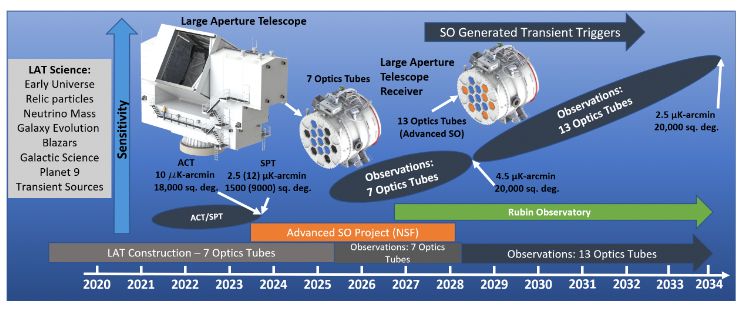
We have two preprints out on the arXiv today 🔭☄️!
The first one is about an #NSFFunded upgrade to our Large Aperture Telescope, roughly doubling the number of detectors in it: arxiv.org/abs/2503.00636 enabling us to probe the sky deeper than ever. The paper was led by Susan Clark and Colin Hill.
The first one is about an #NSFFunded upgrade to our Large Aperture Telescope, roughly doubling the number of detectors in it: arxiv.org/abs/2503.00636 enabling us to probe the sky deeper than ever. The paper was led by Susan Clark and Colin Hill.
March 4, 2025 at 11:00 PM
We have two preprints out on the arXiv today 🔭☄️!
The first one is about an #NSFFunded upgrade to our Large Aperture Telescope, roughly doubling the number of detectors in it: arxiv.org/abs/2503.00636 enabling us to probe the sky deeper than ever. The paper was led by Susan Clark and Colin Hill.
The first one is about an #NSFFunded upgrade to our Large Aperture Telescope, roughly doubling the number of detectors in it: arxiv.org/abs/2503.00636 enabling us to probe the sky deeper than ever. The paper was led by Susan Clark and Colin Hill.
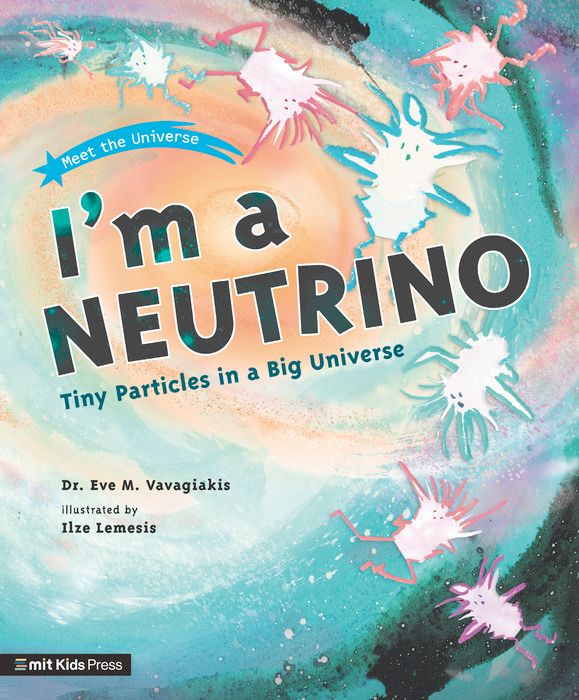
P.S. At this point, since @evevavagiakis.bsky.social is not writing this post, I can mention her children's book with adorable little neutrinos if you want to learn more about them. www.penguinrandomhouse.com/books/706338... 9/8
February 21, 2025 at 1:27 AM
P.S. At this point, since @evevavagiakis.bsky.social is not writing this post, I can mention her children's book with adorable little neutrinos if you want to learn more about them. www.penguinrandomhouse.com/books/706338... 9/8
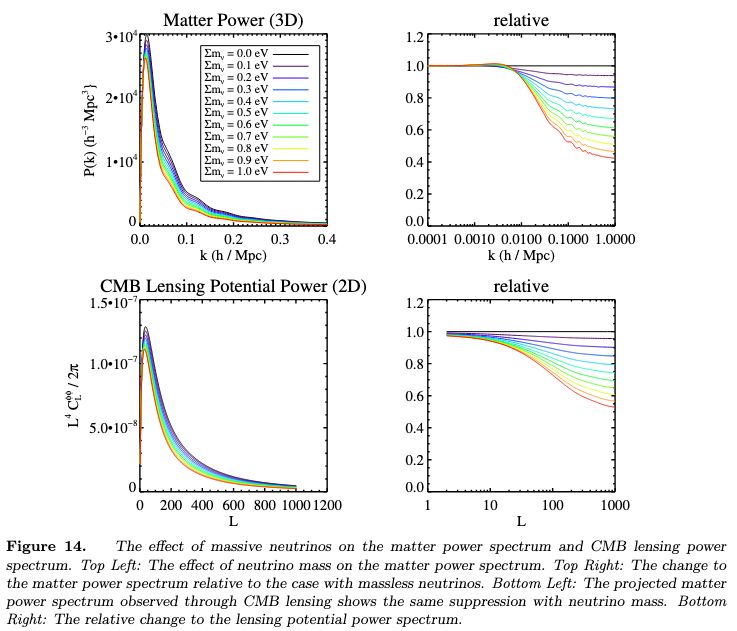
This is a scale-dependent effect, so we know how to identify it. It is also sensitive to the mass of the relativistic particles zipping through. That includes neutrinos! (Image from the CMB-S4 science book arxiv.org/abs/1610.02743) 7/8
February 21, 2025 at 1:27 AM
This is a scale-dependent effect, so we know how to identify it. It is also sensitive to the mass of the relativistic particles zipping through. That includes neutrinos! (Image from the CMB-S4 science book arxiv.org/abs/1610.02743) 7/8
Because the LAT has a much larger mirror, it can resolve finer details on the sky. The resolution is roughly 1/40th of a degree, about the same as someone with a 6/10-7/10 vision. This makes us able to see the small deflection of CMB light by matter's gravity. (Image credit: ESA/Planck) 3/8

February 21, 2025 at 1:27 AM
Because the LAT has a much larger mirror, it can resolve finer details on the sky. The resolution is roughly 1/40th of a degree, about the same as someone with a 6/10-7/10 vision. This makes us able to see the small deflection of CMB light by matter's gravity. (Image credit: ESA/Planck) 3/8
As we are putting the finishing touches on our Large Aperture Telescope 🔭, now might be a good time to explain what science goals it serves. The problem is that there are many to choose from! (Image credit: Mark Devlin) 1/8

February 21, 2025 at 1:27 AM
As we are putting the finishing touches on our Large Aperture Telescope 🔭, now might be a good time to explain what science goals it serves. The problem is that there are many to choose from! (Image credit: Mark Devlin) 1/8
Fog can't stop us from installing our last mirror 🔭
Image credit: Toby Satterthwaite
Image credit: Toby Satterthwaite

February 15, 2025 at 8:47 PM
Fog can't stop us from installing our last mirror 🔭
Image credit: Toby Satterthwaite
Image credit: Toby Satterthwaite
Do not flip 6m secondary mirrors without experienced PI supervision and heavy duty equipment. Do not try this at home. 🔭
Image credit: Mark Devlin
Image credit: Mark Devlin


February 14, 2025 at 1:24 AM
Do not flip 6m secondary mirrors without experienced PI supervision and heavy duty equipment. Do not try this at home. 🔭
Image credit: Mark Devlin
Image credit: Mark Devlin
Big day! The primary mirror is in the LAT!
Credit: Elle Shaw
Credit: Elle Shaw
February 10, 2025 at 4:18 PM
Big day! The primary mirror is in the LAT!
Credit: Elle Shaw
Credit: Elle Shaw
PSA: Lift 6m mirrors with your crane, not with your back

February 6, 2025 at 5:34 PM
PSA: Lift 6m mirrors with your crane, not with your back
SATs and stars
📸 Elle Shaw, Felipe Carrero
📸 Elle Shaw, Felipe Carrero

February 4, 2025 at 12:54 PM
SATs and stars
📸 Elle Shaw, Felipe Carrero
📸 Elle Shaw, Felipe Carrero
Sneak peek at one of our LAT mirrors in its crate. Everything appears to go ok.
Image credit: Mark Devlin
Image credit: Mark Devlin

January 30, 2025 at 7:38 PM
Sneak peek at one of our LAT mirrors in its crate. Everything appears to go ok.
Image credit: Mark Devlin
Image credit: Mark Devlin
No, it's because all smurfs are blue.

January 30, 2025 at 7:33 PM
No, it's because all smurfs are blue.
Happy Lunar New Year! Common snakes in the Atacama desert include the cabling that links the detectors in our telescopes 🔭 to the readout system. The readout was designed at SLAC (cmb.sites.stanford.edu/slac-microre...), can you guess why it is painted blue?
Image credit: Nick Galitzki
Image credit: Nick Galitzki

January 29, 2025 at 5:53 PM
Happy Lunar New Year! Common snakes in the Atacama desert include the cabling that links the detectors in our telescopes 🔭 to the readout system. The readout was designed at SLAC (cmb.sites.stanford.edu/slac-microre...), can you guess why it is painted blue?
Image credit: Nick Galitzki
Image credit: Nick Galitzki
We're at the site! Who's ready for a craning montage? #astronomy

January 24, 2025 at 6:59 PM
We're at the site! Who's ready for a craning montage? #astronomy
The mirrors for our Large Aperture Telescope are on their way to our site! 🔭
January 22, 2025 at 8:13 PM
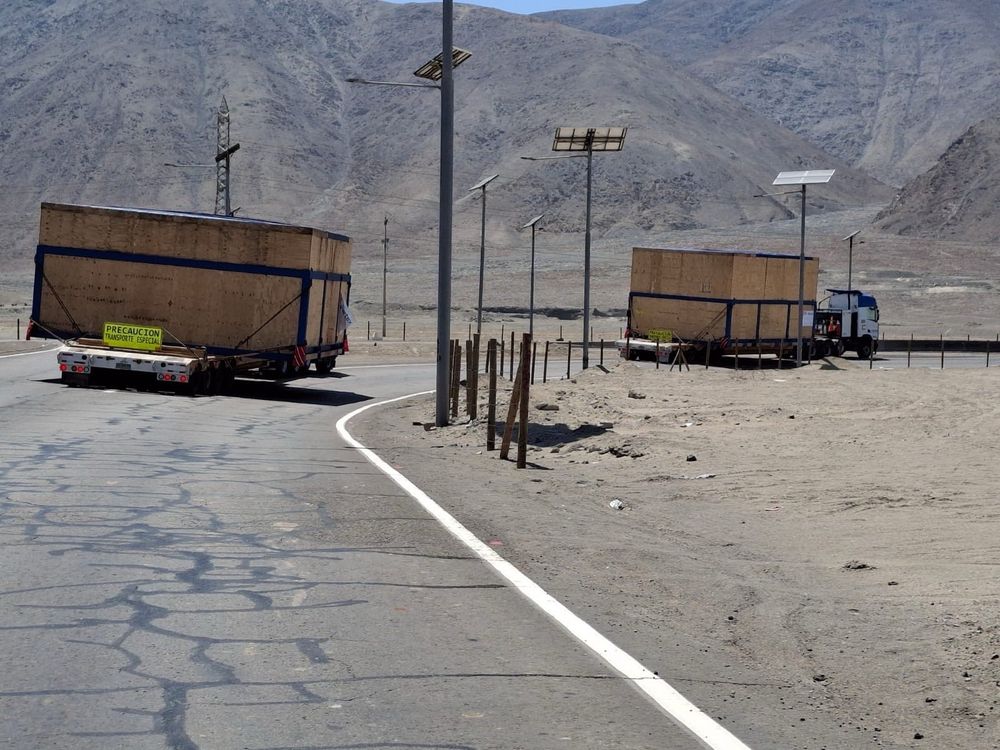
The mirrors for our Large Aperture Telescope are on their way to our site! 🔭
This is the main job of our small aperture telescopes (the SATs). We have three so far (funded by @simonsfoundation.org), but got funding to add three more thanks to some of our members in Japan and the UK!
Next time, I'll talk about the LAT and how it will help us achieve our science goals. 8/8
Next time, I'll talk about the LAT and how it will help us achieve our science goals. 8/8

January 21, 2025 at 10:17 PM
This is the main job of our small aperture telescopes (the SATs). We have three so far (funded by @simonsfoundation.org), but got funding to add three more thanks to some of our members in Japan and the UK!
Next time, I'll talk about the LAT and how it will help us achieve our science goals. 8/8
Next time, I'll talk about the LAT and how it will help us achieve our science goals. 8/8
We are searching in the polarization of the CMB for a pattern called B-modes that can only be generated by primordial gravitational waves, which are a generic prediction of inflation models. (Image credit: Lucy Reading-Ikkanda/Simons Foundation)
7/8
7/8

January 21, 2025 at 10:17 PM
We are searching in the polarization of the CMB for a pattern called B-modes that can only be generated by primordial gravitational waves, which are a generic prediction of inflation models. (Image credit: Lucy Reading-Ikkanda/Simons Foundation)
7/8
7/8