



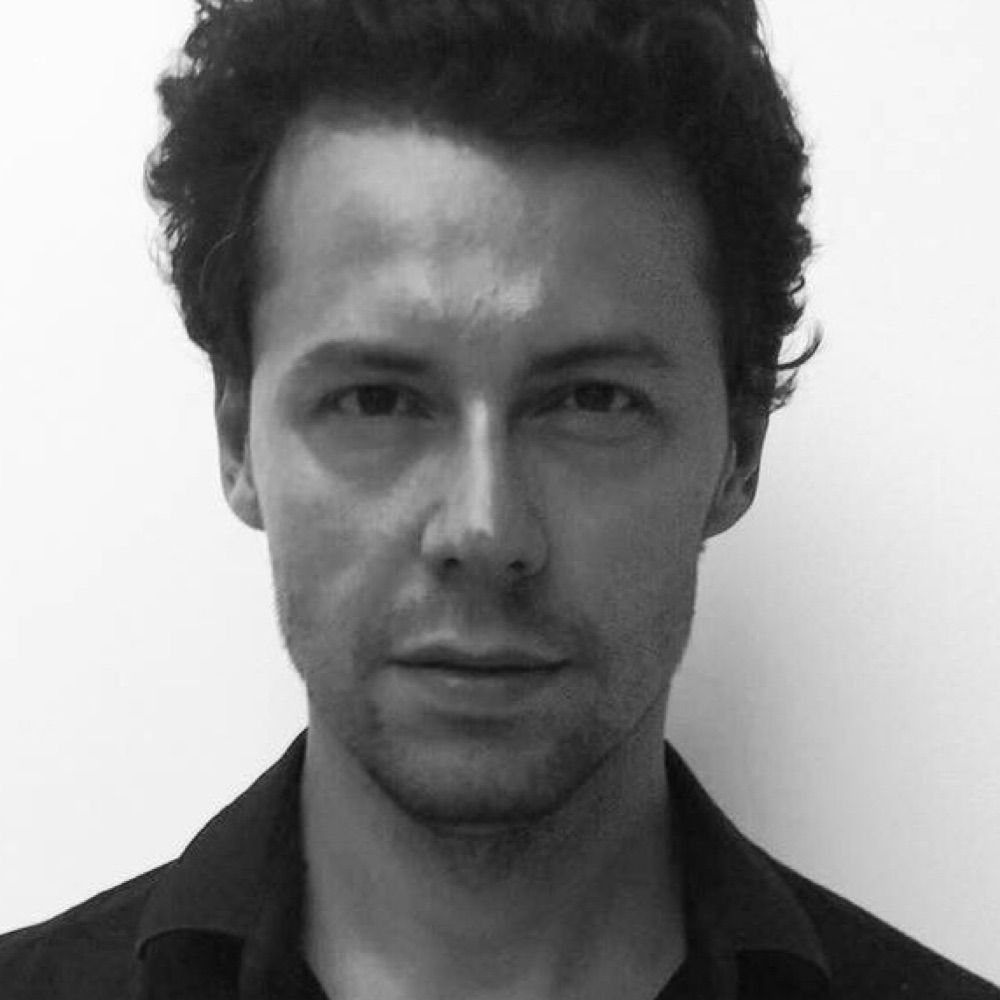
Andrei Netto
@andreinetto.bsky.social
Journalist @theguardian.com. Latin American and Caribbean editor / climate justice and more. Author of Bringing Down Gaddafi • PhD in Social Sciences.
https://www.theguardian.com/global-development/series/southern-frontlines
Signal: thecorrespondent.13
https://www.theguardian.com/global-development/series/southern-frontlines
Signal: thecorrespondent.13
Perhaps a bit excessive?

January 30, 2026 at 9:11 AM
Perhaps a bit excessive?
Reposted by Andrei Netto

‘We’re in danger of extinction’: can Bolivia’s ‘water people’ survive a rising tide of salt and migration?

‘We’re in danger of extinction’: can Bolivia’s ‘water people’ survive a rising tide of salt and migration?
The Uru Chipaya, one of South America’s most ancient civilisations, are battling drought, salinity and an exodus of their people as the climate crisis wreaks havoc on their land
www.theguardian.com
January 16, 2026 at 1:58 PM
‘We’re in danger of extinction’: can Bolivia’s ‘water people’ survive a rising tide of salt and migration?
Reposted by Andrei Netto
Brutal, vibrant and creative: capturing the soul of Latin America in 100 photographs

Brutal, vibrant and creative: capturing the soul of Latin America in 100 photographs
The journalist and historian Paulo Antonio Paranaguá uses images from the turbulent continent to weave a history of the region, covering colonisation, slavery and dictatorship
www.theguardian.com
January 12, 2026 at 8:18 PM
Brutal, vibrant and creative: capturing the soul of Latin America in 100 photographs
Cuba is on the brink. After decades of US sanctions, the island is in its worst state since the collapse of the Soviet Union, with one in four Cubans having left within four years. As the humanitarian toll increases, the threat of state collapse becomes more imminent.
Here's my report from Havana.
Here's my report from Havana.

‘History will tell’: as US pressure grows, Cuba edges closer to collapse amid mass exodus
Disillusioned with the revolution after 68 years of US sanctions and a shattered economy, one in four Cubans have left in four years. Can the regime, and country, survive the engulfing ‘polycrisis’?
www.theguardian.com
January 10, 2026 at 11:42 PM
Cuba is on the brink. After decades of US sanctions, the island is in its worst state since the collapse of the Soviet Union, with one in four Cubans having left within four years. As the humanitarian toll increases, the threat of state collapse becomes more imminent.
Here's my report from Havana.
Here's my report from Havana.
Reposted by Andrei Netto

Argentina is building its largest crude export port on Patagonia’s coast, near a UNESCO marine sanctuary home to whales, penguins & sea lions. Scientists warn spills could devastate wildlife. My report for @theguardian.com: www.theguardian.com/global-devel... @andreinetto.bsky.social

‘We’ve begun oil spill response training’: Patagonia prepares for the largest crude oil export port in Argentina
Wildlife experts warn huge facility on the Valdés peninsula in Patagonia could be devastating for ‘a treasure chest of wildlife’
www.theguardian.com
August 8, 2025 at 11:49 AM
Argentina is building its largest crude export port on Patagonia’s coast, near a UNESCO marine sanctuary home to whales, penguins & sea lions. Scientists warn spills could devastate wildlife. My report for @theguardian.com: www.theguardian.com/global-devel... @andreinetto.bsky.social
In the lush mountains of Colombia, farmers and activists are taking on a mining colossus. Our latest @Guardian series investigates how AngloGold Ashanti's Quebradona project is stirring fears of environmental ruin — and why locals are pushing back.

Families torn apart, charges of kidnap and theft: how plans for a giant mine have sown distrust and unrest in the hills of Jericó
Activists who object to plans for Colombia’s biggest copper mine as a serious threat to the environment are fighting legal action initiated by AngloGold Ashanti. But some in the community say the vent...
www.theguardian.com
July 21, 2025 at 11:55 AM
In the lush mountains of Colombia, farmers and activists are taking on a mining colossus. Our latest @Guardian series investigates how AngloGold Ashanti's Quebradona project is stirring fears of environmental ruin — and why locals are pushing back.
Reposted by Andrei Netto
Mining companies are pumping seawater into the driest place on Earth. But has the damage been done?

Mining companies are pumping seawater into the driest place on Earth. But has the damage been done?
In Chile’s drought-stricken Atacama desert, Indigenous people say desalination plants cannot counter the impact of intensive lithium and copper mining on local water sources
www.theguardian.com
July 17, 2025 at 9:02 AM
Mining companies are pumping seawater into the driest place on Earth. But has the damage been done?
The fallout is multi-layered: wetlands dry up, cattle struggle and salt flats sink. As one community leader warns, their lands are "highly vulnerable to any changes". 5/5
July 17, 2025 at 10:29 AM
The fallout is multi-layered: wetlands dry up, cattle struggle and salt flats sink. As one community leader warns, their lands are "highly vulnerable to any changes". 5/5
Demand is surging: Chile supplies ~13% of global copper and ~80% of EU’s lithium. By 2034, mining water use is projected to rise another 20%. 4/5
July 17, 2025 at 10:29 AM
Demand is surging: Chile supplies ~13% of global copper and ~80% of EU’s lithium. By 2034, mining water use is projected to rise another 20%. 4/5
While desalinated water now makes up ~30% of mining water, it's energy intensive and harmful to marine life due to brine discharge. Most desal plants rely on Chile's fossil-fuel grid – not yet a climate-friendly solution. 3/5
July 17, 2025 at 10:29 AM
While desalinated water now makes up ~30% of mining water, it's energy intensive and harmful to marine life due to brine discharge. Most desal plants rely on Chile's fossil-fuel grid – not yet a climate-friendly solution. 3/5
A 2021 court fined miners $47 million for over‑extracting groundwater, depleting aquifers by 25 cm and choking wetlands in Peine. 2/5
July 17, 2025 at 10:29 AM
A 2021 court fined miners $47 million for over‑extracting groundwater, depleting aquifers by 25 cm and choking wetlands in Peine. 2/5
In Chile’s Atacama – the driest desert on Earth – copper & lithium mining are pushing ecosystems to the brink. Companies like BHP, Albemarle & Zaldívar now pump desalinated seawater inland, but Indigenous communities say the harm is done. 1/5

Mining companies are pumping seawater into the driest place on Earth. But has the damage been done?
In Chile’s drought-stricken Atacama desert, Indigenous people say desalination plants cannot counter the impact of intensive lithium and copper mining on local water sources
www.theguardian.com
July 17, 2025 at 10:29 AM
In Chile’s Atacama – the driest desert on Earth – copper & lithium mining are pushing ecosystems to the brink. Companies like BHP, Albemarle & Zaldívar now pump desalinated seawater inland, but Indigenous communities say the harm is done. 1/5
“We don’t want contact because you are bad” – Uncontacted peoples in the Peruvian Amazon are sounding the alarm as illegal loggers close in on their land.
A powerful report by @guardian from deep in the rainforest.
A powerful report by @guardian from deep in the rainforest.

‘We don’t want contact because you are bad’: loggers close in on uncontacted people in Peruvian Amazon
Logging, drug trafficking and the climate crisis endanger the world’s largest isolated Indigenous group, on the border with Brazil
www.theguardian.com
July 6, 2025 at 11:54 AM
“We don’t want contact because you are bad” – Uncontacted peoples in the Peruvian Amazon are sounding the alarm as illegal loggers close in on their land.
A powerful report by @guardian from deep in the rainforest.
A powerful report by @guardian from deep in the rainforest.
Yet, asbestos mining didn't necessarily bring economic development to Minaçu. Is rare earth mining just more of the same?
July 1, 2025 at 9:21 AM
Yet, asbestos mining didn't necessarily bring economic development to Minaçu. Is rare earth mining just more of the same?
Brazil’s govt just launched a £670 m investment pool to fuel this shift — and Serra Verde (backed by Denham Capital) has started exporting tonnes already, eyeing 5,000 t/yr.
July 1, 2025 at 9:21 AM
Brazil’s govt just launched a £670 m investment pool to fuel this shift — and Serra Verde (backed by Denham Capital) has started exporting tonnes already, eyeing 5,000 t/yr.
China currently controls ~90% of the global essential rare earth separation market. But Minaçu and Brazil hold the world’s second-largest reserves, and are ramping up production to challenge that dominance.
July 1, 2025 at 9:21 AM
China currently controls ~90% of the global essential rare earth separation market. But Minaçu and Brazil hold the world’s second-largest reserves, and are ramping up production to challenge that dominance.
In Minaçu, Brazil — historically home to the Americas’ last asbestos mine — miners are pivoting to something far more vital: rare earth minerals (neodymium, praseodymium, dysprosium, terbium) used in EV motors, wind turbines & defence tech.

Brazil’s last asbestos miners are switching to rare earth minerals. Can they offer a brighter future?
The small city of Minaçu is hoping to challenge China’s dominance in servicing the global appetite for minerals key to the green energy transition
www.theguardian.com
July 1, 2025 at 9:21 AM
In Minaçu, Brazil — historically home to the Americas’ last asbestos mine — miners are pivoting to something far more vital: rare earth minerals (neodymium, praseodymium, dysprosium, terbium) used in EV motors, wind turbines & defence tech.
“The lesson of 1933 is – you get out sooner rather than later.”
Marci Shore — a professor of fascism at Yale — has moved to Canada, warning that recent U.S. moves by Trump echo early fascist signs. What a chilling reminder that any society can sink if we ignore history.
Marci Shore — a professor of fascism at Yale — has moved to Canada, warning that recent U.S. moves by Trump echo early fascist signs. What a chilling reminder that any society can sink if we ignore history.

Why a professor of fascism left the US: ‘The lesson of 1933 is – you get out’
Marci Shore made news around the world when her family moved to Canada. She discusses Trump, teaching history and how terror atomises society
www.theguardian.com
June 16, 2025 at 9:12 AM
“The lesson of 1933 is – you get out sooner rather than later.”
Marci Shore — a professor of fascism at Yale — has moved to Canada, warning that recent U.S. moves by Trump echo early fascist signs. What a chilling reminder that any society can sink if we ignore history.
Marci Shore — a professor of fascism at Yale — has moved to Canada, warning that recent U.S. moves by Trump echo early fascist signs. What a chilling reminder that any society can sink if we ignore history.
Historian Galo Ramón revived a 1,000-year-old water system in Ecuador. A hand-drawn 1792 map sparked the restoration of ancient lagoons — now Catacocha thrives, crops flourish and drought-born hope returns.
Read more @theguardian.com
Read more @theguardian.com

A map, a myth and a pre-Incan lagoon: the man who brought water back to a drought-ridden town
When historian Galo Ramón uncovered a long-forgotten pre-Incan water system in Ecuador, he set about restoring it, and helped transform the landscape and livelihoods
www.theguardian.com
June 13, 2025 at 1:42 PM
Historian Galo Ramón revived a 1,000-year-old water system in Ecuador. A hand-drawn 1792 map sparked the restoration of ancient lagoons — now Catacocha thrives, crops flourish and drought-born hope returns.
Read more @theguardian.com
Read more @theguardian.com
Europe is reportedly supplying Israel’s canine unit with attack-trained dogs linked to horrific incidents, including a 3-year-old mauling, a pregnant woman’s miscarriage and over 146 documented attacks in Gaza/the West Bank. Human rights groups urge EU regulation.
Full story @theguardian.com
Full story @theguardian.com

Attack dogs: how Europe supplies Israel with brutal canine weapons
Military dogs involved in attacks on Palestinian civilians – including children – are likely to have been exported from European countries, investigation finds
www.theguardian.com
June 12, 2025 at 3:01 PM
Europe is reportedly supplying Israel’s canine unit with attack-trained dogs linked to horrific incidents, including a 3-year-old mauling, a pregnant woman’s miscarriage and over 146 documented attacks in Gaza/the West Bank. Human rights groups urge EU regulation.
Full story @theguardian.com
Full story @theguardian.com
In Colombia’s Chocó region, rising river levels and climate extremes have devastated plantain, cassava and fish populations — and, with them, food security. In Salaquí, hunger soared from 19% to over 36% in just one year.
Full story @theguardian.com
Full story @theguardian.com

‘When the river swells, it forces them to run backwards’: rising waters push Colombia’s farmers into hunger and despair
Communities in the Salaquí basin face deepening food insecurity, armed conflict and the collapse of a way of life – while government schemes ignore the real problem
www.theguardian.com
June 12, 2025 at 12:46 PM
In Colombia’s Chocó region, rising river levels and climate extremes have devastated plantain, cassava and fish populations — and, with them, food security. In Salaquí, hunger soared from 19% to over 36% in just one year.
Full story @theguardian.com
Full story @theguardian.com
Reposted by Andrei Netto

“You create a sense of existential fear that social anarchy is spreading, that criminal gangs are taking over. This is the language of authoritarianism all over the world,” said Ruth Ben-Ghiat, a history professor.

‘The language of authoritarianism’: how Trump and allies cast LA as a lawless city needing military intervention
www.theguardian.com
June 10, 2025 at 2:54 PM
“You create a sense of existential fear that social anarchy is spreading, that criminal gangs are taking over. This is the language of authoritarianism all over the world,” said Ruth Ben-Ghiat, a history professor.
Deep in Peru's Andes, a deadly battle over gold is unfolding. As prices soar above $3,000/oz, small miners, major firms, and armed gangs clash in a labyrinth of 450 tunnels. Thirteen security guards were recently tortured and killed, prompting a state of emergency.
@theguardian.com
@theguardian.com

‘Scratch the earth, there’s gold!’: Small miners, big firms and armed gangs fight over Peru’s mineral wealth
As the price of the precious metal soars to record levels, underground gunfights have erupted in the Andean region of Pataz as the mines’ riches draw in brutal crime cartels
www.theguardian.com
May 30, 2025 at 8:44 AM
Deep in Peru's Andes, a deadly battle over gold is unfolding. As prices soar above $3,000/oz, small miners, major firms, and armed gangs clash in a labyrinth of 450 tunnels. Thirteen security guards were recently tortured and killed, prompting a state of emergency.
@theguardian.com
@theguardian.com
What more needs to be said?

Zadie Smith and Ian McEwan among 380 writers and groups to call Gaza war ‘genocide’
Letter also signed by Hanif Kureishi and Russell T Davies urges ceasefire and unrestricted distribution of aid
www.theguardian.com
May 28, 2025 at 1:53 PM
What more needs to be said?
Here's why he ranks among the greatest of all time.

‘I photographed the world’: the art of Sebastião Salgado – in pictures
As the photographer turns 80, we look back as some of his most striking images from around the world. A selection of his work can be seen at Flowers Gallery, Cork Street, London, 16 March to 15 April
www.theguardian.com
May 23, 2025 at 3:50 PM
Here's why he ranks among the greatest of all time.