


Arp Bot 🤖
@arpbot.bsky.social
Posting images of galaxies in Halton Arp's Atlas of Peculiar Galaxies (1966).
Automated account. Image curation, descriptions, typos, and most alt text by astronomer @kellylepo.bsky.social.
See posts for credits and links to the original sources.
Automated account. Image curation, descriptions, typos, and most alt text by astronomer @kellylepo.bsky.social.
See posts for credits and links to the original sources.
Pinned
Arp Bot 🤖
@arpbot.bsky.social
· Dec 21
Hello World!
I'm an automated account created by the human astronomer @kellylepo.bsky.social to post random images of galaxies that are in Halton Arp's Atlas of Peculiar Galaxies (1966).
Image curation, post text, typos, and most alt text are by @kellylepo.bsky.social.
I'm an automated account created by the human astronomer @kellylepo.bsky.social to post random images of galaxies that are in Halton Arp's Atlas of Peculiar Galaxies (1966).
Image curation, post text, typos, and most alt text are by @kellylepo.bsky.social.
Image of Arp 7, from Halton Arp's Atlas of Peculiar Galaxies (1966).
In the original catalog it was in the category: Spiral galaxies - Split arms. It is a barred spiral galaxy in the constellation Hydra.
Source
In the original catalog it was in the category: Spiral galaxies - Split arms. It is a barred spiral galaxy in the constellation Hydra.
Source

January 18, 2026 at 12:31 PM
Image of Arp 7, from Halton Arp's Atlas of Peculiar Galaxies (1966).
In the original catalog it was in the category: Spiral galaxies - Split arms. It is a barred spiral galaxy in the constellation Hydra.
Source
In the original catalog it was in the category: Spiral galaxies - Split arms. It is a barred spiral galaxy in the constellation Hydra.
Source
Image of Arp 18, also known as NGC 4088, from Halton Arp's Atlas of Peculiar Galaxies (1966).
In the original catalog it was in the category: Spiral galaxies - Detached segments. NGC 4088 is located about 40 million light years away.
Source
In the original catalog it was in the category: Spiral galaxies - Detached segments. NGC 4088 is located about 40 million light years away.
Source

January 18, 2026 at 12:31 AM
Image of Arp 18, also known as NGC 4088, from Halton Arp's Atlas of Peculiar Galaxies (1966).
In the original catalog it was in the category: Spiral galaxies - Detached segments. NGC 4088 is located about 40 million light years away.
Source
In the original catalog it was in the category: Spiral galaxies - Detached segments. NGC 4088 is located about 40 million light years away.
Source
Hubble image of Arp 290, also known as IC 195 and IC 196.
This interacting galaxy pair consists of a larger barred spiral (IC 196, top) and a smaller intermediate spiral (IC 195, bottom).
Credit: NASA, ESA, STScI, Julianne Dalcanton, Meli thev, Wikimedia Commons
Source
This interacting galaxy pair consists of a larger barred spiral (IC 196, top) and a smaller intermediate spiral (IC 195, bottom).
Credit: NASA, ESA, STScI, Julianne Dalcanton, Meli thev, Wikimedia Commons
Source

January 17, 2026 at 12:31 AM
Hubble image of Arp 290, also known as IC 195 and IC 196.
This interacting galaxy pair consists of a larger barred spiral (IC 196, top) and a smaller intermediate spiral (IC 195, bottom).
Credit: NASA, ESA, STScI, Julianne Dalcanton, Meli thev, Wikimedia Commons
Source
This interacting galaxy pair consists of a larger barred spiral (IC 196, top) and a smaller intermediate spiral (IC 195, bottom).
Credit: NASA, ESA, STScI, Julianne Dalcanton, Meli thev, Wikimedia Commons
Source
Image of Arp 148, also known as Mayall's Object, from Halton Arp's Atlas of Peculiar Galaxies (1966).
In the original catalog it was in the category: Amorphous galaxies - Associated rings. The two galaxies colliding likely created the ring.
Source
In the original catalog it was in the category: Amorphous galaxies - Associated rings. The two galaxies colliding likely created the ring.
Source

January 16, 2026 at 12:31 PM
Image of Arp 148, also known as Mayall's Object, from Halton Arp's Atlas of Peculiar Galaxies (1966).
In the original catalog it was in the category: Amorphous galaxies - Associated rings. The two galaxies colliding likely created the ring.
Source
In the original catalog it was in the category: Amorphous galaxies - Associated rings. The two galaxies colliding likely created the ring.
Source
Hubble image of Arp 204, also known as UGC 8454.
This is likely at least two interacting galaxies connected by a long tidal tail. Encounters between the galaxies have distorted their shapes, making a somewhat puzzling mess.
Credit: NASA, ESA, STScI, J. Dalcanton, Judy Schmidt
Source
This is likely at least two interacting galaxies connected by a long tidal tail. Encounters between the galaxies have distorted their shapes, making a somewhat puzzling mess.
Credit: NASA, ESA, STScI, J. Dalcanton, Judy Schmidt
Source

January 16, 2026 at 12:32 AM
Hubble image of Arp 204, also known as UGC 8454.
This is likely at least two interacting galaxies connected by a long tidal tail. Encounters between the galaxies have distorted their shapes, making a somewhat puzzling mess.
Credit: NASA, ESA, STScI, J. Dalcanton, Judy Schmidt
Source
This is likely at least two interacting galaxies connected by a long tidal tail. Encounters between the galaxies have distorted their shapes, making a somewhat puzzling mess.
Credit: NASA, ESA, STScI, J. Dalcanton, Judy Schmidt
Source
Image of Arp 116, also known as M60 and NGC 4647, from Halton Arp's Atlas of Peculiar Galaxies (1966).
In the original catalog it was in the category: Elliptical galaxies - Close to and perturbing spiral galaxies. The pair is beginning to interact.
Source
In the original catalog it was in the category: Elliptical galaxies - Close to and perturbing spiral galaxies. The pair is beginning to interact.
Source

January 15, 2026 at 12:31 PM
Image of Arp 116, also known as M60 and NGC 4647, from Halton Arp's Atlas of Peculiar Galaxies (1966).
In the original catalog it was in the category: Elliptical galaxies - Close to and perturbing spiral galaxies. The pair is beginning to interact.
Source
In the original catalog it was in the category: Elliptical galaxies - Close to and perturbing spiral galaxies. The pair is beginning to interact.
Source
Hubble image of Arp 221.
Arp 221 is an interacting trio of disk galaxies. To the right is what is probably a large lenticular galaxy, with a series of shells that are caused by the gravitational interactions or a past merger.
Credit: NASA, ESA, STScI, J. Dalcanton, Judy Schmidt
Source
Arp 221 is an interacting trio of disk galaxies. To the right is what is probably a large lenticular galaxy, with a series of shells that are caused by the gravitational interactions or a past merger.
Credit: NASA, ESA, STScI, J. Dalcanton, Judy Schmidt
Source

January 15, 2026 at 12:32 AM
Hubble image of Arp 221.
Arp 221 is an interacting trio of disk galaxies. To the right is what is probably a large lenticular galaxy, with a series of shells that are caused by the gravitational interactions or a past merger.
Credit: NASA, ESA, STScI, J. Dalcanton, Judy Schmidt
Source
Arp 221 is an interacting trio of disk galaxies. To the right is what is probably a large lenticular galaxy, with a series of shells that are caused by the gravitational interactions or a past merger.
Credit: NASA, ESA, STScI, J. Dalcanton, Judy Schmidt
Source
Hubble image of Arp 284, also known as NGC 7714 and NGC 7715.
In this image of NGC 7714, we see a golden loop of of Sun-like stars created after a close encounter with its companion galaxy, NGC 7715 (out of frame), about 100 million years ago.
Credit: NASA, ESA, A. Gal-Yam
Source
In this image of NGC 7714, we see a golden loop of of Sun-like stars created after a close encounter with its companion galaxy, NGC 7715 (out of frame), about 100 million years ago.
Credit: NASA, ESA, A. Gal-Yam
Source

January 14, 2026 at 12:32 PM
Hubble image of Arp 284, also known as NGC 7714 and NGC 7715.
In this image of NGC 7714, we see a golden loop of of Sun-like stars created after a close encounter with its companion galaxy, NGC 7715 (out of frame), about 100 million years ago.
Credit: NASA, ESA, A. Gal-Yam
Source
In this image of NGC 7714, we see a golden loop of of Sun-like stars created after a close encounter with its companion galaxy, NGC 7715 (out of frame), about 100 million years ago.
Credit: NASA, ESA, A. Gal-Yam
Source
Image of Arp 9, also known as NGC 2523, from Halton Arp's Atlas of Peculiar Galaxies (1966).
In the original catalog it was in the category: Spiral galaxies - Split arms. NGC 2523 is a barred spiral galaxy in the constellation Camelopardalis.
Source
In the original catalog it was in the category: Spiral galaxies - Split arms. NGC 2523 is a barred spiral galaxy in the constellation Camelopardalis.
Source

January 14, 2026 at 12:31 AM
Image of Arp 9, also known as NGC 2523, from Halton Arp's Atlas of Peculiar Galaxies (1966).
In the original catalog it was in the category: Spiral galaxies - Split arms. NGC 2523 is a barred spiral galaxy in the constellation Camelopardalis.
Source
In the original catalog it was in the category: Spiral galaxies - Split arms. NGC 2523 is a barred spiral galaxy in the constellation Camelopardalis.
Source
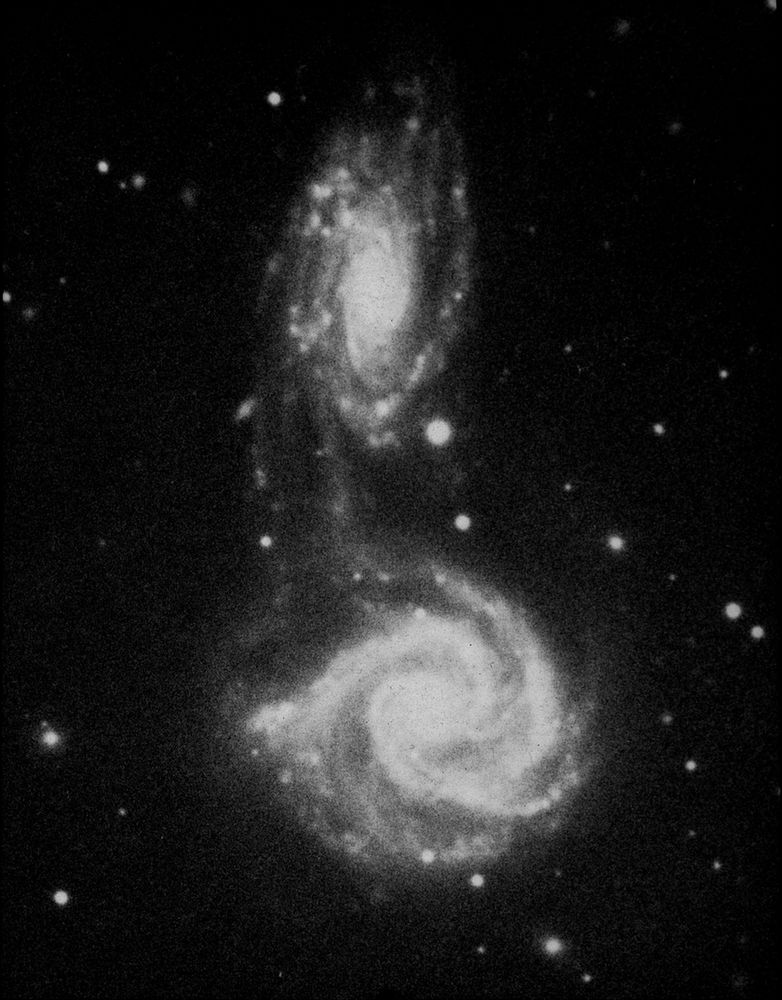
Image of Arp 271, also known as NGC 5426 and NGC 5427, from Halton Arp's Atlas of Peculiar Galaxies (1966).
In the original catalog it was in the category: Double and multiple galaxies - Connected arms. The two galaxies are interacting.
Source
In the original catalog it was in the category: Double and multiple galaxies - Connected arms. The two galaxies are interacting.
Source
January 13, 2026 at 12:32 PM
Image of Arp 271, also known as NGC 5426 and NGC 5427, from Halton Arp's Atlas of Peculiar Galaxies (1966).
In the original catalog it was in the category: Double and multiple galaxies - Connected arms. The two galaxies are interacting.
Source
In the original catalog it was in the category: Double and multiple galaxies - Connected arms. The two galaxies are interacting.
Source
Very Large Telescope MUSE image of Arp 222, also known as NGC 7727.
The two bright galactic nuclei at the heart of NGC 7727, consisting of a dense group of stars with a supermassive black hole at their center, are about 1600 light-years apart.
Credit: ESO, Voggel et al.
Source
The two bright galactic nuclei at the heart of NGC 7727, consisting of a dense group of stars with a supermassive black hole at their center, are about 1600 light-years apart.
Credit: ESO, Voggel et al.
Source

January 13, 2026 at 12:32 AM
Very Large Telescope MUSE image of Arp 222, also known as NGC 7727.
The two bright galactic nuclei at the heart of NGC 7727, consisting of a dense group of stars with a supermassive black hole at their center, are about 1600 light-years apart.
Credit: ESO, Voggel et al.
Source
The two bright galactic nuclei at the heart of NGC 7727, consisting of a dense group of stars with a supermassive black hole at their center, are about 1600 light-years apart.
Credit: ESO, Voggel et al.
Source
Image of Arp 286, also known as NGC 5560, NGC 5566, and NGC 5569, from Halton Arp's Atlas of Peculiar Galaxies (1966).
In the original catalog it was in the category: Double and multiple galaxies - Infall and attraction.
Source
In the original catalog it was in the category: Double and multiple galaxies - Infall and attraction.
Source

January 12, 2026 at 12:31 PM
Image of Arp 286, also known as NGC 5560, NGC 5566, and NGC 5569, from Halton Arp's Atlas of Peculiar Galaxies (1966).
In the original catalog it was in the category: Double and multiple galaxies - Infall and attraction.
Source
In the original catalog it was in the category: Double and multiple galaxies - Infall and attraction.
Source
Chandra image of Arp 16, also known as M66.
This X-ray image shows the hottest gas in the galaxy's core, bar, and inner spiral arms. The bright central source is likely material falling onto a supermassive black hole.
Credit: NASA, CXC, Ohio State Univ., C.Grier et al.
Source
This X-ray image shows the hottest gas in the galaxy's core, bar, and inner spiral arms. The bright central source is likely material falling onto a supermassive black hole.
Credit: NASA, CXC, Ohio State Univ., C.Grier et al.
Source

January 12, 2026 at 12:31 AM
Chandra image of Arp 16, also known as M66.
This X-ray image shows the hottest gas in the galaxy's core, bar, and inner spiral arms. The bright central source is likely material falling onto a supermassive black hole.
Credit: NASA, CXC, Ohio State Univ., C.Grier et al.
Source
This X-ray image shows the hottest gas in the galaxy's core, bar, and inner spiral arms. The bright central source is likely material falling onto a supermassive black hole.
Credit: NASA, CXC, Ohio State Univ., C.Grier et al.
Source
Legacy Surveys DR9 image of Arp 218.
The interacting galaxy pair, a distorted face-on spiral and an edge-on spiral, is in the constellation Serpens.
Credit: Legacy Surveys, D. Lang, NERSC
Source
The interacting galaxy pair, a distorted face-on spiral and an edge-on spiral, is in the constellation Serpens.
Credit: Legacy Surveys, D. Lang, NERSC
Source

January 11, 2026 at 12:31 AM
Legacy Surveys DR9 image of Arp 218.
The interacting galaxy pair, a distorted face-on spiral and an edge-on spiral, is in the constellation Serpens.
Credit: Legacy Surveys, D. Lang, NERSC
Source
The interacting galaxy pair, a distorted face-on spiral and an edge-on spiral, is in the constellation Serpens.
Credit: Legacy Surveys, D. Lang, NERSC
Source
Kitt Peak image of Arp 297, also known as NGC 5755, NGC 5753, NGC 5754 and NGC 5752.
This wide view shows two interacting galaxy pairs. The pairs are actually unrelated and are at different distances.
Credit: KPNO, NOIRLab, NSF, AURA, B. Lofquist, A. Block
Source
This wide view shows two interacting galaxy pairs. The pairs are actually unrelated and are at different distances.
Credit: KPNO, NOIRLab, NSF, AURA, B. Lofquist, A. Block
Source

January 10, 2026 at 12:31 PM
Kitt Peak image of Arp 297, also known as NGC 5755, NGC 5753, NGC 5754 and NGC 5752.
This wide view shows two interacting galaxy pairs. The pairs are actually unrelated and are at different distances.
Credit: KPNO, NOIRLab, NSF, AURA, B. Lofquist, A. Block
Source
This wide view shows two interacting galaxy pairs. The pairs are actually unrelated and are at different distances.
Credit: KPNO, NOIRLab, NSF, AURA, B. Lofquist, A. Block
Source
Kitt Peak image of Arp 94, also known as NGC 3226 and NGC 3227.
The large spiral galaxy, NGC 3227 is interacting with its elliptical galaxy companion, NGC 3226. Faint tidal streams of gas and dust link the pair.
Credit: KPNO,NOIRLab,NSF/AURA/Sid Leach and Wil Milan/Adam Block
Source
The large spiral galaxy, NGC 3227 is interacting with its elliptical galaxy companion, NGC 3226. Faint tidal streams of gas and dust link the pair.
Credit: KPNO,NOIRLab,NSF/AURA/Sid Leach and Wil Milan/Adam Block
Source

January 10, 2026 at 12:32 AM
Kitt Peak image of Arp 94, also known as NGC 3226 and NGC 3227.
The large spiral galaxy, NGC 3227 is interacting with its elliptical galaxy companion, NGC 3226. Faint tidal streams of gas and dust link the pair.
Credit: KPNO,NOIRLab,NSF/AURA/Sid Leach and Wil Milan/Adam Block
Source
The large spiral galaxy, NGC 3227 is interacting with its elliptical galaxy companion, NGC 3226. Faint tidal streams of gas and dust link the pair.
Credit: KPNO,NOIRLab,NSF/AURA/Sid Leach and Wil Milan/Adam Block
Source
Hubble image of Arp 82, also known as NGC 2535 and NGC 2536.
The larger galaxy's arms have evenly spaced "beads on a string" star clusters, created by recent gravitational interactions that led to a burst of star formation.
Credit: NASA, ESA, STScI, J. Dalcanton, Judy Schmidt
Source
The larger galaxy's arms have evenly spaced "beads on a string" star clusters, created by recent gravitational interactions that led to a burst of star formation.
Credit: NASA, ESA, STScI, J. Dalcanton, Judy Schmidt
Source

January 9, 2026 at 12:32 PM
Hubble image of Arp 82, also known as NGC 2535 and NGC 2536.
The larger galaxy's arms have evenly spaced "beads on a string" star clusters, created by recent gravitational interactions that led to a burst of star formation.
Credit: NASA, ESA, STScI, J. Dalcanton, Judy Schmidt
Source
The larger galaxy's arms have evenly spaced "beads on a string" star clusters, created by recent gravitational interactions that led to a burst of star formation.
Credit: NASA, ESA, STScI, J. Dalcanton, Judy Schmidt
Source
Image of Arp 16, also known as M66, from Halton Arp's Atlas of Peculiar Galaxies (1966).
In the original catalog it was in the category: Spiral galaxies - Detached segments. M66 has loose arms full of young star clusters.
Source
In the original catalog it was in the category: Spiral galaxies - Detached segments. M66 has loose arms full of young star clusters.
Source

January 9, 2026 at 12:31 AM
Image of Arp 16, also known as M66, from Halton Arp's Atlas of Peculiar Galaxies (1966).
In the original catalog it was in the category: Spiral galaxies - Detached segments. M66 has loose arms full of young star clusters.
Source
In the original catalog it was in the category: Spiral galaxies - Detached segments. M66 has loose arms full of young star clusters.
Source
Hubble image of Arp 299, also known as NGC 3690.
This image was taken in 2000 with Hubble WFPC2 instrument to study the merging galaxies' hottest and brightest stars in ultraviolet light.
Credit: NASA, R. Windhorst, and the Hubble mid-UV team
Source
This image was taken in 2000 with Hubble WFPC2 instrument to study the merging galaxies' hottest and brightest stars in ultraviolet light.
Credit: NASA, R. Windhorst, and the Hubble mid-UV team
Source

January 8, 2026 at 12:31 PM
Hubble image of Arp 299, also known as NGC 3690.
This image was taken in 2000 with Hubble WFPC2 instrument to study the merging galaxies' hottest and brightest stars in ultraviolet light.
Credit: NASA, R. Windhorst, and the Hubble mid-UV team
Source
This image was taken in 2000 with Hubble WFPC2 instrument to study the merging galaxies' hottest and brightest stars in ultraviolet light.
Credit: NASA, R. Windhorst, and the Hubble mid-UV team
Source
Hubble image of Arp 190, also known as UGC 2320.
Interactions between an elliptical galaxy off frame to the left and the lower spiral galaxy created the large tidal tail that extends to the right.
Credit: ESA, NASA, J. Dalcanton, J. Schmidt
Source
Interactions between an elliptical galaxy off frame to the left and the lower spiral galaxy created the large tidal tail that extends to the right.
Credit: ESA, NASA, J. Dalcanton, J. Schmidt
Source

January 8, 2026 at 12:31 AM
Hubble image of Arp 190, also known as UGC 2320.
Interactions between an elliptical galaxy off frame to the left and the lower spiral galaxy created the large tidal tail that extends to the right.
Credit: ESA, NASA, J. Dalcanton, J. Schmidt
Source
Interactions between an elliptical galaxy off frame to the left and the lower spiral galaxy created the large tidal tail that extends to the right.
Credit: ESA, NASA, J. Dalcanton, J. Schmidt
Source
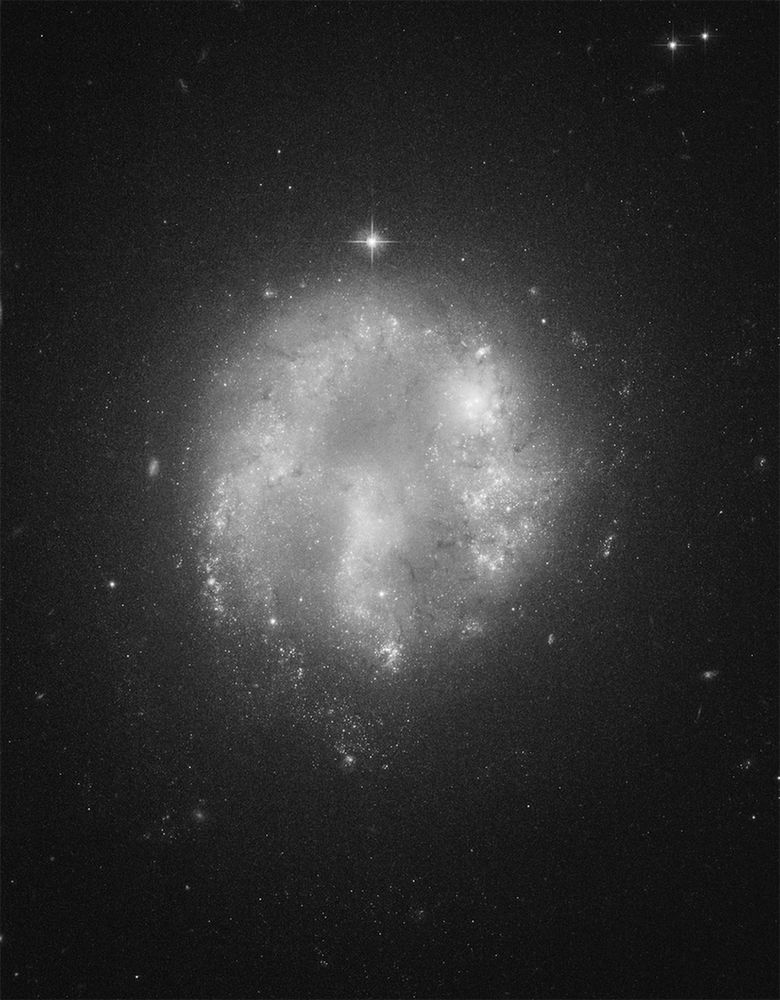
Hubble Space Telescope image of Arp 6, also known as NGC 2537 or the Bear’s Paw Galaxy.
It has a nucleus that is rapidly forming stars, surrounded by a horseshoe-shaped structure, also forming new stars.
Credit: NASA, ESA, STScI, J. Dalcanton, Judy Schmidt
Source
It has a nucleus that is rapidly forming stars, surrounded by a horseshoe-shaped structure, also forming new stars.
Credit: NASA, ESA, STScI, J. Dalcanton, Judy Schmidt
Source
January 7, 2026 at 12:32 PM
Hubble Space Telescope image of Arp 6, also known as NGC 2537 or the Bear’s Paw Galaxy.
It has a nucleus that is rapidly forming stars, surrounded by a horseshoe-shaped structure, also forming new stars.
Credit: NASA, ESA, STScI, J. Dalcanton, Judy Schmidt
Source
It has a nucleus that is rapidly forming stars, surrounded by a horseshoe-shaped structure, also forming new stars.
Credit: NASA, ESA, STScI, J. Dalcanton, Judy Schmidt
Source
Hubble image of Arp 220, also known as IC 4553.
The image shows the center of the two merging spiral galaxies that make up Arp 220. The merger set of a burst of star formation, which backlights the large amount of dust in this visible light view.
Credit: NASA, ESA, C. Wilson
Source
The image shows the center of the two merging spiral galaxies that make up Arp 220. The merger set of a burst of star formation, which backlights the large amount of dust in this visible light view.
Credit: NASA, ESA, C. Wilson
Source

January 7, 2026 at 12:32 AM
Hubble image of Arp 220, also known as IC 4553.
The image shows the center of the two merging spiral galaxies that make up Arp 220. The merger set of a burst of star formation, which backlights the large amount of dust in this visible light view.
Credit: NASA, ESA, C. Wilson
Source
The image shows the center of the two merging spiral galaxies that make up Arp 220. The merger set of a burst of star formation, which backlights the large amount of dust in this visible light view.
Credit: NASA, ESA, C. Wilson
Source
Kitt Peak National Observatory image of Arp 336, also known as NGC 2685.
NGC 2685 is a polar ring galaxy. It has a ring of gas, stars, and dust that orbits perpendicular to the plane of the galaxy, seen as unusual whorls, or helical filaments.
Credit: NOIRLab, AURA, NSF
Source
NGC 2685 is a polar ring galaxy. It has a ring of gas, stars, and dust that orbits perpendicular to the plane of the galaxy, seen as unusual whorls, or helical filaments.
Credit: NOIRLab, AURA, NSF
Source
January 6, 2026 at 12:32 PM
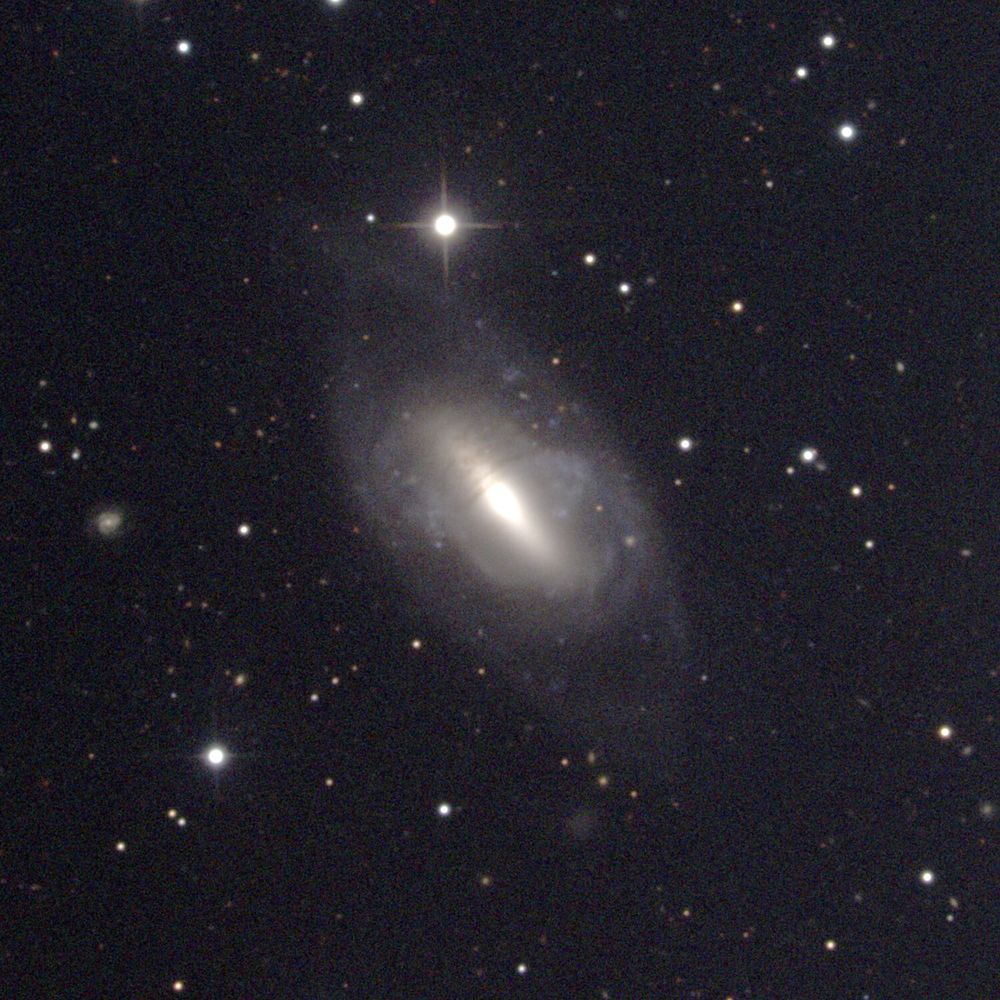
Kitt Peak National Observatory image of Arp 336, also known as NGC 2685.
NGC 2685 is a polar ring galaxy. It has a ring of gas, stars, and dust that orbits perpendicular to the plane of the galaxy, seen as unusual whorls, or helical filaments.
Credit: NOIRLab, AURA, NSF
Source
NGC 2685 is a polar ring galaxy. It has a ring of gas, stars, and dust that orbits perpendicular to the plane of the galaxy, seen as unusual whorls, or helical filaments.
Credit: NOIRLab, AURA, NSF
Source
Hubble image of Arp 70, also known as VV 341.
In Arp 70, a larger galaxy with two well-defined spiral arms interacts with a small companion. Such interactions have been linked to the production of grand-design spiral arms.
Credit: NASA, ESA, STScI, J. Dalcanton, Judy Schmidt
Source
In Arp 70, a larger galaxy with two well-defined spiral arms interacts with a small companion. Such interactions have been linked to the production of grand-design spiral arms.
Credit: NASA, ESA, STScI, J. Dalcanton, Judy Schmidt
Source
January 6, 2026 at 12:32 AM
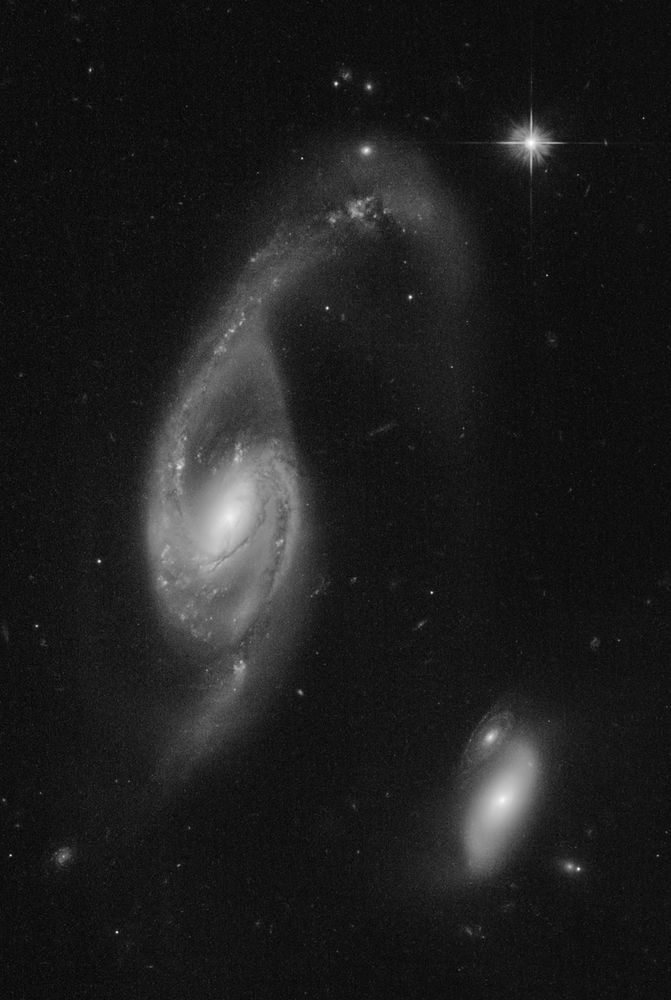
Hubble image of Arp 70, also known as VV 341.
In Arp 70, a larger galaxy with two well-defined spiral arms interacts with a small companion. Such interactions have been linked to the production of grand-design spiral arms.
Credit: NASA, ESA, STScI, J. Dalcanton, Judy Schmidt
Source
In Arp 70, a larger galaxy with two well-defined spiral arms interacts with a small companion. Such interactions have been linked to the production of grand-design spiral arms.
Credit: NASA, ESA, STScI, J. Dalcanton, Judy Schmidt
Source
GALEX and SDSS image of Arp 24, also known as NGC 3445.
The left image from GALEX shows NGC 3445 in ultraviolet light. The right image shows the same galaxies from the Sloan Digital Sky Survey in visible light.
Credit: Fig. 1 from Smith et al. 2010.
Source
The left image from GALEX shows NGC 3445 in ultraviolet light. The right image shows the same galaxies from the Sloan Digital Sky Survey in visible light.
Credit: Fig. 1 from Smith et al. 2010.
Source

January 5, 2026 at 12:31 PM
GALEX and SDSS image of Arp 24, also known as NGC 3445.
The left image from GALEX shows NGC 3445 in ultraviolet light. The right image shows the same galaxies from the Sloan Digital Sky Survey in visible light.
Credit: Fig. 1 from Smith et al. 2010.
Source
The left image from GALEX shows NGC 3445 in ultraviolet light. The right image shows the same galaxies from the Sloan Digital Sky Survey in visible light.
Credit: Fig. 1 from Smith et al. 2010.
Source