




Centre de recherches historiques
@crh.ehess.fr
CRH (EHESS-CNRS, UMR 8558)
13 équipes de recherches/De l’Antiquité à nos jours
Sur des aires culturelles très variées
EHESS - 54, bld Raspail 75006 Paris
http://crh.ehess.fr/
[email protected]
https://www.youtube.com/@Vid%C3%A9os_CRH_EHESS_CNRS
13 équipes de recherches/De l’Antiquité à nos jours
Sur des aires culturelles très variées
EHESS - 54, bld Raspail 75006 Paris
http://crh.ehess.fr/
[email protected]
https://www.youtube.com/@Vid%C3%A9os_CRH_EHESS_CNRS
💡✍️Dino Buzzati, 📕📍Bestiaire d'ici et d'ailleurs📍
Inédit en France, l'abécédaire animalier qui donne suite au
📗📍Bestiaire magique📍, par le maître italien
📰 #RobertLaffont, coll. "Pavillons Poche"
🗓️ Date de publication : 18 Septembre 2025
▶️ www.fabula.org/actualites/1...
Inédit en France, l'abécédaire animalier qui donne suite au
📗📍Bestiaire magique📍, par le maître italien
📰 #RobertLaffont, coll. "Pavillons Poche"
🗓️ Date de publication : 18 Septembre 2025
▶️ www.fabula.org/actualites/1...

Dino Buzzati, Bestiaire d'ici et d'ailleurs (inédit)
Traduit par Delphine Gachet Inédit en France, l'abécédaire animalier qui donne suite au Bestiaire magique, par le maître italien Dino Buzzati. Dans le Bestiaire d'ici et d'ailleurs, la parole est don...
www.fabula.org
January 14, 2026 at 12:59 PM
💡✍️Dino Buzzati, 📕📍Bestiaire d'ici et d'ailleurs📍
Inédit en France, l'abécédaire animalier qui donne suite au
📗📍Bestiaire magique📍, par le maître italien
📰 #RobertLaffont, coll. "Pavillons Poche"
🗓️ Date de publication : 18 Septembre 2025
▶️ www.fabula.org/actualites/1...
Inédit en France, l'abécédaire animalier qui donne suite au
📗📍Bestiaire magique📍, par le maître italien
📰 #RobertLaffont, coll. "Pavillons Poche"
🗓️ Date de publication : 18 Septembre 2025
▶️ www.fabula.org/actualites/1...
Reposted by Centre de recherches historiques
« Panthéoniser Samuel Paty, héros discret de la nation ».
Merci à @liberation.fr pour la publication de cette tribune co-écrite avec C. Capuano, I. Ferhat, V. Igounet, S. Ledoux et G. Paty
www.liberation.fr/idees-et-deb...
Merci à @liberation.fr pour la publication de cette tribune co-écrite avec C. Capuano, I. Ferhat, V. Igounet, S. Ledoux et G. Paty
www.liberation.fr/idees-et-deb...

Panthéoniser Samuel Paty, héros discret de la nation
A quelques jours du procès en appel de quatre condamnés, inscrire le nom du professeur sous la coupole serait rendre hommage à un homme dont l’assassinat révèle l’importance de la mission, appelle un ...
www.liberation.fr
January 14, 2026 at 8:40 AM
« Panthéoniser Samuel Paty, héros discret de la nation ».
Merci à @liberation.fr pour la publication de cette tribune co-écrite avec C. Capuano, I. Ferhat, V. Igounet, S. Ledoux et G. Paty
www.liberation.fr/idees-et-deb...
Merci à @liberation.fr pour la publication de cette tribune co-écrite avec C. Capuano, I. Ferhat, V. Igounet, S. Ledoux et G. Paty
www.liberation.fr/idees-et-deb...
Reposted by Centre de recherches historiques

📩 La lettre de l'EHESS de janvier est disponible
👉 Au programme : mot du président, vœux 2026, conférences Marc Bloch, Voix aux chapitres et “Que se passe-t-il ?”.
Mais aussi des vidéos, des portraits, des podcasts et un focus sur le fonds de traduction de l'École.
👉 Au programme : mot du président, vœux 2026, conférences Marc Bloch, Voix aux chapitres et “Que se passe-t-il ?”.
Mais aussi des vidéos, des portraits, des podcasts et un focus sur le fonds de traduction de l'École.

January 13, 2026 at 7:08 AM
📩 La lettre de l'EHESS de janvier est disponible
👉 Au programme : mot du président, vœux 2026, conférences Marc Bloch, Voix aux chapitres et “Que se passe-t-il ?”.
Mais aussi des vidéos, des portraits, des podcasts et un focus sur le fonds de traduction de l'École.
👉 Au programme : mot du président, vœux 2026, conférences Marc Bloch, Voix aux chapitres et “Que se passe-t-il ?”.
Mais aussi des vidéos, des portraits, des podcasts et un focus sur le fonds de traduction de l'École.
Reposted by Centre de recherches historiques

📅 27 janvier 2026
📍 Campus Condorcet
Débats Du CéSor avec Rita Hermon-Belot autour de son ouvrage : Laïcité française et pluralité. Au coeur des enjeux
💬 Avec Diane-Sophie Girin et Anne Fornerod.
▶️ cesor.ehess.fr/evenement/de...
@ehess.fr
@cnrseditions.bsky.social
@campuscondorcet.bsky.social
📍 Campus Condorcet
Débats Du CéSor avec Rita Hermon-Belot autour de son ouvrage : Laïcité française et pluralité. Au coeur des enjeux
💬 Avec Diane-Sophie Girin et Anne Fornerod.
▶️ cesor.ehess.fr/evenement/de...
@ehess.fr
@cnrseditions.bsky.social
@campuscondorcet.bsky.social

January 13, 2026 at 10:01 AM
📅 27 janvier 2026
📍 Campus Condorcet
Débats Du CéSor avec Rita Hermon-Belot autour de son ouvrage : Laïcité française et pluralité. Au coeur des enjeux
💬 Avec Diane-Sophie Girin et Anne Fornerod.
▶️ cesor.ehess.fr/evenement/de...
@ehess.fr
@cnrseditions.bsky.social
@campuscondorcet.bsky.social
📍 Campus Condorcet
Débats Du CéSor avec Rita Hermon-Belot autour de son ouvrage : Laïcité française et pluralité. Au coeur des enjeux
💬 Avec Diane-Sophie Girin et Anne Fornerod.
▶️ cesor.ehess.fr/evenement/de...
@ehess.fr
@cnrseditions.bsky.social
@campuscondorcet.bsky.social
Reposted by Centre de recherches historiques

#Distinction 🏅
Le 1er décembre 2025, cinq projets et une thèse de sciences humaines et sociales ont été couronnés de succès lors de la remise des #prix des données de la #recherche et du prix du logiciel libre de recherche.
Félicitations aux lauréats ! 👏
👉 www.inshs.cnrs.fr/fr/cnrsinfo/...
Le 1er décembre 2025, cinq projets et une thèse de sciences humaines et sociales ont été couronnés de succès lors de la remise des #prix des données de la #recherche et du prix du logiciel libre de recherche.
Félicitations aux lauréats ! 👏
👉 www.inshs.cnrs.fr/fr/cnrsinfo/...
Prix de la science ouverte 2025 : 6 projets en sciences humaines et sociales
Le ministère de l’Enseignement supérieur, de la Recherche et de l’Espace a récompensé, pour la quatrième édition, des chercheurs et
www.inshs.cnrs.fr
January 14, 2026 at 8:34 AM
#Distinction 🏅
Le 1er décembre 2025, cinq projets et une thèse de sciences humaines et sociales ont été couronnés de succès lors de la remise des #prix des données de la #recherche et du prix du logiciel libre de recherche.
Félicitations aux lauréats ! 👏
👉 www.inshs.cnrs.fr/fr/cnrsinfo/...
Le 1er décembre 2025, cinq projets et une thèse de sciences humaines et sociales ont été couronnés de succès lors de la remise des #prix des données de la #recherche et du prix du logiciel libre de recherche.
Félicitations aux lauréats ! 👏
👉 www.inshs.cnrs.fr/fr/cnrsinfo/...
Reposted by Centre de recherches historiques

Boris Adjemian m’a accueilli au sein même de la Bibliothèque Nubar (Paris 16), lieu dont il fait l’histoire, et à travers elle celle de l’exil arménien à Paris, dans son livre « La Bibliothèque et le survivant » paru @anamosa-ed.bsky.social À retrouver prochainement dans le podcast !

January 13, 2026 at 6:16 PM
Boris Adjemian m’a accueilli au sein même de la Bibliothèque Nubar (Paris 16), lieu dont il fait l’histoire, et à travers elle celle de l’exil arménien à Paris, dans son livre « La Bibliothèque et le survivant » paru @anamosa-ed.bsky.social À retrouver prochainement dans le podcast !
Reposted by Centre de recherches historiques

Reposted by Centre de recherches historiques

Finally published, after twelve years rewriting and researching

January 13, 2026 at 2:16 PM
Finally published, after twelve years rewriting and researching
Reposted by Centre de recherches historiques

[#Parution] L’Annuaire du Collège de France 2021-2022. Résumé des cours et travaux (vol. 122), @editionscdf.bsky.social, sera disponible à partir du 15 janvier : www.college-de-france.fr/fr/actualite... #recherche #SHS #sciences @college-de-france.fr @lecomptoir-fmsh.bsky.social

January 13, 2026 at 12:23 PM
[#Parution] L’Annuaire du Collège de France 2021-2022. Résumé des cours et travaux (vol. 122), @editionscdf.bsky.social, sera disponible à partir du 15 janvier : www.college-de-france.fr/fr/actualite... #recherche #SHS #sciences @college-de-france.fr @lecomptoir-fmsh.bsky.social
Reposted by Centre de recherches historiques

@clementfabre.bsky.social présente son livre "À l’ombre de la race. Chine, XIXe siècle".
En savoir plus :
www.cnrseditions.fr/catalogue/hi...
Image/son/réalisation : Valentin Lauféron
Merci à la FMSH pour l'accueil du tournage.
En savoir plus :
www.cnrseditions.fr/catalogue/hi...
Image/son/réalisation : Valentin Lauféron
Merci à la FMSH pour l'accueil du tournage.
January 13, 2026 at 2:00 PM
@clementfabre.bsky.social présente son livre "À l’ombre de la race. Chine, XIXe siècle".
En savoir plus :
www.cnrseditions.fr/catalogue/hi...
Image/son/réalisation : Valentin Lauféron
Merci à la FMSH pour l'accueil du tournage.
En savoir plus :
www.cnrseditions.fr/catalogue/hi...
Image/son/réalisation : Valentin Lauféron
Merci à la FMSH pour l'accueil du tournage.
📕Vient de paraître #Genesis, XXIV / 1-2, 2025, 2025
📍Genere, archivi e asimmetrie della memoria: un tema di lunga durata📍
✍️Laura Casella e Serena Galasso (eds.)
▶️ www.viella.it/libro/979125...
📍Genere, archivi e asimmetrie della memoria: un tema di lunga durata📍
✍️Laura Casella e Serena Galasso (eds.)
▶️ www.viella.it/libro/979125...

January 13, 2026 at 2:04 PM
📕Vient de paraître #Genesis, XXIV / 1-2, 2025, 2025
📍Genere, archivi e asimmetrie della memoria: un tema di lunga durata📍
✍️Laura Casella e Serena Galasso (eds.)
▶️ www.viella.it/libro/979125...
📍Genere, archivi e asimmetrie della memoria: un tema di lunga durata📍
✍️Laura Casella e Serena Galasso (eds.)
▶️ www.viella.it/libro/979125...
Reposted by Centre de recherches historiques

🎬 « La BULAC fait son Cinéma du réel » lance son appel à candidatures étudiantes !
🤩 Vous êtes étudiant en cinéma ou en sciences humaines et sociales ? Passionné de films documentaires ? Animez des débats avec les réalisateurs et des chercheurs !
📝 Candidatez avant le 31/1
👉 www.bulac.fr/node/3489
🤩 Vous êtes étudiant en cinéma ou en sciences humaines et sociales ? Passionné de films documentaires ? Animez des débats avec les réalisateurs et des chercheurs !
📝 Candidatez avant le 31/1
👉 www.bulac.fr/node/3489

January 12, 2026 at 1:53 PM
🎬 « La BULAC fait son Cinéma du réel » lance son appel à candidatures étudiantes !
🤩 Vous êtes étudiant en cinéma ou en sciences humaines et sociales ? Passionné de films documentaires ? Animez des débats avec les réalisateurs et des chercheurs !
📝 Candidatez avant le 31/1
👉 www.bulac.fr/node/3489
🤩 Vous êtes étudiant en cinéma ou en sciences humaines et sociales ? Passionné de films documentaires ? Animez des débats avec les réalisateurs et des chercheurs !
📝 Candidatez avant le 31/1
👉 www.bulac.fr/node/3489
Reposted by Centre de recherches historiques

New research links same-sex behaviors in nonhuman primates to the evolution of complex social structures

New Study Probes How Same-Sex Behaviors Evolved in Nonhuman Primates
New research links same-sex behaviors in nonhuman primates to the evolution of complex social structures
www.scientificamerican.com
January 12, 2026 at 5:56 PM
New research links same-sex behaviors in nonhuman primates to the evolution of complex social structures
Reposted by Centre de recherches historiques

#Rencontre
📖 @giselesapiro.bsky.social présentera son livre "Peut-on dissocier l'œuvre de l'auteur ?" des @editionsduseuil.bsky.social lors du séminaire d'actualité de la recherche de l'Université d'Orléans.
📅 Lundi 19 janvier de 18h à 19h30 - en ligne
www.fabula.org/actualites/1...
📖 @giselesapiro.bsky.social présentera son livre "Peut-on dissocier l'œuvre de l'auteur ?" des @editionsduseuil.bsky.social lors du séminaire d'actualité de la recherche de l'Université d'Orléans.
📅 Lundi 19 janvier de 18h à 19h30 - en ligne
www.fabula.org/actualites/1...

Rencontre avec Gisèle Sapiro pour Peut-on dissocier l'œuvre de l'auteur ? (Séminaire d'actualité de la recherche, Orléans, en ligne)
Le séminaire d'actualité de la recherche de l'université d'Orléans (laboratoire POLEN) reçoit la sociologue Gisèle Sapiro, qui présentera son livre Peut-on dissocier l'œuvre de l'auteur ? (Seuil, 2020...
www.fabula.org
January 12, 2026 at 11:03 AM
#Rencontre
📖 @giselesapiro.bsky.social présentera son livre "Peut-on dissocier l'œuvre de l'auteur ?" des @editionsduseuil.bsky.social lors du séminaire d'actualité de la recherche de l'Université d'Orléans.
📅 Lundi 19 janvier de 18h à 19h30 - en ligne
www.fabula.org/actualites/1...
📖 @giselesapiro.bsky.social présentera son livre "Peut-on dissocier l'œuvre de l'auteur ?" des @editionsduseuil.bsky.social lors du séminaire d'actualité de la recherche de l'Université d'Orléans.
📅 Lundi 19 janvier de 18h à 19h30 - en ligne
www.fabula.org/actualites/1...
Reposted by Centre de recherches historiques

Nouvelle année et nouvel épisode !
Aujourd'hui, nous retraçons, avec Rahul Markovits, maître de conférences à l'ENS-PSL, l’histoire d’Ahmad Khan, originaire de Bharuch en Inde et qui a voyagé jusqu'à Londres en 1795 en passant par l’Empire ottoman et la France en pleine révolution !
pdca.st/b5Go
Aujourd'hui, nous retraçons, avec Rahul Markovits, maître de conférences à l'ENS-PSL, l’histoire d’Ahmad Khan, originaire de Bharuch en Inde et qui a voyagé jusqu'à Londres en 1795 en passant par l’Empire ottoman et la France en pleine révolution !
pdca.st/b5Go

Bharuch, Paris, Londres : une odyssée indienne (1791-1796) - Rahul Markovits - OpCit !
Bharuch, Paris, Londres : une odyssée indienne (1791-1796) - Rahul Markovits
Nous retraçons aujourd’hui, en compagnie de Rahul Markovits, maître de conférences à l'ENS-PSL, l’histoire d’Ahmad Khan,...
pdca.st
January 12, 2026 at 10:46 AM
Nouvelle année et nouvel épisode !
Aujourd'hui, nous retraçons, avec Rahul Markovits, maître de conférences à l'ENS-PSL, l’histoire d’Ahmad Khan, originaire de Bharuch en Inde et qui a voyagé jusqu'à Londres en 1795 en passant par l’Empire ottoman et la France en pleine révolution !
pdca.st/b5Go
Aujourd'hui, nous retraçons, avec Rahul Markovits, maître de conférences à l'ENS-PSL, l’histoire d’Ahmad Khan, originaire de Bharuch en Inde et qui a voyagé jusqu'à Londres en 1795 en passant par l’Empire ottoman et la France en pleine révolution !
pdca.st/b5Go
Reposted by Centre de recherches historiques
Journée d’étude – Quand les objets comptent. Cultures matérielles et quantification
rmblf.be/2026/01/13/j...
rmblf.be/2026/01/13/j...

Journée d’étude – Quand les objets comptent. Cultures matérielles et quantification
EHESS (Salle A04_32, salle de co-working) – 54, boulevard RaspailParis, France (75006)23 janvier 2026 Why did Italy produce so much art during the Renaissance ? We are so conditioned to regar…
rmblf.be
January 13, 2026 at 6:24 AM
Journée d’étude – Quand les objets comptent. Cultures matérielles et quantification
rmblf.be/2026/01/13/j...
rmblf.be/2026/01/13/j...
Reposted by Centre de recherches historiques
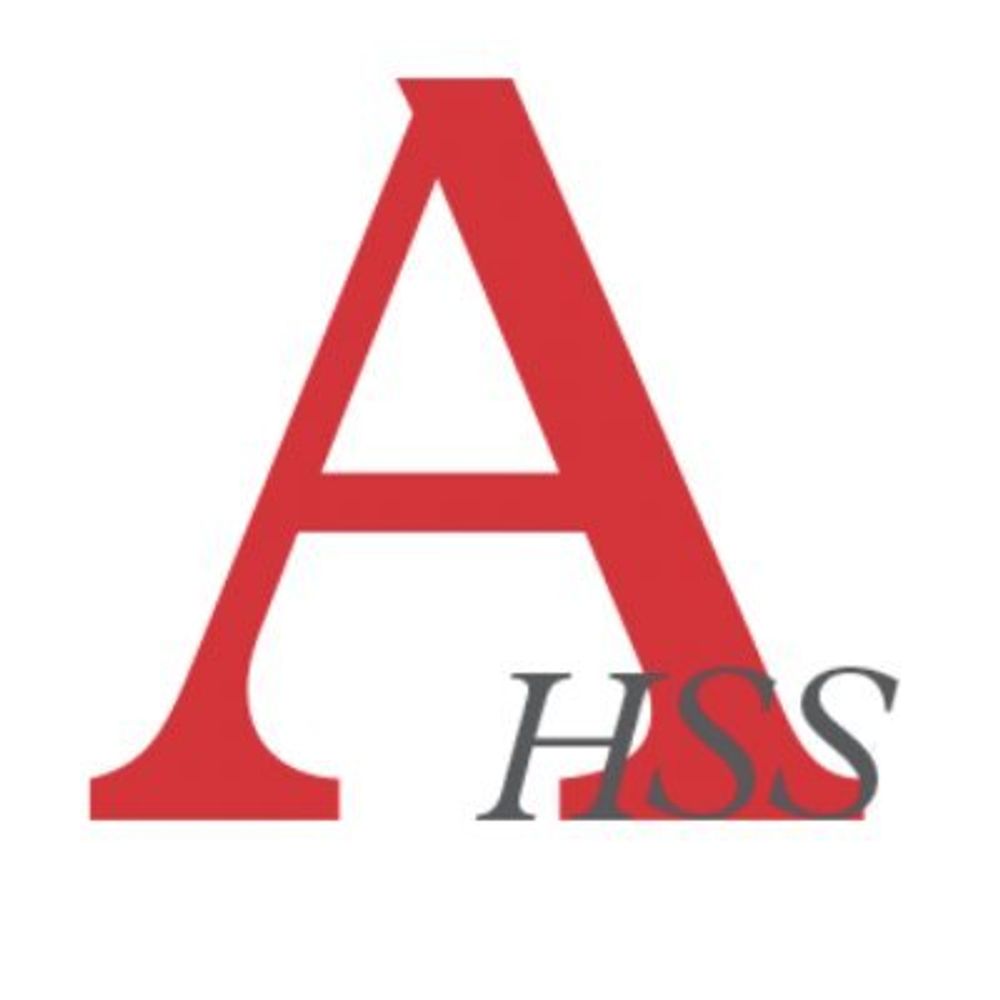
🚨 C'est se soir à la librairie L'Atelier.
🕣 19h30
2bis rue du Jourdain
Où il sera question du numéro #Animaux et animalités
🕣 19h30
2bis rue du Jourdain
Où il sera question du numéro #Animaux et animalités
📚Rencontre mardi 13 janvier à la librairie l’Atelier à Paris (20e).

January 13, 2026 at 8:22 AM
🚨 C'est se soir à la librairie L'Atelier.
🕣 19h30
2bis rue du Jourdain
Où il sera question du numéro #Animaux et animalités
🕣 19h30
2bis rue du Jourdain
Où il sera question du numéro #Animaux et animalités
📍Le Groenland et les Européens : une bataille contre le capitalisme prédateur ?📍
🗣️avec Arnaud Orain @arnaudorain.bsky.social @ehess.fr @crh.ehess.fr #GEHM #GrHÉCO, Frédéric Encel, Mikaa Blugeon-Mered
📻 @franceculture.fr, "Questions du soir : le débat"
🗓️12/01/2026
▶️ www.radiofrance.fr/francecultur...
🗣️avec Arnaud Orain @arnaudorain.bsky.social @ehess.fr @crh.ehess.fr #GEHM #GrHÉCO, Frédéric Encel, Mikaa Blugeon-Mered
📻 @franceculture.fr, "Questions du soir : le débat"
🗓️12/01/2026
▶️ www.radiofrance.fr/francecultur...

Le Groenland et les Européens : une bataille contre le capitalisme prédateur ?
Après l’enlèvement du président vénézuélien, Donald Trump a poursuivi ce que certains qualifient de fuite en avant, affirmant que les États-Unis avaient "absolument besoin du Groenland".
www.radiofrance.fr
January 13, 2026 at 7:39 AM
📍Le Groenland et les Européens : une bataille contre le capitalisme prédateur ?📍
🗣️avec Arnaud Orain @arnaudorain.bsky.social @ehess.fr @crh.ehess.fr #GEHM #GrHÉCO, Frédéric Encel, Mikaa Blugeon-Mered
📻 @franceculture.fr, "Questions du soir : le débat"
🗓️12/01/2026
▶️ www.radiofrance.fr/francecultur...
🗣️avec Arnaud Orain @arnaudorain.bsky.social @ehess.fr @crh.ehess.fr #GEHM #GrHÉCO, Frédéric Encel, Mikaa Blugeon-Mered
📻 @franceculture.fr, "Questions du soir : le débat"
🗓️12/01/2026
▶️ www.radiofrance.fr/francecultur...
Reposted by Centre de recherches historiques
[#Podcast] @aurelienpeter.bsky.social et Elisabeth Schmit ont été les invités de @lucdaireaux.bsky.social pour parler de la revue “Entre-temps” (entre-temps.net) et du livre qui en est issu dans Chemins d’histoire, épisode n° 239, 27 décembre 2025 : cheminsdhistoire.fr/emission239


January 12, 2026 at 2:27 PM
[#Podcast] @aurelienpeter.bsky.social et Elisabeth Schmit ont été les invités de @lucdaireaux.bsky.social pour parler de la revue “Entre-temps” (entre-temps.net) et du livre qui en est issu dans Chemins d’histoire, épisode n° 239, 27 décembre 2025 : cheminsdhistoire.fr/emission239
Reposted by Centre de recherches historiques

‘Fortress America’ is an attempt to resolve what James Baldwin called the ‘rich confusion’ of American identity. But there are other possible Americas. What can they offer?
Last few London tickets for Adam Shatz’s Winter Lecture (16/1), or join the livestream:
www.eventbrite.co.uk/e/lrb-winter...
Last few London tickets for Adam Shatz’s Winter Lecture (16/1), or join the livestream:
www.eventbrite.co.uk/e/lrb-winter...

LRB Winter Lectures | Adam Shatz: Another Country
The London Review of Books Winter Lectures for 2026
www.eventbrite.co.uk
January 11, 2026 at 4:25 PM
‘Fortress America’ is an attempt to resolve what James Baldwin called the ‘rich confusion’ of American identity. But there are other possible Americas. What can they offer?
Last few London tickets for Adam Shatz’s Winter Lecture (16/1), or join the livestream:
www.eventbrite.co.uk/e/lrb-winter...
Last few London tickets for Adam Shatz’s Winter Lecture (16/1), or join the livestream:
www.eventbrite.co.uk/e/lrb-winter...
Reposted by Centre de recherches historiques

« Un féminisme est-allemand ? Histoire et pratiques des groupes de femmes dans les années 1980 en RDA »
#CaféSIRICE autour du projet de recherche d'Hélène Camarade en délégation à #SIRICE
📆29/01 à 16 h au 5e étage du Bâtiment Sud @campuscondorcet.bsky.social
➡️ sirice.eu/agenda/cafe-...
#CaféSIRICE autour du projet de recherche d'Hélène Camarade en délégation à #SIRICE
📆29/01 à 16 h au 5e étage du Bâtiment Sud @campuscondorcet.bsky.social
➡️ sirice.eu/agenda/cafe-...

January 9, 2026 at 9:45 AM
« Un féminisme est-allemand ? Histoire et pratiques des groupes de femmes dans les années 1980 en RDA »
#CaféSIRICE autour du projet de recherche d'Hélène Camarade en délégation à #SIRICE
📆29/01 à 16 h au 5e étage du Bâtiment Sud @campuscondorcet.bsky.social
➡️ sirice.eu/agenda/cafe-...
#CaféSIRICE autour du projet de recherche d'Hélène Camarade en délégation à #SIRICE
📆29/01 à 16 h au 5e étage du Bâtiment Sud @campuscondorcet.bsky.social
➡️ sirice.eu/agenda/cafe-...
Reposted by Centre de recherches historiques

🎧Inégalités sociales : sommes-nous tous devenus égoïstes ?
Marwan Mohammed
📅8 janvier 2026
▶️France Culture, L'Invité(e) des Matins
www.radiofrance.fr/francecultur...
Marwan Mohammed
📅8 janvier 2026
▶️France Culture, L'Invité(e) des Matins
www.radiofrance.fr/francecultur...

Inégalités sociales : sommes-nous tous devenus égoïstes ?
"La fête est finie." Ce sont les mots du président des LR Bruno Retailleau hier lors de la présentation de ses mesures pour le travail : suppression des 35 heures, plafonnement des aides sociales à 70...
www.radiofrance.fr
January 12, 2026 at 10:05 AM
🎧Inégalités sociales : sommes-nous tous devenus égoïstes ?
Marwan Mohammed
📅8 janvier 2026
▶️France Culture, L'Invité(e) des Matins
www.radiofrance.fr/francecultur...
Marwan Mohammed
📅8 janvier 2026
▶️France Culture, L'Invité(e) des Matins
www.radiofrance.fr/francecultur...
Reposted by Centre de recherches historiques

#Agenda
Bon lundi à toutes et tous !
Pour bien démarrer la semaine, retrouvez l'agenda du laboratoire 👉 lier-fyt.ehess.fr/evenement/la...
Bon lundi à toutes et tous !
Pour bien démarrer la semaine, retrouvez l'agenda du laboratoire 👉 lier-fyt.ehess.fr/evenement/la...

January 12, 2026 at 9:17 AM
#Agenda
Bon lundi à toutes et tous !
Pour bien démarrer la semaine, retrouvez l'agenda du laboratoire 👉 lier-fyt.ehess.fr/evenement/la...
Bon lundi à toutes et tous !
Pour bien démarrer la semaine, retrouvez l'agenda du laboratoire 👉 lier-fyt.ehess.fr/evenement/la...
Reposted by Centre de recherches historiques

🎓 Séminaire "Art et empire : les imaginaires coloniaux en France, 1650-1850".
🗓️ Mercredis 10h30-12h30, janvier-avril 2026.
📍ENS Ulm, salle des actes.
🔎 Plus d'informations ➡️ ihmc.ens.psl.eu/-art-et-empi...
🗓️ Mercredis 10h30-12h30, janvier-avril 2026.
📍ENS Ulm, salle des actes.
🔎 Plus d'informations ➡️ ihmc.ens.psl.eu/-art-et-empi...
Art et empire : les imaginaires coloniaux en France, 1650-1850 - IHMC
Séminaire de recherche 2025-2026 (S2) organisé par Charlotte Guichard (IHMC / ENS-PSL)
ihmc.ens.psl.eu
January 12, 2026 at 10:12 AM
🎓 Séminaire "Art et empire : les imaginaires coloniaux en France, 1650-1850".
🗓️ Mercredis 10h30-12h30, janvier-avril 2026.
📍ENS Ulm, salle des actes.
🔎 Plus d'informations ➡️ ihmc.ens.psl.eu/-art-et-empi...
🗓️ Mercredis 10h30-12h30, janvier-avril 2026.
📍ENS Ulm, salle des actes.
🔎 Plus d'informations ➡️ ihmc.ens.psl.eu/-art-et-empi...
Reposted by Centre de recherches historiques
Un appel à communication sur les "savoirs olfactifs" qui s'annonce passionnant, et n'aurait pas déplu à la 1e génération des Annales si friande de métaphores sensorielles, avec "l'historien tel l'ogre de la légende... qui sent la chair humaine" cher à Marc Bloch :)

January 12, 2026 at 8:47 AM
Un appel à communication sur les "savoirs olfactifs" qui s'annonce passionnant, et n'aurait pas déplu à la 1e génération des Annales si friande de métaphores sensorielles, avec "l'historien tel l'ogre de la légende... qui sent la chair humaine" cher à Marc Bloch :)