


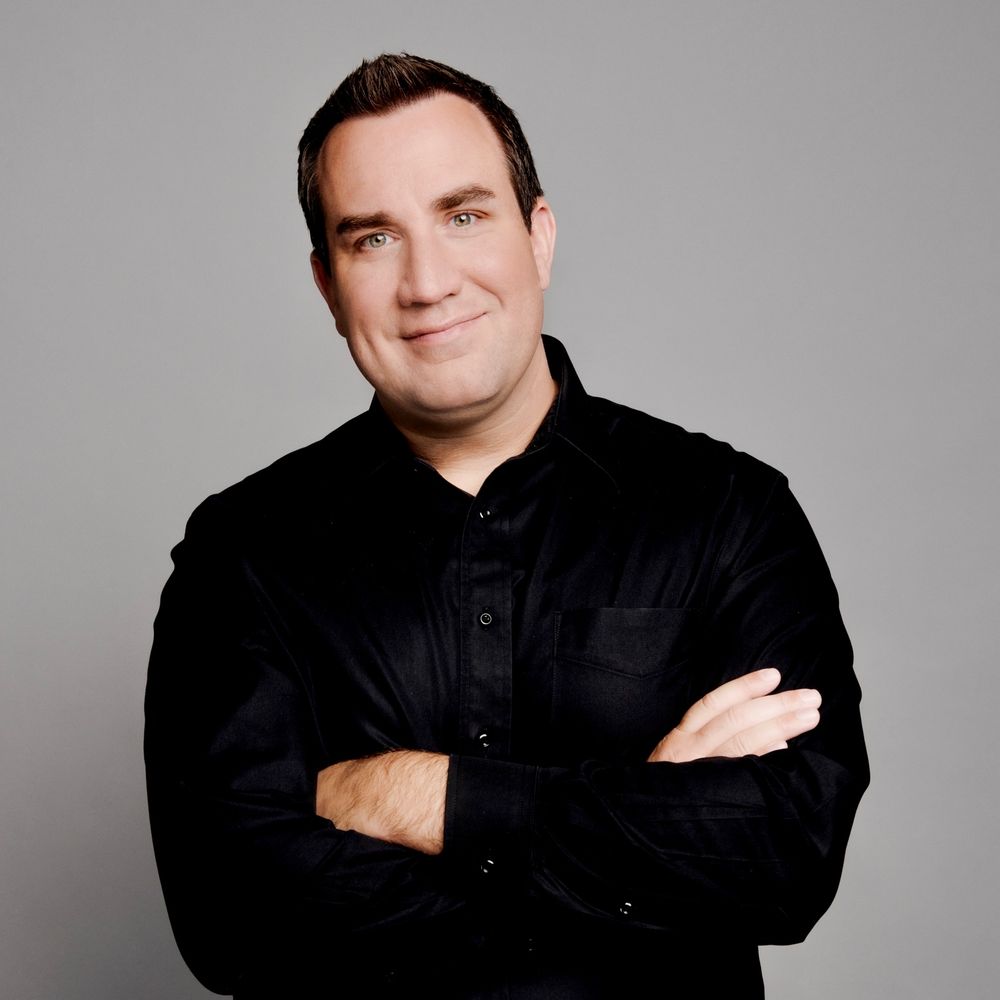
Dr. David Burkus
@davidburkus.bsky.social
Helping Teams Do Their Best Work Ever | Bestselling Author | Keynote Speaker | Organizational Psychologist
Most businesses chase low costs and tight controls. But Din Thai Fung focuses on investing in their people and improving their quality. The result? $27M per store selling dumplings.
February 18, 2026 at 2:04 PM
Most businesses chase low costs and tight controls. But Din Thai Fung focuses on investing in their people and improving their quality. The result? $27M per store selling dumplings.
Psychological safety starts with sleep.
Leaders with sleep debt are more emotionally reactive—
That means less empathy, less respect, and less trust from the team.
And trust erodes psych safety fast.
Sleep isn’t self-care. It’s a leadership skill.
Leaders with sleep debt are more emotionally reactive—
That means less empathy, less respect, and less trust from the team.
And trust erodes psych safety fast.
Sleep isn’t self-care. It’s a leadership skill.
February 17, 2026 at 2:04 PM
Psychological safety starts with sleep.
Leaders with sleep debt are more emotionally reactive—
That means less empathy, less respect, and less trust from the team.
And trust erodes psych safety fast.
Sleep isn’t self-care. It’s a leadership skill.
Leaders with sleep debt are more emotionally reactive—
That means less empathy, less respect, and less trust from the team.
And trust erodes psych safety fast.
Sleep isn’t self-care. It’s a leadership skill.
You don’t need to be “on call” to be effective.
Constant reacting creates anxiety, not progress.
Real control comes from choosing when to respond —
not responding whenever something appears.
That small shift changes everything.
Less pressure.
More intention.
Better work.
Save this for later.
Constant reacting creates anxiety, not progress.
Real control comes from choosing when to respond —
not responding whenever something appears.
That small shift changes everything.
Less pressure.
More intention.
Better work.
Save this for later.
February 16, 2026 at 2:02 PM
You don’t need to be “on call” to be effective.
Constant reacting creates anxiety, not progress.
Real control comes from choosing when to respond —
not responding whenever something appears.
That small shift changes everything.
Less pressure.
More intention.
Better work.
Save this for later.
Constant reacting creates anxiety, not progress.
Real control comes from choosing when to respond —
not responding whenever something appears.
That small shift changes everything.
Less pressure.
More intention.
Better work.
Save this for later.
Your burnout is contagious.
Leaders who don’t prioritize rest aren’t just hurting themselves—they’re lowering team performance too.
Tired leaders are seen as less inspiring.
Less inspiration = less productivity.
It’s not about working less. It’s about leading better.
Share this with your team.
Leaders who don’t prioritize rest aren’t just hurting themselves—they’re lowering team performance too.
Tired leaders are seen as less inspiring.
Less inspiration = less productivity.
It’s not about working less. It’s about leading better.
Share this with your team.
February 13, 2026 at 2:03 PM
Your burnout is contagious.
Leaders who don’t prioritize rest aren’t just hurting themselves—they’re lowering team performance too.
Tired leaders are seen as less inspiring.
Less inspiration = less productivity.
It’s not about working less. It’s about leading better.
Share this with your team.
Leaders who don’t prioritize rest aren’t just hurting themselves—they’re lowering team performance too.
Tired leaders are seen as less inspiring.
Less inspiration = less productivity.
It’s not about working less. It’s about leading better.
Share this with your team.
Focus doesn’t survive without leadership permission.
If response times are never discussed,
people default to being always on.
And “always on” quietly kills deep work.
Strong leaders do something different.
They make expectations explicit.
They protect their time.
If response times are never discussed,
people default to being always on.
And “always on” quietly kills deep work.
Strong leaders do something different.
They make expectations explicit.
They protect their time.
February 12, 2026 at 2:02 PM
Focus doesn’t survive without leadership permission.
If response times are never discussed,
people default to being always on.
And “always on” quietly kills deep work.
Strong leaders do something different.
They make expectations explicit.
They protect their time.
If response times are never discussed,
people default to being always on.
And “always on” quietly kills deep work.
Strong leaders do something different.
They make expectations explicit.
They protect their time.
Your sleep data might be messing with your mind.
Research shows that just believing you slept well can make your brain more alert—even if the data says otherwise.
Our perception of rest influences how rested we feel.
So if you’re using wearables, zoom out.
Trends > daily fluctuations.
Research shows that just believing you slept well can make your brain more alert—even if the data says otherwise.
Our perception of rest influences how rested we feel.
So if you’re using wearables, zoom out.
Trends > daily fluctuations.
February 11, 2026 at 2:03 PM
Your sleep data might be messing with your mind.
Research shows that just believing you slept well can make your brain more alert—even if the data says otherwise.
Our perception of rest influences how rested we feel.
So if you’re using wearables, zoom out.
Trends > daily fluctuations.
Research shows that just believing you slept well can make your brain more alert—even if the data says otherwise.
Our perception of rest influences how rested we feel.
So if you’re using wearables, zoom out.
Trends > daily fluctuations.
Fast replies look like work.
They aren’t always good work.
In modern teams, especially remote ones,
visibility gets confused with value.
Whoever responds fastest seems productive —
even when it’s fragmenting their focus.
High-performing teams do the opposite.
They define response times on purpose.
They aren’t always good work.
In modern teams, especially remote ones,
visibility gets confused with value.
Whoever responds fastest seems productive —
even when it’s fragmenting their focus.
High-performing teams do the opposite.
They define response times on purpose.
February 10, 2026 at 2:03 PM
Fast replies look like work.
They aren’t always good work.
In modern teams, especially remote ones,
visibility gets confused with value.
Whoever responds fastest seems productive —
even when it’s fragmenting their focus.
High-performing teams do the opposite.
They define response times on purpose.
They aren’t always good work.
In modern teams, especially remote ones,
visibility gets confused with value.
Whoever responds fastest seems productive —
even when it’s fragmenting their focus.
High-performing teams do the opposite.
They define response times on purpose.
Your tools aren’t neutral — they shape how you think.
Every jump from email to Slack to spreadsheets
forces your brain into a new mode of work.
That reset isn’t instant.
It’s costly.
Up to 23 minutes to fully refocus
after a single switch.
Every jump from email to Slack to spreadsheets
forces your brain into a new mode of work.
That reset isn’t instant.
It’s costly.
Up to 23 minutes to fully refocus
after a single switch.
February 9, 2026 at 2:04 PM
Your tools aren’t neutral — they shape how you think.
Every jump from email to Slack to spreadsheets
forces your brain into a new mode of work.
That reset isn’t instant.
It’s costly.
Up to 23 minutes to fully refocus
after a single switch.
Every jump from email to Slack to spreadsheets
forces your brain into a new mode of work.
That reset isn’t instant.
It’s costly.
Up to 23 minutes to fully refocus
after a single switch.
Writing tasks down helps — but only if you do it right.
Scattered notes feel productive.
They’re not.
When tasks live in five notebooks, three apps, and random sticky notes,
your brain still has to track everything.
One list.
One system.
One place your brain can fully trust.
Scattered notes feel productive.
They’re not.
When tasks live in five notebooks, three apps, and random sticky notes,
your brain still has to track everything.
One list.
One system.
One place your brain can fully trust.
February 6, 2026 at 2:01 PM
Writing tasks down helps — but only if you do it right.
Scattered notes feel productive.
They’re not.
When tasks live in five notebooks, three apps, and random sticky notes,
your brain still has to track everything.
One list.
One system.
One place your brain can fully trust.
Scattered notes feel productive.
They’re not.
When tasks live in five notebooks, three apps, and random sticky notes,
your brain still has to track everything.
One list.
One system.
One place your brain can fully trust.
Your brain wasn’t designed to be a to-do list.
When tasks stay unfinished in your head, they don’t sit quietly.
They pull attention in the background.
The moment you stop relying on memory,
you stop scanning for what might be forgotten
and start giving full attention to what actually matters.
When tasks stay unfinished in your head, they don’t sit quietly.
They pull attention in the background.
The moment you stop relying on memory,
you stop scanning for what might be forgotten
and start giving full attention to what actually matters.
February 5, 2026 at 2:03 PM
Your brain wasn’t designed to be a to-do list.
When tasks stay unfinished in your head, they don’t sit quietly.
They pull attention in the background.
The moment you stop relying on memory,
you stop scanning for what might be forgotten
and start giving full attention to what actually matters.
When tasks stay unfinished in your head, they don’t sit quietly.
They pull attention in the background.
The moment you stop relying on memory,
you stop scanning for what might be forgotten
and start giving full attention to what actually matters.
Talent gets headlines.
But trust wins championships.
The Mercedes F1 pit crew isn’t just fast—they’re in sync.
No egos, no hesitation, no wasted motion.
Because they rehearse everything: roles, handoffs, eye contact.
It’s not horsepower. It’s human power.
Share this with your team.
#Leadership
But trust wins championships.
The Mercedes F1 pit crew isn’t just fast—they’re in sync.
No egos, no hesitation, no wasted motion.
Because they rehearse everything: roles, handoffs, eye contact.
It’s not horsepower. It’s human power.
Share this with your team.
#Leadership
February 4, 2026 at 2:02 PM
Talent gets headlines.
But trust wins championships.
The Mercedes F1 pit crew isn’t just fast—they’re in sync.
No egos, no hesitation, no wasted motion.
Because they rehearse everything: roles, handoffs, eye contact.
It’s not horsepower. It’s human power.
Share this with your team.
#Leadership
But trust wins championships.
The Mercedes F1 pit crew isn’t just fast—they’re in sync.
No egos, no hesitation, no wasted motion.
Because they rehearse everything: roles, handoffs, eye contact.
It’s not horsepower. It’s human power.
Share this with your team.
#Leadership
Talent is overrated.
Culture is what wins.
The All Blacks don’t just train athletes—they build better people.
Egos down, standards up.
Even the stars sweep the locker room.
Because shared responsibility builds something talent alone can’t.
Share this with your team.
#Leadership #TeamCulture
Culture is what wins.
The All Blacks don’t just train athletes—they build better people.
Egos down, standards up.
Even the stars sweep the locker room.
Because shared responsibility builds something talent alone can’t.
Share this with your team.
#Leadership #TeamCulture
February 3, 2026 at 2:03 PM
Talent is overrated.
Culture is what wins.
The All Blacks don’t just train athletes—they build better people.
Egos down, standards up.
Even the stars sweep the locker room.
Because shared responsibility builds something talent alone can’t.
Share this with your team.
#Leadership #TeamCulture
Culture is what wins.
The All Blacks don’t just train athletes—they build better people.
Egos down, standards up.
Even the stars sweep the locker room.
Because shared responsibility builds something talent alone can’t.
Share this with your team.
#Leadership #TeamCulture
You can’t script world-class service.
But you can trust people enough to create it.
Ritz Carlton gives every employee up to $2,000 to solve a guest problem—no approvals needed.
But you can trust people enough to create it.
Ritz Carlton gives every employee up to $2,000 to solve a guest problem—no approvals needed.
February 2, 2026 at 2:02 PM
You can’t script world-class service.
But you can trust people enough to create it.
Ritz Carlton gives every employee up to $2,000 to solve a guest problem—no approvals needed.
But you can trust people enough to create it.
Ritz Carlton gives every employee up to $2,000 to solve a guest problem—no approvals needed.
Last-minute check-ins feel like micromanagement.
Delegation needs structure upfront:
What you’ll review, when you’ll review it,
and what ownership really looks like.
That clarity builds trust—and better work.
#leadership #delegation #communication
Delegation needs structure upfront:
What you’ll review, when you’ll review it,
and what ownership really looks like.
That clarity builds trust—and better work.
#leadership #delegation #communication
February 1, 2026 at 2:02 PM
Last-minute check-ins feel like micromanagement.
Delegation needs structure upfront:
What you’ll review, when you’ll review it,
and what ownership really looks like.
That clarity builds trust—and better work.
#leadership #delegation #communication
Delegation needs structure upfront:
What you’ll review, when you’ll review it,
and what ownership really looks like.
That clarity builds trust—and better work.
#leadership #delegation #communication
Not all delegation is empowering.
If you offload only the work you dislike—
or the decisions you don’t want to own—
your team will notice.
It’s not skill-building. It’s burden-shifting.
And it kills future collaboration.
What’s your experience with this?
#leadership #delegation #teamdynamics
If you offload only the work you dislike—
or the decisions you don’t want to own—
your team will notice.
It’s not skill-building. It’s burden-shifting.
And it kills future collaboration.
What’s your experience with this?
#leadership #delegation #teamdynamics
January 31, 2026 at 2:03 PM
Not all delegation is empowering.
If you offload only the work you dislike—
or the decisions you don’t want to own—
your team will notice.
It’s not skill-building. It’s burden-shifting.
And it kills future collaboration.
What’s your experience with this?
#leadership #delegation #teamdynamics
If you offload only the work you dislike—
or the decisions you don’t want to own—
your team will notice.
It’s not skill-building. It’s burden-shifting.
And it kills future collaboration.
What’s your experience with this?
#leadership #delegation #teamdynamics
Merely assigning tasks just creates dependency.
If you want better outcomes, stop delegating steps—
Start delegating decisions.
If you want better outcomes, stop delegating steps—
Start delegating decisions.
January 30, 2026 at 2:03 PM
Merely assigning tasks just creates dependency.
If you want better outcomes, stop delegating steps—
Start delegating decisions.
If you want better outcomes, stop delegating steps—
Start delegating decisions.
Micromanaging doesn’t just slow people down—it signals you don’t trust them.
And that signal? It spreads.
Gallup’s data shows that leaders who can’t let go
don’t just break trust—they break growth.
The best delegators grew 112% faster.
Letting go isn’t risky—it’s necessary.
And that signal? It spreads.
Gallup’s data shows that leaders who can’t let go
don’t just break trust—they break growth.
The best delegators grew 112% faster.
Letting go isn’t risky—it’s necessary.
January 29, 2026 at 2:03 PM
Micromanaging doesn’t just slow people down—it signals you don’t trust them.
And that signal? It spreads.
Gallup’s data shows that leaders who can’t let go
don’t just break trust—they break growth.
The best delegators grew 112% faster.
Letting go isn’t risky—it’s necessary.
And that signal? It spreads.
Gallup’s data shows that leaders who can’t let go
don’t just break trust—they break growth.
The best delegators grew 112% faster.
Letting go isn’t risky—it’s necessary.
Delegation is a development tool.
Too much freedom too soon? Overwhelming.
Too much oversight? Frustrating.
The answer is calibrated ownership.
Not just “What can they do?” but “What are they ready to own?”
Ask. Adjust. And build a stronger team each time you delegate.
Save this for later.
Too much freedom too soon? Overwhelming.
Too much oversight? Frustrating.
The answer is calibrated ownership.
Not just “What can they do?” but “What are they ready to own?”
Ask. Adjust. And build a stronger team each time you delegate.
Save this for later.
January 28, 2026 at 2:03 PM
Delegation is a development tool.
Too much freedom too soon? Overwhelming.
Too much oversight? Frustrating.
The answer is calibrated ownership.
Not just “What can they do?” but “What are they ready to own?”
Ask. Adjust. And build a stronger team each time you delegate.
Save this for later.
Too much freedom too soon? Overwhelming.
Too much oversight? Frustrating.
The answer is calibrated ownership.
Not just “What can they do?” but “What are they ready to own?”
Ask. Adjust. And build a stronger team each time you delegate.
Save this for later.
Most managers don’t realize they’re just assigning tasks—not delegating.
Real delegation means transferring ownership, not just items on a checklist.
That shift changes how your team shows up and performs.
It’s not “Do this.” It’s “Own this outcome.”
Share this with your team.
Real delegation means transferring ownership, not just items on a checklist.
That shift changes how your team shows up and performs.
It’s not “Do this.” It’s “Own this outcome.”
Share this with your team.
January 27, 2026 at 2:02 PM
Most managers don’t realize they’re just assigning tasks—not delegating.
Real delegation means transferring ownership, not just items on a checklist.
That shift changes how your team shows up and performs.
It’s not “Do this.” It’s “Own this outcome.”
Share this with your team.
Real delegation means transferring ownership, not just items on a checklist.
That shift changes how your team shows up and performs.
It’s not “Do this.” It’s “Own this outcome.”
Share this with your team.
The best teams aren’t made of the best individuals.
They’re made of the best teammates.
Navy SEAL instructors have seen it all—
And the teams that succeed aren’t the strongest.
They’re the ones that trust fast, adapt quickly, and cover each other’s weaknesses.
Performance is a team sport.
They’re made of the best teammates.
Navy SEAL instructors have seen it all—
And the teams that succeed aren’t the strongest.
They’re the ones that trust fast, adapt quickly, and cover each other’s weaknesses.
Performance is a team sport.
January 26, 2026 at 2:04 PM
The best teams aren’t made of the best individuals.
They’re made of the best teammates.
Navy SEAL instructors have seen it all—
And the teams that succeed aren’t the strongest.
They’re the ones that trust fast, adapt quickly, and cover each other’s weaknesses.
Performance is a team sport.
They’re made of the best teammates.
Navy SEAL instructors have seen it all—
And the teams that succeed aren’t the strongest.
They’re the ones that trust fast, adapt quickly, and cover each other’s weaknesses.
Performance is a team sport.
Working more hours isn’t the flex we think it is.
Real productivity doesn’t come from time—it comes from energy.
You can’t manage time, but you can manage your energy.
And when you do, your performance skyrockets.
Save this if you’re done glorifying burnout.
#Productivity #Mindset
Real productivity doesn’t come from time—it comes from energy.
You can’t manage time, but you can manage your energy.
And when you do, your performance skyrockets.
Save this if you’re done glorifying burnout.
#Productivity #Mindset
January 25, 2026 at 2:02 PM
Working more hours isn’t the flex we think it is.
Real productivity doesn’t come from time—it comes from energy.
You can’t manage time, but you can manage your energy.
And when you do, your performance skyrockets.
Save this if you’re done glorifying burnout.
#Productivity #Mindset
Real productivity doesn’t come from time—it comes from energy.
You can’t manage time, but you can manage your energy.
And when you do, your performance skyrockets.
Save this if you’re done glorifying burnout.
#Productivity #Mindset
Working more hours doesn’t mean you’re getting more done.
In fact, it might be what’s holding you back.
Instead of starting your day with emails or a packed to-do list…
Start by identifying the one thing that will make your day feel productive—no matter what else happens.
#Productivity #Focus
In fact, it might be what’s holding you back.
Instead of starting your day with emails or a packed to-do list…
Start by identifying the one thing that will make your day feel productive—no matter what else happens.
#Productivity #Focus
January 24, 2026 at 2:02 PM
Working more hours doesn’t mean you’re getting more done.
In fact, it might be what’s holding you back.
Instead of starting your day with emails or a packed to-do list…
Start by identifying the one thing that will make your day feel productive—no matter what else happens.
#Productivity #Focus
In fact, it might be what’s holding you back.
Instead of starting your day with emails or a packed to-do list…
Start by identifying the one thing that will make your day feel productive—no matter what else happens.
#Productivity #Focus
Most productivity advice ignores your biology.
Chronotypes explain why your 9 a.m. might feel like someone else’s midnight.
You have natural energy peaks and troughs throughout the day—your job is to notice them.
Start by tracking: When does your work feel effortless? When does it feel like a slog?
Chronotypes explain why your 9 a.m. might feel like someone else’s midnight.
You have natural energy peaks and troughs throughout the day—your job is to notice them.
Start by tracking: When does your work feel effortless? When does it feel like a slog?
January 23, 2026 at 2:03 PM
Most productivity advice ignores your biology.
Chronotypes explain why your 9 a.m. might feel like someone else’s midnight.
You have natural energy peaks and troughs throughout the day—your job is to notice them.
Start by tracking: When does your work feel effortless? When does it feel like a slog?
Chronotypes explain why your 9 a.m. might feel like someone else’s midnight.
You have natural energy peaks and troughs throughout the day—your job is to notice them.
Start by tracking: When does your work feel effortless? When does it feel like a slog?
Consistency in leadership doesn’t mean identical treatment.
It means equitable support.
It means equitable support.
January 22, 2026 at 2:03 PM
Consistency in leadership doesn’t mean identical treatment.
It means equitable support.
It means equitable support.
Purpose is personal.
We measure meaning by the people our effort reaches.
That’s why motivation disappears when the impact feels distant.
And why it comes back the moment you remember who benefits from your work.
When drive fades, don’t look inward.
Look at who is served by what you’re building.
We measure meaning by the people our effort reaches.
That’s why motivation disappears when the impact feels distant.
And why it comes back the moment you remember who benefits from your work.
When drive fades, don’t look inward.
Look at who is served by what you’re building.
January 21, 2026 at 2:01 PM
Purpose is personal.
We measure meaning by the people our effort reaches.
That’s why motivation disappears when the impact feels distant.
And why it comes back the moment you remember who benefits from your work.
When drive fades, don’t look inward.
Look at who is served by what you’re building.
We measure meaning by the people our effort reaches.
That’s why motivation disappears when the impact feels distant.
And why it comes back the moment you remember who benefits from your work.
When drive fades, don’t look inward.
Look at who is served by what you’re building.