



Hannah Nordhaus
@hannahnordhaus.bsky.social
Writer of books (The Beekeeper's Lament, American Ghost), articles, irate emails. National Geographic Explorer and Storytelling Fellow. Contributing editor at bioGraphic.
Reposted by Hannah Nordhaus

"Alabama sturgeon... aren’t ecosystem engineers, shaping habitat for other species," writes @hannahnordhaus.bsky.social. "There’s no argument suggesting that we need them to improve our lives or watersheds. They simply glide along the river bottoms as they have for hundreds of millions of years."

Shadow Fish
The modern race to save an ancient and vanishing species.
www.biographic.com
October 8, 2025 at 6:29 PM
"Alabama sturgeon... aren’t ecosystem engineers, shaping habitat for other species," writes @hannahnordhaus.bsky.social. "There’s no argument suggesting that we need them to improve our lives or watersheds. They simply glide along the river bottoms as they have for hundreds of millions of years."
Reposted by Hannah Nordhaus
In explaining why nonhuman species deserve to live, journalists often find ourselves focusing on how a particular animal benefits the broader ecosystem, or offers people an economic or medical benefit. Which is why I love @hannahnordhaus.bsky.social 's reminder that sometimes, awe is enough...

Shadow Fish
The modern race to save an ancient and vanishing species.
www.biographic.com
September 29, 2025 at 6:50 PM
In explaining why nonhuman species deserve to live, journalists often find ourselves focusing on how a particular animal benefits the broader ecosystem, or offers people an economic or medical benefit. Which is why I love @hannahnordhaus.bsky.social 's reminder that sometimes, awe is enough...
Reposted by Hannah Nordhaus
#Boulder Valley tells me that as police clear classrooms at Fairview and Southern Hills, students will be released for the day. No special reunification area at this time. District working on buses as well. Too early to say what tomorrow might look like
September 11, 2025 at 6:11 PM
#Boulder Valley tells me that as police clear classrooms at Fairview and Southern Hills, students will be released for the day. No special reunification area at this time. District working on buses as well. Too early to say what tomorrow might look like
Reposted by Hannah Nordhaus
👉Public funding for journalism in the US is being slashed
👉Privately-funded journalism has been gutted by corporations
👉Journalism is vital to democracy
👉PLEASE consider supporting nonprofit journalism so we can keep telling nuanced, well-written, and fact-checked stories about science & nature
👉Privately-funded journalism has been gutted by corporations
👉Journalism is vital to democracy
👉PLEASE consider supporting nonprofit journalism so we can keep telling nuanced, well-written, and fact-checked stories about science & nature
📣 Today, we’re launching the Insiders program for recurring donors.
Your support helps us continue publishing in-depth journalism free from ads, paywalls, and AI-generated content.
You choose the amount, and every little bit helps.
Join us: bit.ly/430NTrR
Your support helps us continue publishing in-depth journalism free from ads, paywalls, and AI-generated content.
You choose the amount, and every little bit helps.
Join us: bit.ly/430NTrR

May 6, 2025 at 11:49 PM
👉Public funding for journalism in the US is being slashed
👉Privately-funded journalism has been gutted by corporations
👉Journalism is vital to democracy
👉PLEASE consider supporting nonprofit journalism so we can keep telling nuanced, well-written, and fact-checked stories about science & nature
👉Privately-funded journalism has been gutted by corporations
👉Journalism is vital to democracy
👉PLEASE consider supporting nonprofit journalism so we can keep telling nuanced, well-written, and fact-checked stories about science & nature
This one took five years, three editors, four far-flung reporting trips (Kazakhstan, Wisconsin, Tennessee/Alabama, and Italy), and a vicious ant attack to see over the finish line and tell the story of these ancient, weird, beloved and gravely endangered fish.
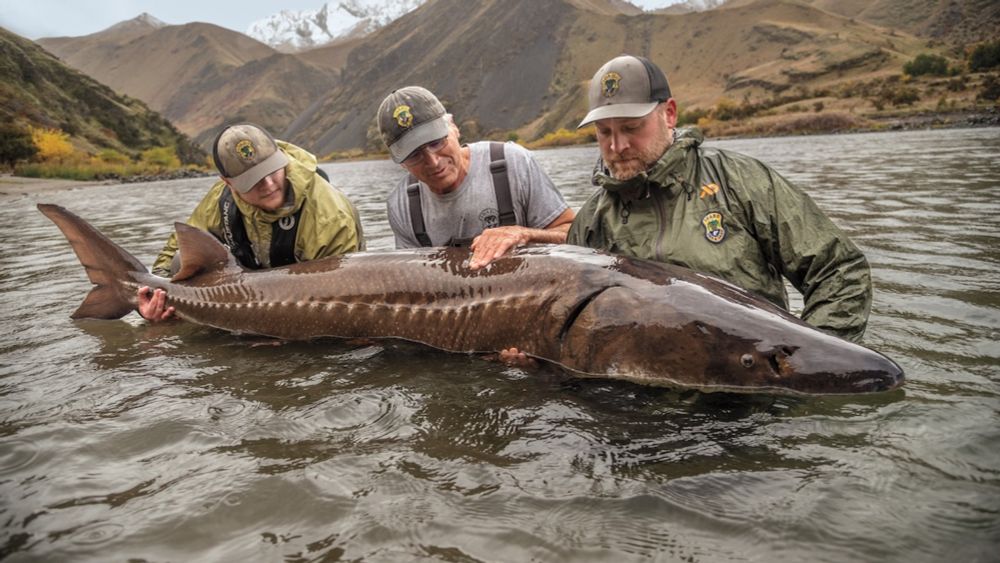
These ancient fish swam with the dinosaurs. They may not survive us.
For 162 million years, sturgeons have fended off everything they’ve faced. Now scientists are racing to save these living fossils.
www.nationalgeographic.com
March 31, 2025 at 8:14 PM
This one took five years, three editors, four far-flung reporting trips (Kazakhstan, Wisconsin, Tennessee/Alabama, and Italy), and a vicious ant attack to see over the finish line and tell the story of these ancient, weird, beloved and gravely endangered fish.
1. I lit out from Reno
2. I was trailed by twenty hounds
3. Didn't get to sleep that night till the morning came around
4. Set out running
5. But I take my time
2. I was trailed by twenty hounds
3. Didn't get to sleep that night till the morning came around
4. Set out running
5. But I take my time

Dear Manager:
1. I have climbed highest mountains
2. I have run through the fields
3. I have run
4. I have crawled
5. I have scaled these city walls, these city walls.
1. I have climbed highest mountains
2. I have run through the fields
3. I have run
4. I have crawled
5. I have scaled these city walls, these city walls.
Dear manager:
1: I went to the doctor
2: I went to the mountains
3: I looked to the children
4: I drank from the fountains
5: There's more than one answer to these questions
1: I went to the doctor
2: I went to the mountains
3: I looked to the children
4: I drank from the fountains
5: There's more than one answer to these questions
February 23, 2025 at 2:32 PM
1. I lit out from Reno
2. I was trailed by twenty hounds
3. Didn't get to sleep that night till the morning came around
4. Set out running
5. But I take my time
2. I was trailed by twenty hounds
3. Didn't get to sleep that night till the morning came around
4. Set out running
5. But I take my time
Reposted by Hannah Nordhaus
Toads and roads don’t mix. Meet the dedicated South Africans working to keep an endangered, endemic toad from getting squashed by Cape Town traffic. (Bonus: a nonprofit called ToadNUTS)
www.biographic.com/toads-on-the...
www.biographic.com/toads-on-the...

Toads on the Roads - bioGraphic
South Africa is the only place in the world where the endangered western leopard toad can be found. Can locals learn to coexist with—and conserve—their vulnerable amphibian neighbors?
www.biographic.com
January 28, 2025 at 3:21 PM
Toads and roads don’t mix. Meet the dedicated South Africans working to keep an endangered, endemic toad from getting squashed by Cape Town traffic. (Bonus: a nonprofit called ToadNUTS)
www.biographic.com/toads-on-the...
www.biographic.com/toads-on-the...
Great piece by former @biographic.bsky.social intern Sophie Hartley on efforts to save a rare toad from getting squished on the roads near Cape Town, S. Africa. Images by Cape Town-based photographer Jeremy Shelton.
www.biographic.com/toads-on-the...
www.biographic.com/toads-on-the...

Toads on the Roads - bioGraphic
South Africa is the only place in the world where the endangered western leopard toad can be found. Can locals learn to coexist with—and conserve—their vulnerable amphibian neighbors?
www.biographic.com
January 24, 2025 at 12:34 AM
Great piece by former @biographic.bsky.social intern Sophie Hartley on efforts to save a rare toad from getting squished on the roads near Cape Town, S. Africa. Images by Cape Town-based photographer Jeremy Shelton.
www.biographic.com/toads-on-the...
www.biographic.com/toads-on-the...
Reposted by Hannah Nordhaus
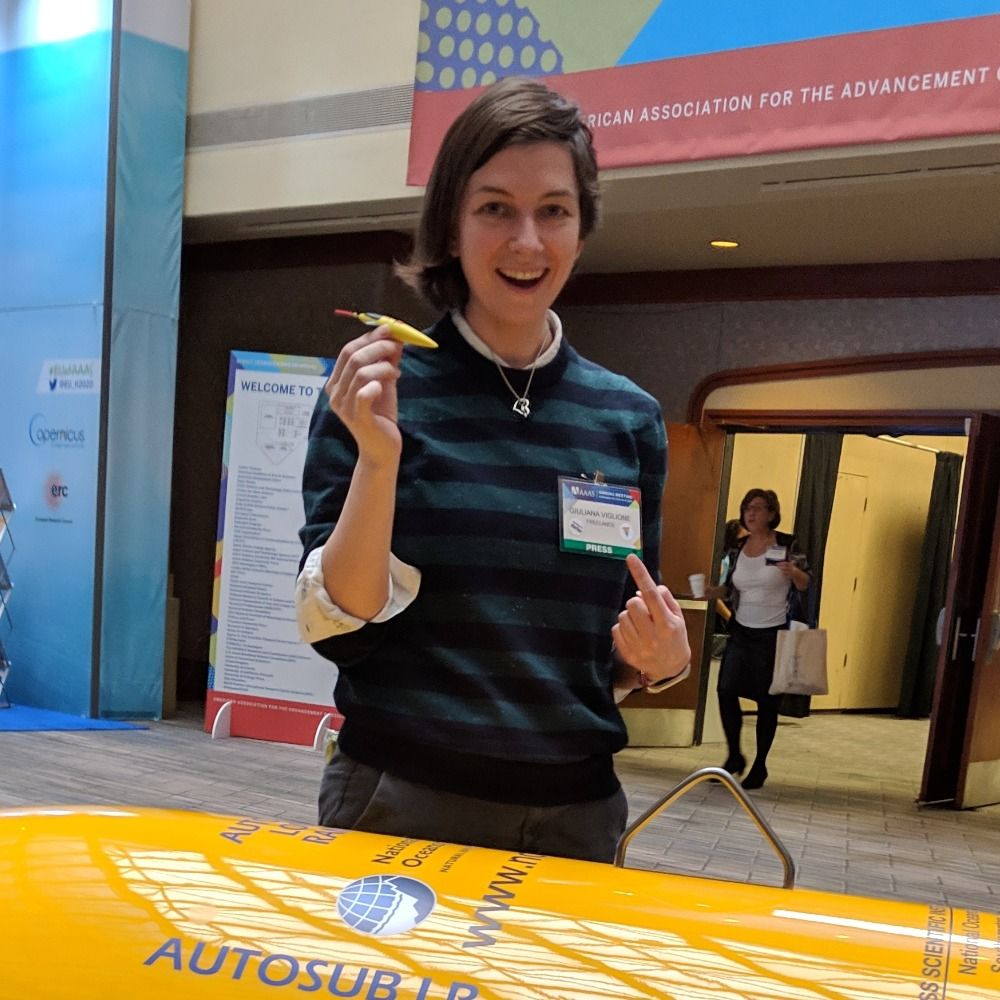
In the midst of one of the most gruesome periods of modern human history, whales experienced a rare moment of peace.
Now, a long-forgotten post-war museum collection is revealing how the slaughter has literally been etched into the very fibers of those whales.
www.biographic.com/how-whales-f...
Now, a long-forgotten post-war museum collection is revealing how the slaughter has literally been etched into the very fibers of those whales.
www.biographic.com/how-whales-f...
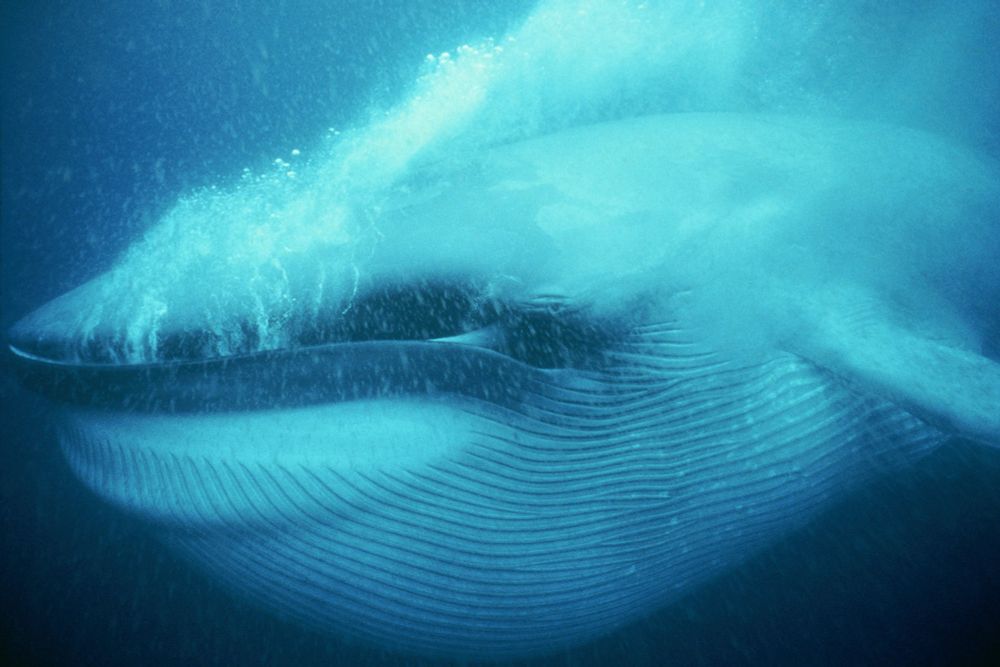
How Whales Found Peace in War - bioGraphic
A forgotten museum collection reveals how a pause in industrial whaling during World War II changed whales at the molecular level.
www.biographic.com
January 22, 2025 at 10:25 AM
In the midst of one of the most gruesome periods of modern human history, whales experienced a rare moment of peace.
Now, a long-forgotten post-war museum collection is revealing how the slaughter has literally been etched into the very fibers of those whales.
www.biographic.com/how-whales-f...
Now, a long-forgotten post-war museum collection is revealing how the slaughter has literally been etched into the very fibers of those whales.
www.biographic.com/how-whales-f...
Reposted by Hannah Nordhaus
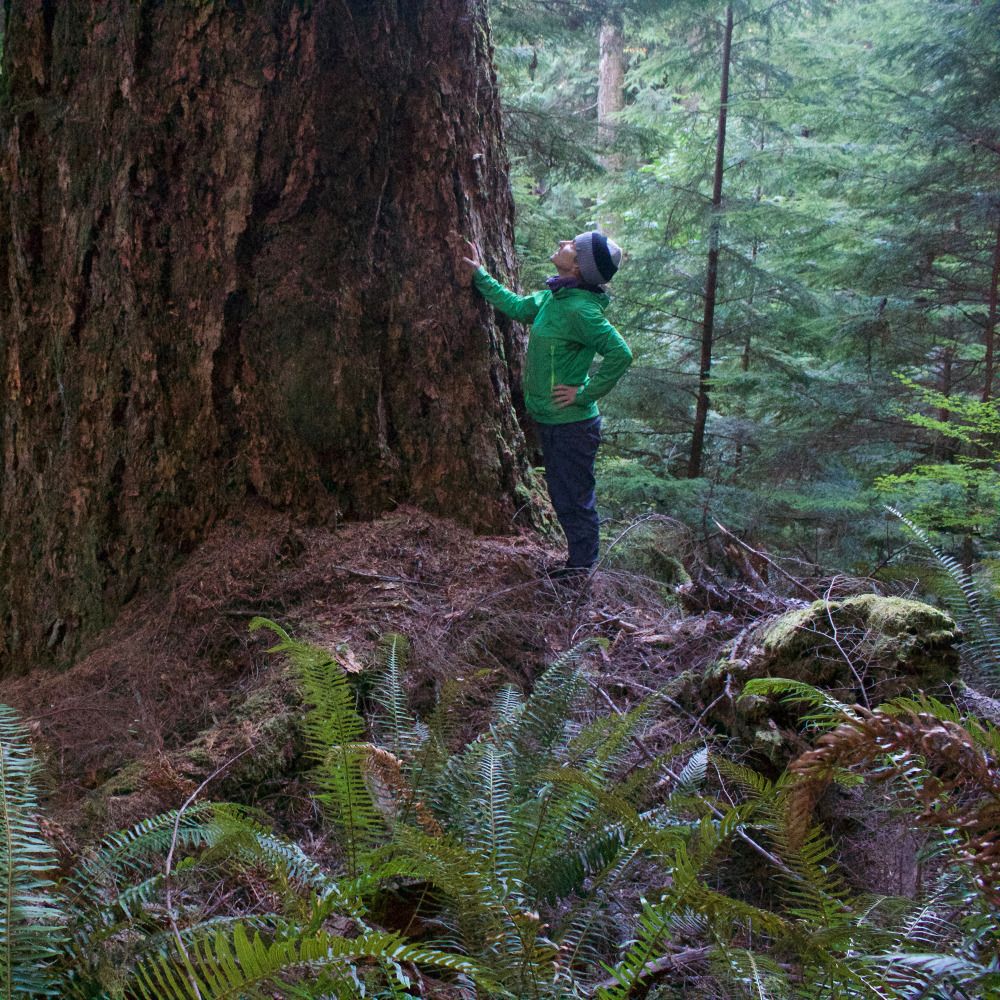
Everything I love about a story: a forgotten museum collection, dogged researchers.....and whales! Debut feature by @giulianaviglione.bsky.social, edited by @sarahmgilman.bsky.social for @biographic.bsky.social Huzzah! www.biographic.com/how-whales-f... 🦑🧪#conservation

How Whales Found Peace in War - bioGraphic
A forgotten museum collection reveals how a pause in industrial whaling during World War II changed whales at the molecular level.
www.biographic.com
January 14, 2025 at 11:19 PM
Everything I love about a story: a forgotten museum collection, dogged researchers.....and whales! Debut feature by @giulianaviglione.bsky.social, edited by @sarahmgilman.bsky.social for @biographic.bsky.social Huzzah! www.biographic.com/how-whales-f... 🦑🧪#conservation
Reposted by Hannah Nordhaus
Did you know that fish embryos are excellent toxicology monitoring tools? These researchers are studying surf smelt embryos to better understand the effects of pollution in the upper intertidal—the critically important places where land meets sea and marine and human ecosystems converge. 🧪

Listening to the Smelt
By monitoring the embryos of a little-studied forage fish, scientists are hoping to track and minimize the damaging effects of pollution in important coastal habitats.
www.biographic.com
January 10, 2025 at 9:33 PM
Did you know that fish embryos are excellent toxicology monitoring tools? These researchers are studying surf smelt embryos to better understand the effects of pollution in the upper intertidal—the critically important places where land meets sea and marine and human ecosystems converge. 🧪
Reposted by Hannah Nordhaus
During Mozambique's civil war, up to 90 percent of large wildlife in what's now Gorongosa National Park was slaughtered. Today, the park has more wildlife than before the war--showing that healing of both human and nonhuman communities is possible.
www.biographic.com/prowling-for...
www.biographic.com/prowling-for...

Prowling for Pelicans - bioGraphic
In Mozambique’s Gorongosa National Park, wildlife is making a comeback.
www.biographic.com
January 9, 2025 at 8:09 PM
During Mozambique's civil war, up to 90 percent of large wildlife in what's now Gorongosa National Park was slaughtered. Today, the park has more wildlife than before the war--showing that healing of both human and nonhuman communities is possible.
www.biographic.com/prowling-for...
www.biographic.com/prowling-for...
Reposted by Hannah Nordhaus

Having witnessed aftermath of Hermit's Peak/Calf Canyon fire at my family's ranch, I can attest these forests hadn't burned for 120+ years. Fire was intense. Damage extensive. @hannahnordhaus.bsky.social wrote about it in @nationalgeographic.bsky.social. www.nationalgeographic.com/environment/...
December 6, 2024 at 3:14 PM
Having witnessed aftermath of Hermit's Peak/Calf Canyon fire at my family's ranch, I can attest these forests hadn't burned for 120+ years. Fire was intense. Damage extensive. @hannahnordhaus.bsky.social wrote about it in @nationalgeographic.bsky.social. www.nationalgeographic.com/environment/...