



ICTC13
@ictc13.bsky.social
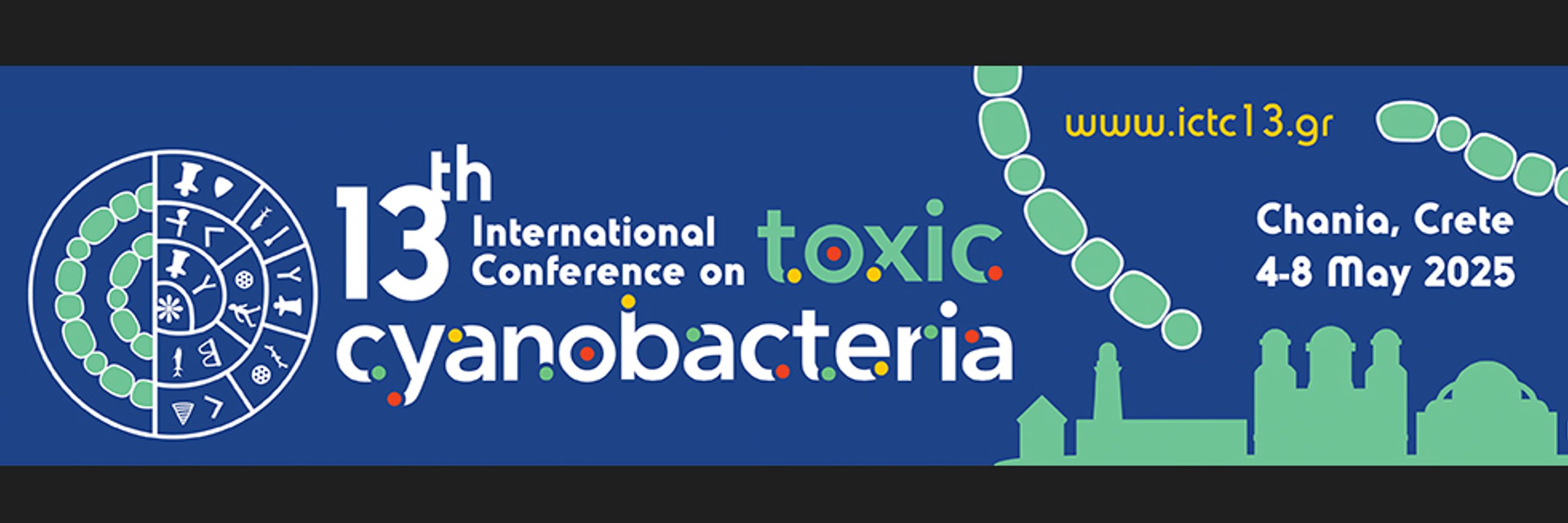
13th International Conference on Toxic #Cyanobacteria
May 4-8, Chania, Crete, Greece
www.ictc13.gr
May 4-8, Chania, Crete, Greece
www.ictc13.gr
Pinned
ICTC13
@ictc13.bsky.social
· Nov 23
ICTC13 | 13th International Conference on Toxic Cyano Bacteria – 4-8 May 2025 | Chania, Crete, Greece
www.ictc13.gr
The 13th International Conference on Toxic #Cyanobacteria, 4-8 May 2025, #Chania, #Crete, #Greece.
Abstract submissions 20 Dec 2024.
Follow us to get updates about #ICTC13.
www.ictc13.gr
#cyanotoxins #water #lake #teammassspec #ecology #waterquality #sequencing #multiomics #metabolomics #genomics
Abstract submissions 20 Dec 2024.
Follow us to get updates about #ICTC13.
www.ictc13.gr
#cyanotoxins #water #lake #teammassspec #ecology #waterquality #sequencing #multiomics #metabolomics #genomics
Reposted by ICTC13
Great opportunity to work with Hanna Mazur-Marzec's group at the University of Gdansk.👇
Position for an Associate Professor in the research and teaching staff group at the #Phycology Laboratory, Department of Marine #Biology and #Biotechnology.
More info: euraxess.ec.europa.eu/jobs/403757
Position for an Associate Professor in the research and teaching staff group at the #Phycology Laboratory, Department of Marine #Biology and #Biotechnology.
More info: euraxess.ec.europa.eu/jobs/403757

February 2, 2026 at 7:48 PM
Great opportunity to work with Hanna Mazur-Marzec's group at the University of Gdansk.👇
Position for an Associate Professor in the research and teaching staff group at the #Phycology Laboratory, Department of Marine #Biology and #Biotechnology.
More info: euraxess.ec.europa.eu/jobs/403757
Position for an Associate Professor in the research and teaching staff group at the #Phycology Laboratory, Department of Marine #Biology and #Biotechnology.
More info: euraxess.ec.europa.eu/jobs/403757
Reposted by ICTC13
(BioRxiv All) Community Curation of Microbial Metabolites Enables Biological Insights of Metabolomics Data: Microbial metabolites play a critical role in regulating ecosystems, including the human body and its microbiota. However, understanding the physiologically relevant… #BioRxiv #MassSpecRSS
Community Curation of Microbial Metabolites Enables Biological Insights of Metabolomics Data
Microbial metabolites play a critical role in regulating ecosystems, including the human body and its microbiota. However, understanding the physiologically relevant role of these molecules, especially through liquid chromatography tandem mass spectrometry (LC-MS/MS)-based untargeted metabolomics, poses significant challenges and often requires manual parsing of a large amount of literature, databases, and webpages. To address this gap, we established the Collaborative Microbial Metabolite Center knowledgebase (CMMC-KB), a platform that fosters collaborative efforts within the scientific community to curate knowledge about microbial metabolites. The CMMC-KB aims to collect comprehensive information about microbial molecules originating from microbial biosynthesis, drug metabolism, exposure-related molecules, food, host-derived molecules, and, whenever available, their known activities. Molecules from other sources, including host-produced, dietary, and pharmaceutical compounds, are also included. By enabling direct integration of this knowledgebase with downstream analytical tools, including molecular networking, we can deepen insights into microbiota and their metabolites, ultimately advancing our understanding of microbial ecosystems.
dlvr.it
January 29, 2026 at 8:05 PM
(BioRxiv All) Community Curation of Microbial Metabolites Enables Biological Insights of Metabolomics Data: Microbial metabolites play a critical role in regulating ecosystems, including the human body and its microbiota. However, understanding the physiologically relevant… #BioRxiv #MassSpecRSS
Reposted by ICTC13
The abstract submission deadline for #SETACMaastricht is around the corner! Submit your abstract by 26 November to showcase your research live in Maastricht next May and connect with environmental experts from around the world. 🌍 Don't miss the deadline and submit today! 👉https://lnkd.in/ec-V3n5j
November 21, 2025 at 5:55 PM
The abstract submission deadline for #SETACMaastricht is around the corner! Submit your abstract by 26 November to showcase your research live in Maastricht next May and connect with environmental experts from around the world. 🌍 Don't miss the deadline and submit today! 👉https://lnkd.in/ec-V3n5j
Reposted by ICTC13
We are super excited that our new paper on microfluidic-based LC-MS/MS fractionation in combination with bioluminescence bioreporters readouts, for compound-resolved bioactivity metabolomics, was just published: pubs.acs.org/doi/10.1021/...

October 26, 2025 at 9:24 PM
We are super excited that our new paper on microfluidic-based LC-MS/MS fractionation in combination with bioluminescence bioreporters readouts, for compound-resolved bioactivity metabolomics, was just published: pubs.acs.org/doi/10.1021/...
Reposted by ICTC13
📢 #Abstract submission for #SETACMaastricht is open! Join us in May and share your latest #research with a vibrant community of #environmental scientists and professionals. 🌿🧪 Submit your abstract by 26 November and take part in shaping a bold scientific programme!
🔗 lnkd.in/e9rXdwdQhttp...
🔗 lnkd.in/e9rXdwdQhttp...

Call for Abstracts: Share Your Science at SETAC Maastricht
www.setac.org
October 17, 2025 at 7:01 AM
📢 #Abstract submission for #SETACMaastricht is open! Join us in May and share your latest #research with a vibrant community of #environmental scientists and professionals. 🌿🧪 Submit your abstract by 26 November and take part in shaping a bold scientific programme!
🔗 lnkd.in/e9rXdwdQhttp...
🔗 lnkd.in/e9rXdwdQhttp...
Reposted by ICTC13
Abstract submission is now open (till 26 November). Join us in an exciting #HABs Session #SETACMaastricht 👇
Session description: setac.secure-platform.com/meetings/gal...
#SETAC #SETACEurope #SETAC2026
@setac.bsky.social @setac-glb.bsky.social
Session description: setac.secure-platform.com/meetings/gal...
#SETAC #SETACEurope #SETAC2026
@setac.bsky.social @setac-glb.bsky.social
🧪📣 Save the date for SETAC Europe 2016 @setac.bsky.social #SETACMaastricht !
Our Session title: "Integrating #Genomics, #Metabolomics, and Control Strategies to Address Harmful Algal and #Cyanobacterial Blooms", Chaired by Petra Visser, Dail Laughinghouse, @anastasiahiskia.bsky.social.
Our Session title: "Integrating #Genomics, #Metabolomics, and Control Strategies to Address Harmful Algal and #Cyanobacterial Blooms", Chaired by Petra Visser, Dail Laughinghouse, @anastasiahiskia.bsky.social.

October 14, 2025 at 4:45 PM
Abstract submission is now open (till 26 November). Join us in an exciting #HABs Session #SETACMaastricht 👇
Session description: setac.secure-platform.com/meetings/gal...
#SETAC #SETACEurope #SETAC2026
@setac.bsky.social @setac-glb.bsky.social
Session description: setac.secure-platform.com/meetings/gal...
#SETAC #SETACEurope #SETAC2026
@setac.bsky.social @setac-glb.bsky.social
Reposted by ICTC13
The #IFHAB Workshop 16-17 October at Hamilton #Ontario. #Freshwater #HABs. Still time to register. www.ifhabworkshop.com

October 4, 2025 at 5:09 AM
The #IFHAB Workshop 16-17 October at Hamilton #Ontario. #Freshwater #HABs. Still time to register. www.ifhabworkshop.com
Reposted by ICTC13
🌍📢 Postdoc alert | 3-yr starting 1/1/26
Understand how ecosystem stability is changing across space and through time using niche modelling, pinpoint at-risk species/regions, and build tools that drive conservation action🌿🧭📈
👉 tinyurl.com/2w2we5z8
#Ecology #Jobs #Biodiversity #RStats
Understand how ecosystem stability is changing across space and through time using niche modelling, pinpoint at-risk species/regions, and build tools that drive conservation action🌿🧭📈
👉 tinyurl.com/2w2we5z8
#Ecology #Jobs #Biodiversity #RStats

October 1, 2025 at 8:45 AM
🌍📢 Postdoc alert | 3-yr starting 1/1/26
Understand how ecosystem stability is changing across space and through time using niche modelling, pinpoint at-risk species/regions, and build tools that drive conservation action🌿🧭📈
👉 tinyurl.com/2w2we5z8
#Ecology #Jobs #Biodiversity #RStats
Understand how ecosystem stability is changing across space and through time using niche modelling, pinpoint at-risk species/regions, and build tools that drive conservation action🌿🧭📈
👉 tinyurl.com/2w2we5z8
#Ecology #Jobs #Biodiversity #RStats
Reposted by ICTC13

Huge congrats to Sylvia Bonilla 🏆 on winning the Kilham Memorial Lecture Award from SIL! Her vital work on toxic cyanobacteria across Latin America is attracting high interest from researchers across Europe and worldwide. 🔬🌍
@cyanoaction.bsky.social @ictc13.bsky.social
@cyanoaction.bsky.social @ictc13.bsky.social

Join us in congratulating Sylvia Bonilla, winner of the Kilham Memorial Lecture Award! 🎉
To be delivered during the joint ASLO–SIL 2026 Congress in Montreal.
We look forward to celebrating her contributions to limnology and cyanobacteria research with the SIL community! 💧
To be delivered during the joint ASLO–SIL 2026 Congress in Montreal.
We look forward to celebrating her contributions to limnology and cyanobacteria research with the SIL community! 💧

October 1, 2025 at 4:16 PM
Huge congrats to Sylvia Bonilla 🏆 on winning the Kilham Memorial Lecture Award from SIL! Her vital work on toxic cyanobacteria across Latin America is attracting high interest from researchers across Europe and worldwide. 🔬🌍
@cyanoaction.bsky.social @ictc13.bsky.social
@cyanoaction.bsky.social @ictc13.bsky.social
Reposted by ICTC13
🧪📣 Save the date for SETAC Europe 2016 @setac.bsky.social #SETACMaastricht !
Our Session title: "Integrating #Genomics, #Metabolomics, and Control Strategies to Address Harmful Algal and #Cyanobacterial Blooms", Chaired by Petra Visser, Dail Laughinghouse, @anastasiahiskia.bsky.social.
Our Session title: "Integrating #Genomics, #Metabolomics, and Control Strategies to Address Harmful Algal and #Cyanobacterial Blooms", Chaired by Petra Visser, Dail Laughinghouse, @anastasiahiskia.bsky.social.
September 26, 2025 at 6:44 AM
🧪📣 Save the date for SETAC Europe 2016 @setac.bsky.social #SETACMaastricht !
Our Session title: "Integrating #Genomics, #Metabolomics, and Control Strategies to Address Harmful Algal and #Cyanobacterial Blooms", Chaired by Petra Visser, Dail Laughinghouse, @anastasiahiskia.bsky.social.
Our Session title: "Integrating #Genomics, #Metabolomics, and Control Strategies to Address Harmful Algal and #Cyanobacterial Blooms", Chaired by Petra Visser, Dail Laughinghouse, @anastasiahiskia.bsky.social.
Reposted by ICTC13

Implementing the MCheM setup is pretty easy, and all reagents and hardware components are commercially available and relatively cheap.
MCheM data analysis is supported in @mzmine.bsky.social @gnps2.bsky.social and SIRIUS (@brightgiant.bsky.social) and free for academic researchers.
MCheM data analysis is supported in @mzmine.bsky.social @gnps2.bsky.social and SIRIUS (@brightgiant.bsky.social) and free for academic researchers.
July 27, 2025 at 6:36 PM
Implementing the MCheM setup is pretty easy, and all reagents and hardware components are commercially available and relatively cheap.
MCheM data analysis is supported in @mzmine.bsky.social @gnps2.bsky.social and SIRIUS (@brightgiant.bsky.social) and free for academic researchers.
MCheM data analysis is supported in @mzmine.bsky.social @gnps2.bsky.social and SIRIUS (@brightgiant.bsky.social) and free for academic researchers.
Reposted by ICTC13
Thanks so much to everybody who made this interdisciplinary project possible. And epically the editor and the three reviewers at @natcomms.nature.com for their throughout positive feedback.
July 27, 2025 at 6:41 PM
Thanks so much to everybody who made this interdisciplinary project possible. And epically the editor and the three reviewers at @natcomms.nature.com for their throughout positive feedback.
Reposted by ICTC13
New paper from the group. Together with Chambers Hughes, Giovanni Vitale and our amazing collaborators, we developed a multiplexed chemical metabolomics workflow to assign functional groups in non-targeted LC-MS/MS data:
www.nature.com/articles/s41...
Behind the paper story:
go.nature.com/45ljV4d
www.nature.com/articles/s41...
Behind the paper story:
go.nature.com/45ljV4d
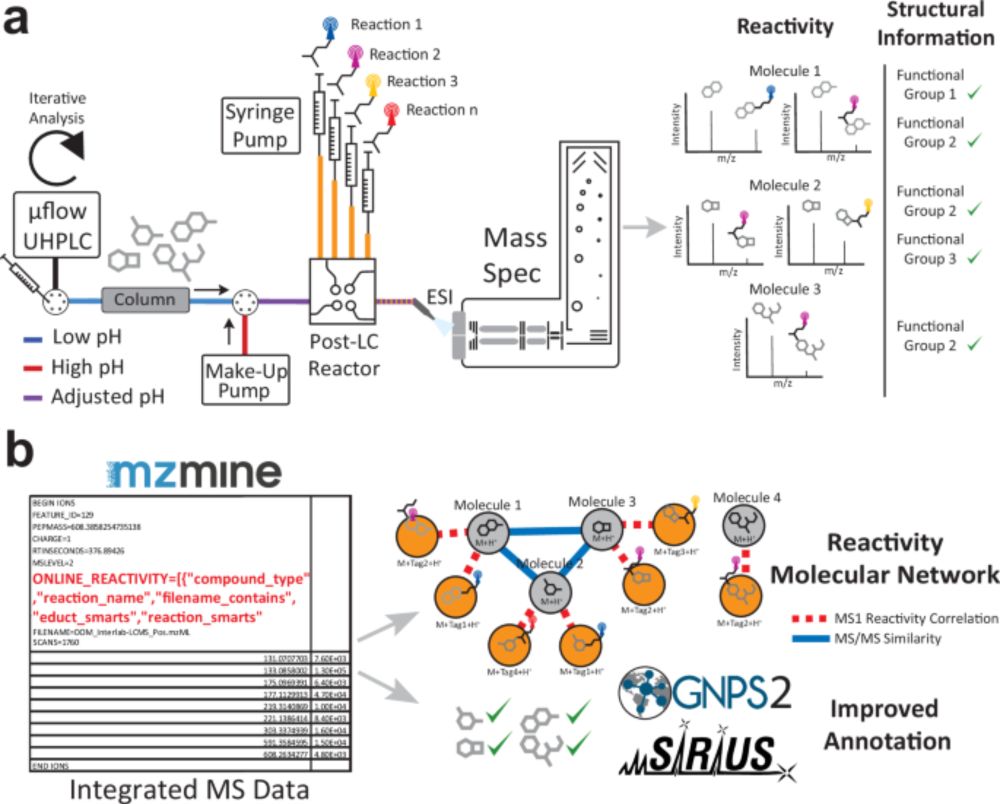
Enhancing tandem mass spectrometry-based metabolite annotation with online chemical labeling - Nature Communications
To improve annotation in non-targeted metabolomics studies, authors develop a Multiplexed Chemical Metabolomics (MCheM) platform, combining post-column derivatization with integrated data processing. ...
www.nature.com
July 27, 2025 at 6:33 PM
New paper from the group. Together with Chambers Hughes, Giovanni Vitale and our amazing collaborators, we developed a multiplexed chemical metabolomics workflow to assign functional groups in non-targeted LC-MS/MS data:
www.nature.com/articles/s41...
Behind the paper story:
go.nature.com/45ljV4d
www.nature.com/articles/s41...
Behind the paper story:
go.nature.com/45ljV4d
Reposted by ICTC13

A #cyanobacteria alert has been issued for #Barnstable's Hinckley’s Pond. Officials urge visitors to avoid contact with any algae blooms and keep pets away www.capecod.com/newscenter/l...
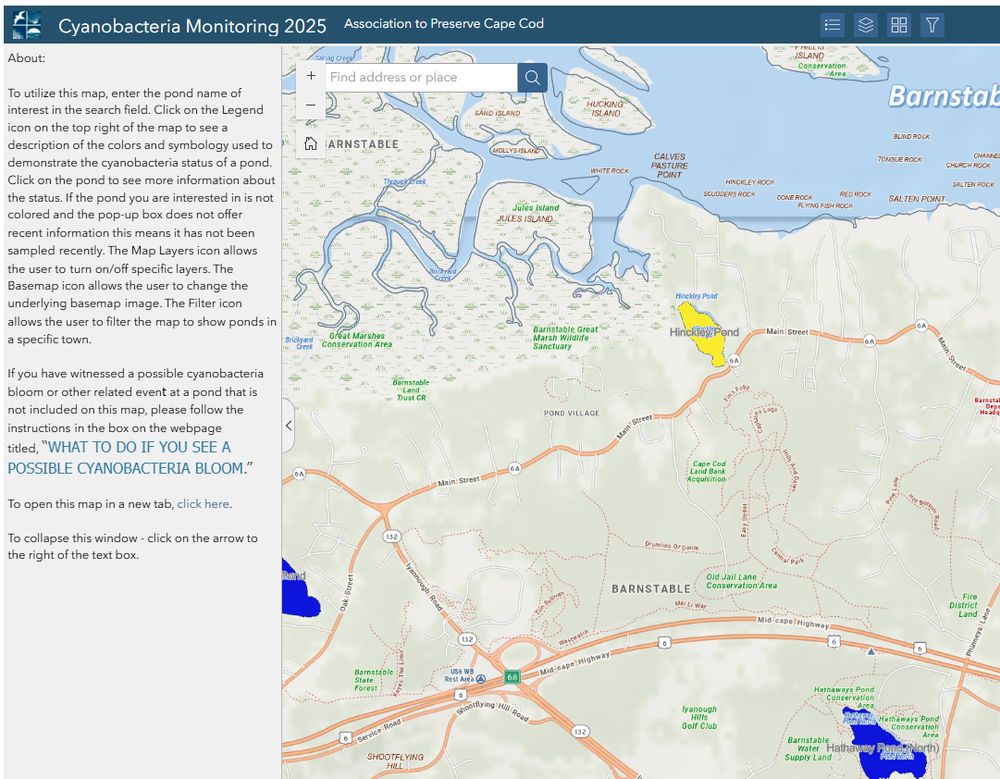
Cyanobacteria alert for Barnstable pond
BARNSTABLE – A cyanobacteria alert has been issued for a Barnstable pond. Town officials have been notified of the potentially toxic blooms for Hinckley’s Pond. Officials urge visitors …
www.capecod.com
July 16, 2025 at 12:34 PM
A #cyanobacteria alert has been issued for #Barnstable's Hinckley’s Pond. Officials urge visitors to avoid contact with any algae blooms and keep pets away www.capecod.com/newscenter/l...
Reposted by ICTC13

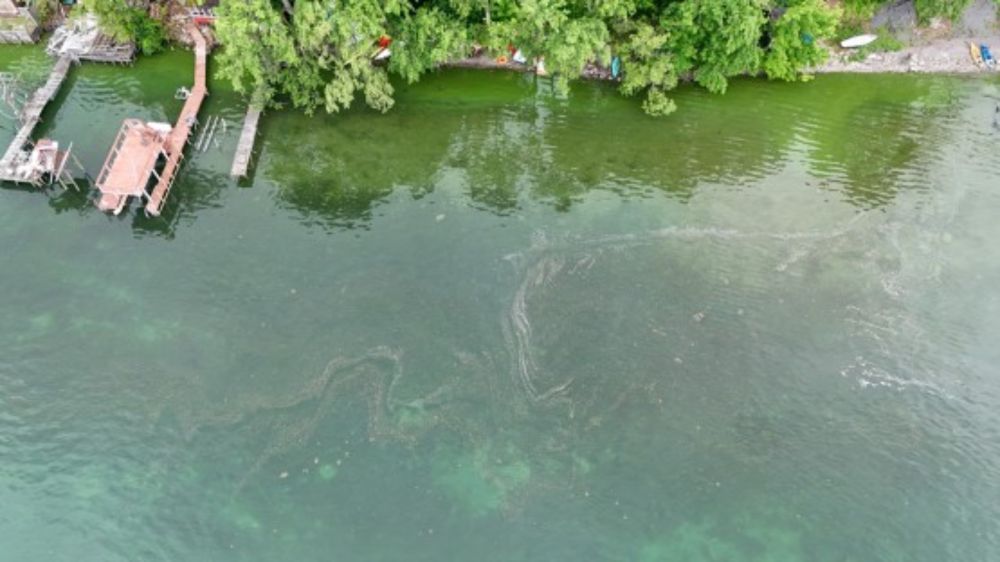
Don’t judge a lake by its colour.
In The Media: WI member Dr. Jozef Nissimov explores how viruses that attack cyanobacteria could help clear toxic algal blooms—but may leave behind hidden toxins.
Read the @cottagelife article: cottagelife.com/general/coul...
#Cyanobacteria #AlgalBlooms
In The Media: WI member Dr. Jozef Nissimov explores how viruses that attack cyanobacteria could help clear toxic algal blooms—but may leave behind hidden toxins.
Read the @cottagelife article: cottagelife.com/general/coul...
#Cyanobacteria #AlgalBlooms
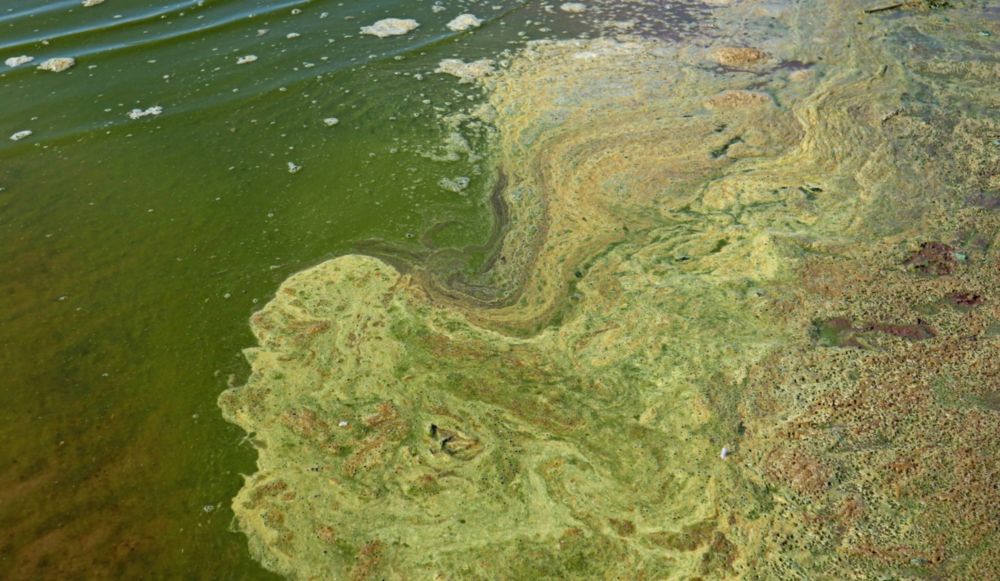
Could a virus be our weapon against harmful blue-green algae?
Cyanobacteria, a.k.a. blue-green algae, is a common problem on some cottage lakes. Could a virus hold the key to fighting it?
cottagelife.com
July 17, 2025 at 3:19 PM
Don’t judge a lake by its colour.
In The Media: WI member Dr. Jozef Nissimov explores how viruses that attack cyanobacteria could help clear toxic algal blooms—but may leave behind hidden toxins.
Read the @cottagelife article: cottagelife.com/general/coul...
#Cyanobacteria #AlgalBlooms
In The Media: WI member Dr. Jozef Nissimov explores how viruses that attack cyanobacteria could help clear toxic algal blooms—but may leave behind hidden toxins.
Read the @cottagelife article: cottagelife.com/general/coul...
#Cyanobacteria #AlgalBlooms
Reposted by ICTC13

Reposted by ICTC13

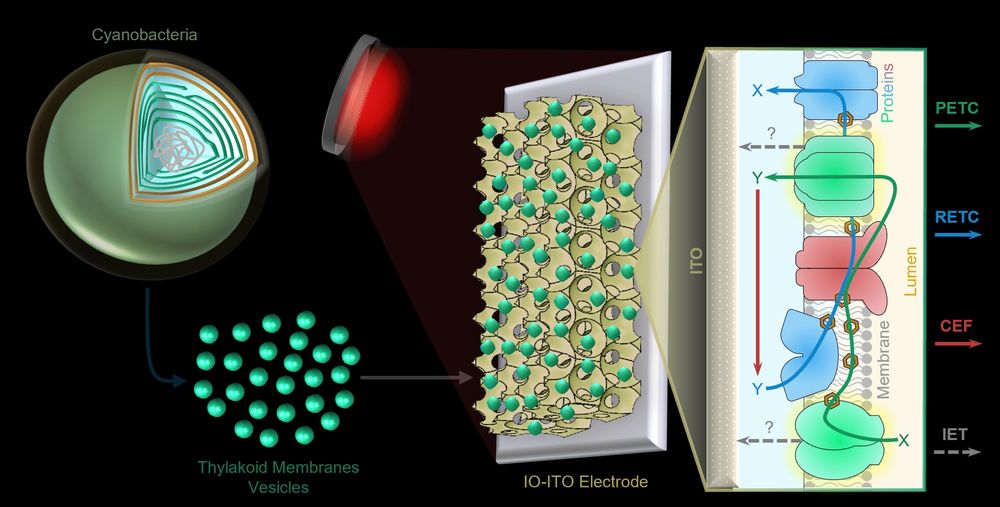
To analyse bioelectrical pathways, we interfaced thylakoid membranes isolated from #cyanobacteria with structured #electrodes. These #membranes contain a highly complex network of electron transfer, including electron transport chains for #photosynthesis and #respiration. (2/10)
July 21, 2025 at 11:05 AM
To analyse bioelectrical pathways, we interfaced thylakoid membranes isolated from #cyanobacteria with structured #electrodes. These #membranes contain a highly complex network of electron transfer, including electron transport chains for #photosynthesis and #respiration. (2/10)
Reposted by ICTC13

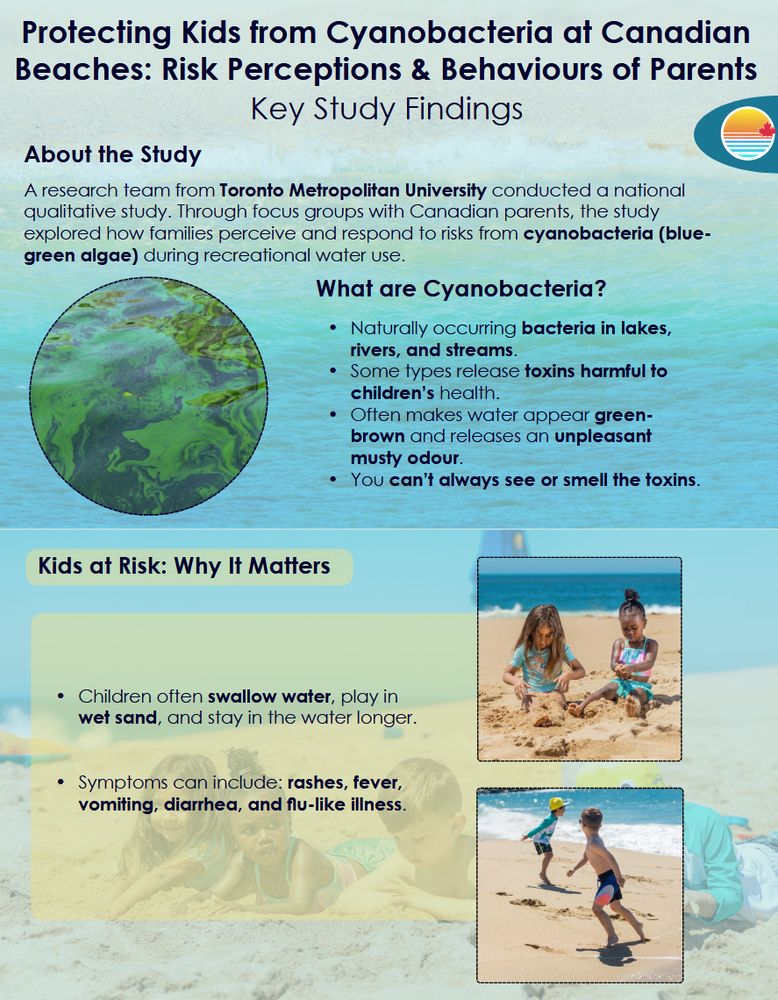
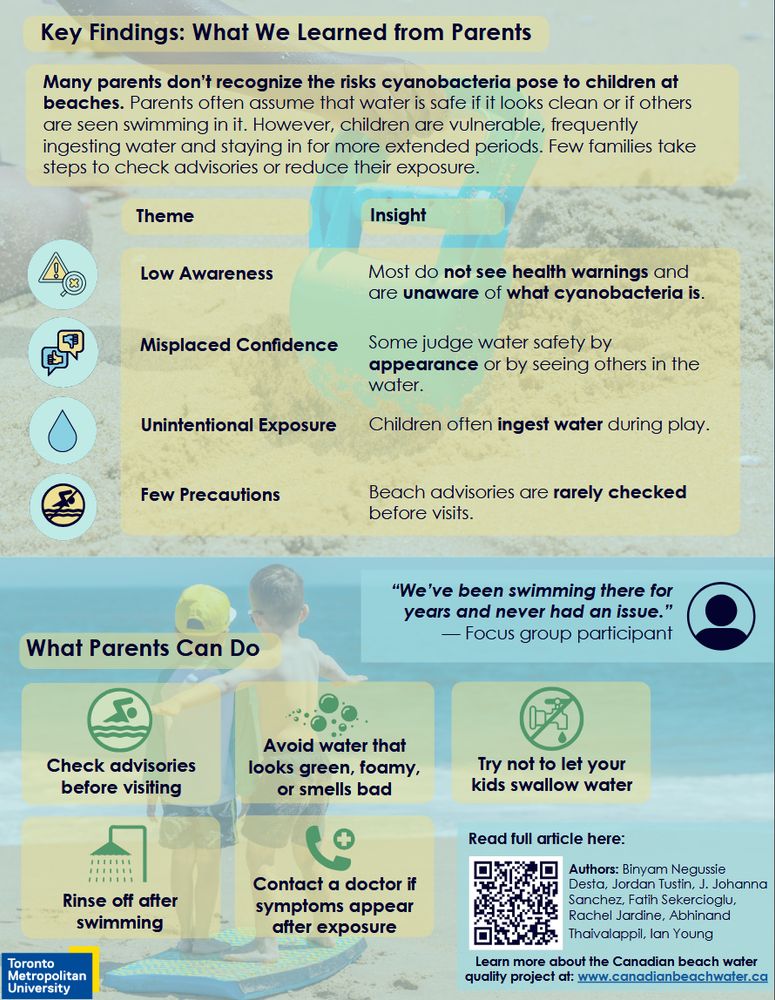
Sharing #infographics from our qualitative study about risk perceptions and behaviours of parents and dog owners about cyanobacterial blooms in freshwater: doi.org/10.32920/296... (separate versions available for parents and dog owners)
#cyanobacteria #waterquality #environmentalhealth
#cyanobacteria #waterquality #environmentalhealth
July 25, 2025 at 8:10 PM
Sharing #infographics from our qualitative study about risk perceptions and behaviours of parents and dog owners about cyanobacterial blooms in freshwater: doi.org/10.32920/296... (separate versions available for parents and dog owners)
#cyanobacteria #waterquality #environmentalhealth
#cyanobacteria #waterquality #environmentalhealth
Reposted by ICTC13

🥳🥳 Our work exploring the core microbiomes of stable cyanobacterial communities is now out in the @isme-microbes.bsky.social Journal!!! Excellent work by @andrejakust.bsky.social and company!
#microbiology #cyanobacteria #metagenomics
#microbiology #cyanobacteria #metagenomics

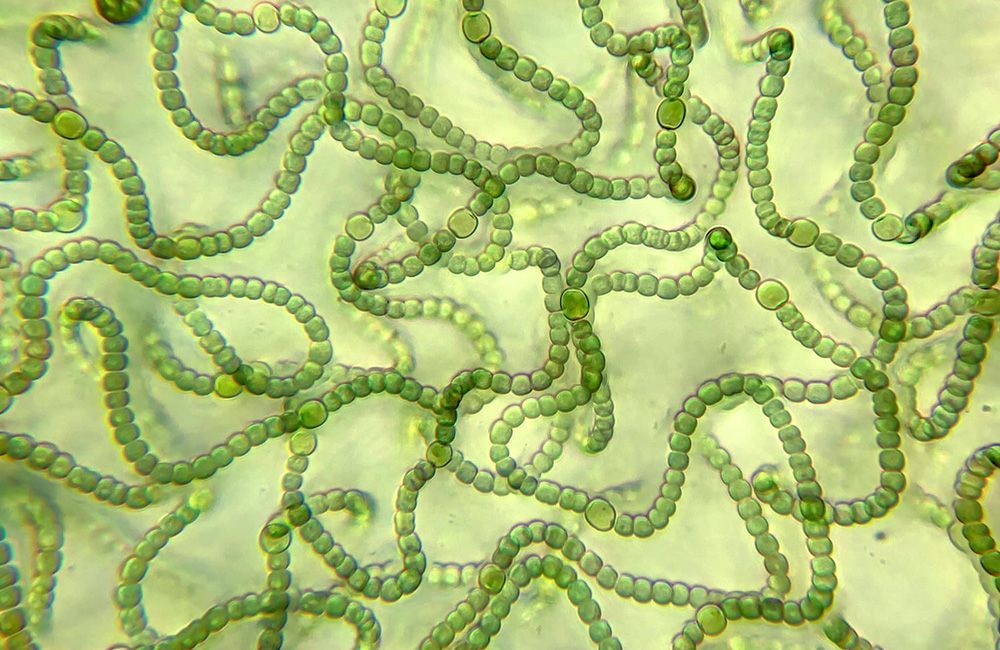
Out now from @diamondlab.bsky.social — stable microbiome communities using tractable cyanobacteria. An important development for folks working on cyanobacteria, microbial community formation and establishment in lab settings, and microbial community ecology! Read here: tinyurl.com/3cs2x6r7
July 10, 2025 at 9:16 PM
🥳🥳 Our work exploring the core microbiomes of stable cyanobacterial communities is now out in the @isme-microbes.bsky.social Journal!!! Excellent work by @andrejakust.bsky.social and company!
#microbiology #cyanobacteria #metagenomics
#microbiology #cyanobacteria #metagenomics
Reposted by ICTC13
🚨 Fresh from the press! We created and analyzed over 100 in vitro cyanobacterial consortia using well-characterized model cyanobacterial hosts to better understand how cyanobacteria recruit and interact with their microbiomes.
Check it out: doi.org/10.1093/isme...
Check it out: doi.org/10.1093/isme...

July 11, 2025 at 1:08 PM
🚨 Fresh from the press! We created and analyzed over 100 in vitro cyanobacterial consortia using well-characterized model cyanobacterial hosts to better understand how cyanobacteria recruit and interact with their microbiomes.
Check it out: doi.org/10.1093/isme...
Check it out: doi.org/10.1093/isme...
Reposted by ICTC13
Are their any #cyanobacteria researchers that are affiliated with sciencemoab.org?
I remember there being an ad-hoc journal club related to this group, and I'd like to contact them. 🦠🧬👀
#mevosky
I remember there being an ad-hoc journal club related to this group, and I'd like to contact them. 🦠🧬👀
#mevosky
SCIENCE MOAB – Engaging people with science in Southeast Utah and the Colorado Plateau
sciencemoab.org
July 13, 2025 at 7:22 PM
Are their any #cyanobacteria researchers that are affiliated with sciencemoab.org?
I remember there being an ad-hoc journal club related to this group, and I'd like to contact them. 🦠🧬👀
#mevosky
I remember there being an ad-hoc journal club related to this group, and I'd like to contact them. 🦠🧬👀
#mevosky
Reposted by ICTC13
High-Sensitivity Detection of Neurodegenerative Cyanotoxins in Cycas circinalis and Symbiotic Cyanobacteria Dolichospermum circinalis Using Advanced LC–MS/MS and HR-MS With Toxicological Assessment via Artemia salina Bioassay onlinelibrary.wiley.com/doi/10.1002/...
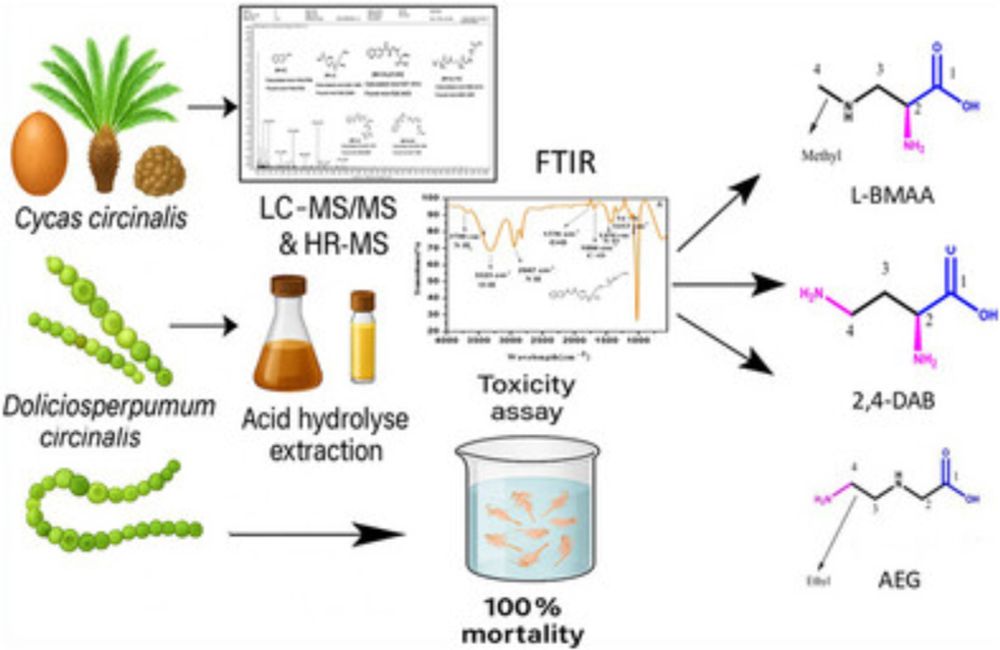
High‐Sensitivity Detection of Neurodegenerative Cyanotoxins in Cycas circinalis and Symbiotic Cyanobacteria Dolichospermum circinalis Using Advanced LC–MS/MS and HR‐MS With Toxicological Assessment via Artemia salina Bioassay
Human exposure to β-N-methylamino-l-alanine (BMAA) and its derivatives, aminoethyl glycine (AEG) and 2,4-diaminobutyric acid (DAB), through environmental and dietary sources has been implicated in ne...
onlinelibrary.wiley.com
July 14, 2025 at 7:36 AM
High-Sensitivity Detection of Neurodegenerative Cyanotoxins in Cycas circinalis and Symbiotic Cyanobacteria Dolichospermum circinalis Using Advanced LC–MS/MS and HR-MS With Toxicological Assessment via Artemia salina Bioassay onlinelibrary.wiley.com/doi/10.1002/...
Reposted by ICTC13
Metagenomic Identification of Brominated Indole Biosynthetic Machinery from Cyanobacteria | Journal of Natural Products pubs.acs.org/doi/10.1021/...
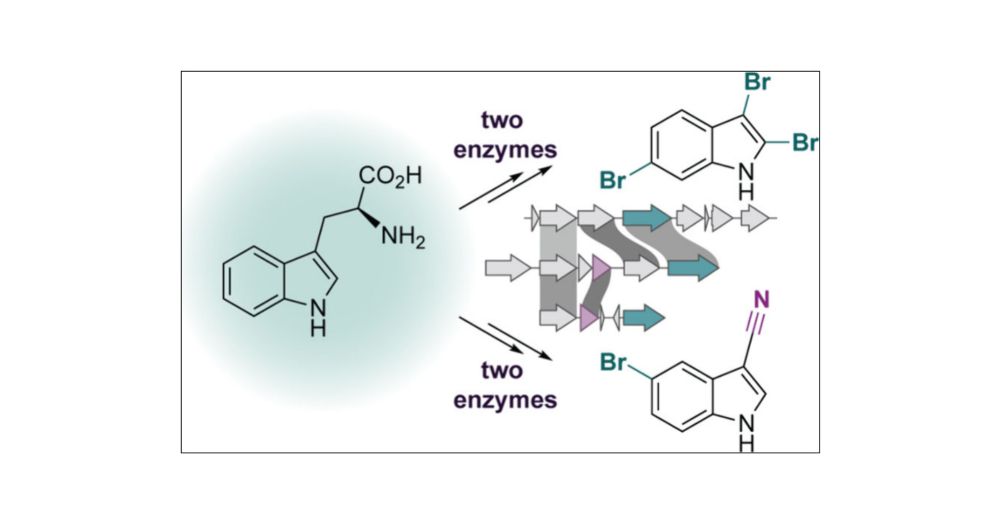
Metagenomic Identification of Brominated Indole Biosynthetic Machinery from Cyanobacteria
Halogenated indole natural products have been isolated from a variety of organisms, including plants, marine algae, marine invertebrates, and bacteria. Aquatic cyanobacteria, in particular, are rich p...
pubs.acs.org
July 14, 2025 at 7:37 AM
Metagenomic Identification of Brominated Indole Biosynthetic Machinery from Cyanobacteria | Journal of Natural Products pubs.acs.org/doi/10.1021/...
Reposted by ICTC13
BCCM/ULC at ULiège is looking for a scientist & coordinator to manage the #cyanobacteria collection & drive R&D innovation.
🔬 Passionate about cyano's & #bioinformatics?
🗓️ Apply by Aug 1, 2025
👉 bccm.belspo.be/jobs
#JobAlert #ScienceJobs #Microbiology
@belspo.be
🔬 Passionate about cyano's & #bioinformatics?
🗓️ Apply by Aug 1, 2025
👉 bccm.belspo.be/jobs
#JobAlert #ScienceJobs #Microbiology
@belspo.be

July 14, 2025 at 8:07 AM
BCCM/ULC at ULiège is looking for a scientist & coordinator to manage the #cyanobacteria collection & drive R&D innovation.
🔬 Passionate about cyano's & #bioinformatics?
🗓️ Apply by Aug 1, 2025
👉 bccm.belspo.be/jobs
#JobAlert #ScienceJobs #Microbiology
@belspo.be
🔬 Passionate about cyano's & #bioinformatics?
🗓️ Apply by Aug 1, 2025
👉 bccm.belspo.be/jobs
#JobAlert #ScienceJobs #Microbiology
@belspo.be
Reposted by ICTC13

Cyanobacteria and Crop Plants: Genetic Modification, Interaction Mechanisms, and Symbiotic Colonization
Cyanobacteria and Crop Plants: Genetic Modification, Interaction Mechanisms, and Symbiotic Colonization
The ever-increasing human population necessitates an urgent demand for ensuring food sovereignty through sustainable agriculture practices. Cyanobacteria, resilient photosynthetic microorganisms throughout the course of evolution, are found either freely or in symbiotic associations with a diverse range of lower and higher plants. Cyanobacteria-plants interactions are beneficial associations for both cyanobionts and crops. These symbiotic interactions benefit crop plants by producing valuable bioactive compounds to promote their growth and induce abiotic and biotic stress resistance. In this chapter, the first section pinpoints the genetically modified (GM) cyanobacteria and their potential in sustainable agriculture; it discusses the genetic engineering techniques employed in cyanobacteria and highlights some successful case studies showcasing the efficacy of GM cyanobacteria in agricultural settings. Then, cyanobacteria-plants interactions are explored, focusing on the intricate processes occurring in the rhizosphere. Finally, the associations of agricultural crops with different cyanobacterial strains are discussed. The lifestyle and ecological niches of cyanobacteria are also highlighted with an emphasis on their significance in establishing successful symbiotic relationships with crops. In addition, key benefits of cyanobacteria-plants symbiosis are outlined, including enhanced nutrient acquisition, increased plant growth, etc. Overall, we hope to broaden a deeper understanding of these mechanisms and interactions by harnessing the capabilities of cyanobacteria in promoting sustainable agriculture, particularly in developing countries.
sco.lt
July 14, 2025 at 8:30 PM
Cyanobacteria and Crop Plants: Genetic Modification, Interaction Mechanisms, and Symbiotic Colonization