


@lenherrc.bsky.social
Trees, synapses, plasticity, AIS, subcellular computation | MRC CNDD PhD student at the Centre for Developmental Neurobiology, King’s College London & co-host of Neuroverse Podcast
Reposted

This is who runs this account

February 4, 2026 at 5:12 PM
This is who runs this account
Reposted

We want to know if you have, or had, a side hustle during your PhD studies. Take our survey here:
go.nature.com/4jEzREg
go.nature.com/4jEzREg

Take Nature’s poll: do you have a side hustle alongside your PhD studies?
Nature - More than half of Gen Z now have a side gig. Are researchers among those seeking a second income?
go.nature.com
January 18, 2026 at 7:25 PM
We want to know if you have, or had, a side hustle during your PhD studies. Take our survey here:
go.nature.com/4jEzREg
go.nature.com/4jEzREg
This colour combo never gets old. Neither does the sight of gephyrin puncta aligned perfectly at the AIS

January 16, 2026 at 4:14 PM
This colour combo never gets old. Neither does the sight of gephyrin puncta aligned perfectly at the AIS
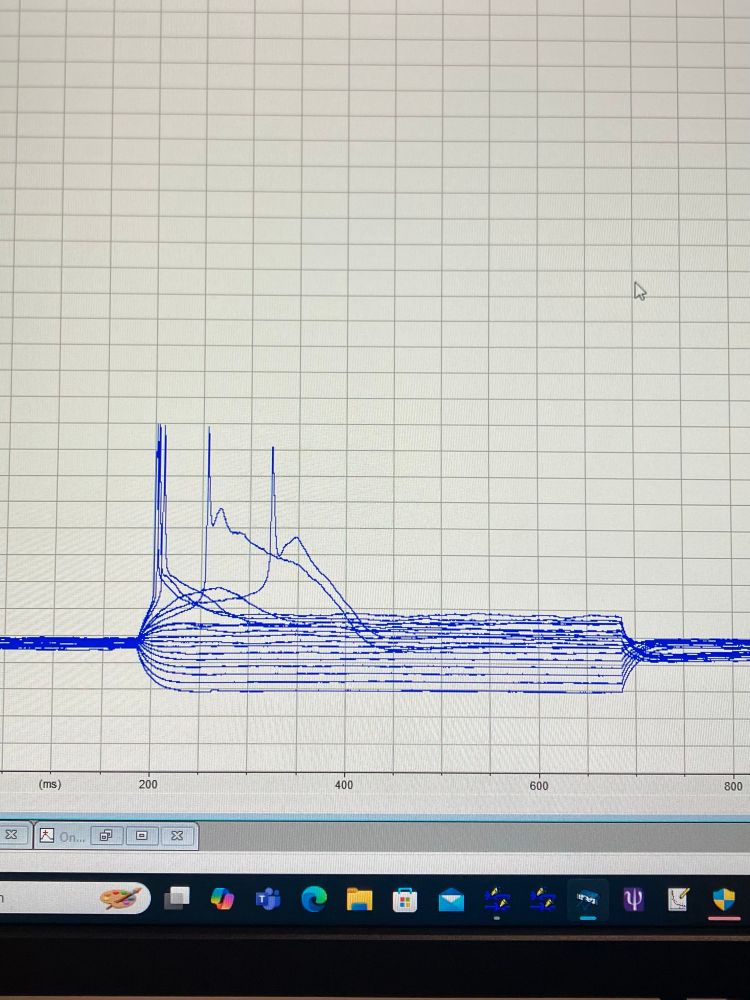
Nothing like weird action potential waveforms to brighten up your day
October 25, 2025 at 2:58 PM
Nothing like weird action potential waveforms to brighten up your day
Reposted

An analysis of 20 autism mouse models point to two subtypes: One displaying out-of-sync brain activity and impaired synaptic pathways, the other with too much synchrony and dysregulated immune pathways.
By @callimcflurry.bsky.social
#neuroskyence
www.thetransmitter.org/spectrum/too...
By @callimcflurry.bsky.social
#neuroskyence
www.thetransmitter.org/spectrum/too...
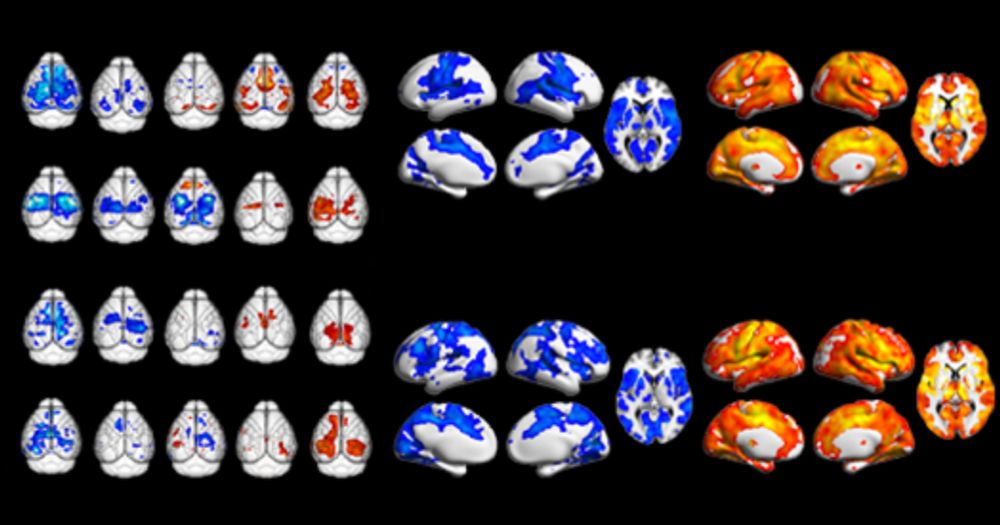
Too much or too little brain synchrony may underlie autism subtypes
Functional connectivity differences in autism mouse models point to two subtypes that correspond to patterns seen in some people with the condition.
www.thetransmitter.org
April 17, 2025 at 1:27 PM
An analysis of 20 autism mouse models point to two subtypes: One displaying out-of-sync brain activity and impaired synaptic pathways, the other with too much synchrony and dysregulated immune pathways.
By @callimcflurry.bsky.social
#neuroskyence
www.thetransmitter.org/spectrum/too...
By @callimcflurry.bsky.social
#neuroskyence
www.thetransmitter.org/spectrum/too...
Reposted
Science is littered with serendipitous findings. Now, a study has put a figure on just how often chance findings happen.
https://go.nature.com/3PHIMXs
https://go.nature.com/3PHIMXs

How often do unexpected scientific discoveries occur? More often that you might think
A study assessed 1.2 million biomedical publications and measured the ‘unexpectedness’ of their findings.
go.nature.com
January 21, 2025 at 9:00 PM
Science is littered with serendipitous findings. Now, a study has put a figure on just how often chance findings happen.
https://go.nature.com/3PHIMXs
https://go.nature.com/3PHIMXs