



Ocean Impact
@oceanimpactsa.bsky.social
Advancing the protection of South Africa's oceans.
5% protection of our oceans is not enough.
Presented by WILDOCEANS. #OceaniMPAct
5% protection of our oceans is not enough.
Presented by WILDOCEANS. #OceaniMPAct
FAQs: Why is this High Seas Treaty such a historic win?
The High Seas Treaty doesn't just allow the High Seas to be affectively protected, it also provides equal access to marine genetic resources (MGRs), and the benefits that come with them.
Find our more here: highseasalliance.org
The High Seas Treaty doesn't just allow the High Seas to be affectively protected, it also provides equal access to marine genetic resources (MGRs), and the benefits that come with them.
Find our more here: highseasalliance.org

February 16, 2026 at 7:16 AM
FAQs: Why is this High Seas Treaty such a historic win?
The High Seas Treaty doesn't just allow the High Seas to be affectively protected, it also provides equal access to marine genetic resources (MGRs), and the benefits that come with them.
Find our more here: highseasalliance.org
The High Seas Treaty doesn't just allow the High Seas to be affectively protected, it also provides equal access to marine genetic resources (MGRs), and the benefits that come with them.
Find our more here: highseasalliance.org
Happy World Whale Day 🐋
On World Whale Day, we’re calling for protection along our coast, and in the high seas - because safeguarding whales means safeguarding the broader ocean systems we all depend on.
Image credit: Ron Watkins / Ocean Image Bank
Read more here: www.facebook.com/share/p/1AXa...
On World Whale Day, we’re calling for protection along our coast, and in the high seas - because safeguarding whales means safeguarding the broader ocean systems we all depend on.
Image credit: Ron Watkins / Ocean Image Bank
Read more here: www.facebook.com/share/p/1AXa...

February 15, 2026 at 6:34 AM
Happy World Whale Day 🐋
On World Whale Day, we’re calling for protection along our coast, and in the high seas - because safeguarding whales means safeguarding the broader ocean systems we all depend on.
Image credit: Ron Watkins / Ocean Image Bank
Read more here: www.facebook.com/share/p/1AXa...
On World Whale Day, we’re calling for protection along our coast, and in the high seas - because safeguarding whales means safeguarding the broader ocean systems we all depend on.
Image credit: Ron Watkins / Ocean Image Bank
Read more here: www.facebook.com/share/p/1AXa...
Frequently Asked Questions - Why is the High Seas Treaty such a historic win?
The High Seas Treaty will protect over 60% of the ocean, giving the international community more agency to protect the High Seas with ways to assess and manage human activities.
Learn more here: highseasalliance.org
The High Seas Treaty will protect over 60% of the ocean, giving the international community more agency to protect the High Seas with ways to assess and manage human activities.
Learn more here: highseasalliance.org

February 13, 2026 at 6:48 AM
Frequently Asked Questions - Why is the High Seas Treaty such a historic win?
The High Seas Treaty will protect over 60% of the ocean, giving the international community more agency to protect the High Seas with ways to assess and manage human activities.
Learn more here: highseasalliance.org
The High Seas Treaty will protect over 60% of the ocean, giving the international community more agency to protect the High Seas with ways to assess and manage human activities.
Learn more here: highseasalliance.org
Frequently Asked Questions - What are the threats facing the High Seas?
Human activity is the biggest threat to the High Seas' biodiversity.
To learn more about threats facing the High Seas, visit: highseasalliance.org
Human activity is the biggest threat to the High Seas' biodiversity.
To learn more about threats facing the High Seas, visit: highseasalliance.org

February 11, 2026 at 6:32 AM
Frequently Asked Questions - What are the threats facing the High Seas?
Human activity is the biggest threat to the High Seas' biodiversity.
To learn more about threats facing the High Seas, visit: highseasalliance.org
Human activity is the biggest threat to the High Seas' biodiversity.
To learn more about threats facing the High Seas, visit: highseasalliance.org
Frequently Asked Questions - Why are the High Seas important?
The High Seas were once thought to be barren and of little value, however, we now know that this global common is necessary for ocean health.
Learn more about the High Seas here: highseasalliance.org
The High Seas were once thought to be barren and of little value, however, we now know that this global common is necessary for ocean health.
Learn more about the High Seas here: highseasalliance.org

February 9, 2026 at 6:20 AM
Frequently Asked Questions - Why are the High Seas important?
The High Seas were once thought to be barren and of little value, however, we now know that this global common is necessary for ocean health.
Learn more about the High Seas here: highseasalliance.org
The High Seas were once thought to be barren and of little value, however, we now know that this global common is necessary for ocean health.
Learn more about the High Seas here: highseasalliance.org
The High Seas not only offer a climate regulation system, but it also plays a role in controlling weather patterns.
The worldwide system of ocean currents are known as the 'global conveyor belt’.
Read more here: www.facebook.com/share/p/17qk...
The worldwide system of ocean currents are known as the 'global conveyor belt’.
Read more here: www.facebook.com/share/p/17qk...

February 6, 2026 at 6:47 AM
The High Seas not only offer a climate regulation system, but it also plays a role in controlling weather patterns.
The worldwide system of ocean currents are known as the 'global conveyor belt’.
Read more here: www.facebook.com/share/p/17qk...
The worldwide system of ocean currents are known as the 'global conveyor belt’.
Read more here: www.facebook.com/share/p/17qk...
The high seas play an important role in climate regulation by helping maintain the atmosphere's chemical composition.
It pulls carbon from the ocean surface, down to be buried in the seabed sediment. Marine organisms absorb carbon into their tissue, both of which act as a form of climate regulation.
It pulls carbon from the ocean surface, down to be buried in the seabed sediment. Marine organisms absorb carbon into their tissue, both of which act as a form of climate regulation.

February 4, 2026 at 7:33 AM
The high seas play an important role in climate regulation by helping maintain the atmosphere's chemical composition.
It pulls carbon from the ocean surface, down to be buried in the seabed sediment. Marine organisms absorb carbon into their tissue, both of which act as a form of climate regulation.
It pulls carbon from the ocean surface, down to be buried in the seabed sediment. Marine organisms absorb carbon into their tissue, both of which act as a form of climate regulation.
The High Seas are incredibly varied and diverse ecosystems. They have remained undisturbed for hundreds of years and are often home to very slow-growing species.
Read more here: www.facebook.com/share/p/17r5...
Read more here: www.facebook.com/share/p/17r5...

February 3, 2026 at 7:41 AM
The High Seas are incredibly varied and diverse ecosystems. They have remained undisturbed for hundreds of years and are often home to very slow-growing species.
Read more here: www.facebook.com/share/p/17r5...
Read more here: www.facebook.com/share/p/17r5...
Today is World Wetlands Day - a moment to celebrate and recognise the 32 designated wetland sites in South Africa and the deep connections these spaces hold between people, nature and culture.
Read more here: web.facebook.com/share/p/19sA...
Read more here: web.facebook.com/share/p/19sA...

February 2, 2026 at 1:48 PM
Today is World Wetlands Day - a moment to celebrate and recognise the 32 designated wetland sites in South Africa and the deep connections these spaces hold between people, nature and culture.
Read more here: web.facebook.com/share/p/19sA...
Read more here: web.facebook.com/share/p/19sA...
Why do the High Seas need protection?
Globally big marine animals, like mammals and sharks, have decreased in number since the introduction of motorised whaling and fishing.
Read more here: web.facebook.com/share/p/1AXz...
Globally big marine animals, like mammals and sharks, have decreased in number since the introduction of motorised whaling and fishing.
Read more here: web.facebook.com/share/p/1AXz...

January 30, 2026 at 6:58 AM
Why do the High Seas need protection?
Globally big marine animals, like mammals and sharks, have decreased in number since the introduction of motorised whaling and fishing.
Read more here: web.facebook.com/share/p/1AXz...
Globally big marine animals, like mammals and sharks, have decreased in number since the introduction of motorised whaling and fishing.
Read more here: web.facebook.com/share/p/1AXz...
NEWS: The HuDoNet Action Plan Draws A Roadmap for Humpback Dolphin Conservation
Read more here: web.facebook.com/share/p/14Tw...
Full Network Action Plan: d0931832-2964-4ff3-adec-abdfed230290.filesusr.com/ugd/0cad17_b...
Image credits: Dr Gwenith Penry
Read more here: web.facebook.com/share/p/14Tw...
Full Network Action Plan: d0931832-2964-4ff3-adec-abdfed230290.filesusr.com/ugd/0cad17_b...
Image credits: Dr Gwenith Penry


January 28, 2026 at 11:40 AM
NEWS: The HuDoNet Action Plan Draws A Roadmap for Humpback Dolphin Conservation
Read more here: web.facebook.com/share/p/14Tw...
Full Network Action Plan: d0931832-2964-4ff3-adec-abdfed230290.filesusr.com/ugd/0cad17_b...
Image credits: Dr Gwenith Penry
Read more here: web.facebook.com/share/p/14Tw...
Full Network Action Plan: d0931832-2964-4ff3-adec-abdfed230290.filesusr.com/ugd/0cad17_b...
Image credits: Dr Gwenith Penry
NEWS: Coastal communities in northern KZN are taking a step toward more sustainable fishing.
Through WILDTRUST’s project, fishers in KwaSokhulu and Nyembe received rods that support livelihoods while protecting marine life.
Read more via The Good Things Guy: www.goodthingsguy.com/lifestyle/no...
Through WILDTRUST’s project, fishers in KwaSokhulu and Nyembe received rods that support livelihoods while protecting marine life.
Read more via The Good Things Guy: www.goodthingsguy.com/lifestyle/no...

December 18, 2025 at 7:05 AM
NEWS: Coastal communities in northern KZN are taking a step toward more sustainable fishing.
Through WILDTRUST’s project, fishers in KwaSokhulu and Nyembe received rods that support livelihoods while protecting marine life.
Read more via The Good Things Guy: www.goodthingsguy.com/lifestyle/no...
Through WILDTRUST’s project, fishers in KwaSokhulu and Nyembe received rods that support livelihoods while protecting marine life.
Read more via The Good Things Guy: www.goodthingsguy.com/lifestyle/no...
MPA's FAQ's
Q: Why are MPAs important for commercial and subsistence fisheries?
They protect vital breeding stocks that keep commercial and subsistence fisheries sustainable. Without MPAs, the risk of fishery collapse becomes very real.
Learn more: oceanimpact.co.za
Q: Why are MPAs important for commercial and subsistence fisheries?
They protect vital breeding stocks that keep commercial and subsistence fisheries sustainable. Without MPAs, the risk of fishery collapse becomes very real.
Learn more: oceanimpact.co.za

December 12, 2025 at 7:10 AM
MPA's FAQ's
Q: Why are MPAs important for commercial and subsistence fisheries?
They protect vital breeding stocks that keep commercial and subsistence fisheries sustainable. Without MPAs, the risk of fishery collapse becomes very real.
Learn more: oceanimpact.co.za
Q: Why are MPAs important for commercial and subsistence fisheries?
They protect vital breeding stocks that keep commercial and subsistence fisheries sustainable. Without MPAs, the risk of fishery collapse becomes very real.
Learn more: oceanimpact.co.za
MPA's - FAQ
Q: Why are Marine Protected Areas (MPAs) important for species protection?
A: They protect key breeding and feeding grounds for heavily harvested fish species, helping populations recover and supporting long-term sustainable fisheries.
Q: Why are Marine Protected Areas (MPAs) important for species protection?
A: They protect key breeding and feeding grounds for heavily harvested fish species, helping populations recover and supporting long-term sustainable fisheries.

November 26, 2025 at 6:53 AM
MPA's - FAQ
Q: Why are Marine Protected Areas (MPAs) important for species protection?
A: They protect key breeding and feeding grounds for heavily harvested fish species, helping populations recover and supporting long-term sustainable fisheries.
Q: Why are Marine Protected Areas (MPAs) important for species protection?
A: They protect key breeding and feeding grounds for heavily harvested fish species, helping populations recover and supporting long-term sustainable fisheries.
MPA's - FAQ's
Q: Why are Marine Protected Areas (MPAs) important?
A: Oceans regulate our climate, support biodiversity, and sustain millions of people. MPAs protect these ecosystems by reducing pressure and allowing habitats to recover.
Q: Why are Marine Protected Areas (MPAs) important?
A: Oceans regulate our climate, support biodiversity, and sustain millions of people. MPAs protect these ecosystems by reducing pressure and allowing habitats to recover.

November 19, 2025 at 7:50 AM
MPA's - FAQ's
Q: Why are Marine Protected Areas (MPAs) important?
A: Oceans regulate our climate, support biodiversity, and sustain millions of people. MPAs protect these ecosystems by reducing pressure and allowing habitats to recover.
Q: Why are Marine Protected Areas (MPAs) important?
A: Oceans regulate our climate, support biodiversity, and sustain millions of people. MPAs protect these ecosystems by reducing pressure and allowing habitats to recover.
Marine Protected Areas (MPAs) are vital for protecting biodiversity, preserving habitats, and supporting healthy oceans. They also play a key role in fighting climate change.
Follow along as we answer your top questions about MPAs.
Follow along as we answer your top questions about MPAs.

November 18, 2025 at 1:56 PM
Marine Protected Areas (MPAs) are vital for protecting biodiversity, preserving habitats, and supporting healthy oceans. They also play a key role in fighting climate change.
Follow along as we answer your top questions about MPAs.
Follow along as we answer your top questions about MPAs.
NEWS: Coral reefs - the rainforests of the sea - are in crisis.
Rising ocean temperatures are causing global coral bleaching, threatening countless species that rely on reefs for food, shelter, and breeding.
Read more: thedailymesh.com/global-coral...
Rising ocean temperatures are causing global coral bleaching, threatening countless species that rely on reefs for food, shelter, and breeding.
Read more: thedailymesh.com/global-coral...

Global Coral Bleaching Reaches Unthinkable Scale – A Climate Emergency For Our Oceans - The Daily Mesh
Global coral bleaching reaches unthinkable scale, threatening marine biodiversity, coastal protection, and global fisheries in an unfolding climate emergency.
thedailymesh.com
November 11, 2025 at 9:56 AM
NEWS: Coral reefs - the rainforests of the sea - are in crisis.
Rising ocean temperatures are causing global coral bleaching, threatening countless species that rely on reefs for food, shelter, and breeding.
Read more: thedailymesh.com/global-coral...
Rising ocean temperatures are causing global coral bleaching, threatening countless species that rely on reefs for food, shelter, and breeding.
Read more: thedailymesh.com/global-coral...
Around 90% of South Africa’s ocean is leased for oil and gas, yet no mapping exists to predict oil spill impacts.
A new Oil Spill Model shows how oil could move from proposed drilling sites, highlighting environmental, social, and economic risks.
WATCH: www.stopthespoil.co.za/oilspillmodel
A new Oil Spill Model shows how oil could move from proposed drilling sites, highlighting environmental, social, and economic risks.
WATCH: www.stopthespoil.co.za/oilspillmodel

October 28, 2025 at 8:28 AM
Around 90% of South Africa’s ocean is leased for oil and gas, yet no mapping exists to predict oil spill impacts.
A new Oil Spill Model shows how oil could move from proposed drilling sites, highlighting environmental, social, and economic risks.
WATCH: www.stopthespoil.co.za/oilspillmodel
A new Oil Spill Model shows how oil could move from proposed drilling sites, highlighting environmental, social, and economic risks.
WATCH: www.stopthespoil.co.za/oilspillmodel
INTERNATIONAL NEWS: New research reveals the global marine aquarium fish trade relies heavily on wild populations - and many consumers don’t know it.
Read more via The Guardian:
www.theguardian.com/environment/...
Read more via The Guardian:
www.theguardian.com/environment/...

‘From reef to retail’: experts warn global marine aquarium fish trade relies heavily on wild populations
New research finds 90% of marine fish sold by major US retailers are wild-caught, including threatened or endangered species
www.theguardian.com
October 22, 2025 at 8:47 AM
INTERNATIONAL NEWS: New research reveals the global marine aquarium fish trade relies heavily on wild populations - and many consumers don’t know it.
Read more via The Guardian:
www.theguardian.com/environment/...
Read more via The Guardian:
www.theguardian.com/environment/...
"If we don't do anything about it all, it will be a time bomb we will be dealing with. If we just sit back and do nothing, it will be the end of us," - Chanel Jaar, Environmental & Social Activist.
WATCH the short documentary here: www.facebook.com/share/v/1FHe...
WATCH the short documentary here: www.facebook.com/share/v/1FHe...

October 21, 2025 at 8:50 AM
"If we don't do anything about it all, it will be a time bomb we will be dealing with. If we just sit back and do nothing, it will be the end of us," - Chanel Jaar, Environmental & Social Activist.
WATCH the short documentary here: www.facebook.com/share/v/1FHe...
WATCH the short documentary here: www.facebook.com/share/v/1FHe...
NEWS: South Africa’s Misguided Energy Gamble
Despite clear signs of oceanic and climate risk, South Africa is pushing ahead with Operation Phakisa, planning 30 new offshore wells by 2030 under the guise of “sustainable development.”
Read more: www.news24.com/business/cli...
Despite clear signs of oceanic and climate risk, South Africa is pushing ahead with Operation Phakisa, planning 30 new offshore wells by 2030 under the guise of “sustainable development.”
Read more: www.news24.com/business/cli...

Janet Solomon | SA’s misguided energy gamble | News24
Operation Phakisa’s vision of “sustainable” offshore oil was always an illusion — and now, as the state-owned petroleum company emerges from the ashes of PetroSA, it threatens to repeat the same mista...
www.news24.com
October 15, 2025 at 7:47 AM
NEWS: South Africa’s Misguided Energy Gamble
Despite clear signs of oceanic and climate risk, South Africa is pushing ahead with Operation Phakisa, planning 30 new offshore wells by 2030 under the guise of “sustainable development.”
Read more: www.news24.com/business/cli...
Despite clear signs of oceanic and climate risk, South Africa is pushing ahead with Operation Phakisa, planning 30 new offshore wells by 2030 under the guise of “sustainable development.”
Read more: www.news24.com/business/cli...
It’s National Marine Week!
South Africa’s 3,000km coastline is home to diverse species and ecosystems. This week, we’re highlighting our Marine Protected Areas (MPAs) - vital for conserving marine life and supporting sustainable fishing and tourism.
South Africa’s 3,000km coastline is home to diverse species and ecosystems. This week, we’re highlighting our Marine Protected Areas (MPAs) - vital for conserving marine life and supporting sustainable fishing and tourism.

October 9, 2025 at 8:26 AM
It’s National Marine Week!
South Africa’s 3,000km coastline is home to diverse species and ecosystems. This week, we’re highlighting our Marine Protected Areas (MPAs) - vital for conserving marine life and supporting sustainable fishing and tourism.
South Africa’s 3,000km coastline is home to diverse species and ecosystems. This week, we’re highlighting our Marine Protected Areas (MPAs) - vital for conserving marine life and supporting sustainable fishing and tourism.
NEWS: Recent studies have found that much of the shark meat sold in the United States comes from endangered species.
Research shows the majority of shark products are mislabeled or so vaguely described that buyers have no idea what they are eating.
READ MORE: www.theguardian.com/environment/...
Research shows the majority of shark products are mislabeled or so vaguely described that buyers have no idea what they are eating.
READ MORE: www.theguardian.com/environment/...


September 16, 2025 at 11:26 AM
NEWS: Recent studies have found that much of the shark meat sold in the United States comes from endangered species.
Research shows the majority of shark products are mislabeled or so vaguely described that buyers have no idea what they are eating.
READ MORE: www.theguardian.com/environment/...
Research shows the majority of shark products are mislabeled or so vaguely described that buyers have no idea what they are eating.
READ MORE: www.theguardian.com/environment/...
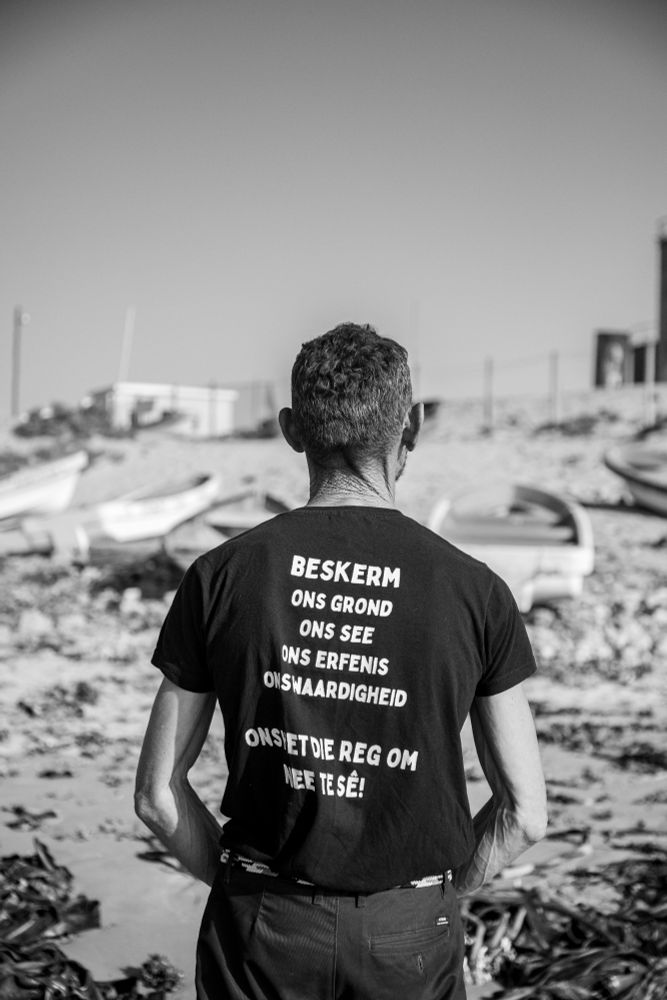
Today, Wild Coast communities, supported by Sustaining the Wild Coast, All Rise Attorneys, Natural Justice, and Greenpeace Africa, headed to the Constitutional Court to challenge Shell and the Department of Mineral Resources and Energy over planned seismic surveys on the Wild Coast.
September 16, 2025 at 11:25 AM
Today, Wild Coast communities, supported by Sustaining the Wild Coast, All Rise Attorneys, Natural Justice, and Greenpeace Africa, headed to the Constitutional Court to challenge Shell and the Department of Mineral Resources and Energy over planned seismic surveys on the Wild Coast.
With nearly 90% of SA’s ocean already leased for oil & gas, the new IRP pushes for more offshore projects. WILDTRUST’s new oil spill model shows just how devastating a spill could be for tourism & fishing.
Read more: iol.co.za/saturday-sta...
Read more: iol.co.za/saturday-sta...

'An empty promise': Green groups slam SA’s offshore oil and gas strategy
In a media release issued this week, environmental NGO WILDTRUST, in collaboration with The Green Connection, raised serious concerns about the South African government’s increasing support for offsho...
iol.co.za
September 11, 2025 at 2:25 PM
With nearly 90% of SA’s ocean already leased for oil & gas, the new IRP pushes for more offshore projects. WILDTRUST’s new oil spill model shows just how devastating a spill could be for tourism & fishing.
Read more: iol.co.za/saturday-sta...
Read more: iol.co.za/saturday-sta...