



@strita.bsky.social
Reposted

Reposted

La Russie a remis à l'Ukraine les dépouilles de 1 000 soldats et a reçu de l'Ukraine les dépouilles de 38 soldats décédés
Le précédent échange date du 20 novembre 2025.
Parmi les Ukrainiens, combien ont été assassinés alors qu'ils se rendaient ? C'est une ignoble habitude chez les russes.
Le précédent échange date du 20 novembre 2025.
Parmi les Ukrainiens, combien ont été assassinés alors qu'ils se rendaient ? C'est une ignoble habitude chez les russes.

January 29, 2026 at 10:41 AM
La Russie a remis à l'Ukraine les dépouilles de 1 000 soldats et a reçu de l'Ukraine les dépouilles de 38 soldats décédés
Le précédent échange date du 20 novembre 2025.
Parmi les Ukrainiens, combien ont été assassinés alors qu'ils se rendaient ? C'est une ignoble habitude chez les russes.
Le précédent échange date du 20 novembre 2025.
Parmi les Ukrainiens, combien ont été assassinés alors qu'ils se rendaient ? C'est une ignoble habitude chez les russes.
Reposted
Isolated, sanctioned & more China dependent, the Kremlin is losing influence as Europe steps up. 🇪🇺✊
EU funds a special tribunal on Russia’s crime of aggression, diplomats are expelled & pressure tightens. 🇪🇺✊
Ukraine, Europe & allies are reshaping security. 🇪🇺🤝🇺🇦🤝🌐
www.youtube.com/watch?v=MoRX...
EU funds a special tribunal on Russia’s crime of aggression, diplomats are expelled & pressure tightens. 🇪🇺✊
Ukraine, Europe & allies are reshaping security. 🇪🇺🤝🇺🇦🤝🌐
www.youtube.com/watch?v=MoRX...

🔥 JUST NOW! RUSSIA ERA IS OVER! TRIBUNAL LAUNCHED, ALLIES TURN AWAY — KREMLIN SILENCED!
YouTube video by UKRAINE TODAY
www.youtube.com
January 29, 2026 at 5:15 AM
Isolated, sanctioned & more China dependent, the Kremlin is losing influence as Europe steps up. 🇪🇺✊
EU funds a special tribunal on Russia’s crime of aggression, diplomats are expelled & pressure tightens. 🇪🇺✊
Ukraine, Europe & allies are reshaping security. 🇪🇺🤝🇺🇦🤝🌐
www.youtube.com/watch?v=MoRX...
EU funds a special tribunal on Russia’s crime of aggression, diplomats are expelled & pressure tightens. 🇪🇺✊
Ukraine, Europe & allies are reshaping security. 🇪🇺🤝🇺🇦🤝🌐
www.youtube.com/watch?v=MoRX...
Reposted


Reposted
J'aime les colères de Sébastien Lecornu.
Cette fois, c'est Ciotti qui se fait ratatiner.
Cette fois, c'est Ciotti qui se fait ratatiner.
January 27, 2026 at 9:35 PM
J'aime les colères de Sébastien Lecornu.
Cette fois, c'est Ciotti qui se fait ratatiner.
Cette fois, c'est Ciotti qui se fait ratatiner.
Reposted

🇪🇺 14 European countries have warned Russia about the future consequences of its "shadow fleet" tankers sailing in the Baltic Sea
The statement was signed by Belgium, Denmark, Estonia, Finland, France, Germany, Iceland, Latvia, Lithuania, the Netherlands, Norway, Poland, Sweden and the UK.
The statement was signed by Belgium, Denmark, Estonia, Finland, France, Germany, Iceland, Latvia, Lithuania, the Netherlands, Norway, Poland, Sweden and the UK.
January 27, 2026 at 2:14 PM
🇪🇺 14 European countries have warned Russia about the future consequences of its "shadow fleet" tankers sailing in the Baltic Sea
The statement was signed by Belgium, Denmark, Estonia, Finland, France, Germany, Iceland, Latvia, Lithuania, the Netherlands, Norway, Poland, Sweden and the UK.
The statement was signed by Belgium, Denmark, Estonia, Finland, France, Germany, Iceland, Latvia, Lithuania, the Netherlands, Norway, Poland, Sweden and the UK.
Reposted
Pour un espace numérique plus sain.
A partager !
🇫🇷
A partager !
🇫🇷

Macron préfère la science au complotisme.
Nous aussi !!!!
Nous sommes chaque jour menacés, insultés, harcelés sur les réseaux pour défendre la démarche scientifique.
Merci de relayer en masse cette vidéo collective
Nous aussi !!!!
Nous sommes chaque jour menacés, insultés, harcelés sur les réseaux pour défendre la démarche scientifique.
Merci de relayer en masse cette vidéo collective
January 26, 2026 at 5:14 PM
Pour un espace numérique plus sain.
A partager !
🇫🇷
A partager !
🇫🇷
Reposted
#Chine / La compagnie pétrolière et gazière d'État chinoise PetroChina a interdit à ses négociants d'acheter ou de vendre du pétrole vénézuélien depuis l'imposition par les États-Unis de restrictions à l'exportation sur le brut vénézuélien

Exclusive: PetroChina holds off from buying Venezuelan oil marketed under US control, sources say
State-owned PetroChina has told its traders not to buy or trade Venezuelan crude since Washington took control of the OPEC producer's oil exports this month, two trading executives familiar with the s...
www.reuters.com
January 27, 2026 at 10:30 AM
#Chine / La compagnie pétrolière et gazière d'État chinoise PetroChina a interdit à ses négociants d'acheter ou de vendre du pétrole vénézuélien depuis l'imposition par les États-Unis de restrictions à l'exportation sur le brut vénézuélien
Reposted

Reposted
Voilà le vrai visage de l ' #extrêmedroite et du #RN!
La raison d'Etat est l'argument des régimes autoritaires. Tuer n'est pas une "injustice". La légitime défense, qui semble invoquée ici de manière très vague, a des règles strictes dans un #Etatdedroit.
avec eux, on aura un #ICE
La raison d'Etat est l'argument des régimes autoritaires. Tuer n'est pas une "injustice". La légitime défense, qui semble invoquée ici de manière très vague, a des règles strictes dans un #Etatdedroit.
avec eux, on aura un #ICE


January 26, 2026 at 2:18 PM
Voilà le vrai visage de l ' #extrêmedroite et du #RN!
La raison d'Etat est l'argument des régimes autoritaires. Tuer n'est pas une "injustice". La légitime défense, qui semble invoquée ici de manière très vague, a des règles strictes dans un #Etatdedroit.
avec eux, on aura un #ICE
La raison d'Etat est l'argument des régimes autoritaires. Tuer n'est pas une "injustice". La légitime défense, qui semble invoquée ici de manière très vague, a des règles strictes dans un #Etatdedroit.
avec eux, on aura un #ICE
Reposted

Statement by President Clinton

January 26, 2026 at 12:53 AM
Statement by President Clinton
Reposted
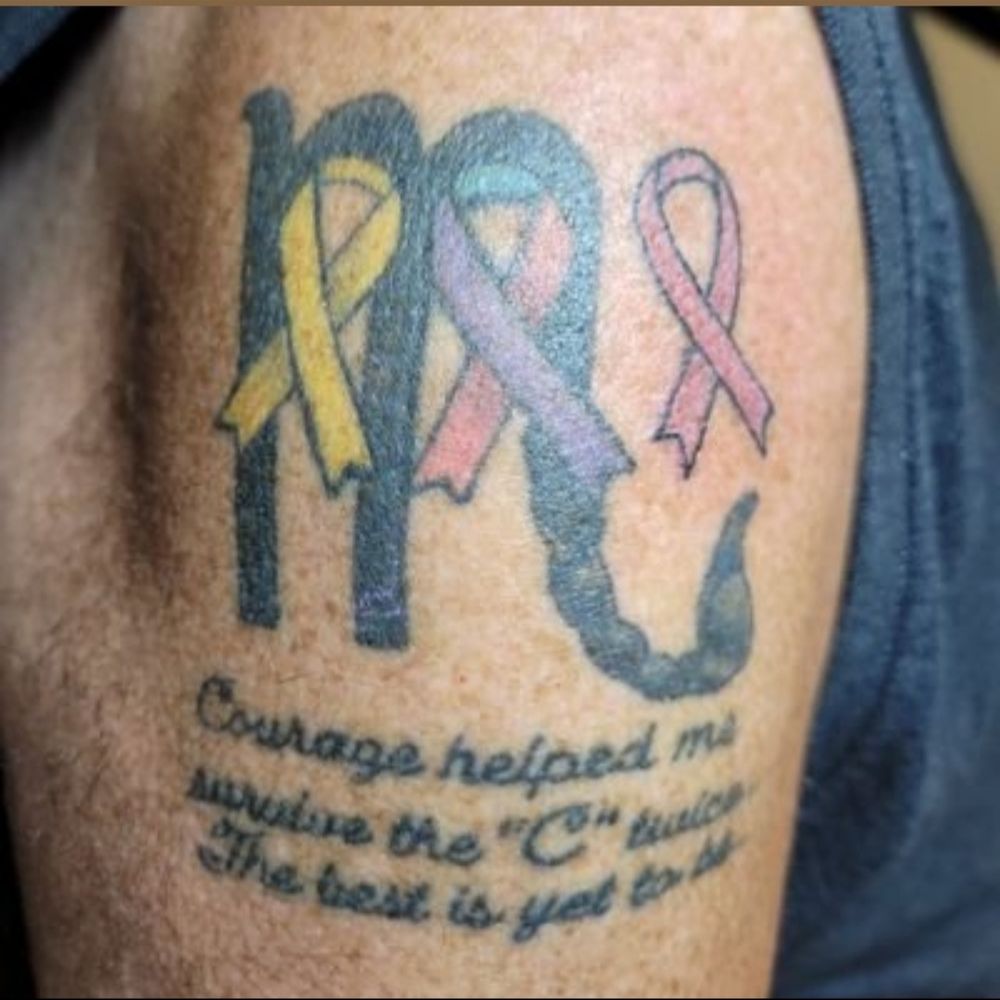
Hey NRA, are you good with this?
THANK YOU FOR YOUR ATTENTION TO THIS MATTER.
THANK YOU FOR YOUR ATTENTION TO THIS MATTER.

January 25, 2026 at 11:23 AM
Hey NRA, are you good with this?
THANK YOU FOR YOUR ATTENTION TO THIS MATTER.
THANK YOU FOR YOUR ATTENTION TO THIS MATTER.
Reposted
🇺🇦President Zelenskyy: This week alone, the Russians have launched more than 1,700 attack drones, over 1,380 guided aerial bombs, and 69 missiles of various types. Every massive attack by Russia can become devastating. That is why missiles for air defense systems are needed every day.
January 25, 2026 at 10:58 AM
🇺🇦President Zelenskyy: This week alone, the Russians have launched more than 1,700 attack drones, over 1,380 guided aerial bombs, and 69 missiles of various types. Every massive attack by Russia can become devastating. That is why missiles for air defense systems are needed every day.
Reposted

TW ⚠️
The stabilized version is brutal.
The stabilized version is brutal.
January 25, 2026 at 2:13 AM
TW ⚠️
The stabilized version is brutal.
The stabilized version is brutal.
Reposted
Take 2026 fucking seriously.
We are at the edge of World War 3
We are at the edge of World War 3

January 24, 2026 at 2:01 AM
Take 2026 fucking seriously.
We are at the edge of World War 3
We are at the edge of World War 3

Reposted

Manque d'empathie de certains soignants, suivi lourd et stressant... Aux États-Unis, une entreprise a trouvé comment soulager les femmes enceintes : les faire accoucher chez elle, sans assistance médicale. Résultat ? Une dizaine de bébés morts-nés

charliehebdo.fr
Vous voulez tuer votre bébé ? Accouchez à domicile sans assistance avec la Free Birth Society !
twp.ai
January 15, 2026 at 2:10 PM
Manque d'empathie de certains soignants, suivi lourd et stressant... Aux États-Unis, une entreprise a trouvé comment soulager les femmes enceintes : les faire accoucher chez elle, sans assistance médicale. Résultat ? Une dizaine de bébés morts-nés
Reposted

Reposted

Reposted

Eurobazooka : les trois-quarts des Européens pensent que Grok, l’assistant IA du réseau social d’Elon Musk, devrait être interdit dans l’Union

Eurobazooka : 74 % des Européens veulent interdire Grok, l'IA du réseau social d'Elon Musk
L’assistant du réseau social X (ex-Twitter), racheté par Elon Musk à l’automne 2022, a fait l’objet de plusieurs signalements ces derniers mois pour avoir généré des images pédopornographiques et diffusé du contenu négationniste. Selon notre sondage exclusif Eurobazooka publié aujourd’hui, vendredi 23 janvier, 74 % des Européens sont favorables à son interdiction sur le territoire de l’Union.
legrandcontinent.eu
January 23, 2026 at 12:17 PM
Eurobazooka : les trois-quarts des Européens pensent que Grok, l’assistant IA du réseau social d’Elon Musk, devrait être interdit dans l’Union
Reposted


January 22, 2026 at 11:34 PM
Reposted
“Peace is so destructive when you have wars”.. 🤨
January 23, 2026 at 5:26 AM
“Peace is so destructive when you have wars”.. 🤨
Reposted

The post of an absolute madman.

January 22, 2026 at 5:14 PM
The post of an absolute madman.
Reposted
L'Elysée rend tous les coups avec une vidéo qui fait clignoter FAKE NEWS

January 21, 2026 at 6:39 PM
L'Elysée rend tous les coups avec une vidéo qui fait clignoter FAKE NEWS