



Alex Black Larcom PhD, MPH, RD, LDN
@ablarcomrd.bsky.social
PhD RD (thesis focused on UPF and eating behaviors), currently in clinical practice, seeking a role supporting high quality research; Gator track alum, CrossFit coach, Florida native trying to survive Boston winters.
Reposted by Alex Black Larcom PhD, MPH, RD, LDN
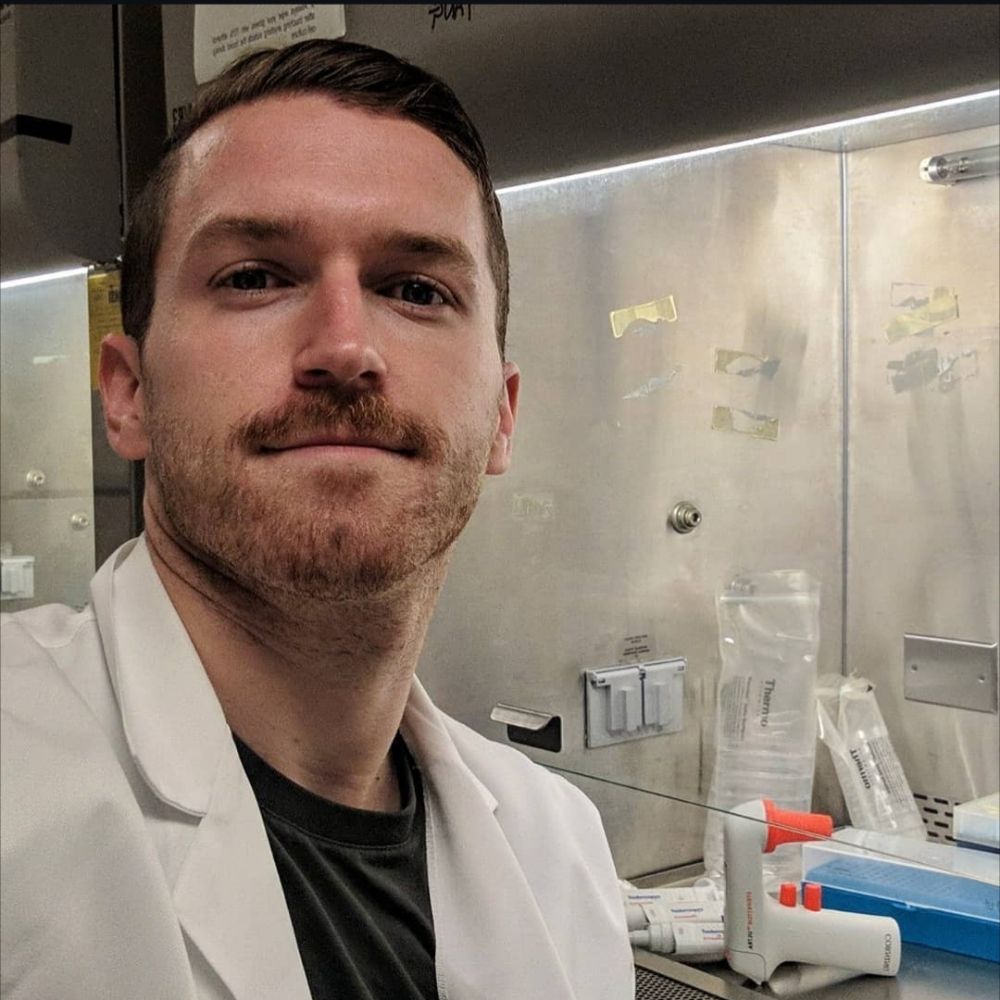
Everyone across biomedicine should be very loud about this so this team's RIF status gets reversed. Nhanes has been key for tracking obesity & diabetes rates, identifying high blood lead levels in kids in the 70s, tracking progress on cholesterol lowering, guiding nutrient fortification programs etc
October 14, 2025 at 4:30 PM
Everyone across biomedicine should be very loud about this so this team's RIF status gets reversed. Nhanes has been key for tracking obesity & diabetes rates, identifying high blood lead levels in kids in the 70s, tracking progress on cholesterol lowering, guiding nutrient fortification programs etc
2. Of course a state by state approach is inadequate! But this framing suggests Blue states are responsible for that approach, and they are simply, again, trying to do their best for their state residents. Living in MA may not protect me on a trip to FL, but at least we have access at home. 2/2
September 5, 2025 at 11:31 AM
2. Of course a state by state approach is inadequate! But this framing suggests Blue states are responsible for that approach, and they are simply, again, trying to do their best for their state residents. Living in MA may not protect me on a trip to FL, but at least we have access at home. 2/2
I’m waiting for someone to print some Big Papi “this is our city” merch because definitely would buy.
September 5, 2025 at 1:42 AM
I’m waiting for someone to print some Big Papi “this is our city” merch because definitely would buy.
Reposted by Alex Black Larcom PhD, MPH, RD, LDN
This is the kind of wedge issue that can provide an off ramp from Trumpism.
A *true* conservative is going to hate this for several reasons:
1. Bloated govt spending
2. Unlawful, unjustified stoppage of an evidence-based program for families.
3. Fraud, Waste, and Abuse
A *true* conservative is going to hate this for several reasons:
1. Bloated govt spending
2. Unlawful, unjustified stoppage of an evidence-based program for families.
3. Fraud, Waste, and Abuse
July 27, 2025 at 12:20 PM
This is the kind of wedge issue that can provide an off ramp from Trumpism.
A *true* conservative is going to hate this for several reasons:
1. Bloated govt spending
2. Unlawful, unjustified stoppage of an evidence-based program for families.
3. Fraud, Waste, and Abuse
A *true* conservative is going to hate this for several reasons:
1. Bloated govt spending
2. Unlawful, unjustified stoppage of an evidence-based program for families.
3. Fraud, Waste, and Abuse
Asking already overworked MDs to become nutrition experts and keep up with an ever-changing research landscape is a big ask. So, I don’t disagree with MDs having more foundational knowledge, but I think there’s more benefit to collaborative care than in expecting MDs to do it all. 3/3
July 25, 2025 at 1:24 PM
Asking already overworked MDs to become nutrition experts and keep up with an ever-changing research landscape is a big ask. So, I don’t disagree with MDs having more foundational knowledge, but I think there’s more benefit to collaborative care than in expecting MDs to do it all. 3/3
I would propose instead:
1. Better education for MDs on the different allied health specialities that will benefit their patients (RD, PT, OT, SLP) and how best to collab with them
2. Advocacy to expand insurance coverage for those specialties in outpatient settings - especially for prevention 2/
1. Better education for MDs on the different allied health specialities that will benefit their patients (RD, PT, OT, SLP) and how best to collab with them
2. Advocacy to expand insurance coverage for those specialties in outpatient settings - especially for prevention 2/
July 25, 2025 at 1:20 PM
I would propose instead:
1. Better education for MDs on the different allied health specialities that will benefit their patients (RD, PT, OT, SLP) and how best to collab with them
2. Advocacy to expand insurance coverage for those specialties in outpatient settings - especially for prevention 2/
1. Better education for MDs on the different allied health specialities that will benefit their patients (RD, PT, OT, SLP) and how best to collab with them
2. Advocacy to expand insurance coverage for those specialties in outpatient settings - especially for prevention 2/
Loved this episode (first I’ve listened to). One comment on the brief point made about nutrition education for MDs: why do we keep asking doctors to add an entire new specialty to their education? There is already an entire allied health specialty (dietitians) integrated into clinical care 1/
July 25, 2025 at 1:18 PM
Loved this episode (first I’ve listened to). One comment on the brief point made about nutrition education for MDs: why do we keep asking doctors to add an entire new specialty to their education? There is already an entire allied health specialty (dietitians) integrated into clinical care 1/
There’s a reason “shop the perimeter” caught on even when it’s silly advice. Would love to see if an intervention focused on UPF would resonate with consumers in ways current education/advice hasn’t. 3/3
July 24, 2025 at 12:08 PM
There’s a reason “shop the perimeter” caught on even when it’s silly advice. Would love to see if an intervention focused on UPF would resonate with consumers in ways current education/advice hasn’t. 3/3
And even though consumers don’t fill understand it (I have a paper all about this under review), I do think it’s easier to grasp and implement than the alignment of texture, energy density (no one likes math at the super market), palatability (don’t eat stuff that tastes too good?) and diversity 2/
July 24, 2025 at 12:05 PM
And even though consumers don’t fill understand it (I have a paper all about this under review), I do think it’s easier to grasp and implement than the alignment of texture, energy density (no one likes math at the super market), palatability (don’t eat stuff that tastes too good?) and diversity 2/
I think the interesting thing about UPF is that it combines these factors in different ways. Processing makes sandwich bread softer, yogurt more palatable, popcorn more convenient and sometimes more energy dense. 1/
July 24, 2025 at 12:02 PM
I think the interesting thing about UPF is that it combines these factors in different ways. Processing makes sandwich bread softer, yogurt more palatable, popcorn more convenient and sometimes more energy dense. 1/
I have in papers/presentations argued for a definition of UPF (or whatever name we want to use) that considers multiple factors (matrix, nutritional quality, ingredients, etc.) so a more robust and operational definition can be used for research. Not sure I trust this admin to do that though… 4/4
July 24, 2025 at 12:52 AM
I have in papers/presentations argued for a definition of UPF (or whatever name we want to use) that considers multiple factors (matrix, nutritional quality, ingredients, etc.) so a more robust and operational definition can be used for research. Not sure I trust this admin to do that though… 4/4
So yes, obviously Cheetos bad and fruits/vegetables good (to put it simply). But there’s more middle ground with things like honey whole wheat sandwich bread and higher sugar fruit flavored yogurts for example. 3/
July 24, 2025 at 12:48 AM
So yes, obviously Cheetos bad and fruits/vegetables good (to put it simply). But there’s more middle ground with things like honey whole wheat sandwich bread and higher sugar fruit flavored yogurts for example. 3/
Texture, energy density, food matrix, palatability (we like to throw around the term “hyper-palatable” a lot but that can be highly subjective and also not well defined). Good new research on energy density and texture from Ciaran Forde’s team. 2/
July 24, 2025 at 12:41 AM
Texture, energy density, food matrix, palatability (we like to throw around the term “hyper-palatable” a lot but that can be highly subjective and also not well defined). Good new research on energy density and texture from Ciaran Forde’s team. 2/
UPF researcher jumping in here to say food processing research is more complex than “junk vs not junk.” While UPF is tied to NOVA and has operationally been a proxy for ingredient formulation, there are other components of processing that may affect eating behaviors and health outcomes. 1/
July 24, 2025 at 12:33 AM
UPF researcher jumping in here to say food processing research is more complex than “junk vs not junk.” While UPF is tied to NOVA and has operationally been a proxy for ingredient formulation, there are other components of processing that may affect eating behaviors and health outcomes. 1/
“Redness and swelling at the injection site” is also one of the more common side effects of CGMs, so guess we shouldn’t be promoting those to the public now? (I think for CGMs it says insertion site not injection site just to be 100% accurate.)
July 21, 2025 at 10:28 AM
“Redness and swelling at the injection site” is also one of the more common side effects of CGMs, so guess we shouldn’t be promoting those to the public now? (I think for CGMs it says insertion site not injection site just to be 100% accurate.)
Have seen serval UPF papers and wasn’t aware of the bias with UK Biobank (in my defense my PhD was in nutrition but not epi). Looking forward to reading more about it in some of the papers/resources shared in comments.
July 15, 2025 at 11:18 PM
Have seen serval UPF papers and wasn’t aware of the bias with UK Biobank (in my defense my PhD was in nutrition but not epi). Looking forward to reading more about it in some of the papers/resources shared in comments.
Also may I point out that kids with type 1 diabetes often aren’t “sick kids” (at least not once they start taking insulin), they’re just kids who take medicine regularly and do a lot more math at meals. Most of us grow into healthy adults who live long lives with it.
July 12, 2025 at 7:35 PM
Also may I point out that kids with type 1 diabetes often aren’t “sick kids” (at least not once they start taking insulin), they’re just kids who take medicine regularly and do a lot more math at meals. Most of us grow into healthy adults who live long lives with it.