



Angel🍃
@angelicahustonica.bsky.social
Björk's music video for Jóga if it was a rock
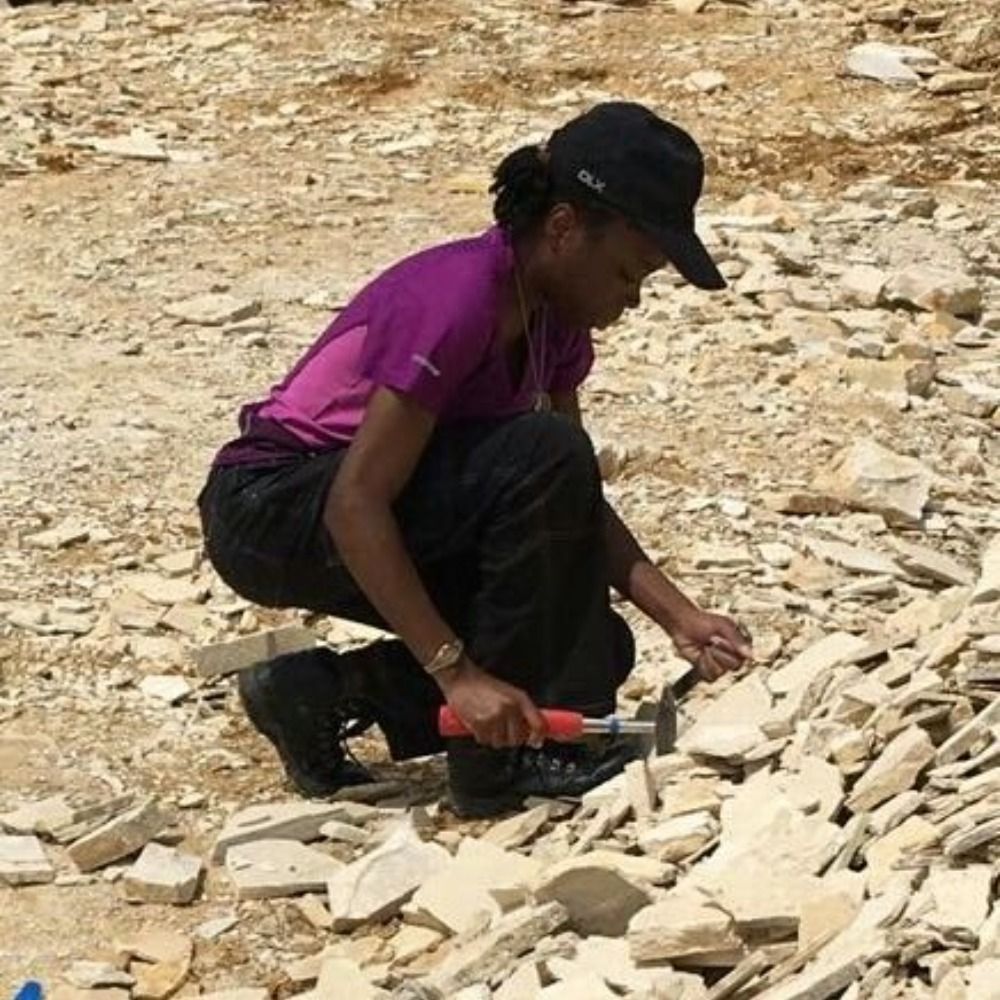
109 of #365Minerals 🧪⚒️
Dussertite:
- An arsenate mineral containing iron and barium
- Forms in the oxidised zone of some base metal deposits
- Named after Jean Baptiste Desiré Dussert (1872-1928), a French mining engineer #minerals
Dussertite:
- An arsenate mineral containing iron and barium
- Forms in the oxidised zone of some base metal deposits
- Named after Jean Baptiste Desiré Dussert (1872-1928), a French mining engineer #minerals

April 20, 2025 at 1:09 AM
Björk's music video for Jóga if it was a rock
Bisexuals when they have to choose a color for their couch
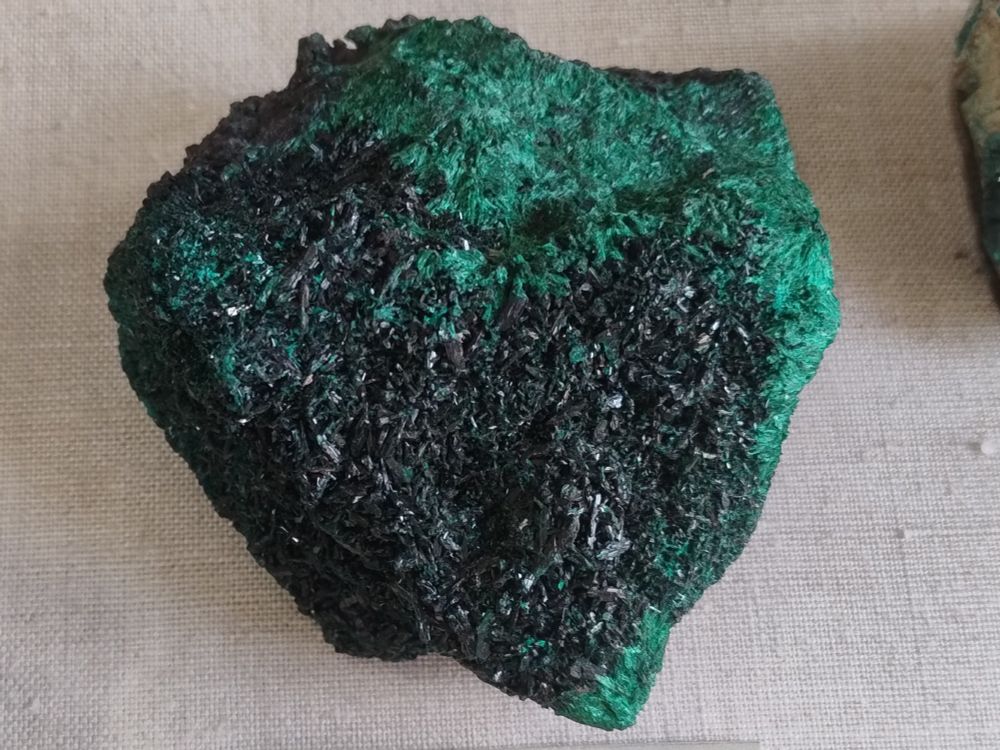
76 of #365Minerals 🧪⚒️
Brochantite:
- A copper sulphate mineral
- Forms in arid climates or in rapidly oxidising copper sulphide deposits
- Named after French geologist and mineralogist André-Jean-François-Marie Brochant de Villiers (1772-1840) #minerals #MineralMonday
Brochantite:
- A copper sulphate mineral
- Forms in arid climates or in rapidly oxidising copper sulphide deposits
- Named after French geologist and mineralogist André-Jean-François-Marie Brochant de Villiers (1772-1840) #minerals #MineralMonday


March 17, 2025 at 4:10 PM
Bisexuals when they have to choose a color for their couch
what....

If, like us, you’ve ever tried (no comment) to run 5km, you know it’s far, right?
What if we told you there was ice in Antarctica nearly 5km thick (4.7km to be precise) and more than 15 times the height of the Shard?
Photo: Constantino Listowski
What if we told you there was ice in Antarctica nearly 5km thick (4.7km to be precise) and more than 15 times the height of the Shard?
Photo: Constantino Listowski

March 15, 2025 at 2:00 PM
what....
no... this can't be real...
69 of #365Minerals 🧪⚒️
Cummingtonite:
- An amphibole mineral
- Mainly forms in metamorphosed magnesium-rich rocks but can also occur in some gabbro (intrusive igneous rocks)
- Named after its type locality Cummington in Massachusetts, USA, where it was discovered in 1924 #minerals #MineralMonday
Cummingtonite:
- An amphibole mineral
- Mainly forms in metamorphosed magnesium-rich rocks but can also occur in some gabbro (intrusive igneous rocks)
- Named after its type locality Cummington in Massachusetts, USA, where it was discovered in 1924 #minerals #MineralMonday

March 10, 2025 at 11:32 PM
no... this can't be real...
I'm gonna rub scorodite on some bread and butter...
59 of #365Minerals 🧪⚒️
Scorodite:
- A hydrated iron arsenate mineral
- Forms in hydrothermal deposits and as a secondary mineral in gossans
- Its name comes from the Greek word "σκορόδιου/scorodion" (garlic-like), because it smells like garlic when heated #minerals
Scorodite:
- A hydrated iron arsenate mineral
- Forms in hydrothermal deposits and as a secondary mineral in gossans
- Its name comes from the Greek word "σκορόδιου/scorodion" (garlic-like), because it smells like garlic when heated #minerals


February 28, 2025 at 9:13 PM
I'm gonna rub scorodite on some bread and butter...
beautiful rocks. could use a name change
38 of #365Minerals 🧪⚒️
Dickite
- A clay mineral
- Very soft, only 2-2.5 on the Mohs hardness scale, so it can be scratched with a fingernail
- Named after Allan Brugh Dick, a Scottish chemist who first described it #minerals
Dickite
- A clay mineral
- Very soft, only 2-2.5 on the Mohs hardness scale, so it can be scratched with a fingernail
- Named after Allan Brugh Dick, a Scottish chemist who first described it #minerals


February 9, 2025 at 1:21 PM
beautiful rocks. could use a name change
these 2 rocks are lesbians
39 of #365Minerals 🧪⚒️
Sepiolite:
- A clay mineral
- Occurs in association with serpentine
- Can be found floating on the Black Sea
- Its name comes from the Greek word "sepion" (cuttlebone)
- Also known as meerschaum (German for sea foam) #minerals
Sepiolite:
- A clay mineral
- Occurs in association with serpentine
- Can be found floating on the Black Sea
- Its name comes from the Greek word "sepion" (cuttlebone)
- Also known as meerschaum (German for sea foam) #minerals


February 9, 2025 at 1:19 PM
these 2 rocks are lesbians
moi qui essaie de traverser le centre ville

January 27, 2025 at 10:17 AM
moi qui essaie de traverser le centre ville

Ce que j'entends dans ma tête quand je croise un flic
January 26, 2025 at 12:58 PM
Ce que j'entends dans ma tête quand je croise un flic
Reposted by Angel🍃


I want to apologize to Nadine for being weird about her rocks, I hope she doesn't mind
I feel like she would understand tho...
I feel like she would understand tho...
January 18, 2025 at 11:23 AM
I want to apologize to Nadine for being weird about her rocks, I hope she doesn't mind
I feel like she would understand tho...
I feel like she would understand tho...
see I'm not alone even Nadine says it looks like cookies and cream... Thank you Nadine
15 of #365Minerals 🧪⚒️
Neptunite:
- A silicate mineral
- Discovered in 1893 in the Narssârssuk pegmatite, West Greenland
- Often associated with natrolite, giving it a "cookies and cream" appearance
- Thin fragments have a deep red colour
- Named after Neptune, the Roman God of the sea #minerals
Neptunite:
- A silicate mineral
- Discovered in 1893 in the Narssârssuk pegmatite, West Greenland
- Often associated with natrolite, giving it a "cookies and cream" appearance
- Thin fragments have a deep red colour
- Named after Neptune, the Roman God of the sea #minerals


January 18, 2025 at 11:11 AM
see I'm not alone even Nadine says it looks like cookies and cream... Thank you Nadine
Rocks can expand like ice!? that's so cooool!!
8 of #365Minerals 🧪⚒️
Stibnite:
- A sulphide mineral
- A source of antimony
- Occurs in hydrothermal deposits
- Kohl (a type of mascara/eyeliner used since 3000 BCE) is made from crushed stibnite
- Stibnite expands when frozen, just like water does #minerals
Stibnite:
- A sulphide mineral
- A source of antimony
- Occurs in hydrothermal deposits
- Kohl (a type of mascara/eyeliner used since 3000 BCE) is made from crushed stibnite
- Stibnite expands when frozen, just like water does #minerals


January 18, 2025 at 11:10 AM
Rocks can expand like ice!? that's so cooool!!
you can't tell me that's not tapenade
11 of #365Minerals 🧪⚒️
Olivine:
- Not a mineral species, it's a group consisting of a solid solution series where magnesium and iron content varies
- Forsterite = Mg-rich end member
- Fayalite = Fe-rich end member
- Can be used as a gemstone, which is referred to as peridot #minerals
Olivine:
- Not a mineral species, it's a group consisting of a solid solution series where magnesium and iron content varies
- Forsterite = Mg-rich end member
- Fayalite = Fe-rich end member
- Can be used as a gemstone, which is referred to as peridot #minerals


January 18, 2025 at 11:08 AM
you can't tell me that's not tapenade
That looks sooo good, like caramel and sugar
5 of #365Minerals 🧪⚒️
Childrenite:
- A rare hydrated phosphate mineral
- Named after John George Children, who was a chemist, mineralogist and zoologist, and worked at the British Museum
- He discovered it in George and Charlotte Mine in Devon, England in 1823 #minerals
Childrenite:
- A rare hydrated phosphate mineral
- Named after John George Children, who was a chemist, mineralogist and zoologist, and worked at the British Museum
- He discovered it in George and Charlotte Mine in Devon, England in 1823 #minerals

January 18, 2025 at 11:06 AM
That looks sooo good, like caramel and sugar
those look so soft, almost like you can eat them... I understand why kids try to eat rocks
2 of #365Minerals 🧪⚒️
Smithsonite:
- Zinc carbonate mineral
- Smithsonite & hemimorphite were thought to be one mineral (called calamine)
- Named after James Smithson, English scientist and founding donor of Smithsonian Museum
- First identified as a distinct mineral by Smithson in 1803 #minerals
Smithsonite:
- Zinc carbonate mineral
- Smithsonite & hemimorphite were thought to be one mineral (called calamine)
- Named after James Smithson, English scientist and founding donor of Smithsonian Museum
- First identified as a distinct mineral by Smithson in 1803 #minerals


January 18, 2025 at 11:03 AM
those look so soft, almost like you can eat them... I understand why kids try to eat rocks
I love this thread
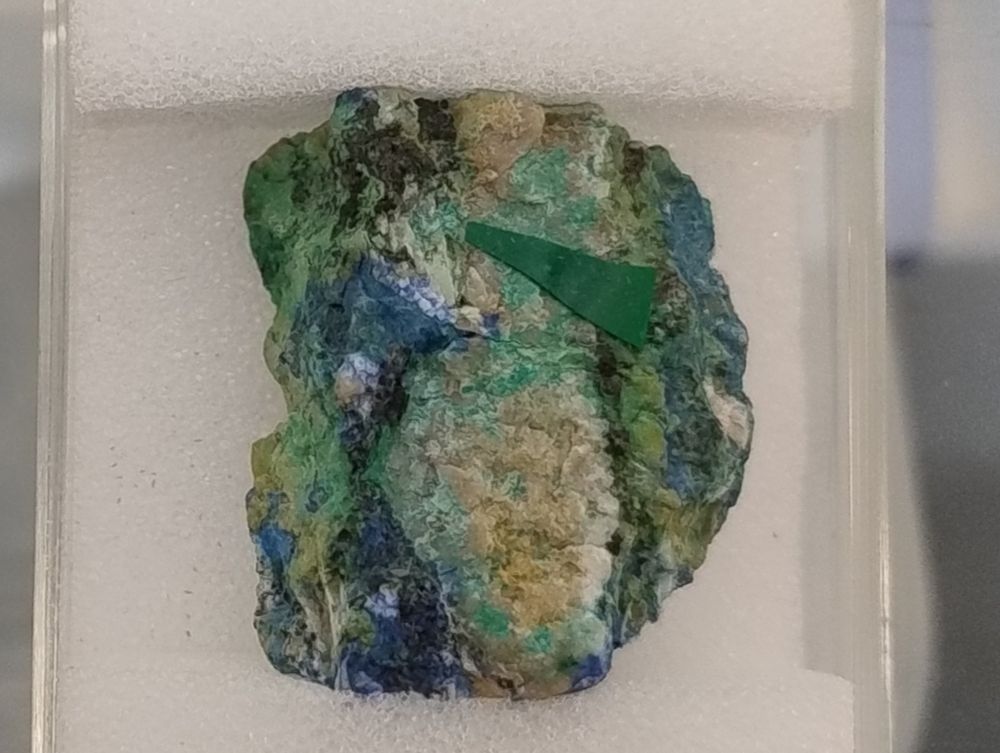
1 of #365Minerals 🧪⚒️
Quetzalcoatlite:
- Named after Quetzalcoatl, an Aztec and Toltec god of the sea, due to its sea-blue colour
- Forms in the oxidised zone of tellurium-bearing hydrothermal deposits #minerals
- This below is a co-type specimen (one of the specimens used to define the species)
Quetzalcoatlite:
- Named after Quetzalcoatl, an Aztec and Toltec god of the sea, due to its sea-blue colour
- Forms in the oxidised zone of tellurium-bearing hydrothermal deposits #minerals
- This below is a co-type specimen (one of the specimens used to define the species)
January 18, 2025 at 11:00 AM
I love this thread


