


Dr Astrid Biddle
@astridbiddle.bsky.social
Joint BSBI and BBS recorder for Hertfordshire.
🌱Celebrating the joy of Botany and Bryology.
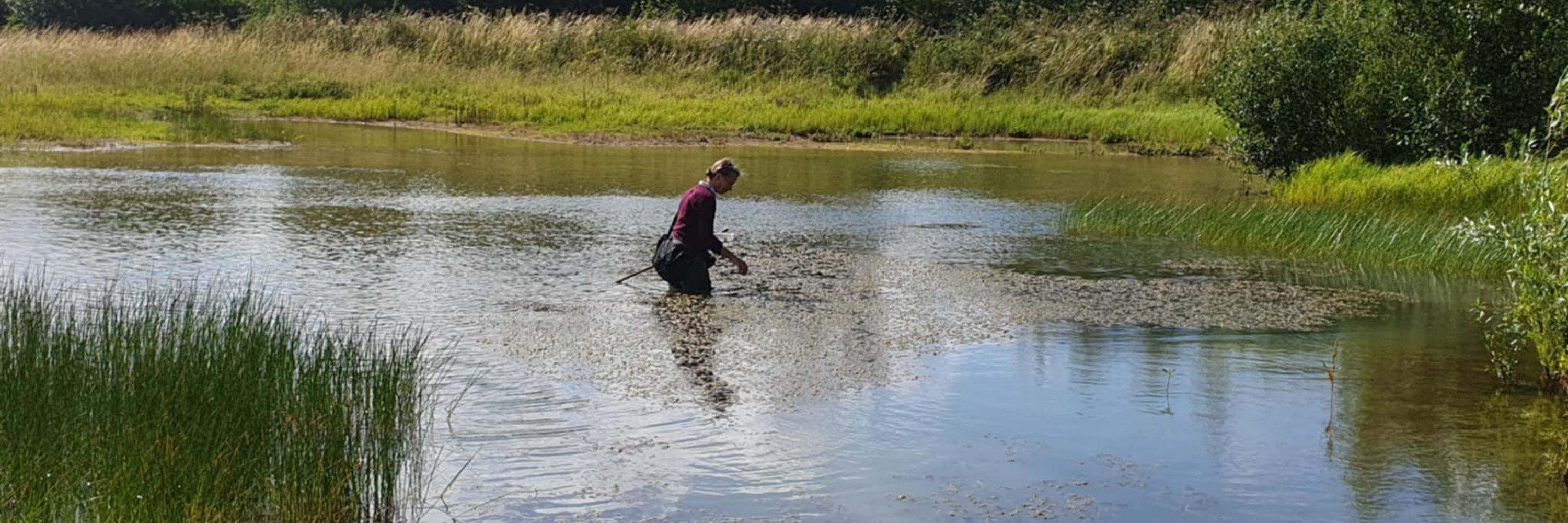
❤️Aquatic plants & many other. Scarce Tufted-sedge. Plant ecology. Rivers, ponds & lakes.
🌱Celebrating the joy of Botany and Bryology.
❤️Aquatic plants & many other. Scarce Tufted-sedge. Plant ecology. Rivers, ponds & lakes.
Not quite aligning with Commons, but a very interesting point.


February 5, 2026 at 9:59 PM
Not quite aligning with Commons, but a very interesting point.
Common Gromwell (Lithospermum officinale) and a thin stick of wintery Wild Liquorice (Astragalus glycyphyllos) on the scrub edge. Identifiable by the woody growth.
Wild Liquorice recorded in 1988.
@bsbibotany.bsky.social @wildflowerhour.bsky.social
Wild Liquorice recorded in 1988.
@bsbibotany.bsky.social @wildflowerhour.bsky.social


January 18, 2026 at 7:43 PM
Common Gromwell (Lithospermum officinale) and a thin stick of wintery Wild Liquorice (Astragalus glycyphyllos) on the scrub edge. Identifiable by the woody growth.
Wild Liquorice recorded in 1988.
@bsbibotany.bsky.social @wildflowerhour.bsky.social
Wild Liquorice recorded in 1988.
@bsbibotany.bsky.social @wildflowerhour.bsky.social
And a new species for me. Didymodon icmadophilus lying in sheets over the clinker. A very uncommonly recorded species. www.britishbryologicalsociety.org.uk/wp-content/u...

January 18, 2026 at 7:39 PM
And a new species for me. Didymodon icmadophilus lying in sheets over the clinker. A very uncommonly recorded species. www.britishbryologicalsociety.org.uk/wp-content/u...
Abietinella abietina, a species widespread in the post-glacial period, served as an apposite reference point, making the comparison thought-provoking.
Oddly, it seems to be loosely attached to the substrate: strands lay unattached within the patches. It seemed as though this aided distribution.
Oddly, it seems to be loosely attached to the substrate: strands lay unattached within the patches. It seemed as though this aided distribution.

January 18, 2026 at 7:36 PM
Abietinella abietina, a species widespread in the post-glacial period, served as an apposite reference point, making the comparison thought-provoking.
Oddly, it seems to be loosely attached to the substrate: strands lay unattached within the patches. It seemed as though this aided distribution.
Oddly, it seems to be loosely attached to the substrate: strands lay unattached within the patches. It seemed as though this aided distribution.
Abietinella abietina
We descended to the railway track, where the clinker retained the characteristics of low-nutrient chalk grassland, with potential to support less competitive species. The skeletal soil over the substrate was easily scuffed, exposing bare ground.
We descended to the railway track, where the clinker retained the characteristics of low-nutrient chalk grassland, with potential to support less competitive species. The skeletal soil over the substrate was easily scuffed, exposing bare ground.

January 18, 2026 at 7:34 PM
Abietinella abietina
We descended to the railway track, where the clinker retained the characteristics of low-nutrient chalk grassland, with potential to support less competitive species. The skeletal soil over the substrate was easily scuffed, exposing bare ground.
We descended to the railway track, where the clinker retained the characteristics of low-nutrient chalk grassland, with potential to support less competitive species. The skeletal soil over the substrate was easily scuffed, exposing bare ground.
Homalothecium lutescens is typical of dry calcareous turf. Shown here with Common Rock-rose (Helianthemum nummularium), which was disappearing under the scrub.
Scant amounts of Ctenidium molluscum.
In general, the bryophyte diversity was markedly reduced.
Scant amounts of Ctenidium molluscum.
In general, the bryophyte diversity was markedly reduced.


January 18, 2026 at 7:32 PM
Homalothecium lutescens is typical of dry calcareous turf. Shown here with Common Rock-rose (Helianthemum nummularium), which was disappearing under the scrub.
Scant amounts of Ctenidium molluscum.
In general, the bryophyte diversity was markedly reduced.
Scant amounts of Ctenidium molluscum.
In general, the bryophyte diversity was markedly reduced.
Yesterday I was with the Cambs Bryologists at the Devil's Dyke, an Anglo-Saxon causeway of chalk, sometimes reaching 10 m in height next to a deep ditch.
It supports chalk grassland CG3/CG5, with CG5 occupying a holding position between grassland & scrub.
Rhynchostegium megapolitanum- path edges
It supports chalk grassland CG3/CG5, with CG5 occupying a holding position between grassland & scrub.
Rhynchostegium megapolitanum- path edges


January 18, 2026 at 7:30 PM
Yesterday I was with the Cambs Bryologists at the Devil's Dyke, an Anglo-Saxon causeway of chalk, sometimes reaching 10 m in height next to a deep ditch.
It supports chalk grassland CG3/CG5, with CG5 occupying a holding position between grassland & scrub.
Rhynchostegium megapolitanum- path edges
It supports chalk grassland CG3/CG5, with CG5 occupying a holding position between grassland & scrub.
Rhynchostegium megapolitanum- path edges
My Nitella dixonii record from Portugal looks good 😀🌿
Not extinct! Last record there in 1938.
Thanks
@nhm-london.bsky.social @bsbibotany.bsky.social
Not extinct! Last record there in 1938.
Thanks
@nhm-london.bsky.social @bsbibotany.bsky.social

January 18, 2026 at 7:19 PM
My Nitella dixonii record from Portugal looks good 😀🌿
Not extinct! Last record there in 1938.
Thanks
@nhm-london.bsky.social @bsbibotany.bsky.social
Not extinct! Last record there in 1938.
Thanks
@nhm-london.bsky.social @bsbibotany.bsky.social
Thanks to Haley Gladitsch (algae herbarium)
Syntypes: all the original Nitella dixonii specimens everyone argued over in 1911.
Lectotype: the one specimen later picked to stop the arguing (“THIS one means the name”).
Isolectotypes: its siblings from the same collection- important, but not the boss.
Syntypes: all the original Nitella dixonii specimens everyone argued over in 1911.
Lectotype: the one specimen later picked to stop the arguing (“THIS one means the name”).
Isolectotypes: its siblings from the same collection- important, but not the boss.

January 18, 2026 at 7:11 PM
Thanks to Haley Gladitsch (algae herbarium)
Syntypes: all the original Nitella dixonii specimens everyone argued over in 1911.
Lectotype: the one specimen later picked to stop the arguing (“THIS one means the name”).
Isolectotypes: its siblings from the same collection- important, but not the boss.
Syntypes: all the original Nitella dixonii specimens everyone argued over in 1911.
Lectotype: the one specimen later picked to stop the arguing (“THIS one means the name”).
Isolectotypes: its siblings from the same collection- important, but not the boss.
This week I spent the day at the Natural History Museum trying to decipher a herbarium sheet of Nitella dixonii with more labels than plant🌿
Taxonomy is basically historical detective work with dried algae & decades of marginalia= notes, scribbles and polite disagreements written all over the sheet.
Taxonomy is basically historical detective work with dried algae & decades of marginalia= notes, scribbles and polite disagreements written all over the sheet.

January 18, 2026 at 7:09 PM
This week I spent the day at the Natural History Museum trying to decipher a herbarium sheet of Nitella dixonii with more labels than plant🌿
Taxonomy is basically historical detective work with dried algae & decades of marginalia= notes, scribbles and polite disagreements written all over the sheet.
Taxonomy is basically historical detective work with dried algae & decades of marginalia= notes, scribbles and polite disagreements written all over the sheet.
Did anyone else have this poster on their bedroom wall growing up? "Chalk Grassland."
This was basically one of the gateway drugs into botany- not only the plants but importantly they communities they grew in.
I loved this poster & it still lives vividly in my imagination.
@bsbibotany.bsky.social
This was basically one of the gateway drugs into botany- not only the plants but importantly they communities they grew in.
I loved this poster & it still lives vividly in my imagination.
@bsbibotany.bsky.social

January 11, 2026 at 10:10 PM
Did anyone else have this poster on their bedroom wall growing up? "Chalk Grassland."
This was basically one of the gateway drugs into botany- not only the plants but importantly they communities they grew in.
I loved this poster & it still lives vividly in my imagination.
@bsbibotany.bsky.social
This was basically one of the gateway drugs into botany- not only the plants but importantly they communities they grew in.
I loved this poster & it still lives vividly in my imagination.
@bsbibotany.bsky.social
Surprised to see so much Leucobryum sp. at Farnham Common (leaf sections next time). Joined by Diplophyllum albicans- I rarely see this in Herts, so very nice! But so common nationally. An unplanned journey, but very welcomed & neatly concluded with a warming Indian breakfast at a café near Burnham.


January 10, 2026 at 10:03 PM
Surprised to see so much Leucobryum sp. at Farnham Common (leaf sections next time). Joined by Diplophyllum albicans- I rarely see this in Herts, so very nice! But so common nationally. An unplanned journey, but very welcomed & neatly concluded with a warming Indian breakfast at a café near Burnham.
Dendrotelma - knotholes (!) in boundary coppiced Beech. Considering the closeness of the population of Codonoblepharon forsteri (Knothole Moss) I wondered if it might lurk at the edge of Farnham Common. Any space was covered by the more competitive Brachythecium.

January 10, 2026 at 10:02 PM
Dendrotelma - knotholes (!) in boundary coppiced Beech. Considering the closeness of the population of Codonoblepharon forsteri (Knothole Moss) I wondered if it might lurk at the edge of Farnham Common. Any space was covered by the more competitive Brachythecium.
Large areas of standing water now sealed beneath clear ice.
The ice was translucent, a window into a submerged world. From beneath it bubbles rose from submerged Lesser Spearwort (Ranunculus flammula), its rosettes with leaves widely spread beneath the ice.
@bsbibotany.bsky.social
The ice was translucent, a window into a submerged world. From beneath it bubbles rose from submerged Lesser Spearwort (Ranunculus flammula), its rosettes with leaves widely spread beneath the ice.
@bsbibotany.bsky.social


January 10, 2026 at 9:42 PM
Large areas of standing water now sealed beneath clear ice.
The ice was translucent, a window into a submerged world. From beneath it bubbles rose from submerged Lesser Spearwort (Ranunculus flammula), its rosettes with leaves widely spread beneath the ice.
@bsbibotany.bsky.social
The ice was translucent, a window into a submerged world. From beneath it bubbles rose from submerged Lesser Spearwort (Ranunculus flammula), its rosettes with leaves widely spread beneath the ice.
@bsbibotany.bsky.social
Winter walk from Stoke Common to Burnham Beeches ❄️
Surface water was extensive at Stoke Common & continued in a similar form as we progressed. By Farnham Common, water was no longer held and beneath the Beeches was dry & stony. I follow a route I later discovered forms part of "Shakespeare’s Way".
Surface water was extensive at Stoke Common & continued in a similar form as we progressed. By Farnham Common, water was no longer held and beneath the Beeches was dry & stony. I follow a route I later discovered forms part of "Shakespeare’s Way".

January 10, 2026 at 9:39 PM
Winter walk from Stoke Common to Burnham Beeches ❄️
Surface water was extensive at Stoke Common & continued in a similar form as we progressed. By Farnham Common, water was no longer held and beneath the Beeches was dry & stony. I follow a route I later discovered forms part of "Shakespeare’s Way".
Surface water was extensive at Stoke Common & continued in a similar form as we progressed. By Farnham Common, water was no longer held and beneath the Beeches was dry & stony. I follow a route I later discovered forms part of "Shakespeare’s Way".
Privet (Ligustrum vulgare) taken over in clearfell area. Tall (1.5 m), dense clusters of berries. Bitter bark-less browsed by deer. Release from shade resulted in leggy growth.
Search shows Ligustrum has heavier fruiting in full light & this makes certain species more invasive
doi.org/10.1086/342632
Search shows Ligustrum has heavier fruiting in full light & this makes certain species more invasive
doi.org/10.1086/342632

January 4, 2026 at 9:40 PM
Privet (Ligustrum vulgare) taken over in clearfell area. Tall (1.5 m), dense clusters of berries. Bitter bark-less browsed by deer. Release from shade resulted in leggy growth.
Search shows Ligustrum has heavier fruiting in full light & this makes certain species more invasive
doi.org/10.1086/342632
Search shows Ligustrum has heavier fruiting in full light & this makes certain species more invasive
doi.org/10.1086/342632
A log with thousands of Turkey Tail.

January 4, 2026 at 9:35 PM
A log with thousands of Turkey Tail.
A Slime Mould on Oak leaf.

January 4, 2026 at 9:33 PM
A Slime Mould on Oak leaf.
Sticking out like a sore thumb, Dryopteris affinis agg. x filix-mas = D. x complexa agg.
Growing in proximity to D. filix-mas.
I think it had a Cambriensis influence.
Growing in proximity to D. filix-mas.
I think it had a Cambriensis influence.


January 4, 2026 at 9:32 PM
Sticking out like a sore thumb, Dryopteris affinis agg. x filix-mas = D. x complexa agg.
Growing in proximity to D. filix-mas.
I think it had a Cambriensis influence.
Growing in proximity to D. filix-mas.
I think it had a Cambriensis influence.
Needles of frost underfoot, and a flask of hot soup for my picnic. Balance restored.

January 4, 2026 at 8:54 PM
Needles of frost underfoot, and a flask of hot soup for my picnic. Balance restored.
Sticking out like a sore thumb, Dryopteris affinis agg. x filix-mas = D. x complexa agg.
Growing in proximity to D. filix-mas.
I think it had a Cambriensis influence.
Growing in proximity to D. filix-mas.
I think it had a Cambriensis influence.
January 4, 2026 at 8:45 PM
Sticking out like a sore thumb, Dryopteris affinis agg. x filix-mas = D. x complexa agg.
Growing in proximity to D. filix-mas.
I think it had a Cambriensis influence.
Growing in proximity to D. filix-mas.
I think it had a Cambriensis influence.
Privet (Ligustrum vulgare) had taken over the clearfell area. Tall (1.5 m) with dense clusters of berries. Bitter bark, makes it less deer browsed. Now released from shade.
A search shows that Ligustrum is heavier fruiting in full light & makes certain species more invasive.
doi.org/10.1086/342632
A search shows that Ligustrum is heavier fruiting in full light & makes certain species more invasive.
doi.org/10.1086/342632
January 4, 2026 at 8:43 PM
Privet (Ligustrum vulgare) had taken over the clearfell area. Tall (1.5 m) with dense clusters of berries. Bitter bark, makes it less deer browsed. Now released from shade.
A search shows that Ligustrum is heavier fruiting in full light & makes certain species more invasive.
doi.org/10.1086/342632
A search shows that Ligustrum is heavier fruiting in full light & makes certain species more invasive.
doi.org/10.1086/342632
A log with thousands of Turkey Tail.
January 4, 2026 at 8:39 PM
A log with thousands of Turkey Tail.
Hylocomiadelphus triquetrus, possibly favoured by the light let in through the clear felling.
Loeskeobryum brevirostre was an unexpected find.
This is very significant as in East Anglia and the wider area, it was last seen in 1974.
Loeskeobryum brevirostre was an unexpected find.
This is very significant as in East Anglia and the wider area, it was last seen in 1974.


January 4, 2026 at 8:37 PM
Hylocomiadelphus triquetrus, possibly favoured by the light let in through the clear felling.
Loeskeobryum brevirostre was an unexpected find.
This is very significant as in East Anglia and the wider area, it was last seen in 1974.
Loeskeobryum brevirostre was an unexpected find.
This is very significant as in East Anglia and the wider area, it was last seen in 1974.
Anomodon viticulosus on the base of an Ash next to the stream. It's a species which points to long continuity.


January 4, 2026 at 8:35 PM
Anomodon viticulosus on the base of an Ash next to the stream. It's a species which points to long continuity.