



Brandon C
@bdottouch.bsky.social
Designer, multimedia professional, and movie/music historian.
During the 1930s, a very large chunk of Disney’s top artists were also Jewish artists trained in New York City - Norm Ferguson, Art Babbitt, Bill Tytla.
This would change after the 1941 strike, which Babbitt led, and Disney starts hanging out Westbrook Pegler, ratting ppl out to HUAC, etc
This would change after the 1941 strike, which Babbitt led, and Disney starts hanging out Westbrook Pegler, ratting ppl out to HUAC, etc
January 21, 2026 at 11:40 PM
During the 1930s, a very large chunk of Disney’s top artists were also Jewish artists trained in New York City - Norm Ferguson, Art Babbitt, Bill Tytla.
This would change after the 1941 strike, which Babbitt led, and Disney starts hanging out Westbrook Pegler, ratting ppl out to HUAC, etc
This would change after the 1941 strike, which Babbitt led, and Disney starts hanging out Westbrook Pegler, ratting ppl out to HUAC, etc
The first two years’ worth are generally good - still has the same spirit as the last 30s Roach stuff plus MGM’s better production values - but as the famous kids get way too old (Alfalfa was nearly 13 and Spanky nearly 14 before they left the series) and Robert Blake and his ilk show up…yeesh lol
January 21, 2026 at 9:33 PM
The first two years’ worth are generally good - still has the same spirit as the last 30s Roach stuff plus MGM’s better production values - but as the famous kids get way too old (Alfalfa was nearly 13 and Spanky nearly 14 before they left the series) and Robert Blake and his ilk show up…yeesh lol
And oh yes - the public domain Waldo’s Last Stand (1940), which is awful lol
January 21, 2026 at 8:51 PM
And oh yes - the public domain Waldo’s Last Stand (1940), which is awful lol
I think they technically count Time Out for Lessons (1939), which just has one long musical sequence (it’s half the film though)
January 21, 2026 at 8:51 PM
I think they technically count Time Out for Lessons (1939), which just has one long musical sequence (it’s half the film though)
…but there also
Mike Fright (1934)
Beginner’s Luck (1935)
The Pinch Singer (1936)
Reunion in Rhythm (1937)
Ye Olde Minsterels (1941)
Melodies Old and New (1942)
Doin’ Our Bit (1942)
Calling All Kids (1943)
The MGM ones past 1939 can get a little dire in performance quality.
Mike Fright (1934)
Beginner’s Luck (1935)
The Pinch Singer (1936)
Reunion in Rhythm (1937)
Ye Olde Minsterels (1941)
Melodies Old and New (1942)
Doin’ Our Bit (1942)
Calling All Kids (1943)
The MGM ones past 1939 can get a little dire in performance quality.
January 21, 2026 at 8:50 PM
…but there also
Mike Fright (1934)
Beginner’s Luck (1935)
The Pinch Singer (1936)
Reunion in Rhythm (1937)
Ye Olde Minsterels (1941)
Melodies Old and New (1942)
Doin’ Our Bit (1942)
Calling All Kids (1943)
The MGM ones past 1939 can get a little dire in performance quality.
Mike Fright (1934)
Beginner’s Luck (1935)
The Pinch Singer (1936)
Reunion in Rhythm (1937)
Ye Olde Minsterels (1941)
Melodies Old and New (1942)
Doin’ Our Bit (1942)
Calling All Kids (1943)
The MGM ones past 1939 can get a little dire in performance quality.
During the silent era, the “putting on a show” shorts were the kids putting on plays, like “Uncle Tom’s Uncle” (1926).
A few years into sound, the musical shorts became an at least yearly recurrence from 1934 through 1943. There’s only two Follies ones (‘36 & ‘38)…
A few years into sound, the musical shorts became an at least yearly recurrence from 1934 through 1943. There’s only two Follies ones (‘36 & ‘38)…
January 21, 2026 at 8:47 PM
During the silent era, the “putting on a show” shorts were the kids putting on plays, like “Uncle Tom’s Uncle” (1926).
A few years into sound, the musical shorts became an at least yearly recurrence from 1934 through 1943. There’s only two Follies ones (‘36 & ‘38)…
A few years into sound, the musical shorts became an at least yearly recurrence from 1934 through 1943. There’s only two Follies ones (‘36 & ‘38)…
These sound like “School’s Out” (1930) - it was Miss Crabtree’s brother the kids harassed, thinking he was her fiancé - and “Our Gang Follies of 1938” (1937).
These are both often sold together as they’ve long been in the pubic domain.
These are both often sold together as they’ve long been in the pubic domain.
January 21, 2026 at 8:44 PM
These sound like “School’s Out” (1930) - it was Miss Crabtree’s brother the kids harassed, thinking he was her fiancé - and “Our Gang Follies of 1938” (1937).
These are both often sold together as they’ve long been in the pubic domain.
These are both often sold together as they’ve long been in the pubic domain.
…and why Disney had to start animation classes to train new recruits from virtual scratch when Iwerks left.
Many (most?) animation veterans who came to Disney had to unlearn what they’d learned elsewhere.
Many (most?) animation veterans who came to Disney had to unlearn what they’d learned elsewhere.
January 21, 2026 at 7:44 PM
…and why Disney had to start animation classes to train new recruits from virtual scratch when Iwerks left.
Many (most?) animation veterans who came to Disney had to unlearn what they’d learned elsewhere.
Many (most?) animation veterans who came to Disney had to unlearn what they’d learned elsewhere.
Disney was an animator too; Iwerks was just a better one. Disney contributed stories, character, and personality to the cartoons.
Iwerks was a much better artist than Disney, but Disney was a much better writer than Iwerks. This is part of why Iwerks couldn’t be successful on his own…
Iwerks was a much better artist than Disney, but Disney was a much better writer than Iwerks. This is part of why Iwerks couldn’t be successful on his own…
January 21, 2026 at 7:42 PM
Disney was an animator too; Iwerks was just a better one. Disney contributed stories, character, and personality to the cartoons.
Iwerks was a much better artist than Disney, but Disney was a much better writer than Iwerks. This is part of why Iwerks couldn’t be successful on his own…
Iwerks was a much better artist than Disney, but Disney was a much better writer than Iwerks. This is part of why Iwerks couldn’t be successful on his own…
Reposted by Brandon C

Willie Whopper originated via MGM and/or Powers insisting that frogs were not popular, and for increased popularity, Flip needed to stop being one.
Iwerks got as far as this model sheet—itself a refined version of Flip's human disguise in FUNNY FACE—and then the decision was made to rename him, too.
Iwerks got as far as this model sheet—itself a refined version of Flip's human disguise in FUNNY FACE—and then the decision was made to rename him, too.


November 24, 2025 at 3:53 AM
Willie Whopper originated via MGM and/or Powers insisting that frogs were not popular, and for increased popularity, Flip needed to stop being one.
Iwerks got as far as this model sheet—itself a refined version of Flip's human disguise in FUNNY FACE—and then the decision was made to rename him, too.
Iwerks got as far as this model sheet—itself a refined version of Flip's human disguise in FUNNY FACE—and then the decision was made to rename him, too.
The Nazis had attacked their German representative, Phil Kaufman (Jewish), in 1933. He died from his injuries.
WB closed their Berlin office in 1934. Hitler did see some WB films that were sent to him by others, like 1939’s Confessions of a Nazi Spy, but WB had no distro presence in Nazi Germany
WB closed their Berlin office in 1934. Hitler did see some WB films that were sent to him by others, like 1939’s Confessions of a Nazi Spy, but WB had no distro presence in Nazi Germany
January 21, 2026 at 7:32 PM
The Nazis had attacked their German representative, Phil Kaufman (Jewish), in 1933. He died from his injuries.
WB closed their Berlin office in 1934. Hitler did see some WB films that were sent to him by others, like 1939’s Confessions of a Nazi Spy, but WB had no distro presence in Nazi Germany
WB closed their Berlin office in 1934. Hitler did see some WB films that were sent to him by others, like 1939’s Confessions of a Nazi Spy, but WB had no distro presence in Nazi Germany
Harman, Ising, and Freleng all followed Disney and Iwerks to California from Kansas City.
The real reason Hitler would not have seen a 1941 WB cartoon at all was because WB itself- started by four Jewish Warner Bros and by the 30s run by the three survivors - pulled out of Germany early.
The real reason Hitler would not have seen a 1941 WB cartoon at all was because WB itself- started by four Jewish Warner Bros and by the 30s run by the three survivors - pulled out of Germany early.
January 21, 2026 at 7:28 PM
Harman, Ising, and Freleng all followed Disney and Iwerks to California from Kansas City.
The real reason Hitler would not have seen a 1941 WB cartoon at all was because WB itself- started by four Jewish Warner Bros and by the 30s run by the three survivors - pulled out of Germany early.
The real reason Hitler would not have seen a 1941 WB cartoon at all was because WB itself- started by four Jewish Warner Bros and by the 30s run by the three survivors - pulled out of Germany early.
There were definitely Jewish animators in the Schlesinger staff (Schlesinger himself of course, Friz Freleng, etc), but the initial WB cartoons were produced and directed for Schlesinger by gentiles Hugh Harman and Rudolf Ising (Freleng was one of their core staff members).
January 21, 2026 at 7:26 PM
There were definitely Jewish animators in the Schlesinger staff (Schlesinger himself of course, Friz Freleng, etc), but the initial WB cartoons were produced and directed for Schlesinger by gentiles Hugh Harman and Rudolf Ising (Freleng was one of their core staff members).
And oh yes - the 1980s episodes had Orbitty.

August 30, 2025 at 5:33 PM
And oh yes - the 1980s episodes had Orbitty.
You probably saw both sets. I saw both sets.
August 30, 2025 at 5:32 PM
You probably saw both sets. I saw both sets.
All but two of the 1980s eps are computer-colored, so they have a digital look the originals - shot on film - do not have.
The music, pacing, and writing (they were written more for adults and kids in the 60s rather than just kids) are also done with more care.
The music, pacing, and writing (they were written more for adults and kids in the 60s rather than just kids) are also done with more care.
August 30, 2025 at 5:31 PM
All but two of the 1980s eps are computer-colored, so they have a digital look the originals - shot on film - do not have.
The music, pacing, and writing (they were written more for adults and kids in the 60s rather than just kids) are also done with more care.
The music, pacing, and writing (they were written more for adults and kids in the 60s rather than just kids) are also done with more care.
Yeah, they were made for the “Funtastic World of Hanna-Barbera” syndication block, which ran on Saturday or Sunday afternoons depending on the market.
They also reran the 1960s eps, with new title cards and closing credits.
They also reran the 1960s eps, with new title cards and closing credits.
August 30, 2025 at 5:28 PM
Yeah, they were made for the “Funtastic World of Hanna-Barbera” syndication block, which ran on Saturday or Sunday afternoons depending on the market.
They also reran the 1960s eps, with new title cards and closing credits.
They also reran the 1960s eps, with new title cards and closing credits.
In order to keep revenues up, they also sold more shows than they comfortably had resources to make, leading to lower quality and more outsourcing.
The networks, who created the problem, began complaining about the bad shows. ABC’s solution was creating Ruby-Spears.
The networks, who created the problem, began complaining about the bad shows. ABC’s solution was creating Ruby-Spears.
August 30, 2025 at 5:19 PM
In order to keep revenues up, they also sold more shows than they comfortably had resources to make, leading to lower quality and more outsourcing.
The networks, who created the problem, began complaining about the bad shows. ABC’s solution was creating Ruby-Spears.
The networks, who created the problem, began complaining about the bad shows. ABC’s solution was creating Ruby-Spears.
They didn’t know in strong part because the realities of the Saturday morning TV animation industry caused them to dig themselves into a hole.
All three networks wanted a Scooby-Doo, but only one (CBS, then ABC) could have the actual article. Hence all the clones.
All three networks wanted a Scooby-Doo, but only one (CBS, then ABC) could have the actual article. Hence all the clones.
August 30, 2025 at 5:14 PM
They didn’t know in strong part because the realities of the Saturday morning TV animation industry caused them to dig themselves into a hole.
All three networks wanted a Scooby-Doo, but only one (CBS, then ABC) could have the actual article. Hence all the clones.
All three networks wanted a Scooby-Doo, but only one (CBS, then ABC) could have the actual article. Hence all the clones.
Reposted by Brandon C

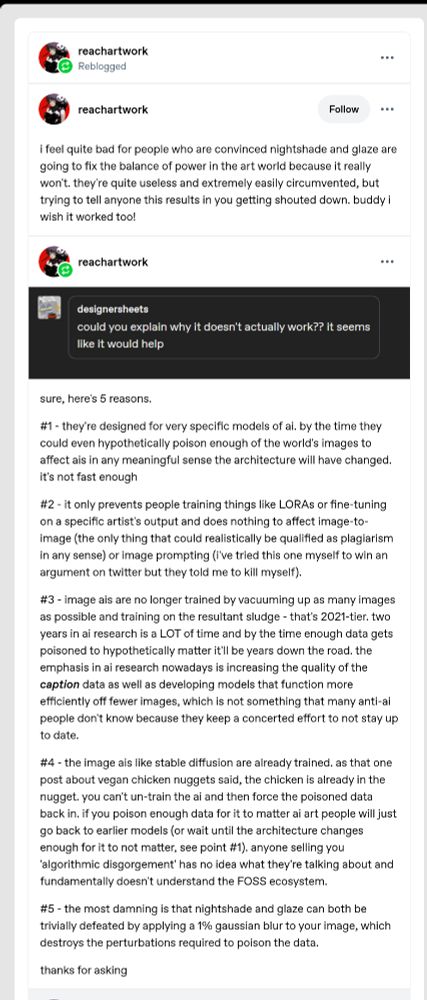
this doesn't really do anything
August 23, 2025 at 3:29 PM
this doesn't really do anything