


Ben Bradley
@benbradleymusic.bsky.social
Music. Films. Art. Science.
Reposted by Ben Bradley
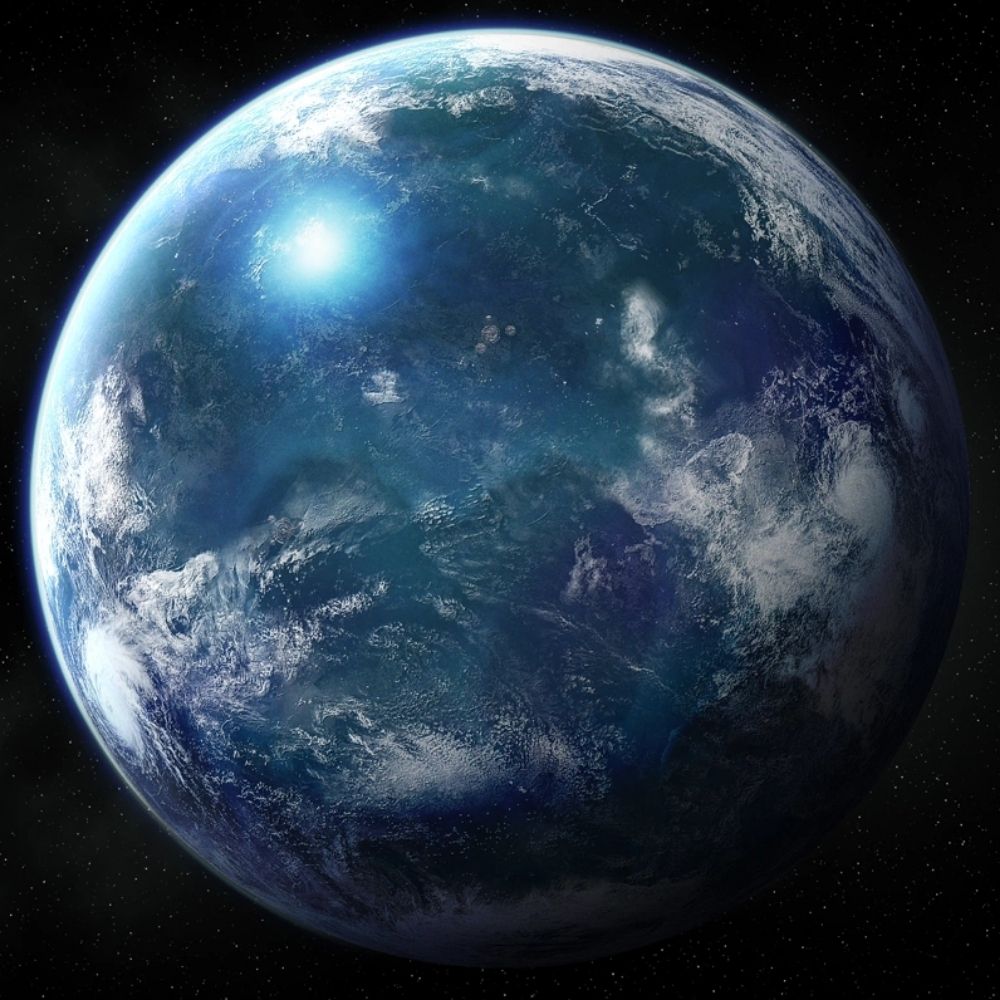
As we wrap up the year, I'm sharing an achievement I'm particularly proud of—we published the second book in our Comparative Planetology series!
Planetary Tectonism deals with the stresses that shape planets and the landforms that develop.
It follows Planetary Volcanism, published in 2021.
Planetary Tectonism deals with the stresses that shape planets and the landforms that develop.
It follows Planetary Volcanism, published in 2021.


December 22, 2025 at 7:55 PM
As we wrap up the year, I'm sharing an achievement I'm particularly proud of—we published the second book in our Comparative Planetology series!
Planetary Tectonism deals with the stresses that shape planets and the landforms that develop.
It follows Planetary Volcanism, published in 2021.
Planetary Tectonism deals with the stresses that shape planets and the landforms that develop.
It follows Planetary Volcanism, published in 2021.
Reposted by Ben Bradley
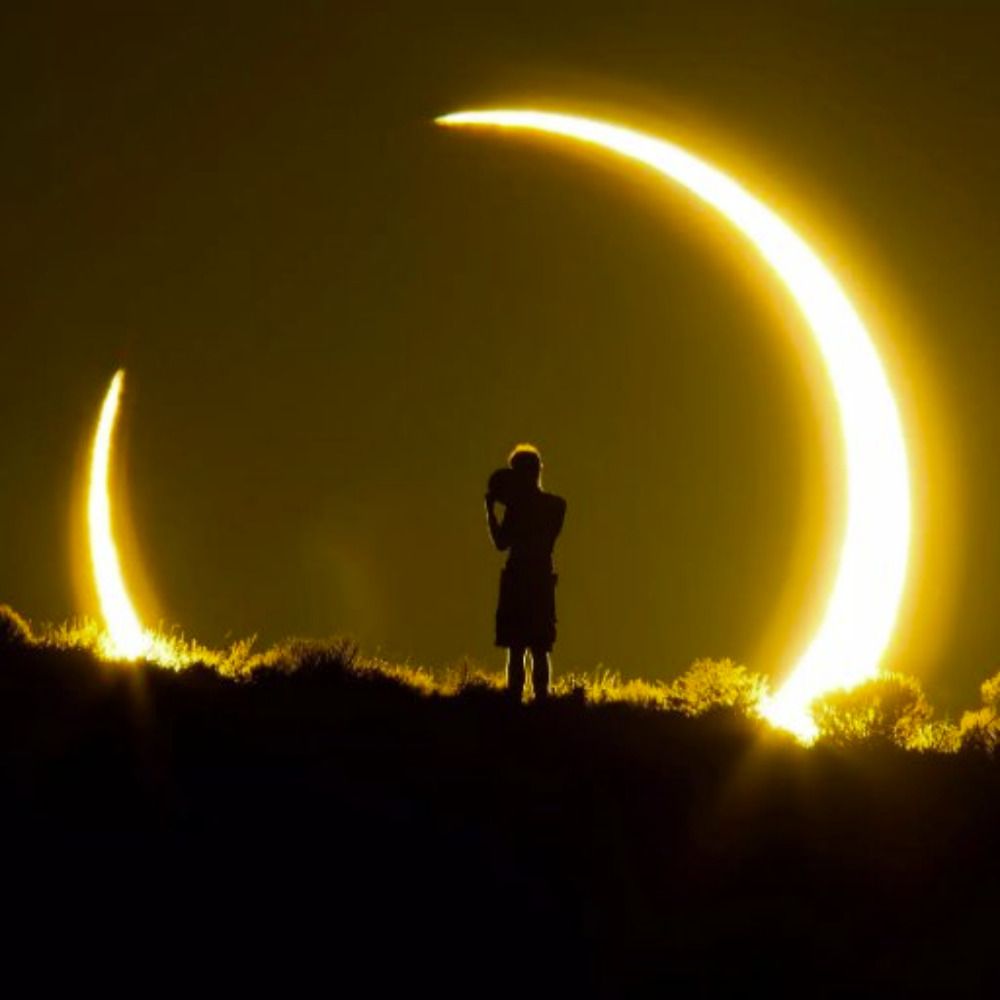
Earth at night viewed from space.
October 6, 2025 at 9:58 PM
Earth at night viewed from space.
Reposted by Ben Bradley
This is the most intense tsunami footage I've ever seen.
It purportedly shows the tsunami from the 29 July Mw 8.8 quake in Kamchatka, Russia, filmed in that same region.
Source: seismic.kiwi on TikTok, although I've seen this video all over the internet and may originally be from VK or Telegram.
It purportedly shows the tsunami from the 29 July Mw 8.8 quake in Kamchatka, Russia, filmed in that same region.
Source: seismic.kiwi on TikTok, although I've seen this video all over the internet and may originally be from VK or Telegram.
August 4, 2025 at 5:39 PM
This is the most intense tsunami footage I've ever seen.
It purportedly shows the tsunami from the 29 July Mw 8.8 quake in Kamchatka, Russia, filmed in that same region.
Source: seismic.kiwi on TikTok, although I've seen this video all over the internet and may originally be from VK or Telegram.
It purportedly shows the tsunami from the 29 July Mw 8.8 quake in Kamchatka, Russia, filmed in that same region.
Source: seismic.kiwi on TikTok, although I've seen this video all over the internet and may originally be from VK or Telegram.
Reposted by Ben Bradley
Didn't get a chance to visit The Holly Johnson Story at the Museum of Liverpool? You can now experience a 3D virtual tour of the exhibition here: my.matterport.com/show/?m=4CXe...

August 1, 2025 at 11:43 AM
Didn't get a chance to visit The Holly Johnson Story at the Museum of Liverpool? You can now experience a 3D virtual tour of the exhibition here: my.matterport.com/show/?m=4CXe...
Reposted by Ben Bradley
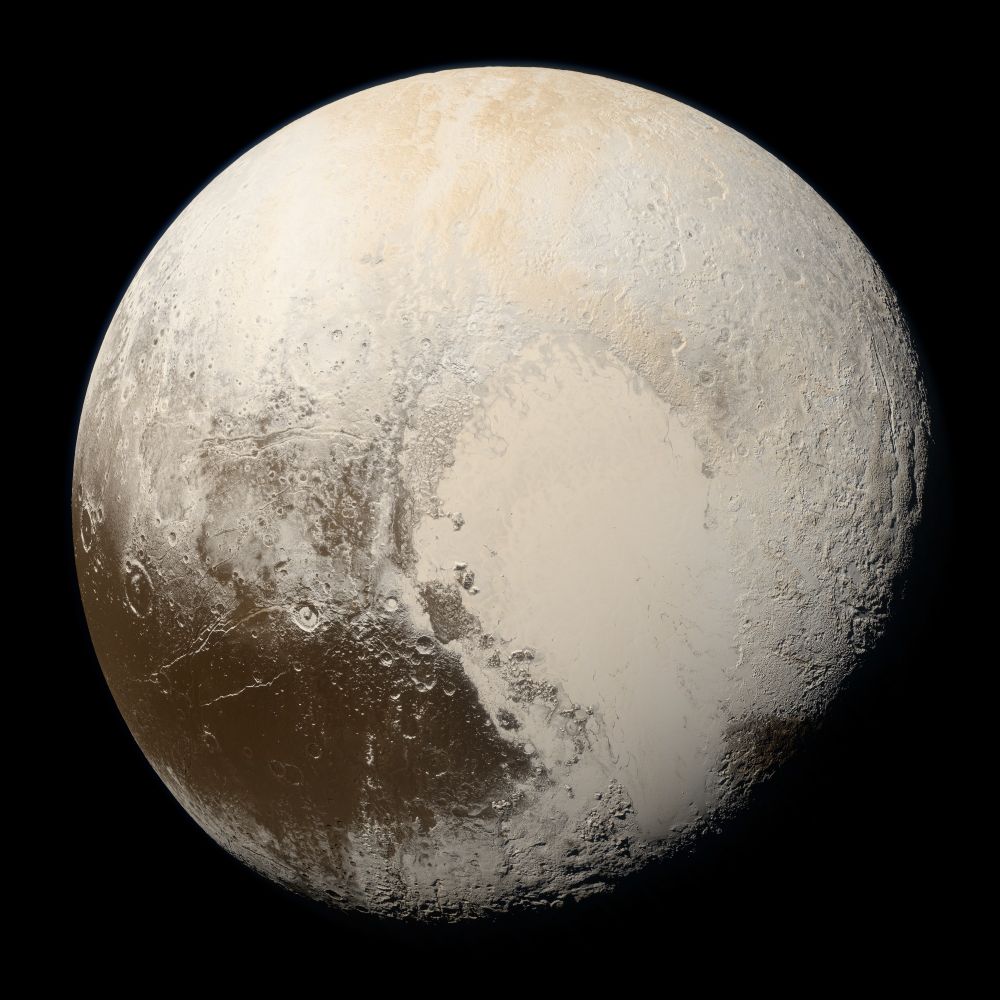
Ten years ago today.
NASA's New Horizons spacecraft made the first—and so far only—visit to Pluto.
This is a true-colour image mosaic of this enigmatic world, processed to match what our eyes would see if we were there ourselves.
NASA's New Horizons spacecraft made the first—and so far only—visit to Pluto.
This is a true-colour image mosaic of this enigmatic world, processed to match what our eyes would see if we were there ourselves.
July 14, 2025 at 10:04 PM
Ten years ago today.
NASA's New Horizons spacecraft made the first—and so far only—visit to Pluto.
This is a true-colour image mosaic of this enigmatic world, processed to match what our eyes would see if we were there ourselves.
NASA's New Horizons spacecraft made the first—and so far only—visit to Pluto.
This is a true-colour image mosaic of this enigmatic world, processed to match what our eyes would see if we were there ourselves.
Reposted by Ben Bradley

For fuck’s sake.

Good grief — he just can’t help himself! Classic narcissist.
Everyone’s fav* Harvard astronomer has struck again!
This has to be, as we call it here in Australia …. ‘taking the piss’, right?
RIGHT?!?!?!
HT SpaceFam pvt chat and someone that Loeb already has once tried to take on lmao
Everyone’s fav* Harvard astronomer has struck again!
This has to be, as we call it here in Australia …. ‘taking the piss’, right?
RIGHT?!?!?!
HT SpaceFam pvt chat and someone that Loeb already has once tried to take on lmao

July 17, 2025 at 7:14 AM
For fuck’s sake.
Reposted by Ben Bradley
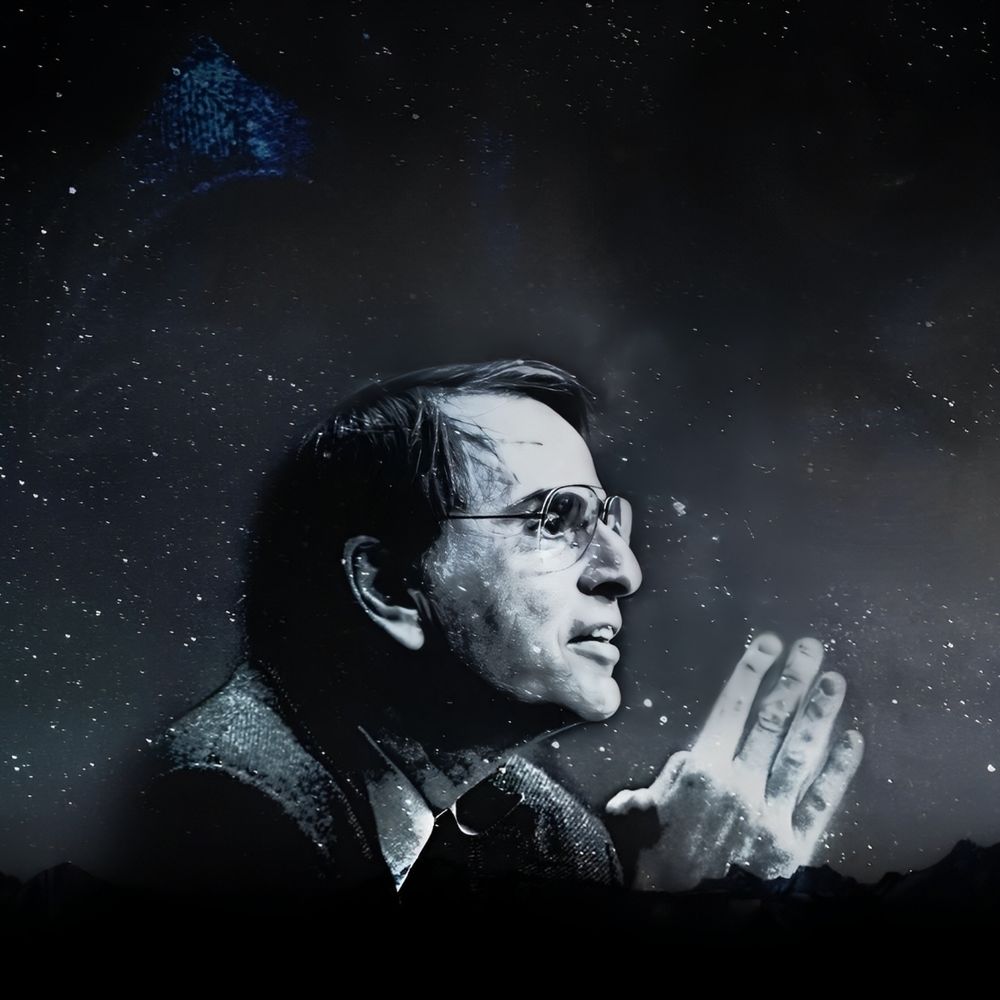
One of the biggest problems with the world is that fools are always so sure and certain about everything and intelligent people are so full of doubts and uncertainties.
June 19, 2025 at 2:15 PM
One of the biggest problems with the world is that fools are always so sure and certain about everything and intelligent people are so full of doubts and uncertainties.
Reposted by Ben Bradley

Our beautiful Moon (including the side we can't see from Earth)🌛
June 13, 2025 at 5:01 AM
Our beautiful Moon (including the side we can't see from Earth)🌛
Reposted by Ben Bradley

A gorgeous phenomenon called solar rain
Solar rain occurs when super-heated plasma rises up the sun's looping magnetic field lines, then falls back to the surface
(Credit: NASA's Goddard Space Flight Center/SDO)
Solar rain occurs when super-heated plasma rises up the sun's looping magnetic field lines, then falls back to the surface
(Credit: NASA's Goddard Space Flight Center/SDO)
June 12, 2025 at 4:44 PM
A gorgeous phenomenon called solar rain
Solar rain occurs when super-heated plasma rises up the sun's looping magnetic field lines, then falls back to the surface
(Credit: NASA's Goddard Space Flight Center/SDO)
Solar rain occurs when super-heated plasma rises up the sun's looping magnetic field lines, then falls back to the surface
(Credit: NASA's Goddard Space Flight Center/SDO)
Reposted by Ben Bradley
This is a view from the surface of Comet 67P.
The busy particles in the foreground are cosmic rays or bits of dust and ice.
The dots moving in the background are stars.
The busy particles in the foreground are cosmic rays or bits of dust and ice.
The dots moving in the background are stars.
May 23, 2025 at 5:27 PM
This is a view from the surface of Comet 67P.
The busy particles in the foreground are cosmic rays or bits of dust and ice.
The dots moving in the background are stars.
The busy particles in the foreground are cosmic rays or bits of dust and ice.
The dots moving in the background are stars.
Reposted by Ben Bradley
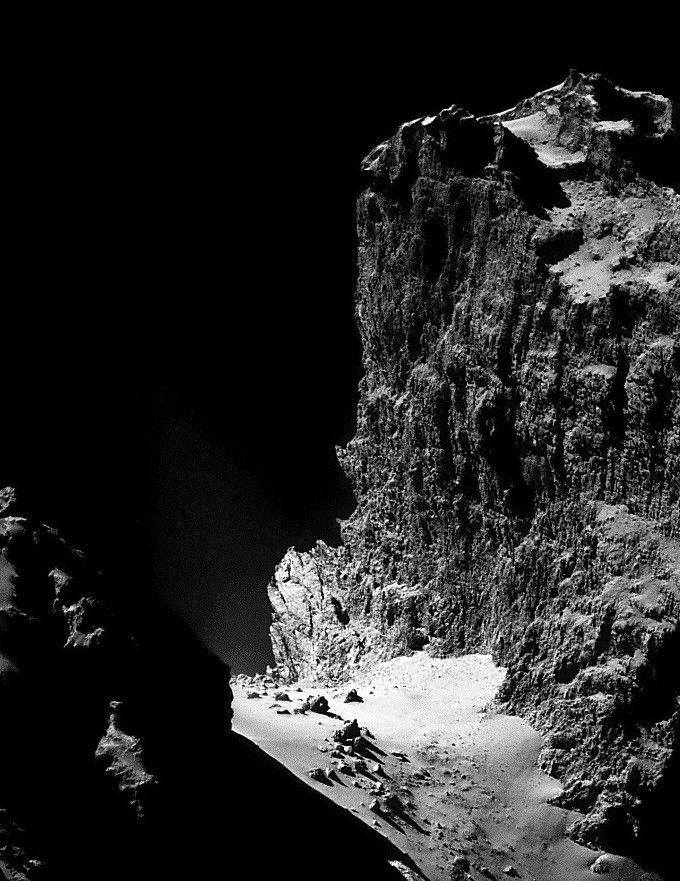
This is a cliff.
That's a kilometre tall.
On a comet.
That's a kilometre tall.
On a comet.
April 9, 2025 at 9:34 PM
This is a cliff.
That's a kilometre tall.
On a comet.
That's a kilometre tall.
On a comet.
Reposted by Ben Bradley

Europa is immensely intriguing.
This incredible moon has the smoothest surface of any celestial object in the solar system. Under that flat surface lies a saltwater ocean roughly 62 miles deep.
Perhaps there’s creatures swimming around Europa right now. Exciting to speculate.
📸 Credit: NASA/JPL
This incredible moon has the smoothest surface of any celestial object in the solar system. Under that flat surface lies a saltwater ocean roughly 62 miles deep.
Perhaps there’s creatures swimming around Europa right now. Exciting to speculate.
📸 Credit: NASA/JPL

April 4, 2025 at 12:05 PM
Europa is immensely intriguing.
This incredible moon has the smoothest surface of any celestial object in the solar system. Under that flat surface lies a saltwater ocean roughly 62 miles deep.
Perhaps there’s creatures swimming around Europa right now. Exciting to speculate.
📸 Credit: NASA/JPL
This incredible moon has the smoothest surface of any celestial object in the solar system. Under that flat surface lies a saltwater ocean roughly 62 miles deep.
Perhaps there’s creatures swimming around Europa right now. Exciting to speculate.
📸 Credit: NASA/JPL
Reposted by Ben Bradley
Kepler-22b is thought to be a super-Earth water world. This exhilarating exoplanet is located 587 light-years from Earth.
22b was the first exoplanet ever found to orbit in the ‘habitable zone’. Imagine the incredible creatures that could exist in its immense ocean.
Amazing.
22b was the first exoplanet ever found to orbit in the ‘habitable zone’. Imagine the incredible creatures that could exist in its immense ocean.
Amazing.

April 3, 2025 at 11:38 AM
Kepler-22b is thought to be a super-Earth water world. This exhilarating exoplanet is located 587 light-years from Earth.
22b was the first exoplanet ever found to orbit in the ‘habitable zone’. Imagine the incredible creatures that could exist in its immense ocean.
Amazing.
22b was the first exoplanet ever found to orbit in the ‘habitable zone’. Imagine the incredible creatures that could exist in its immense ocean.
Amazing.
Reposted by Ben Bradley
Saturn's giant moon Titan, and smaller Rhea in front.
Hazes high in Titan's thick atmosphere scatter sunlight, leading to a larger crescent than on airless Rhea.
This is NASA Photojournal image PIA21904, taken by the Cassini spacecraft on 19 November 2009.
Credit: NASA/JPL-Caltech/SSI
Hazes high in Titan's thick atmosphere scatter sunlight, leading to a larger crescent than on airless Rhea.
This is NASA Photojournal image PIA21904, taken by the Cassini spacecraft on 19 November 2009.
Credit: NASA/JPL-Caltech/SSI

April 3, 2025 at 1:44 AM
Saturn's giant moon Titan, and smaller Rhea in front.
Hazes high in Titan's thick atmosphere scatter sunlight, leading to a larger crescent than on airless Rhea.
This is NASA Photojournal image PIA21904, taken by the Cassini spacecraft on 19 November 2009.
Credit: NASA/JPL-Caltech/SSI
Hazes high in Titan's thick atmosphere scatter sunlight, leading to a larger crescent than on airless Rhea.
This is NASA Photojournal image PIA21904, taken by the Cassini spacecraft on 19 November 2009.
Credit: NASA/JPL-Caltech/SSI
Reposted by Ben Bradley
holy shit this image came down from Mars a few hours ago

April 1, 2025 at 1:41 PM
holy shit this image came down from Mars a few hours ago
Reposted by Ben Bradley

Thanks to @chrislintott.bsky.social and @astroroyalscot.bsky.social for reminding me today's the day (or night) when Saturn's rings are on a 'flat' tilt. A pity it's currently out of sight. Top to bottom: 1. Nov 20, 2. Aug 21, 3. July 22, 4. Aug 23, 5. Aug 24. #astronomy #astrophotography #Saturn

March 23, 2025 at 8:46 AM
Thanks to @chrislintott.bsky.social and @astroroyalscot.bsky.social for reminding me today's the day (or night) when Saturn's rings are on a 'flat' tilt. A pity it's currently out of sight. Top to bottom: 1. Nov 20, 2. Aug 21, 3. July 22, 4. Aug 23, 5. Aug 24. #astronomy #astrophotography #Saturn
Reposted by Ben Bradley
A direct image of the multi-planet system HR 8799 has been captured by the James Webb Space Telescope. These four giant exoplanets are located roughly 130 light-years from Earth.
Remarkable.
📸 Credit: NASA/ESA/CSA/STScI/W. Balmer/L. Pueyo/M. Perrin
Remarkable.
📸 Credit: NASA/ESA/CSA/STScI/W. Balmer/L. Pueyo/M. Perrin

March 17, 2025 at 5:17 PM
A direct image of the multi-planet system HR 8799 has been captured by the James Webb Space Telescope. These four giant exoplanets are located roughly 130 light-years from Earth.
Remarkable.
📸 Credit: NASA/ESA/CSA/STScI/W. Balmer/L. Pueyo/M. Perrin
Remarkable.
📸 Credit: NASA/ESA/CSA/STScI/W. Balmer/L. Pueyo/M. Perrin
Reposted by Ben Bradley
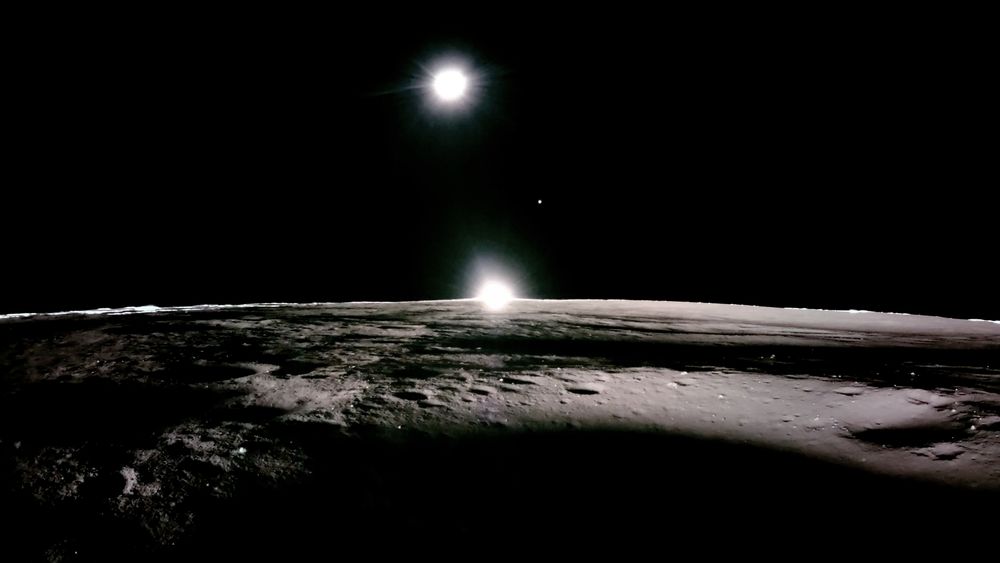
This is what Firefly's Blue Ghost lander saw as the Sun set on Sunday.
The Sun is the bright lightsource at the horizon.
At top is Earth (you can't quite tell it's gibbous).
And that bright star between the two is Venus. I have never seen a photo of Venus from the surface of the Moon before.
The Sun is the bright lightsource at the horizon.
At top is Earth (you can't quite tell it's gibbous).
And that bright star between the two is Venus. I have never seen a photo of Venus from the surface of the Moon before.
March 18, 2025 at 7:54 PM
This is what Firefly's Blue Ghost lander saw as the Sun set on Sunday.
The Sun is the bright lightsource at the horizon.
At top is Earth (you can't quite tell it's gibbous).
And that bright star between the two is Venus. I have never seen a photo of Venus from the surface of the Moon before.
The Sun is the bright lightsource at the horizon.
At top is Earth (you can't quite tell it's gibbous).
And that bright star between the two is Venus. I have never seen a photo of Venus from the surface of the Moon before.
Reposted by Ben Bradley
Laika was a stray dog who became the first living creature to orbit Earth.
Launched aboard Sputnik 2 in 1957, her mission provided data on the effects of space travel on living organisms, ultimately paving the way for human spaceflight.
Unfortunately Laika did not survive.
Launched aboard Sputnik 2 in 1957, her mission provided data on the effects of space travel on living organisms, ultimately paving the way for human spaceflight.
Unfortunately Laika did not survive.

March 9, 2025 at 5:22 PM
Laika was a stray dog who became the first living creature to orbit Earth.
Launched aboard Sputnik 2 in 1957, her mission provided data on the effects of space travel on living organisms, ultimately paving the way for human spaceflight.
Unfortunately Laika did not survive.
Launched aboard Sputnik 2 in 1957, her mission provided data on the effects of space travel on living organisms, ultimately paving the way for human spaceflight.
Unfortunately Laika did not survive.
Reposted by Ben Bradley
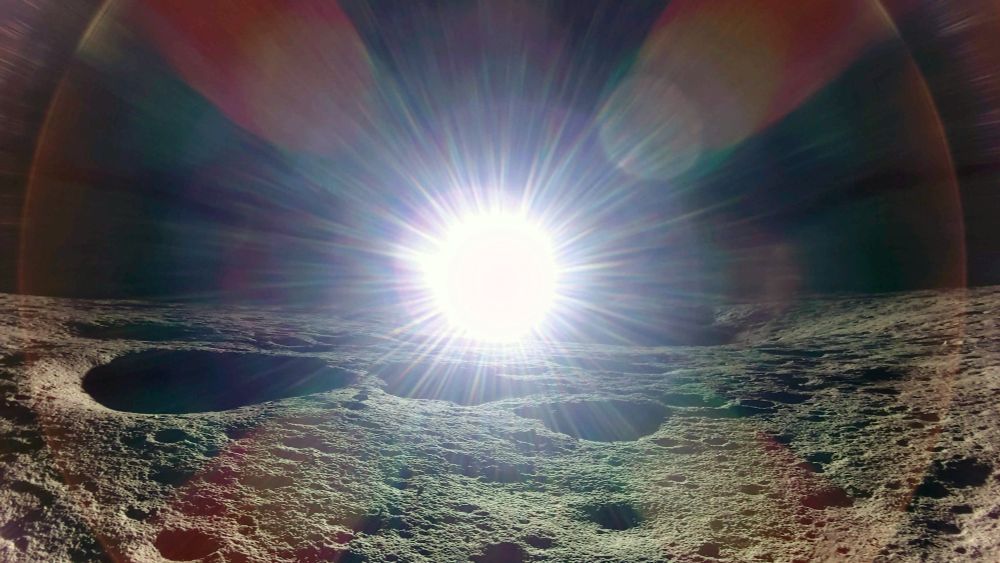
This is what sunrise looks like on the Moon.
Photo taken by the Firefly Aerospace Blue Ghost lander in Mare Crisium yesterday, 3 March 2025.
Photo taken by the Firefly Aerospace Blue Ghost lander in Mare Crisium yesterday, 3 March 2025.
March 4, 2025 at 3:36 PM
This is what sunrise looks like on the Moon.
Photo taken by the Firefly Aerospace Blue Ghost lander in Mare Crisium yesterday, 3 March 2025.
Photo taken by the Firefly Aerospace Blue Ghost lander in Mare Crisium yesterday, 3 March 2025.
Reposted by Ben Bradley
We live in an age when commercial spacecraft are flying around the Moon and we're getting views of our homeworld like this one.
Simply incredible.
View from Firefly Aerospace's Blue Ghost lander, scheduled to touch down Sunday in Mare Crisium on the Moon!
Credit: @firefly-aerospace.bsky.social
Simply incredible.
View from Firefly Aerospace's Blue Ghost lander, scheduled to touch down Sunday in Mare Crisium on the Moon!
Credit: @firefly-aerospace.bsky.social
February 24, 2025 at 3:46 PM
We live in an age when commercial spacecraft are flying around the Moon and we're getting views of our homeworld like this one.
Simply incredible.
View from Firefly Aerospace's Blue Ghost lander, scheduled to touch down Sunday in Mare Crisium on the Moon!
Credit: @firefly-aerospace.bsky.social
Simply incredible.
View from Firefly Aerospace's Blue Ghost lander, scheduled to touch down Sunday in Mare Crisium on the Moon!
Credit: @firefly-aerospace.bsky.social
Reposted by Ben Bradley
This is a solar eclipse.
Seen from Earth orbit by the Solar Dynamics Observatory on 29 June 2022.
Look closely and you can see the mountains along the Moon's edge.
Seen from Earth orbit by the Solar Dynamics Observatory on 29 June 2022.
Look closely and you can see the mountains along the Moon's edge.

February 15, 2025 at 3:00 AM
This is a solar eclipse.
Seen from Earth orbit by the Solar Dynamics Observatory on 29 June 2022.
Look closely and you can see the mountains along the Moon's edge.
Seen from Earth orbit by the Solar Dynamics Observatory on 29 June 2022.
Look closely and you can see the mountains along the Moon's edge.
Reposted by Ben Bradley
The surface of Mars, seen Wednesday, 8 January 2025.

January 17, 2025 at 11:43 PM
The surface of Mars, seen Wednesday, 8 January 2025.