



Jocelyn Bosse
@jocelynbos.se
Researching intellectual property and plants, food, and agriculture 🌿
Lecturer at Queen's University Belfast
🏳️🌈 she / her
Lecturer at Queen's University Belfast
🏳️🌈 she / her
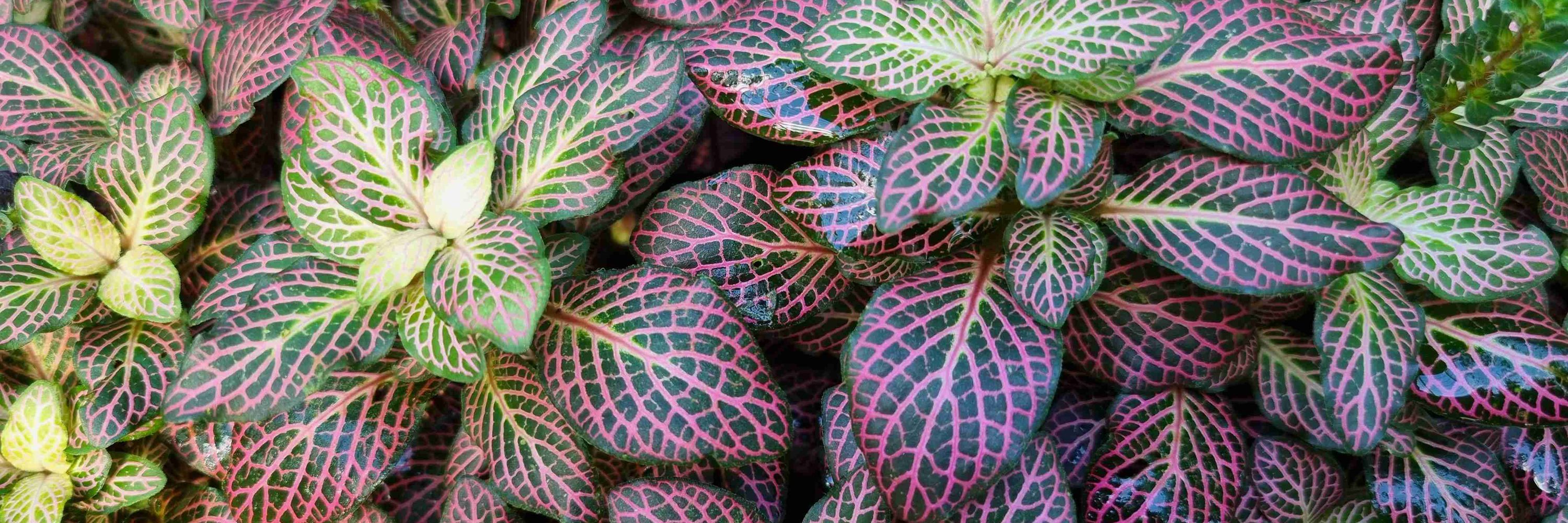
Caladium plant named 'UF-15-131'
US #PlantPatent No. 37,218 (granted today)
The variety is distinguished by its deep red-purple blotches and tolerance to leaf sunburn when grown outside, as well as disease resistance, amongst other features.
US #PlantPatent No. 37,218 (granted today)
The variety is distinguished by its deep red-purple blotches and tolerance to leaf sunburn when grown outside, as well as disease resistance, amongst other features.


January 13, 2026 at 4:46 PM
Caladium plant named 'UF-15-131'
US #PlantPatent No. 37,218 (granted today)
The variety is distinguished by its deep red-purple blotches and tolerance to leaf sunburn when grown outside, as well as disease resistance, amongst other features.
US #PlantPatent No. 37,218 (granted today)
The variety is distinguished by its deep red-purple blotches and tolerance to leaf sunburn when grown outside, as well as disease resistance, amongst other features.
Hubbard was able to convince the Society that he had a PhD in nuclear physics and they even made him a member of their “Scientific Advisory Board.”
He'd attach an E-Meter, then stab the fruit with a nail or tear off some leaves to show that the plants were "feeling pain."
He'd attach an E-Meter, then stab the fruit with a nail or tear off some leaves to show that the plants were "feeling pain."

January 11, 2026 at 11:57 AM
Hubbard was able to convince the Society that he had a PhD in nuclear physics and they even made him a member of their “Scientific Advisory Board.”
He'd attach an E-Meter, then stab the fruit with a nail or tear off some leaves to show that the plants were "feeling pain."
He'd attach an E-Meter, then stab the fruit with a nail or tear off some leaves to show that the plants were "feeling pain."
Having some weekend fun reading about atomic gardening (the use of radiation to induce mutations in plants).
I totally forgot that L. Ron Hubbard was part of the British Atomic Gardening Society... that poor tomato...
I totally forgot that L. Ron Hubbard was part of the British Atomic Gardening Society... that poor tomato...

January 11, 2026 at 11:47 AM
Having some weekend fun reading about atomic gardening (the use of radiation to induce mutations in plants).
I totally forgot that L. Ron Hubbard was part of the British Atomic Gardening Society... that poor tomato...
I totally forgot that L. Ron Hubbard was part of the British Atomic Gardening Society... that poor tomato...
Pineapple plant named 'FR20966'
US #PlantPatent No. 37,193 (granted today)
The new variety is resistant to Fusarium guttiforme (also known as fruit rot) and has fewer spines compared to its parent varieties. The variety was bred in Brazil.
US #PlantPatent No. 37,193 (granted today)
The new variety is resistant to Fusarium guttiforme (also known as fruit rot) and has fewer spines compared to its parent varieties. The variety was bred in Brazil.


January 6, 2026 at 4:20 PM
Pineapple plant named 'FR20966'
US #PlantPatent No. 37,193 (granted today)
The new variety is resistant to Fusarium guttiforme (also known as fruit rot) and has fewer spines compared to its parent varieties. The variety was bred in Brazil.
US #PlantPatent No. 37,193 (granted today)
The new variety is resistant to Fusarium guttiforme (also known as fruit rot) and has fewer spines compared to its parent varieties. The variety was bred in Brazil.


December 30, 2025 at 2:59 PM

Petunia plant named 'KLEPH24734'
US #PlantPatent No. 37,167 (granted today)
The variety was a cross between 'KLEPH14245' (PP 27,045) and 'PH-2018-4744' (unpatented).
US #PlantPatent No. 37,167 (granted today)
The variety was a cross between 'KLEPH14245' (PP 27,045) and 'PH-2018-4744' (unpatented).

December 23, 2025 at 6:11 PM
Petunia plant named 'KLEPH24734'
US #PlantPatent No. 37,167 (granted today)
The variety was a cross between 'KLEPH14245' (PP 27,045) and 'PH-2018-4744' (unpatented).
US #PlantPatent No. 37,167 (granted today)
The variety was a cross between 'KLEPH14245' (PP 27,045) and 'PH-2018-4744' (unpatented).
Rose plant named 'ALTtiger'
US #PlantPatent 37,149 (granted today)
The variety was bred at the Altman Specialty Plants LLC nursery in California.
US #PlantPatent 37,149 (granted today)
The variety was bred at the Altman Specialty Plants LLC nursery in California.

December 16, 2025 at 3:15 PM
Rose plant named 'ALTtiger'
US #PlantPatent 37,149 (granted today)
The variety was bred at the Altman Specialty Plants LLC nursery in California.
US #PlantPatent 37,149 (granted today)
The variety was bred at the Altman Specialty Plants LLC nursery in California.
Poinsettia plant named ‘Doeupfayul’
US #PlantPatent 37,131 (granted today)
Under normal conditions, the variety starts flowering about November 19th in Southern California
US #PlantPatent 37,131 (granted today)
Under normal conditions, the variety starts flowering about November 19th in Southern California


December 9, 2025 at 3:17 PM
Poinsettia plant named ‘Doeupfayul’
US #PlantPatent 37,131 (granted today)
Under normal conditions, the variety starts flowering about November 19th in Southern California
US #PlantPatent 37,131 (granted today)
Under normal conditions, the variety starts flowering about November 19th in Southern California
Obliged as an Australian to bring up our funky packets for tomato sauce:

December 4, 2025 at 1:21 PM
Obliged as an Australian to bring up our funky packets for tomato sauce:
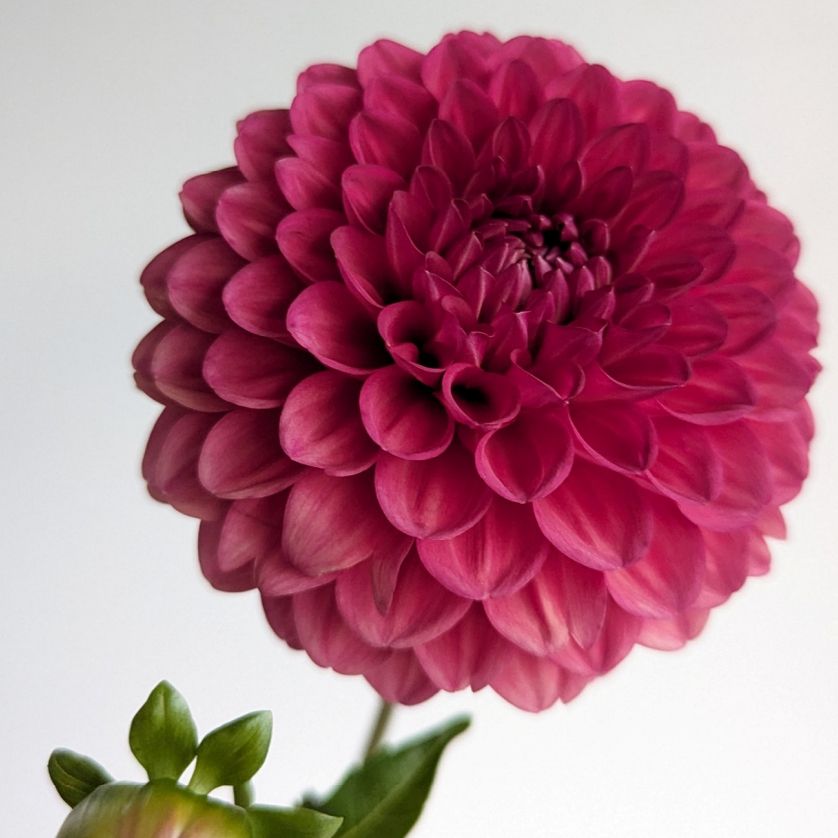
Allium plant named 'All The Buzz'
US #PlantPatent 37,117 (granted today)
The variety was the result of self-pollination of a variety named 'Millenium' (unpatented).
US #PlantPatent 37,117 (granted today)
The variety was the result of self-pollination of a variety named 'Millenium' (unpatented).


December 2, 2025 at 5:11 PM
Allium plant named 'All The Buzz'
US #PlantPatent 37,117 (granted today)
The variety was the result of self-pollination of a variety named 'Millenium' (unpatented).
US #PlantPatent 37,117 (granted today)
The variety was the result of self-pollination of a variety named 'Millenium' (unpatented).

November 25, 2025 at 7:23 PM
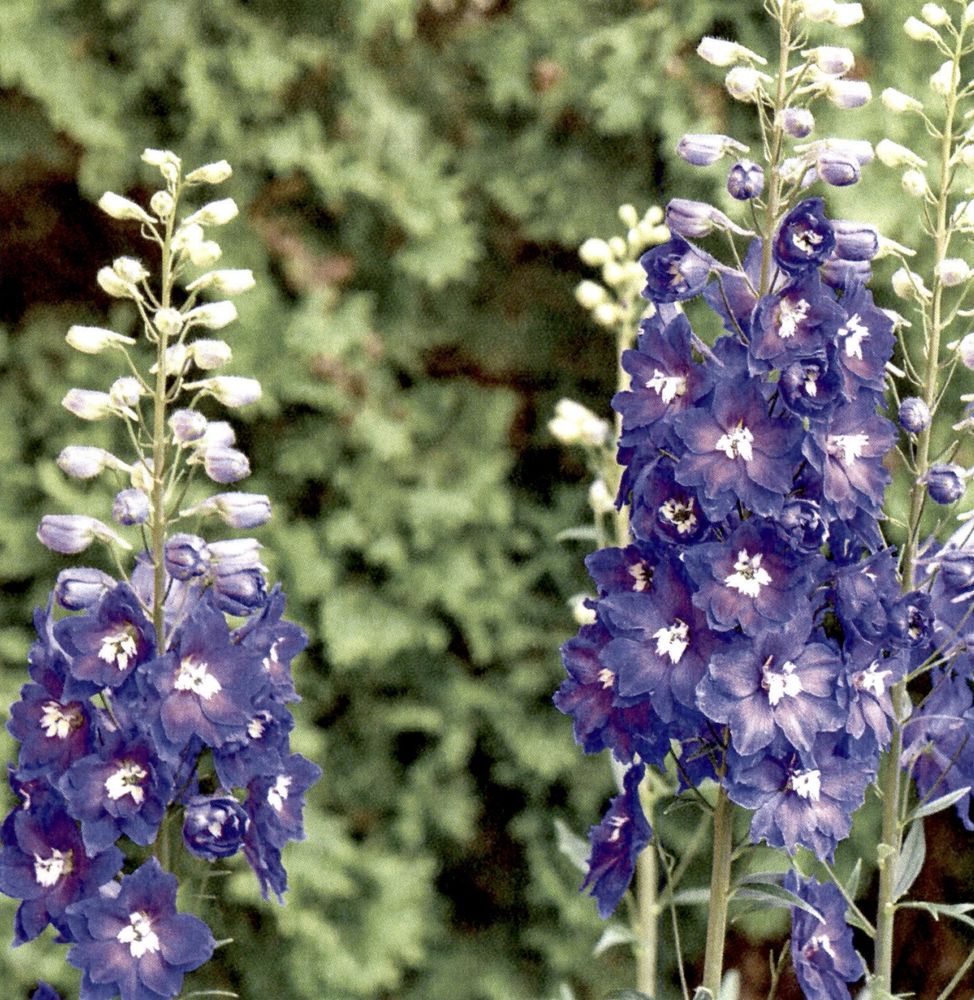
Delphinium plant named 'Violets Are Blue'
US #PlantPatent 37,102 (granted yesterday)
The variety was bred by Katrina Hindmarsh in Whanganui, New Zealand, in 2019. She's a former lawyer who purchased a delphinium business in 2017 and continued their breeding programme that started in the 1980s.
US #PlantPatent 37,102 (granted yesterday)
The variety was bred by Katrina Hindmarsh in Whanganui, New Zealand, in 2019. She's a former lawyer who purchased a delphinium business in 2017 and continued their breeding programme that started in the 1980s.

November 19, 2025 at 11:33 PM
Delphinium plant named 'Violets Are Blue'
US #PlantPatent 37,102 (granted yesterday)
The variety was bred by Katrina Hindmarsh in Whanganui, New Zealand, in 2019. She's a former lawyer who purchased a delphinium business in 2017 and continued their breeding programme that started in the 1980s.
US #PlantPatent 37,102 (granted yesterday)
The variety was bred by Katrina Hindmarsh in Whanganui, New Zealand, in 2019. She's a former lawyer who purchased a delphinium business in 2017 and continued their breeding programme that started in the 1980s.
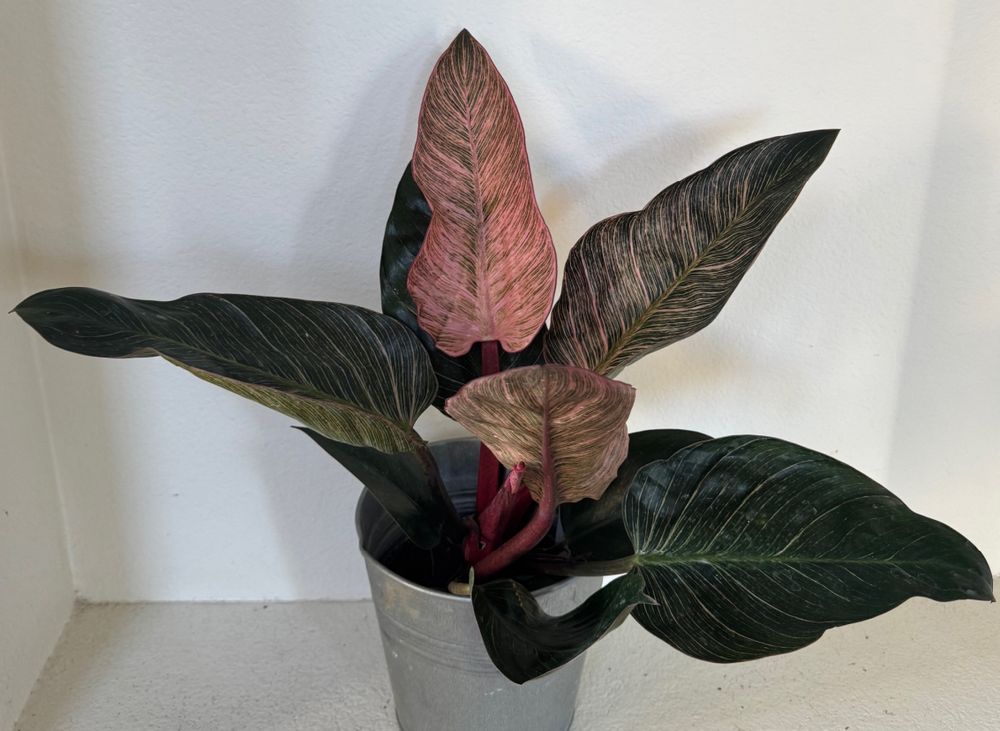
Philodendron plant named 'RCM2'
US #PlantPatent 37,095 (granted today)
The variety was a whole plant mutation from ‘Rojo Congo’ (PP 14,116), and is distinguished by the salmon pink (with dark green stripes) of its immature foliage, turning olive green with age.
US #PlantPatent 37,095 (granted today)
The variety was a whole plant mutation from ‘Rojo Congo’ (PP 14,116), and is distinguished by the salmon pink (with dark green stripes) of its immature foliage, turning olive green with age.

November 11, 2025 at 3:12 PM
Philodendron plant named 'RCM2'
US #PlantPatent 37,095 (granted today)
The variety was a whole plant mutation from ‘Rojo Congo’ (PP 14,116), and is distinguished by the salmon pink (with dark green stripes) of its immature foliage, turning olive green with age.
US #PlantPatent 37,095 (granted today)
The variety was a whole plant mutation from ‘Rojo Congo’ (PP 14,116), and is distinguished by the salmon pink (with dark green stripes) of its immature foliage, turning olive green with age.
Clematis plant named ‘EviGsy154’
US #PlantPatent 37,085 (granted today)
It was developed by Raymond J. Evison in Guernsey, the Channel Islands. I saw the variety on display at the RHS Chelsea Flower Show this year (third photo is mine), where it was shortlisted for the 'Plant of the Year' award.
US #PlantPatent 37,085 (granted today)
It was developed by Raymond J. Evison in Guernsey, the Channel Islands. I saw the variety on display at the RHS Chelsea Flower Show this year (third photo is mine), where it was shortlisted for the 'Plant of the Year' award.


November 4, 2025 at 3:47 PM
Clematis plant named ‘EviGsy154’
US #PlantPatent 37,085 (granted today)
It was developed by Raymond J. Evison in Guernsey, the Channel Islands. I saw the variety on display at the RHS Chelsea Flower Show this year (third photo is mine), where it was shortlisted for the 'Plant of the Year' award.
US #PlantPatent 37,085 (granted today)
It was developed by Raymond J. Evison in Guernsey, the Channel Islands. I saw the variety on display at the RHS Chelsea Flower Show this year (third photo is mine), where it was shortlisted for the 'Plant of the Year' award.
Nectarine tree named ‘Mike's Fire’
US #PlantPatent 37,064 (granted today)
The variety was the result of a cross between a proprietary variety named '184BA574' (unpatented) and ‘Magic Fire’ (PP 32,016). It was developed in California.
US #PlantPatent 37,064 (granted today)
The variety was the result of a cross between a proprietary variety named '184BA574' (unpatented) and ‘Magic Fire’ (PP 32,016). It was developed in California.

October 28, 2025 at 5:17 PM
Nectarine tree named ‘Mike's Fire’
US #PlantPatent 37,064 (granted today)
The variety was the result of a cross between a proprietary variety named '184BA574' (unpatented) and ‘Magic Fire’ (PP 32,016). It was developed in California.
US #PlantPatent 37,064 (granted today)
The variety was the result of a cross between a proprietary variety named '184BA574' (unpatented) and ‘Magic Fire’ (PP 32,016). It was developed in California.
Perennial peanut plant named 'Murphy's Pintoi'
US #PlantPatent 37,042 (granted today)
The variety is distinguished by its small leaves, infrequent flowering habit, dense foliage canopy, and other features. It was bred in Florida.
US #PlantPatent 37,042 (granted today)
The variety is distinguished by its small leaves, infrequent flowering habit, dense foliage canopy, and other features. It was bred in Florida.


October 21, 2025 at 1:54 PM
Perennial peanut plant named 'Murphy's Pintoi'
US #PlantPatent 37,042 (granted today)
The variety is distinguished by its small leaves, infrequent flowering habit, dense foliage canopy, and other features. It was bred in Florida.
US #PlantPatent 37,042 (granted today)
The variety is distinguished by its small leaves, infrequent flowering habit, dense foliage canopy, and other features. It was bred in Florida.
Wine grape variety named 'Norton Blanc'
US #PlantPatent 37,014 (granted today)
The variety is a cross between 'Cabernet Sauvignon' and 'Norton' grapevines. Bred at Missouri State University, the grapes are said to produce a unique white wine with the aroma of fresh spring grass or fresh-cut lime.
US #PlantPatent 37,014 (granted today)
The variety is a cross between 'Cabernet Sauvignon' and 'Norton' grapevines. Bred at Missouri State University, the grapes are said to produce a unique white wine with the aroma of fresh spring grass or fresh-cut lime.


October 14, 2025 at 1:27 PM
Wine grape variety named 'Norton Blanc'
US #PlantPatent 37,014 (granted today)
The variety is a cross between 'Cabernet Sauvignon' and 'Norton' grapevines. Bred at Missouri State University, the grapes are said to produce a unique white wine with the aroma of fresh spring grass or fresh-cut lime.
US #PlantPatent 37,014 (granted today)
The variety is a cross between 'Cabernet Sauvignon' and 'Norton' grapevines. Bred at Missouri State University, the grapes are said to produce a unique white wine with the aroma of fresh spring grass or fresh-cut lime.
Paeonia plant named 'Smithopus3'
US #PlantPatent 37,005 (granted today)
The variety was the result of a cross made in summer of 2011 in a backyard in Windham, New Hampshire.
US #PlantPatent 37,005 (granted today)
The variety was the result of a cross made in summer of 2011 in a backyard in Windham, New Hampshire.


October 7, 2025 at 5:28 PM
Paeonia plant named 'Smithopus3'
US #PlantPatent 37,005 (granted today)
The variety was the result of a cross made in summer of 2011 in a backyard in Windham, New Hampshire.
US #PlantPatent 37,005 (granted today)
The variety was the result of a cross made in summer of 2011 in a backyard in Windham, New Hampshire.
Achillea plant named 'Versred'
US #PlantPatent 36,989 (granted today)
The variety was bred by Janus Verschoor as part of a breeding programme in Haarlem, the Netherlands.
US #PlantPatent 36,989 (granted today)
The variety was bred by Janus Verschoor as part of a breeding programme in Haarlem, the Netherlands.


September 30, 2025 at 4:06 PM
Achillea plant named 'Versred'
US #PlantPatent 36,989 (granted today)
The variety was bred by Janus Verschoor as part of a breeding programme in Haarlem, the Netherlands.
US #PlantPatent 36,989 (granted today)
The variety was bred by Janus Verschoor as part of a breeding programme in Haarlem, the Netherlands.
Rose variety named 'AUSCP17960'
US #PlantPatent 36,974 (granted today)
It was bred by Carl Bennett of David Austin Roses, UK, and is sold as a wedding rose under the trademark Phoebe™.
US #PlantPatent 36,974 (granted today)
It was bred by Carl Bennett of David Austin Roses, UK, and is sold as a wedding rose under the trademark Phoebe™.


September 23, 2025 at 3:27 PM
Rose variety named 'AUSCP17960'
US #PlantPatent 36,974 (granted today)
It was bred by Carl Bennett of David Austin Roses, UK, and is sold as a wedding rose under the trademark Phoebe™.
US #PlantPatent 36,974 (granted today)
It was bred by Carl Bennett of David Austin Roses, UK, and is sold as a wedding rose under the trademark Phoebe™.
Cannabis sativa plant named ‘PTC8510V’
US #PlantPatent No. 36,958 (granted today)
The variety was developed in Portland, Oregon. It is distinguished by various traits, including its total cannabinoid content and its high THCV:THC ratio (i.e. lower levels of active THC).
US #PlantPatent No. 36,958 (granted today)
The variety was developed in Portland, Oregon. It is distinguished by various traits, including its total cannabinoid content and its high THCV:THC ratio (i.e. lower levels of active THC).


September 16, 2025 at 5:41 PM
Cannabis sativa plant named ‘PTC8510V’
US #PlantPatent No. 36,958 (granted today)
The variety was developed in Portland, Oregon. It is distinguished by various traits, including its total cannabinoid content and its high THCV:THC ratio (i.e. lower levels of active THC).
US #PlantPatent No. 36,958 (granted today)
The variety was developed in Portland, Oregon. It is distinguished by various traits, including its total cannabinoid content and its high THCV:THC ratio (i.e. lower levels of active THC).

September 9, 2025 at 4:25 PM
... and another one just because it made me laugh:
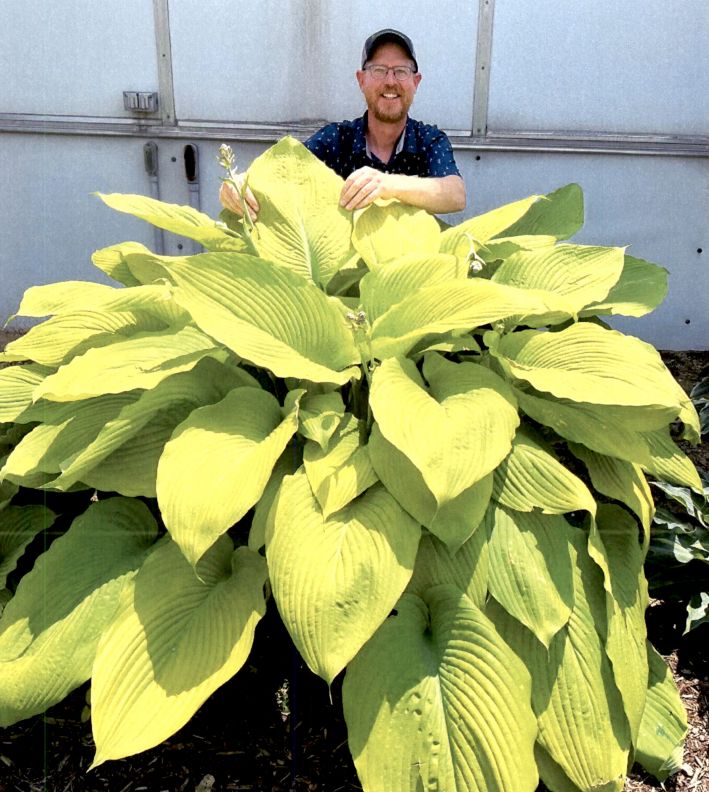
Hosta plant named ‘Humungousaurus’
US #PlantPatent 36,926 (granted this week)
Featuring my favourite phenomenon: when a breeder includes themself in the photo; bonus points if they're using their body as a scale reference for their giant variety.
Hosta plant named ‘Humungousaurus’
US #PlantPatent 36,926 (granted this week)
Featuring my favourite phenomenon: when a breeder includes themself in the photo; bonus points if they're using their body as a scale reference for their giant variety.

September 5, 2025 at 12:58 PM
... and another one just because it made me laugh:
Hosta plant named ‘Humungousaurus’
US #PlantPatent 36,926 (granted this week)
Featuring my favourite phenomenon: when a breeder includes themself in the photo; bonus points if they're using their body as a scale reference for their giant variety.
Hosta plant named ‘Humungousaurus’
US #PlantPatent 36,926 (granted this week)
Featuring my favourite phenomenon: when a breeder includes themself in the photo; bonus points if they're using their body as a scale reference for their giant variety.