




kameshiro
@kameshiro.fedibird.com.ap.brid.gy
ディープ千葉>ロンドン>東京>京都>ジュネーブ>神戸>NYCからインドネシアのバリ島に流れ着いて今は自称有閑バナナ農家。熱帯の暮らし、食べ物、植物、自転車乗り、一応 […]
[bridged from https://fedibird.com/@kameshiro on the fediverse by https://fed.brid.gy/ ]
[bridged from https://fedibird.com/@kameshiro on the fediverse by https://fed.brid.gy/ ]
ミャンマーカレーはもともと好物だけど、最近チェンマイで食べたkaeng hang leがやっぱり美味しかったのでチャレンジしてみた。
参考にしたのはチェンマイ大学が20年近く前に作ったランナ(タイ北部)料理のレシピ集 https://lannainfo.library.cmu.ac.th/en_lannafood/detail_lannafood.php?id_food=68
肉500gに対してシャロット3個、ニンニク3〜4個(3〜4かけではない)とバグっているように見えるけど指示通りに作ったら確かに美味い。
ミャンマー料理屋だと青マンゴーの漬物が混ざって出てくるけど、チェンセー […]
参考にしたのはチェンマイ大学が20年近く前に作ったランナ(タイ北部)料理のレシピ集 https://lannainfo.library.cmu.ac.th/en_lannafood/detail_lannafood.php?id_food=68
肉500gに対してシャロット3個、ニンニク3〜4個(3〜4かけではない)とバグっているように見えるけど指示通りに作ったら確かに美味い。
ミャンマー料理屋だと青マンゴーの漬物が混ざって出てくるけど、チェンセー […]
Original post on fedibird.com
fedibird.com
December 16, 2025 at 12:02 AM
ミャンマーカレーはもともと好物だけど、最近チェンマイで食べたkaeng hang leがやっぱり美味しかったのでチャレンジしてみた。
参考にしたのはチェンマイ大学が20年近く前に作ったランナ(タイ北部)料理のレシピ集 https://lannainfo.library.cmu.ac.th/en_lannafood/detail_lannafood.php?id_food=68
肉500gに対してシャロット3個、ニンニク3〜4個(3〜4かけではない)とバグっているように見えるけど指示通りに作ったら確かに美味い。
ミャンマー料理屋だと青マンゴーの漬物が混ざって出てくるけど、チェンセー […]
参考にしたのはチェンマイ大学が20年近く前に作ったランナ(タイ北部)料理のレシピ集 https://lannainfo.library.cmu.ac.th/en_lannafood/detail_lannafood.php?id_food=68
肉500gに対してシャロット3個、ニンニク3〜4個(3〜4かけではない)とバグっているように見えるけど指示通りに作ったら確かに美味い。
ミャンマー料理屋だと青マンゴーの漬物が混ざって出てくるけど、チェンセー […]
旅先でカタコトの現地語を使えるように少し勉強するようにしてるけど、来月のフィリピン行きに備え始めたらめちゃくちゃ面白い。
基本はオーストロネシア語族で馴染みのない語彙が多いんだけど、英語、スペイン語がかなり入っている上に「高い」「安くして」といった貿易用語にマレー語が混ざっている。
英語は公用語だし、スペイン語とインドネシア語を散りばめれば通じちゃいそうなので勉強する気は少し失せた
基本はオーストロネシア語族で馴染みのない語彙が多いんだけど、英語、スペイン語がかなり入っている上に「高い」「安くして」といった貿易用語にマレー語が混ざっている。
英語は公用語だし、スペイン語とインドネシア語を散りばめれば通じちゃいそうなので勉強する気は少し失せた
December 9, 2025 at 12:14 AM
旅先でカタコトの現地語を使えるように少し勉強するようにしてるけど、来月のフィリピン行きに備え始めたらめちゃくちゃ面白い。
基本はオーストロネシア語族で馴染みのない語彙が多いんだけど、英語、スペイン語がかなり入っている上に「高い」「安くして」といった貿易用語にマレー語が混ざっている。
英語は公用語だし、スペイン語とインドネシア語を散りばめれば通じちゃいそうなので勉強する気は少し失せた
基本はオーストロネシア語族で馴染みのない語彙が多いんだけど、英語、スペイン語がかなり入っている上に「高い」「安くして」といった貿易用語にマレー語が混ざっている。
英語は公用語だし、スペイン語とインドネシア語を散りばめれば通じちゃいそうなので勉強する気は少し失せた
昔の話だけど通い始めたばかりの英国の小学校で、フランス語の授業で生徒の名前をフランス風に呼び変える風習があった(たとえばマイケル→ミシェル)
僕は該当するフランス名がないのであろうことか「フランソワ」と命名され、子供ながらすごく怒ったのを覚えている。今なら嫌な理由はいくつも挙げられるけど、当時は英語もろくにできなかったのでフランソワと呼ばれても返事しないという抵抗をしたんじゃなかったかな
その結果この子にはフランス語は無理だ、ということになって別室で個別授業を受けてたような気がする
僕は該当するフランス名がないのであろうことか「フランソワ」と命名され、子供ながらすごく怒ったのを覚えている。今なら嫌な理由はいくつも挙げられるけど、当時は英語もろくにできなかったのでフランソワと呼ばれても返事しないという抵抗をしたんじゃなかったかな
その結果この子にはフランス語は無理だ、ということになって別室で個別授業を受けてたような気がする
November 23, 2025 at 11:14 PM
昔の話だけど通い始めたばかりの英国の小学校で、フランス語の授業で生徒の名前をフランス風に呼び変える風習があった(たとえばマイケル→ミシェル)
僕は該当するフランス名がないのであろうことか「フランソワ」と命名され、子供ながらすごく怒ったのを覚えている。今なら嫌な理由はいくつも挙げられるけど、当時は英語もろくにできなかったのでフランソワと呼ばれても返事しないという抵抗をしたんじゃなかったかな
その結果この子にはフランス語は無理だ、ということになって別室で個別授業を受けてたような気がする
僕は該当するフランス名がないのであろうことか「フランソワ」と命名され、子供ながらすごく怒ったのを覚えている。今なら嫌な理由はいくつも挙げられるけど、当時は英語もろくにできなかったのでフランソワと呼ばれても返事しないという抵抗をしたんじゃなかったかな
その結果この子にはフランス語は無理だ、ということになって別室で個別授業を受けてたような気がする
“Japan mostly invested in mediocrity”とは手厳しいですな。円がトルコリラよりも下がっているとはショートには嬉しいけど
https://asiatimes.com/2025/11/how-low-will-takaichis-japan-let-the-yen-go/
https://asiatimes.com/2025/11/how-low-will-takaichis-japan-let-the-yen-go/

Leaked DIA warning of Chinese spying imperils Saudi F-35 purchase
Anyone at Japan’s Ministry of Finance planning a year-end vacation spent Wednesday scouring airline and hotel cancellation rules. On that day, the yen plunged toward 155 to the dollar, all but ensuring currency intervention.
By now, currency traders are familiar with the routine surrounding yen weakness. Like clockwork on Wednesday (November 12), Japanese Finance Minister Satsuki Katayama was warning foreign exchange dealers not to test her resolve as the yen hit its lowest levels in nine months.
“We’re seeing one-sided, rapid currency moves of late,” Katayama told parliament, when asked about the negative consequences of the weak yen. “The government is watching for any excessive and disorderly moves with a high sense of urgency.”
Tokyo’s last foray into the currency markets was in July 2024, when the yen neared 160. What’s changed since then is the new Prime Minister Sanae Takaichi refocusing attention on boosting exports via a weaker yen.
This push has economists scaling back expectations for Bank of Japan rate hikes. In January, the BOJ raised rates to a 17-year high of 0.5%. That fueled expectations that the BOJ would finally succeed in normalizing rates that have been at, or near, zero since 1999.
Then came Donald Trump’s tariffs. The fallout from the US president’s trade war on Asia’s No 2 economy has kept BOJ Governor Kazuo Ueda on hold virtually all year. The odds of a tightening move on December 19 have dwindled even further with Takaichi’s arrival as Japanese leader.
That has traders thinking a drop past 160 is inevitable. Particularly as the Federal Reserve throttles back rate cuts as the US economy holds its ground despite Trump’s mercantilist shock therapy.
Count the ways a weaker yen might backfire on Tokyo. It might see Japan importing increased inflation at the moment when it’s already in the neighborhood of 3%, well above the BOJ’s 2% target. It also might enrage Team Trump, drawing even bigger tariffs.
But the bigger way it might undermine Japan Inc is fueling a fresh bull market in complacency. Only now are many MOF bureaucrats and CEOs realizing that a quarter century of manipulating the yen lower has done far more harm than good.
## Latest stories
### Leaked DIA warning of Chinese spying imperils Saudi F-35 purchase
### China’s investment drop highlights property-driven pressures
### China uses nuclear reactor technology to expand global influence
Sure, a weak yen boosted gross domestic product here and there. It also boosted corporate profits. But mostly it deadened the urgency for lawmakers to level playing fields and increase competitiveness. It took pressure off corporate CEOs to innovate, restructure, disrupt and boost productivity.
As the International Monetary Fund points out, “Japan’s total factor productivity growth has been slowing for a decade and has fallen further behind the United States. A steady decline in allocative efficiency since the early 2000s has been a drag on productivity, and likely reflects an increase in market frictions.”
What’s more, the IMF notes, “Japan’s ultra-low interest rates may have allowed low-productivity firms to survive longer than they otherwise would have, delaying necessary economic restructuring. Reforms aimed at improving labor mobility across firms would help improve Japan’s allocative efficiency and boost productivity.”
Unfortunately, Takaichi’s plan to revive Japan’s economy is more of the same. She’s a disciple of former Prime Minister Shinzo Abe, who from 2012-2020 sought to end deflation and restore Japanese growth and innovation. The so-called “Abenomics” that Takaichi is so keen to revive is the reason Japan is struggling amid the Chinese era.
Since 2015, when President Xi Jinping launched his “Made in China” initiative, Asia’s largest economy has invested significantly in artificial intelligence, robotics, biotechnology, electric vehicles, renewable energy, semiconductors, and other emerging technologies.
During that time, Japan mostly invested in mediocrity. Between the MOF intervening in currency markets and the BOJ hoarding government bonds and stocks, Tokyo spent the last decade making it acceptable for bureaucrats and corporate executives to avoid reform. Where’s Japan’s DeepSeek AI sensation? Or its BYD, taking the EV market by storm?
In September, real Japanese wages fell for the ninth consecutive month as inflation outpaced nominal pay. This wage-price gap problem complicates the BOJ rate hike plans. Raise rates too much and the BOJ gets blamed for the recession to come. Hike borrowing costs too slowly, and this year’s inflation becomes ingrained.
That month, average nominal wage, or total cash earnings, rose 1.9% year-on-year to 297,145 yen ($1,922). That was well short of a 3.4% jump in consumer prices in the same month. It’s a stark reminder that Tokyo’s 25-year-old weak-yen strategy is blowing up on Asia’s second-biggest economy in real time, leaving the currency on a downward path.
“The scale of yen depreciation in recent years is startling,” says Robin Brooks, economist at the Brookings Institution. “The yen has fallen more in real effective terms than the Turkish lira, which long held the distinction of being the weakest currency across the major markets. Indeed, since the end of 2019 – since just before Covid hit – only one currency, the Egyptian pound, has fallen more than the yen in real terms.”
Brooks adds that “not surprisingly, the scale of this depreciation has sparked debate on its drivers and how much further it can extend.” On some level, he explains, “yen weakness stems from Japan’s very high debt, which forces the bank to cap long-term government bond yields via open-ended bond buying.”
Ultimately, Brooks concludes, “Japan is a cautionary tale about letting debt rise unchecked. Countries can use their central banks to cap government bond yields, but that just transfers weak debt dynamics into currency depreciation.”
A big question is how China might react to renewed yen weakness. China is, after all, grappling with deflation. And prospects for a Chinese economy hitting intensifying headwinds.
## Sign up for one of our free newsletters
* The Daily Report Start your day right with Asia Times' top stories
* AT Weekly Report A weekly roundup of Asia Times' most-read stories
Sign up
China’s property crisis continues to deepen, denting business and household confidence. Deflationary pressures are mounting as local government finances deteriorate. Youth unemployment is at record highs.
Nothing would add an economic tailwind to the mix faster than a weaker Chinese exchange rate. The yen’s drop, a dynamic that’s drawing little outrage from the West so far, could give Xi the cover he believes he needs to drive the yuan lower.
Such a gambit would indeed shoulder-check world markets and quickly become a geopolitical flashpoint. This race to the bottom could provoke other Asian nations, too. Korea, the region’s No 4 economy, could use a pick-me-up via a weaker won. Singapore could use a similar exchange-rate-driven boost as domestic demand struggles.
The Southeast Asian economies at the center of the 1997-1998 financial crisis are also looking on warily. Neither Indonesia nor Thailand would be able to sit by if Beijing followed Tokyo’s lead on exchange rates. And, of course, the Trump White House is watching.
So are the bond markets. Carlos Casanova, economist at Union Bancaire Privée, notes that Takaichi’s “expansionary policies may also encounter challenges from cost-push inflation and rising Japanese government bond yields, which could constrain her ability to issue debt — thereby reducing the likelihood of a Liz Truss moment.”
Another worry: a continued drop would trigger intense yen volatility and the unwinding of the so-called “yen-carry trade.” Twenty-five years of holding rates at, or near, zero turned Japan into the globe’s top creditor nation.
For decades, investment funds borrowed cheaply in yen to bet on higher-yielding assets around the globe. As such, sudden yen moves slam markets virtually everywhere. It became one of the globe’s most crowded trades, one uniquely prone to sharp correction.
Between erratic US policy and the specter of a fresh borrowing binge in Japan, investors have many financial risks about which to be paranoid as 2025 staggers toward a close. In this context, the weak yen is good news for nobody.
_Follow William Pesek on X at @WilliamPesek_
### Sign up here to comment on Asia Times stories
Sign in with Google
Or
Sign up
Sign in to an existing account
Thank you for registering!
An account was already registered with this email. Please check your inbox for an authentication link.
* Click to share on X (Opens in new window) X
* Click to share on LinkedIn (Opens in new window) LinkedIn
* Click to share on Facebook (Opens in new window) Facebook
* Click to share on WhatsApp (Opens in new window) WhatsApp
* Click to share on Reddit (Opens in new window) Reddit
* Click to email a link to a friend (Opens in new window) Email
* Click to print (Opens in new window) Print
*
asiatimes.com
November 15, 2025 at 12:24 AM
“Japan mostly invested in mediocrity”とは手厳しいですな。円がトルコリラよりも下がっているとはショートには嬉しいけど
https://asiatimes.com/2025/11/how-low-will-takaichis-japan-let-the-yen-go/
https://asiatimes.com/2025/11/how-low-will-takaichis-japan-let-the-yen-go/

生簀の中に見慣れない不気味な生き物が…
肉を解凍しているようだ
肉を解凍しているようだ

November 2, 2025 at 12:37 PM
生簀の中に見慣れない不気味な生き物が…
肉を解凍しているようだ
肉を解凍しているようだ
Skytraxの空港ランキングは利用者の数が反映されてるだけで信用できないと思ってたけど、トップ100にJFKとニューアークが入っていてこりゃダメだと確信した。
個人的にはタイのスコータイ空港が世界一だと思う。写真は一つしかない搭乗ゲート
https://www.worldairportawards.com/worlds-top-100-airports-2025/
個人的にはタイのスコータイ空港が世界一だと思う。写真は一つしかない搭乗ゲート
https://www.worldairportawards.com/worlds-top-100-airports-2025/

October 20, 2025 at 10:47 PM
Skytraxの空港ランキングは利用者の数が反映されてるだけで信用できないと思ってたけど、トップ100にJFKとニューアークが入っていてこりゃダメだと確信した。
個人的にはタイのスコータイ空港が世界一だと思う。写真は一つしかない搭乗ゲート
https://www.worldairportawards.com/worlds-top-100-airports-2025/
個人的にはタイのスコータイ空港が世界一だと思う。写真は一つしかない搭乗ゲート
https://www.worldairportawards.com/worlds-top-100-airports-2025/
ふと気になったので調べてみたところ、飛行中の航空機内では場合によって①航空機の登録国②次の着陸国③通過中の領空の法律が適用されるらしい。つまり航空会社と経由地を選ぶのはやっぱり大事で、たとえばサウジ上空で酒を飲むのもダメなのね。勉強になった
https://simpleflying.com/which-countrys-laws-are-enforced-during-international-flights/
https://simpleflying.com/which-countrys-laws-are-enforced-during-international-flights/

Which Country's Laws Are Enforced During International Flights?
Looking at the different factors at play.
simpleflying.com
October 8, 2025 at 5:02 AM
ふと気になったので調べてみたところ、飛行中の航空機内では場合によって①航空機の登録国②次の着陸国③通過中の領空の法律が適用されるらしい。つまり航空会社と経由地を選ぶのはやっぱり大事で、たとえばサウジ上空で酒を飲むのもダメなのね。勉強になった
https://simpleflying.com/which-countrys-laws-are-enforced-during-international-flights/
https://simpleflying.com/which-countrys-laws-are-enforced-during-international-flights/
覆面レスラーみたいな犬おった

September 4, 2025 at 10:09 AM
覆面レスラーみたいな犬おった
シンガポール航空のセール、欧州行きが25,000マイルって魅力的だけど翌月中のフライト限定というのがいつもながらだめだなあ。旅行の計画は3〜4ヶ月前からという我が家とは相性が悪い
https://www.singaporeair.com/en_UK/sg/plan-travel/promotions/global/kf/kf-promo/kfescapes/
https://www.singaporeair.com/en_UK/sg/plan-travel/promotions/global/kf/kf-promo/kfescapes/
August 16, 2025 at 12:11 AM
シンガポール航空のセール、欧州行きが25,000マイルって魅力的だけど翌月中のフライト限定というのがいつもながらだめだなあ。旅行の計画は3〜4ヶ月前からという我が家とは相性が悪い
https://www.singaporeair.com/en_UK/sg/plan-travel/promotions/global/kf/kf-promo/kfescapes/
https://www.singaporeair.com/en_UK/sg/plan-travel/promotions/global/kf/kf-promo/kfescapes/
病院が廃棄したカルテがお菓子の包装紙に使われてた、といういかにもありそうな話。インドネシアもだけどタイも緩くて好ましい。
カルテで包まれてたというKhanom Tokyo、今度タイに行ったら食べてみたいぞ。もちろんパンダンクリーム入りのやつ
https://www.bangkokpost.com/thailand/general/3080090/hospital-fined-after-patient-files-used-as-snack-bags
カルテで包まれてたというKhanom Tokyo、今度タイに行ったら食べてみたいぞ。もちろんパンダンクリーム入りのやつ
https://www.bangkokpost.com/thailand/general/3080090/hospital-fined-after-patient-files-used-as-snack-bags

Hospital fined after patient files used as snack bags
A major private hospital in Thailand has been fined 1.2 million baht after paper patient records were found being used as snack bags, according to the country’s data protection watchdog.
www.bangkokpost.com
August 2, 2025 at 10:56 AM
病院が廃棄したカルテがお菓子の包装紙に使われてた、といういかにもありそうな話。インドネシアもだけどタイも緩くて好ましい。
カルテで包まれてたというKhanom Tokyo、今度タイに行ったら食べてみたいぞ。もちろんパンダンクリーム入りのやつ
https://www.bangkokpost.com/thailand/general/3080090/hospital-fined-after-patient-files-used-as-snack-bags
カルテで包まれてたというKhanom Tokyo、今度タイに行ったら食べてみたいぞ。もちろんパンダンクリーム入りのやつ
https://www.bangkokpost.com/thailand/general/3080090/hospital-fined-after-patient-files-used-as-snack-bags
そういえば少し前東京でこんなことがあった。
某駅前でヘッドホンをして歩いていた女性が鍵束を落とし、ちょうどすれ違った別の女性が気がついて声をかけたけど聞こえていないとわかるとそのまま歩き続けた。道の反対側にいた俺は走って鍵束を拾い、10mぐらい追いかけて手渡した。その人は「あ」という顔をして無言で受け取って去っていった。
朝で急いでいたのかもしれないけど二人のリアクションが何というか象徴的で色々考えさせらるものがあったな
某駅前でヘッドホンをして歩いていた女性が鍵束を落とし、ちょうどすれ違った別の女性が気がついて声をかけたけど聞こえていないとわかるとそのまま歩き続けた。道の反対側にいた俺は走って鍵束を拾い、10mぐらい追いかけて手渡した。その人は「あ」という顔をして無言で受け取って去っていった。
朝で急いでいたのかもしれないけど二人のリアクションが何というか象徴的で色々考えさせらるものがあったな
July 28, 2025 at 11:58 PM
そういえば少し前東京でこんなことがあった。
某駅前でヘッドホンをして歩いていた女性が鍵束を落とし、ちょうどすれ違った別の女性が気がついて声をかけたけど聞こえていないとわかるとそのまま歩き続けた。道の反対側にいた俺は走って鍵束を拾い、10mぐらい追いかけて手渡した。その人は「あ」という顔をして無言で受け取って去っていった。
朝で急いでいたのかもしれないけど二人のリアクションが何というか象徴的で色々考えさせらるものがあったな
某駅前でヘッドホンをして歩いていた女性が鍵束を落とし、ちょうどすれ違った別の女性が気がついて声をかけたけど聞こえていないとわかるとそのまま歩き続けた。道の反対側にいた俺は走って鍵束を拾い、10mぐらい追いかけて手渡した。その人は「あ」という顔をして無言で受け取って去っていった。
朝で急いでいたのかもしれないけど二人のリアクションが何というか象徴的で色々考えさせらるものがあったな
お得な旅行先ランキング、算出方法に異論はあるけど今年は東京が3位、バリが4位とは感慨深い https://www.postoffice.co.uk/travel-money/guides/holiday-money-report
Best Value Holiday Destinations 2025 | Holiday Money Report | Post Office
Meta description Find the best value travel destinations worldwide for 2025. The Post Office Holiday Money Report compares prices in 47 of the most popular resorts.
www.postoffice.co.uk
July 26, 2025 at 12:50 AM
お得な旅行先ランキング、算出方法に異論はあるけど今年は東京が3位、バリが4位とは感慨深い https://www.postoffice.co.uk/travel-money/guides/holiday-money-report
またもや旅先で靴が壊れた(2ヶ月ぶり4度目)

June 13, 2025 at 2:25 PM
またもや旅先で靴が壊れた(2ヶ月ぶり4度目)
バリのお寺にある彫刻といえばヒンドゥーの神様が普通だけど、自転車に乗ったオランダ人とか新しい時代の素材を割と自由に取り込む傾向がある。これは隣村のお寺の前に立つ日本兵と思しき石像。今まで何度も前を通ったのに気づかなかったのはそれだけ違和感がないということか

June 7, 2025 at 12:05 AM
バリのお寺にある彫刻といえばヒンドゥーの神様が普通だけど、自転車に乗ったオランダ人とか新しい時代の素材を割と自由に取り込む傾向がある。これは隣村のお寺の前に立つ日本兵と思しき石像。今まで何度も前を通ったのに気づかなかったのはそれだけ違和感がないということか
備蓄米放出って関税交渉とセットなんじゃないか
June 4, 2025 at 4:46 AM
備蓄米放出って関税交渉とセットなんじゃないか
荷物が届かない、あるいは違う住所の荷物が届くといったことはインドネシアあるあるだけど、今日の案件は新しい。住所は間違いなく我が家だけど受取人は知らない名前というパターンで、どこをどう間違えればこんなことが起きるのかいくら考えてもわからない
May 8, 2025 at 12:30 PM
荷物が届かない、あるいは違う住所の荷物が届くといったことはインドネシアあるあるだけど、今日の案件は新しい。住所は間違いなく我が家だけど受取人は知らない名前というパターンで、どこをどう間違えればこんなことが起きるのかいくら考えてもわからない
「ゴミ捨て禁止」の看板はそこらじゅうにあるけど、お寺の角にあるこいつは「ここは聖域です」と謳っているのでもしかすると効果があるかもしれない

January 27, 2025 at 2:12 AM
「ゴミ捨て禁止」の看板はそこらじゅうにあるけど、お寺の角にあるこいつは「ここは聖域です」と謳っているのでもしかすると効果があるかもしれない
これから旧正月で5連休という金曜日の午後、メインで使っているP銀行のサイトが落ちた。30分経っても戻らないからもう仕事してる人いないんじゃないか

January 24, 2025 at 5:58 AM
これから旧正月で5連休という金曜日の午後、メインで使っているP銀行のサイトが落ちた。30分経っても戻らないからもう仕事してる人いないんじゃないか
[イモムシの画像あり]
4日連続で氏族の祭礼があるので休暇中の庭師Aくんが鎌を持って現れた。ははあ、お供えを作るバナナの葉を採りに来たんだなと思いきや、
A「(庭の奥を指して)動物を…」
俺「(動物?オオミズトカゲでも狩るのか?)」 […]
[Original post on fedibird.com]
4日連続で氏族の祭礼があるので休暇中の庭師Aくんが鎌を持って現れた。ははあ、お供えを作るバナナの葉を採りに来たんだなと思いきや、
A「(庭の奥を指して)動物を…」
俺「(動物?オオミズトカゲでも狩るのか?)」 […]
[Original post on fedibird.com]

December 21, 2024 at 9:01 AM
[イモムシの画像あり]
4日連続で氏族の祭礼があるので休暇中の庭師Aくんが鎌を持って現れた。ははあ、お供えを作るバナナの葉を採りに来たんだなと思いきや、
A「(庭の奥を指して)動物を…」
俺「(動物?オオミズトカゲでも狩るのか?)」 […]
[Original post on fedibird.com]
4日連続で氏族の祭礼があるので休暇中の庭師Aくんが鎌を持って現れた。ははあ、お供えを作るバナナの葉を採りに来たんだなと思いきや、
A「(庭の奥を指して)動物を…」
俺「(動物?オオミズトカゲでも狩るのか?)」 […]
[Original post on fedibird.com]
大雨になると村の市場前の通りが冠水するのはいつものことだけど、今日はなぜかマンゴーが流れてきてて笑える

December 21, 2024 at 2:48 AM
大雨になると村の市場前の通りが冠水するのはいつものことだけど、今日はなぜかマンゴーが流れてきてて笑える
「10時から24時まで毎日営業(休業日を除く)」
バリの店はほぼどこも不定休だから、役には立たないけどこれはある意味正確な表現
バリの店はほぼどこも不定休だから、役には立たないけどこれはある意味正確な表現

December 19, 2024 at 11:37 AM
「10時から24時まで毎日営業(休業日を除く)」
バリの店はほぼどこも不定休だから、役には立たないけどこれはある意味正確な表現
バリの店はほぼどこも不定休だから、役には立たないけどこれはある意味正確な表現
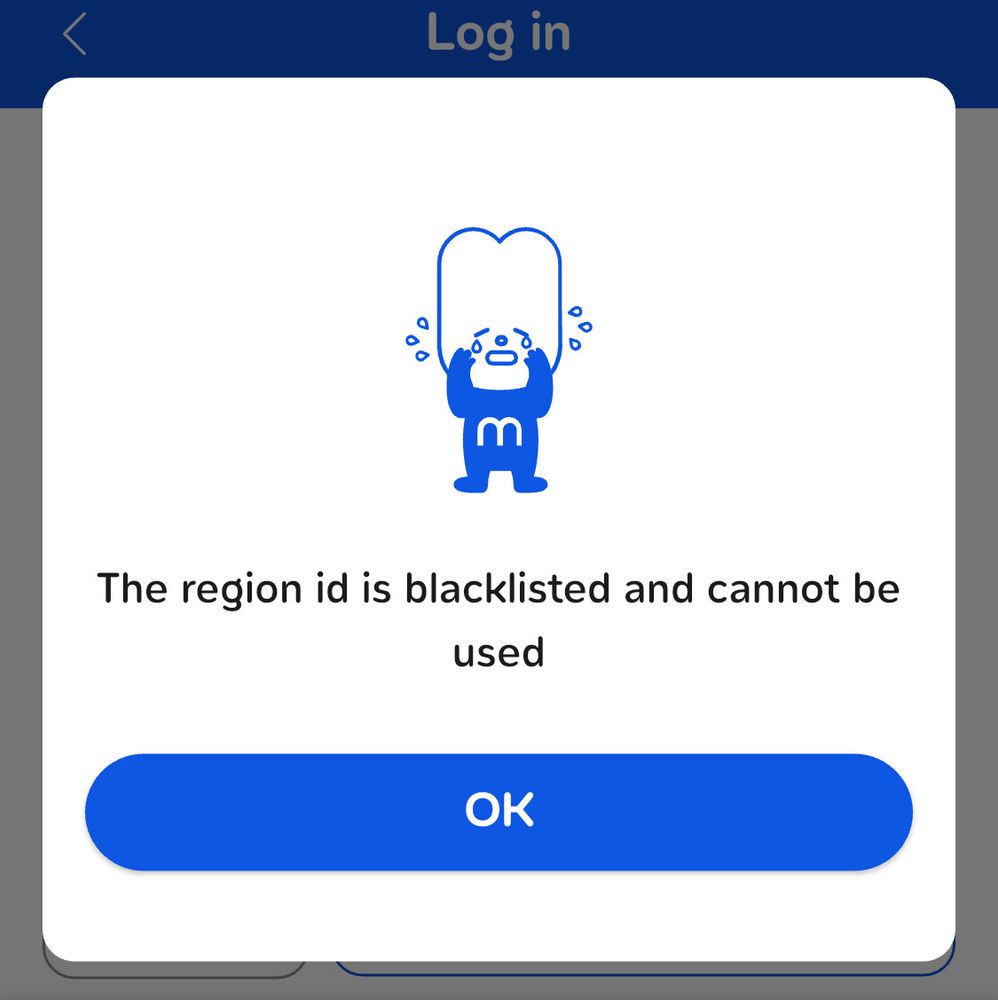
来週タイに行くのでがびさん @gaby みたいにMuvMiを乗り回してやろう、と思ったけど電話番号が登録できない。日本とアメリカの番号にはなぜかSMSが届かず、インドネシアはブラックリストされてる。まあ正直なのは評価できる
November 30, 2024 at 4:09 AM
来週タイに行くのでがびさん @gaby みたいにMuvMiを乗り回してやろう、と思ったけど電話番号が登録できない。日本とアメリカの番号にはなぜかSMSが届かず、インドネシアはブラックリストされてる。まあ正直なのは評価できる
@maxmelzer Hi Max, I just discovered Flyleaf, so I tried importing my Instapaper data but it failed with "error 0”. Any idea what could be wrong?
November 25, 2024 at 6:51 PM
@maxmelzer Hi Max, I just discovered Flyleaf, so I tried importing my Instapaper data but it failed with "error 0”. Any idea what could be wrong?
仕事で付き合いのあった米国務省や兵庫県庁の人たちを思うと辛い 😔
November 18, 2024 at 12:58 AM
仕事で付き合いのあった米国務省や兵庫県庁の人たちを思うと辛い 😔