



Kaylin
@kaylinchong.bsky.social
PhD Researcher @HarvardOEB | @OxfordBiology alum | Evolutionary biologist (functional morphology, feeding, 3D imaging)
Reposted by Kaylin
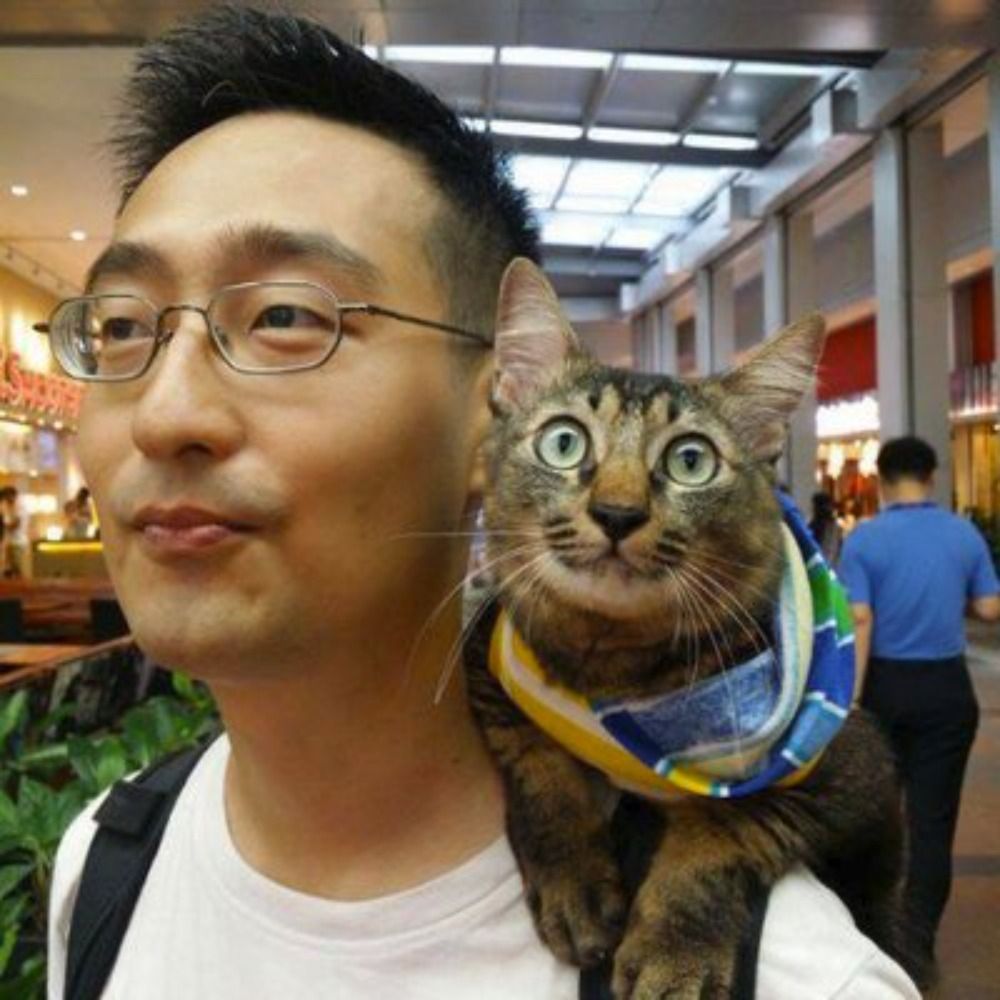
Oh, you're tired after taking care of your one kid for the entire day?

December 14, 2025 at 3:16 PM
Oh, you're tired after taking care of your one kid for the entire day?
Reposted by Kaylin
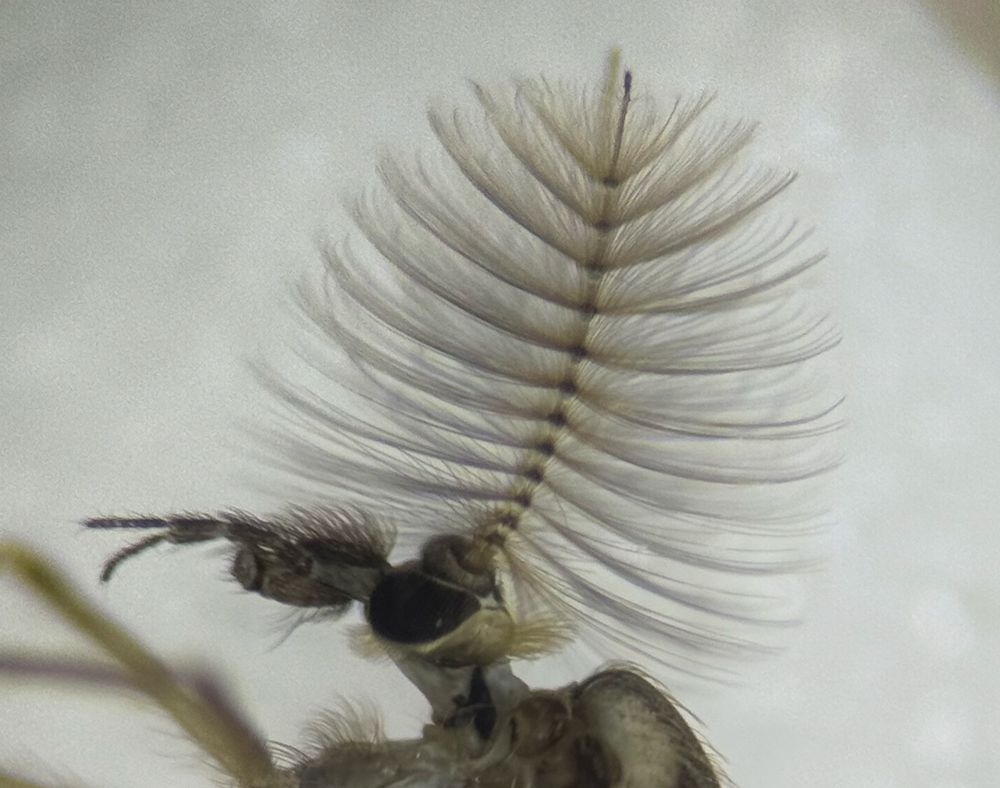
Day 13 #InsectAdvent & have you decorated the tree yet?
What about this tree? This in fact the hairy whorls of a male Chaoborid or Phantom midge’s antennae. Packed full of sensors, this ‘tree’ is more than a mere decoration
@royentsoc.bsky.social @dipterists.bsky.social
What about this tree? This in fact the hairy whorls of a male Chaoborid or Phantom midge’s antennae. Packed full of sensors, this ‘tree’ is more than a mere decoration
@royentsoc.bsky.social @dipterists.bsky.social
December 14, 2025 at 5:26 PM
Day 13 #InsectAdvent & have you decorated the tree yet?
What about this tree? This in fact the hairy whorls of a male Chaoborid or Phantom midge’s antennae. Packed full of sensors, this ‘tree’ is more than a mere decoration
@royentsoc.bsky.social @dipterists.bsky.social
What about this tree? This in fact the hairy whorls of a male Chaoborid or Phantom midge’s antennae. Packed full of sensors, this ‘tree’ is more than a mere decoration
@royentsoc.bsky.social @dipterists.bsky.social
Super thankful for the opportunity to share a bit more about this eccentric discovery!
The wonderful Melissa Mayer captures the story behind this fun find perfectly 🫶
The wonderful Melissa Mayer captures the story behind this fun find perfectly 🫶

An eel donated to a natural history museum in 1873 had two ticks embedded in its skin, making it the first known instance of ticks parasitizing a fish. But it was only first documented this year, when a tick specialist identified the ticks and reported the case in the Journal of Medical Entomology.

Ticks on an Eel: Museum Specimen is a First of its Kind
Two ticks found on an 1873 electric eel specimen mark the first recorded case of ticks parasitizing a fish—but only documented just this year.
entomologytoday.org
December 4, 2025 at 5:34 PM
Super thankful for the opportunity to share a bit more about this eccentric discovery!
The wonderful Melissa Mayer captures the story behind this fun find perfectly 🫶
The wonderful Melissa Mayer captures the story behind this fun find perfectly 🫶
Reposted by Kaylin

Rafflesia hasseltii: a plant seen more by tigers than people. Watching this flower open by night was the closest thing to magic:
November 19, 2025 at 1:36 AM
Rafflesia hasseltii: a plant seen more by tigers than people. Watching this flower open by night was the closest thing to magic:
Reposted by Kaylin
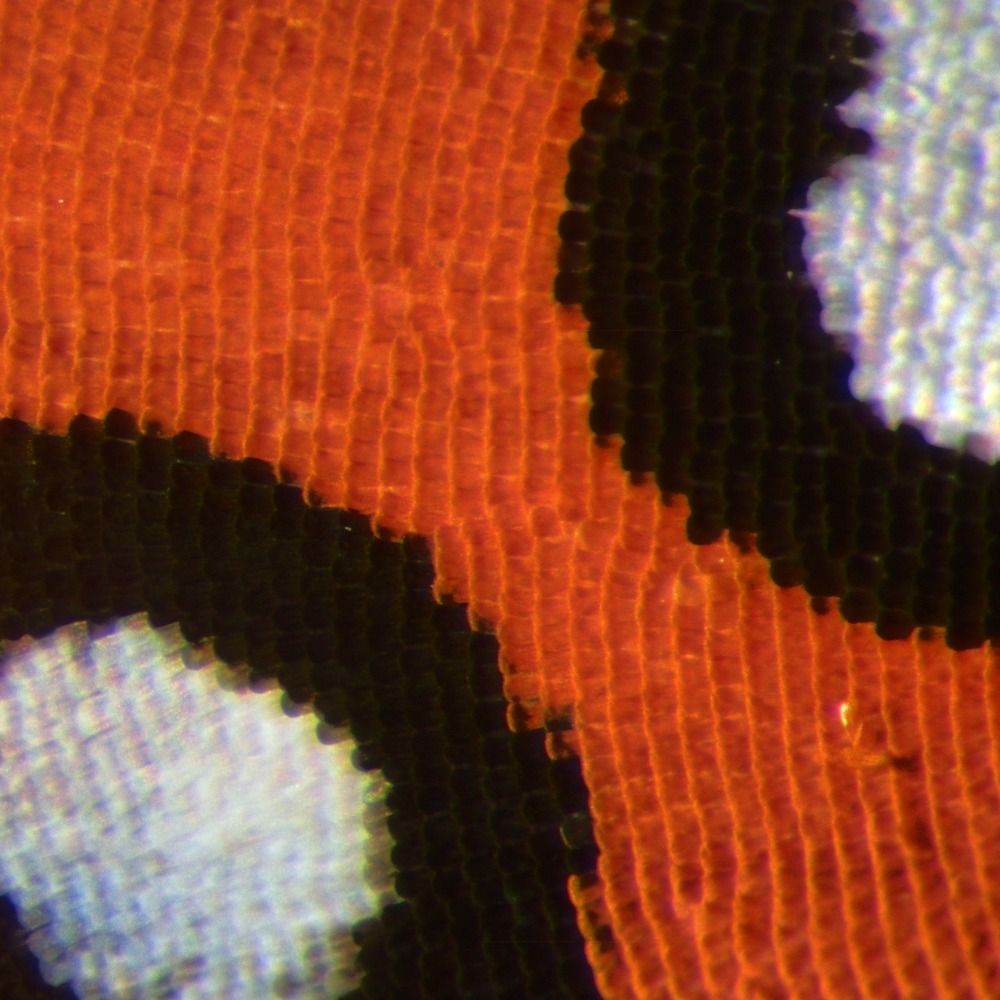
🚨New paper! 🚨
@jasminealqassar.bsky.social led this work on the silk glands of the pantry moth.
These two long tubes inside the caterpillar continuously make a ton of silk
How does this special organ work?
www.cell.com/iscience/ful...
@cp-iscience.bsky.social
🧵THREAD🧵
@jasminealqassar.bsky.social led this work on the silk glands of the pantry moth.
These two long tubes inside the caterpillar continuously make a ton of silk
How does this special organ work?
www.cell.com/iscience/ful...
@cp-iscience.bsky.social
🧵THREAD🧵
November 16, 2025 at 2:06 AM
🚨New paper! 🚨
@jasminealqassar.bsky.social led this work on the silk glands of the pantry moth.
These two long tubes inside the caterpillar continuously make a ton of silk
How does this special organ work?
www.cell.com/iscience/ful...
@cp-iscience.bsky.social
🧵THREAD🧵
@jasminealqassar.bsky.social led this work on the silk glands of the pantry moth.
These two long tubes inside the caterpillar continuously make a ton of silk
How does this special organ work?
www.cell.com/iscience/ful...
@cp-iscience.bsky.social
🧵THREAD🧵
Reposted by Kaylin

Do you work (/want to work) with caterpillars? Or sensory systems? Or BOTH?! Well good golly do we have the paper for you! We explain the senses that caterpillars have, what they use them for, and how anthropogenic sensory pollution might be messing it all up 🐛 doi.org/10.1007/s003...

The sensory ecology of caterpillars - Journal of Comparative Physiology A
Caterpillars (larval Lepidoptera) are one of the most ecologically and evolutionarily significant taxa on Earth. As both feeders and food, they shape the dynamics of enumerate ecosystems on land. Key ...
doi.org
November 10, 2025 at 3:24 PM
Do you work (/want to work) with caterpillars? Or sensory systems? Or BOTH?! Well good golly do we have the paper for you! We explain the senses that caterpillars have, what they use them for, and how anthropogenic sensory pollution might be messing it all up 🐛 doi.org/10.1007/s003...
Reposted by Kaylin

Imagine a drop of ancient resin. Inside is an insect, trapped for 53 million years, so well preserved it looks like it might twitch back into life. These amber fossils offer us a breath-taking glimpse into long vanished ecosystems.
But there’s a catch
But there’s a catch

November 6, 2025 at 11:34 AM
Imagine a drop of ancient resin. Inside is an insect, trapped for 53 million years, so well preserved it looks like it might twitch back into life. These amber fossils offer us a breath-taking glimpse into long vanished ecosystems.
But there’s a catch
But there’s a catch
🎃🕷️Tick or treat?
Just in time for spooky season... I found a tick on an electric eel in the MCZ collections.
Not even the fish are safe!
Check it out here: doi.org/10.1093/jme/...
Just in time for spooky season... I found a tick on an electric eel in the MCZ collections.
Not even the fish are safe!
Check it out here: doi.org/10.1093/jme/...

An eclectic encounter: ticks feeding on an electric eel and the untapped potential of natural history collections
Abstract. Parasites are quite likely the most diverse guild of species on earth. Nevertheless, they remain under-documented despite their impact on the hea
doi.org
October 29, 2025 at 5:05 PM
🎃🕷️Tick or treat?
Just in time for spooky season... I found a tick on an electric eel in the MCZ collections.
Not even the fish are safe!
Check it out here: doi.org/10.1093/jme/...
Just in time for spooky season... I found a tick on an electric eel in the MCZ collections.
Not even the fish are safe!
Check it out here: doi.org/10.1093/jme/...
Reposted by Kaylin

Reposting for the Monday morning scrollers! Funded PhD opportunity with me @multipleye-lab.bsky.social @bristolbiosci.bsky.social - spiders, their eyes, and their babies under long- and short-term light pollution!
Exciting times ahead - I'm beyond delighted to be joining @bristolbiosci.bsky.social in 2026! 🎉🕷️🎉🐌🎉
I'm also looking for a PhD student to join @multipleye-lab.bsky.social in our new home! Come and study the effects of light pollution on the evolution and development of spider eyes with us 🌃🕷️👀 👇
I'm also looking for a PhD student to join @multipleye-lab.bsky.social in our new home! Come and study the effects of light pollution on the evolution and development of spider eyes with us 🌃🕷️👀 👇
October 20, 2025 at 7:37 AM
Reposting for the Monday morning scrollers! Funded PhD opportunity with me @multipleye-lab.bsky.social @bristolbiosci.bsky.social - spiders, their eyes, and their babies under long- and short-term light pollution!