



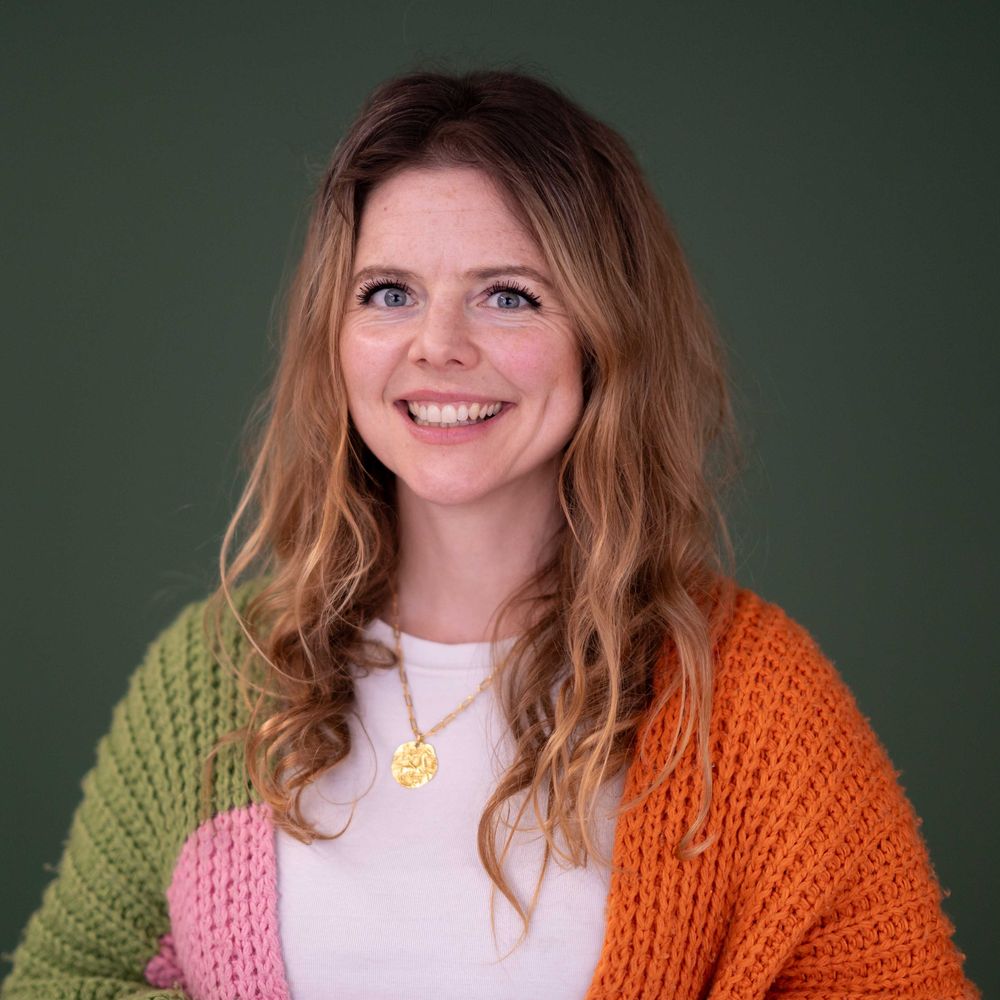
Elizabeth Gibney
@lizziegibney.bsky.social
Senior reporter at Nature, views my own. Journalist covering physics, AI, policy. Attempting to stop lurking and start posting.
See my stories at nature.com/news
See my stories at nature.com/news
...while wider Choose Europe schemes are attracting researchers (with @maxkozlov.bsky.social 👏)
www.nature.com/articles/d41...
BUT sources said this often means success rates get further squeezed. And measures need to be bigger (billions of euros, thousands of scientists) to really move the needle.
www.nature.com/articles/d41...
BUT sources said this often means success rates get further squeezed. And measures need to be bigger (billions of euros, thousands of scientists) to really move the needle.

Dozens of researchers will move to France from US following high-profile bid to lure talent
Large proportion worked at Columbia University, which had its grants cut and frozen by the administration of US President Donald Trump.
www.nature.com
February 12, 2026 at 10:04 AM
...while wider Choose Europe schemes are attracting researchers (with @maxkozlov.bsky.social 👏)
www.nature.com/articles/d41...
BUT sources said this often means success rates get further squeezed. And measures need to be bigger (billions of euros, thousands of scientists) to really move the needle.
www.nature.com/articles/d41...
BUT sources said this often means success rates get further squeezed. And measures need to be bigger (billions of euros, thousands of scientists) to really move the needle.
4/4 As for Pan, he says they'll soon launch a geostationary 🛰️ that will enable Q comms over 10,000km & host a wildly good optical clock (with a 'tick' fluctuating only at the 10^-19 level, more than 100x better than the ACES clock on the ISS!)
The era of quantum physics in space is well under way!
The era of quantum physics in space is well under way!
February 5, 2026 at 4:11 PM
4/4 As for Pan, he says they'll soon launch a geostationary 🛰️ that will enable Q comms over 10,000km & host a wildly good optical clock (with a 'tick' fluctuating only at the 10^-19 level, more than 100x better than the ACES clock on the ISS!)
The era of quantum physics in space is well under way!
The era of quantum physics in space is well under way!
3/4 The skies are now far from empty. Last year China launched a light quantum microsat & is planning a whole constellation www.nature.com/articles/d41...
Other quantum 🛰️ are set to fly. A UK-Singapore collab launched SpeQtre in Nov & both ESA and the Canadian Space Agency have missions in the works
Other quantum 🛰️ are set to fly. A UK-Singapore collab launched SpeQtre in Nov & both ESA and the Canadian Space Agency have missions in the works

Mini-satellite paves the way for quantum messaging anywhere on Earth
A Chinese team has transmitted quantum-encrypted images a record 12,900 kilometres.
www.nature.com
February 5, 2026 at 4:11 PM
3/4 The skies are now far from empty. Last year China launched a light quantum microsat & is planning a whole constellation www.nature.com/articles/d41...
Other quantum 🛰️ are set to fly. A UK-Singapore collab launched SpeQtre in Nov & both ESA and the Canadian Space Agency have missions in the works
Other quantum 🛰️ are set to fly. A UK-Singapore collab launched SpeQtre in Nov & both ESA and the Canadian Space Agency have missions in the works
2/4 Micius' fall was expected and controlled, its architect Jianwei Pan told me.
As well as allow secure communication across continents using QKD, in its extended life, researchers used the 🛰️ to test models of gravity-induced entanglement and to synchronise time from space.
As well as allow secure communication across continents using QKD, in its extended life, researchers used the 🛰️ to test models of gravity-induced entanglement and to synchronise time from space.
February 5, 2026 at 4:11 PM
2/4 Micius' fall was expected and controlled, its architect Jianwei Pan told me.
As well as allow secure communication across continents using QKD, in its extended life, researchers used the 🛰️ to test models of gravity-induced entanglement and to synchronise time from space.
As well as allow secure communication across continents using QKD, in its extended life, researchers used the 🛰️ to test models of gravity-induced entanglement and to synchronise time from space.
It's hard to do at a distance: ultrasound is very readily absorbed by the skull, so this technique requires an implant just beneath it (or to operate through a cranial window). We v briefly touch on ethical issues in the piece.
The story is available if you register with Nature (no fee required)
The story is available if you register with Nature (no fee required)
February 3, 2026 at 4:11 PM
It's hard to do at a distance: ultrasound is very readily absorbed by the skull, so this technique requires an implant just beneath it (or to operate through a cranial window). We v briefly touch on ethical issues in the piece.
The story is available if you register with Nature (no fee required)
The story is available if you register with Nature (no fee required)
Very happy you're happy Phil! If the international year of quantum physics taught me anything, it's that most physicists don't think that particles are actually in two places at once (although of course, some still do 😃)
January 22, 2026 at 11:28 AM
Very happy you're happy Phil! If the international year of quantum physics taught me anything, it's that most physicists don't think that particles are actually in two places at once (although of course, some still do 😃)
Hear more about this from first author Sebastian Pedalino on the Nature pod @naturepodcast.bsky.social (including exactly when the team predicts that physicists will be able to do this with a real cat 😉🙀)
www.nature.com/articles/d41...
🧪⚛️
www.nature.com/articles/d41...
🧪⚛️

The biggest ‘Schrödinger’s cat’ yet — physicists put 7,000 atoms in superposition
Hear the biggest stories from the world of science | 21 January 2026
www.nature.com
January 22, 2026 at 10:44 AM
Hear more about this from first author Sebastian Pedalino on the Nature pod @naturepodcast.bsky.social (including exactly when the team predicts that physicists will be able to do this with a real cat 😉🙀)
www.nature.com/articles/d41...
🧪⚛️
www.nature.com/articles/d41...
🧪⚛️
Well indeed. It only really makes sense in more varied environments/jobs where flexibility is needed. Some I spoke to said that a surprising number of jobs in a factory are still done by people — and it’s these more flexible roles humanoids could do. But it seems mostly a stepping stone
January 18, 2026 at 10:05 AM
Well indeed. It only really makes sense in more varied environments/jobs where flexibility is needed. Some I spoke to said that a surprising number of jobs in a factory are still done by people — and it’s these more flexible roles humanoids could do. But it seems mostly a stepping stone
But the technical, safety and ethical hurdles to taking them out of the relatively safe and structured environment of a factory and into the real world & doing general tasks, are HUGE!
We remain a long, long way from having humanoid housekeepers (if we want them at all) 🧪🤖
We remain a long, long way from having humanoid housekeepers (if we want them at all) 🧪🤖
January 16, 2026 at 5:08 PM
But the technical, safety and ethical hurdles to taking them out of the relatively safe and structured environment of a factory and into the real world & doing general tasks, are HUGE!
We remain a long, long way from having humanoid housekeepers (if we want them at all) 🧪🤖
We remain a long, long way from having humanoid housekeepers (if we want them at all) 🧪🤖
AI is one of a handful of factors that has helped them to improve. But right now humanoids are not better than humans at... well anything much.
Still, it seems that factories are willing to trial them anyway, especially in China, hoping that they can learn on the job. 🧪🤖
Still, it seems that factories are willing to trial them anyway, especially in China, hoping that they can learn on the job. 🧪🤖
January 16, 2026 at 5:08 PM
AI is one of a handful of factors that has helped them to improve. But right now humanoids are not better than humans at... well anything much.
Still, it seems that factories are willing to trial them anyway, especially in China, hoping that they can learn on the job. 🧪🤖
Still, it seems that factories are willing to trial them anyway, especially in China, hoping that they can learn on the job. 🧪🤖