




Matt Ross
@mattrosswrites.bsky.social
Work in communications, journalism & research. Specialise in management, public policy and digital. Escape in cycling, mountains and music.
So a troubling discussion, but an enlightening one - and that's without adding McCarthy's views on the US yield curve, covered in the full article at www.globalgovernmentforum.com/the-four-ds-... 8/8
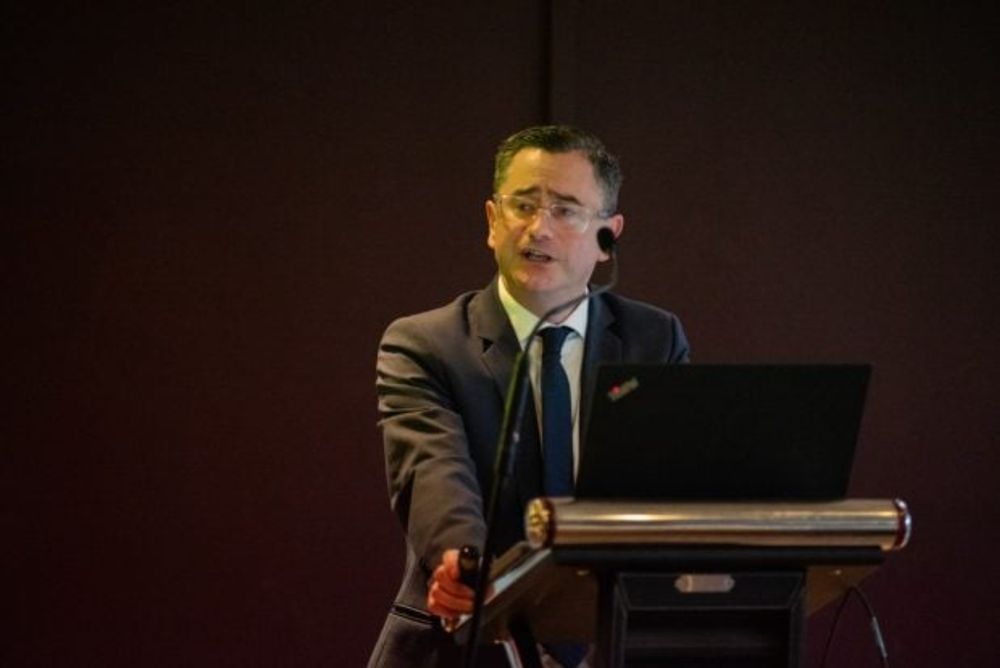
The ‘four Ds': Ireland’s chief economist spells out the major challenges governments face
At the Global Government Finance Summit, Ireland’s chief economist John McCarthy listed the ‘four Ds’: the structural challenges weakening growth and public finances both in Ireland and in other advan...
www.globalgovernmentforum.com
January 15, 2025 at 5:50 PM
So a troubling discussion, but an enlightening one - and that's without adding McCarthy's views on the US yield curve, covered in the full article at www.globalgovernmentforum.com/the-four-ds-... 8/8
Costello's 2nd D was Debt: many countries "have higher deficits, higher debt post-COVID. We need to rebuild our fiscal buffers, and the interest rate environment we face now is very different... So we face all these additional investment needs, but against much tougher fiscal constraints.” 7/8
January 15, 2025 at 5:48 PM
Costello's 2nd D was Debt: many countries "have higher deficits, higher debt post-COVID. We need to rebuild our fiscal buffers, and the interest rate environment we face now is very different... So we face all these additional investment needs, but against much tougher fiscal constraints.” 7/8
Declan Costello, deputy director-general of the European Commission’s Economic and Financial Affairs Directorate, suggested another two Ds - starting with Defence. “We have a war on the border of Europe. There is a clear need to augment our own capacity to defend ourselves”, he said. 6/8
January 15, 2025 at 5:47 PM
Declan Costello, deputy director-general of the European Commission’s Economic and Financial Affairs Directorate, suggested another two Ds - starting with Defence. “We have a war on the border of Europe. There is a clear need to augment our own capacity to defend ourselves”, he said. 6/8
D4 is Deglobalisation. Along with global turbulence & protectionism, subsidies threaten Ireland: it "can’t compete with the big boys in Europe in terms of being able to subsidise national champions... The potential unlevelling of the European Single Market... is something that I worry about.” 5/8
January 15, 2025 at 5:45 PM
D4 is Deglobalisation. Along with global turbulence & protectionism, subsidies threaten Ireland: it "can’t compete with the big boys in Europe in terms of being able to subsidise national champions... The potential unlevelling of the European Single Market... is something that I worry about.” 5/8
D3 is Digitalisation. “Will skilled labour benefit more than unskilled labour, or vice versa? Will the gains all be captured by the owners of capital? Will these technologies generate ‘winner takes all’ or ‘winner takes most’ dynamics?” Productivity gains don't necessarily benefit the workforce. 4/8
January 15, 2025 at 5:41 PM
D3 is Digitalisation. “Will skilled labour benefit more than unskilled labour, or vice versa? Will the gains all be captured by the owners of capital? Will these technologies generate ‘winner takes all’ or ‘winner takes most’ dynamics?” Productivity gains don't necessarily benefit the workforce. 4/8
D2 is Decarbonisation. This creates "stranded assets" by rendering fossil fuel infastructure & plant redundant, demands spending on new skills, and means finding new revenues to replace the 7% of government income generated by fossil fuel levies such as the carbon tax and motor fuel VAT. 3/8
January 15, 2025 at 5:40 PM
D2 is Decarbonisation. This creates "stranded assets" by rendering fossil fuel infastructure & plant redundant, demands spending on new skills, and means finding new revenues to replace the 7% of government income generated by fossil fuel levies such as the carbon tax and motor fuel VAT. 3/8
D1 is Demographics: "There are currently four people of working age supporting each retiree. That’s set to become three by the mid-part of the next decade, and two by the mid-part of the century,” he said. “Labour supply is set to dry up" -cutting underlying growth just as pension costs rise. 2/8
January 15, 2025 at 5:36 PM
D1 is Demographics: "There are currently four people of working age supporting each retiree. That’s set to become three by the mid-part of the next decade, and two by the mid-part of the century,” he said. “Labour supply is set to dry up" -cutting underlying growth just as pension costs rise. 2/8
The results are clear, with his Suffolk and North East Essex ICB creating radical new services in dentistry and primary care. One to watch: @nhsengland.bsky.social is currently drawing up its ICB ratings, expected in the coming weeks 🧵5/ends www.miphealth.org.uk/news/intervi...
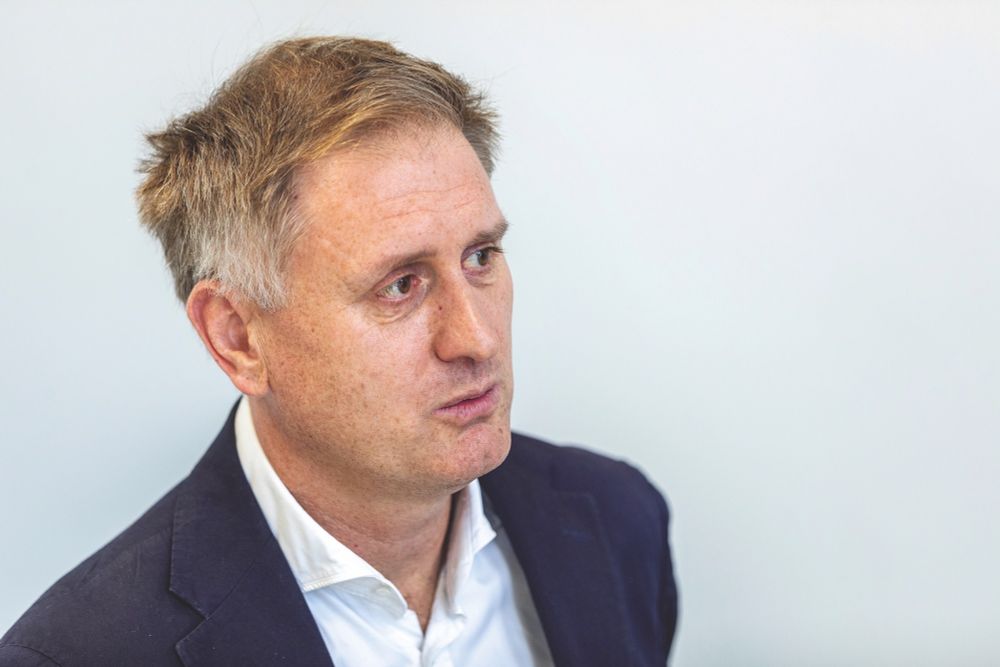
"Showing kindness and trust creates a virtuous circle – people respond well to that" - MIP
As chief executive of Suffolk and North East Essex, one of the England’s most highly rated integrated care boards, Ed Garratt has pioneered a radically different approach t0 leadership – one based aro...
www.miphealth.org.uk
December 18, 2024 at 4:18 PM
The results are clear, with his Suffolk and North East Essex ICB creating radical new services in dentistry and primary care. One to watch: @nhsengland.bsky.social is currently drawing up its ICB ratings, expected in the coming weeks 🧵5/ends www.miphealth.org.uk/news/intervi...
His focus on stimulating "followship" is a stark contrast with the approach of many ICBs, which create detailed strategies then cascade responsibilities down through the ICS. Rather than handing out individual tasks & holding people to account for delivery, he shows the goal & empowers staff. 🧵4
December 18, 2024 at 4:15 PM
His focus on stimulating "followship" is a stark contrast with the approach of many ICBs, which create detailed strategies then cascade responsibilities down through the ICS. Rather than handing out individual tasks & holding people to account for delivery, he shows the goal & empowers staff. 🧵4
Himself inspired by James Timpson, Garratt argues that “showing kindness and trust towards your staff creates a virtuous circle, because people respond well to that; and then they show those qualities with their staff and across organisational boundaries.” 🧵3
December 18, 2024 at 4:10 PM
Himself inspired by James Timpson, Garratt argues that “showing kindness and trust towards your staff creates a virtuous circle, because people respond well to that; and then they show those qualities with their staff and across organisational boundaries.” 🧵3
The "pace-setting, performance management style" of leadership is "one-dimensional" and counter-productive, Garratt believes: he instead seeks to link NHS & care staff to their communities - building identity and motivation - while showing how strategic changes will serve the public 🧵2
December 18, 2024 at 4:08 PM
The "pace-setting, performance management style" of leadership is "one-dimensional" and counter-productive, Garratt believes: he instead seeks to link NHS & care staff to their communities - building identity and motivation - while showing how strategic changes will serve the public 🧵2
V hard to assess right now whether claims are valid under the rules: do people face persecution, are their homes safe etc? Should become clearer soon, but right now we lack the info to resolve claims. So pausing them seems sensible until the dust settles.
December 10, 2024 at 3:16 PM
V hard to assess right now whether claims are valid under the rules: do people face persecution, are their homes safe etc? Should become clearer soon, but right now we lack the info to resolve claims. So pausing them seems sensible until the dust settles.
Much more in the interview, particularly on integrated care systems and leadership within the NHS. 🧵8/ends www.miphealth.org.uk/home/news-ca...
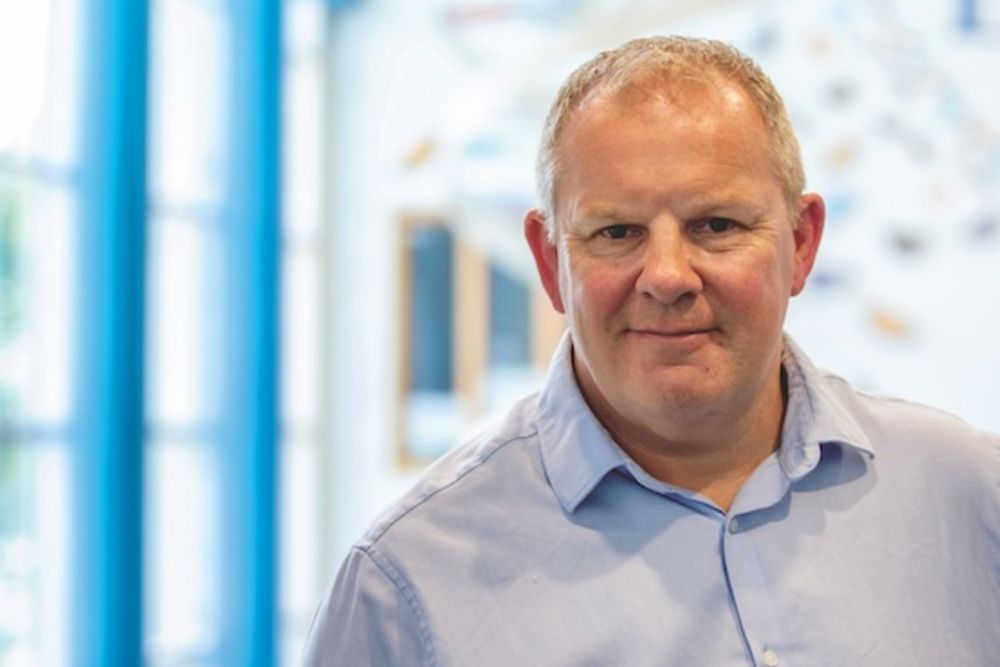
We need to give managers reasons to join the profession — not risks to avoid
Interview: Steve McManus, chief executive, Royal Berkshire NHS trust
www.miphealth.org.uk
December 6, 2024 at 4:25 PM
Much more in the interview, particularly on integrated care systems and leadership within the NHS. 🧵8/ends www.miphealth.org.uk/home/news-ca...
In this context, Streeting's line that he wants ”top talent attracted to [the] most challenging areas” while “persistently failing managers [will] be sacked” sounds awkward. If managers end up being sanctioned because their trusts are in trouble, nobody will want to take those tough jobs. 🧵7
December 6, 2024 at 4:22 PM
In this context, Streeting's line that he wants ”top talent attracted to [the] most challenging areas” while “persistently failing managers [will] be sacked” sounds awkward. If managers end up being sanctioned because their trusts are in trouble, nobody will want to take those tough jobs. 🧵7
If regulation comes “with a view of, ‘we’re going to regulate out the bad apples; we’re going to regulate out the incapable,’ without balancing that with development and support, then that will create a hugely negative context and risks driving out talent,” he says. 🧵6
December 6, 2024 at 4:20 PM
If regulation comes “with a view of, ‘we’re going to regulate out the bad apples; we’re going to regulate out the incapable,’ without balancing that with development and support, then that will create a hugely negative context and risks driving out talent,” he says. 🧵6
Point 2: McManus has won praise from @england.nhs.uk for improving management, & supports regulation of NHS managers - as backed by Wes Streeting. But he says it must "support the drive for high-quality management and leadership, professionalising it," rather than being used to beat managers up. 🧵5
December 6, 2024 at 4:19 PM
Point 2: McManus has won praise from @england.nhs.uk for improving management, & supports regulation of NHS managers - as backed by Wes Streeting. But he says it must "support the drive for high-quality management and leadership, professionalising it," rather than being used to beat managers up. 🧵5
In Keir Starmer's big speech yesterday, the NHS goal was all about waiting times. The reforms being championed by McManus should do that in time, by reducing demand. But if the NHS must focus on delivering treatments now, resources must stay with the trusts & these essential reforms will suffer. 🧵4
December 6, 2024 at 4:13 PM
In Keir Starmer's big speech yesterday, the NHS goal was all about waiting times. The reforms being championed by McManus should do that in time, by reducing demand. But if the NHS must focus on delivering treatments now, resources must stay with the trusts & these essential reforms will suffer. 🧵4
Asked how the new government can help trusts like his, he calls for longer-term capital funding; stability in political leadership and policy goals; and reform of primary care, giving trusts a single partner which which to coordinate reform. Just to note a couple of warning signs here... 🧵3
December 6, 2024 at 4:06 PM
Asked how the new government can help trusts like his, he calls for longer-term capital funding; stability in political leadership and policy goals; and reform of primary care, giving trusts a single partner which which to coordinate reform. Just to note a couple of warning signs here... 🧵3
This approach carries a risk for hard-pressed acute trusts, he knows: health leaders will have to find an approach that "moves that resource but doesn’t destabilise your acute organisations.” Yet it is essential: “If we continue in this way, we haven’t got a sustainable model of healthcare.” 🧵2
December 6, 2024 at 4:01 PM
This approach carries a risk for hard-pressed acute trusts, he knows: health leaders will have to find an approach that "moves that resource but doesn’t destabilise your acute organisations.” Yet it is essential: “If we continue in this way, we haven’t got a sustainable model of healthcare.” 🧵2
So he has a track record of delivering for v ambitious ministers; reconciling radicalism with pragmatism in CS reform; & promoting cross-govt collaboration on intractable social & financial issues. He also knows the NHS inside-out. That looks like a neat fit for Starmer's agenda. 🧵3/3
December 2, 2024 at 3:25 PM
So he has a track record of delivering for v ambitious ministers; reconciling radicalism with pragmatism in CS reform; & promoting cross-govt collaboration on intractable social & financial issues. He also knows the NHS inside-out. That looks like a neat fit for Starmer's agenda. 🧵3/3