



Natasha Goel
@natashagoel.bsky.social
PhD Candidate at University of Toronto. SSHRC-CGS funded. Thinking about thinking.
https://www.natasha-goel.com/
https://www.natasha-goel.com/
Reposted by Natasha Goel
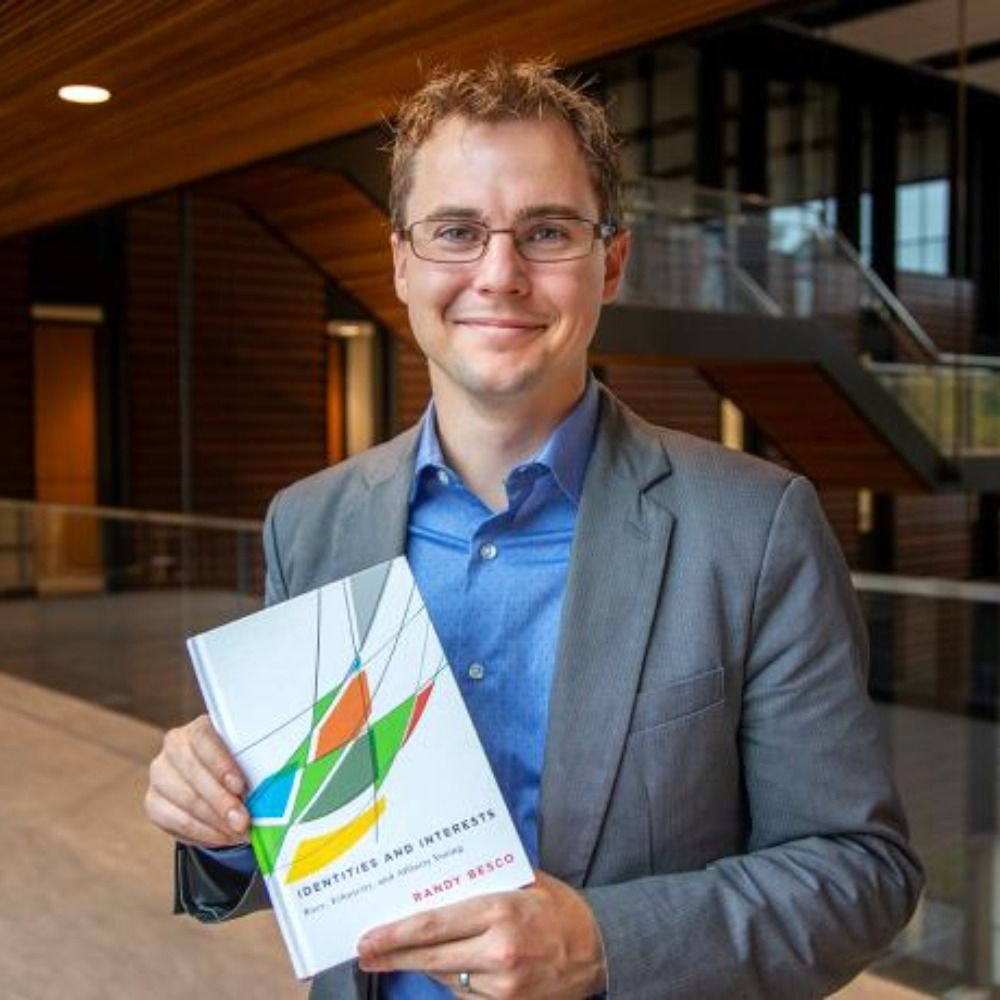
New work on on Immigration attitudes, out in @irpp.org with @natashagoel.bsky.social
We show dramatical increase in anti-immigration opinion in Canada over the past couple of years.
Its very different than previous shifts like in 1990s...
We show dramatical increase in anti-immigration opinion in Canada over the past couple of years.
Its very different than previous shifts like in 1990s...
In 2015, only 16% strongly agreed Canada had too much immigration. By 2024, that number doubled to 33%.
This IRPP paper by @randybesco.bsky.social and @natashagoel.bsky.social reveals a striking reversal in Canadians’ views on immigration: centre.irpp.org/research-stu...
This IRPP paper by @randybesco.bsky.social and @natashagoel.bsky.social reveals a striking reversal in Canadians’ views on immigration: centre.irpp.org/research-stu...

December 4, 2025 at 7:43 PM
New work on on Immigration attitudes, out in @irpp.org with @natashagoel.bsky.social
We show dramatical increase in anti-immigration opinion in Canada over the past couple of years.
Its very different than previous shifts like in 1990s...
We show dramatical increase in anti-immigration opinion in Canada over the past couple of years.
Its very different than previous shifts like in 1990s...
Reposted by Natasha Goel

In 2015, only 16% strongly agreed Canada had too much immigration. By 2024, that number doubled to 33%.
This IRPP paper by @randybesco.bsky.social and @natashagoel.bsky.social reveals a striking reversal in Canadians’ views on immigration: centre.irpp.org/research-stu...
This IRPP paper by @randybesco.bsky.social and @natashagoel.bsky.social reveals a striking reversal in Canadians’ views on immigration: centre.irpp.org/research-stu...
December 4, 2025 at 4:38 PM
In 2015, only 16% strongly agreed Canada had too much immigration. By 2024, that number doubled to 33%.
This IRPP paper by @randybesco.bsky.social and @natashagoel.bsky.social reveals a striking reversal in Canadians’ views on immigration: centre.irpp.org/research-stu...
This IRPP paper by @randybesco.bsky.social and @natashagoel.bsky.social reveals a striking reversal in Canadians’ views on immigration: centre.irpp.org/research-stu...
Reposted by Natasha Goel
Can ChatGPT change your mind? I wrote for @techpolicypress.bsky.social about what we find + where AI persuasion research should go from here:
How will trust in AI evolve? What can it really persuade us on? Will it reach resistant audiences?
How will trust in AI evolve? What can it really persuade us on? Will it reach resistant audiences?

Can conversations with ChatGPT reduce confidence in false beliefs held by both Democrats and Republicans? A new wave of research is exploring the persuasive potential of generative artificial intelligence platforms, Natasha Goel writes.

Can ChatGPT Change Your Mind? Perhaps, Studies Show | TechPolicy.Press
A new wave of research is exploring the persuasive potential of generative artificial intelligence platforms such as ChatGPT, Natasha Goel writes.
www.techpolicy.press
June 26, 2025 at 3:55 PM
Can ChatGPT change your mind? I wrote for @techpolicypress.bsky.social about what we find + where AI persuasion research should go from here:
How will trust in AI evolve? What can it really persuade us on? Will it reach resistant audiences?
How will trust in AI evolve? What can it really persuade us on? Will it reach resistant audiences?
Can ChatGPT change your mind? I wrote for @techpolicypress.bsky.social about what we find + where AI persuasion research should go from here:
How will trust in AI evolve? What can it really persuade us on? Will it reach resistant audiences?
How will trust in AI evolve? What can it really persuade us on? Will it reach resistant audiences?
Can conversations with ChatGPT reduce confidence in false beliefs held by both Democrats and Republicans? A new wave of research is exploring the persuasive potential of generative artificial intelligence platforms, Natasha Goel writes.
Can ChatGPT Change Your Mind? Perhaps, Studies Show | TechPolicy.Press
A new wave of research is exploring the persuasive potential of generative artificial intelligence platforms such as ChatGPT, Natasha Goel writes.
www.techpolicy.press
June 26, 2025 at 3:55 PM
Can ChatGPT change your mind? I wrote for @techpolicypress.bsky.social about what we find + where AI persuasion research should go from here:
How will trust in AI evolve? What can it really persuade us on? Will it reach resistant audiences?
How will trust in AI evolve? What can it really persuade us on? Will it reach resistant audiences?
Reposted by Natasha Goel

My first Foreign Policy essay is out - it examines the role of violence in Russia's military, which both creates docility in the face of meatgrinder tactics, and encourages increased violence towards fellow soldiers and Ukrainian prisoners of war and civilians. foreignpolicy.com/2025/04/09/r...

Why Don’t Russian Soldiers Revolt?
Astonishing death rates and brutal abuse have not kept troops from following orders.
foreignpolicy.com
April 9, 2025 at 8:23 AM
My first Foreign Policy essay is out - it examines the role of violence in Russia's military, which both creates docility in the face of meatgrinder tactics, and encourages increased violence towards fellow soldiers and Ukrainian prisoners of war and civilians. foreignpolicy.com/2025/04/09/r...
Reposted by Natasha Goel

Partisans often seem unwavering in their support for a politician/policy, even when faced with opposing evidence. But recent studies show that partisans can be persuaded. So how can both be true? My new @bjpols.bsky.social ky.social paper explores this Q: doi.org/10.1017/S000...

April 7, 2025 at 3:11 PM
Partisans often seem unwavering in their support for a politician/policy, even when faced with opposing evidence. But recent studies show that partisans can be persuaded. So how can both be true? My new @bjpols.bsky.social ky.social paper explores this Q: doi.org/10.1017/S000...
If you're at #MPSA2025 and interested in AI as a tool for persuasion, I will be presenting our paper comparing effects of AI and human source cues in reducing certainty in false beliefs on Saturday at 5:10pm (Political Knowledge, Palmer House 7th floor)
Pre-print: osf.io/preprints/os...
Pre-print: osf.io/preprints/os...


April 3, 2025 at 5:21 PM
If you're at #MPSA2025 and interested in AI as a tool for persuasion, I will be presenting our paper comparing effects of AI and human source cues in reducing certainty in false beliefs on Saturday at 5:10pm (Political Knowledge, Palmer House 7th floor)
Pre-print: osf.io/preprints/os...
Pre-print: osf.io/preprints/os...
Reposted by Natasha Goel
🚨 New paper out w/ @ericmerkley.bsky.social in Political Behavior, "The Nature of Online Talk: Incivility of Opposing Views and Affective Polarization"
Link to paper: link.springer.com/article/10.1...
Short thread below:
Link to paper: link.springer.com/article/10.1...
Short thread below:

December 27, 2024 at 7:55 PM
🚨 New paper out w/ @ericmerkley.bsky.social in Political Behavior, "The Nature of Online Talk: Incivility of Opposing Views and Affective Polarization"
Link to paper: link.springer.com/article/10.1...
Short thread below:
Link to paper: link.springer.com/article/10.1...
Short thread below:
🚨 New paper out w/ @ericmerkley.bsky.social in Political Behavior, "The Nature of Online Talk: Incivility of Opposing Views and Affective Polarization"
Link to paper: link.springer.com/article/10.1...
Short thread below:
Link to paper: link.springer.com/article/10.1...
Short thread below:
December 27, 2024 at 7:55 PM
🚨 New paper out w/ @ericmerkley.bsky.social in Political Behavior, "The Nature of Online Talk: Incivility of Opposing Views and Affective Polarization"
Link to paper: link.springer.com/article/10.1...
Short thread below:
Link to paper: link.springer.com/article/10.1...
Short thread below: