



Daniel Hill
@pastclimate.bsky.social
Palaeoclimate modeller | Earth system science | University of Leeds |
Institute of Climate and Atmospheric Science | Palaeo@Leeds
Institute of Climate and Atmospheric Science | Palaeo@Leeds
Reposted by Daniel Hill

Academics in Assyria in the 7th c BC complain that admin is preventing them from doing research and teaching

November 3, 2025 at 10:04 AM
Academics in Assyria in the 7th c BC complain that admin is preventing them from doing research and teaching
Reposted by Daniel Hill
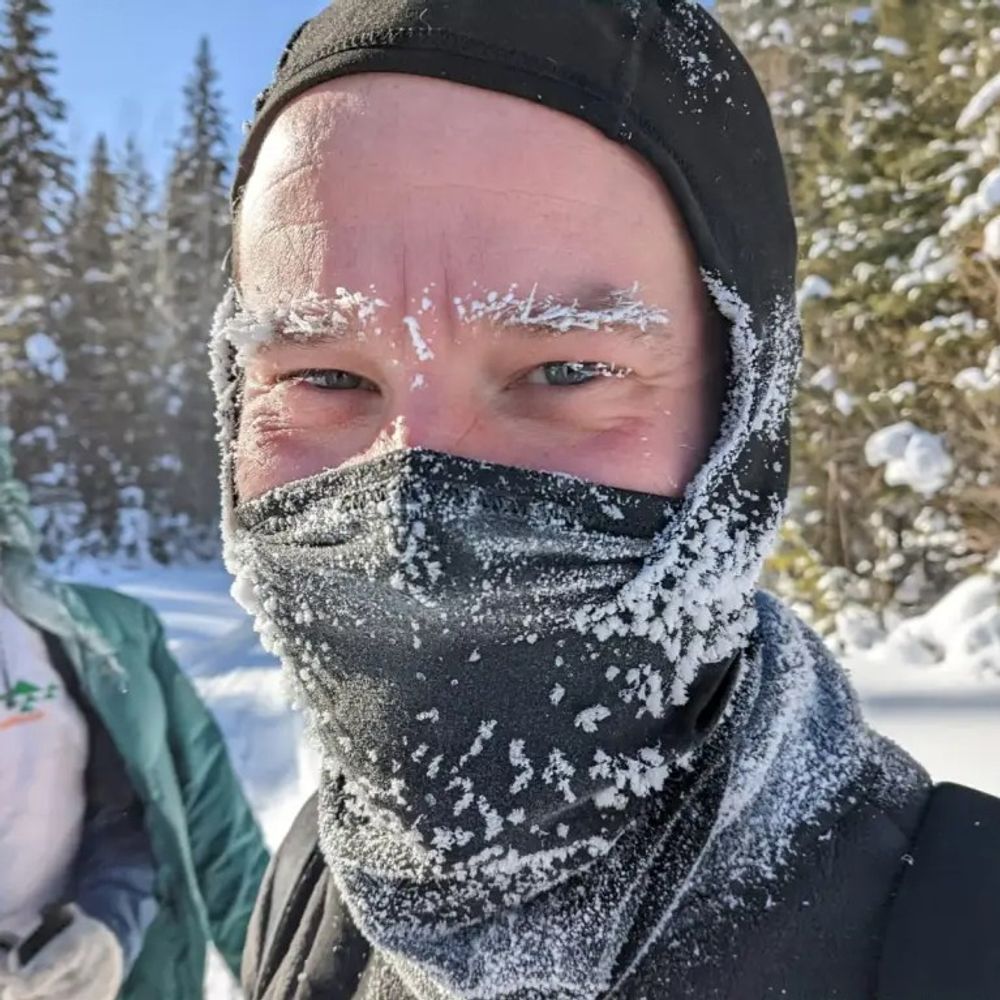
JUST OUT: A new manuscript from our team shows temperate vegetation in modern Arctic Siberia at a time when the globe was 4.5 degrees warmer. www.nature.com/articles/s41...
@speleoseb.bsky.social @thomasopel.bsky.social
@speleoseb.bsky.social @thomasopel.bsky.social

Late Miocene speleothems show significant warming, temperate vegetation, and wildfires in Arctic Siberia
Scientific Reports - Late Miocene speleothems show significant warming, temperate vegetation, and wildfires in Arctic Siberia
www.nature.com
August 5, 2025 at 8:00 AM
JUST OUT: A new manuscript from our team shows temperate vegetation in modern Arctic Siberia at a time when the globe was 4.5 degrees warmer. www.nature.com/articles/s41...
@speleoseb.bsky.social @thomasopel.bsky.social
@speleoseb.bsky.social @thomasopel.bsky.social
Reposted by Daniel Hill
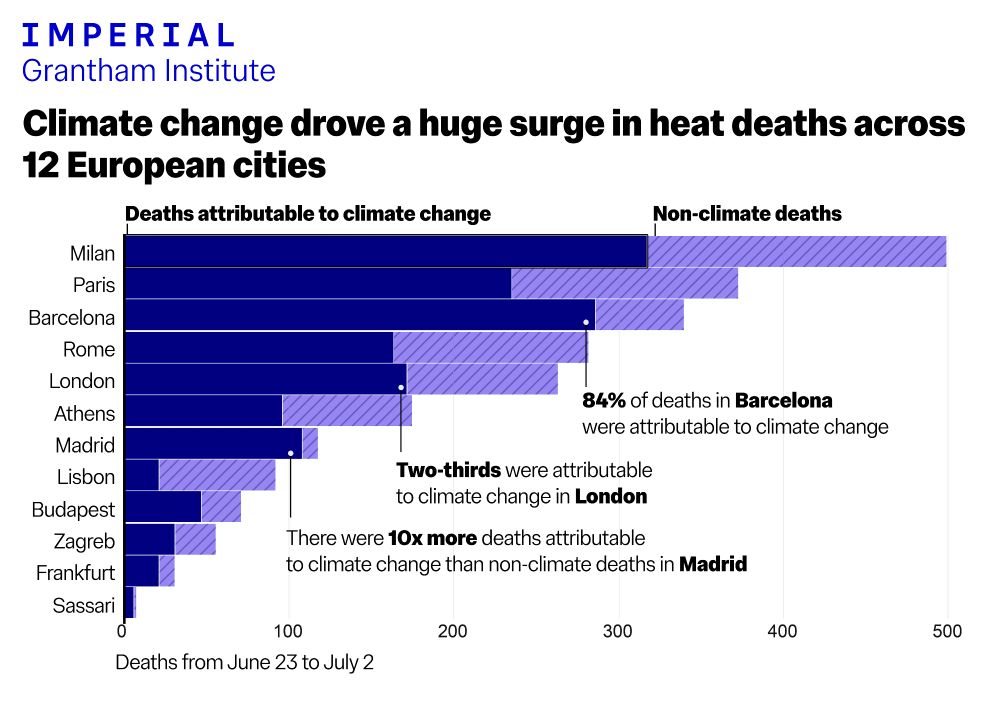
About 1500 of the approx. 2300 people that will have lost their lives across 12 European cities last week would still live, if it wasn't for our burning of oil, coal and gas. If we care about the right to life, we need to stop burning fossil fuels. www.imperial.ac.uk/grantham/pub...
July 9, 2025 at 2:34 PM
About 1500 of the approx. 2300 people that will have lost their lives across 12 European cities last week would still live, if it wasn't for our burning of oil, coal and gas. If we care about the right to life, we need to stop burning fossil fuels. www.imperial.ac.uk/grantham/pub...
Reposted by Daniel Hill

The Faculty of Environment has seen success in the latest QS World University Rankings by Subject!
Geophysics, Geology, Earth and Marine Sciences, and Geography are all in the top 30 for academic reputation, research and global engagement.
environment.leeds.ac.uk/news/article...
Geophysics, Geology, Earth and Marine Sciences, and Geography are all in the top 30 for academic reputation, research and global engagement.
environment.leeds.ac.uk/news/article...

Environment expertise highlighted in QS World University Rankings
Geophysics, Geology, Earth and Marine Sciences, and Geography at Leeds are in the top 30 subjects in the latest QS World University Rankings, with three of these areas having improved from last year.
environment.leeds.ac.uk
March 26, 2025 at 9:31 AM
The Faculty of Environment has seen success in the latest QS World University Rankings by Subject!
Geophysics, Geology, Earth and Marine Sciences, and Geography are all in the top 30 for academic reputation, research and global engagement.
environment.leeds.ac.uk/news/article...
Geophysics, Geology, Earth and Marine Sciences, and Geography are all in the top 30 for academic reputation, research and global engagement.
environment.leeds.ac.uk/news/article...
Reposted by Daniel Hill

🔴The #StateOfClimate report, released today, reveals key climate change indicators again reached record levels in 2024.
Check out the full report: wmo.int/publication-...
Check out the full report: wmo.int/publication-...
March 19, 2025 at 8:00 AM
🔴The #StateOfClimate report, released today, reveals key climate change indicators again reached record levels in 2024.
Check out the full report: wmo.int/publication-...
Check out the full report: wmo.int/publication-...
Reposted by Daniel Hill

1.2 million years - have you heard of ice this old?! 🧊
These ice cores were retrieved as part of the Beyond EPICA - Oldest Ice project, which aims to unlock crucial insights into Earth's past climate and atmospheric conditions
#ice #climate
Read the full story 👇
www.bas.ac.uk/media-post/a...
These ice cores were retrieved as part of the Beyond EPICA - Oldest Ice project, which aims to unlock crucial insights into Earth's past climate and atmospheric conditions
#ice #climate
Read the full story 👇
www.bas.ac.uk/media-post/a...


March 19, 2025 at 3:17 PM
1.2 million years - have you heard of ice this old?! 🧊
These ice cores were retrieved as part of the Beyond EPICA - Oldest Ice project, which aims to unlock crucial insights into Earth's past climate and atmospheric conditions
#ice #climate
Read the full story 👇
www.bas.ac.uk/media-post/a...
These ice cores were retrieved as part of the Beyond EPICA - Oldest Ice project, which aims to unlock crucial insights into Earth's past climate and atmospheric conditions
#ice #climate
Read the full story 👇
www.bas.ac.uk/media-post/a...
Reposted by Daniel Hill

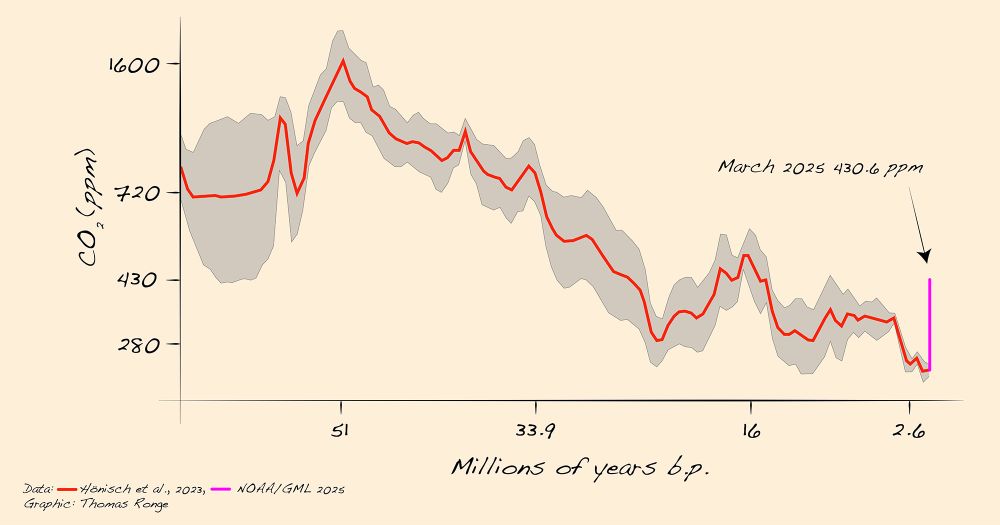
For the first time ever, recorded atmospheric CO₂ has exceeded 430ppm! The last time CO₂ consistently reached today’s human-driven levels was ∼14 Million years ago, with shorter periods of similar levels around 3-5 Million years ago.
1/3
1/3
March 8, 2025 at 5:37 PM
For the first time ever, recorded atmospheric CO₂ has exceeded 430ppm! The last time CO₂ consistently reached today’s human-driven levels was ∼14 Million years ago, with shorter periods of similar levels around 3-5 Million years ago.
1/3
1/3
Reposted by Daniel Hill

4️. What could Earth look like by 2500? A glimpse into the future based on climate projections 🌎
Co-authored by Dr Alex Dunhill, Bethany Allen, Dr Chris Smith, Dr Daniel J. Hill, James McKay & Professor Tracy Aze, all from @envleeds.bsky.social
Co-authored by Dr Alex Dunhill, Bethany Allen, Dr Chris Smith, Dr Daniel J. Hill, James McKay & Professor Tracy Aze, all from @envleeds.bsky.social

Our climate projections for 2500 show an Earth that is alien to humans
Climate change predictions often use the year 2100 as an end-point. But it’s important to consider what will happen beyond that, at least up to the year 2500.
theconversation.com
March 10, 2025 at 11:13 AM
4️. What could Earth look like by 2500? A glimpse into the future based on climate projections 🌎
Co-authored by Dr Alex Dunhill, Bethany Allen, Dr Chris Smith, Dr Daniel J. Hill, James McKay & Professor Tracy Aze, all from @envleeds.bsky.social
Co-authored by Dr Alex Dunhill, Bethany Allen, Dr Chris Smith, Dr Daniel J. Hill, James McKay & Professor Tracy Aze, all from @envleeds.bsky.social
Reposted by Daniel Hill
Congratulations to Professor Ben Mills, who has been named the UK Laureate in Physical Sciences & Engineering in the 2025 Blavatnik Awards for Young Scientists! 👏
The prestigious award recognises his groundbreaking research in Earth systems.
environment.leeds.ac.uk/news/article...
The prestigious award recognises his groundbreaking research in Earth systems.
environment.leeds.ac.uk/news/article...

Professor Benjamin Mills wins Blavatnik Young Scientist award
Professor Mills has been recognised as the 2025 Blavatnik Awards for Young Scientists in the UK Laureate in Physical Sciences & Engineering, for his accomplishments in Earth System Modelling.
environment.leeds.ac.uk
March 5, 2025 at 11:15 AM
Congratulations to Professor Ben Mills, who has been named the UK Laureate in Physical Sciences & Engineering in the 2025 Blavatnik Awards for Young Scientists! 👏
The prestigious award recognises his groundbreaking research in Earth systems.
environment.leeds.ac.uk/news/article...
The prestigious award recognises his groundbreaking research in Earth systems.
environment.leeds.ac.uk/news/article...
academic.oup.com/jmammal/arti... Inevitable someone would use the PaleoClim data to model beavers, just disappointed they didn't include the warm Pliocene and the Ellesmere Island Beaver Pond site. nature.ca/en/high-arct.... Nice work otherwise.

Species distribution modeling of North American beavers from the late Pliocene into the future
We modeled the distribution of the North American beaver, genus Castor during the late Pliocene (3.3 million years ago), Pleistocene (130 and 21 thousand y
academic.oup.com
March 3, 2025 at 11:52 AM
academic.oup.com/jmammal/arti... Inevitable someone would use the PaleoClim data to model beavers, just disappointed they didn't include the warm Pliocene and the Ellesmere Island Beaver Pond site. nature.ca/en/high-arct.... Nice work otherwise.