


@sedadnasociety.bsky.social
Reposted
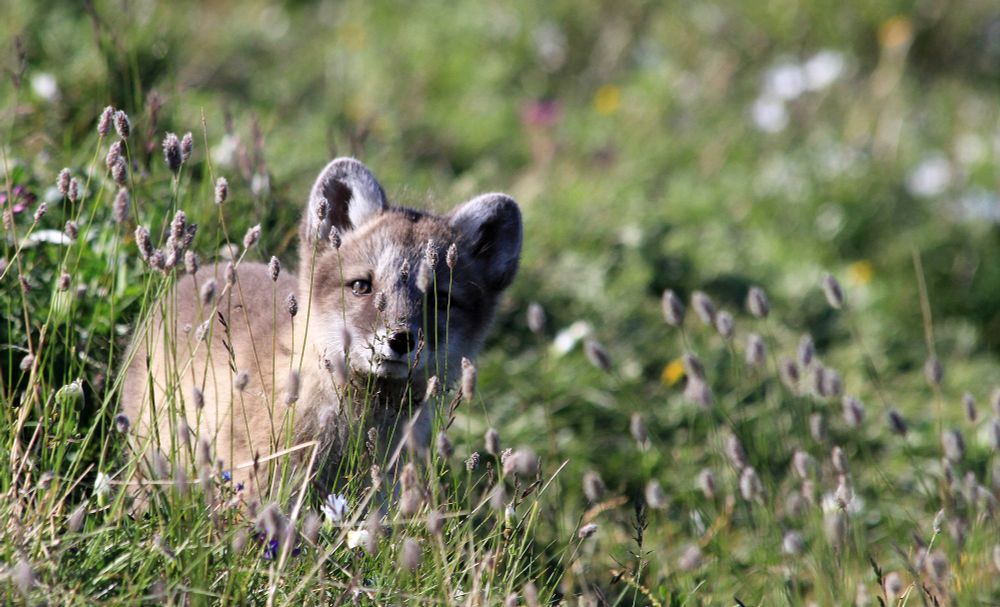
New paper out from @johannanvs.bsky.social, @lovedalen.bsky.social and others from #CpgSthlm, using historical DNA to investigate temporal genomic change in the Scandinavian arctic fox!
Paper:
academic.oup.com/zoolinnean/a...
Paper:
academic.oup.com/zoolinnean/a...
August 13, 2025 at 8:45 AM
New paper out from @johannanvs.bsky.social, @lovedalen.bsky.social and others from #CpgSthlm, using historical DNA to investigate temporal genomic change in the Scandinavian arctic fox!
Paper:
academic.oup.com/zoolinnean/a...
Paper:
academic.oup.com/zoolinnean/a...
Reposted

#MetagenomicsMonday Analysis of aDNA from 1313 ancient human remains spanning 37k years revealed that the rise of infectious diseases coincided with animal domestication around 65k years ago, with disease spread intensifying during pastoralist migrations.
www.nature.com/articles/s41...
www.nature.com/articles/s41...
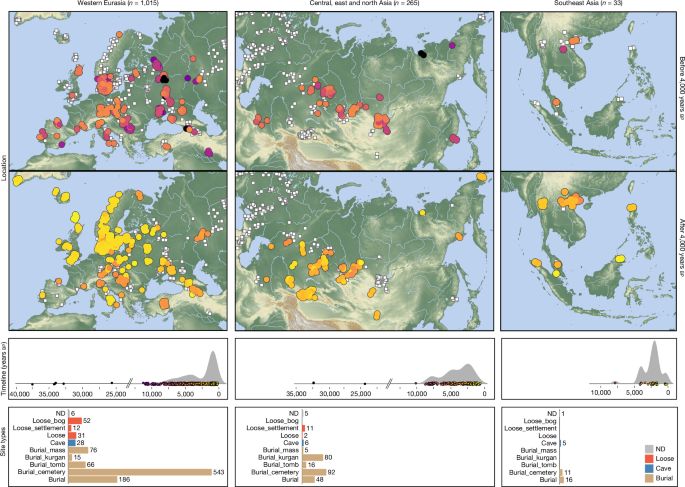
The spatiotemporal distribution of human pathogens in ancient Eurasia - Nature
Screening shotgun-sequencing data from ancient humans covering 37,000 years of Eurasian history uncovers the widespread presence of ancient bacterial, viral and parasite DNA and zoonotic pathogens…
www.nature.com
August 4, 2025 at 7:01 AM
#MetagenomicsMonday Analysis of aDNA from 1313 ancient human remains spanning 37k years revealed that the rise of infectious diseases coincided with animal domestication around 65k years ago, with disease spread intensifying during pastoralist migrations.
www.nature.com/articles/s41...
www.nature.com/articles/s41...
Reposted

New publication alert! Unikseq 2.0 allows you to identify conserved regions within multiple sequence alignment, thus streamlining the process of primer-probe design for targeted and metabarcoding assay development
onlinelibrary.wiley.com/doi/10.1111/...
onlinelibrary.wiley.com/doi/10.1111/...

Conserved Sequence Identification Within Large Genomic Datasets Using ‘Unikseq2’: Application in Environmental DNA Assay Development
Identification of conserved genomic sequences and their utilisation as anchor points for clade detection and/or characterisation is a mainstay in ecological studies. For environmental DNA (eDNA) assa...
onlinelibrary.wiley.com
July 14, 2025 at 1:45 AM
New publication alert! Unikseq 2.0 allows you to identify conserved regions within multiple sequence alignment, thus streamlining the process of primer-probe design for targeted and metabarcoding assay development
onlinelibrary.wiley.com/doi/10.1111/...
onlinelibrary.wiley.com/doi/10.1111/...
Reposted

A new paper uses eDNA tools to confirm Chipewyan Prairie First Nations observations of geological changes in Cowper Lake, Alberta following a historical landslide in the 1940s 🔗 tinyurl.com/hcek4jfc

August 21, 2025 at 5:02 PM
A new paper uses eDNA tools to confirm Chipewyan Prairie First Nations observations of geological changes in Cowper Lake, Alberta following a historical landslide in the 1940s 🔗 tinyurl.com/hcek4jfc
Reposted

How have we impacted the seas around us? and for how long? This series of papers use a wide array of multidisciplinary approaches to address these questions. Super proud to be part of this special issue.!!

As part of the Royal Society’s theme issue Shifting Seas: doi.org/10.1098/rstb...
@royalsociety.org @lukeeholman.bsky.social @mikkelwp.bsky.social @kbohmann.bsky.social
@royalsociety.org @lukeeholman.bsky.social @mikkelwp.bsky.social @kbohmann.bsky.social
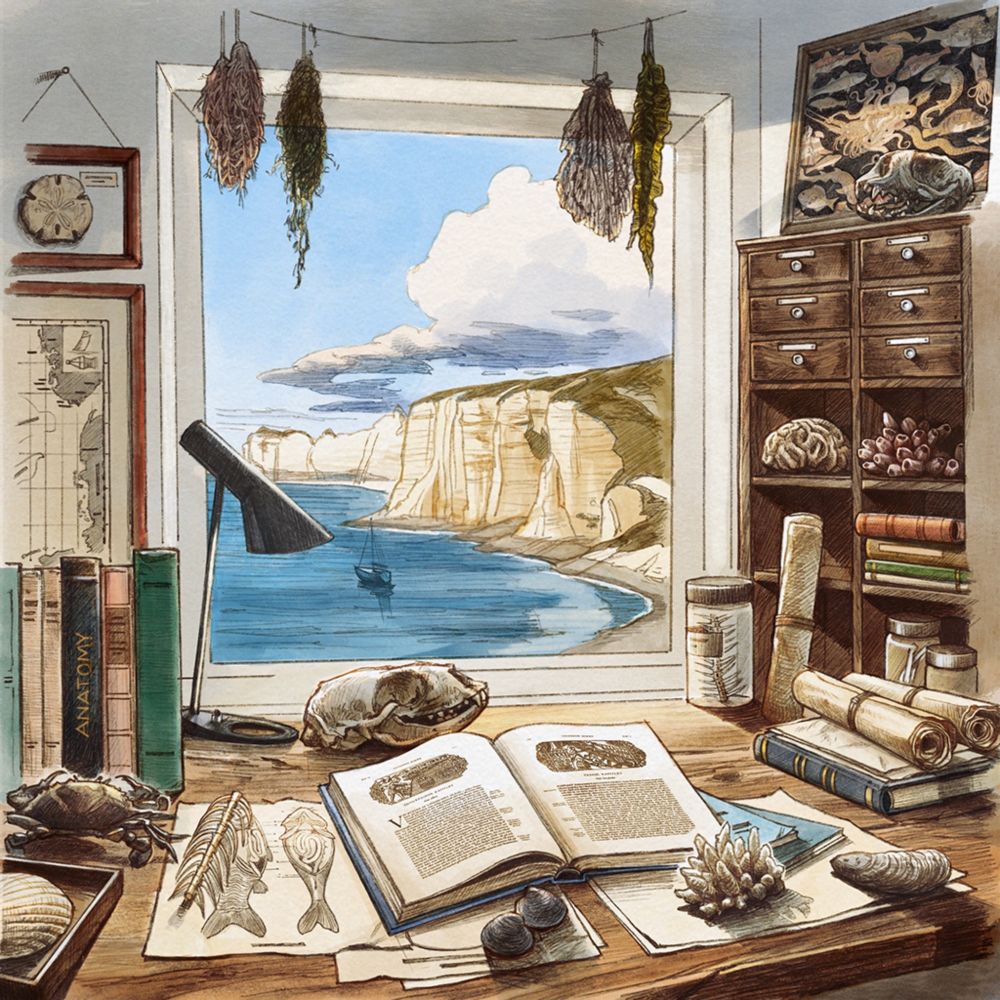
Philosophical Transactions of the Royal Society B: Biological Sciences: Vol 380, No 1930
Can't sign in? Forgot your password?
doi.org
July 10, 2025 at 8:49 AM
How have we impacted the seas around us? and for how long? This series of papers use a wide array of multidisciplinary approaches to address these questions. Super proud to be part of this special issue.!!
Reposted

New paper alert!
We have just published an open acces paper in Climate of the Past, that has dated lacustrine permafrost sediments from northeast Siberia to the last interglacial using luminescence dating.
doi.org/10.5194/cp-2...
We have just published an open acces paper in Climate of the Past, that has dated lacustrine permafrost sediments from northeast Siberia to the last interglacial using luminescence dating.
doi.org/10.5194/cp-2...

Newly dated permafrost deposits and their paleoecological inventory reveal an Eemian much warmer than today in Arctic Siberia
Abstract. In this study, we integrate geochronological, cryolithological, paleoecological, and modeling data to reconstruct the Last Interglacial (LIG) climate around the New Siberian Islands, reveali...
doi.org
July 9, 2025 at 10:01 AM
New paper alert!
We have just published an open acces paper in Climate of the Past, that has dated lacustrine permafrost sediments from northeast Siberia to the last interglacial using luminescence dating.
doi.org/10.5194/cp-2...
We have just published an open acces paper in Climate of the Past, that has dated lacustrine permafrost sediments from northeast Siberia to the last interglacial using luminescence dating.
doi.org/10.5194/cp-2...
Reposted
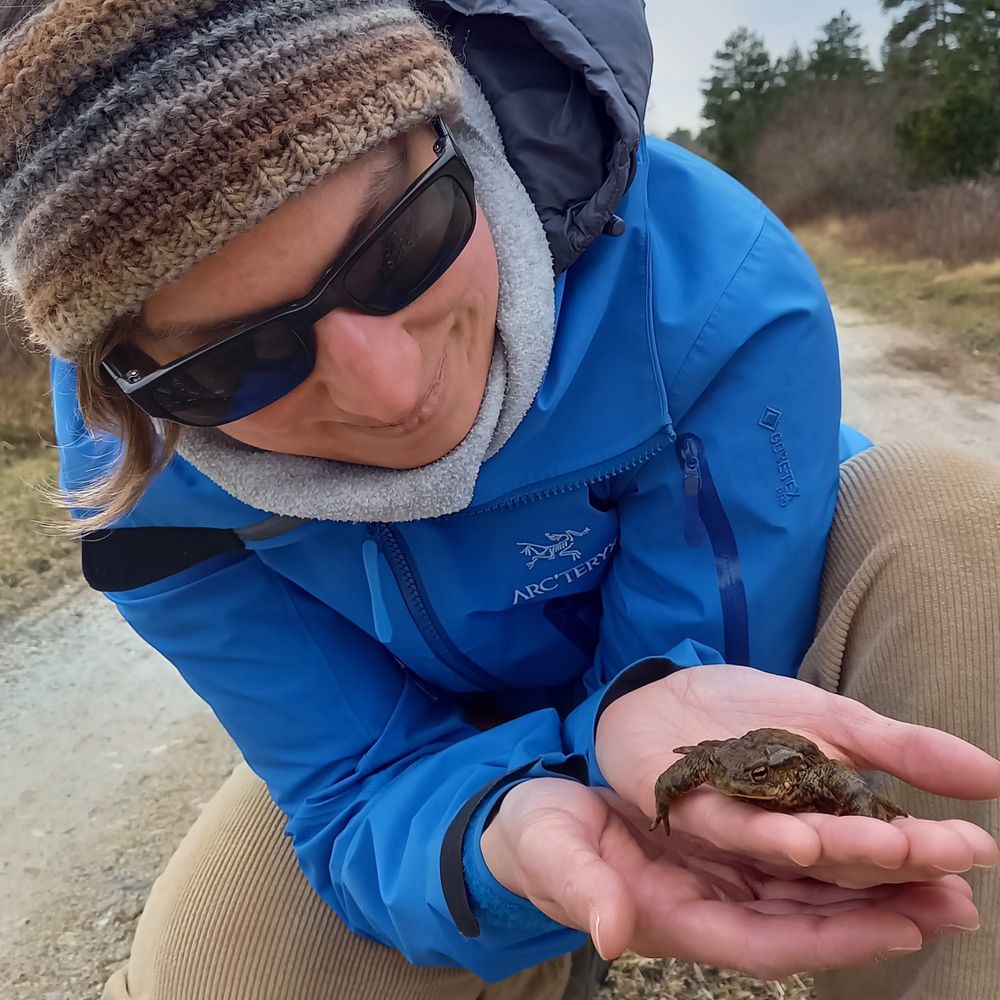
We proudly present the brand new GEUS sedimentary ancient DNA lab! We just finished setting up the lab after days of scrubbing, sweat, and teamwork! Huge shoutout to Clara S. Adsersen for bravely diving in and making it all happen — couldn’t have done it without you! 🧬💪✨ #LabLife #aDNA

July 28, 2025 at 5:17 PM
Reposted

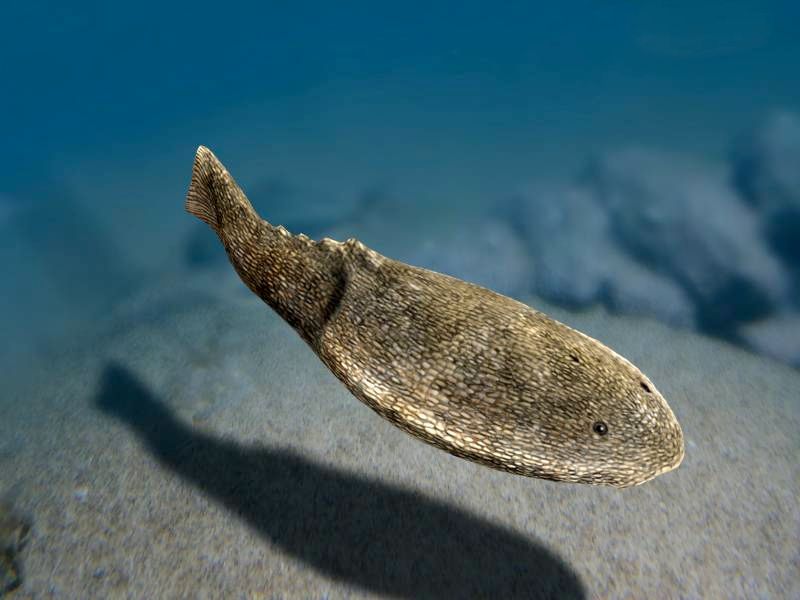
New palaeo-PhD opportunity! Will you be the one to figure out the anatomy and function of fossil jawless fish? Come join the team! Application Deadline August 22nd, funding for UK student only (sorry)
www.findaphd.com/phds/project...
www.findaphd.com/phds/project...
July 31, 2025 at 9:40 AM
New palaeo-PhD opportunity! Will you be the one to figure out the anatomy and function of fossil jawless fish? Come join the team! Application Deadline August 22nd, funding for UK student only (sorry)
www.findaphd.com/phds/project...
www.findaphd.com/phds/project...
Reposted
#MetagenomicsMonday A new review highlights the potential of sedimentary ancient DNA (sedaDNA) to uncover lost coastal ecologies, human–environment interactions, and biocultural change. #aDNA #sedaDNA
doi.org/10.1098/rstb...
doi.org/10.1098/rstb...
August 25, 2025 at 7:01 AM
#MetagenomicsMonday A new review highlights the potential of sedimentary ancient DNA (sedaDNA) to uncover lost coastal ecologies, human–environment interactions, and biocultural change. #aDNA #sedaDNA
doi.org/10.1098/rstb...
doi.org/10.1098/rstb...