


Sonja
@sonjasoo.bsky.social
🇨🇦 science writer, neuro PhD, former worm wrangler
she/her
she/her
Reposted by Sonja

A cartoon about autumn....

October 24, 2025 at 3:40 PM
A cartoon about autumn....
Reposted by Sonja
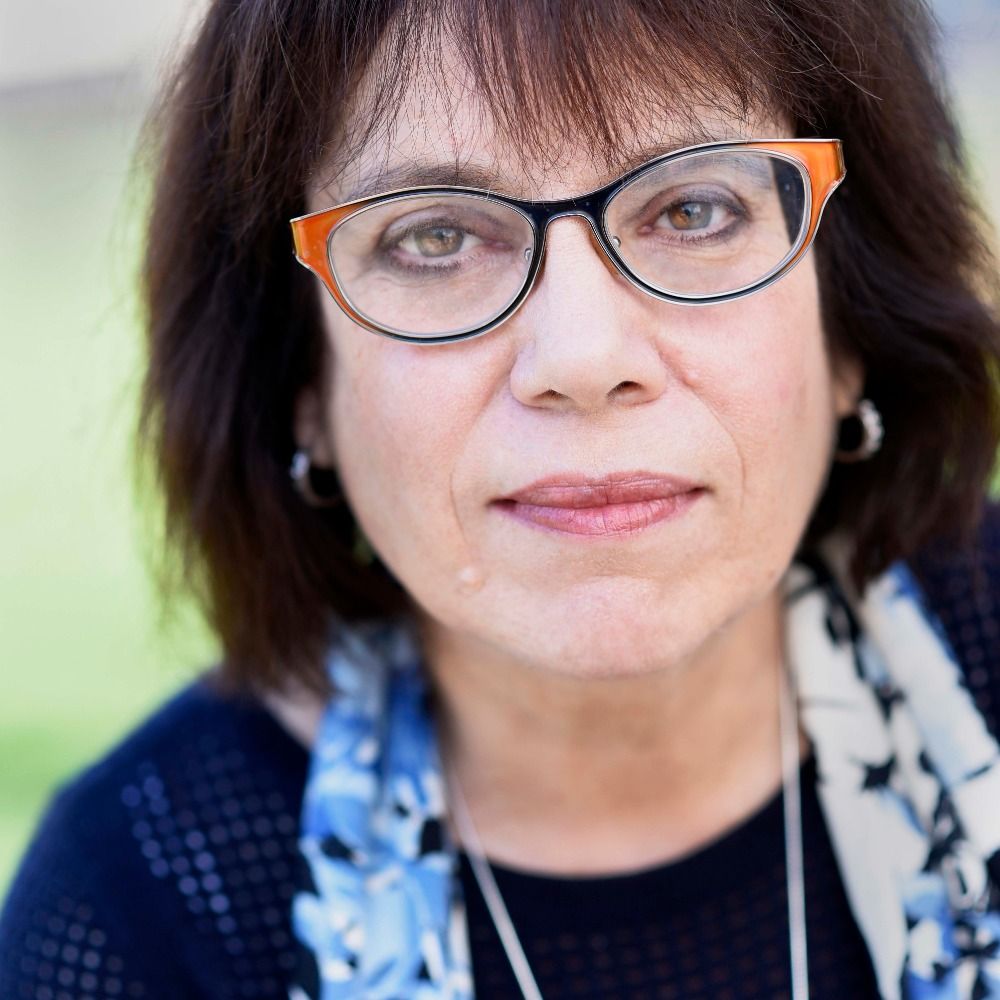
We need (good) science journalism now more than ever. And you'll find me and other journalists saying just that in this smart piece.
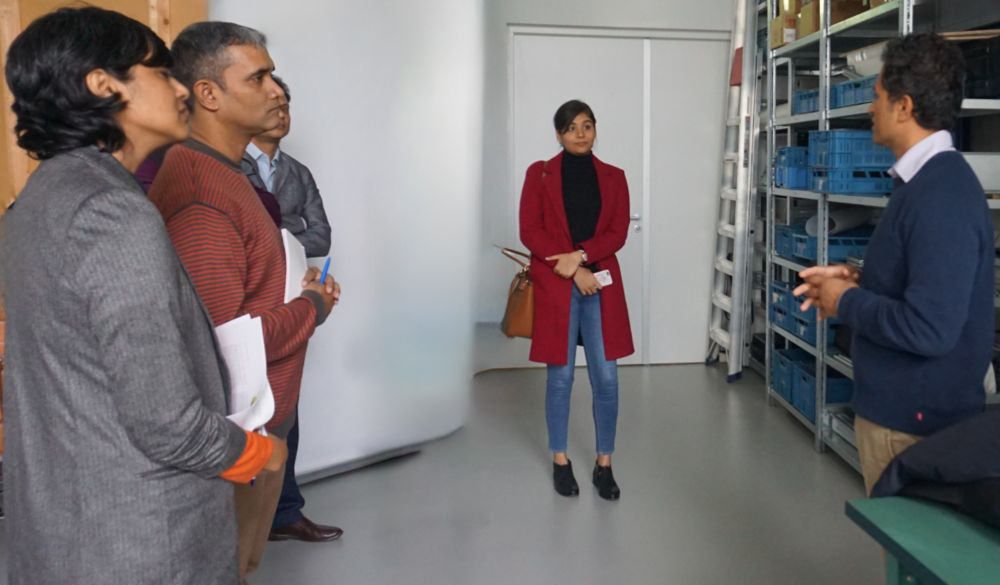
Why newsrooms must rethink science journalism before the next crisis
Despite climate extremes, pandemics and a global AI revolution, science reporting remains underfunded and undervalued.
www.nature.com
August 16, 2025 at 3:06 PM
We need (good) science journalism now more than ever. And you'll find me and other journalists saying just that in this smart piece.
Reposted by Sonja
this is a great blog—about how "something as simple as masking can continue to make a world of difference."

Why I Keep Masking | Defector
One of the earliest photos of me features my grandfather, a doctor from the Philippines, cradling me as a newborn while wearing a face mask. He had a cold at the time and I was as vulnerable as a huma...
defector.com
April 17, 2025 at 7:38 PM
this is a great blog—about how "something as simple as masking can continue to make a world of difference."
Reposted by Sonja

“A lot of what you do in science writing is write about stuff that you cannot see,” says freelancer Laura Dattaro. Here’s how good analogies can help your readers visualize that stuff, in this story from @bwfund.bsky.social early-career fellow @claudia-lopez.bsky.social. 🧪

Building Bridges: Crafting Analogies to Help Guide Your Readers - The Open Notebook
Crafting analogies in science writing is both an art and a challenge. Analogies act as bridges, connecting complex ideas to familiar concepts and making technical subjects more accessible. The most ef...
www.theopennotebook.com
March 11, 2025 at 4:52 PM
“A lot of what you do in science writing is write about stuff that you cannot see,” says freelancer Laura Dattaro. Here’s how good analogies can help your readers visualize that stuff, in this story from @bwfund.bsky.social early-career fellow @claudia-lopez.bsky.social. 🧪
Reposted by Sonja

Wrote a story suggesting a fun New Years resolution: try commuting via transit - gift link

A Commuting Resolution for 2025: Ride Your Local Subway or Bus
For those who live in cities served by public transit, this is the perfect time to make a commuting habit that could save you money and improve your health.
www.bloomberg.com
January 3, 2025 at 2:37 PM
Wrote a story suggesting a fun New Years resolution: try commuting via transit - gift link
Reposted by Sonja
My latest cartoon for New Scientist.

October 20, 2024 at 9:09 AM
My latest cartoon for New Scientist.
Reposted by Sonja
As an editor, I help people say what they mean--and not say what they don’t mean. Here are some common not-quite-right words or expressions that I often see. This is not to embarrass anybody--I've made many of these mistakes myself. Please share your favorite fixes at the end of the thread. (1/n)
October 1, 2024 at 12:31 PM
As an editor, I help people say what they mean--and not say what they don’t mean. Here are some common not-quite-right words or expressions that I often see. This is not to embarrass anybody--I've made many of these mistakes myself. Please share your favorite fixes at the end of the thread. (1/n)
Reposted by Sonja
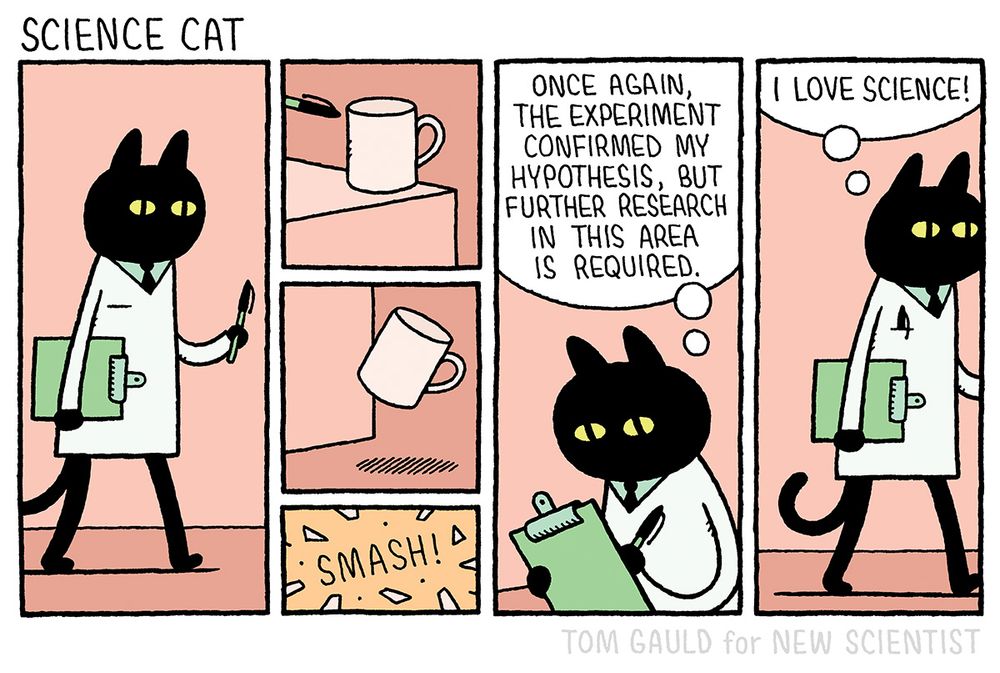
SCIENCE CAT (my latest cartoon for New Scientist)
June 24, 2024 at 11:15 AM
SCIENCE CAT (my latest cartoon for New Scientist)
Reposted by Sonja
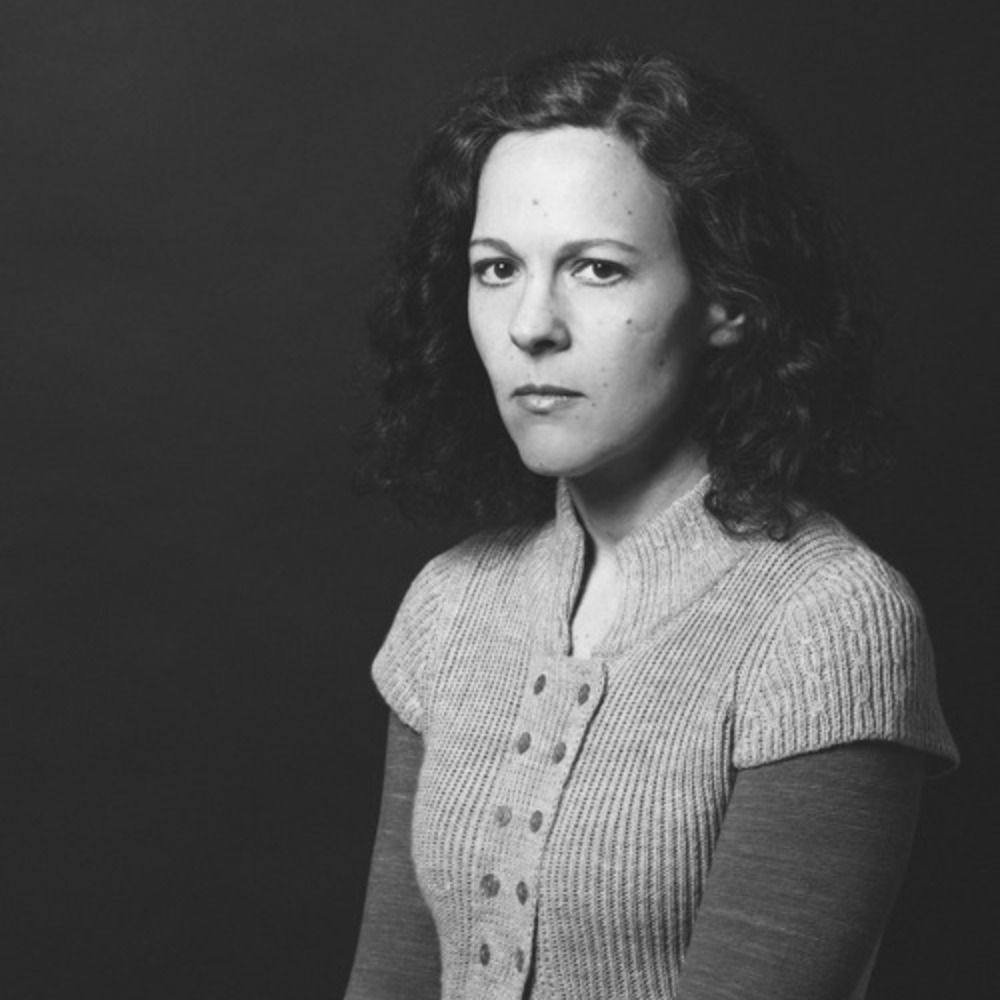
Humans share 70% of our DNA with zebrafish. So when you're having difficulty getting anything done, it's usually because a zebrafish is using the DNA.
February 12, 2024 at 10:02 PM
Humans share 70% of our DNA with zebrafish. So when you're having difficulty getting anything done, it's usually because a zebrafish is using the DNA.
Reposted by Sonja

Scientists have come together to produce a high-quality genome sequence for Mutton, a Coast Salish wooly dog. 🐕🧶
Written by Devon Bidal.
hakaimagazine.com/news/the-sto...
Written by Devon Bidal.
hakaimagazine.com/news/the-sto...

The Story of the Indigenous Wool Dog Told Through Oral Histories and DNA | Hakai Magazine
A biologist, an anthropologist, Indigenous weavers, and an epic collaboration to unveil the life of an ancient dog breed found only in the Pacific Northwest.
hakaimagazine.com
December 14, 2023 at 7:17 PM
Scientists have come together to produce a high-quality genome sequence for Mutton, a Coast Salish wooly dog. 🐕🧶
Written by Devon Bidal.
hakaimagazine.com/news/the-sto...
Written by Devon Bidal.
hakaimagazine.com/news/the-sto...
Reposted by Sonja
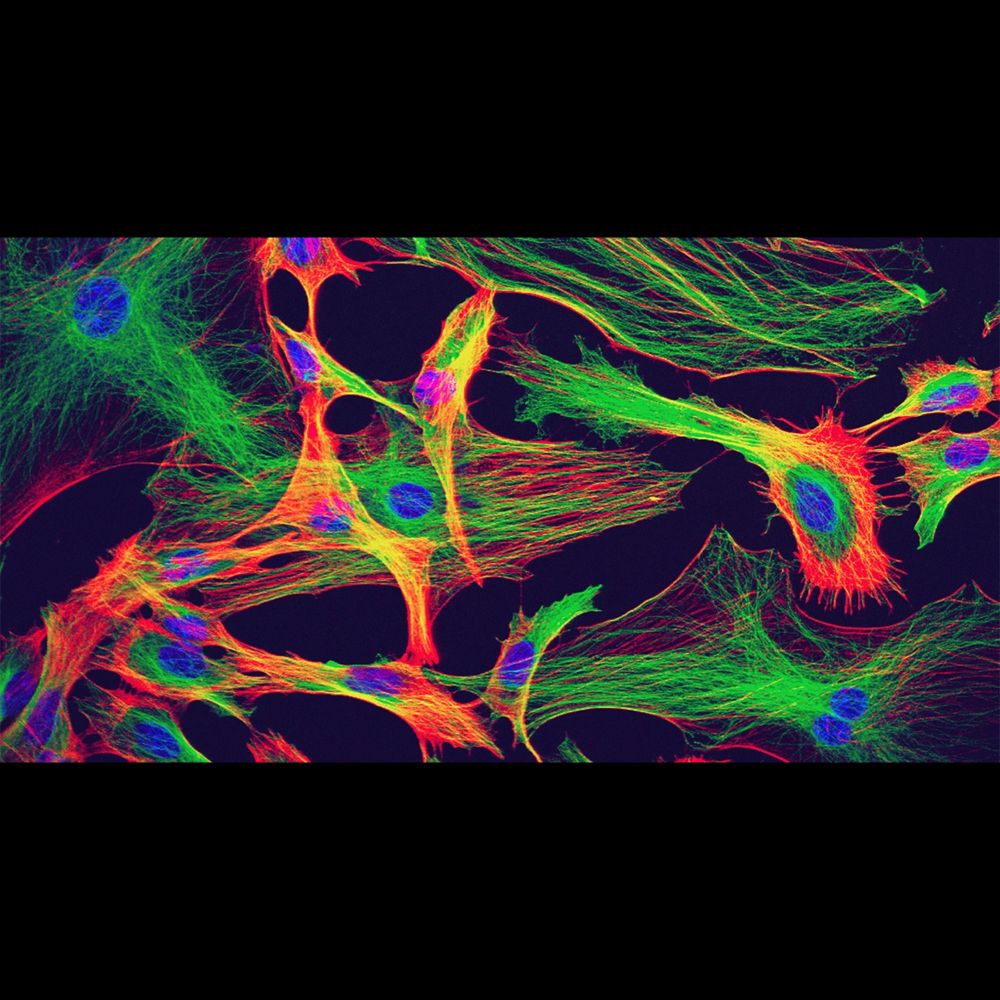
Cells in the brain communicate by exchanging chemical pulses of electricity that, in aggregate, form our actions, memories and thoughts. It has long been thought that neurons are the stars of this process, but now astrocytes have entered the chat. www.quantamagazine.org/these-cells-...
These Cells Spark Electricity in the Brain. They’re Not Neurons. | Quanta Magazine
For decades, researchers have debated whether brain cells called astrocytes can signal like neurons. Researchers recently published the best evidence yet that some astrocytes are part of the electrica...
www.quantamagazine.org
October 18, 2023 at 3:20 PM
Cells in the brain communicate by exchanging chemical pulses of electricity that, in aggregate, form our actions, memories and thoughts. It has long been thought that neurons are the stars of this process, but now astrocytes have entered the chat. www.quantamagazine.org/these-cells-...
Reposted by Sonja
If you missed our session at #SciWri23 about investigative reporting as a science writer -- or if you attended but want to dig into the resources we discussed -- you can now check out our tipsheet here:

Tipsheet: Pursuing investigative stories as a science writer
Tipsheet: Pursuing investigative stories as a science writer Resources and tips from Science Writers 2023 session: Data, FOIAs, tips: pursuing investigative stories as a science writer October 8, 2023...
docs.google.com
October 10, 2023 at 10:51 PM
If you missed our session at #SciWri23 about investigative reporting as a science writer -- or if you attended but want to dig into the resources we discussed -- you can now check out our tipsheet here:
Reposted by Sonja
Exciting news: Our Science Writers Database is ~officially~ live! It’s a free, public tool to help people in our global science writing community find one another and diversify their networks. www.theopennotebook.com/writers/

October 5, 2023 at 1:24 PM
Exciting news: Our Science Writers Database is ~officially~ live! It’s a free, public tool to help people in our global science writing community find one another and diversify their networks. www.theopennotebook.com/writers/
Reposted by Sonja
Many of us are alive today thanks to the mRNA COVID vaccine developed by Katalin Karikó & Drew Weissman & many many many others. This is a short thread of the news from today and some more background on the winners from Scientific American 🧪 www.scientificamerican.com/article/nobe...

mRNA COVID Vaccine Technology Wins 2023 Nobel Prize in Physiology or Medicine
Katalin Karikó and Drew Weissman win this year’s Nobel Prize in Medicine for their mRNA vaccine discoveries that made the COVID vaccines possible
www.scientificamerican.com
October 2, 2023 at 12:57 PM
Many of us are alive today thanks to the mRNA COVID vaccine developed by Katalin Karikó & Drew Weissman & many many many others. This is a short thread of the news from today and some more background on the winners from Scientific American 🧪 www.scientificamerican.com/article/nobe...