




Sue Lewis
@sue-lewis.bsky.social
Seabird ecologist and lecturer
@edinburghnapier.bsky.social and teaching fellow at UoE, she/her.
Love exploring wild places, walking, running, spending quality time with family and friends.
@edinburghnapier.bsky.social and teaching fellow at UoE, she/her.
Love exploring wild places, walking, running, spending quality time with family and friends.
Reposted by Sue Lewis

Any volunteers in Norfolk who can survey this @bbs-birds.bsky.social square? #NorfolkBirding
(1/) Now is a great time to think about signing up to survey a BBS square ready for when the survey season begins in April. Here is just one example of a vacant square that we are looking for a volunteer to survey! @btobirds.bsky.social JNCC RSPB Science #norfolkbirds

January 15, 2026 at 9:33 AM
Any volunteers in Norfolk who can survey this @bbs-birds.bsky.social square? #NorfolkBirding
Reposted by Sue Lewis
The BBS Team is currently busy verifying 2025 data. For the next couple of weeks, we are going to share some species info from 2024. This week, we share the 10 most numerous species recorded on BBS squares across the UK in 2024! @btobirds.bsky.social @jncc.bsky.social @rspbscience.bsky.social

November 6, 2025 at 7:31 AM
The BBS Team is currently busy verifying 2025 data. For the next couple of weeks, we are going to share some species info from 2024. This week, we share the 10 most numerous species recorded on BBS squares across the UK in 2024! @btobirds.bsky.social @jncc.bsky.social @rspbscience.bsky.social
Reposted by Sue Lewis

Wild seabirds are more likely to split up in windy weather, new Edinburgh Napier-led research with UKCEH & @bioss.bsky.social shows. This is significant as climate change is bringing windier weather conditions.
UKCEH's Francis Daunt spoke to BBC Scotland (~1hr 27m)
www.bbc.co.uk/sounds/play/... 🧪
UKCEH's Francis Daunt spoke to BBC Scotland (~1hr 27m)
www.bbc.co.uk/sounds/play/... 🧪

Lunchtime Live - 05/11/2025 - BBC Sounds
News updates from Scotland and beyond, plus all your lunchtime sport, travel and weather.
www.bbc.co.uk
November 5, 2025 at 5:33 PM
Wild seabirds are more likely to split up in windy weather, new Edinburgh Napier-led research with UKCEH & @bioss.bsky.social shows. This is significant as climate change is bringing windier weather conditions.
UKCEH's Francis Daunt spoke to BBC Scotland (~1hr 27m)
www.bbc.co.uk/sounds/play/... 🧪
UKCEH's Francis Daunt spoke to BBC Scotland (~1hr 27m)
www.bbc.co.uk/sounds/play/... 🧪
Reposted by Sue Lewis
Importantly, birds that remained with the same partner tended to lay eggs earlier, which is strongly tied to how many chicks they rear 🐣.
See our news story: ceh.ac.uk/news-and-med...
Read the full paper: sciencedirect.com/science/arti...
#seabirds #ClimateChange 🧪
See our news story: ceh.ac.uk/news-and-med...
Read the full paper: sciencedirect.com/science/arti...
#seabirds #ClimateChange 🧪

Seabirds are more likely to ‘divorce’ in bad weather
Wild seabirds are more likely to split up in windy weather, according to a new study involving the UK Centre for Ecology & Hydrology.
ceh.ac.uk
November 5, 2025 at 5:33 PM
Importantly, birds that remained with the same partner tended to lay eggs earlier, which is strongly tied to how many chicks they rear 🐣.
See our news story: ceh.ac.uk/news-and-med...
Read the full paper: sciencedirect.com/science/arti...
#seabirds #ClimateChange 🧪
See our news story: ceh.ac.uk/news-and-med...
Read the full paper: sciencedirect.com/science/arti...
#seabirds #ClimateChange 🧪
Reposted by Sue Lewis

📣 New publication in the journal Animal Behaviour from our Adam Butler led by @edinburghnapier.bsky.social in collaboration with @ukceh.bsky.social.
📰 Read the summary here: www.bioss.ac.uk/case-studies...
📕 Read the full paper here: www.sciencedirect.com/science/arti...
📰 Read the summary here: www.bioss.ac.uk/case-studies...
📕 Read the full paper here: www.sciencedirect.com/science/arti...

Seabirds more likely to ‘divorce’ in bad weather
Wild seabirds are more likely to split up in windy weather, according to a newly published study led by Edinburgh Napier University, in collaboration with the UK Centre for Ecology & Hydrology (UKCEH)...
www.bioss.ac.uk
November 5, 2025 at 10:43 AM
📣 New publication in the journal Animal Behaviour from our Adam Butler led by @edinburghnapier.bsky.social in collaboration with @ukceh.bsky.social.
📰 Read the summary here: www.bioss.ac.uk/case-studies...
📕 Read the full paper here: www.sciencedirect.com/science/arti...
📰 Read the summary here: www.bioss.ac.uk/case-studies...
📕 Read the full paper here: www.sciencedirect.com/science/arti...
Reposted by Sue Lewis

🐦⬛ | Wild seabirds are more likely to split up in windy weather, according to a newly published study led by #EdNapier.
The paper reveals that environmental conditions before the breeding season appear to have an impact on mate faithfulness.
Full story ➡️ orlo.uk/Zfiqf
#MustBeNapier
The paper reveals that environmental conditions before the breeding season appear to have an impact on mate faithfulness.
Full story ➡️ orlo.uk/Zfiqf
#MustBeNapier

November 5, 2025 at 9:37 AM
🐦⬛ | Wild seabirds are more likely to split up in windy weather, according to a newly published study led by #EdNapier.
The paper reveals that environmental conditions before the breeding season appear to have an impact on mate faithfulness.
Full story ➡️ orlo.uk/Zfiqf
#MustBeNapier
The paper reveals that environmental conditions before the breeding season appear to have an impact on mate faithfulness.
Full story ➡️ orlo.uk/Zfiqf
#MustBeNapier
Reposted by Sue Lewis
November 5, 2025 at 11:43 AM
Reposted by Sue Lewis

Today’s #AutumnArrivalSpotlight shines on the Starling!
Forget fireworks...Autumn’s skies come alive with magnificent murmurations: vast, swirling clouds of Starlings dancing at dusk.
One of nature's greatest spectacles. 😍
Forget fireworks...Autumn’s skies come alive with magnificent murmurations: vast, swirling clouds of Starlings dancing at dusk.
One of nature's greatest spectacles. 😍
November 5, 2025 at 7:16 AM
Today’s #AutumnArrivalSpotlight shines on the Starling!
Forget fireworks...Autumn’s skies come alive with magnificent murmurations: vast, swirling clouds of Starlings dancing at dusk.
One of nature's greatest spectacles. 😍
Forget fireworks...Autumn’s skies come alive with magnificent murmurations: vast, swirling clouds of Starlings dancing at dusk.
One of nature's greatest spectacles. 😍
Reposted by Sue Lewis
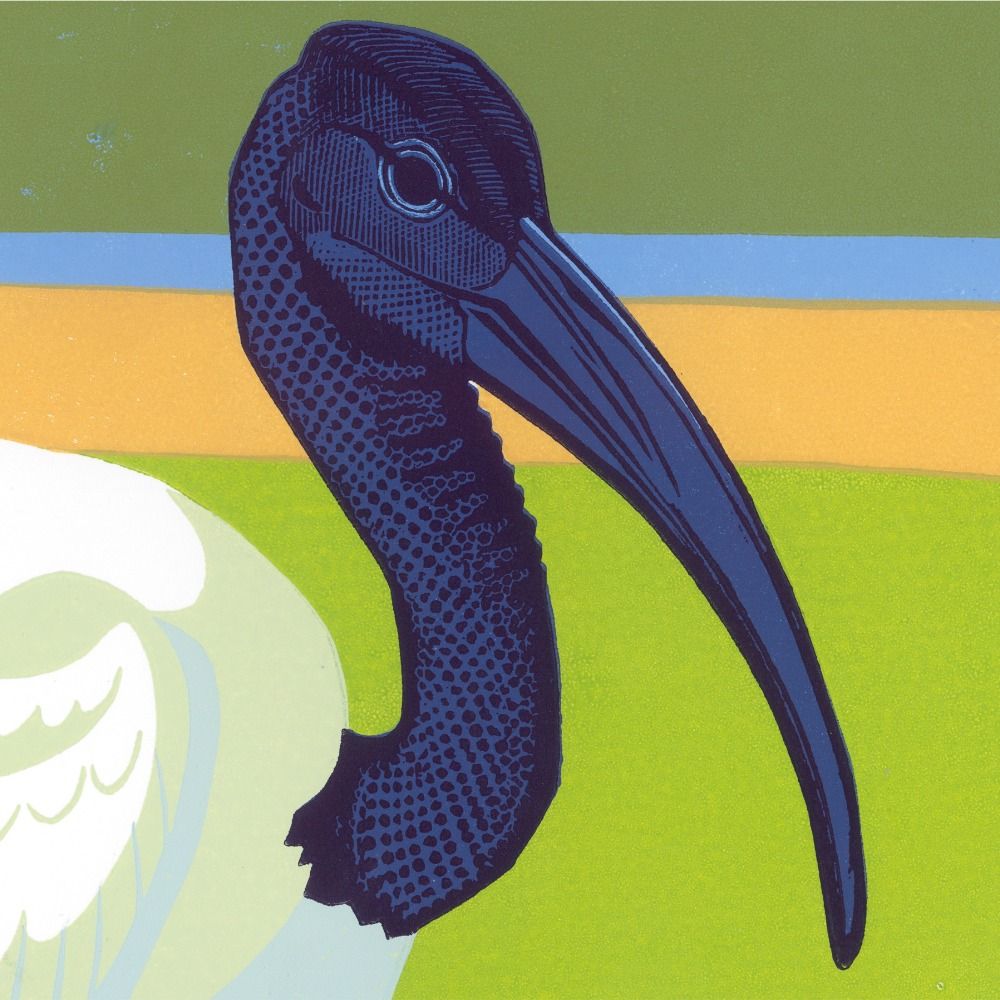
NEW on #theBOUblog from Sue Lewis
After the outbreak: how gannets bounce back from bird flu
bou.org.uk/blog-lewi...
Based on this IBIS paper doi.org/10.1111/ibi....
#ornithology 🪶
After the outbreak: how gannets bounce back from bird flu
bou.org.uk/blog-lewi...
Based on this IBIS paper doi.org/10.1111/ibi....
#ornithology 🪶

September 29, 2025 at 9:00 AM
NEW on #theBOUblog from Sue Lewis
After the outbreak: how gannets bounce back from bird flu
bou.org.uk/blog-lewi...
Based on this IBIS paper doi.org/10.1111/ibi....
#ornithology 🪶
After the outbreak: how gannets bounce back from bird flu
bou.org.uk/blog-lewi...
Based on this IBIS paper doi.org/10.1111/ibi....
#ornithology 🪶
Reposted by Sue Lewis
EARLY VIEW in IBIS
Effect of a previous high pathogenicity avian influenza (HPAIV) infection on the breeding success of Northern Gannets (Morus bassanus) | onlinelibrary.wiley....
Sue Lewis et al | #ornithology 🪶
Effect of a previous high pathogenicity avian influenza (HPAIV) infection on the breeding success of Northern Gannets (Morus bassanus) | onlinelibrary.wiley....
Sue Lewis et al | #ornithology 🪶

September 25, 2025 at 1:54 PM
EARLY VIEW in IBIS
Effect of a previous high pathogenicity avian influenza (HPAIV) infection on the breeding success of Northern Gannets (Morus bassanus) | onlinelibrary.wiley....
Sue Lewis et al | #ornithology 🪶
Effect of a previous high pathogenicity avian influenza (HPAIV) infection on the breeding success of Northern Gannets (Morus bassanus) | onlinelibrary.wiley....
Sue Lewis et al | #ornithology 🪶
Reposted by Sue Lewis

Paper can be found here: doi.org/10.1111/ibi....

Effect of a previous high pathogenicity avian influenza (HPAIV) infection on the breeding success of Northern Gannets (Morus bassanus)
Highly pathogenic avian influenza (HPAIV) caused widespread mortality and breeding failure among many wild, avian populations in Europe and North America in 2021–2023, but most populations exhibited ...
doi.org
September 25, 2025 at 12:26 PM
Paper can be found here: doi.org/10.1111/ibi....
Reposted by Sue Lewis

New @edinburghnapier.bsky.social study
suggests that exposure to #avianflu does not affect breeding success in gannets, but shows worrying declines in breeding productivity over all.
We're very proud to be part of this vital research project.
Learn more↙️
www.napier.ac.uk/about-us/new...
📷J Lane
suggests that exposure to #avianflu does not affect breeding success in gannets, but shows worrying declines in breeding productivity over all.
We're very proud to be part of this vital research project.
Learn more↙️
www.napier.ac.uk/about-us/new...
📷J Lane

September 25, 2025 at 10:23 AM
New @edinburghnapier.bsky.social study
suggests that exposure to #avianflu does not affect breeding success in gannets, but shows worrying declines in breeding productivity over all.
We're very proud to be part of this vital research project.
Learn more↙️
www.napier.ac.uk/about-us/new...
📷J Lane
suggests that exposure to #avianflu does not affect breeding success in gannets, but shows worrying declines in breeding productivity over all.
We're very proud to be part of this vital research project.
Learn more↙️
www.napier.ac.uk/about-us/new...
📷J Lane
Reposted by Sue Lewis
🪹 | Seabirds that survived recent bird flu outbreaks have continued to reproduce, although overall breeding performance remains notably low, according to a new study.
The study has looked at breeding success in Northern Gannets at two locations during 2023.
🔗 orlo.uk/44CaS
📸 Dave Pressland
The study has looked at breeding success in Northern Gannets at two locations during 2023.
🔗 orlo.uk/44CaS
📸 Dave Pressland

September 25, 2025 at 10:27 AM
🪹 | Seabirds that survived recent bird flu outbreaks have continued to reproduce, although overall breeding performance remains notably low, according to a new study.
The study has looked at breeding success in Northern Gannets at two locations during 2023.
🔗 orlo.uk/44CaS
📸 Dave Pressland
The study has looked at breeding success in Northern Gannets at two locations during 2023.
🔗 orlo.uk/44CaS
📸 Dave Pressland
Reposted by Sue Lewis
The paper, led by #EdNapier's Dr Sue Lewis, in a collaboration with conservation scientists and staff from the @rspb.bsky.social, the @seabirdcentre.bsky.social and the @ukceh.bsky.social has been published by the international avian science journal Ibis.
📸 James Glossop
📸 James Glossop

September 25, 2025 at 10:27 AM
The paper, led by #EdNapier's Dr Sue Lewis, in a collaboration with conservation scientists and staff from the @rspb.bsky.social, the @seabirdcentre.bsky.social and the @ukceh.bsky.social has been published by the international avian science journal Ibis.
📸 James Glossop
📸 James Glossop
Reposted by Sue Lewis

May 24, 2025 at 9:42 AM
Reposted by Sue Lewis
So, while the news in 2024 isn’t exactly what we were hoping for, the absence of new flu cases during 2024 and improved survey methods are promising signs. With continued monitoring and care, there’s still hope that this spectacular seabird colony can bounce back in the years ahead.
📷©️J McDermaid
📷©️J McDermaid

May 24, 2025 at 9:40 AM
So, while the news in 2024 isn’t exactly what we were hoping for, the absence of new flu cases during 2024 and improved survey methods are promising signs. With continued monitoring and care, there’s still hope that this spectacular seabird colony can bounce back in the years ahead.
📷©️J McDermaid
📷©️J McDermaid
Reposted by Sue Lewis
But there is some good news. The 2024 survey didn’t turn up many signs of ongoing illness, suggesting that the avian flu did not return during 2024. Also, the presence of so many chicks implies that foraging conditions were good, allowing parents to feed their young successfully.
📷©️Greg Macvean
📷©️Greg Macvean

May 24, 2025 at 9:34 AM
But there is some good news. The 2024 survey didn’t turn up many signs of ongoing illness, suggesting that the avian flu did not return during 2024. Also, the presence of so many chicks implies that foraging conditions were good, allowing parents to feed their young successfully.
📷©️Greg Macvean
📷©️Greg Macvean
Reposted by Sue Lewis
Although these figures are estimates (so should be treated with caution) these results suggest that the gannet population has not yet started to recover from the impact of the avian flu outbreak in 2022.
May 24, 2025 at 9:32 AM
Although these figures are estimates (so should be treated with caution) these results suggest that the gannet population has not yet started to recover from the impact of the avian flu outbreak in 2022.
Reposted by Sue Lewis
From this, we estimated the total number of AOS (apparently occupied sites) on Bass Rock in 2024 to be around 46,045. This indicates a 6.7% decrease compared with the last survey completed in 2023 & comparison of the estimated total population between 2023 & 2024 indicates a decrease of around 11%.

May 24, 2025 at 9:31 AM
From this, we estimated the total number of AOS (apparently occupied sites) on Bass Rock in 2024 to be around 46,045. This indicates a 6.7% decrease compared with the last survey completed in 2023 & comparison of the estimated total population between 2023 & 2024 indicates a decrease of around 11%.
Reposted by Sue Lewis
The 2024 Bass Rock Gannet Count is complete✅
A high-resolution drone survey - carried out in partnership with @edinburgh-uni.bsky.social School of Geosciences, @ukceh.bsky.social & @edinburghnapier.bsky.social in July 2024 - provided a detailed new look at the Bass Rock gannet colony.
📷©️G Macvean
A high-resolution drone survey - carried out in partnership with @edinburgh-uni.bsky.social School of Geosciences, @ukceh.bsky.social & @edinburghnapier.bsky.social in July 2024 - provided a detailed new look at the Bass Rock gannet colony.
📷©️G Macvean

May 24, 2025 at 9:26 AM
The 2024 Bass Rock Gannet Count is complete✅
A high-resolution drone survey - carried out in partnership with @edinburgh-uni.bsky.social School of Geosciences, @ukceh.bsky.social & @edinburghnapier.bsky.social in July 2024 - provided a detailed new look at the Bass Rock gannet colony.
📷©️G Macvean
A high-resolution drone survey - carried out in partnership with @edinburgh-uni.bsky.social School of Geosciences, @ukceh.bsky.social & @edinburghnapier.bsky.social in July 2024 - provided a detailed new look at the Bass Rock gannet colony.
📷©️G Macvean
Reposted by Sue Lewis
Just 1 teaspoon of neonicotinoids can kill 1.25 BILLION bees.
Yesterday, over 1 million voices told the UK Government: stop allowing banned pesticides in our countryside.
DEFRA, it’s time to end ‘emergency’ use.
Protect pollinators vital to nature's recovery & our food security.
Yesterday, over 1 million voices told the UK Government: stop allowing banned pesticides in our countryside.
DEFRA, it’s time to end ‘emergency’ use.
Protect pollinators vital to nature's recovery & our food security.

January 9, 2025 at 2:00 PM
Just 1 teaspoon of neonicotinoids can kill 1.25 BILLION bees.
Yesterday, over 1 million voices told the UK Government: stop allowing banned pesticides in our countryside.
DEFRA, it’s time to end ‘emergency’ use.
Protect pollinators vital to nature's recovery & our food security.
Yesterday, over 1 million voices told the UK Government: stop allowing banned pesticides in our countryside.
DEFRA, it’s time to end ‘emergency’ use.
Protect pollinators vital to nature's recovery & our food security.
Reposted by Sue Lewis
Please ALSO report any sightings of dead and sick birds to BirdTrack through www.birdtrack.net for monitoring purposes. Thank you.
December 20, 2024 at 3:30 PM
Please ALSO report any sightings of dead and sick birds to BirdTrack through www.birdtrack.net for monitoring purposes. Thank you.
Reposted by Sue Lewis
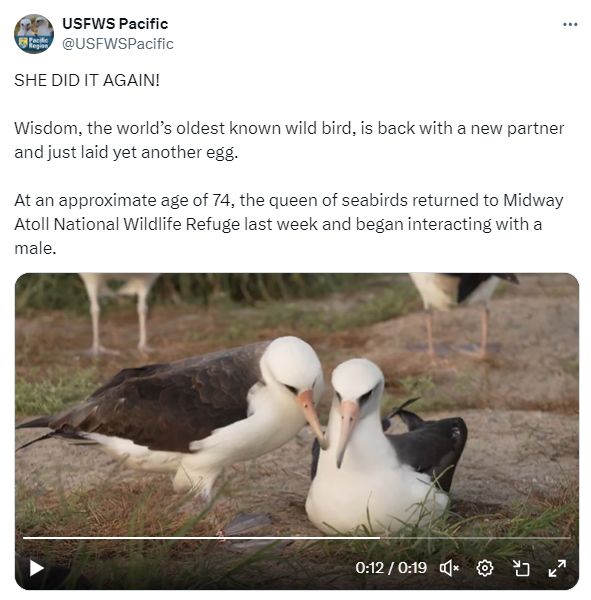
We humbly interrupt your scroll to bring you the news that Wisdom—the world's oldest known wild bird—is breeding again, age 74.
Go on girl. 😍
Go on girl. 😍
December 4, 2024 at 11:49 AM
We humbly interrupt your scroll to bring you the news that Wisdom—the world's oldest known wild bird—is breeding again, age 74.
Go on girl. 😍
Go on girl. 😍
Reposted by Sue Lewis
Need tips to identify birds of prey? Check out this animated bird guide by @willrose.bsky.social. These videos are supporting Cudyll Cymru, a BTO project in Wales, which asks volunteers to record birds of prey. Sign up to take part ➡️ bit.ly/CudyllCymru
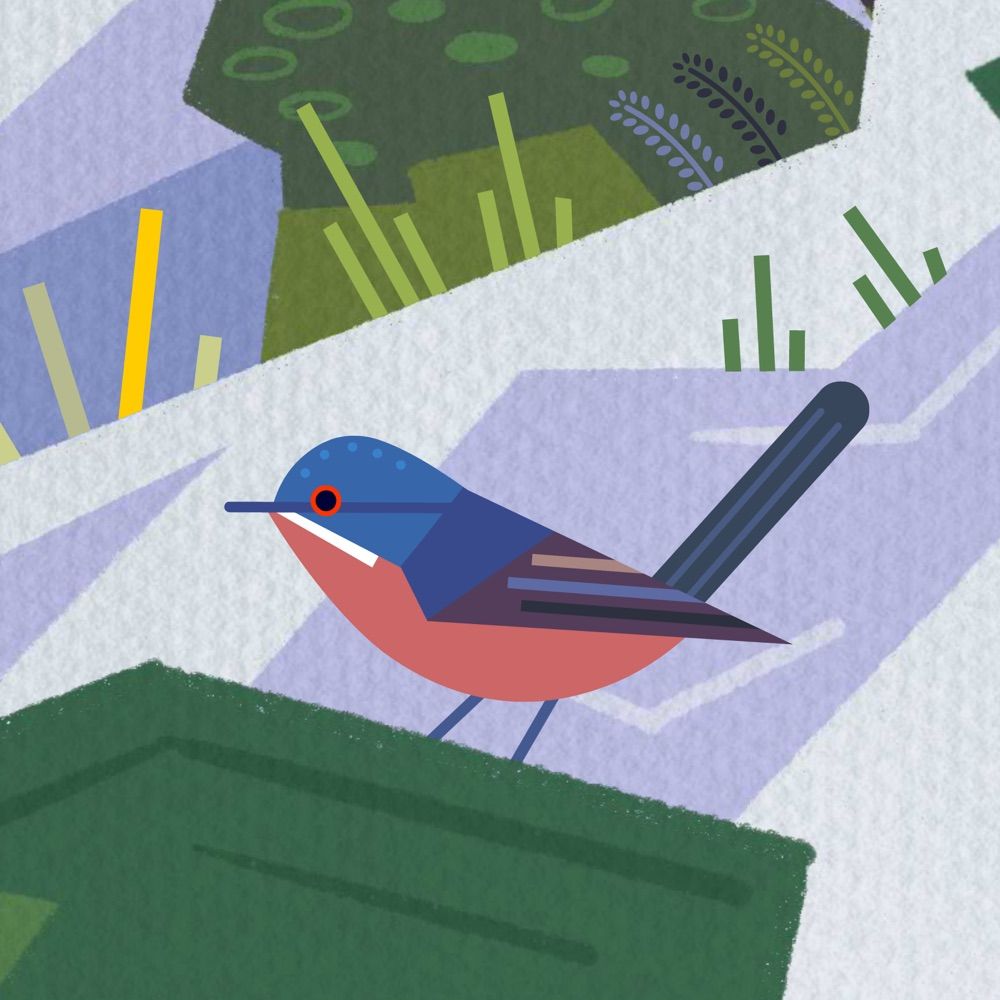
WHAT BIRD IS THAT? Episode 05 BIRDS OF PREY! Out now!
Here’s a little clip! Watch it on YouTube here
youtu.be/gH6L14rE6Fk?...
#birdsofprey
Here’s a little clip! Watch it on YouTube here
youtu.be/gH6L14rE6Fk?...
#birdsofprey
November 27, 2024 at 3:13 PM
Need tips to identify birds of prey? Check out this animated bird guide by @willrose.bsky.social. These videos are supporting Cudyll Cymru, a BTO project in Wales, which asks volunteers to record birds of prey. Sign up to take part ➡️ bit.ly/CudyllCymru
Reposted by Sue Lewis
Brrr! With temperatures plunging, here's how we can help wildlife weather the cold. ❄️

November 19, 2024 at 1:26 PM
Brrr! With temperatures plunging, here's how we can help wildlife weather the cold. ❄️