



Super T 757
@td-757.bsky.social
Reposted by Super T 757

The #ClayCaneShow welcomes Lawyer, former NFL linebacker and former United States Representative running for Congress, Colin Allred!
@claycane.bsky.social @colinallredtx.bsky.social @reeciecolbert.bsky.social #ClayNation
@claycane.bsky.social @colinallredtx.bsky.social @reeciecolbert.bsky.social #ClayNation
January 6, 2026 at 6:13 PM
The #ClayCaneShow welcomes Lawyer, former NFL linebacker and former United States Representative running for Congress, Colin Allred!
@claycane.bsky.social @colinallredtx.bsky.social @reeciecolbert.bsky.social #ClayNation
@claycane.bsky.social @colinallredtx.bsky.social @reeciecolbert.bsky.social #ClayNation
Reposted by Super T 757
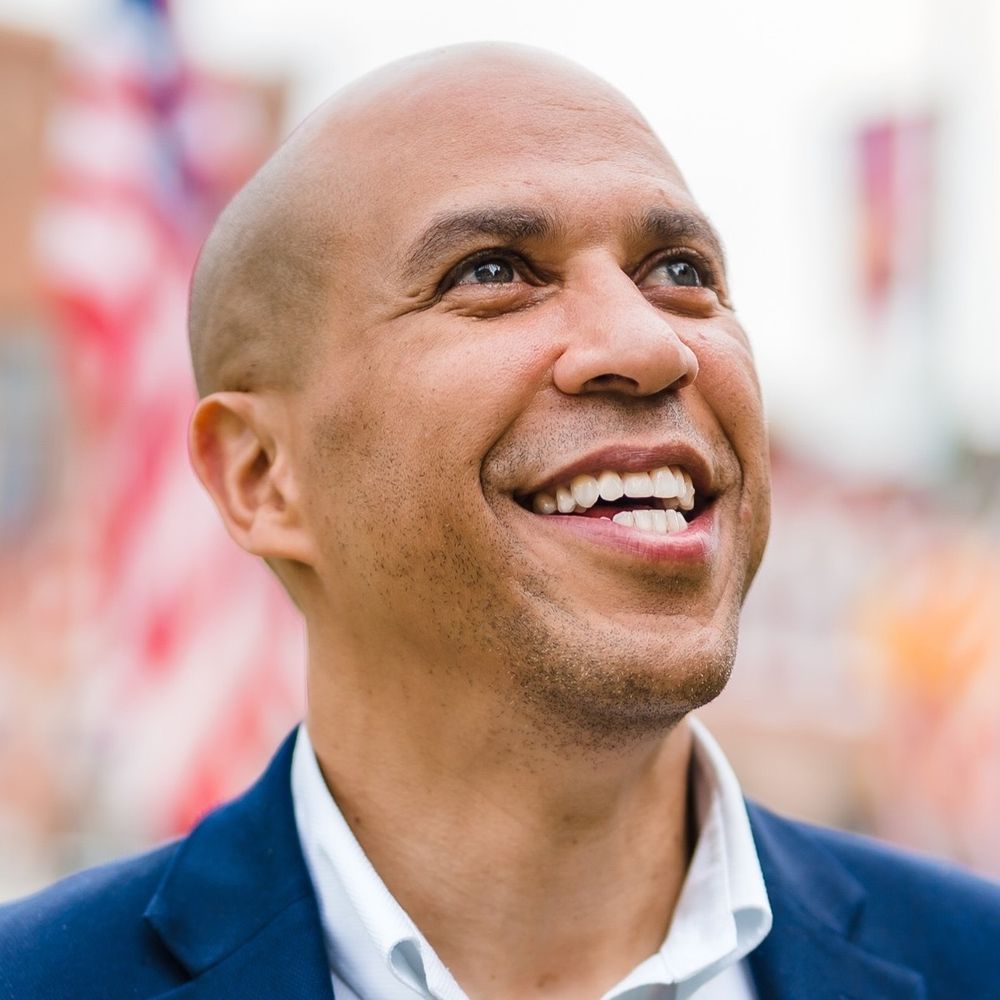
Slade is spot on here. I so appreciate his nuanced analysis and historical understandings.
January 6, 2026 at 6:15 PM
Slade is spot on here. I so appreciate his nuanced analysis and historical understandings.
Reposted by Super T 757

Hilton Takes Swift Action After Minnesota Franchise Cancels DHS Agents’ Reservations Over Immigration Work

Hilton Takes Swift Action After Minnesota Franchise Cancels DHS Agents’ Reservations Over Immigration Work
Hilton Hotels moved quickly to contain fallout this week after a franchise location in Minnesota was accused of cancelling reservations for Department of Homeland Security agents because of their work, a decision the company said violated its values. The issue surfaced Monday when DHS posted a screenshot of an email…
balleralert.com
January 6, 2026 at 6:16 PM
Hilton Takes Swift Action After Minnesota Franchise Cancels DHS Agents’ Reservations Over Immigration Work
Reposted by Super T 757
This was an armed attack that killed scores of people so Trump’s cronies could have access to the oil.

January 6, 2026 at 6:30 PM
This was an armed attack that killed scores of people so Trump’s cronies could have access to the oil.
Reposted by Super T 757

I’m saddened to hear of the passing of Congressman Doug LaMalfa. I extend my condolences to his family, loved ones, staff, and constituents as they grieve this loss. Wishing them comfort and strength during this time.
January 6, 2026 at 6:33 PM
I’m saddened to hear of the passing of Congressman Doug LaMalfa. I extend my condolences to his family, loved ones, staff, and constituents as they grieve this loss. Wishing them comfort and strength during this time.
Reposted by Super T 757
Hawley ran away from J6ers again.

January 6, 2026 at 6:37 PM
Hawley ran away from J6ers again.
Reposted by Super T 757

About 100 (maybe) Jan. 6ers out here marching toward the Capitol, chanting “USA”

January 6, 2026 at 6:42 PM
About 100 (maybe) Jan. 6ers out here marching toward the Capitol, chanting “USA”
Reposted by Super T 757
Finesse2Tymes Says OnlyFans Is Paying His Bills Since His Label Won’t: "Help Me, Motherf**ker" [Video]

Finesse2Tymes Says OnlyFans Is Paying His Bills Since His Label Won’t: "Help Me, Motherf**ker" [Video]
Finesse2Tymes is not shying away from OnlyFans, no matter what his label says. Video (new Image()).src = 'https://capi.connatix.com/tr/si?token=9c70969a-1597-42dd-9980-f3d56f4c8b56&cid=8d6b4040-04c9-4ad0-aa63-766b9eb4e9b9'; cnx.cmd.push(function() { cnx({ playerId: "9c70969a-1597-42dd-9980-f3d56f4c8b56", mediaId: "614c506f-69d7-4d89-998e-9364bd294458" }).render("57bcef6d65a549ffb3e970e7774de4e2"); }); The Memphis rapper recently sat down with "Million Dollaz Worth of Game," where he opened up about Rap-A-Lot Records taking issue with his…
balleralert.com
January 6, 2026 at 6:58 PM
Finesse2Tymes Says OnlyFans Is Paying His Bills Since His Label Won’t: "Help Me, Motherf**ker" [Video]
Reposted by Super T 757

RAJU: Do you regret you vote to confirm Marco Rubio?
SCHUMER: I am deeply deeply disappointed in Marco Rubio
(Not a yes!)
SCHUMER: I am deeply deeply disappointed in Marco Rubio
(Not a yes!)
January 6, 2026 at 7:53 PM
RAJU: Do you regret you vote to confirm Marco Rubio?
SCHUMER: I am deeply deeply disappointed in Marco Rubio
(Not a yes!)
SCHUMER: I am deeply deeply disappointed in Marco Rubio
(Not a yes!)
Reposted by Super T 757

The Polymarket bettor, the identity of whom is unknown, bet $30,000 on the capture of Venezuelan President Nicolas Maduro less than a day before he was abducted by U.S. forces.

Bill Seeks Insider Trading Crackdown After Bettor Made $400,000 On Maduro Capture
The Polymarket bettor, the identity of whom is unknown, bet $30,000 on the capture of Venezuelan President Nicolas Maduro less than a day before he was abducted by U.S. forces.
www.forbes.com
January 5, 2026 at 7:40 PM
The Polymarket bettor, the identity of whom is unknown, bet $30,000 on the capture of Venezuelan President Nicolas Maduro less than a day before he was abducted by U.S. forces.
Reposted by Super T 757

The latest from Grok.
I added the red mark over the N-word.
I added the red mark over the N-word.

January 6, 2026 at 7:18 PM
The latest from Grok.
I added the red mark over the N-word.
I added the red mark over the N-word.
Reposted by Super T 757
We need more plain talk and the plain truth. Thank you, James Talarico.

January 6, 2026 at 7:30 PM
We need more plain talk and the plain truth. Thank you, James Talarico.
Reposted by Super T 757

Trump to House Republicans:
"You got to win the midterms, because if we don't win the midterms, it's just going to be — I mean, they'll find a reason to impeach me."
"I'll get impeached."
"You got to win the midterms, because if we don't win the midterms, it's just going to be — I mean, they'll find a reason to impeach me."
"I'll get impeached."
January 6, 2026 at 7:31 PM
Trump to House Republicans:
"You got to win the midterms, because if we don't win the midterms, it's just going to be — I mean, they'll find a reason to impeach me."
"I'll get impeached."
"You got to win the midterms, because if we don't win the midterms, it's just going to be — I mean, they'll find a reason to impeach me."
"I'll get impeached."

Reposted by Super T 757
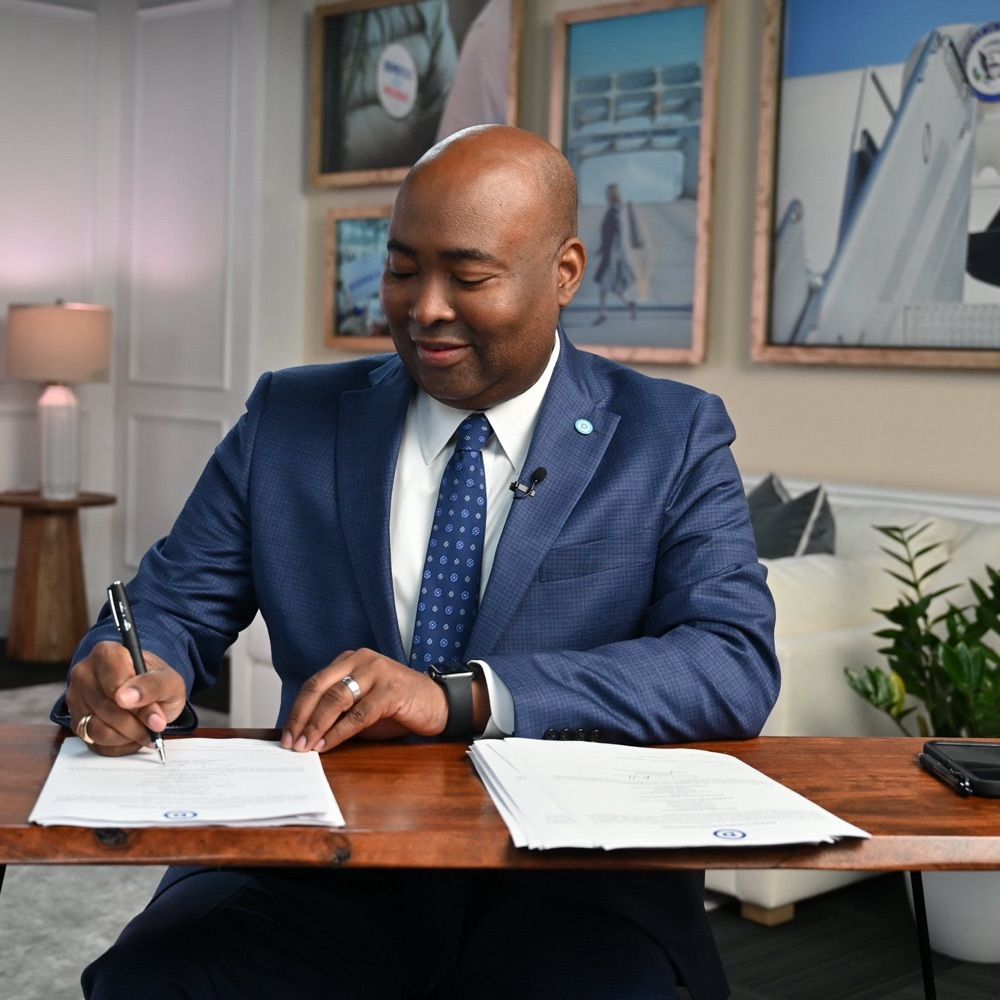
"This is a moral assault on our democracy." ~ Mayor Karen Bass @mayor.lacity.gov
https://youtube.com/shorts/vtxilDuQWG0?si=QxE5ERss1Q4cuaSE
https://youtube.com/shorts/vtxilDuQWG0?si=QxE5ERss1Q4cuaSE

“This is a moral assault on our democracy.”
Season 2 of At Our Table kicks off in Los Angeles with Mayor Karen Bass, who takes us on her journey as a public servant and explains why she left Congress to come home and lead a city in crisis.
We also dig into affordability and the policies that push people onto the streets and how her team has fought homelessness by cutting red tape and fixing broken systems. We also talk wildfire recovery, climate extremes, and the misinformation that fuels blame. Then Mayor Bass gets real about ICE raids, protests, and why nonviolent pushback matters.
youtube.com
January 6, 2026 at 7:40 PM
"This is a moral assault on our democracy." ~ Mayor Karen Bass @mayor.lacity.gov
https://youtube.com/shorts/vtxilDuQWG0?si=QxE5ERss1Q4cuaSE
https://youtube.com/shorts/vtxilDuQWG0?si=QxE5ERss1Q4cuaSE
Reposted by Super T 757
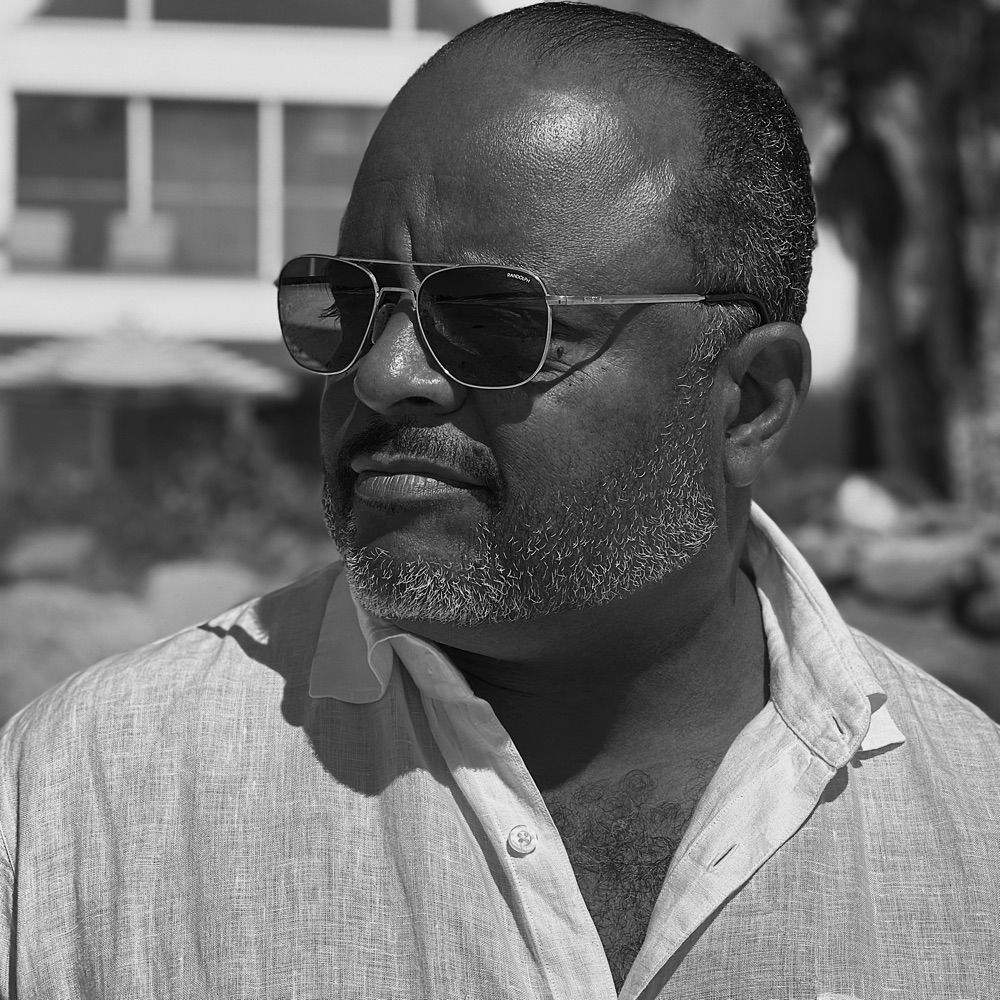
Fam! Don't miss tonight's interview I did in December 2019 with Richard Smallwood regarding his autobiography, "Total Praise." It's a fascinating conversation as we pay homage to the gospel maestro, who passed away last week at the age of 77.
January 6, 2026 at 7:42 PM
Fam! Don't miss tonight's interview I did in December 2019 with Richard Smallwood regarding his autobiography, "Total Praise." It's a fascinating conversation as we pay homage to the gospel maestro, who passed away last week at the age of 77.
Reposted by Super T 757
Disgusting post from a member of Congress

January 6, 2026 at 7:54 PM
Disgusting post from a member of Congress
Reposted by Super T 757

'Venus Williams shows she's still competitive at 45 during loss'
"Williams was given a standing ovation after going down to fifth-seeded Magda Linette at the WTA Tour tournament in New Zealand."
www.skysports.com/tennis/news/...
"Williams was given a standing ovation after going down to fifth-seeded Magda Linette at the WTA Tour tournament in New Zealand."
www.skysports.com/tennis/news/...

Venus Williams loses in Auckland but still competitive at 45 while Nick Kyrgios falls at first hurdle in Brisbane
Venus Williams and Nick Kyrgios both beaten as Aryna Sabalenka drops just one game; Brits Katie Boulter and Sonay Kartal both win; Watch the ATP and WTA Tours live on Sky Sports Tennis and Sky Sports+...
www.skysports.com
January 6, 2026 at 5:10 PM
'Venus Williams shows she's still competitive at 45 during loss'
"Williams was given a standing ovation after going down to fifth-seeded Magda Linette at the WTA Tour tournament in New Zealand."
www.skysports.com/tennis/news/...
"Williams was given a standing ovation after going down to fifth-seeded Magda Linette at the WTA Tour tournament in New Zealand."
www.skysports.com/tennis/news/...
Reposted by Super T 757
Warner: "Nothing would lead to the absolute destruction of NATO more than US aggressive action against a longtime ally like Denmark"
Schumer: "I asked for assurances that they were not planning operations in other countries like Colombia and Cuba, and I was very very disappointed in their answer"
Schumer: "I asked for assurances that they were not planning operations in other countries like Colombia and Cuba, and I was very very disappointed in their answer"
January 6, 2026 at 7:59 PM
Warner: "Nothing would lead to the absolute destruction of NATO more than US aggressive action against a longtime ally like Denmark"
Schumer: "I asked for assurances that they were not planning operations in other countries like Colombia and Cuba, and I was very very disappointed in their answer"
Schumer: "I asked for assurances that they were not planning operations in other countries like Colombia and Cuba, and I was very very disappointed in their answer"
Reposted by Super T 757

If you have to remind people “we are the good guys” that’s a pretty good sign you’ve stopped doing good guy stuff
Fetterman on Fox & Friends: "America is a force of good, order, and democracy. And we are promoting these kinds of values. We are the good guys."
January 5, 2026 at 1:27 PM
If you have to remind people “we are the good guys” that’s a pretty good sign you’ve stopped doing good guy stuff
Reposted by Super T 757
House Intel Chair Rick Crawford on Trump executing a coup in Venezuela during a military operation that killed 80 people: "This was a DOJ operation in that this was essentially serving a warrant"
January 6, 2026 at 8:12 PM
House Intel Chair Rick Crawford on Trump executing a coup in Venezuela during a military operation that killed 80 people: "This was a DOJ operation in that this was essentially serving a warrant"
Reposted by Super T 757

Sorry, but Trump is a mean-spirited fuck.

January 6, 2026 at 8:06 PM
Sorry, but Trump is a mean-spirited fuck.
Reposted by Super T 757

Worked for a number of years on a drama pilot called Salt about a union organizing drive. (I think it’s pretty damn good but like most projects, it died.)
Anyway, my dear friend and co-writer just sent me this and I cracked up.
Anyway, my dear friend and co-writer just sent me this and I cracked up.
January 6, 2026 at 8:06 PM
Worked for a number of years on a drama pilot called Salt about a union organizing drive. (I think it’s pretty damn good but like most projects, it died.)
Anyway, my dear friend and co-writer just sent me this and I cracked up.
Anyway, my dear friend and co-writer just sent me this and I cracked up.
Reposted by Super T 757
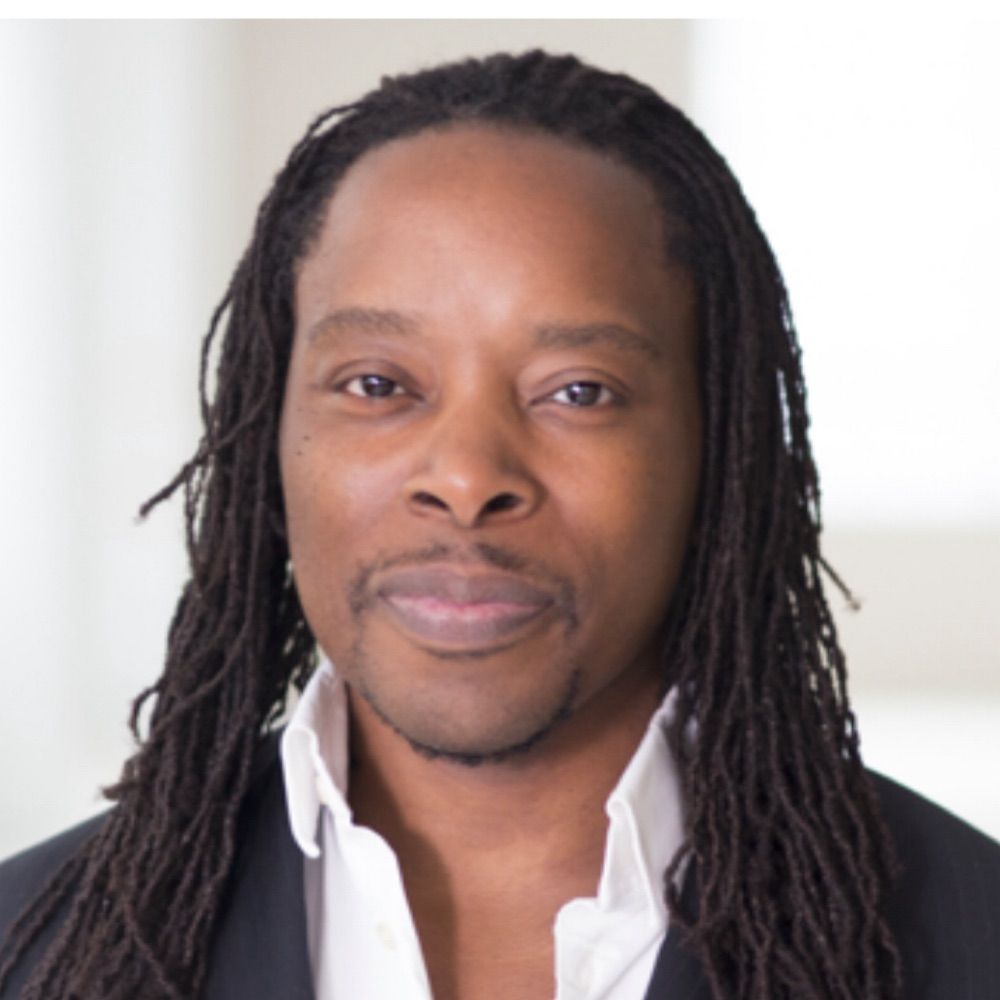
My take: The January 6th insurrection is ongoing. It was not just one day. youtu.be/4j81l0V_sbA?... #january6th #upstander #trump #insurrection

The January 6th insurrection is ongoing. It was not one day.
YouTube video by Dr. Omekongo Dibinga
youtu.be
January 6, 2026 at 8:10 PM
My take: The January 6th insurrection is ongoing. It was not just one day. youtu.be/4j81l0V_sbA?... #january6th #upstander #trump #insurrection
Reposted by Super T 757
Marlon Wayans Says He’s Done Beefing With 50 Cent — And Hints At Casting Him In His Next Movie [Video]

Marlon Wayans Says He’s Done Beefing With 50 Cent — And Hints At Casting Him In His Next Movie [Video]
Marlon Wayans is making it clear that a little online tension is not enough to block a possible bag or a future blockbuster.
Video
During Sunday’s episode of the "We in Miami Podcast," the 53-year-old comedian and filmmaker opened up about his recent back and forth with 50 Cent, explaining that the situation was brief and never that deep. Wayans described himself as a workaholic who stays focused to avoid unnecessary drama.
“You ain't never gonna read, ‘Marlon did dumb s**t,’ aside beefing with 50 Cent,” he joked.
The short lived spat sparked after Wayans referenced karma while reacting to Fifty’s involvement in the Netflix docuseries, "Sean Combs: The Reckoning." But according to Wayans, the moment passed quickly once he took a step back.
“I was having a cigar and I was thinking about it. I was just like, ‘What example do I want? Is this an example of two black men with two businesses, fighting in public?’ It's not good for my culture.”
Wayans stressed that the exchange was never serious, calling it “just two n***as on the block,” and said the bigger picture mattered more than winning an argument online.
When asked if he would work with Fifty in the future, Wayans did not hesitate.
“I’m already thinking about putting him in my next movie,” he said. “I got some action stuff I'm doing. I think he could be an incredible star.”
He even pitched the idea himself, adding, “A buddy action comedy with me and this n***a… that’s what people wanna see.”
balleralert.com
January 6, 2026 at 8:10 PM
Marlon Wayans Says He’s Done Beefing With 50 Cent — And Hints At Casting Him In His Next Movie [Video]