




Market Shaping Accelerator (MSA)
@uchi-msa.bsky.social
UChicago's Market Shaping Accelerator aims to catalyze market shaping tools to accelerate innovation to solve the world’s most pressing challenges. https://marketshaping.uchicago.edu/

More in our blog post series with @cgdev.org:
🔗 www.cgdev.org/blog/why-exp...
@siddhharia.bsky.social
🔗 www.cgdev.org/blog/why-exp...
@siddhharia.bsky.social

Why Expertise Matters: Building the Coalition to Launch Our Neonatal Sepsis AMC
This blog post is the third in a series introducing a new working group convened by CGD and the Market Shaping Accelerator (MSA) on developing an advance market commitment (AMC) for a rapid diagnostic...
www.cgdev.org
June 27, 2025 at 8:58 PM
More in our blog post series with @cgdev.org:
🔗 www.cgdev.org/blog/why-exp...
@siddhharia.bsky.social
🔗 www.cgdev.org/blog/why-exp...
@siddhharia.bsky.social
Done right, we believe this AMC can help bring a game-changing diagnostic to market that tackles neonatal sepsis and antibiotic resistance at once.
If you’re interested in shaping this work—whether as a funder, policymaker, developer, or implementer—we’d love to hear from you.
If you’re interested in shaping this work—whether as a funder, policymaker, developer, or implementer—we’d love to hear from you.
June 27, 2025 at 8:58 PM
Done right, we believe this AMC can help bring a game-changing diagnostic to market that tackles neonatal sepsis and antibiotic resistance at once.
If you’re interested in shaping this work—whether as a funder, policymaker, developer, or implementer—we’d love to hear from you.
If you’re interested in shaping this work—whether as a funder, policymaker, developer, or implementer—we’d love to hear from you.
The working group’s efforts will also create valuable public goods.
Clear TPPs and evidence requirements, market assessments, and health economic modeling can aid broader diagnostics efforts.
It can also inform how to de-risk other valuable global health innovations.
Clear TPPs and evidence requirements, market assessments, and health economic modeling can aid broader diagnostics efforts.
It can also inform how to de-risk other valuable global health innovations.
June 27, 2025 at 8:58 PM
The working group’s efforts will also create valuable public goods.
Clear TPPs and evidence requirements, market assessments, and health economic modeling can aid broader diagnostics efforts.
It can also inform how to de-risk other valuable global health innovations.
Clear TPPs and evidence requirements, market assessments, and health economic modeling can aid broader diagnostics efforts.
It can also inform how to de-risk other valuable global health innovations.
🤝 Mobilizing funding
An AMC is only as strong as the coalition behind it.
We’re generating evidence on cost-effectiveness and AMR impact to show countries, donors, and implementers why this is a high-value, neglected opportunity worth investing in.
An AMC is only as strong as the coalition behind it.
We’re generating evidence on cost-effectiveness and AMR impact to show countries, donors, and implementers why this is a high-value, neglected opportunity worth investing in.
June 27, 2025 at 8:58 PM
🤝 Mobilizing funding
An AMC is only as strong as the coalition behind it.
We’re generating evidence on cost-effectiveness and AMR impact to show countries, donors, and implementers why this is a high-value, neglected opportunity worth investing in.
An AMC is only as strong as the coalition behind it.
We’re generating evidence on cost-effectiveness and AMR impact to show countries, donors, and implementers why this is a high-value, neglected opportunity worth investing in.
🌍 Country engagement
The AMC would provide a demand signal, but clear regulatory pathways and procurement plans from LMICs are needed to make such signals credible.
As such, we’re mapping what’s needed to get diagnostics widely implemented across different health systems.
The AMC would provide a demand signal, but clear regulatory pathways and procurement plans from LMICs are needed to make such signals credible.
As such, we’re mapping what’s needed to get diagnostics widely implemented across different health systems.
June 27, 2025 at 8:58 PM
🌍 Country engagement
The AMC would provide a demand signal, but clear regulatory pathways and procurement plans from LMICs are needed to make such signals credible.
As such, we’re mapping what’s needed to get diagnostics widely implemented across different health systems.
The AMC would provide a demand signal, but clear regulatory pathways and procurement plans from LMICs are needed to make such signals credible.
As such, we’re mapping what’s needed to get diagnostics widely implemented across different health systems.
🔧AMC design means answering questions such as:
- What kind of test should we target?
- How will we validate its quality and use?
- What should we pay, and how should payments be structured?
These questions are deeply technical and interdependent, and thus require interdisciplinary expertise.
- What kind of test should we target?
- How will we validate its quality and use?
- What should we pay, and how should payments be structured?
These questions are deeply technical and interdependent, and thus require interdisciplinary expertise.
June 27, 2025 at 8:58 PM
🔧AMC design means answering questions such as:
- What kind of test should we target?
- How will we validate its quality and use?
- What should we pay, and how should payments be structured?
These questions are deeply technical and interdependent, and thus require interdisciplinary expertise.
- What kind of test should we target?
- How will we validate its quality and use?
- What should we pay, and how should payments be structured?
These questions are deeply technical and interdependent, and thus require interdisciplinary expertise.
We’re convening global health leaders, industrial organization economists, diagnostics experts, and policymakers—chaired by Lord Jim O’Neill—to tackle three tasks:
🔧 AMC design
🌍 Country engagement
🤝 Mobilizing funding
🔧 AMC design
🌍 Country engagement
🤝 Mobilizing funding
June 27, 2025 at 8:58 PM
We’re convening global health leaders, industrial organization economists, diagnostics experts, and policymakers—chaired by Lord Jim O’Neill—to tackle three tasks:
🔧 AMC design
🌍 Country engagement
🤝 Mobilizing funding
🔧 AMC design
🌍 Country engagement
🤝 Mobilizing funding
In our earlier posts, we outlined the scale of the problem and why market failures have stalled innovation.
In this one, we turn to how we’re planning to fix it: by launching a working group to design an effective AMC that can deliver results.
In this one, we turn to how we’re planning to fix it: by launching a working group to design an effective AMC that can deliver results.
June 27, 2025 at 8:58 PM
In our earlier posts, we outlined the scale of the problem and why market failures have stalled innovation.
In this one, we turn to how we’re planning to fix it: by launching a working group to design an effective AMC that can deliver results.
In this one, we turn to how we’re planning to fix it: by launching a working group to design an effective AMC that can deliver results.

We're developing the “NeoTest” AMC under a @cgdev.org -led working group. We're defining TPPs, modeling cost-effectiveness and market potential, and laying the foundations for future procurement.
June 26, 2025 at 9:01 PM
We're developing the “NeoTest” AMC under a @cgdev.org -led working group. We're defining TPPs, modeling cost-effectiveness and market potential, and laying the foundations for future procurement.
Our AMC proposal specifically targets the market failures we’ve outlined:
✅ Rewards early movers
✅ Pricing commitment dissolves the hold-up problem
✅ Increased payments partially compensate for the social value of reduced AMR
✅ Rewards early movers
✅ Pricing commitment dissolves the hold-up problem
✅ Increased payments partially compensate for the social value of reduced AMR
June 26, 2025 at 9:01 PM
Our AMC proposal specifically targets the market failures we’ve outlined:
✅ Rewards early movers
✅ Pricing commitment dissolves the hold-up problem
✅ Increased payments partially compensate for the social value of reduced AMR
✅ Rewards early movers
✅ Pricing commitment dissolves the hold-up problem
✅ Increased payments partially compensate for the social value of reduced AMR
An AMC brings several advantages:
🔬 Tech-agnostic—welcoming biomarkers, metagenomics, machine learning, and more
📋 Tied to real-world needs via a target product profile (TPP)
🌍 Linked to affordability to ensure access where it’s needed most
🔬 Tech-agnostic—welcoming biomarkers, metagenomics, machine learning, and more
📋 Tied to real-world needs via a target product profile (TPP)
🌍 Linked to affordability to ensure access where it’s needed most
June 26, 2025 at 9:01 PM
An AMC brings several advantages:
🔬 Tech-agnostic—welcoming biomarkers, metagenomics, machine learning, and more
📋 Tied to real-world needs via a target product profile (TPP)
🌍 Linked to affordability to ensure access where it’s needed most
🔬 Tech-agnostic—welcoming biomarkers, metagenomics, machine learning, and more
📋 Tied to real-world needs via a target product profile (TPP)
🌍 Linked to affordability to ensure access where it’s needed most
To overcome these challenges, we propose an advance market commitment (AMC): a pull mechanism in which funders commit upfront to pay for products that meet real-world criteria.
For neonatal sepsis, this could mean top-up payments per qualifying test or guaranteed purchase volumes at a fixed price.
For neonatal sepsis, this could mean top-up payments per qualifying test or guaranteed purchase volumes at a fixed price.
June 26, 2025 at 9:01 PM
To overcome these challenges, we propose an advance market commitment (AMC): a pull mechanism in which funders commit upfront to pay for products that meet real-world criteria.
For neonatal sepsis, this could mean top-up payments per qualifying test or guaranteed purchase volumes at a fixed price.
For neonatal sepsis, this could mean top-up payments per qualifying test or guaranteed purchase volumes at a fixed price.
3️⃣ AMR spillovers:
Only ~18% of neonates treated for sepsis in LMICs have a confirmed infection. The rest still receive antibiotics, fueling resistance.
Better diagnostics could change that. But health systems underinvest because AMR reductions help others, not just the payer.
Only ~18% of neonates treated for sepsis in LMICs have a confirmed infection. The rest still receive antibiotics, fueling resistance.
Better diagnostics could change that. But health systems underinvest because AMR reductions help others, not just the payer.
June 26, 2025 at 9:01 PM
3️⃣ AMR spillovers:
Only ~18% of neonates treated for sepsis in LMICs have a confirmed infection. The rest still receive antibiotics, fueling resistance.
Better diagnostics could change that. But health systems underinvest because AMR reductions help others, not just the payer.
Only ~18% of neonates treated for sepsis in LMICs have a confirmed infection. The rest still receive antibiotics, fueling resistance.
Better diagnostics could change that. But health systems underinvest because AMR reductions help others, not just the payer.
2️⃣ Pricing constraints:
Neonatal sepsis predominantly affects low-resource countries. Here, limited health budgets and concentrated purchasing power often drive prices down to marginal cost, making it hard to recoup R&D investment.
This is a classic case of a hold-up problem.
Neonatal sepsis predominantly affects low-resource countries. Here, limited health budgets and concentrated purchasing power often drive prices down to marginal cost, making it hard to recoup R&D investment.
This is a classic case of a hold-up problem.
June 26, 2025 at 9:01 PM
2️⃣ Pricing constraints:
Neonatal sepsis predominantly affects low-resource countries. Here, limited health budgets and concentrated purchasing power often drive prices down to marginal cost, making it hard to recoup R&D investment.
This is a classic case of a hold-up problem.
Neonatal sepsis predominantly affects low-resource countries. Here, limited health budgets and concentrated purchasing power often drive prices down to marginal cost, making it hard to recoup R&D investment.
This is a classic case of a hold-up problem.
1️⃣ First-mover disadvantage:
Pioneering a new sepsis diagnostic involves high R&D costs, navigating uncertain regulation, and building demand from scratch.
But weak IP protections and industry-wide spillovers allow later entrants to compete away profits, undermining the incentive to invest.
Pioneering a new sepsis diagnostic involves high R&D costs, navigating uncertain regulation, and building demand from scratch.
But weak IP protections and industry-wide spillovers allow later entrants to compete away profits, undermining the incentive to invest.
June 26, 2025 at 9:01 PM
1️⃣ First-mover disadvantage:
Pioneering a new sepsis diagnostic involves high R&D costs, navigating uncertain regulation, and building demand from scratch.
But weak IP protections and industry-wide spillovers allow later entrants to compete away profits, undermining the incentive to invest.
Pioneering a new sepsis diagnostic involves high R&D costs, navigating uncertain regulation, and building demand from scratch.
But weak IP protections and industry-wide spillovers allow later entrants to compete away profits, undermining the incentive to invest.
Despite clear need and promising scientific leads, no rapid, point-of-care neonatal sepsis test has reached the market. Why?
Three overlapping market failures disincentivize investment. 👇
Three overlapping market failures disincentivize investment. 👇
June 26, 2025 at 9:01 PM
Despite clear need and promising scientific leads, no rapid, point-of-care neonatal sepsis test has reached the market. Why?
Three overlapping market failures disincentivize investment. 👇
Three overlapping market failures disincentivize investment. 👇
In our last post, we explained why rapid diagnostics for neonatal sepsis are a high-value innovation target: they can catch infections early and reduce unnecessary antibiotic use.
📖 www.cgdev.org/blog/case-pr...
📖 www.cgdev.org/blog/case-pr...
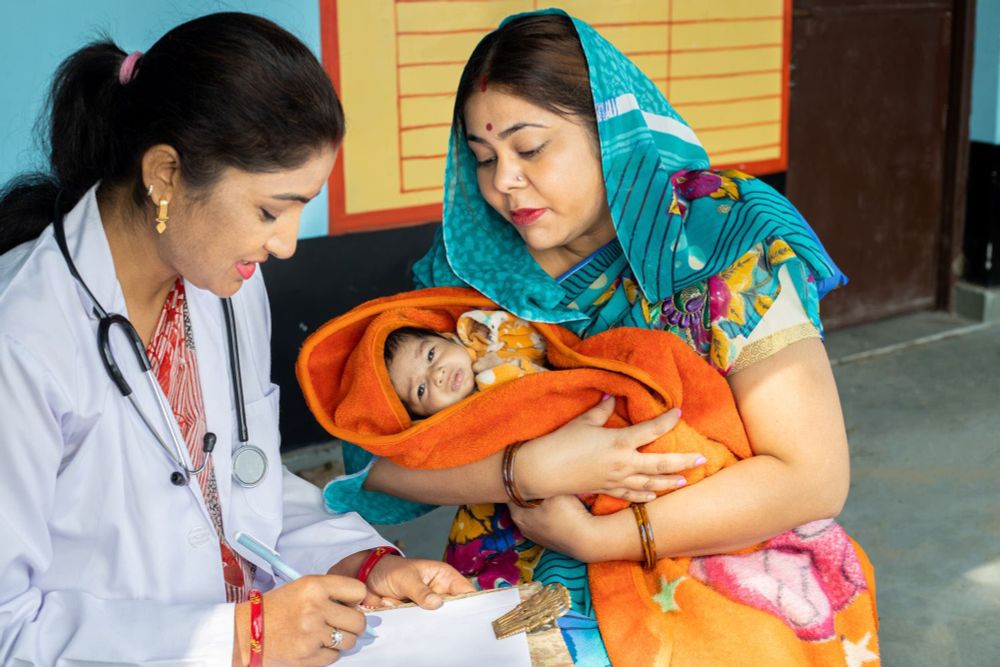
The Case for Prioritizing Neonatal Sepsis Diagnostics
This blog post is the first in a series introducing a new working group convened by CGD and the Market Shaping Accelerator (MSA) on developing an advance market commitment (AMC) for a rapid diagnostic...
www.cgdev.org
June 26, 2025 at 9:01 PM
In our last post, we explained why rapid diagnostics for neonatal sepsis are a high-value innovation target: they can catch infections early and reduce unnecessary antibiotic use.
📖 www.cgdev.org/blog/case-pr...
📖 www.cgdev.org/blog/case-pr...
📖 Learn more in our blog post—the first in a new series on how an AMC could unlock progress on this critical front:
www.cgdev.org/blog/case-pr...
@siddhharia.bsky.social @rrolapp.bsky.social @cgdev.org
www.cgdev.org/blog/case-pr...
@siddhharia.bsky.social @rrolapp.bsky.social @cgdev.org
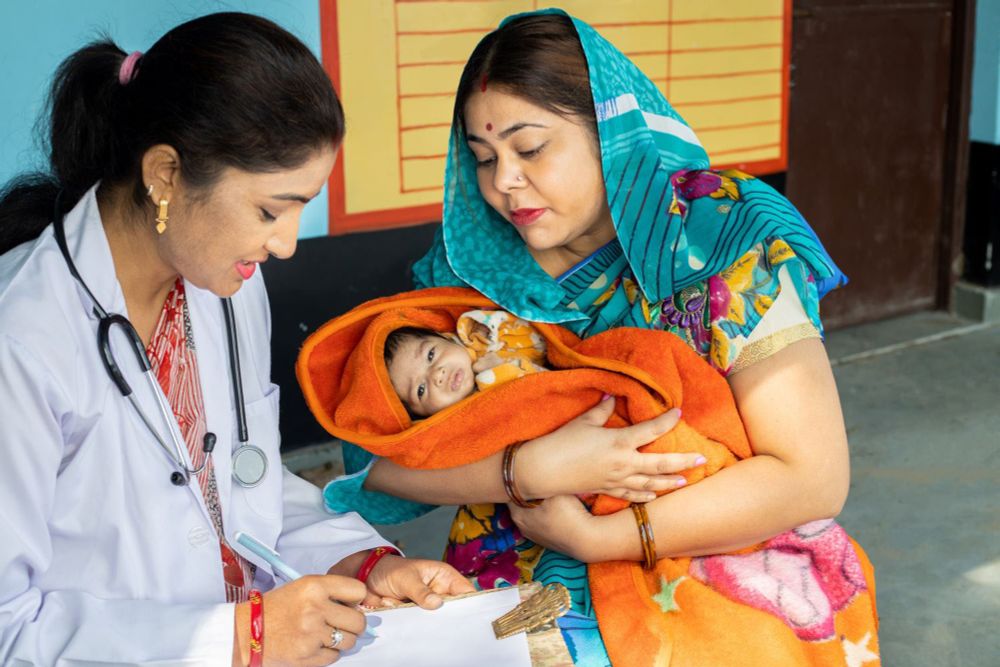
The Case for Prioritizing Neonatal Sepsis Diagnostics
This blog post is the first in a series introducing a new working group convened by CGD and the Market Shaping Accelerator (MSA) on developing an advance market commitment (AMC) for a rapid diagnostic...
www.cgdev.org
June 25, 2025 at 6:59 PM
📖 Learn more in our blog post—the first in a new series on how an AMC could unlock progress on this critical front:
www.cgdev.org/blog/case-pr...
@siddhharia.bsky.social @rrolapp.bsky.social @cgdev.org
www.cgdev.org/blog/case-pr...
@siddhharia.bsky.social @rrolapp.bsky.social @cgdev.org