



Object P12hxMW on the PCCP, MBA-type orbit but showing a very clear tail at PA ~270. Possible impact event or spin up. Images from G96 2025 11 29UT. #cometwatch #comet #NEOCP 🔭


November 30, 2025 at 7:30 PM
Object P12hxMW on the PCCP, MBA-type orbit but showing a very clear tail at PA ~270. Possible impact event or spin up. Images from G96 2025 11 29UT. #cometwatch #comet #NEOCP 🔭
My new observations:
Interstellar comet 3I/ATLAS on Sep 18 at iTelescope.Net T72;
Moon, Venus and Regulus on Sep 19;
Potentially Hazardous Asteroid 2025 FA22 + confirmed NEOCP object P22eOKK on Sep 21 at the Liverpool Telescope.
@astrodave.bsky.social
@davidbflower.bsky.social
#PhotoHour #StormHour
Interstellar comet 3I/ATLAS on Sep 18 at iTelescope.Net T72;
Moon, Venus and Regulus on Sep 19;
Potentially Hazardous Asteroid 2025 FA22 + confirmed NEOCP object P22eOKK on Sep 21 at the Liverpool Telescope.
@astrodave.bsky.social
@davidbflower.bsky.social
#PhotoHour #StormHour


September 23, 2025 at 2:12 PM
My new observations:
Interstellar comet 3I/ATLAS on Sep 18 at iTelescope.Net T72;
Moon, Venus and Regulus on Sep 19;
Potentially Hazardous Asteroid 2025 FA22 + confirmed NEOCP object P22eOKK on Sep 21 at the Liverpool Telescope.
@astrodave.bsky.social
@davidbflower.bsky.social
#PhotoHour #StormHour
Interstellar comet 3I/ATLAS on Sep 18 at iTelescope.Net T72;
Moon, Venus and Regulus on Sep 19;
Potentially Hazardous Asteroid 2025 FA22 + confirmed NEOCP object P22eOKK on Sep 21 at the Liverpool Telescope.
@astrodave.bsky.social
@davidbflower.bsky.social
#PhotoHour #StormHour
One minor critique, which is seen clearly in the NEOCP log. The first precovery observations that showed an interstellar orbit were submitted by Quanzhi Ye from the Zwicky Transient Facility (I41). Not S. Deen.
minorplanetcenter.net/cgi-bin/cgip...
minorplanetcenter.net/cgi-bin/cgip...

July 4, 2025 at 8:15 PM
One minor critique, which is seen clearly in the NEOCP log. The first precovery observations that showed an interstellar orbit were submitted by Quanzhi Ye from the Zwicky Transient Facility (I41). Not S. Deen.
minorplanetcenter.net/cgi-bin/cgip...
minorplanetcenter.net/cgi-bin/cgip...
The elements have changed a bit since that original NEOCP plot was generated. You can make a new plot anytime here. In the "MPC #" box type 3I, then click "FROM MPC". Can change the view and save images.

CSS Orbit View | NEOfixer | The University of Arizona
NEOfixer aims to help optimize the discovery and follow-up of Near-Earth Objects (NEOs) by providing observers with targeting recommendations, specific to their site.
neofixer.arizona.edu
July 3, 2025 at 8:09 PM
The elements have changed a bit since that original NEOCP plot was generated. You can make a new plot anytime here. In the "MPC #" box type 3I, then click "FROM MPC". Can change the view and save images.

ATLAS (Asteroid Terrestrial-impact Last Alert System) has discovered a new NEOCP (Near-Earth Object Confirmation Page) candidate in four 30-second survey images taken on 01 July 2025. #3I/ATLAS #ATLAS #Comet #Interstellarobject #NASA #Solarsystem
www.scientificeuropean.co.uk/sciences/spa...
www.scientificeuropean.co.uk/sciences/spa...

July 3, 2025 at 4:45 PM
ATLAS (Asteroid Terrestrial-impact Last Alert System) has discovered a new NEOCP (Near-Earth Object Confirmation Page) candidate in four 30-second survey images taken on 01 July 2025. #3I/ATLAS #ATLAS #Comet #Interstellarobject #NASA #Solarsystem
www.scientificeuropean.co.uk/sciences/spa...
www.scientificeuropean.co.uk/sciences/spa...

Yeah, except for the Kiwis tracking it patiently after it goes up on NEOCP 😅
June 2, 2025 at 8:13 PM
Yeah, except for the Kiwis tracking it patiently after it goes up on NEOCP 😅
the NEOCP that exceeds 80%, while limiting the loss of NEO discovery tracklets to 5.5%. Importantly, we show that most follow-up tracklets of initially misclassified NEOs are later correctly identified as NEOs. [8/8 of https://arxiv.org/abs/2505.11910v1]
May 20, 2025 at 6:09 AM
the NEOCP that exceeds 80%, while limiting the loss of NEO discovery tracklets to 5.5%. Importantly, we show that most follow-up tracklets of initially misclassified NEOs are later correctly identified as NEOs. [8/8 of https://arxiv.org/abs/2505.11910v1]
(ML) techniques, that is, the gradient-boosting machine (GBM), the random forest (RF) classifier, the stochastic gradient descent (SGD) classifier, and neural networks (NN) to classify NEOCP candidates as NEOs or non-NEOs. Based on digest2 parameters [6/8 of https://arxiv.org/abs/2505.11910v1]
May 20, 2025 at 6:09 AM
(ML) techniques, that is, the gradient-boosting machine (GBM), the random forest (RF) classifier, the stochastic gradient descent (SGD) classifier, and neural networks (NN) to classify NEOCP candidates as NEOs or non-NEOs. Based on digest2 parameters [6/8 of https://arxiv.org/abs/2505.11910v1]
analysis, we derived a filtering mechanism based on selected digest2 parameters that were able to exclude 20% of the non-NEOs from the NEOCP while maintaining a minimal loss of true NEOs. We also investigated the application of four machine-learning [5/8 of https://arxiv.org/abs/2505.11910v1]
May 20, 2025 at 6:09 AM
analysis, we derived a filtering mechanism based on selected digest2 parameters that were able to exclude 20% of the non-NEOs from the NEOCP while maintaining a minimal loss of true NEOs. We also investigated the application of four machine-learning [5/8 of https://arxiv.org/abs/2505.11910v1]
wasted resources on non-NEOs, we refine the posting criteria for NEOCP based on a detailed analysis of all digest2 scores. We investigated 30 distinct digest2 parameter categories for candidates that were confirmed as NEOs and non-NEOs. From this [4/8 of https://arxiv.org/abs/2505.11910v1]
May 20, 2025 at 6:09 AM
wasted resources on non-NEOs, we refine the posting criteria for NEOCP based on a detailed analysis of all digest2 scores. We investigated 30 distinct digest2 parameter categories for candidates that were confirmed as NEOs and non-NEOs. From this [4/8 of https://arxiv.org/abs/2505.11910v1]
significantly reducing the inclusion of non-NEO objects on the NEOCP. Despite the substantial increase in near-Earth object (NEO) discoveries in recent years, only about half of the NEOCP candidates are ultimately confirmed as NEOs. Therefore, much [2/8 of https://arxiv.org/abs/2505.11910v1]
May 20, 2025 at 6:09 AM
significantly reducing the inclusion of non-NEO objects on the NEOCP. Despite the substantial increase in near-Earth object (NEO) discoveries in recent years, only about half of the NEOCP candidates are ultimately confirmed as NEOs. Therefore, much [2/8 of https://arxiv.org/abs/2505.11910v1]
arXiv:2505.11910v1 Announce Type: new
Abstract: We present a comprehensive analysis of the digest2 parameters for candidates of the Near-Earth Object Confirmation Page (NEOCP) that were reported between 2019 and 2024. Our study proposes methods for [1/8 of https://arxiv.org/abs/2505.11910v1]
Abstract: We present a comprehensive analysis of the digest2 parameters for candidates of the Near-Earth Object Confirmation Page (NEOCP) that were reported between 2019 and 2024. Our study proposes methods for [1/8 of https://arxiv.org/abs/2505.11910v1]
May 20, 2025 at 6:09 AM
arXiv:2505.11910v1 Announce Type: new
Abstract: We present a comprehensive analysis of the digest2 parameters for candidates of the Near-Earth Object Confirmation Page (NEOCP) that were reported between 2019 and 2024. Our study proposes methods for [1/8 of https://arxiv.org/abs/2505.11910v1]
Abstract: We present a comprehensive analysis of the digest2 parameters for candidates of the Near-Earth Object Confirmation Page (NEOCP) that were reported between 2019 and 2024. Our study proposes methods for [1/8 of https://arxiv.org/abs/2505.11910v1]
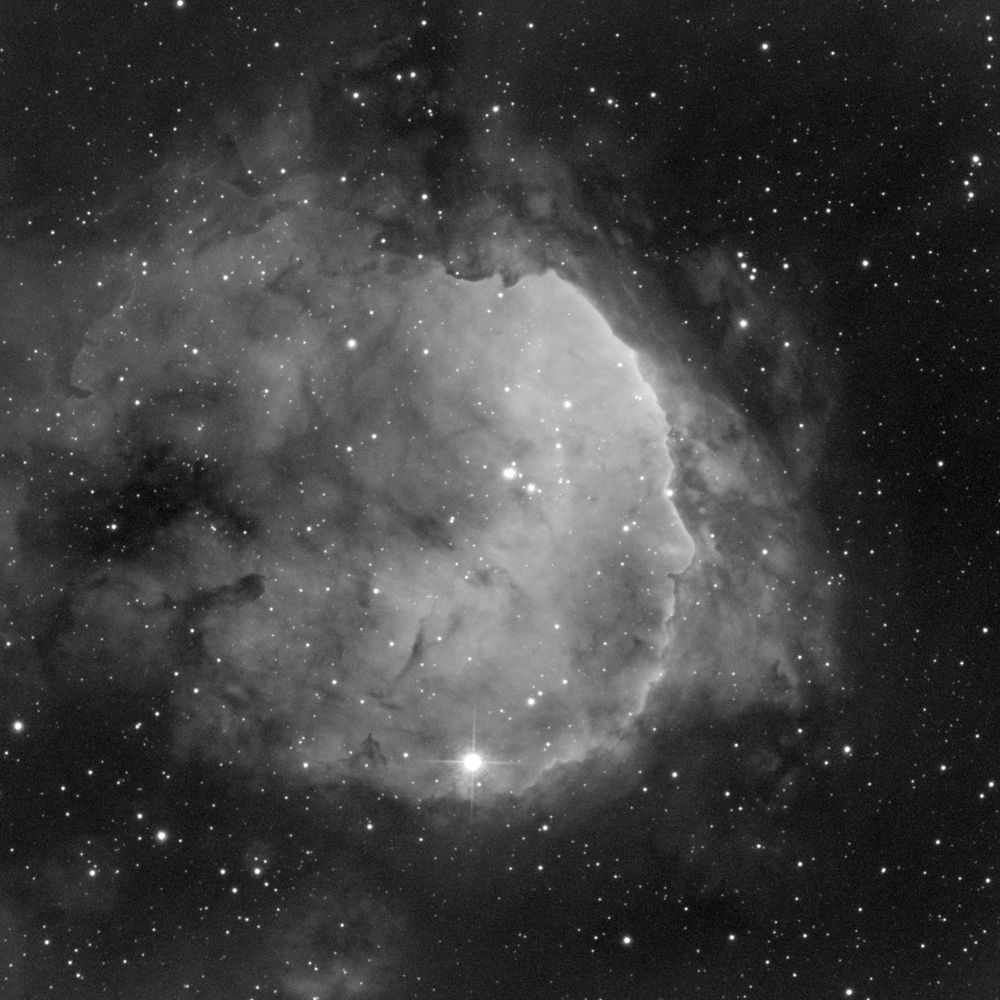
Very fast NEOCP object discovered by our MAPS survey in Chile and confirmed a few hours later by me from France :-)
The asteroid of 4-11 m approached Earth at 0.22 lunar distance (84000 km).
🔭
The asteroid of 4-11 m approached Earth at 0.22 lunar distance (84000 km).
🔭

April 2, 2025 at 2:01 PM
Very fast NEOCP object discovered by our MAPS survey in Chile and confirmed a few hours later by me from France :-)
The asteroid of 4-11 m approached Earth at 0.22 lunar distance (84000 km).
🔭
The asteroid of 4-11 m approached Earth at 0.22 lunar distance (84000 km).
🔭

That's a work-in-progress that I'm writing. I want to know at any given time what asteroids can I see in my telescope. This program currently is capable of pulling in all asteroids, only neas, neocp objects (which are usually too dim for me), deep sky, Sun and Moon.
March 8, 2025 at 6:50 PM
That's a work-in-progress that I'm writing. I want to know at any given time what asteroids can I see in my telescope. This program currently is capable of pulling in all asteroids, only neas, neocp objects (which are usually too dim for me), deep sky, Sun and Moon.



#IMPACT UPCOMING: a small (1-2 meter) #asteroid discovered by Catalina will #harmlessly impact in the western Pacific today, nominally around 16:26 UTC (4 Sept). Object CAQTDL2 on the NEOCP. Will cause bright fireball and maybe some stones splashing into the ocean.
September 4, 2024 at 8:44 AM
#IMPACT UPCOMING: a small (1-2 meter) #asteroid discovered by Catalina will #harmlessly impact in the western Pacific today, nominally around 16:26 UTC (4 Sept). Object CAQTDL2 on the NEOCP. Will cause bright fireball and maybe some stones splashing into the ocean.

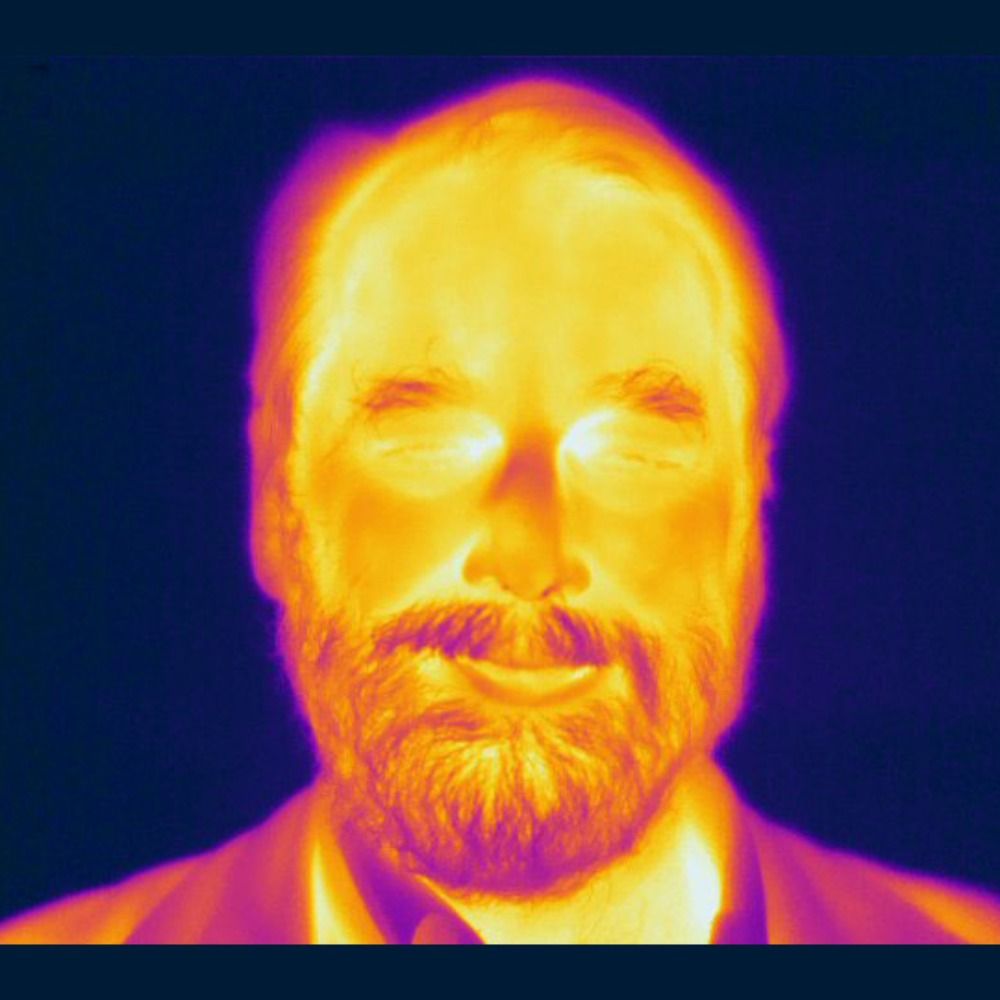
As the Moon brightens the night sky, once again #NEOWISE tracklets are on the NEOCP. Just remember the albedo and visual brightness are very uncertain until the first optical detection, so plan for ~2 mag fainter than the prediction.
January 20, 2024 at 5:06 AM
As the Moon brightens the night sky, once again #NEOWISE tracklets are on the NEOCP. Just remember the albedo and visual brightness are very uncertain until the first optical detection, so plan for ~2 mag fainter than the prediction.