


Economics
German manufacturers announced further job cuts and plant closures as high energy costs, bureaucracy and U.S. tariffs weighed on exports, while Chancellor Merz's economic program faced growing criticism.

Prime Minister Keir Starmer raised pressure on the head of the Office for Budget Responsibility, calling a market-sensitive budget leak a "serious error" and a "massive discourtesy" to Parliament.

France’s Conseil des prélèvements obligatoires released a report urging sweeping reforms to inheritance, donations and property taxes to better tax complex, unequal French wealth.

Online retailers, including Amazon, offered steep Cyber Monday and Black Friday discounts across Europe and the U.S., boosting e‑commerce sales in France while UK high‑street visits fell.

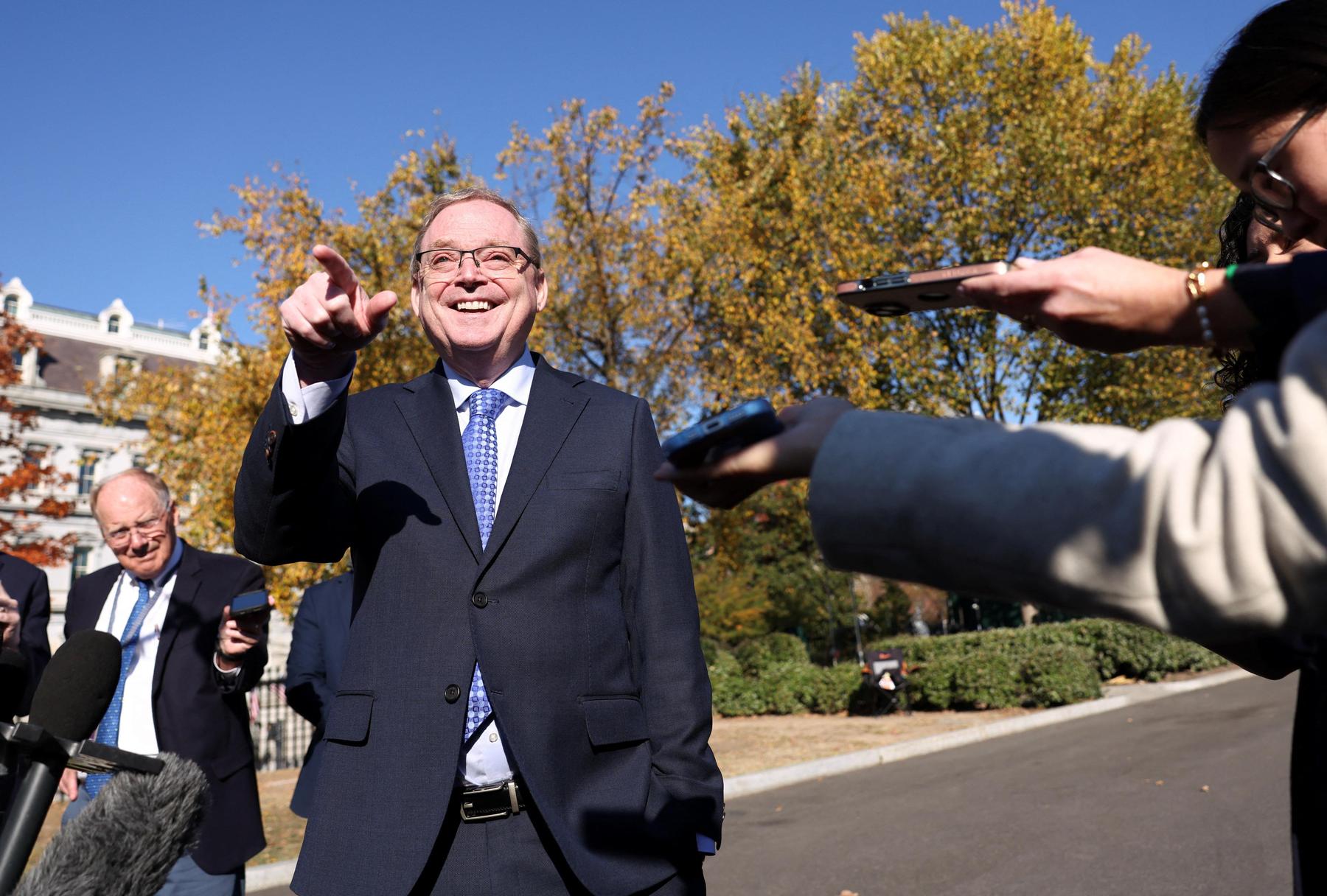
President Donald Trump said he had chosen a successor to Federal Reserve Chair Jerome Powell to lead the U.S. central bank.
SIPRI reported global sales by the 100 largest arms producers reached a record $679 billion in 2024, up about 6%, driven largely by the wars in Ukraine and Gaza.

Italy's Economy Ministry published a decree raising minimum pensions by €3 from January 2026 to about €620, while Germany's Ifo president Clemens Fuest warned reforms would force tax rises.

Global markets were mixed as central bank signals pushed up Japanese yields and the yen while the delivered U.K. budget left the pound little changed and Asian stocks uneven.

Swedish food prices were largely unchanged in November, while citrus fruits became cheaper and berries and beef grew more expensive.

A SIPRI report found worldwide arms sales reached a record high in 2024, boosting revenues at major manufacturers—especially German firms—while Chinese firms' sales fell.
