Martin Haspelmath
banner
haspelmath.bsky.social
Martin Haspelmath
@haspelmath.bsky.social

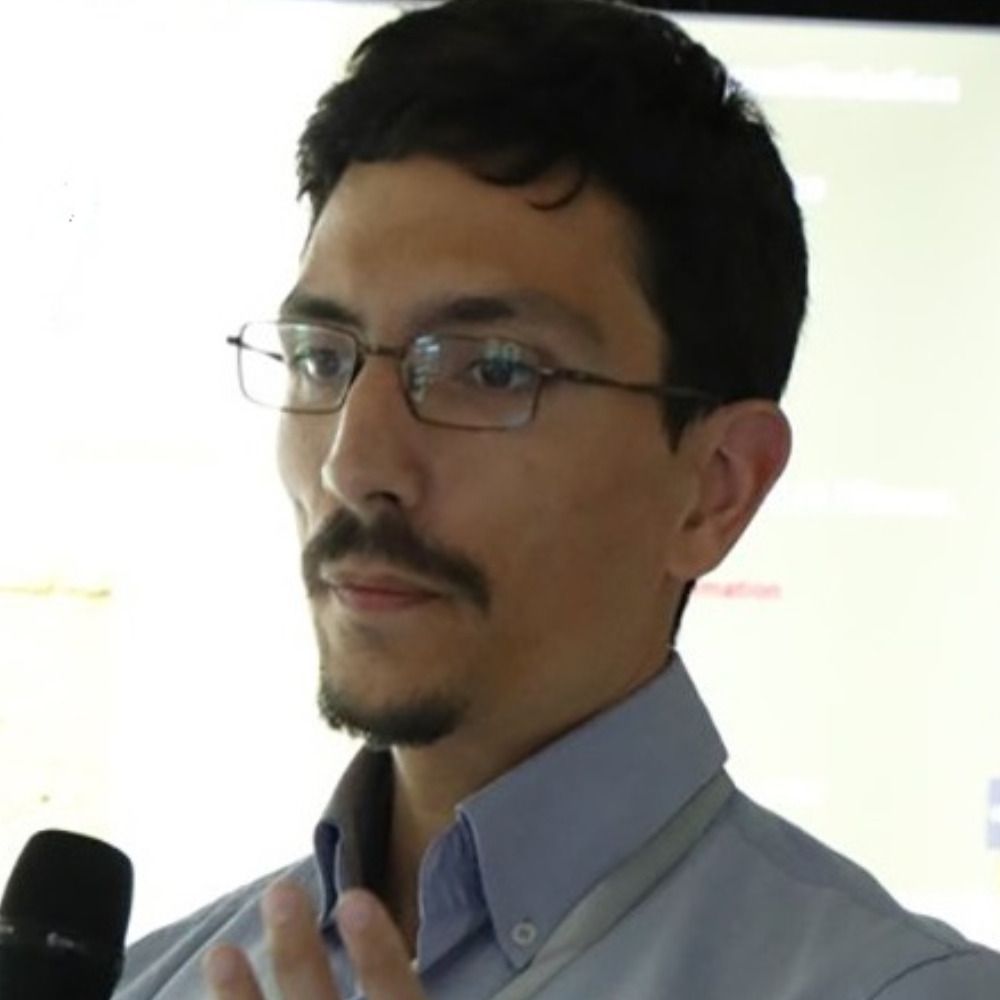
comparative linguist, MPI for Evolutionary Anthropology (Leipzig); https://www.eva.mpg.de/linguistic-and-cultural-evolution/staff/martin-haspelmath

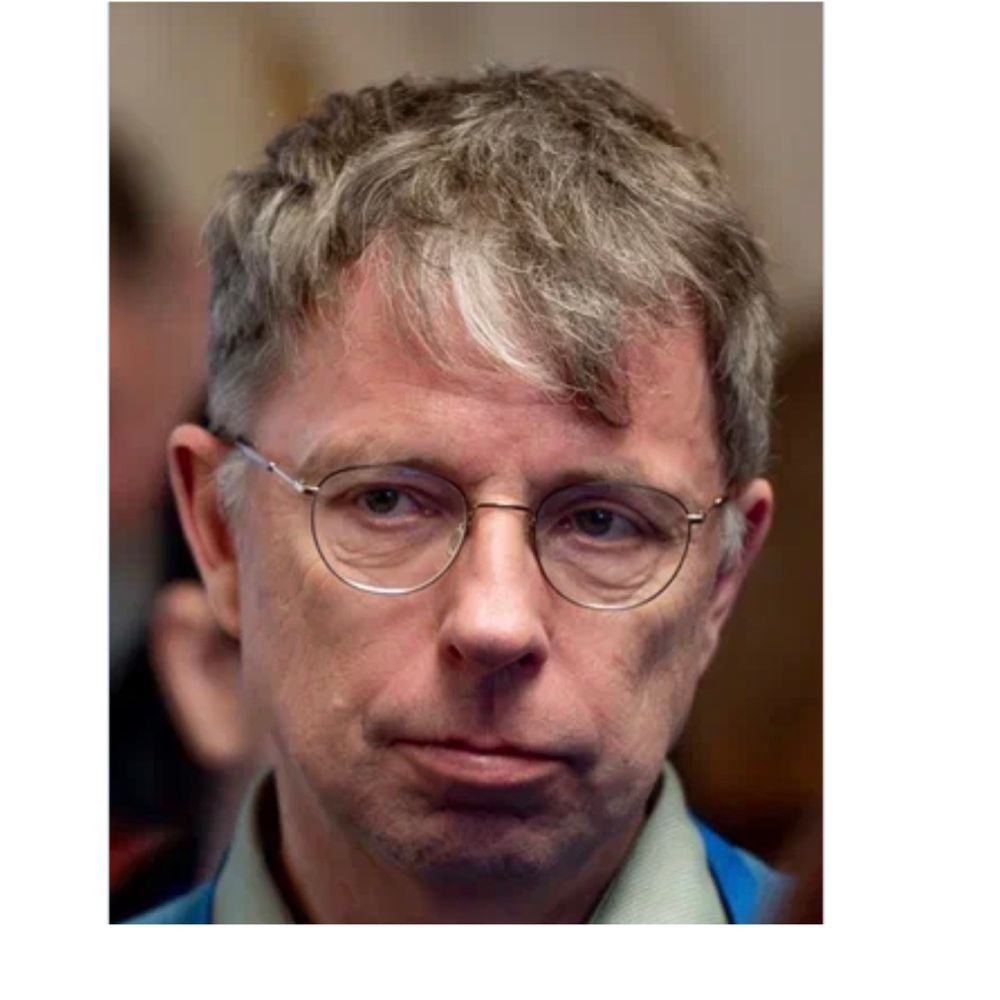
Martin Haspelmath is a German linguist working in the field of linguistic typology. He is a researcher at the Max Planck Institute for Evolutionary Anthropology in Leipzig, where he worked from 1998 to 2015 and again since 2020. Between 2015 and 2020, he worked at the Max Planck Institute for the Science of Human History. He is also an honorary professor of linguistics at the University of Leipzig. .. more

Communication & Media Studies 41%
Psychology 20%

Reposted by Martín Haspelmath

In this blogpost (on the occasion of reading Caha 2019), I make some comments on the "accidental vs. systematic syncretism" distinction, which seems to be unnecessary: dlc.hypotheses.org/4188
Is inflectional syncretism ever “systematic”? Some comments on Caha (2019)
Since Plank (1991), syncretic patterns in inflectional paradigms have been studied in a sustained way, fuelled also by the increasing popularity of Distributed Morphology (e.g. Siddiqi 2019) and nanos...
dlc.hypotheses.org

Reposted by Martín Haspelmath

Reposted by Martín Haspelmath

Reposted by Martín Haspelmath

Reposted by Martín Haspelmath

Reposted by Martín Haspelmath

Reposted by Martín Haspelmath

Reposted by Martín Haspelmath

Reposted by Martín Haspelmath

Reposted by Martín Haspelmath

Reposted by Martín Haspelmath

Reposted by Martín Haspelmath

Reposted by Martín Haspelmath

Reposted by Martín Haspelmath

Reposted by Martín Haspelmath

Hey, did you know that Greek lost the phoneme /h/ because of secularism? You see, /h/ intrinsically symbolises the Creator. And hydrogen.

This journal is published by @springernature.com , and is hosted by @nature.com. How did this incoherent nonsense make it into print?

Biases are everywhere. We really need to work hard to avoid them – not only our political biases, but also our biases toward a particular favoured theory. www.science.org/doi/epdf/10....

Reposted by Martín Haspelmath

Two people in a sentence, one “he” later. André Luiz da Silva and Jan Edson Rodrigues Leite show conjunctions can tilt the guess: “but” tends to favor the nearer name, “therefore/so” the earlier one, and conclusive links get faster average responses. #langsky #linguistics doi.org/10.25189/267...

Reposted by Martín Haspelmath

These photos on my institute's news page about the study are real value added. Would you like to sit in a precise laser-measured pit all day? Archaeology may be for you! (It's essential work but I would go insane.)

Reposted by Martín Haspelmath

Reposted by Martín Haspelmath

Reposted by Martín Haspelmath

Reposted by Martín Haspelmath

Reposted by Martín Haspelmath

Reposted by Martín Haspelmath

Reposted by Martín Haspelmath

Reposted by Martín Haspelmath