




Emily H Hollingsworth
@emzyholl.bsky.social
Research Fellow in Organic Geochemistry
Reposted by Emily H Hollingsworth

📢We're hiring!📢
We have a permanent Lecturer in Earth Sciences position available in @OU_EEE
@OpenUniversity
£47,389 to £56,535
Closing Date: 20 October 2025*
We are a friendly, research intensive school with supportive colleagues and great labs.
jobs.open.ac.uk/job/Lecturer...
We have a permanent Lecturer in Earth Sciences position available in @OU_EEE
@OpenUniversity
£47,389 to £56,535
Closing Date: 20 October 2025*
We are a friendly, research intensive school with supportive colleagues and great labs.
jobs.open.ac.uk/job/Lecturer...
Lecturer in Earth Sciences
Lecturer in Earth Sciences
jobs.open.ac.uk
September 22, 2025 at 12:09 PM
📢We're hiring!📢
We have a permanent Lecturer in Earth Sciences position available in @OU_EEE
@OpenUniversity
£47,389 to £56,535
Closing Date: 20 October 2025*
We are a friendly, research intensive school with supportive colleagues and great labs.
jobs.open.ac.uk/job/Lecturer...
We have a permanent Lecturer in Earth Sciences position available in @OU_EEE
@OpenUniversity
£47,389 to £56,535
Closing Date: 20 October 2025*
We are a friendly, research intensive school with supportive colleagues and great labs.
jobs.open.ac.uk/job/Lecturer...
Reposted by Emily H Hollingsworth

Now published in @agu.org Geophysical Research Letters!
What happens to marine archaea when they’re hungry? And what does that mean for the TEX₈₆ paleothermometer?
Full paper here: doi.org/10.1029/2025...
Thanks to my coauthors and mentors for their support — and stay tuned, more is coming!
What happens to marine archaea when they’re hungry? And what does that mean for the TEX₈₆ paleothermometer?
Full paper here: doi.org/10.1029/2025...
Thanks to my coauthors and mentors for their support — and stay tuned, more is coming!
A Nutrient Effect on the TEX86 Paleotemperature Proxy
Nutrient stress alters GDGT distributions in marine sediments, resulting in elevated TEX86 ${\text{TEX}}_{86}$ values beyond those related to thermal effects
Paleoclimate case studies from the Ar...
doi.org
June 21, 2025 at 7:32 PM
Now published in @agu.org Geophysical Research Letters!
What happens to marine archaea when they’re hungry? And what does that mean for the TEX₈₆ paleothermometer?
Full paper here: doi.org/10.1029/2025...
Thanks to my coauthors and mentors for their support — and stay tuned, more is coming!
What happens to marine archaea when they’re hungry? And what does that mean for the TEX₈₆ paleothermometer?
Full paper here: doi.org/10.1029/2025...
Thanks to my coauthors and mentors for their support — and stay tuned, more is coming!
Reposted by Emily H Hollingsworth

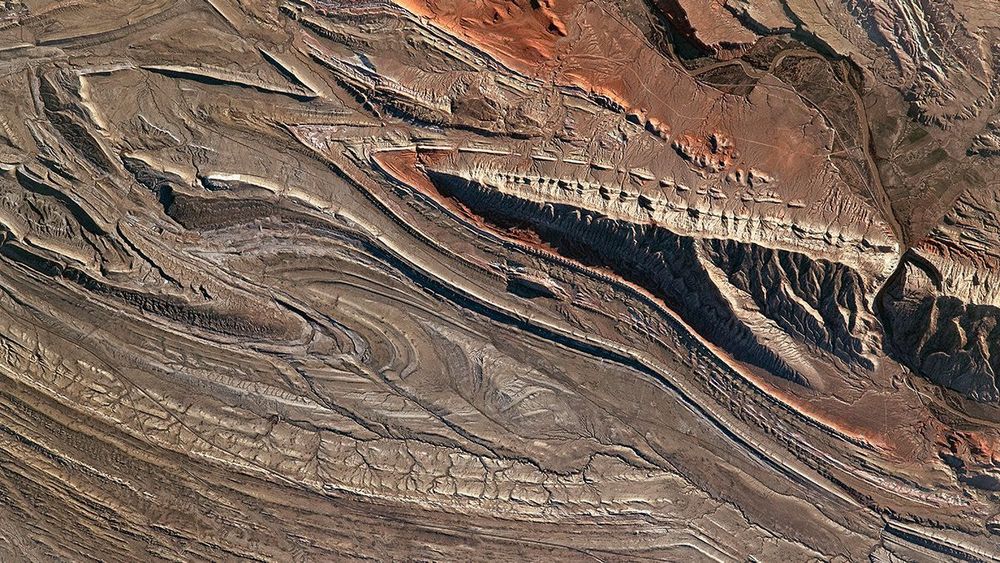
Understanding the duration of the Paleocene-Eocene Thermal Maximum could help scientists better understand the potential effects of modern anthropogenic climate change.
An Ancient Warming Event May Have Lasted Longer Than We Thought - Eos
New research on the Paleocene-Eocene Thermal Maximum used probabilistic analysis to learn more about its duration and how long modern warming could affect the carbon cycle.
eos.org
May 16, 2025 at 6:18 PM
Understanding the duration of the Paleocene-Eocene Thermal Maximum could help scientists better understand the potential effects of modern anthropogenic climate change.
Reposted by Emily H Hollingsworth
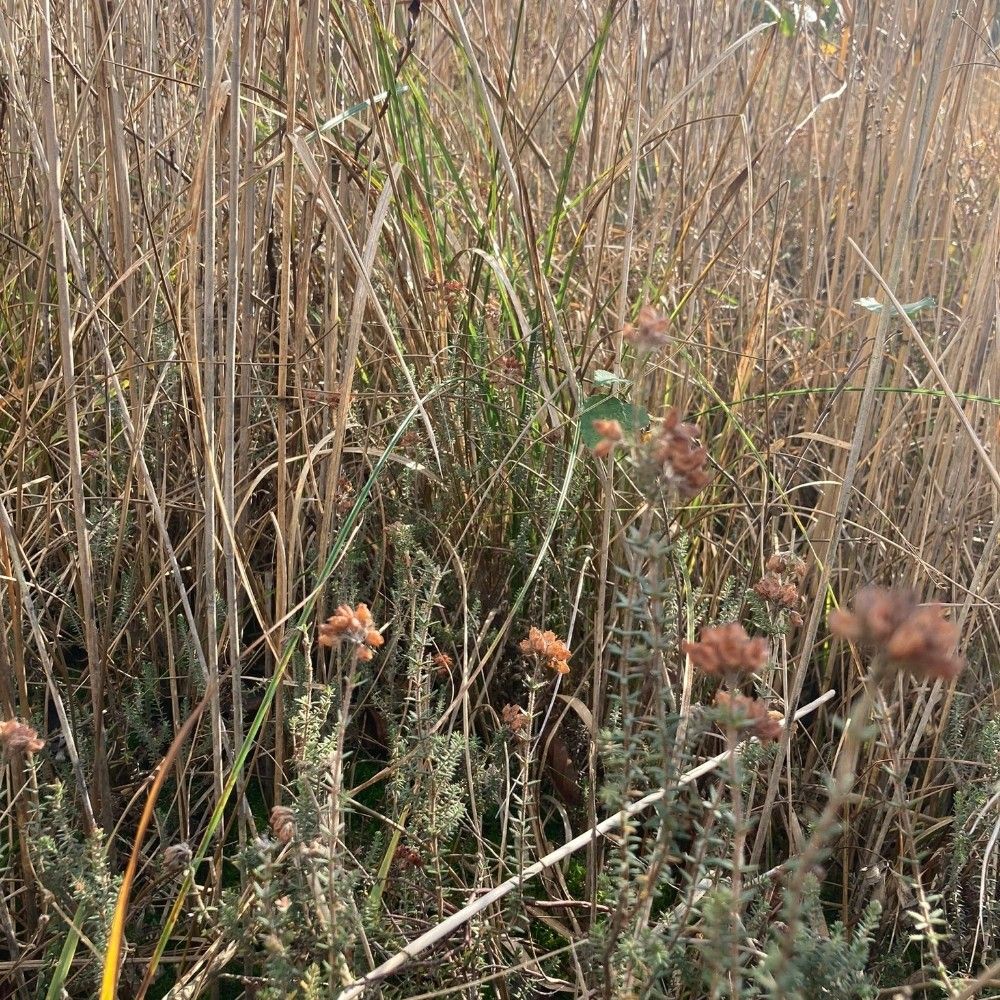
What a day. While I was in Bristol for a wonderful PhD viva, the CERES gang was out at Crymlyn Bog in Wales, collecting a 8.5 m peat core. We're keen to see whether deep fen microbes are similar to those we've seen in bogs and tropical swamps and what that means for the resilience of deep carbon.


April 2, 2025 at 8:43 PM
What a day. While I was in Bristol for a wonderful PhD viva, the CERES gang was out at Crymlyn Bog in Wales, collecting a 8.5 m peat core. We're keen to see whether deep fen microbes are similar to those we've seen in bogs and tropical swamps and what that means for the resilience of deep carbon.
Reposted by Emily H Hollingsworth

New paper led by Emily Hollingsworth in Geochemical Perspective Letters. We use Raman spectroscopy to evaluate rock organic carbon oxidation during the Paleocene-Eocene thermal maximum and assess its role as a positive feedback mechanism! (1/3)
www.geochemicalperspectivesletters.org/article2444/
www.geochemicalperspectivesletters.org/article2444/

November 26, 2024 at 12:38 PM
New paper led by Emily Hollingsworth in Geochemical Perspective Letters. We use Raman spectroscopy to evaluate rock organic carbon oxidation during the Paleocene-Eocene thermal maximum and assess its role as a positive feedback mechanism! (1/3)
www.geochemicalperspectivesletters.org/article2444/
www.geochemicalperspectivesletters.org/article2444/
For "peat heads" - including scientists and whisky lovers!
Interesting article by Toby Ann Halamka and Mike Vreeken.
theconversation.com/why-peat-is-...
Interesting article by Toby Ann Halamka and Mike Vreeken.
theconversation.com/why-peat-is-...

Why peat is a key ingredient in whisky and the climate crisis
Whisky production involves the burning of peat, but damaging peatlands releases stored carbon back into the atmosphere where it adds to climate problems.
theconversation.com
January 24, 2025 at 2:33 PM
For "peat heads" - including scientists and whisky lovers!
Interesting article by Toby Ann Halamka and Mike Vreeken.
theconversation.com/why-peat-is-...
Interesting article by Toby Ann Halamka and Mike Vreeken.
theconversation.com/why-peat-is-...