




Brian Vad Mathiesen
@brianvad.bsky.social
Prof. of #SmartEnergySystems 100% #RenewableEnergy #SDG7 | Founder MSc #SustainableCities | #HeatRoadmapEU | EiC #SmartEnergy
Link : vestfor.dk?canvas=%2Fbl...

Overskudsvarme fra nyt datacenter i Ballerup skal opvarme lokale hjem
Vestforbrænding og den nordiske datacenter-virksomhed atNorth har indgået en aftale om at udnytte overskudsvarme fra et nyt datacenter i Ballerup til fjernvarme. Initiativet betyder, at op til 8.000 h...
vestfor.dk
December 2, 2025 at 8:37 AM
Link : vestfor.dk?canvas=%2Fbl...
• Convert gas & oil boilers to DH
• Build low-temperature DH
• Integrate large heat pumps & thermal storage
• Recover surplus heat where cost-effective
• Ensure thermal infrastructure evolves in parallel w electricity, Without heat grids, EU cannot capture these resources
👇
• Build low-temperature DH
• Integrate large heat pumps & thermal storage
• Recover surplus heat where cost-effective
• Ensure thermal infrastructure evolves in parallel w electricity, Without heat grids, EU cannot capture these resources
👇
December 2, 2025 at 8:37 AM
• Convert gas & oil boilers to DH
• Build low-temperature DH
• Integrate large heat pumps & thermal storage
• Recover surplus heat where cost-effective
• Ensure thermal infrastructure evolves in parallel w electricity, Without heat grids, EU cannot capture these resources
👇
• Build low-temperature DH
• Integrate large heat pumps & thermal storage
• Recover surplus heat where cost-effective
• Ensure thermal infrastructure evolves in parallel w electricity, Without heat grids, EU cannot capture these resources
👇
Without DH integration, Europe locks in higher heat losses and higher system costs. With integration, digital growth becomes a thermal resource, not a burden.
The agreement aligns with the broader strategy in Heat Roadmap Europe.
👇
The agreement aligns with the broader strategy in Heat Roadmap Europe.
👇
December 2, 2025 at 8:37 AM
Without DH integration, Europe locks in higher heat losses and higher system costs. With integration, digital growth becomes a thermal resource, not a burden.
The agreement aligns with the broader strategy in Heat Roadmap Europe.
👇
The agreement aligns with the broader strategy in Heat Roadmap Europe.
👇
• Sector coupling must happen on the ground, not only in policy papers
• Recovered heat reduces fuel use, emissions and peak electricity demand
AI-ready datacentres mean rapidly rising electricity consumption – and large volumes of local waste heat.
👇
• Recovered heat reduces fuel use, emissions and peak electricity demand
AI-ready datacentres mean rapidly rising electricity consumption – and large volumes of local waste heat.
👇
December 2, 2025 at 8:37 AM
• Sector coupling must happen on the ground, not only in policy papers
• Recovered heat reduces fuel use, emissions and peak electricity demand
AI-ready datacentres mean rapidly rising electricity consumption – and large volumes of local waste heat.
👇
• Recovered heat reduces fuel use, emissions and peak electricity demand
AI-ready datacentres mean rapidly rising electricity consumption – and large volumes of local waste heat.
👇
It is a textbook example of the Heat Roadmap Europe findings:
• Europe has massive, untapped surplus-heat resources (>2 PWh) • Datacentres are among the fastest-growing sources (up to 200 TWh) • Low-temperature DH is the enabling infrastructure
👇
• Europe has massive, untapped surplus-heat resources (>2 PWh) • Datacentres are among the fastest-growing sources (up to 200 TWh) • Low-temperature DH is the enabling infrastructure
👇
December 2, 2025 at 8:37 AM
It is a textbook example of the Heat Roadmap Europe findings:
• Europe has massive, untapped surplus-heat resources (>2 PWh) • Datacentres are among the fastest-growing sources (up to 200 TWh) • Low-temperature DH is the enabling infrastructure
👇
• Europe has massive, untapped surplus-heat resources (>2 PWh) • Datacentres are among the fastest-growing sources (up to 200 TWh) • Low-temperature DH is the enabling infrastructure
👇
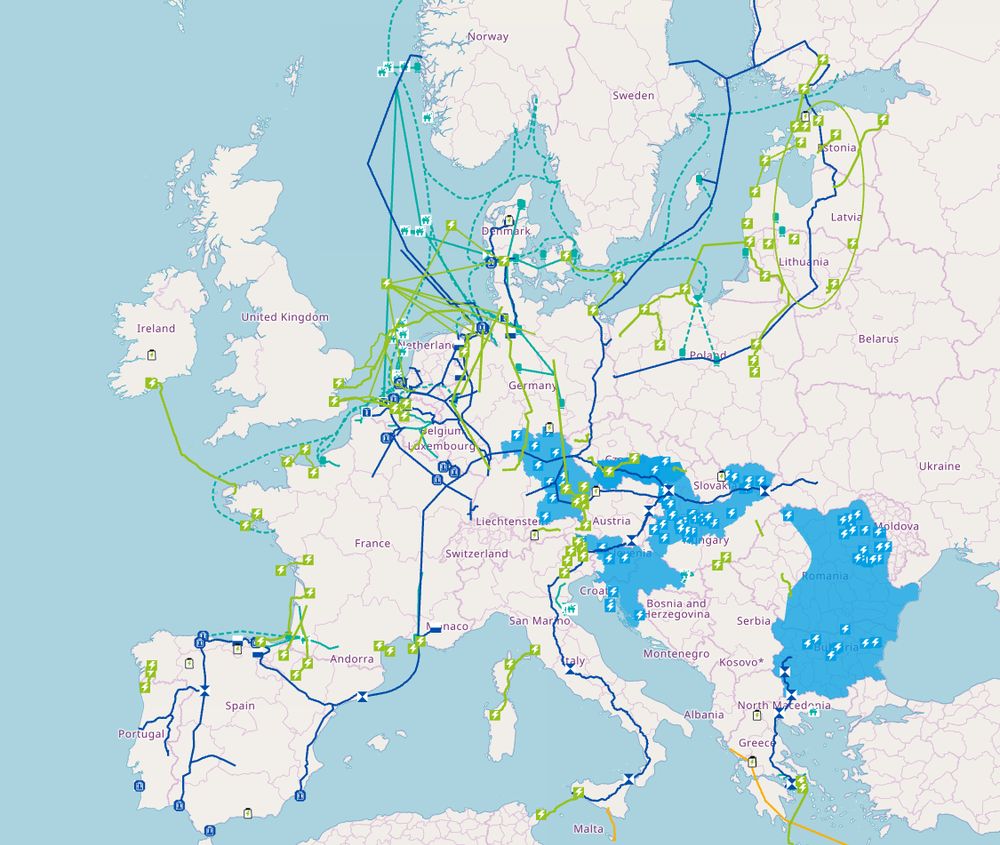
Climate-neutral, secure and competitive energy systems, needs EU to treat electricity, hydrogen and heat infrastructure as complementary pillars, not separate silos.
December 1, 2025 at 3:10 PM
Climate-neutral, secure and competitive energy systems, needs EU to treat electricity, hydrogen and heat infrastructure as complementary pillars, not separate silos.
..for system integration, competitiveness, and reducing fossil-fuel imports - EU needs a parallel infrastructure thermal mechanism for heat, similar to PCI.
👇
👇
December 1, 2025 at 3:10 PM
..for system integration, competitiveness, and reducing fossil-fuel imports - EU needs a parallel infrastructure thermal mechanism for heat, similar to PCI.
👇
👇
Large heat pumps, district heating/cooling, thermal storage, and industrial waste-heat recovery are among EU's most cost-effective decarbonisation and energy-efficiency options. Yet they remain outside the TEN-E PCI framework.
Given the scale of heating and cooling demand and their importance..
👇
Given the scale of heating and cooling demand and their importance..
👇
December 1, 2025 at 3:10 PM
Large heat pumps, district heating/cooling, thermal storage, and industrial waste-heat recovery are among EU's most cost-effective decarbonisation and energy-efficiency options. Yet they remain outside the TEN-E PCI framework.
Given the scale of heating and cooling demand and their importance..
👇
Given the scale of heating and cooling demand and their importance..
👇
A major improvement compared to earlier TEN-E cycles, which over-prioritised natural gas w risks locking in higher consumption.
One major gap remains in PCI/PMI: thermal energy infrastructure.
👇
One major gap remains in PCI/PMI: thermal energy infrastructure.
👇
December 1, 2025 at 3:10 PM
A major improvement compared to earlier TEN-E cycles, which over-prioritised natural gas w risks locking in higher consumption.
One major gap remains in PCI/PMI: thermal energy infrastructure.
👇
One major gap remains in PCI/PMI: thermal energy infrastructure.
👇
Europe’s security-of-supply challenges is on the electricity side, driven by deep electrification, large onshore/offshore wind deployment.
The emphasis on hydrogen and electrolyser infrastructure also supports industrial decarbonisation and sector coupling - though not without considerable risks.
👇
The emphasis on hydrogen and electrolyser infrastructure also supports industrial decarbonisation and sector coupling - though not without considerable risks.
👇
December 1, 2025 at 3:10 PM
Europe’s security-of-supply challenges is on the electricity side, driven by deep electrification, large onshore/offshore wind deployment.
The emphasis on hydrogen and electrolyser infrastructure also supports industrial decarbonisation and sector coupling - though not without considerable risks.
👇
The emphasis on hydrogen and electrolyser infrastructure also supports industrial decarbonisation and sector coupling - though not without considerable risks.
👇
• >70% of e-SAF costs come from electricity for hydrogen
www.sciencedirect.com/science/arti...
#SustainableAviationFuel #ESAF #Hydrogen #Aviation #EnergySystems #DistrictHeating #Denmark
www.sciencedirect.com/science/arti...
#SustainableAviationFuel #ESAF #Hydrogen #Aviation #EnergySystems #DistrictHeating #Denmark

Standalone and system-level perspectives on hydrogen-based sustainable aviation fuel pathways for Denmark
Aviation is one of the most challenging sectors to electrify directly due to its high energy density demands. Hydrogen offers a pathway for indirect e…
www.sciencedirect.com
November 25, 2025 at 12:18 PM
• >70% of e-SAF costs come from electricity for hydrogen
www.sciencedirect.com/science/arti...
#SustainableAviationFuel #ESAF #Hydrogen #Aviation #EnergySystems #DistrictHeating #Denmark
www.sciencedirect.com/science/arti...
#SustainableAviationFuel #ESAF #Hydrogen #Aviation #EnergySystems #DistrictHeating #Denmark
• SOECs improve efficiency via heat integration, but higher CAPEX and shorter stack life still favour alkaline electrolysers today
• In a 2045 100% renewable Danish system, large-scale e-SAF requires major offshore wind and electrolyser rollout – and strict additionality for the power used
👇
• In a 2045 100% renewable Danish system, large-scale e-SAF requires major offshore wind and electrolyser rollout – and strict additionality for the power used
👇
November 25, 2025 at 12:18 PM
• SOECs improve efficiency via heat integration, but higher CAPEX and shorter stack life still favour alkaline electrolysers today
• In a 2045 100% renewable Danish system, large-scale e-SAF requires major offshore wind and electrolyser rollout – and strict additionality for the power used
👇
• In a 2045 100% renewable Danish system, large-scale e-SAF requires major offshore wind and electrolyser rollout – and strict additionality for the power used
👇
• With wind power at ~30 €/MWh + by-product revenues (especially excess heat to district heating), e-SAF can reach ~0.5–1.1 €/L and compete with fossil jet fuel
• Biomass gasification is most energy-efficient but increases biomass demand; point-source CO₂ needs more renewables but less biomass
👇
• Biomass gasification is most energy-efficient but increases biomass demand; point-source CO₂ needs more renewables but less biomass
👇
November 25, 2025 at 12:18 PM
• With wind power at ~30 €/MWh + by-product revenues (especially excess heat to district heating), e-SAF can reach ~0.5–1.1 €/L and compete with fossil jet fuel
• Biomass gasification is most energy-efficient but increases biomass demand; point-source CO₂ needs more renewables but less biomass
👇
• Biomass gasification is most energy-efficient but increases biomass demand; point-source CO₂ needs more renewables but less biomass
👇
Zero and negative prices ARE part of any future. The real question is: what happens in all the other hours?
September 28, 2025 at 11:43 AM
Zero and negative prices ARE part of any future. The real question is: what happens in all the other hours?
📉 Negative prices are both a sign of success and a wake-up call. They show that we are producing plenty of electricity - but also that we must accelerate large flexible demands - and the largest potential i in district heating across Europe.
September 28, 2025 at 11:43 AM
📉 Negative prices are both a sign of success and a wake-up call. They show that we are producing plenty of electricity - but also that we must accelerate large flexible demands - and the largest potential i in district heating across Europe.
In that light, it’s even harder to see how nuclear could be profitable in this environment, with much higher capital costs.
The record is also a signal: consumers with flexible demand can win — from EVs and smart charging to industries and large-scale heat pumps.
👇
The record is also a signal: consumers with flexible demand can win — from EVs and smart charging to industries and large-scale heat pumps.
👇
September 28, 2025 at 11:43 AM
In that light, it’s even harder to see how nuclear could be profitable in this environment, with much higher capital costs.
The record is also a signal: consumers with flexible demand can win — from EVs and smart charging to industries and large-scale heat pumps.
👇
The record is also a signal: consumers with flexible demand can win — from EVs and smart charging to industries and large-scale heat pumps.
👇
👉 This is not just a market curiosity. It is a real struggle for new wind power projects. Revenues become harder to predict, financing costs rise, and investors hesitate. PPAs are becoming essential to make projects thrive. 👇
September 28, 2025 at 11:43 AM
👉 This is not just a market curiosity. It is a real struggle for new wind power projects. Revenues become harder to predict, financing costs rise, and investors hesitate. PPAs are becoming essential to make projects thrive. 👇
✅ On one hand, it shows the success of renewables: wind and solar are pushing prices down, sometimes below zero. Great for competitiveness + electrification.
❓ On the other: who will invest in new generation capacity — whether backup plants (via capacity mechanisms) or new wind farms.
👇
❓ On the other: who will invest in new generation capacity — whether backup plants (via capacity mechanisms) or new wind farms.
👇
September 28, 2025 at 11:43 AM
✅ On one hand, it shows the success of renewables: wind and solar are pushing prices down, sometimes below zero. Great for competitiveness + electrification.
❓ On the other: who will invest in new generation capacity — whether backup plants (via capacity mechanisms) or new wind farms.
👇
❓ On the other: who will invest in new generation capacity — whether backup plants (via capacity mechanisms) or new wind farms.
👇