




Dd
@cheuteumi6935.bsky.social
Chti d'Origine, Lyonnais d'adoption. Vis désormais en Bretagne. J'aime les bêtes à poils et le respect de la vie privée
Reposted by Dd

Décès du réalisateur israélien Mohammed Bakri, chantre de la cause palestinienne
Il était notamment connu pour son documentaire «Jénine, Jénine», qui dénonce les opérations de l’armée israélienne dans les camps de réfugiés palestiniens
➡️ https://l.leparisien.fr/9cV2
Il était notamment connu pour son documentaire «Jénine, Jénine», qui dénonce les opérations de l’armée israélienne dans les camps de réfugiés palestiniens
➡️ https://l.leparisien.fr/9cV2

December 24, 2025 at 5:22 PM
Décès du réalisateur israélien Mohammed Bakri, chantre de la cause palestinienne
Il était notamment connu pour son documentaire «Jénine, Jénine», qui dénonce les opérations de l’armée israélienne dans les camps de réfugiés palestiniens
➡️ https://l.leparisien.fr/9cV2
Il était notamment connu pour son documentaire «Jénine, Jénine», qui dénonce les opérations de l’armée israélienne dans les camps de réfugiés palestiniens
➡️ https://l.leparisien.fr/9cV2
Reposted by Dd
Donald Trump avait promis des représailles si l’Union européenne n’allégeait pas les restrictions mises en place dans le secteur du numérique.

Gafam : Washington interdit de visa cinq Européens, dont le Français Thierry Breton
l.leparisien.fr
December 23, 2025 at 11:49 PM
Donald Trump avait promis des représailles si l’Union européenne n’allégeait pas les restrictions mises en place dans le secteur du numérique.
Reposted by Dd

Bientôt Noël : les livreurs ont au moins 300 colis par jour à livrer ; des horaires de travail 8h-22h ; pas d'occasions pour des pauses toilettes, ça finit dans des bouteilles ; un risque élevé d'accidents de le route ; quel achat vaut toute cette peine ?

« Ils viennent nous chercher aux toilettes quand ils trouvent qu’on s’attarde » : chez Amazon, dans l'enfer du Black Friday
➡️ https://l.humanite.fr/yNh
➡️ https://l.humanite.fr/yNh

November 27, 2025 at 1:21 PM
Bientôt Noël : les livreurs ont au moins 300 colis par jour à livrer ; des horaires de travail 8h-22h ; pas d'occasions pour des pauses toilettes, ça finit dans des bouteilles ; un risque élevé d'accidents de le route ; quel achat vaut toute cette peine ?
Reposted by Dd
Le mouvement de l’opposant, mort en février 2024 dans une prison de l’Arctique, est accusé par la Cour suprême de mener des « activités destructrices sur le territoire russe » et de « promouvoir, justifier et soutenir le terrorisme ».

L’Anti-Corruption Foundation, l’organisation d’Alexeï Navalny, classée « terroriste » par la Cour suprême russe
l.leparisien.fr
November 27, 2025 at 8:13 PM
Le mouvement de l’opposant, mort en février 2024 dans une prison de l’Arctique, est accusé par la Cour suprême de mener des « activités destructrices sur le territoire russe » et de « promouvoir, justifier et soutenir le terrorisme ».
Reposted by Dd
La mobilisation a lieu pendant le Black Friday et alors que le chinois JD. com pourrait devenir le deuxième actionnaire du groupe français.

« Red Friday » : appels à la grève dans les magasins Fnac vendredi et samedi
l.leparisien.fr
November 27, 2025 at 11:58 PM
La mobilisation a lieu pendant le Black Friday et alors que le chinois JD. com pourrait devenir le deuxième actionnaire du groupe français.


Reposted by Dd

Et voilà, les 600 précommandes sont atteintes et même dépassées ! Les versions PDF du magazine sont donc débloquées. Merci encore pour tout ce soutien qui fait chaud au coeur ! Prochain objectif, les 700 précommandes, palier où nous ajouterons un rendu doré sur la couverture collector ! ✨
Bonjour ! Notre campagne de financement pour le hors-série "50 ans de jeux vidéo, 50 curiosités à découvrir" continue et il ne manque que 7 précommandes pour arriver au chiffre symbolique des 600, qui permettra à chaque contributeurice d'avoir accès à une version PDF !
fr.ulule.com/jv-culture-j...
fr.ulule.com/jv-culture-j...

JV - hors-série 50 curiosités
1975-2025 : 50 ans, 50 jeux, 50 curiosités
fr.ulule.com
November 25, 2025 at 8:16 PM
Et voilà, les 600 précommandes sont atteintes et même dépassées ! Les versions PDF du magazine sont donc débloquées. Merci encore pour tout ce soutien qui fait chaud au coeur ! Prochain objectif, les 700 précommandes, palier où nous ajouterons un rendu doré sur la couverture collector ! ✨
Reposted by Dd
Leurs tenues et leurs fusils les identifiaient comme des «tireurs touristes».
Plus de trente ans après le funeste siège de la ville, le parquet de Milan ouvre une enquête pour retrouver les transalpins qui payaient cher pour venir abattre des civils
➡️ https://l.leparisien.fr/h3vG
Plus de trente ans après le funeste siège de la ville, le parquet de Milan ouvre une enquête pour retrouver les transalpins qui payaient cher pour venir abattre des civils
➡️ https://l.leparisien.fr/h3vG

November 15, 2025 at 6:02 AM
Leurs tenues et leurs fusils les identifiaient comme des «tireurs touristes».
Plus de trente ans après le funeste siège de la ville, le parquet de Milan ouvre une enquête pour retrouver les transalpins qui payaient cher pour venir abattre des civils
➡️ https://l.leparisien.fr/h3vG
Plus de trente ans après le funeste siège de la ville, le parquet de Milan ouvre une enquête pour retrouver les transalpins qui payaient cher pour venir abattre des civils
➡️ https://l.leparisien.fr/h3vG
Reposted by Dd
Alors que des produits labellisés AOP, AOC ou IGP ont été exclus du Nutri-score, l’association de consommateurs regrette samedi l’opposition entre des indicateurs « qui n’ont rien à voir entre eux ».
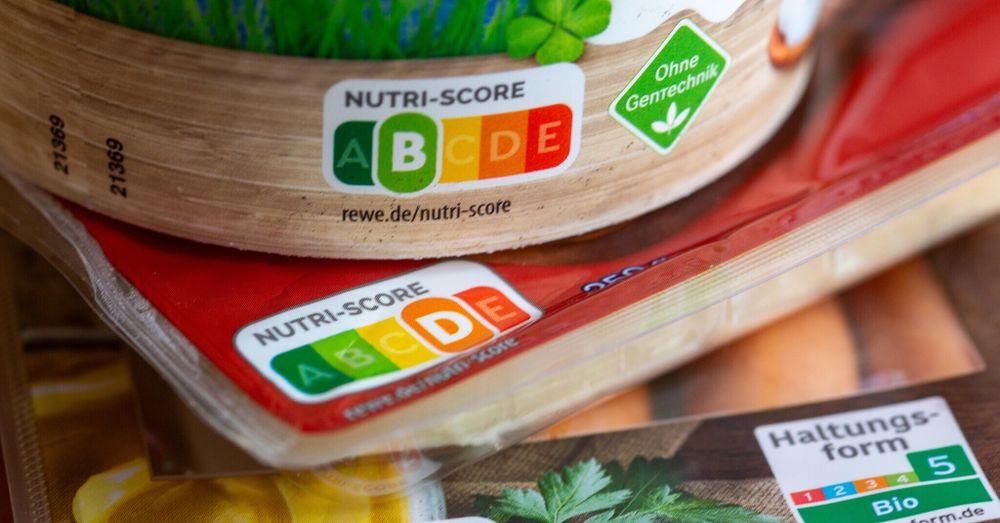
Nutri-Score : l’UFC-Que Choisir aurait préféré que la mesure « soit obligatoire pour tous les produits »
l.leparisien.fr
November 8, 2025 at 8:16 PM
Alors que des produits labellisés AOP, AOC ou IGP ont été exclus du Nutri-score, l’association de consommateurs regrette samedi l’opposition entre des indicateurs « qui n’ont rien à voir entre eux ».
Reposted by Dd

D'où l'intérêt d'avoir un patron milliardaire.
Bolloré finance le racisme.
Bolloré finance le racisme.

Bilan de la semaine pour CNews :
Trois sanctions validées en justice pour des violations graves de ses obligations légales & conventionnelles.
- 50 000 € pour propos discriminatoires visant les étrangers
- 60 000 € pour incitation à la haine & à la discrimination
- 6 000 € pour complotisme
CQFD.
Trois sanctions validées en justice pour des violations graves de ses obligations légales & conventionnelles.
- 50 000 € pour propos discriminatoires visant les étrangers
- 60 000 € pour incitation à la haine & à la discrimination
- 6 000 € pour complotisme
CQFD.
Audiovisuel : Le Conseil d'Etat valide aussi une sanction de CNews (6 000 €) pour un discours complotiste en matière climatique.
Plus précisément, des propos « grossièrement erronés & manifestement non conformes aux données acquises de la science ».
Toujours sans contradiction.
=> bit.ly/47U3g8i
Plus précisément, des propos « grossièrement erronés & manifestement non conformes aux données acquises de la science ».
Toujours sans contradiction.
=> bit.ly/47U3g8i
November 8, 2025 at 9:50 PM
D'où l'intérêt d'avoir un patron milliardaire.
Bolloré finance le racisme.
Bolloré finance le racisme.
Reposted by Dd

Il gagne 1872 euros nets par mois, il remporte le jeu de NRJ "Manu double ton salaire"... mais n'a jamais rien reçu.
L'astuce ? NRJ se réfère en réalité au salaire net IMPOSABLE, et tous ceux qui dépassent les 2000 euros sont exclus de facto du jeu.
youtu.be/eGv9T9gK1sY?...
L'astuce ? NRJ se réfère en réalité au salaire net IMPOSABLE, et tous ceux qui dépassent les 2000 euros sont exclus de facto du jeu.
youtu.be/eGv9T9gK1sY?...

Gagnant du jeu « NRJ double votre salaire », Maxence se voit refuser le gain promis
YouTube video by Le Parisien
youtu.be
November 3, 2025 at 7:40 PM
Il gagne 1872 euros nets par mois, il remporte le jeu de NRJ "Manu double ton salaire"... mais n'a jamais rien reçu.
L'astuce ? NRJ se réfère en réalité au salaire net IMPOSABLE, et tous ceux qui dépassent les 2000 euros sont exclus de facto du jeu.
youtu.be/eGv9T9gK1sY?...
L'astuce ? NRJ se réfère en réalité au salaire net IMPOSABLE, et tous ceux qui dépassent les 2000 euros sont exclus de facto du jeu.
youtu.be/eGv9T9gK1sY?...
Reposted by Dd
Ça fait déjà 1 semaine, on en avait parlé.
Ca commence a faire du bruit.
Parce qu'on a des images vidéos.
Filmez la Police.
Pour la sécurité de tous
Ca commence a faire du bruit.
Parce qu'on a des images vidéos.
Filmez la Police.
Pour la sécurité de tous
October 25, 2025 at 9:09 PM
Ça fait déjà 1 semaine, on en avait parlé.
Ca commence a faire du bruit.
Parce qu'on a des images vidéos.
Filmez la Police.
Pour la sécurité de tous
Ca commence a faire du bruit.
Parce qu'on a des images vidéos.
Filmez la Police.
Pour la sécurité de tous
Reposted by Dd
Cinéma : plainte pour viol contre le producteur Thierry Lounas, une enquête ouverte
➡️ https://l.leparisien.fr/Zb3H
➡️ https://l.leparisien.fr/Zb3H

October 25, 2025 at 9:44 PM
Cinéma : plainte pour viol contre le producteur Thierry Lounas, une enquête ouverte
➡️ https://l.leparisien.fr/Zb3H
➡️ https://l.leparisien.fr/Zb3H
Reposted by Dd
Comme à chaque période de crise, l’incertitude politique freine les achats des Français. Meubles, électroménager, voitures… les consommateurs préfèrent attendre.

La crise inquiète les Français : « Dans un pays en vrac, je préfère ne pas me mettre un crédit sur le dos »
l.leparisien.fr
October 10, 2025 at 4:35 AM
Comme à chaque période de crise, l’incertitude politique freine les achats des Français. Meubles, électroménager, voitures… les consommateurs préfèrent attendre.
Reposted by Dd
En quelques heures, les Français ont vu le Premier ministre démissionner puis le chef de l’État lui accorder 48 heures de plus pour un nouveau cycle de négociations. Avec quel effet ?

« Il n’a pas voulu lâcher le manche, il le reprend dans la figure » : Emmanuel Macron au bord du gouffre
l.leparisien.fr
October 6, 2025 at 8:31 PM
En quelques heures, les Français ont vu le Premier ministre démissionner puis le chef de l’État lui accorder 48 heures de plus pour un nouveau cycle de négociations. Avec quel effet ?
Reposted by Dd

La plainte de Françoise Cadol a fait bouger Aspyr Media, qui retire via un patch "du contenu généré par IA sans autorisation". Comme quoi, faut les choquer.
store.steampowered.com/news/app/252...
store.steampowered.com/news/app/252...
La légende Françoise Cadol a trouvé sa voix reproduite par IA sans son accord dans la récente compilation Tomb Raider.
https://www.leparisien.fr/culture-loisirs/cinema/cest-une-trahison-quand-lia-vole-la-voix-francaise-dangelina-jolie-pour-tomb-raider-10-09-2025-63HIGMNMEZBSFLELCKNN4S5I2M.php
https://www.leparisien.fr/culture-loisirs/cinema/cest-une-trahison-quand-lia-vole-la-voix-francaise-dangelina-jolie-pour-tomb-raider-10-09-2025-63HIGMNMEZBSFLELCKNN4S5I2M.php

« C’est une trahison » : quand l’IA vole la voix française d’Angelina Jolie pour « Tomb Raider »
EXCLUSIF. Françoise Cadol, qui double Lara Croft, Angelina Jolie et Sandra Bullock, a mis en demeure l’éditeur des jeux vidéo « Tomb Raider
www.leparisien.fr
September 20, 2025 at 2:43 PM
La plainte de Françoise Cadol a fait bouger Aspyr Media, qui retire via un patch "du contenu généré par IA sans autorisation". Comme quoi, faut les choquer.
store.steampowered.com/news/app/252...
store.steampowered.com/news/app/252...
Reposted by Dd
«Ce serait une catastrophe»: les rumeurs de rachat du Parisien par Vincent Bolloré inquiètent les salariés, qui ont envoyé une lettre à Bernard Arnault
www.lefigaro.fr/medias/ce-se...
www.lefigaro.fr/medias/ce-se...

«Ce serait une catastrophe»: les rumeurs de rachat du Parisien par Vincent Bolloré inquiètent les salariés
La vente du quotidien aurait été évoquée cet été entre son propriétaire, le PDG de LVMH Bernard Arnault, et l’homme d’affaires breton.
www.lefigaro.fr
September 9, 2025 at 6:08 PM
«Ce serait une catastrophe»: les rumeurs de rachat du Parisien par Vincent Bolloré inquiètent les salariés, qui ont envoyé une lettre à Bernard Arnault
www.lefigaro.fr/medias/ce-se...
www.lefigaro.fr/medias/ce-se...
Reposted by Dd
Allan Barte, toujours parfait.

Nomination de Sébastien Lecornu à Matignon : un message politique très fort envoyé à tous les Français !
Pour soutenir la lutte dessinée, engagée et indépendante :
▶️ ko-fi.com/allanbarte
▶️ fr.tipeee.com/allan-barte
Pour soutenir la lutte dessinée, engagée et indépendante :
▶️ ko-fi.com/allanbarte
▶️ fr.tipeee.com/allan-barte

September 9, 2025 at 6:59 PM
Allan Barte, toujours parfait.
Reposted by Dd
Exactement.

En ce jour de rentrée, je rappelle que prof était un métier envié il y a 10/15 ans et qu’aujourd’hui on refuse les ruptures conventionnelles pour que les profs ne s’en aillent pas, tellement le métier est dégradé.
Soutien aux profs.
@bfmtv.com
Soutien aux profs.
@bfmtv.com
September 1, 2025 at 11:10 AM
Exactement.
Reposted by Dd
💬 «C’est une façon de traiter le corps des femmes comme une marchandise»
Un bar de Mons s'est retrouvé sous le feu des critiques après avoir proposé une bouteille gratuite aux clientes prêtes à retirer leur soutien-gorge
➡️ https://l.leparisien.fr/dz4v
Un bar de Mons s'est retrouvé sous le feu des critiques après avoir proposé une bouteille gratuite aux clientes prêtes à retirer leur soutien-gorge
➡️ https://l.leparisien.fr/dz4v

September 1, 2025 at 3:06 PM
💬 «C’est une façon de traiter le corps des femmes comme une marchandise»
Un bar de Mons s'est retrouvé sous le feu des critiques après avoir proposé une bouteille gratuite aux clientes prêtes à retirer leur soutien-gorge
➡️ https://l.leparisien.fr/dz4v
Un bar de Mons s'est retrouvé sous le feu des critiques après avoir proposé une bouteille gratuite aux clientes prêtes à retirer leur soutien-gorge
➡️ https://l.leparisien.fr/dz4v
Reposted by Dd

Not his little hands trying to grab the pole each rotation 😂😂
February 5, 2025 at 9:17 AM
Not his little hands trying to grab the pole each rotation 😂😂
Reposted by Dd
The wild ermine is cute
February 13, 2025 at 1:13 AM
The wild ermine is cute
Reposted by Dd
🔴 Le député ukrainien Andriï Parouby, ancien président du Parlement, a été tué par balle ce samedi à Lviv
Le tireur, habillé en livreur, s'est enfui en vélo électrique
Cette figure pro-européenne de 54 ans avait survécu à une tentative d’assassinat en 2014
➡️ https://l.leparisien.fr/FYLZ
Le tireur, habillé en livreur, s'est enfui en vélo électrique
Cette figure pro-européenne de 54 ans avait survécu à une tentative d’assassinat en 2014
➡️ https://l.leparisien.fr/FYLZ

August 30, 2025 at 4:50 PM
🔴 Le député ukrainien Andriï Parouby, ancien président du Parlement, a été tué par balle ce samedi à Lviv
Le tireur, habillé en livreur, s'est enfui en vélo électrique
Cette figure pro-européenne de 54 ans avait survécu à une tentative d’assassinat en 2014
➡️ https://l.leparisien.fr/FYLZ
Le tireur, habillé en livreur, s'est enfui en vélo électrique
Cette figure pro-européenne de 54 ans avait survécu à une tentative d’assassinat en 2014
➡️ https://l.leparisien.fr/FYLZ
Reposted by Dd
Donald Trump révoque la protection policière dont bénéficiait Kamala Harris.
Joe Biden avait prolongé la durée de celle-ci.
➡️ https://l.leparisien.fr/3dUb
Joe Biden avait prolongé la durée de celle-ci.
➡️ https://l.leparisien.fr/3dUb

August 29, 2025 at 6:39 PM
Donald Trump révoque la protection policière dont bénéficiait Kamala Harris.
Joe Biden avait prolongé la durée de celle-ci.
➡️ https://l.leparisien.fr/3dUb
Joe Biden avait prolongé la durée de celle-ci.
➡️ https://l.leparisien.fr/3dUb