




levi agelastus 🌿
@licinicrassi.bsky.social
mature classics student, roman history | road cycling, atleti | 🚴🏺🌿 20s, he/him 🏳️⚧️
Pinned
was @/trivmviri on twitter before my acc got deleted (and @/rebelkallus) hope i can find everyone here :)
Reposted by levi agelastus 🌿

Some cows have been sacrificed to Mithras, I assume for his birthday 🌞🏺🐮


December 21, 2025 at 2:07 PM
Some cows have been sacrificed to Mithras, I assume for his birthday 🌞🏺🐮
Reposted by levi agelastus 🌿

if you want to catch up with Ivanka and get ready for Nolan's Summer 2026 Blockbuster (?), @oupacademic.bsky.social has released the Oxford Critical Guide to Homer's Odyssey
www.academic.oup.com/book/61677
www.academic.oup.com/book/61677
December 22, 2025 at 8:09 PM
if you want to catch up with Ivanka and get ready for Nolan's Summer 2026 Blockbuster (?), @oupacademic.bsky.social has released the Oxford Critical Guide to Homer's Odyssey
www.academic.oup.com/book/61677
www.academic.oup.com/book/61677
Reposted by levi agelastus 🌿

The thing about the Odyssey movie is like… does the costuming look good? Absolutely not. Is the cast good? Also no. Do I think it’s going to be well written? Not a chance!
Am I going to watch it anyway? Unfortunately yes
Am I going to watch it anyway? Unfortunately yes
December 21, 2025 at 10:06 AM
The thing about the Odyssey movie is like… does the costuming look good? Absolutely not. Is the cast good? Also no. Do I think it’s going to be well written? Not a chance!
Am I going to watch it anyway? Unfortunately yes
Am I going to watch it anyway? Unfortunately yes
Reposted by levi agelastus 🌿

the results are in! we're starting things off with SPARK!LOCK :) let's go kill monsters with underpaid state employed exorcists

December 21, 2025 at 9:40 PM
the results are in! we're starting things off with SPARK!LOCK :) let's go kill monsters with underpaid state employed exorcists
Reposted by levi agelastus 🌿
Snowy day for the Roman cavalry ☃️❄️🌨️
I reworked one of the figures from last year’s Northern Lights piece to create this scene of a cavalryman and his loyal steed walking in the snow ❄️ I liked it so much that I’m now posting it as its own illustration - the scene is just so tranquil 🌨️
I reworked one of the figures from last year’s Northern Lights piece to create this scene of a cavalryman and his loyal steed walking in the snow ❄️ I liked it so much that I’m now posting it as its own illustration - the scene is just so tranquil 🌨️

December 22, 2025 at 2:55 PM
Snowy day for the Roman cavalry ☃️❄️🌨️
I reworked one of the figures from last year’s Northern Lights piece to create this scene of a cavalryman and his loyal steed walking in the snow ❄️ I liked it so much that I’m now posting it as its own illustration - the scene is just so tranquil 🌨️
I reworked one of the figures from last year’s Northern Lights piece to create this scene of a cavalryman and his loyal steed walking in the snow ❄️ I liked it so much that I’m now posting it as its own illustration - the scene is just so tranquil 🌨️
Reposted by levi agelastus 🌿
18 Dec, the Romans may have celebrated Eponalia, honoring Epona, a Celtic goddess adopted across the Empire 🐎🐴. Patron of cavalry, protector of horses, & linked to fertility and guiding souls, she was especially popular in Britain—some think the hobbyhorse in Morris Dancing comes from her worship.


December 18, 2025 at 8:30 AM
18 Dec, the Romans may have celebrated Eponalia, honoring Epona, a Celtic goddess adopted across the Empire 🐎🐴. Patron of cavalry, protector of horses, & linked to fertility and guiding souls, she was especially popular in Britain—some think the hobbyhorse in Morris Dancing comes from her worship.
Reposted by levi agelastus 🌿
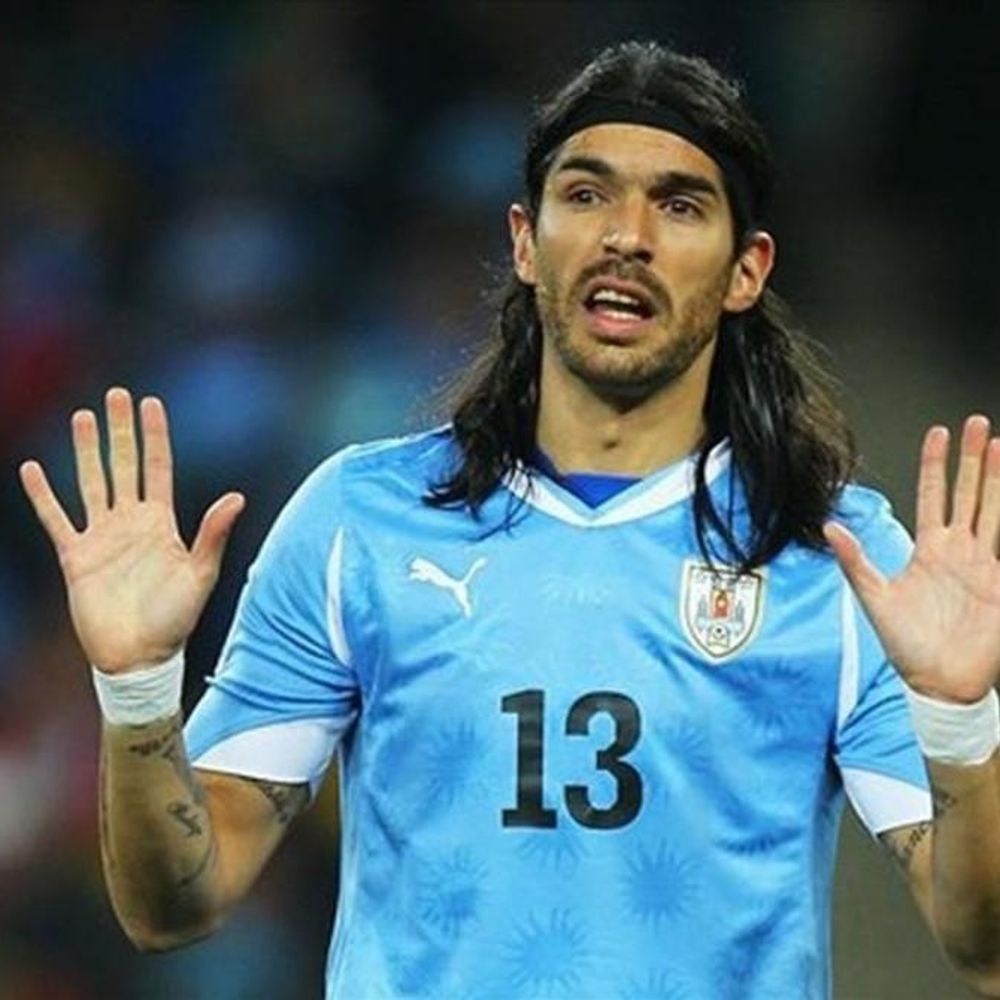
El Alavés supera al Sevilla con gol de Carlos Vicente, en el único duelo de #CopadelRey entre Primeras.
Atlético y Real Madrid ganaron en choques de desarrollo parecido. Incluso con dobletes franceses, de Griezmann y Mbappé respectivamente.
Atlético y Real Madrid ganaron en choques de desarrollo parecido. Incluso con dobletes franceses, de Griezmann y Mbappé respectivamente.


December 17, 2025 at 10:07 PM
El Alavés supera al Sevilla con gol de Carlos Vicente, en el único duelo de #CopadelRey entre Primeras.
Atlético y Real Madrid ganaron en choques de desarrollo parecido. Incluso con dobletes franceses, de Griezmann y Mbappé respectivamente.
Atlético y Real Madrid ganaron en choques de desarrollo parecido. Incluso con dobletes franceses, de Griezmann y Mbappé respectivamente.
2 min / 10 min each


December 17, 2025 at 10:36 AM
2 min / 10 min each
io saturnalia!!
December 17, 2025 at 8:34 AM
io saturnalia!!
Reposted by levi agelastus 🌿
🏺🌲🪔 Io Saturnalia!🪔🌲🏺
#OTD from Dec 17-23, Romans celebrated the god Saturn by feasting, exchanging gifts, lighting lamps, and switching up the normal societal class structures 🪔🌲🥧
This illustration is from my series depicting Saturnalia in Hadrians Wall country (more below)🏛️🌲
#OTD from Dec 17-23, Romans celebrated the god Saturn by feasting, exchanging gifts, lighting lamps, and switching up the normal societal class structures 🪔🌲🥧
This illustration is from my series depicting Saturnalia in Hadrians Wall country (more below)🏛️🌲

December 17, 2025 at 8:19 AM
🏺🌲🪔 Io Saturnalia!🪔🌲🏺
#OTD from Dec 17-23, Romans celebrated the god Saturn by feasting, exchanging gifts, lighting lamps, and switching up the normal societal class structures 🪔🌲🥧
This illustration is from my series depicting Saturnalia in Hadrians Wall country (more below)🏛️🌲
#OTD from Dec 17-23, Romans celebrated the god Saturn by feasting, exchanging gifts, lighting lamps, and switching up the normal societal class structures 🪔🌲🥧
This illustration is from my series depicting Saturnalia in Hadrians Wall country (more below)🏛️🌲
Reposted by levi agelastus 🌿
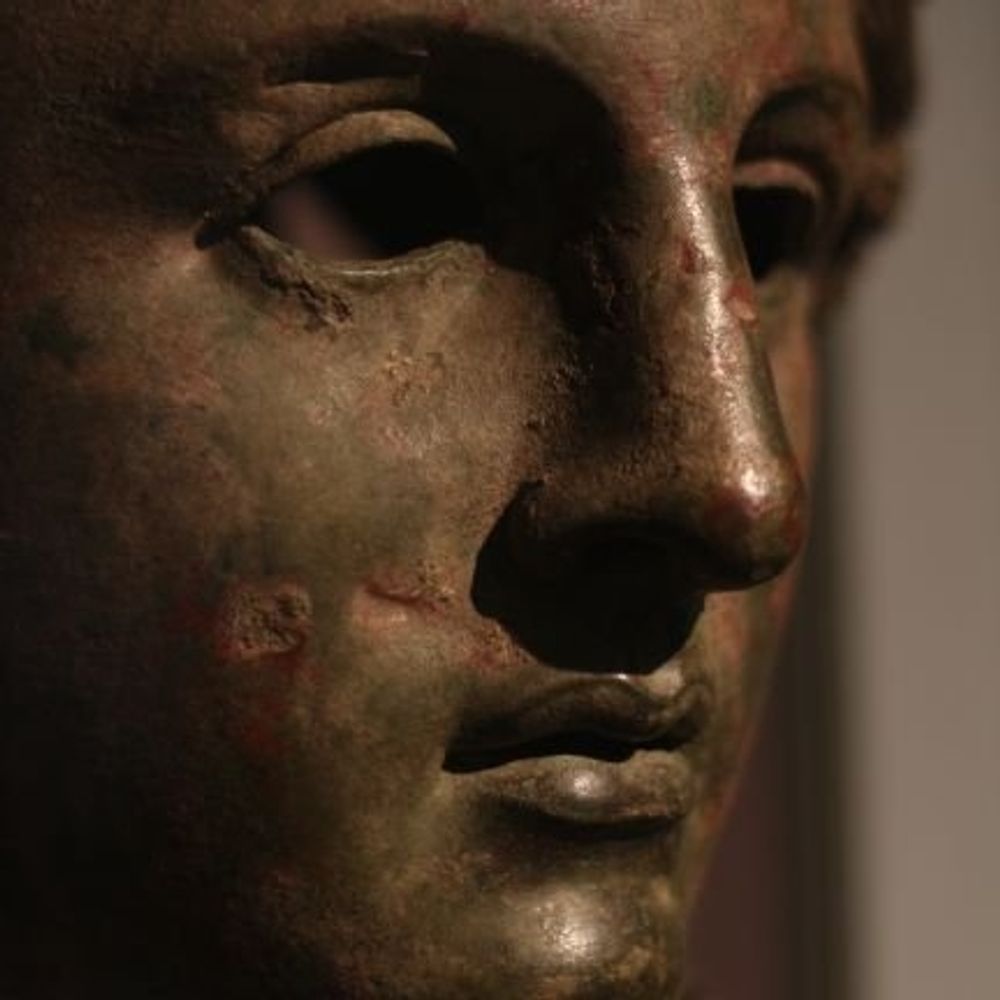
I was invited by @globalmarhist.bsky.social to write a blog post about how I (a digital archaeology novice) set about building the GIS that would result in a dissertation, a journal article, and a trade book (with potential for more publications in the future.) Truly the GIS that keeps on giving...


December 15, 2025 at 9:42 AM
I was invited by @globalmarhist.bsky.social to write a blog post about how I (a digital archaeology novice) set about building the GIS that would result in a dissertation, a journal article, and a trade book (with potential for more publications in the future.) Truly the GIS that keeps on giving...
Reposted by levi agelastus 🌿


Reposted by levi agelastus 🌿

I hope you like seafood, because this mosaic floor is showing what’s on the menu. 🦞 🐟
Said to be from Populonia, in Tuscany, this mosaic emblema was probably part of the floor of a triclinium, a dining room, of a patrician villa. That lobster is magnificent. 🏺 #mosaicmonday 1/
📸 me
Said to be from Populonia, in Tuscany, this mosaic emblema was probably part of the floor of a triclinium, a dining room, of a patrician villa. That lobster is magnificent. 🏺 #mosaicmonday 1/
📸 me

December 15, 2025 at 10:01 PM
I hope you like seafood, because this mosaic floor is showing what’s on the menu. 🦞 🐟
Said to be from Populonia, in Tuscany, this mosaic emblema was probably part of the floor of a triclinium, a dining room, of a patrician villa. That lobster is magnificent. 🏺 #mosaicmonday 1/
📸 me
Said to be from Populonia, in Tuscany, this mosaic emblema was probably part of the floor of a triclinium, a dining room, of a patrician villa. That lobster is magnificent. 🏺 #mosaicmonday 1/
📸 me
Reposted by levi agelastus 🌿
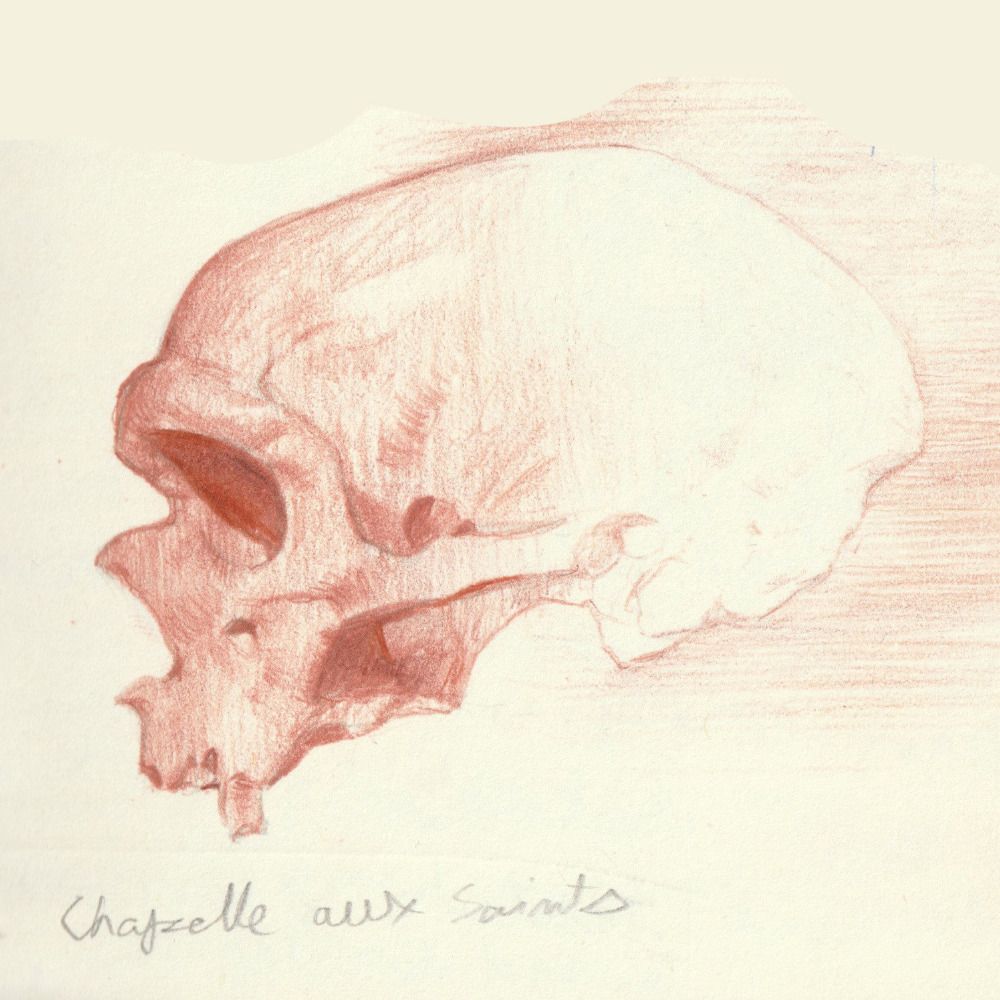
some of the sforza siblings! ludovico, sforza maria, and filippo :)

December 17, 2025 at 3:45 AM
some of the sforza siblings! ludovico, sforza maria, and filippo :)

Reposted by levi agelastus 🌿

Reposted by levi agelastus 🌿
That advert of that couple using Gemini or whatever it is at the museum actually pisses me off. If you have to use AI to find out what an object is instead of READING THE LABEL, I genuinely think less of you as a person.
December 14, 2025 at 5:22 PM
That advert of that couple using Gemini or whatever it is at the museum actually pisses me off. If you have to use AI to find out what an object is instead of READING THE LABEL, I genuinely think less of you as a person.
Reposted by levi agelastus 🌿
first, my sincerest thanks for everyone who helped me out of a rough patch; on tumblr, I said I'd let everyone vote on which one shot comic I'd start off my webcomic era with as a thank you-- if you want to join in the voting, you can read more about it here:
katabay.tumblr.com/post/8027086...
katabay.tumblr.com/post/8027086...
December 15, 2025 at 3:53 AM
first, my sincerest thanks for everyone who helped me out of a rough patch; on tumblr, I said I'd let everyone vote on which one shot comic I'd start off my webcomic era with as a thank you-- if you want to join in the voting, you can read more about it here:
katabay.tumblr.com/post/8027086...
katabay.tumblr.com/post/8027086...
id probably post here more but my friends that care ab what i post these days are still on x and zero ppl follow for crappy art anyway
December 15, 2025 at 9:00 AM
id probably post here more but my friends that care ab what i post these days are still on x and zero ppl follow for crappy art anyway
some of my gallic ocs. lascius; originally from tarbelli tribe, aquitania. catax; a noble from transalpina.


December 15, 2025 at 8:52 AM
some of my gallic ocs. lascius; originally from tarbelli tribe, aquitania. catax; a noble from transalpina.
Reposted by levi agelastus 🌿
Every day I read something about how terrible cycling journalism is and no one has a voice or writes anything considered. Which is partly true. But there is still good work out there.
Like this. Long-form, on the ground reporting, taking you inside the story
www.cyclingnews.com/pro-cycling/...
Like this. Long-form, on the ground reporting, taking you inside the story
www.cyclingnews.com/pro-cycling/...

Reaching full potential, a blueprint to beat Pogačar and Tour de France co-leadership – The Remco Evenepoel era at Red Bull-Bora-Hansgrohe has begun
Belgian superstar feeling "no pressure" as time on German team kicks off in Mallorca after joining as landmark signing
www.cyclingnews.com
December 12, 2025 at 10:13 AM
Every day I read something about how terrible cycling journalism is and no one has a voice or writes anything considered. Which is partly true. But there is still good work out there.
Like this. Long-form, on the ground reporting, taking you inside the story
www.cyclingnews.com/pro-cycling/...
Like this. Long-form, on the ground reporting, taking you inside the story
www.cyclingnews.com/pro-cycling/...
Reposted by levi agelastus 🌿

This fucks sorry

The 🇧🇪 Soudal-QuickStep kit for 2026❓
Banger or not? 🤷♂️
📸 IG: artem4ik19
Banger or not? 🤷♂️
📸 IG: artem4ik19

December 11, 2025 at 9:05 PM
This fucks sorry
Reposted by levi agelastus 🌿
#WorldRiversDay - The river-god Euphrates depicted as a reclining man leaning on a vase/jar from which the water flows. Mosaic from Zeugma, dated to the 2nd-3rd century AD.
Zeugma Mosaic Museum, Gaziantep, Turkey.
Zeugma Mosaic Museum, Gaziantep, Turkey.

September 28, 2025 at 10:35 AM
#WorldRiversDay - The river-god Euphrates depicted as a reclining man leaning on a vase/jar from which the water flows. Mosaic from Zeugma, dated to the 2nd-3rd century AD.
Zeugma Mosaic Museum, Gaziantep, Turkey.
Zeugma Mosaic Museum, Gaziantep, Turkey.
10 min per image


December 14, 2025 at 7:54 AM
10 min per image
Reposted by levi agelastus 🌿
Publication day! I spent so long building a mahoosive dataset and GIS that it would be a waste not to share the results. The Greeks didn't build many amphitheatres, but gladiatorial epigraphy has been found on huge numbers. Where did eastern gladiators fight?
www.researchgate.net/publication/...
www.researchgate.net/publication/...

(PDF) Venues for Spectacle in the Greek East: Architectural Adaptation and Cultural Adoption
PDF | The scarcity of canonical amphitheatres in the culturally Greek eastern parts of the Roman empire has been used as evidence to suggest a... | Find, read and cite all the research you need on Res...
www.researchgate.net
November 26, 2025 at 6:11 PM
Publication day! I spent so long building a mahoosive dataset and GIS that it would be a waste not to share the results. The Greeks didn't build many amphitheatres, but gladiatorial epigraphy has been found on huge numbers. Where did eastern gladiators fight?
www.researchgate.net/publication/...
www.researchgate.net/publication/...