



Nana
@mtechlaw.bsky.social
I love to read…and sometimes write. Connect with me here or nananwachukwu.com. PhD Student at aial.ie
Reposted by Nana

That discovery led me to entirely new archives that hadn’t been on my radar before.
And at the Eisenhower library, as I researched religious nationalism in the 1950s, I found a document that once again subverted the expectations I originally had (and that AI would still have)
And at the Eisenhower library, as I researched religious nationalism in the 1950s, I found a document that once again subverted the expectations I originally had (and that AI would still have)
December 21, 2025 at 4:16 PM
That discovery led me to entirely new archives that hadn’t been on my radar before.
And at the Eisenhower library, as I researched religious nationalism in the 1950s, I found a document that once again subverted the expectations I originally had (and that AI would still have)
And at the Eisenhower library, as I researched religious nationalism in the 1950s, I found a document that once again subverted the expectations I originally had (and that AI would still have)
Reposted by Nana
Instead, I launched myself into the archives and soon found that religious conservatives in the 1960s were strongly influenced by the politics of religious nationalism (In God We Trust, etc) of the 1950s — even though the literature (which AI would’ve used) told me that was meaningless.
Nope!
Nope!
December 21, 2025 at 4:15 PM
Instead, I launched myself into the archives and soon found that religious conservatives in the 1960s were strongly influenced by the politics of religious nationalism (In God We Trust, etc) of the 1950s — even though the literature (which AI would’ve used) told me that was meaningless.
Nope!
Nope!
Reposted by Nana
If I’d asked AI to guide me, it would’ve mapped out the book I envisioned in my head because, like me, it would’ve drawn its conclusions just from what we already knew. No surprises.
December 21, 2025 at 4:13 PM
If I’d asked AI to guide me, it would’ve mapped out the book I envisioned in my head because, like me, it would’ve drawn its conclusions just from what we already knew. No surprises.
Reposted by Nana
When I planned my second book, I originally planned to do a grassroots study of the communities that formed the Religious Right.
I thought it’d be focused in the 1960s and 1970s, revolving around a counterrevolution on social issues.
I thought it’d be focused in the 1960s and 1970s, revolving around a counterrevolution on social issues.
December 21, 2025 at 4:12 PM
When I planned my second book, I originally planned to do a grassroots study of the communities that formed the Religious Right.
I thought it’d be focused in the 1960s and 1970s, revolving around a counterrevolution on social issues.
I thought it’d be focused in the 1960s and 1970s, revolving around a counterrevolution on social issues.
Reposted by Nana
Absolutely right.
AI might be able to summarize (poorly) what we currently know, but a major goal of historical research is to find the hidden surprises out there.
Let me illustrate …
AI might be able to summarize (poorly) what we currently know, but a major goal of historical research is to find the hidden surprises out there.
Let me illustrate …
Not a historian but like to research. The AI might summarize what I'm looking for, but it doesn't find what I'm *not* looking for. The book on the shelf next to the one I wanted. The insight in chapter 6 based on the quote I needed from chapter 4.
December 21, 2025 at 4:09 PM
Absolutely right.
AI might be able to summarize (poorly) what we currently know, but a major goal of historical research is to find the hidden surprises out there.
Let me illustrate …
AI might be able to summarize (poorly) what we currently know, but a major goal of historical research is to find the hidden surprises out there.
Let me illustrate …
To be seen and supported through life events is a student’s greatest wish. Thank you Steve. Academics need to do better.

@mattblaze And take care of your students, both your advisees and classroom students. I've heard some truly horrific stories to accompany requests for short extensions on something. My response is always the same: take care of yourself, don't worry about the deadline, I'll do everything I can to […]
Original post on infosec.exchange
infosec.exchange
December 20, 2025 at 7:58 AM
To be seen and supported through life events is a student’s greatest wish. Thank you Steve. Academics need to do better.
Reposted by Nana
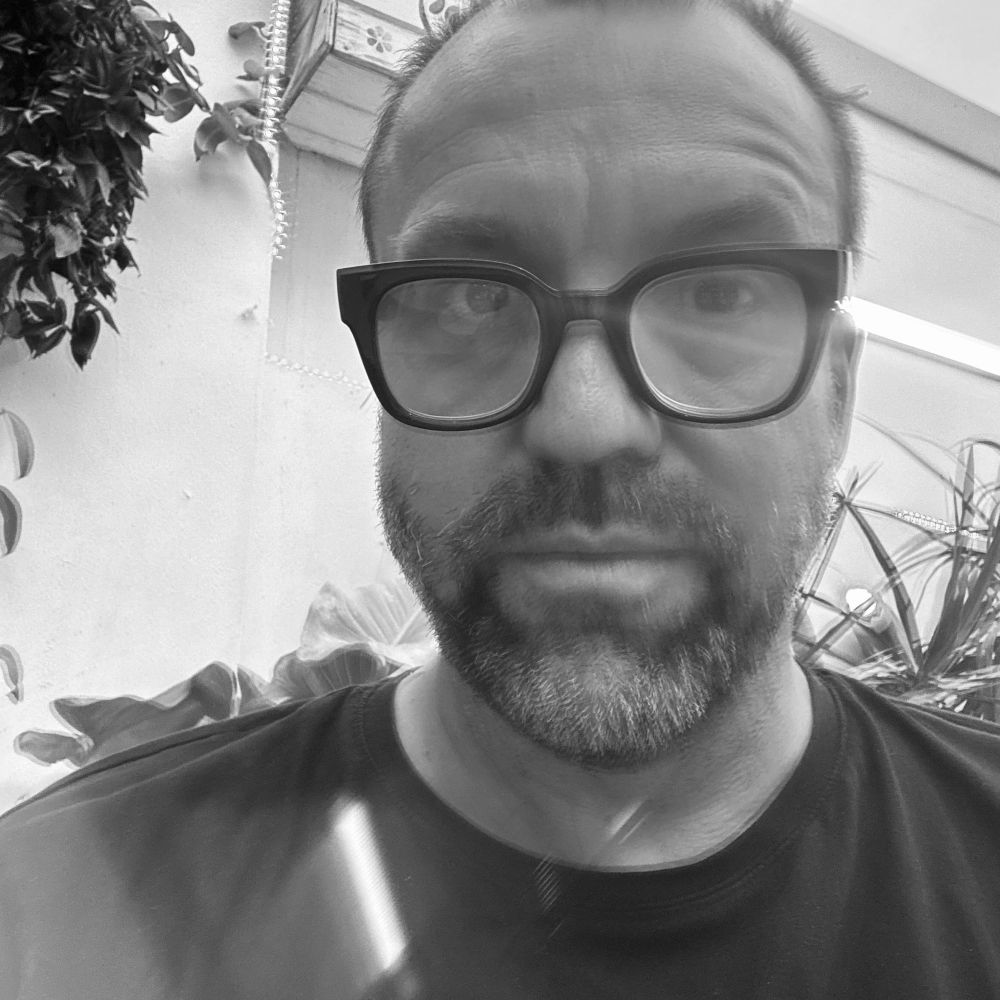
An @abeba.bsky.social tweet turned into a protest banner artwork at BCU MA graduate show. Brilliant!


August 21, 2025 at 5:47 PM
An @abeba.bsky.social tweet turned into a protest banner artwork at BCU MA graduate show. Brilliant!
Reposted by Nana

July 10, 2025 at 6:18 PM
Reposted by Nana
we at @aial.ie, are investigating amplification/censorship on X/twitter in EU. what are major EU:
-politicians & regulators
-journalists
-influencers & public intellectuals, with high visibility/influence on X, across both left & right political ideologies
we're interested in existing datasets too
-politicians & regulators
-journalists
-influencers & public intellectuals, with high visibility/influence on X, across both left & right political ideologies
we're interested in existing datasets too
July 23, 2025 at 12:56 PM
we at @aial.ie, are investigating amplification/censorship on X/twitter in EU. what are major EU:
-politicians & regulators
-journalists
-influencers & public intellectuals, with high visibility/influence on X, across both left & right political ideologies
we're interested in existing datasets too
-politicians & regulators
-journalists
-influencers & public intellectuals, with high visibility/influence on X, across both left & right political ideologies
we're interested in existing datasets too
Reposted by Nana
New paper hot off the press www.nature.com/articles/s41...
We analysed over 40,000 computer vision papers from CVPR (the longest standing CV conf) & associated patents tracing pathways from research to application. We found that 90% of papers & 86% of downstream patents power surveillance
1/
We analysed over 40,000 computer vision papers from CVPR (the longest standing CV conf) & associated patents tracing pathways from research to application. We found that 90% of papers & 86% of downstream patents power surveillance
1/
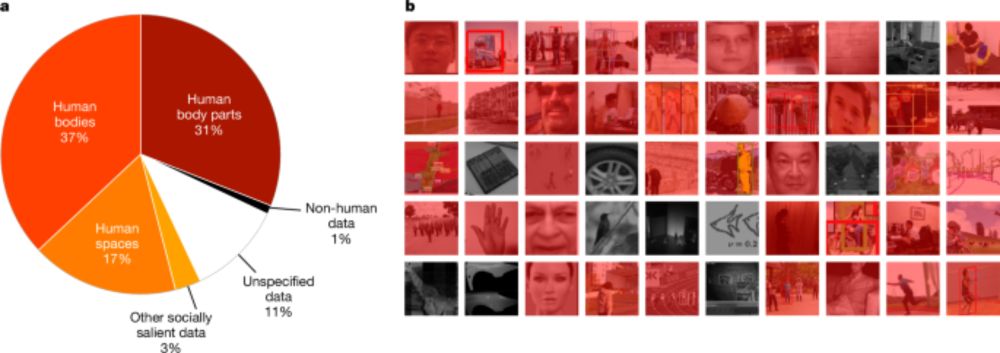
Computer-vision research powers surveillance technology - Nature
An analysis of research papers and citing patents indicates the extensive ties between computer-vision research and surveillance.
www.nature.com
June 25, 2025 at 5:29 PM
New paper hot off the press www.nature.com/articles/s41...
We analysed over 40,000 computer vision papers from CVPR (the longest standing CV conf) & associated patents tracing pathways from research to application. We found that 90% of papers & 86% of downstream patents power surveillance
1/
We analysed over 40,000 computer vision papers from CVPR (the longest standing CV conf) & associated patents tracing pathways from research to application. We found that 90% of papers & 86% of downstream patents power surveillance
1/