



Oxford Optronix
@oxford-optronix.bsky.social
Founded in 1991, Oxford Optronix is a global pioneer in the design, development and manufacture of sophisticated instrumentation for the life sciences
Our goal is simple: To deliver thoughtfully designed, reliable products that exceed all expectations.
Our goal is simple: To deliver thoughtfully designed, reliable products that exceed all expectations.
If oxygen is part of the mechanism, it helps to measure tissue oxygen directly.
Here’s a 2-minute OxyLite intro video on capturing continuous, localized tissue pO₂ at the site of interest (preclinical in vivo + perfused/ex vivo setups).
#physiology #hypoxia #microcirculation #preclinicalresearch
Here’s a 2-minute OxyLite intro video on capturing continuous, localized tissue pO₂ at the site of interest (preclinical in vivo + perfused/ex vivo setups).
#physiology #hypoxia #microcirculation #preclinicalresearch

An introduction to OxyLite
YouTube video by Oxford Optronix Ltd., UK
youtu.be
January 1, 2026 at 8:29 PM
If oxygen is part of the mechanism, it helps to measure tissue oxygen directly.
Here’s a 2-minute OxyLite intro video on capturing continuous, localized tissue pO₂ at the site of interest (preclinical in vivo + perfused/ex vivo setups).
#physiology #hypoxia #microcirculation #preclinicalresearch
Here’s a 2-minute OxyLite intro video on capturing continuous, localized tissue pO₂ at the site of interest (preclinical in vivo + perfused/ex vivo setups).
#physiology #hypoxia #microcirculation #preclinicalresearch
What if renal perfusion looks “normal” on CPB, but the microvasculature is primed to constrict?
Ovine CPB study: dexmedetomidine ↑ α1 vasoconstrictor sensitivity (2.3×), while cortex/medulla perfusion + pO₂ ( #OxyFlo & #OxyLite) showed no group differences.
#AKI #CPB
Ovine CPB study: dexmedetomidine ↑ α1 vasoconstrictor sensitivity (2.3×), while cortex/medulla perfusion + pO₂ ( #OxyFlo & #OxyLite) showed no group differences.
#AKI #CPB

Effects of perioperative dexmedetomidine on renal vascular function and renovascular histopathology in ovine cardiopulmonary bypass - Intensive Care Medicine Experimental
Background Cardiopulmonary bypass (CPB) is integral to the conduct of cardiac surgery but is associated with postoperative acute kidney injury (AKI). Dexmedetomidine, an α₂-adrenoceptor agonist with a...
link.springer.com
December 26, 2025 at 3:50 PM
Wound healing is throttled by two real-time variables: tissue pO₂ + microvascular blood flow. This primer explains why snapshot endpoints miss the physiology and how OxyLite (pO₂ in mmHg) + OxyFlo (perfusion via laser Doppler) reveal it.
www.oxford-optronix.com/resources/wh...
#woundhealing
www.oxford-optronix.com/resources/wh...
#woundhealing

Why Oxygen and Microvascular Blood Flow Matter in Wound Healing Researc
Explore why measuring tissue oxygen and blood flow metrics in vivo are critical in wound healing research. Learn how real-time monitoring tools like OxyLite and OxyFlo support better data and outcomes
www.oxford-optronix.com
December 26, 2025 at 3:32 PM
Wound healing is throttled by two real-time variables: tissue pO₂ + microvascular blood flow. This primer explains why snapshot endpoints miss the physiology and how OxyLite (pO₂ in mmHg) + OxyFlo (perfusion via laser Doppler) reveal it.
www.oxford-optronix.com/resources/wh...
#woundhealing
www.oxford-optronix.com/resources/wh...
#woundhealing
Wounds heal in a dynamic oxygen + blood perfusion environments.
This resource lays out why tissue pO₂ (OxyLite) and microvascular blood flow (OxyFlo) are the cornerstones and why continuous monitoring beats endpoint snapshots.
#woundhealing #tissueoxygen #microcirculation #preclinicalresearch
This resource lays out why tissue pO₂ (OxyLite) and microvascular blood flow (OxyFlo) are the cornerstones and why continuous monitoring beats endpoint snapshots.
#woundhealing #tissueoxygen #microcirculation #preclinicalresearch
Why Oxygen and Microvascular Blood Flow Matter in Wound Healing Researc
Explore why measuring tissue oxygen and blood flow metrics in vivo are critical in wound healing research. Learn how real-time monitoring tools like OxyLite and OxyFlo support better data and outcomes
www.oxford-optronix.com
December 18, 2025 at 8:10 PM
Wounds heal in a dynamic oxygen + blood perfusion environments.
This resource lays out why tissue pO₂ (OxyLite) and microvascular blood flow (OxyFlo) are the cornerstones and why continuous monitoring beats endpoint snapshots.
#woundhealing #tissueoxygen #microcirculation #preclinicalresearch
This resource lays out why tissue pO₂ (OxyLite) and microvascular blood flow (OxyFlo) are the cornerstones and why continuous monitoring beats endpoint snapshots.
#woundhealing #tissueoxygen #microcirculation #preclinicalresearch
Can #Organoid data be oxygen-skewed. CO₂ incubators only offer hyperoxic conditions.
We make the case for physioxia and how to do it properly with by utilizing O₂ control in mmHg + real-time dissolved O₂ monitoring.
Read Here: www.oxford-optronix.com/resources/th...
#StemCell #CellCulture
We make the case for physioxia and how to do it properly with by utilizing O₂ control in mmHg + real-time dissolved O₂ monitoring.
Read Here: www.oxford-optronix.com/resources/th...
#StemCell #CellCulture
The Case for Physiological Oxygen in Organoid Research
Discover how partial-pressure-based physiological oxygen control improves organoid and spheroid viability, maturation and reproducibility, with HypoxyLab and OxyLite enabling precise pO₂ control and m...
www.oxford-optronix.com
December 17, 2025 at 7:26 PM
Can #Organoid data be oxygen-skewed. CO₂ incubators only offer hyperoxic conditions.
We make the case for physioxia and how to do it properly with by utilizing O₂ control in mmHg + real-time dissolved O₂ monitoring.
Read Here: www.oxford-optronix.com/resources/th...
#StemCell #CellCulture
We make the case for physioxia and how to do it properly with by utilizing O₂ control in mmHg + real-time dissolved O₂ monitoring.
Read Here: www.oxford-optronix.com/resources/th...
#StemCell #CellCulture
What if a week of "mild" hypoxia is enough to make neonatal brain blood flow pressure-passive?
J Physiol lamb data shows hypoxia blunts L-type Ca²⁺-dependent autoregulation, revealed with #OxyFlo cerebral flow monitoring.
physoc.onlinelibrary.wiley.com/doi/10.1113/...
#Neonatology #Hypoxia #Blood
J Physiol lamb data shows hypoxia blunts L-type Ca²⁺-dependent autoregulation, revealed with #OxyFlo cerebral flow monitoring.
physoc.onlinelibrary.wiley.com/doi/10.1113/...
#Neonatology #Hypoxia #Blood

Chronic hypoxia impairs L‐type Ca2+ channel‐mediated myogenic vasoconstriction and cerebral autoregulation in newborn lambs
Abstract figure legend Cerebral autoregulation in control 1-week-old newborn lambs was found to be intact in response to both rapid (45 s) and slow (∼1 h) excursions in arterial blood pressure, demon....
physoc.onlinelibrary.wiley.com
December 9, 2025 at 12:54 PM
What if a week of "mild" hypoxia is enough to make neonatal brain blood flow pressure-passive?
J Physiol lamb data shows hypoxia blunts L-type Ca²⁺-dependent autoregulation, revealed with #OxyFlo cerebral flow monitoring.
physoc.onlinelibrary.wiley.com/doi/10.1113/...
#Neonatology #Hypoxia #Blood
J Physiol lamb data shows hypoxia blunts L-type Ca²⁺-dependent autoregulation, revealed with #OxyFlo cerebral flow monitoring.
physoc.onlinelibrary.wiley.com/doi/10.1113/...
#Neonatology #Hypoxia #Blood
Short new video 👉 intro to #OxyFlo, our laser-Doppler tissue blood flow monitor for continuous, real-time microvascular perfusion measurements in vivo.
Watch the clip, then reach out if you’d like details or pricing for your model.
#WoundHeling #Microcirculation #PreclinicalResearch #Stroke
Watch the clip, then reach out if you’d like details or pricing for your model.
#WoundHeling #Microcirculation #PreclinicalResearch #Stroke
December 1, 2025 at 4:21 PM
Short new video 👉 intro to #OxyFlo, our laser-Doppler tissue blood flow monitor for continuous, real-time microvascular perfusion measurements in vivo.
Watch the clip, then reach out if you’d like details or pricing for your model.
#WoundHeling #Microcirculation #PreclinicalResearch #Stroke
Watch the clip, then reach out if you’d like details or pricing for your model.
#WoundHeling #Microcirculation #PreclinicalResearch #Stroke
What if drug-resistant lung cancer cells have a hidden control switch we can target to make treatments work again?
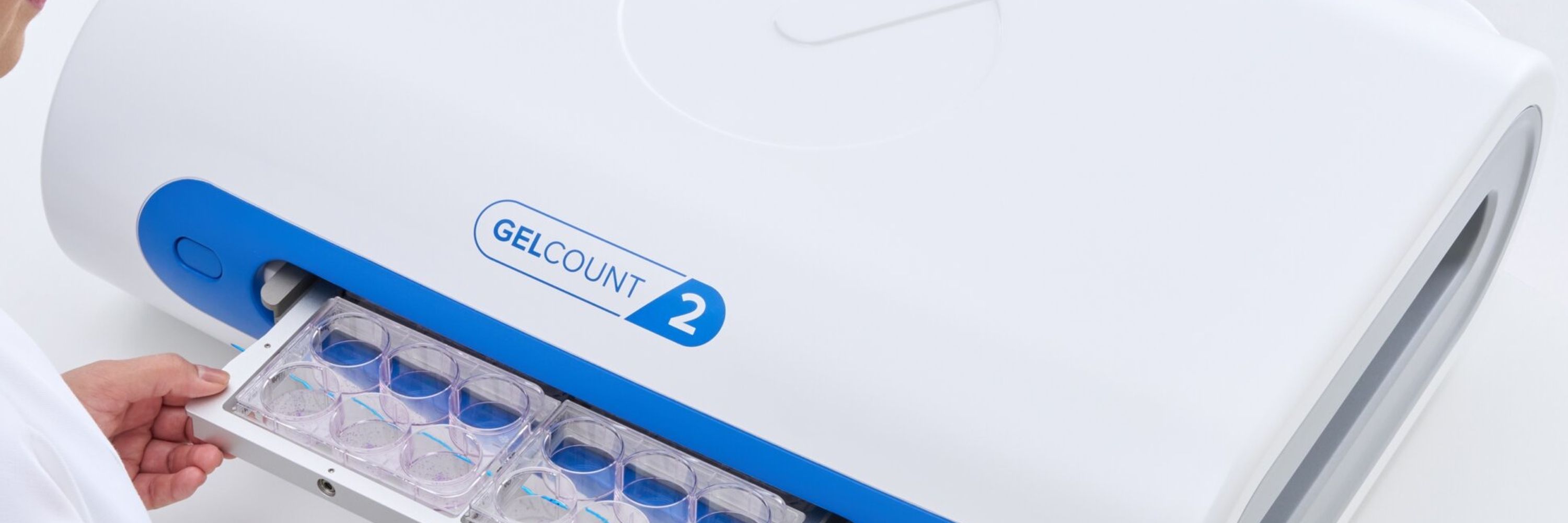
New pub show that blocking FAK plus EGFR drugs cuts long-term survival in colony assays, and was quantified with our #GelCount.
#LungCancer #DrugResistance
New pub show that blocking FAK plus EGFR drugs cuts long-term survival in colony assays, and was quantified with our #GelCount.
#LungCancer #DrugResistance
Novel FAK inhibitors suppress tumor growth and reverse EGFR-TKI resistance in non-small cell lung cancer
Aim: The current study aims to investigate the critical role of the focal adhesion kinase (FAK) oncogenic signaling pathway in mediating drug resistance to epidermal growth factor receptor (EGFR)-tyro...
www.oaepublish.com
November 20, 2025 at 5:53 PM
What if drug-resistant lung cancer cells have a hidden control switch we can target to make treatments work again?
New pub show that blocking FAK plus EGFR drugs cuts long-term survival in colony assays, and was quantified with our #GelCount.
#LungCancer #DrugResistance
New pub show that blocking FAK plus EGFR drugs cuts long-term survival in colony assays, and was quantified with our #GelCount.
#LungCancer #DrugResistance
Is a single helper protein quietly keeping androgen receptor signaling alive in prostate cancer?
In a new @nature.com publication, a @ucsfcancer.bsky.social team identified PTGES3 as direct AR modulator using #CRISPR screens. Colony assays were analyzed by #GelCount, linking biology to cell fate.
In a new @nature.com publication, a @ucsfcancer.bsky.social team identified PTGES3 as direct AR modulator using #CRISPR screens. Colony assays were analyzed by #GelCount, linking biology to cell fate.

Genome-scale CRISPR screens identify PTGES3 as a direct modulator of androgen receptor function in advanced prostate cancer - Nature Genetics
Genome-wide CRISPRi screens for modulators of androgen receptor (AR) protein levels using live-cell quantitative endogenous AR fluorescence reporters identify PTGES3 as a new regulator of AR stability...
www.nature.com
November 13, 2025 at 8:58 PM
Is a single helper protein quietly keeping androgen receptor signaling alive in prostate cancer?
In a new @nature.com publication, a @ucsfcancer.bsky.social team identified PTGES3 as direct AR modulator using #CRISPR screens. Colony assays were analyzed by #GelCount, linking biology to cell fate.
In a new @nature.com publication, a @ucsfcancer.bsky.social team identified PTGES3 as direct AR modulator using #CRISPR screens. Colony assays were analyzed by #GelCount, linking biology to cell fate.
Deep-tissue oxygenation with a PLD array: 4.26 cm phantoms, accurate renal maps to 3.85 cm in vivo, validated by an #OxyLite kidney sensor placement.
Read here: opg.optica.org/boe/fulltext...
#Photoacoustics #TissueOxygenation
Read here: opg.optica.org/boe/fulltext...
#Photoacoustics #TissueOxygenation
Radware Captcha Page
opg.optica.org
November 10, 2025 at 6:36 PM
Deep-tissue oxygenation with a PLD array: 4.26 cm phantoms, accurate renal maps to 3.85 cm in vivo, validated by an #OxyLite kidney sensor placement.
Read here: opg.optica.org/boe/fulltext...
#Photoacoustics #TissueOxygenation
Read here: opg.optica.org/boe/fulltext...
#Photoacoustics #TissueOxygenation
What if hydration is a key variable in chronic eardrum repair?
Biomed Eng Lett: Mn-porphyrin hydrogel scavenged ROS and generated O₂ in vitro (validated with #OxyLite, Fig. 2d) but showed no healing in rats, likely due to gel dehydration and collapse in the middle ear.
#Biomaterials #WoundHealing
Biomed Eng Lett: Mn-porphyrin hydrogel scavenged ROS and generated O₂ in vitro (validated with #OxyLite, Fig. 2d) but showed no healing in rats, likely due to gel dehydration and collapse in the middle ear.
#Biomaterials #WoundHealing

Challenges in functional hydrogel application for chronic tympanic membrane perforation: practical limitations and lessons learned - Biomedical Engineering Letters
Chronic tympanic membrane (TM) perforations often persist due to oxidative stress and hypoxia in the middle ear. A minimally invasive, biocompatible hydrogel addressing these challenges could serve as...
link.springer.com
November 3, 2025 at 8:12 PM
What if hydration is a key variable in chronic eardrum repair?
Biomed Eng Lett: Mn-porphyrin hydrogel scavenged ROS and generated O₂ in vitro (validated with #OxyLite, Fig. 2d) but showed no healing in rats, likely due to gel dehydration and collapse in the middle ear.
#Biomaterials #WoundHealing
Biomed Eng Lett: Mn-porphyrin hydrogel scavenged ROS and generated O₂ in vitro (validated with #OxyLite, Fig. 2d) but showed no healing in rats, likely due to gel dehydration and collapse in the middle ear.
#Biomaterials #WoundHealing
Stop guessing pericellular oxygen and just measure it.
Guide to dissolved O2 in hypoxia chambers: think in mmHg, verify in media pO2, track stability with #OxyLite and #HypoxyLab.
Read here: www.oxford-optronix.com/resources/in...
#pO2 #Hypoxia #ResearchTools
Guide to dissolved O2 in hypoxia chambers: think in mmHg, verify in media pO2, track stability with #OxyLite and #HypoxyLab.
Read here: www.oxford-optronix.com/resources/in...
#pO2 #Hypoxia #ResearchTools
In Vitro Dissolved Oxygen Monitoring in Hypoxia Chambers
Explore how an in vitro system that can be utilized within hypoxic chambers ensures precise dissolved oxygen control in cell cultures and media. Hypoxia chambers are used worldwide by research investi...
www.oxford-optronix.com
October 31, 2025 at 3:02 PM
Stop guessing pericellular oxygen and just measure it.
Guide to dissolved O2 in hypoxia chambers: think in mmHg, verify in media pO2, track stability with #OxyLite and #HypoxyLab.
Read here: www.oxford-optronix.com/resources/in...
#pO2 #Hypoxia #ResearchTools
Guide to dissolved O2 in hypoxia chambers: think in mmHg, verify in media pO2, track stability with #OxyLite and #HypoxyLab.
Read here: www.oxford-optronix.com/resources/in...
#pO2 #Hypoxia #ResearchTools
What if oxygen is the switch for FLASH at the molecular scale?
At 5% O₂, UHDR yields fewer DNA strand breaks than LDR & at ~21% O₂ that advantage vanishes. #HypoxyLab set ~40 mmHg O₂ and #OxyLite confirmed O₂ and sealing to keep conditions true.
Read here👉 arxiv.org/pdf/2510.15478
At 5% O₂, UHDR yields fewer DNA strand breaks than LDR & at ~21% O₂ that advantage vanishes. #HypoxyLab set ~40 mmHg O₂ and #OxyLite confirmed O₂ and sealing to keep conditions true.
Read here👉 arxiv.org/pdf/2510.15478
arxiv.org
October 28, 2025 at 4:42 PM
What if oxygen is the switch for FLASH at the molecular scale?
At 5% O₂, UHDR yields fewer DNA strand breaks than LDR & at ~21% O₂ that advantage vanishes. #HypoxyLab set ~40 mmHg O₂ and #OxyLite confirmed O₂ and sealing to keep conditions true.
Read here👉 arxiv.org/pdf/2510.15478
At 5% O₂, UHDR yields fewer DNA strand breaks than LDR & at ~21% O₂ that advantage vanishes. #HypoxyLab set ~40 mmHg O₂ and #OxyLite confirmed O₂ and sealing to keep conditions true.
Read here👉 arxiv.org/pdf/2510.15478
What if ΔPCO₂ in shock is more about acidosis than Haldane effect?
New study shows hydrogen ions dominate the CO₂ gap while flow recovers. #OxyFlo measured jejunal microvascular flow to link perfusion with CO₂ dynamics.
#Shock #CriticalCare #CO2 #LDF #Physiology
link.springer.com/article/10.1...
New study shows hydrogen ions dominate the CO₂ gap while flow recovers. #OxyFlo measured jejunal microvascular flow to link perfusion with CO₂ dynamics.
#Shock #CriticalCare #CO2 #LDF #Physiology
link.springer.com/article/10.1...

Regional venous-to-arterial carbon dioxide pressure and content differences during endotoxemic shock: influence of hydrogen ion accumulation vs. Haldane effect - Intensive Care Medicine Experimental
Background The relationship between carbon dioxide pressures (PCO2) and contents (CCO2) is linked to the Haldane effect. Nevertheless, under shock conditions, hydrogen ion accumulation might strongly ...
link.springer.com
October 20, 2025 at 12:20 PM
What if ΔPCO₂ in shock is more about acidosis than Haldane effect?
New study shows hydrogen ions dominate the CO₂ gap while flow recovers. #OxyFlo measured jejunal microvascular flow to link perfusion with CO₂ dynamics.
#Shock #CriticalCare #CO2 #LDF #Physiology
link.springer.com/article/10.1...
New study shows hydrogen ions dominate the CO₂ gap while flow recovers. #OxyFlo measured jejunal microvascular flow to link perfusion with CO₂ dynamics.
#Shock #CriticalCare #CO2 #LDF #Physiology
link.springer.com/article/10.1...
Novel paper by a @harvard.edu team used nanobubbles to convert pressure into an ultrasound signal, and our #OxyLite tied mechanism to outcome by tracking dissolved oxygen in real time.
The technique may open safer, more sensitive #cardiology pressure monitoring.
#BiomedicalEngineering #Nanobubbles
The technique may open safer, more sensitive #cardiology pressure monitoring.
#BiomedicalEngineering #Nanobubbles

Rapidly dissolving polymeric microbubbles promote supersaturation and in-situ formation of acoustic nanobubbles capable of dynamic pressure sensing
Developing noninvasive methods for monitoring intravascular and intracardiac pressures is crucial for advancing the diagnosis and management of cardio…
www.sciencedirect.com
October 16, 2025 at 6:51 PM
Novel paper by a @harvard.edu team used nanobubbles to convert pressure into an ultrasound signal, and our #OxyLite tied mechanism to outcome by tracking dissolved oxygen in real time.
The technique may open safer, more sensitive #cardiology pressure monitoring.
#BiomedicalEngineering #Nanobubbles
The technique may open safer, more sensitive #cardiology pressure monitoring.
#BiomedicalEngineering #Nanobubbles
What if FLASH response is tuned by oxygen and spheroid size?
In 3D models, UHDR matched conventional dose rates in ambient oxygen for small spheroids, but hypoxia increased the dose needed for control by about 7 to 14 percent.
#HypoxyLab maintained 8 mmHg O2 to model hypoxia.
#FLASH #Hypoxia
In 3D models, UHDR matched conventional dose rates in ambient oxygen for small spheroids, but hypoxia increased the dose needed for control by about 7 to 14 percent.
#HypoxyLab maintained 8 mmHg O2 to model hypoxia.
#FLASH #Hypoxia

Not All Tumors Are Alike: Varying Efficacy of FLASH Across Tumor Types and Oxygenation Status in Spheroid Models - PubMed
This preclinical study suggests that tumor iso-efficacy with UHDR may not hold true for all cancer types and is associated with oxygen level.
pubmed.ncbi.nlm.nih.gov
October 14, 2025 at 7:32 PM
What if FLASH response is tuned by oxygen and spheroid size?
In 3D models, UHDR matched conventional dose rates in ambient oxygen for small spheroids, but hypoxia increased the dose needed for control by about 7 to 14 percent.
#HypoxyLab maintained 8 mmHg O2 to model hypoxia.
#FLASH #Hypoxia
In 3D models, UHDR matched conventional dose rates in ambient oxygen for small spheroids, but hypoxia increased the dose needed for control by about 7 to 14 percent.
#HypoxyLab maintained 8 mmHg O2 to model hypoxia.
#FLASH #Hypoxia
What if blocking EXO1 could selectively kill FA/BRCA1-A/ZRSR2-deficient tumors?
New @nature.com study maps EXO1 synthetic-lethal partners and combo wins (PARPi, cisplatin, IR). Clonogenic survival imaged and analyzed with #GelCount across key figures (2-4).
#DNARepair #CancerResearch #Oncology
New @nature.com study maps EXO1 synthetic-lethal partners and combo wins (PARPi, cisplatin, IR). Clonogenic survival imaged and analyzed with #GelCount across key figures (2-4).
#DNARepair #CancerResearch #Oncology

EXO1 as a therapeutic target for Fanconi Anaemia, ZRSR2 and BRCA1-A complex deficient cancers - Nature Communications
EXO1 performs multiple roles in DNA replication and DNA damage repair (DDR), but its role in DDR-deficient cancers remains unclear. Here, the authors find EXO1 loss as synthetic lethal with many DDR genes involved in various cancers, including genes from Fanconi Anaemia pathway, BRCA1-A complex, and spliceosome factor ZRSR2; such interactions represent potential clinical targets.
www.nature.com
October 6, 2025 at 3:04 PM
What if blocking EXO1 could selectively kill FA/BRCA1-A/ZRSR2-deficient tumors?
New @nature.com study maps EXO1 synthetic-lethal partners and combo wins (PARPi, cisplatin, IR). Clonogenic survival imaged and analyzed with #GelCount across key figures (2-4).
#DNARepair #CancerResearch #Oncology
New @nature.com study maps EXO1 synthetic-lethal partners and combo wins (PARPi, cisplatin, IR). Clonogenic survival imaged and analyzed with #GelCount across key figures (2-4).
#DNARepair #CancerResearch #Oncology
What if the clock is the biggest variable in septic #AKI?
In an ovine model, tempol begun at 24–31 h did not reverse medullary hypoxia; normalization followed antibiotics.
#OxyLite (pO2) & #OxyFlo (perfusion) revealed cortex-vs-medulla differences in real time.
#Sepsis #TranslationalResearch
In an ovine model, tempol begun at 24–31 h did not reverse medullary hypoxia; normalization followed antibiotics.
#OxyLite (pO2) & #OxyFlo (perfusion) revealed cortex-vs-medulla differences in real time.
#Sepsis #TranslationalResearch

Effects of tempol on renal medullary tissue hypoxia in an ovine model of Gram‐negative septic acute kidney injury
Renal arterial infusion of tempol (RAT) at the onset of Gram-negative sepsis can prevent sepsis-induced medullary tissue hypoxia and acute kidney injury (AKI). However, it is not known whether treatm....
physoc.onlinelibrary.wiley.com
September 30, 2025 at 7:31 PM
What if the clock is the biggest variable in septic #AKI?
In an ovine model, tempol begun at 24–31 h did not reverse medullary hypoxia; normalization followed antibiotics.
#OxyLite (pO2) & #OxyFlo (perfusion) revealed cortex-vs-medulla differences in real time.
#Sepsis #TranslationalResearch
In an ovine model, tempol begun at 24–31 h did not reverse medullary hypoxia; normalization followed antibiotics.
#OxyLite (pO2) & #OxyFlo (perfusion) revealed cortex-vs-medulla differences in real time.
#Sepsis #TranslationalResearch
What if tumor hypoxia is the switch for CD8⁺ T-cell exhaustion?
New Immunity paper shows chronic hypoxia drives ATF4 leading to mitochondrial stress & death. ISRIB restores T-cell fitness and PD-1 response.
The #HypoxyLab was set to 1.5% O₂ for 96 h to model cell stress.
#Hypoxia #Immunotherapy
New Immunity paper shows chronic hypoxia drives ATF4 leading to mitochondrial stress & death. ISRIB restores T-cell fitness and PD-1 response.
The #HypoxyLab was set to 1.5% O₂ for 96 h to model cell stress.
#Hypoxia #Immunotherapy

Intra-tumoral hypoxia promotes CD8+ T cell dysfunction via chronic activation of integrated stress response transcription factor ATF4
Metabolic stress imposed by the tumor microenvironment (TME) promotes T cell dysfunction
and limits antitumor immunity. Alicea Pauneto et al. demonstrate the hypoxia within
the TME drives chronic acti...
www.cell.com
September 29, 2025 at 7:16 PM
What if tumor hypoxia is the switch for CD8⁺ T-cell exhaustion?
New Immunity paper shows chronic hypoxia drives ATF4 leading to mitochondrial stress & death. ISRIB restores T-cell fitness and PD-1 response.
The #HypoxyLab was set to 1.5% O₂ for 96 h to model cell stress.
#Hypoxia #Immunotherapy
New Immunity paper shows chronic hypoxia drives ATF4 leading to mitochondrial stress & death. ISRIB restores T-cell fitness and PD-1 response.
The #HypoxyLab was set to 1.5% O₂ for 96 h to model cell stress.
#Hypoxia #Immunotherapy
What if a simple flow change could curb ECMO-related brain injury?
In an ovine VA-ECMO DH model, increasing flow to 4.5 L/min boosted PbTO₂ (+215%) and reduced histologic damage vs 2.5 L/min.
Cerebral measurements achieved with #OxyLite (pO₂) + #OxyFlo (laser-Doppler flow).
#ECMO #Neuroprotection
In an ovine VA-ECMO DH model, increasing flow to 4.5 L/min boosted PbTO₂ (+215%) and reduced histologic damage vs 2.5 L/min.
Cerebral measurements achieved with #OxyLite (pO₂) + #OxyFlo (laser-Doppler flow).
#ECMO #Neuroprotection

Effect of flow change on brain injury during an experimental model of differential hypoxaemia in cardiogenic shock supported by extracorporeal membrane oxygenation - Scientific Reports
Scientific Reports - Effect of flow change on brain injury during an experimental model of differential hypoxaemia in cardiogenic shock supported by extracorporeal membrane oxygenation
www.nature.com
September 22, 2025 at 5:02 PM
What if a simple flow change could curb ECMO-related brain injury?
In an ovine VA-ECMO DH model, increasing flow to 4.5 L/min boosted PbTO₂ (+215%) and reduced histologic damage vs 2.5 L/min.
Cerebral measurements achieved with #OxyLite (pO₂) + #OxyFlo (laser-Doppler flow).
#ECMO #Neuroprotection
In an ovine VA-ECMO DH model, increasing flow to 4.5 L/min boosted PbTO₂ (+215%) and reduced histologic damage vs 2.5 L/min.
Cerebral measurements achieved with #OxyLite (pO₂) + #OxyFlo (laser-Doppler flow).
#ECMO #Neuroprotection
What if flipping CRC colony morphology could boost chemo?
New @nature.com paper shows azithromycin drives re-epithelialization in 3D collagen and sensitizes to irinotecan. Validations used #GelCount to objectively count 3D colonies.
#CancerResearch #3DCulture
www.nature.com/articles/s42...
New @nature.com paper shows azithromycin drives re-epithelialization in 3D collagen and sensitizes to irinotecan. Validations used #GelCount to objectively count 3D colonies.
#CancerResearch #3DCulture
www.nature.com/articles/s42...
3D collagen high-throughput screen identifies drugs that induce epithelial polarity and enhance chemotherapy response in colorectal cancer - Communications Biology
A 3D high-throughput screen in type I collagen is established to score drug efficacy by colony morphology, identifying three antibiotics that re-epithelialize colorectal cancer colonies and enhance ch...
www.nature.com
September 16, 2025 at 4:56 PM
What if flipping CRC colony morphology could boost chemo?
New @nature.com paper shows azithromycin drives re-epithelialization in 3D collagen and sensitizes to irinotecan. Validations used #GelCount to objectively count 3D colonies.
#CancerResearch #3DCulture
www.nature.com/articles/s42...
New @nature.com paper shows azithromycin drives re-epithelialization in 3D collagen and sensitizes to irinotecan. Validations used #GelCount to objectively count 3D colonies.
#CancerResearch #3DCulture
www.nature.com/articles/s42...
We recently partnered with MycoFog to offer a simple-to-use decontamination device for cell incubators and workstations (HypoxyLab included).
Read this article to reduce contamination risk and keep experiments on track:
www.oxford-optronix.com/resources/ke...
#LabSafety #CellCulture #CleanLab
Read this article to reduce contamination risk and keep experiments on track:
www.oxford-optronix.com/resources/ke...
#LabSafety #CellCulture #CleanLab
Keeping incubators and workstations contamination-free
Maintain good laboratory practice by keeping CO₂ incubators and hypoxia workstations contamination-free with tools like MycoFog™, for greater confidence in experimental results
www.oxford-optronix.com
September 11, 2025 at 5:06 PM
We recently partnered with MycoFog to offer a simple-to-use decontamination device for cell incubators and workstations (HypoxyLab included).
Read this article to reduce contamination risk and keep experiments on track:
www.oxford-optronix.com/resources/ke...
#LabSafety #CellCulture #CleanLab
Read this article to reduce contamination risk and keep experiments on track:
www.oxford-optronix.com/resources/ke...
#LabSafety #CellCulture #CleanLab
What if ICL repair isn’t one pathway’s job?
DNA Repair (2025): NHEJ, TMEJ & HR co-contribute to crosslink repair, with dependencies shifting when NHEJ is impaired. Survival readouts (Fig. 1, 3, 4) were supported by #GelCount to image and analyze the clonogenic assays.
#DNARepair #GenomeStability
DNA Repair (2025): NHEJ, TMEJ & HR co-contribute to crosslink repair, with dependencies shifting when NHEJ is impaired. Survival readouts (Fig. 1, 3, 4) were supported by #GelCount to image and analyze the clonogenic assays.
#DNARepair #GenomeStability

Contributions of DNA Double Strand Break Repair Pathways to DNA Crosslink Repair
DNA crosslink-inducing drugs are widely used in clinical settings for treatment of solid tumors. Double strand breaks (DSBs) that arise during interst…
www.sciencedirect.com
September 5, 2025 at 12:11 PM
What if ICL repair isn’t one pathway’s job?
DNA Repair (2025): NHEJ, TMEJ & HR co-contribute to crosslink repair, with dependencies shifting when NHEJ is impaired. Survival readouts (Fig. 1, 3, 4) were supported by #GelCount to image and analyze the clonogenic assays.
#DNARepair #GenomeStability
DNA Repair (2025): NHEJ, TMEJ & HR co-contribute to crosslink repair, with dependencies shifting when NHEJ is impaired. Survival readouts (Fig. 1, 3, 4) were supported by #GelCount to image and analyze the clonogenic assays.
#DNARepair #GenomeStability
What if #astrocytes steer optic nerve head blood flow?
Study shows OGD/R → mTOR activation in LC astrocytes, ↑PGE₂, and relaxed VSMCs, supporting astrocyte-driven autoregulation. Hypoxia verified with OxyLite (<10 mmHg after 1 h).
#OxyLite often lets teams fine-tune media pO₂ to in-vivo levels.
Study shows OGD/R → mTOR activation in LC astrocytes, ↑PGE₂, and relaxed VSMCs, supporting astrocyte-driven autoregulation. Hypoxia verified with OxyLite (<10 mmHg after 1 h).
#OxyLite often lets teams fine-tune media pO₂ to in-vivo levels.

Frontiers | Astrocytes from lamina cribrosa are involved in the autoregulatory function of optic nerve head vessels in vitro
PurposeTo investigate the role of the lamina cribrosa (LC) astrocytes in the autoregulatory capacity of optic nerve head (ONH) vessels and to explore the und...
www.frontiersin.org
September 3, 2025 at 1:56 PM
What if #astrocytes steer optic nerve head blood flow?
Study shows OGD/R → mTOR activation in LC astrocytes, ↑PGE₂, and relaxed VSMCs, supporting astrocyte-driven autoregulation. Hypoxia verified with OxyLite (<10 mmHg after 1 h).
#OxyLite often lets teams fine-tune media pO₂ to in-vivo levels.
Study shows OGD/R → mTOR activation in LC astrocytes, ↑PGE₂, and relaxed VSMCs, supporting astrocyte-driven autoregulation. Hypoxia verified with OxyLite (<10 mmHg after 1 h).
#OxyLite often lets teams fine-tune media pO₂ to in-vivo levels.
What if we’ve been aiming at the wrong surface?
Under <0.1% O₂, UPR drives intracellular C5aR1 that supports tumour cell survival — favouring cell-permeable inhibitors. #GelCount used to track 3D spheroid growth and to image/analyze clonogenic plates.
#Hypoxia #Spheroids #ClonogenicAssay
Under <0.1% O₂, UPR drives intracellular C5aR1 that supports tumour cell survival — favouring cell-permeable inhibitors. #GelCount used to track 3D spheroid growth and to image/analyze clonogenic plates.
#Hypoxia #Spheroids #ClonogenicAssay

UPR-induced intracellular C5aR1 promotes adaptation to the hypoxic tumour microenvironment - Cell Death & Disease
Cell Death & Disease - UPR-induced intracellular C5aR1 promotes adaptation to the hypoxic tumour microenvironment
www.nature.com
August 18, 2025 at 12:43 PM
What if we’ve been aiming at the wrong surface?
Under <0.1% O₂, UPR drives intracellular C5aR1 that supports tumour cell survival — favouring cell-permeable inhibitors. #GelCount used to track 3D spheroid growth and to image/analyze clonogenic plates.
#Hypoxia #Spheroids #ClonogenicAssay
Under <0.1% O₂, UPR drives intracellular C5aR1 that supports tumour cell survival — favouring cell-permeable inhibitors. #GelCount used to track 3D spheroid growth and to image/analyze clonogenic plates.
#Hypoxia #Spheroids #ClonogenicAssay