


sgumin
@sgumin.bsky.social
#chicagocubs #oregonducks #goducks #sandiegosuperchargers #bonnaroo
There’s a bowl game this Saturday. 😆

December 10, 2025 at 3:51 PM
There’s a bowl game this Saturday. 😆
Kellen Clemens face hearing Philip Rivers is coming back.

December 10, 2025 at 3:06 PM
Kellen Clemens face hearing Philip Rivers is coming back.
Reposted by sgumin

Pat McAfee desperately tries and fails to get Kirby Smart to bark like a dog.
December 6, 2025 at 3:01 PM
Pat McAfee desperately tries and fails to get Kirby Smart to bark like a dog.
Reposted by sgumin
I feel like that’s the main way people hear about it

December 6, 2025 at 4:30 AM
I feel like that’s the main way people hear about it
Reposted by sgumin

I don't even know how to joke about this


December 6, 2025 at 12:27 AM
I don't even know how to joke about this
Reposted by sgumin

Boise State QB Maddux Jeter Madsen is one of six siblings in his family to be named after baseball players
His brothers are Mick, McGwire, Mays, and Murphy, with his sister named Macee Joe. His dad Eric Madsen, was the head baseball coach at Utah Valley University for 13 years
His brothers are Mick, McGwire, Mays, and Murphy, with his sister named Macee Joe. His dad Eric Madsen, was the head baseball coach at Utah Valley University for 13 years
December 6, 2025 at 4:45 AM
Boise State QB Maddux Jeter Madsen is one of six siblings in his family to be named after baseball players
His brothers are Mick, McGwire, Mays, and Murphy, with his sister named Macee Joe. His dad Eric Madsen, was the head baseball coach at Utah Valley University for 13 years
His brothers are Mick, McGwire, Mays, and Murphy, with his sister named Macee Joe. His dad Eric Madsen, was the head baseball coach at Utah Valley University for 13 years

Reposted by sgumin
Throwing snowballs at the punter is why college football will never be topped
December 6, 2025 at 12:50 AM
Throwing snowballs at the punter is why college football will never be topped
Reposted by sgumin

Reposted by sgumin

US Soccer has a new mascot, and I'll be honest: I find this dog very untrustworthy

December 5, 2025 at 2:19 PM
US Soccer has a new mascot, and I'll be honest: I find this dog very untrustworthy
Reposted by sgumin

Reposted by sgumin
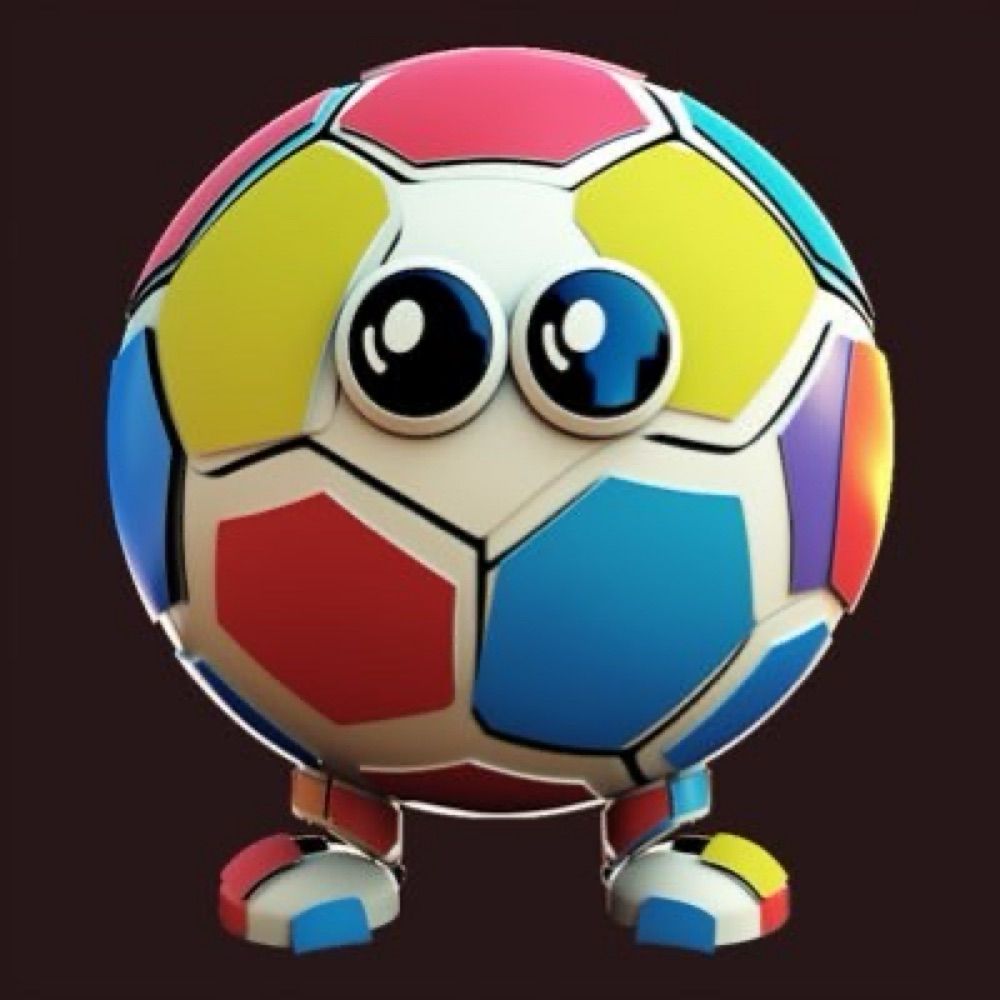
US Soccer announces new mascot, a yet to be named Chesapeake Bay Retriever. Here’s why this pup serves as confirmation that the Fed only caters to coastal elites.

December 5, 2025 at 12:57 PM
US Soccer announces new mascot, a yet to be named Chesapeake Bay Retriever. Here’s why this pup serves as confirmation that the Fed only caters to coastal elites.

Reposted by sgumin

Reposted by sgumin

Oregon's program-best class is currently No. 2 nationally with path to top-ranked class
247sports.com/college/oreg...
247sports.com/college/oreg...

Oregon's program-best class is currently No. 2 nationally with path to top-ranked class
The Ducks have the nation's No. 2 ranked recruiting class. It's the best in program-history, and there's a path to No. 1.
247sports.com
December 4, 2025 at 1:23 AM
Oregon's program-best class is currently No. 2 nationally with path to top-ranked class
247sports.com/college/oreg...
247sports.com/college/oreg...
Reposted by sgumin
Lightning: the great equalizer. ⚡️😱
December 3, 2025 at 4:02 PM
Lightning: the great equalizer. ⚡️😱


Reposted by sgumin

Story on Kalani Sitake expected to stay with BYU after Penn State talks, per sources: www.nytimes.com/athletic/685...

Kalani Sitake will stay at BYU despite strong interest from Penn State: Source
It puts to rest the start of an angsty week as the No. 11 Cougars are set to face No. 5 Texas Tech Saturday for the Big 12 title.
www.nytimes.com
December 2, 2025 at 9:45 PM
Story on Kalani Sitake expected to stay with BYU after Penn State talks, per sources: www.nytimes.com/athletic/685...
Reposted by sgumin

Kicking a patch of dirt up and then exploding it into your catcher's face with your pitch is a level of wizardry that I didn't think possible.

December 1, 2025 at 2:26 PM
Kicking a patch of dirt up and then exploding it into your catcher's face with your pitch is a level of wizardry that I didn't think possible.
Reposted by sgumin


Reposted by sgumin
With regular season behind them, Ducks have 'chance to get healthy' for College Football Playoff run
247sports.com/college/oreg...
247sports.com/college/oreg...

With regular season behind them, Ducks have 'chance to get healthy' for College Football Playoff run
Oregon will be playing in this year's College Football Playoff. According to head coach Dan Lanning that will give them time to get healthy and ready for a run at the College Football Playoff.
247sports.com
November 30, 2025 at 2:40 AM
With regular season behind them, Ducks have 'chance to get healthy' for College Football Playoff run
247sports.com/college/oreg...
247sports.com/college/oreg...
Reposted by sgumin
Cal leads SMU 17-7 and Virginia leads VT 14-0, both in the first half.
If the current scores hold.... it would be a Virginia-Duke ACC championship game and open up a potential second G5 bid.
If the current scores hold.... it would be a Virginia-Duke ACC championship game and open up a potential second G5 bid.

November 30, 2025 at 2:05 AM
Cal leads SMU 17-7 and Virginia leads VT 14-0, both in the first half.
If the current scores hold.... it would be a Virginia-Duke ACC championship game and open up a potential second G5 bid.
If the current scores hold.... it would be a Virginia-Duke ACC championship game and open up a potential second G5 bid.
I like that you hear the Oregon band more than the purple band
November 29, 2025 at 9:43 PM
I like that you hear the Oregon band more than the purple band
