




Stacks Journal
@stacksjournal.bsky.social
A scientific journal designed for ease and ethics. Publishing open-access articles, Special Issues, and entire journals.
Join Us ⬇️
https://www.stacksjournal.org
Join Us ⬇️
https://www.stacksjournal.org
It’s not just about the heat. The study also identified more threats to their persistence:
🧩 Habitat fragmentation
📉 Lack of long-term monitoring data
🔍 Low public awareness compared to "charismatic" large carnivores
5/
🧩 Habitat fragmentation
📉 Lack of long-term monitoring data
🔍 Low public awareness compared to "charismatic" large carnivores
5/

January 13, 2026 at 6:15 PM
It’s not just about the heat. The study also identified more threats to their persistence:
🧩 Habitat fragmentation
📉 Lack of long-term monitoring data
🔍 Low public awareness compared to "charismatic" large carnivores
5/
🧩 Habitat fragmentation
📉 Lack of long-term monitoring data
🔍 Low public awareness compared to "charismatic" large carnivores
5/
To aid conservation, researchers used a 3-phase expert consensus—surveys, workshops, and deep-dive discussions—to identify what's actually happening on the ground and chart a path forward for conservation.
The verdict?
3/
The verdict?
3/

January 13, 2026 at 6:15 PM
To aid conservation, researchers used a 3-phase expert consensus—surveys, workshops, and deep-dive discussions—to identify what's actually happening on the ground and chart a path forward for conservation.
The verdict?
3/
The verdict?
3/
From the forests of North America to the mountains of Asia, Guloninae species play vital roles as small predators.
The problem? Most are listed as "Least Concern" globally, a label that often hides dramatic local declines and ignores the unique threats they face.
2/
The problem? Most are listed as "Least Concern" globally, a label that often hides dramatic local declines and ignores the unique threats they face.
2/

January 13, 2026 at 6:15 PM
From the forests of North America to the mountains of Asia, Guloninae species play vital roles as small predators.
The problem? Most are listed as "Least Concern" globally, a label that often hides dramatic local declines and ignores the unique threats they face.
2/
The problem? Most are listed as "Least Concern" globally, a label that often hides dramatic local declines and ignores the unique threats they face.
2/
Why are they so vulnerable to climate change and ecological breakdown?
🌎 Narrow habitat preferences
❄️ Cold-adapted ranges (especially in the fast-warming Arctic)
🌲 Fragmented forests
🔄 Low adaptive capacity
🌎 Narrow habitat preferences
❄️ Cold-adapted ranges (especially in the fast-warming Arctic)
🌲 Fragmented forests
🔄 Low adaptive capacity
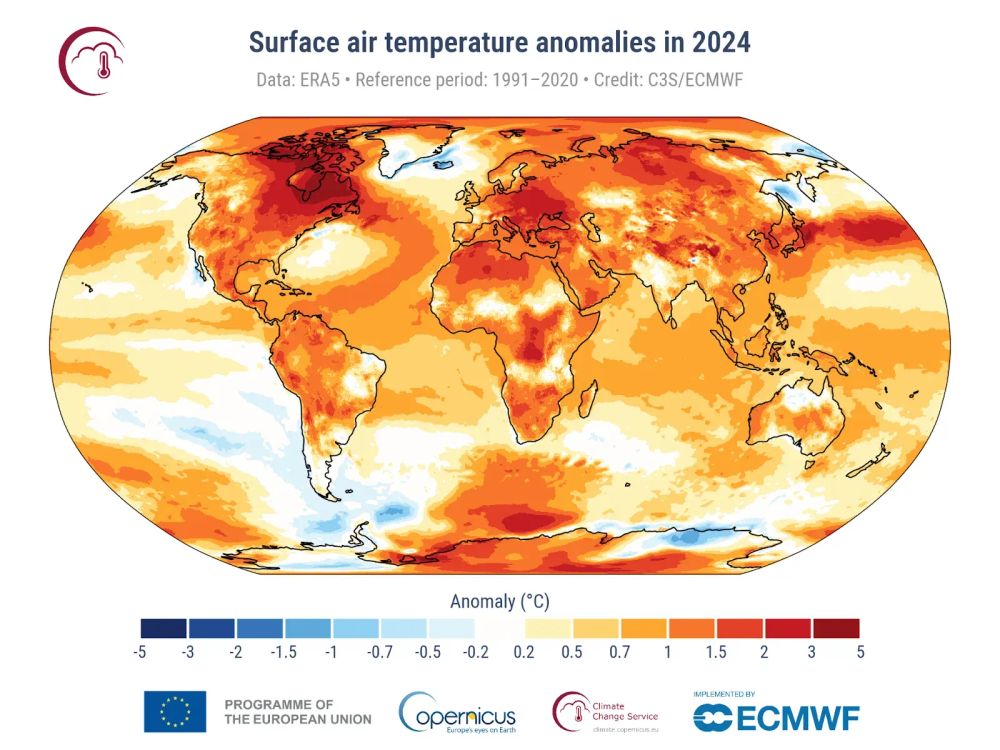
August 19, 2025 at 3:45 PM
Why are they so vulnerable to climate change and ecological breakdown?
🌎 Narrow habitat preferences
❄️ Cold-adapted ranges (especially in the fast-warming Arctic)
🌲 Fragmented forests
🔄 Low adaptive capacity
🌎 Narrow habitat preferences
❄️ Cold-adapted ranges (especially in the fast-warming Arctic)
🌲 Fragmented forests
🔄 Low adaptive capacity
From wildfires to deforestation to the collapse of prey populations, this research maps out how 11 Guloninae species are vulnerable to climate and ecological breakdown.
TLDR: 10 of 11 species are at medium or high risk.
TLDR: 10 of 11 species are at medium or high risk.

August 19, 2025 at 3:45 PM
From wildfires to deforestation to the collapse of prey populations, this research maps out how 11 Guloninae species are vulnerable to climate and ecological breakdown.
TLDR: 10 of 11 species are at medium or high risk.
TLDR: 10 of 11 species are at medium or high risk.
The pine marten, fisher, wolverine, & similar species are facing more than habitat loss — they also occupy environments threatened by climate change.
New peer-reviewed research in @stacksjournal.bsky.social assesses the future of the Guloninae across the globe — and the outlook is rough. 🦊🌍🧪
A 🧵
New peer-reviewed research in @stacksjournal.bsky.social assesses the future of the Guloninae across the globe — and the outlook is rough. 🦊🌍🧪
A 🧵

August 19, 2025 at 3:45 PM
The pine marten, fisher, wolverine, & similar species are facing more than habitat loss — they also occupy environments threatened by climate change.
New peer-reviewed research in @stacksjournal.bsky.social assesses the future of the Guloninae across the globe — and the outlook is rough. 🦊🌍🧪
A 🧵
New peer-reviewed research in @stacksjournal.bsky.social assesses the future of the Guloninae across the globe — and the outlook is rough. 🦊🌍🧪
A 🧵
This new technique could be really helpful for other non-invasive monitoring because it is:
💰 Cost-effective: Only one temperature logger needed
🦊 Efficient: Detects when animals are inside, not just nearby
📈 Scalable: Automatable—ideal for long-term monitoring
4/
💰 Cost-effective: Only one temperature logger needed
🦊 Efficient: Detects when animals are inside, not just nearby
📈 Scalable: Automatable—ideal for long-term monitoring
4/
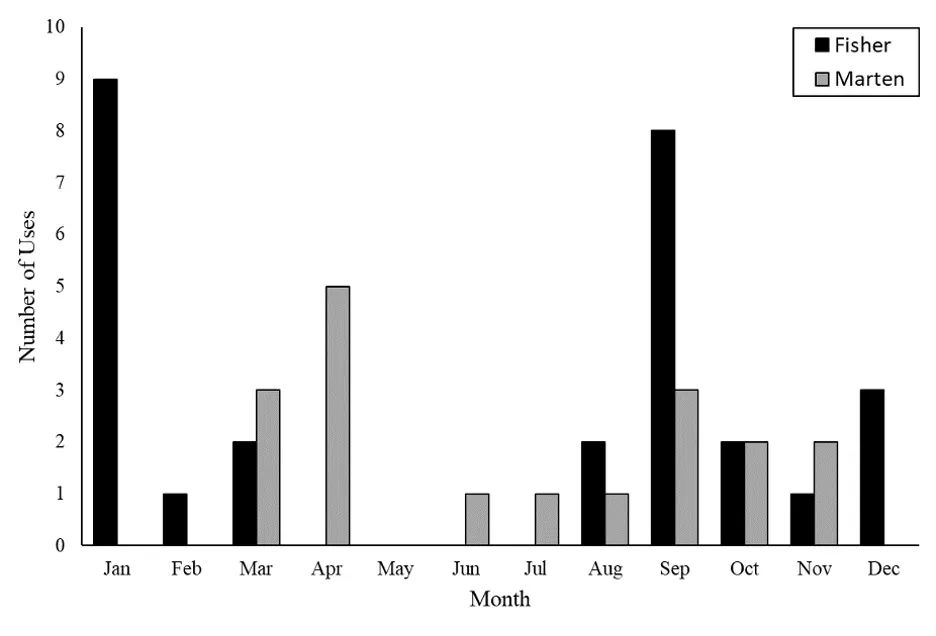
July 24, 2025 at 2:40 PM
This new technique could be really helpful for other non-invasive monitoring because it is:
💰 Cost-effective: Only one temperature logger needed
🦊 Efficient: Detects when animals are inside, not just nearby
📈 Scalable: Automatable—ideal for long-term monitoring
4/
💰 Cost-effective: Only one temperature logger needed
🦊 Efficient: Detects when animals are inside, not just nearby
📈 Scalable: Automatable—ideal for long-term monitoring
4/
Then they matched how temperature changes inside the den boxes were correlated with animals entering, staying, & leaving the boxes.
And they found...
Every fisher and marten visit triggered a consistent temperature spike. Even better—those spikes were distinct enough to tell the species apart!
3/
And they found...
Every fisher and marten visit triggered a consistent temperature spike. Even better—those spikes were distinct enough to tell the species apart!
3/
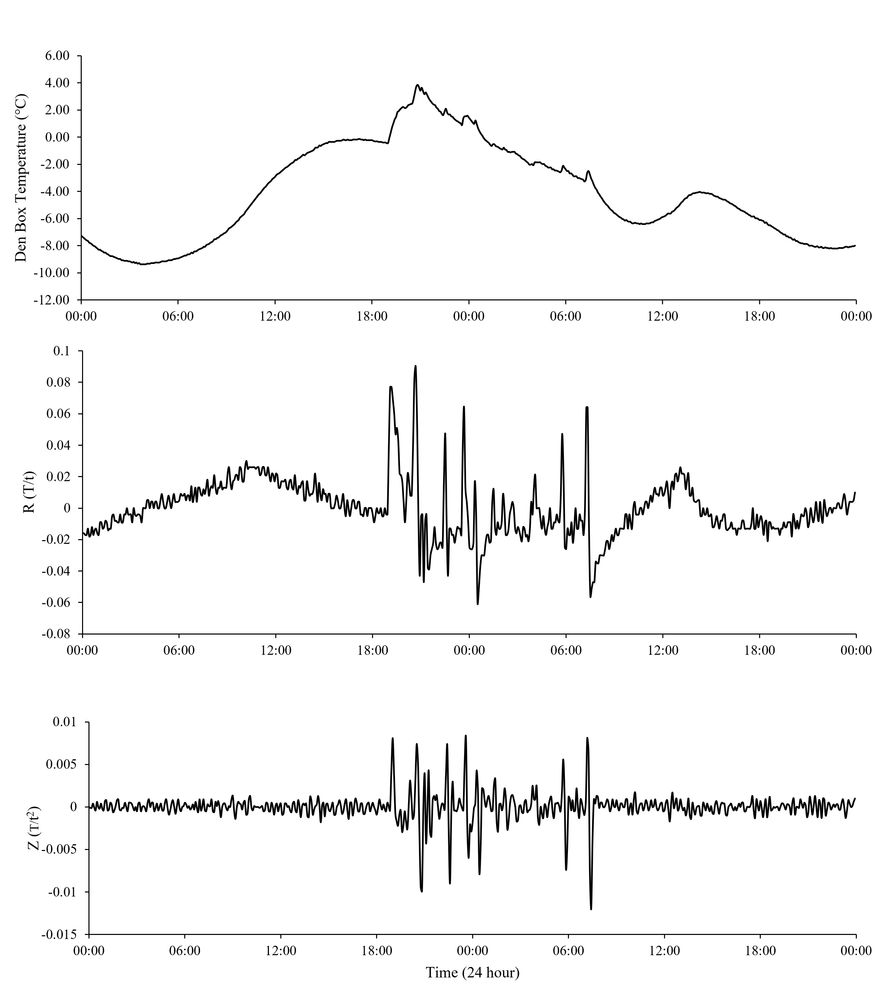
July 24, 2025 at 2:40 PM
Then they matched how temperature changes inside the den boxes were correlated with animals entering, staying, & leaving the boxes.
And they found...
Every fisher and marten visit triggered a consistent temperature spike. Even better—those spikes were distinct enough to tell the species apart!
3/
And they found...
Every fisher and marten visit triggered a consistent temperature spike. Even better—those spikes were distinct enough to tell the species apart!
3/
💡 What if monitoring wildlife was automatic and could even differentiate among species?
New research in @StacksJournal.bsky.social shows a novel idea: using the rate of temperature change in den boxes to track martens, fishers, and even sometimes squirrels. 🌍🧪🦊
A 🧵
#WildlifeConservation
New research in @StacksJournal.bsky.social shows a novel idea: using the rate of temperature change in den boxes to track martens, fishers, and even sometimes squirrels. 🌍🧪🦊
A 🧵
#WildlifeConservation
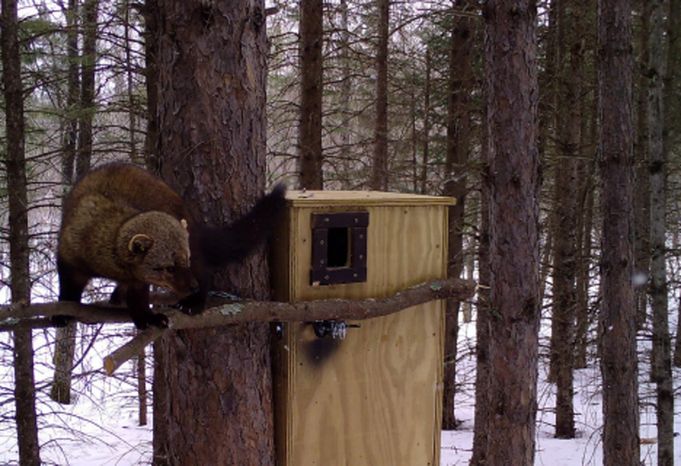
July 24, 2025 at 2:40 PM
💡 What if monitoring wildlife was automatic and could even differentiate among species?
New research in @StacksJournal.bsky.social shows a novel idea: using the rate of temperature change in den boxes to track martens, fishers, and even sometimes squirrels. 🌍🧪🦊
A 🧵
#WildlifeConservation
New research in @StacksJournal.bsky.social shows a novel idea: using the rate of temperature change in den boxes to track martens, fishers, and even sometimes squirrels. 🌍🧪🦊
A 🧵
#WildlifeConservation
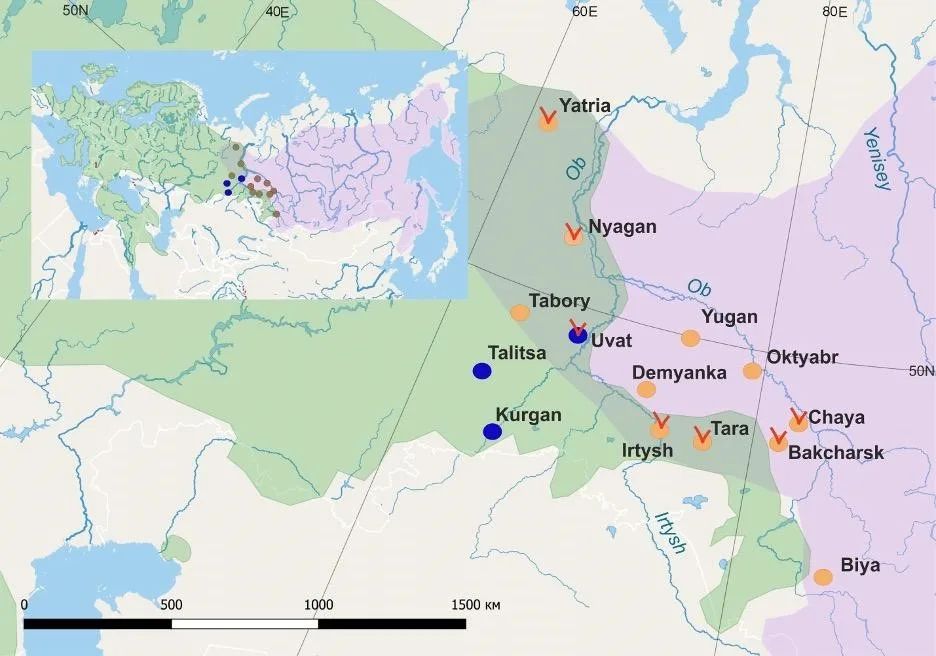
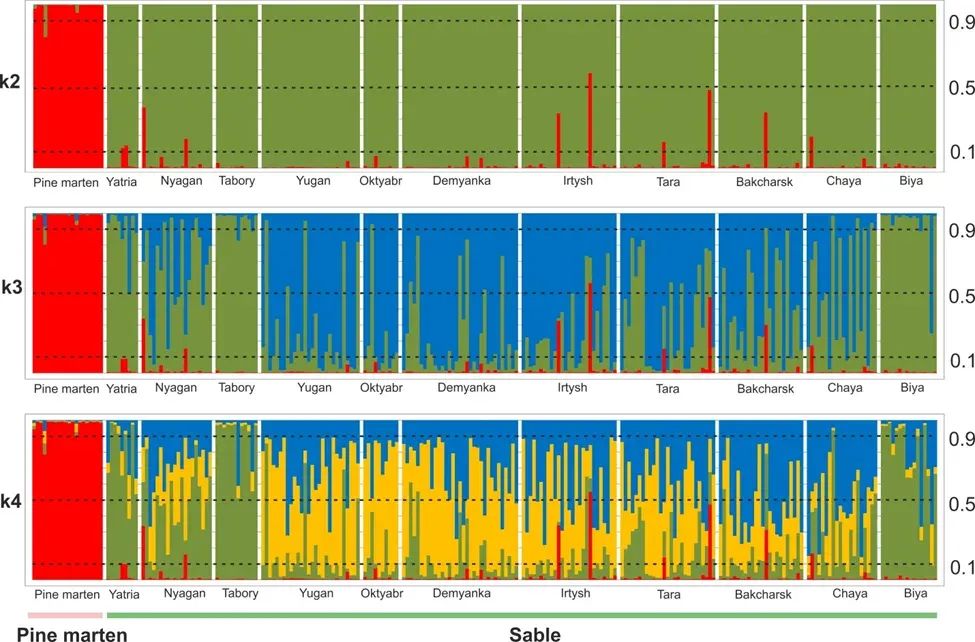
Researchers used 11 microsatellite DNA markers to analyze 246 individuals from Siberia.
The surprise? In 6 out of 11 sable populations, some animals were actually pine marten hybrids.
And – morphology alone couldn’t tell them apart.
3/
The surprise? In 6 out of 11 sable populations, some animals were actually pine marten hybrids.
And – morphology alone couldn’t tell them apart.
3/
July 17, 2025 at 2:16 PM
Researchers used 11 microsatellite DNA markers to analyze 246 individuals from Siberia.
The surprise? In 6 out of 11 sable populations, some animals were actually pine marten hybrids.
And – morphology alone couldn’t tell them apart.
3/
The surprise? In 6 out of 11 sable populations, some animals were actually pine marten hybrids.
And – morphology alone couldn’t tell them apart.
3/
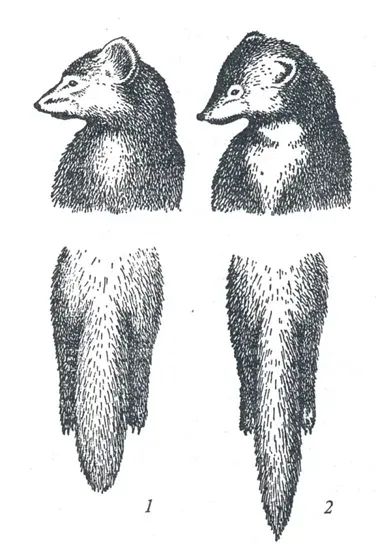
Sables and pine martens look distinct — with different tail lengths, throat patches, and fur.
But in areas where their ranges overlap, hybrids (called "kidus") may resemble either one.
But in areas where their ranges overlap, hybrids (called "kidus") may resemble either one.
July 17, 2025 at 2:16 PM
Sables and pine martens look distinct — with different tail lengths, throat patches, and fur.
But in areas where their ranges overlap, hybrids (called "kidus") may resemble either one.
But in areas where their ranges overlap, hybrids (called "kidus") may resemble either one.
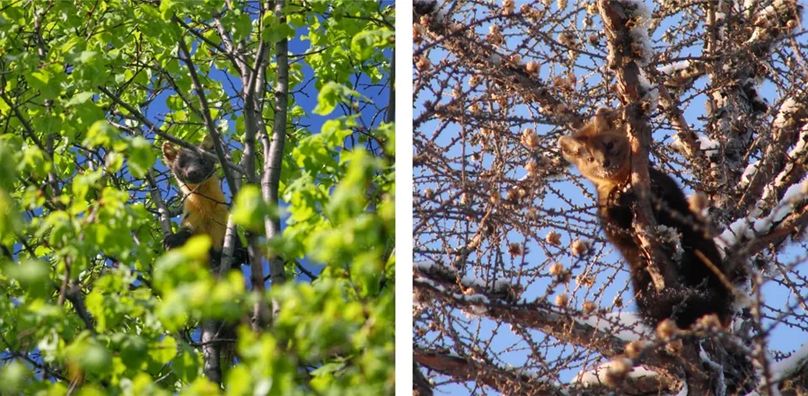
Do you think you can always tell a sable from a pine marten just by looking at it? 👀
In the Ural forests, it may be harder than you think.
New research reveals how genetic tools can uncover surprising levels of hybridization in the wild.
🧬🦊🌍🧪
A🧵
In the Ural forests, it may be harder than you think.
New research reveals how genetic tools can uncover surprising levels of hybridization in the wild.
🧬🦊🌍🧪
A🧵
July 17, 2025 at 2:16 PM
Do you think you can always tell a sable from a pine marten just by looking at it? 👀
In the Ural forests, it may be harder than you think.
New research reveals how genetic tools can uncover surprising levels of hybridization in the wild.
🧬🦊🌍🧪
A🧵
In the Ural forests, it may be harder than you think.
New research reveals how genetic tools can uncover surprising levels of hybridization in the wild.
🧬🦊🌍🧪
A🧵
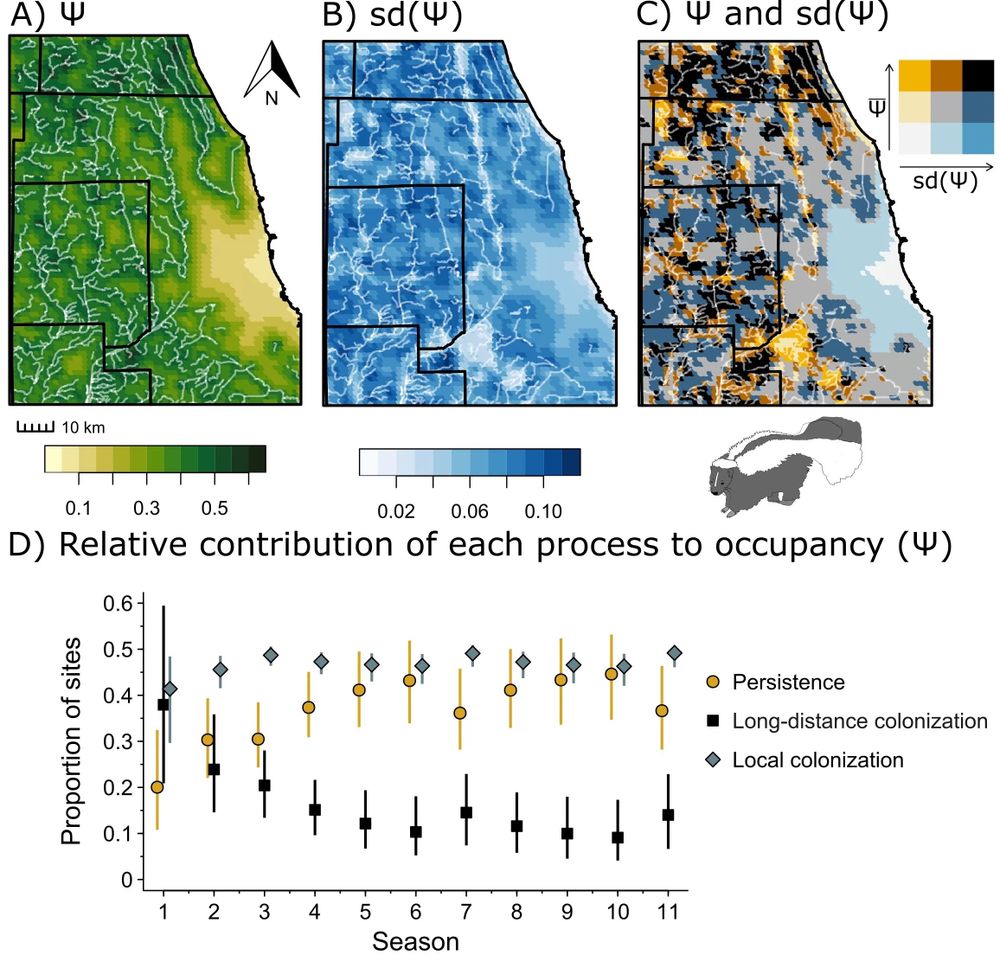
They found two big patterns:
🟩 Local colonization drives most occupancy
🍂 But in fall — when juvenile skunks disperse — long-distance movements increased
Open lawns and water sources played a key role.
4/
🟩 Local colonization drives most occupancy
🍂 But in fall — when juvenile skunks disperse — long-distance movements increased
Open lawns and water sources played a key role.
4/
July 9, 2025 at 3:14 PM
They found two big patterns:
🟩 Local colonization drives most occupancy
🍂 But in fall — when juvenile skunks disperse — long-distance movements increased
Open lawns and water sources played a key role.
4/
🟩 Local colonization drives most occupancy
🍂 But in fall — when juvenile skunks disperse — long-distance movements increased
Open lawns and water sources played a key role.
4/
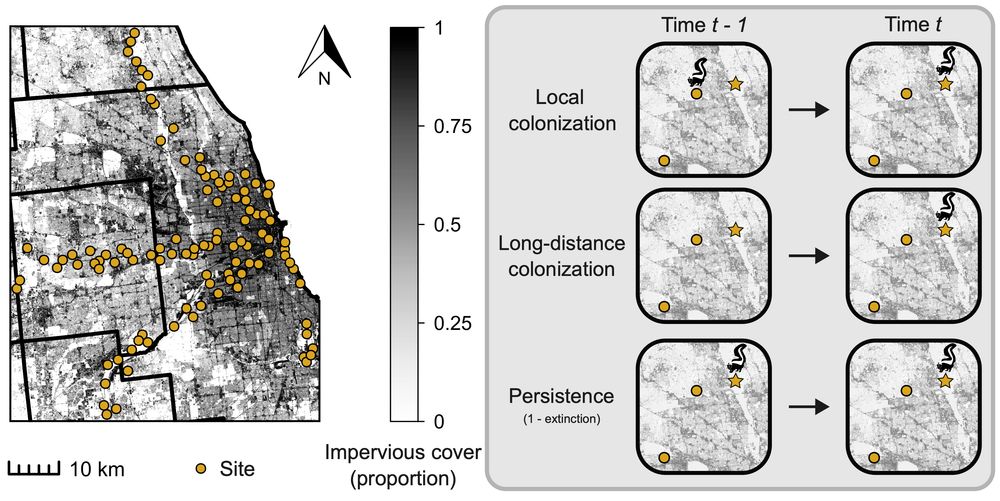
The team tracked striped skunks using remote cameras in parks, golf courses, and cemeteries across Chicago.
Their goal? To figure out if skunks spread locally from nearby dens — show up from long distances.
2/
Their goal? To figure out if skunks spread locally from nearby dens — show up from long distances.
2/
July 9, 2025 at 3:14 PM
The team tracked striped skunks using remote cameras in parks, golf courses, and cemeteries across Chicago.
Their goal? To figure out if skunks spread locally from nearby dens — show up from long distances.
2/
Their goal? To figure out if skunks spread locally from nearby dens — show up from long distances.
2/
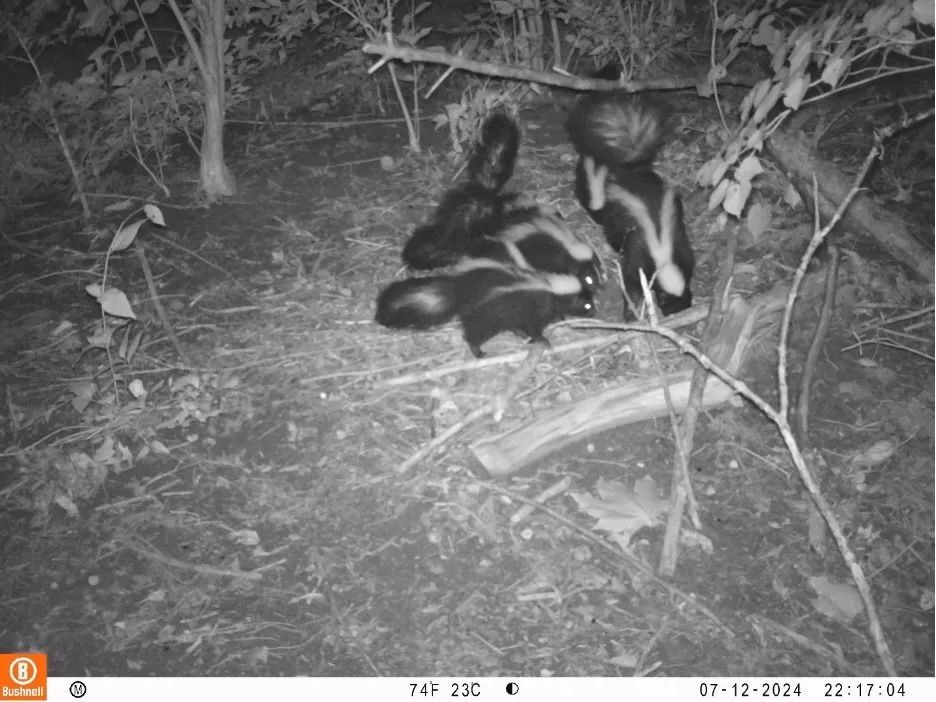
🦨 Ever wonder how skunks decide where to live in urban landscapes like Chicago?
New research from @masonfidino.bsky.social, @lizalehrer.bsky.social, & @sbmagle.bsky.social from @lpzoo.org used nearly a decade of data to find out! 🦊🌍🧪
A 🧵
New research from @masonfidino.bsky.social, @lizalehrer.bsky.social, & @sbmagle.bsky.social from @lpzoo.org used nearly a decade of data to find out! 🦊🌍🧪
A 🧵
July 9, 2025 at 3:14 PM
🦨 Ever wonder how skunks decide where to live in urban landscapes like Chicago?
New research from @masonfidino.bsky.social, @lizalehrer.bsky.social, & @sbmagle.bsky.social from @lpzoo.org used nearly a decade of data to find out! 🦊🌍🧪
A 🧵
New research from @masonfidino.bsky.social, @lizalehrer.bsky.social, & @sbmagle.bsky.social from @lpzoo.org used nearly a decade of data to find out! 🦊🌍🧪
A 🧵
When combined with genetic distinctiveness and a likely period of isolation since the Last Glacial Maximum (~20,000 years ago), these findings strengthen the case for recognizing P. p. columbiana as a valid subspecies of #fisher.
4/
4/
May 22, 2025 at 8:22 PM
When combined with genetic distinctiveness and a likely period of isolation since the Last Glacial Maximum (~20,000 years ago), these findings strengthen the case for recognizing P. p. columbiana as a valid subspecies of #fisher.
4/
4/
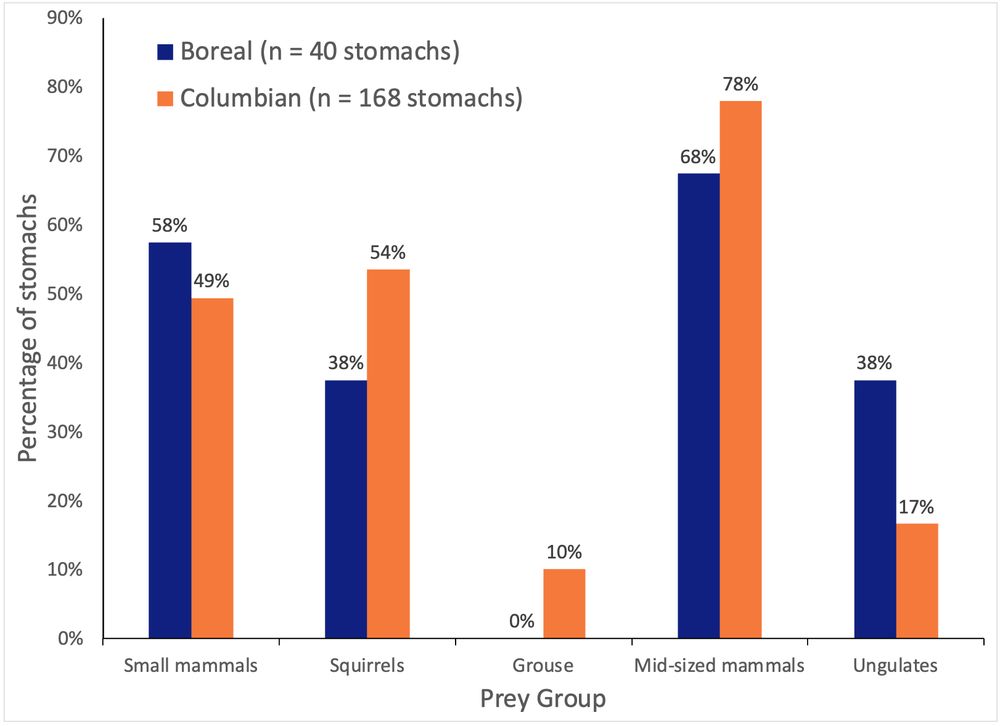
Their winter diets were also different:
🟤 Columbian fishers consume more hares, squirrels, and grouse
🟤 Boreal fishers relied more on small mammals and ungulates
These patterns reflect ecological divergence across biogeoclimatic zones.
3/
🟤 Columbian fishers consume more hares, squirrels, and grouse
🟤 Boreal fishers relied more on small mammals and ungulates
These patterns reflect ecological divergence across biogeoclimatic zones.
3/
May 22, 2025 at 8:22 PM
Their winter diets were also different:
🟤 Columbian fishers consume more hares, squirrels, and grouse
🟤 Boreal fishers relied more on small mammals and ungulates
These patterns reflect ecological divergence across biogeoclimatic zones.
3/
🟤 Columbian fishers consume more hares, squirrels, and grouse
🟤 Boreal fishers relied more on small mammals and ungulates
These patterns reflect ecological divergence across biogeoclimatic zones.
3/
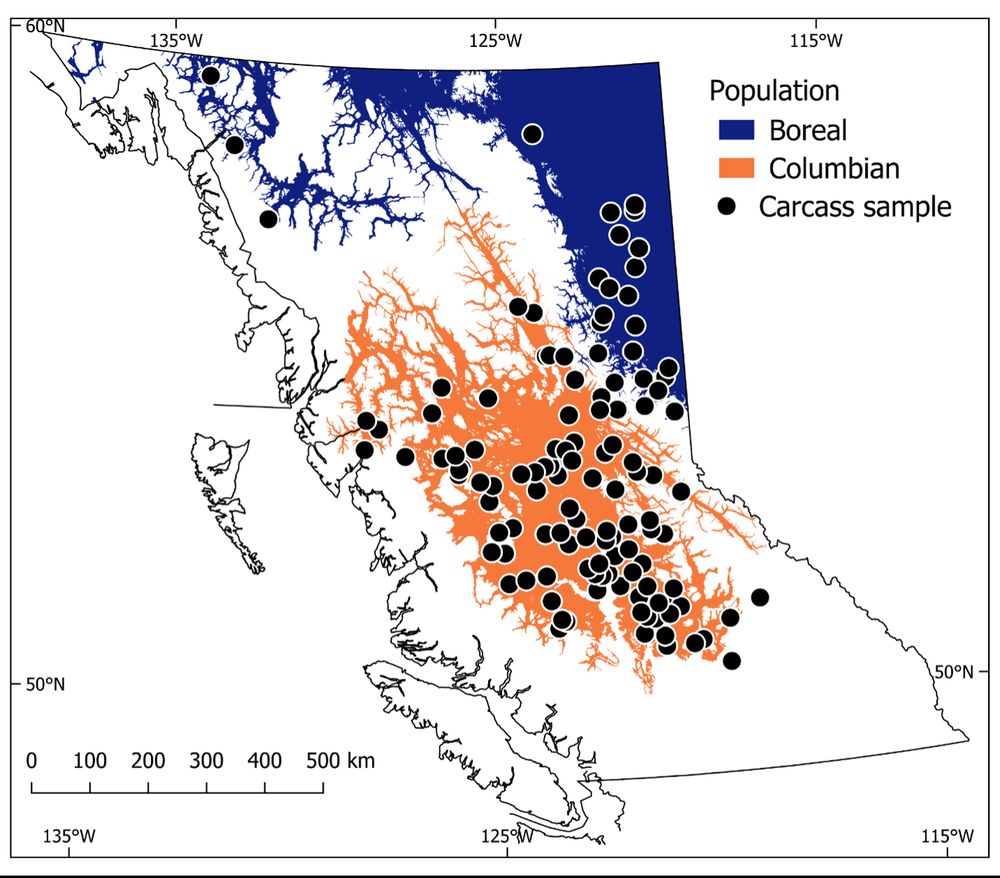
Analyzing >400 specimens from carcasses & live captures, @richweir.bsky.social found that fishers in central BC are significantly smaller, more compact, and exhibit higher foot-loading than those in northern BC—traits consistent with adaptation to structurally complex, snow-covered forests.
2/
2/
May 22, 2025 at 8:22 PM
Analyzing >400 specimens from carcasses & live captures, @richweir.bsky.social found that fishers in central BC are significantly smaller, more compact, and exhibit higher foot-loading than those in northern BC—traits consistent with adaptation to structurally complex, snow-covered forests.
2/
2/
At the end of the peer review, reviewers vote on whether the article is ready to be published.
We only publish articles with >70% approval, and we disclose the identities of the reviewers and publish the peer review with every article.
Transparency creates more trust.
4/n
We only publish articles with >70% approval, and we disclose the identities of the reviewers and publish the peer review with every article.
Transparency creates more trust.
4/n

January 27, 2025 at 5:00 PM
At the end of the peer review, reviewers vote on whether the article is ready to be published.
We only publish articles with >70% approval, and we disclose the identities of the reviewers and publish the peer review with every article.
Transparency creates more trust.
4/n
We only publish articles with >70% approval, and we disclose the identities of the reviewers and publish the peer review with every article.
Transparency creates more trust.
4/n
Hi -- Welcome!
We're a scientific journal founded on the ethics of good science.
We believe that publishing should be collaborative, fair, and transparent.
Here's how we're creating a new future for scientific publishing.
#SciPub #AcademicSky 🧪
1/n
We're a scientific journal founded on the ethics of good science.
We believe that publishing should be collaborative, fair, and transparent.
Here's how we're creating a new future for scientific publishing.
#SciPub #AcademicSky 🧪
1/n

January 27, 2025 at 5:00 PM
Hi -- Welcome!
We're a scientific journal founded on the ethics of good science.
We believe that publishing should be collaborative, fair, and transparent.
Here's how we're creating a new future for scientific publishing.
#SciPub #AcademicSky 🧪
1/n
We're a scientific journal founded on the ethics of good science.
We believe that publishing should be collaborative, fair, and transparent.
Here's how we're creating a new future for scientific publishing.
#SciPub #AcademicSky 🧪
1/n
Their results suggest that pine marten presence was strongly associated with reduced road traffic and coniferous woodlands and cover.
They recommend that southwest England and south Cumbria should be evaluated for new pine marten reintroductions.
4/
They recommend that southwest England and south Cumbria should be evaluated for new pine marten reintroductions.
4/

December 2, 2024 at 8:46 PM
Their results suggest that pine marten presence was strongly associated with reduced road traffic and coniferous woodlands and cover.
They recommend that southwest England and south Cumbria should be evaluated for new pine marten reintroductions.
4/
They recommend that southwest England and south Cumbria should be evaluated for new pine marten reintroductions.
4/
Using a combination of modeling techniques, they identified habitat suitability, connectivity, and potential for range recovery across different regions in Britain.
3/
3/

December 2, 2024 at 8:46 PM
Using a combination of modeling techniques, they identified habitat suitability, connectivity, and potential for range recovery across different regions in Britain.
3/
3/
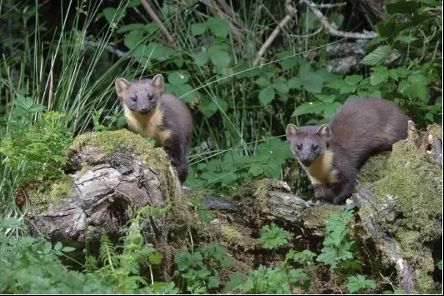
Many carnivore populations are declining and translocations can help. 🧪🦊
But how do we determine where to reintroduce them?
New research on pine #Martens from the Martes Working Group provides a clear framework for answering this important question.
A 🧵
But how do we determine where to reintroduce them?
New research on pine #Martens from the Martes Working Group provides a clear framework for answering this important question.
A 🧵
December 2, 2024 at 8:46 PM
Many carnivore populations are declining and translocations can help. 🧪🦊
But how do we determine where to reintroduce them?
New research on pine #Martens from the Martes Working Group provides a clear framework for answering this important question.
A 🧵
But how do we determine where to reintroduce them?
New research on pine #Martens from the Martes Working Group provides a clear framework for answering this important question.
A 🧵
You can read the full paper in @StacksJournal
It's #OpenAccess and went through our new collaborative peer review.
6/6
https://doi.org/10.60102/stacks-24003
It's #OpenAccess and went through our new collaborative peer review.
6/6
https://doi.org/10.60102/stacks-24003

August 27, 2024 at 8:00 PM
You can read the full paper in @StacksJournal
It's #OpenAccess and went through our new collaborative peer review.
6/6
https://doi.org/10.60102/stacks-24003
It's #OpenAccess and went through our new collaborative peer review.
6/6
https://doi.org/10.60102/stacks-24003
