



Urvi Gupta
@urvigupta.bsky.social
PhD candidate at University of Georgia, USA.
Studying climate change, prey-predator dynamics, and range shifts in birds
Studying climate change, prey-predator dynamics, and range shifts in birds
Reposted by Urvi Gupta
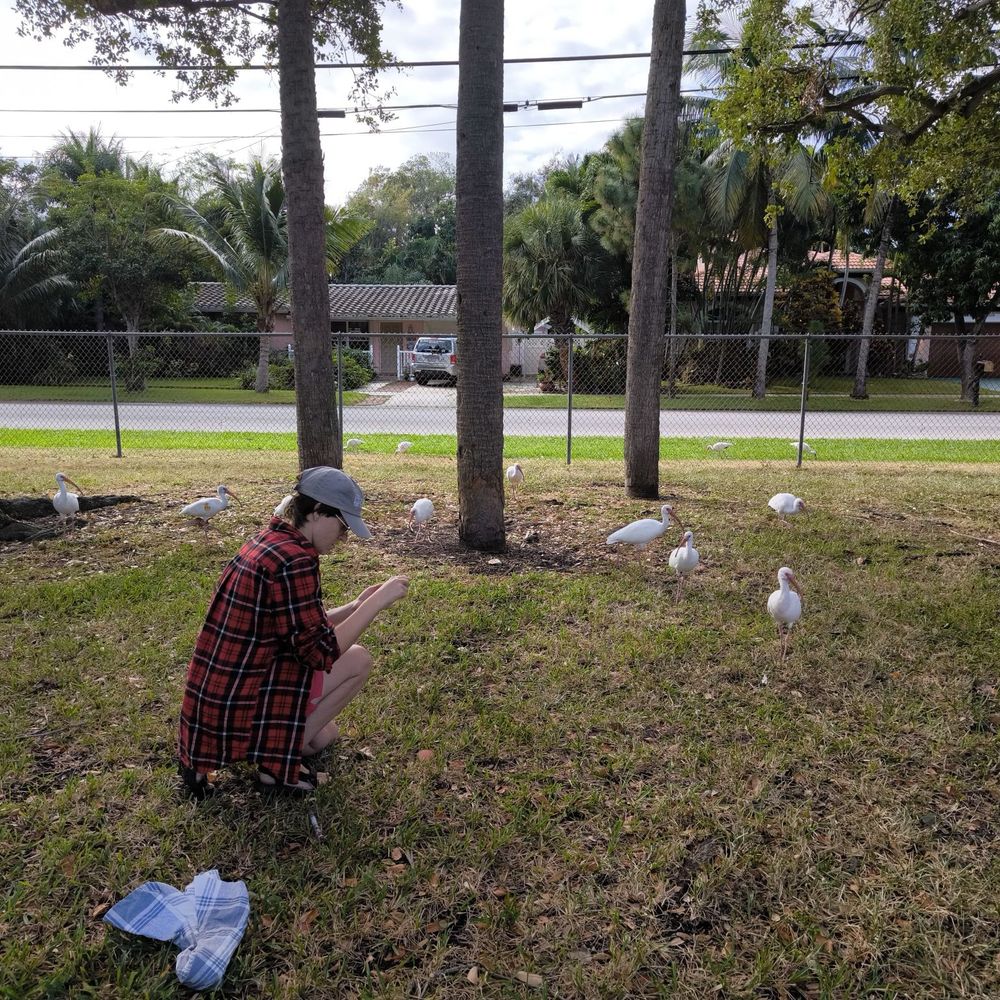
Please share share share! I launched a crowdfunding for my project, I need your help!
Note: if you become a backer, you will be notified with bonus avian encounters at the parks! Wanna see spoonbills, cranes and bald eagles? Even a tiny donation will help me <3 experiment.com/projects/cit...
Note: if you become a backer, you will be notified with bonus avian encounters at the parks! Wanna see spoonbills, cranes and bald eagles? Even a tiny donation will help me <3 experiment.com/projects/cit...
City smart: Are cities making birds smarter?
One cannot go to Florida and miss the White Ibises roaming golf, park and private lawns. But how does a swamp-loving ibis become a city bird? We’re testing whether urban ibises are cleverer than their...
experiment.com
December 30, 2025 at 11:49 PM
Please share share share! I launched a crowdfunding for my project, I need your help!
Note: if you become a backer, you will be notified with bonus avian encounters at the parks! Wanna see spoonbills, cranes and bald eagles? Even a tiny donation will help me <3 experiment.com/projects/cit...
Note: if you become a backer, you will be notified with bonus avian encounters at the parks! Wanna see spoonbills, cranes and bald eagles? Even a tiny donation will help me <3 experiment.com/projects/cit...
Reposted by Urvi Gupta

Excited to launch the new improved Reproducible Code guide from @britishecologicalsociety.org @methodsinecoevol.bsky.social FREE online here! www.britishecologicalsociety.org//wp-content/... Amazing work by some very talented ECRs. We hope it’s useful!

December 16, 2025 at 3:03 PM
Excited to launch the new improved Reproducible Code guide from @britishecologicalsociety.org @methodsinecoevol.bsky.social FREE online here! www.britishecologicalsociety.org//wp-content/... Amazing work by some very talented ECRs. We hope it’s useful!
Reposted by Urvi Gupta
Fascinating new paper by @andrewabraham.bsky.social on how salt starvation shapes the abundance of large animals in Africa - the thread below explains the science … 🌐
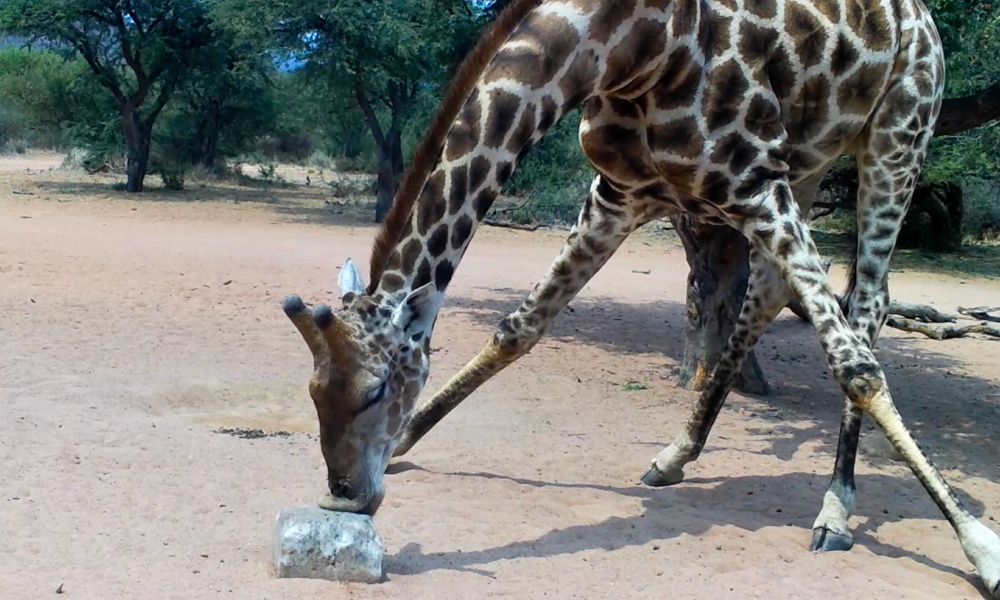
Earth's largest land animals are limited by salt.
Sodium availability constrains the density and distribution of elephants, giraffes and rhinos across Africa, and offers a new explanation for the so-called 'missing megaherbivores'.
www.nature.com/articles/s41...
Free access: rdcu.be/eTPY2
Sodium availability constrains the density and distribution of elephants, giraffes and rhinos across Africa, and offers a new explanation for the so-called 'missing megaherbivores'.
www.nature.com/articles/s41...
Free access: rdcu.be/eTPY2

December 9, 2025 at 7:12 PM
Fascinating new paper by @andrewabraham.bsky.social on how salt starvation shapes the abundance of large animals in Africa - the thread below explains the science … 🌐
Reposted by Urvi Gupta

🧵1/5
🌍🔬 Our new paper is out! We identify the global mechanisms shaping the elemental composition of organisms — and the results overturn long-standing assumptions in ecology.
👇 Thread ↓
doi.org/10.1038/s414...
🌍🔬 Our new paper is out! We identify the global mechanisms shaping the elemental composition of organisms — and the results overturn long-standing assumptions in ecology.
👇 Thread ↓
doi.org/10.1038/s414...

Nitrogen deposition reveals global patterns in plant and animal stoichiometry - Nature Communications
Organisms vary in their nitrogen and phosphorus content, shaping ecological and evolutionary processes. This study shows that nitrogen deposition is a consistent global factor associated with plant an...
doi.org
December 9, 2025 at 2:32 PM
🧵1/5
🌍🔬 Our new paper is out! We identify the global mechanisms shaping the elemental composition of organisms — and the results overturn long-standing assumptions in ecology.
👇 Thread ↓
doi.org/10.1038/s414...
🌍🔬 Our new paper is out! We identify the global mechanisms shaping the elemental composition of organisms — and the results overturn long-standing assumptions in ecology.
👇 Thread ↓
doi.org/10.1038/s414...
Reposted by Urvi Gupta

See our new study led by @ninadm.bsky.social in Nature Sustainability: 16 yrs of data show invasive #plants in #India expanding fast as passengers+drivers of change—reshaping #habitats, #fire & #livelihoods while creating novel ecosystem🌿🐅Collab w/ WII & NCBS.
➡️ doi.org/10.1038/s418... #alienplants
➡️ doi.org/10.1038/s418... #alienplants

Socioecological risks amplified by rising plant invasions in India - Nature Sustainability
Biological invasions can have detrimental ecological and social impacts, especially in regions where human populations depend on natural systems for their livelihoods. This study examines the socioeco...
doi.org
December 4, 2025 at 7:37 AM
See our new study led by @ninadm.bsky.social in Nature Sustainability: 16 yrs of data show invasive #plants in #India expanding fast as passengers+drivers of change—reshaping #habitats, #fire & #livelihoods while creating novel ecosystem🌿🐅Collab w/ WII & NCBS.
➡️ doi.org/10.1038/s418... #alienplants
➡️ doi.org/10.1038/s418... #alienplants
Reposted by Urvi Gupta
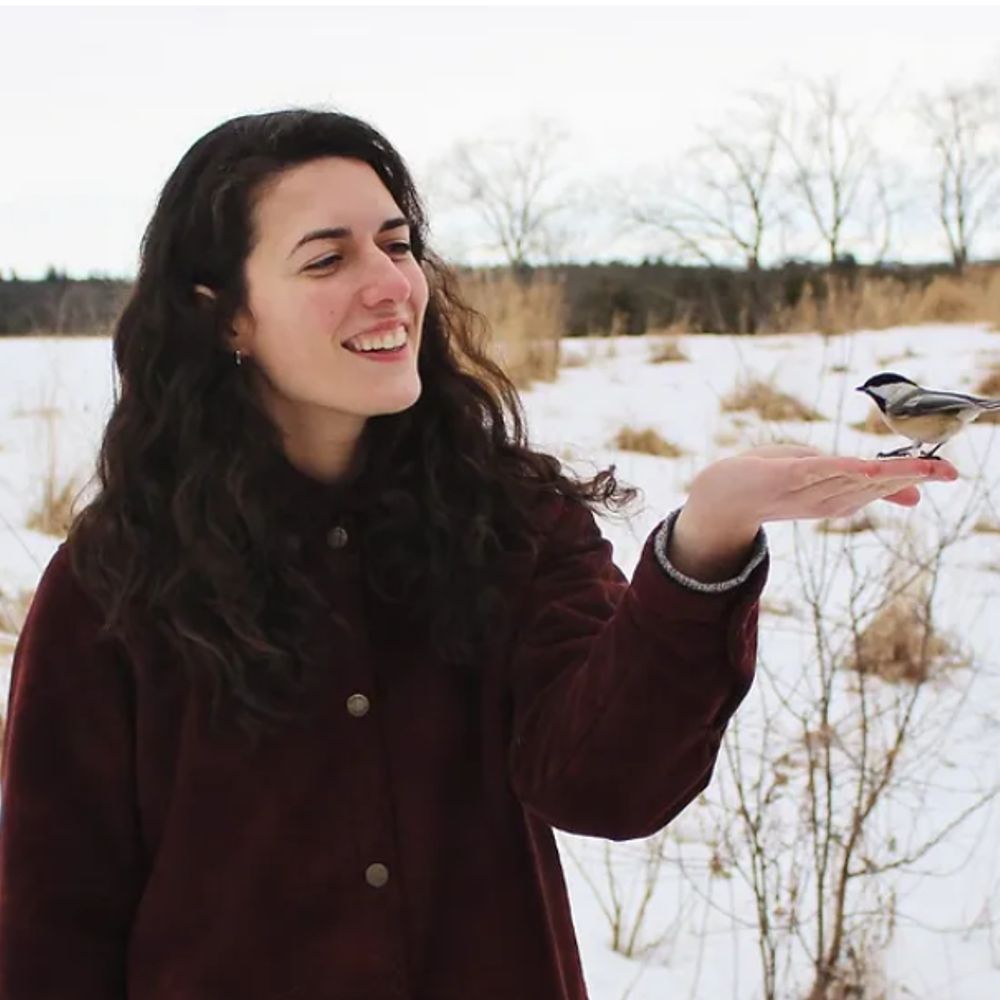
My first PhD thesis paper is out now in Hormones and Behavior "Corticosterone predicts double-brooding in female savannah sparrows (Passerculus sandwichensis)". Open access here: doi.org/10.1016/j.yh... [1/7]

January 31, 2025 at 1:23 PM
My first PhD thesis paper is out now in Hormones and Behavior "Corticosterone predicts double-brooding in female savannah sparrows (Passerculus sandwichensis)". Open access here: doi.org/10.1016/j.yh... [1/7]
Reposted by Urvi Gupta

Newly expanded version of my guide to scientific writing -- known as the “15 steps” -- published in PLOS Computational Biology. Special thanks to Éric Marty for creating a fantastic visualization.
Check it out: journals.plos.org/ploscompbiol...
#ScientificWriting #PLOSComputationalBiology
Check it out: journals.plos.org/ploscompbiol...
#ScientificWriting #PLOSComputationalBiology

September 24, 2025 at 5:54 PM
Newly expanded version of my guide to scientific writing -- known as the “15 steps” -- published in PLOS Computational Biology. Special thanks to Éric Marty for creating a fantastic visualization.
Check it out: journals.plos.org/ploscompbiol...
#ScientificWriting #PLOSComputationalBiology
Check it out: journals.plos.org/ploscompbiol...
#ScientificWriting #PLOSComputationalBiology
Reposted by Urvi Gupta

As the vulture population plummets, dogs multiply and rabies spreads.
The sequence, triggered by human action, carries a warning that many scientists consider to be a sixth mass extinction: When we endanger other species, we endanger ourselves.
The sequence, triggered by human action, carries a warning that many scientists consider to be a sixth mass extinction: When we endanger other species, we endanger ourselves.

Humans killed millions of vultures. Now people are paying the price.
The near-extinction of vultures in India has had severe consequences.
www.washingtonpost.com
November 29, 2025 at 8:00 PM
As the vulture population plummets, dogs multiply and rabies spreads.
The sequence, triggered by human action, carries a warning that many scientists consider to be a sixth mass extinction: When we endanger other species, we endanger ourselves.
The sequence, triggered by human action, carries a warning that many scientists consider to be a sixth mass extinction: When we endanger other species, we endanger ourselves.
Reposted by Urvi Gupta
“Choosing to write is also choosing to make meaning. Studies suggest that having a sense of agency is both a prerequisite for, and an outcome of, writing.”
ChatGPT isn’t mentioned once in this article but it’s impossible not to read it as a powerful critique.
ChatGPT isn’t mentioned once in this article but it’s impossible not to read it as a powerful critique.

Writing doesn't just help you process your thoughts.
Neuroscientists have found it physically changes your brain in ways that build resilience and help you handle everyday stress and challenges.
buff.ly/8PdXnTT
Neuroscientists have found it physically changes your brain in ways that build resilience and help you handle everyday stress and challenges.
buff.ly/8PdXnTT

Writing builds resilience by changing your brain, helping you face everyday challenges
Resilience is often presented as feats of bravery and endurance. But everyday practices like journaling, drafting a text or even writing a to-do list are manifestations of a capacity to adapt.
buff.ly
November 28, 2025 at 10:11 PM
“Choosing to write is also choosing to make meaning. Studies suggest that having a sense of agency is both a prerequisite for, and an outcome of, writing.”
ChatGPT isn’t mentioned once in this article but it’s impossible not to read it as a powerful critique.
ChatGPT isn’t mentioned once in this article but it’s impossible not to read it as a powerful critique.
Reposted by Urvi Gupta
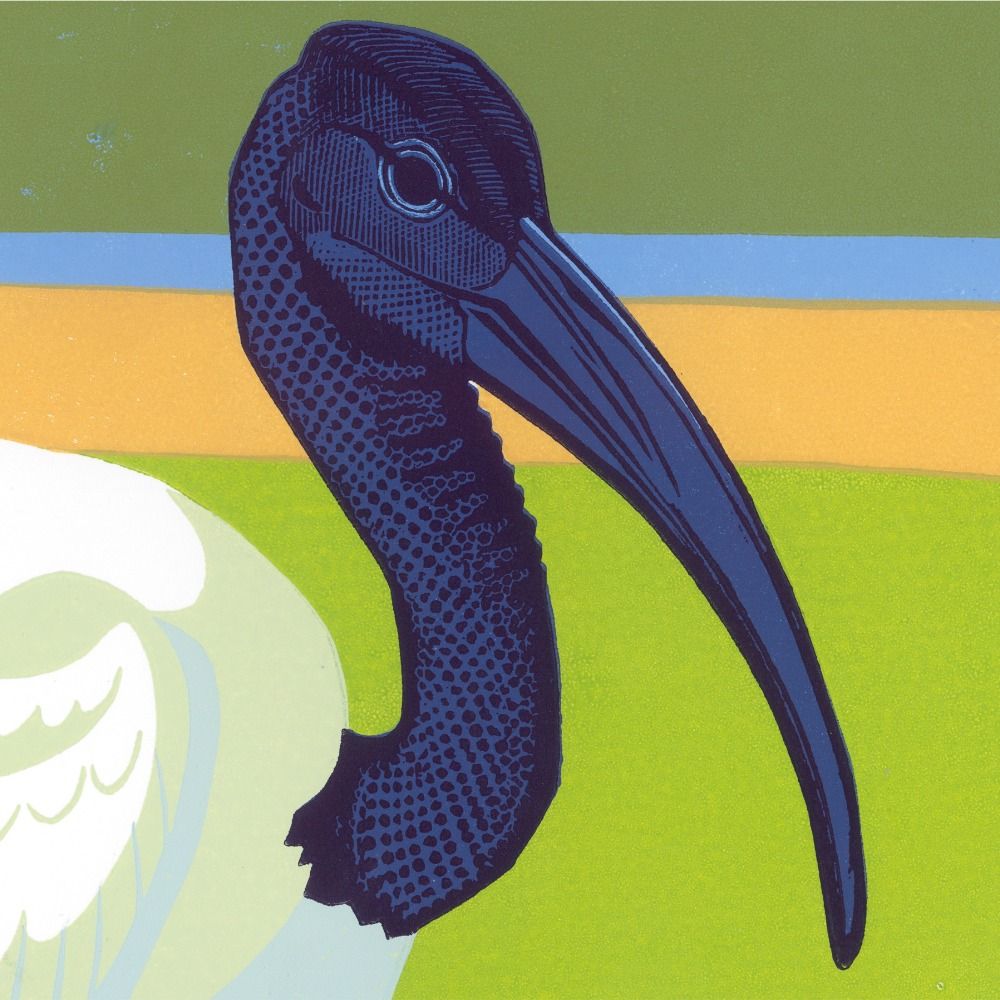
Syntopic diet divergence inferred from metabarcoding in two parulid warblers: Setophaga virens (Black-throated Green Warbler) and Seiurus aurocapilla (Ovenbird) | doi.org/10.1093/orni... | Ornithology | #ornithology 🪶
October 30, 2025 at 1:31 PM
Syntopic diet divergence inferred from metabarcoding in two parulid warblers: Setophaga virens (Black-throated Green Warbler) and Seiurus aurocapilla (Ovenbird) | doi.org/10.1093/orni... | Ornithology | #ornithology 🪶
Reposted by Urvi Gupta
On a busy day I had a TED talk published. This talk is about the energy flows of the living world, and how we need to centre this vibrancy as a core value when thinking about working with nature for climate change and other challenges
www.ted.com/talks/yadvin...
www.ted.com/talks/yadvin...

How to measure the planet’s heartbeat
Ecosystem scientist Yadvinder Malhi takes us on a jaw-dropping journey through the hidden flows of energy that make life on Earth tick. From sun-soaked forests to tropical islands, he shows how his te...
www.ted.com
October 29, 2025 at 5:21 PM
On a busy day I had a TED talk published. This talk is about the energy flows of the living world, and how we need to centre this vibrancy as a core value when thinking about working with nature for climate change and other challenges
www.ted.com/talks/yadvin...
www.ted.com/talks/yadvin...
Reposted by Urvi Gupta
New paper today in Proc B @royalsociety.org. We explored nest architecture in 3,685 species of birds, modelling the multivariate nature of nests, i.e. how shape, location or attachment co-occur. Then we explored how the environment affected nest architecture evolution. Spoilers in the title! 🪺🐦🌍

A wide range of abiotic and biotic variables leaves most variation in bird nest architecture unexplained | Proceedings of the Royal Society B: Biological Sciences
Nests are the locations or containers for offspring, and mediate interactions between
offspring and the environment. However, understanding how environmental factors shape
the evolution of nest archit...
royalsocietypublishing.org
October 29, 2025 at 10:53 AM
New paper today in Proc B @royalsociety.org. We explored nest architecture in 3,685 species of birds, modelling the multivariate nature of nests, i.e. how shape, location or attachment co-occur. Then we explored how the environment affected nest architecture evolution. Spoilers in the title! 🪺🐦🌍
Reposted by Urvi Gupta

Putting this here, partly to remind myself to read it (🙄) but also because it looks important and useful
onlinelibrary.wiley.com/doi/epdf/10....
onlinelibrary.wiley.com/doi/epdf/10....

A Causal Inference Framework for Climate Change Attribution in Ecology
Accurately attributing ecological shifts to climate change remains a significant challenge. Here, we present an accessible causal inference framework designed for climate change attribution in observ...
onlinelibrary.wiley.com
October 24, 2025 at 5:49 PM
Putting this here, partly to remind myself to read it (🙄) but also because it looks important and useful
onlinelibrary.wiley.com/doi/epdf/10....
onlinelibrary.wiley.com/doi/epdf/10....
Reposted by Urvi Gupta
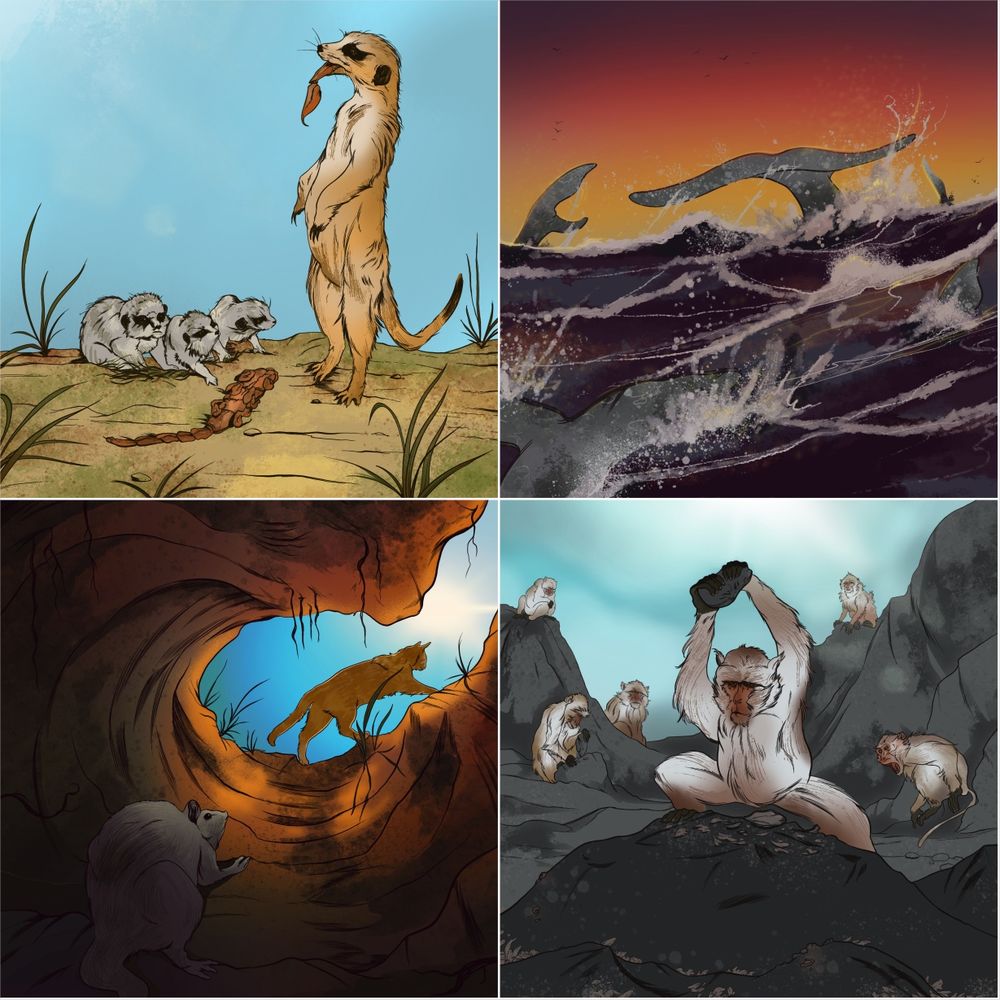
The brains and social lives of animals shape predator-prey interactions. We explore the extent of this relationship in our 2024 @cp-trendsecolevo.bsky.social review.
www.cell.com/trends/ecolo...
www.cell.com/trends/ecolo...
July 14, 2025 at 2:48 AM
The brains and social lives of animals shape predator-prey interactions. We explore the extent of this relationship in our 2024 @cp-trendsecolevo.bsky.social review.
www.cell.com/trends/ecolo...
www.cell.com/trends/ecolo...
Reposted by Urvi Gupta
How do broomrapes find their hosts? How can they specialise on different hosts? Enter the astonishing world of strigolactones
. youtu.be/mUp9n_RW2eg?...
. youtu.be/mUp9n_RW2eg?...
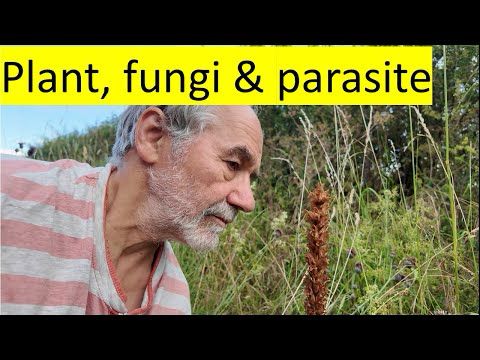
Host-specific broomrapes: the role of strigolactone cocktails
YouTube video by Bill Sutherland's Conservation Concepts
youtu.be
July 14, 2025 at 6:46 AM
How do broomrapes find their hosts? How can they specialise on different hosts? Enter the astonishing world of strigolactones
. youtu.be/mUp9n_RW2eg?...
. youtu.be/mUp9n_RW2eg?...
Reposted by Urvi Gupta

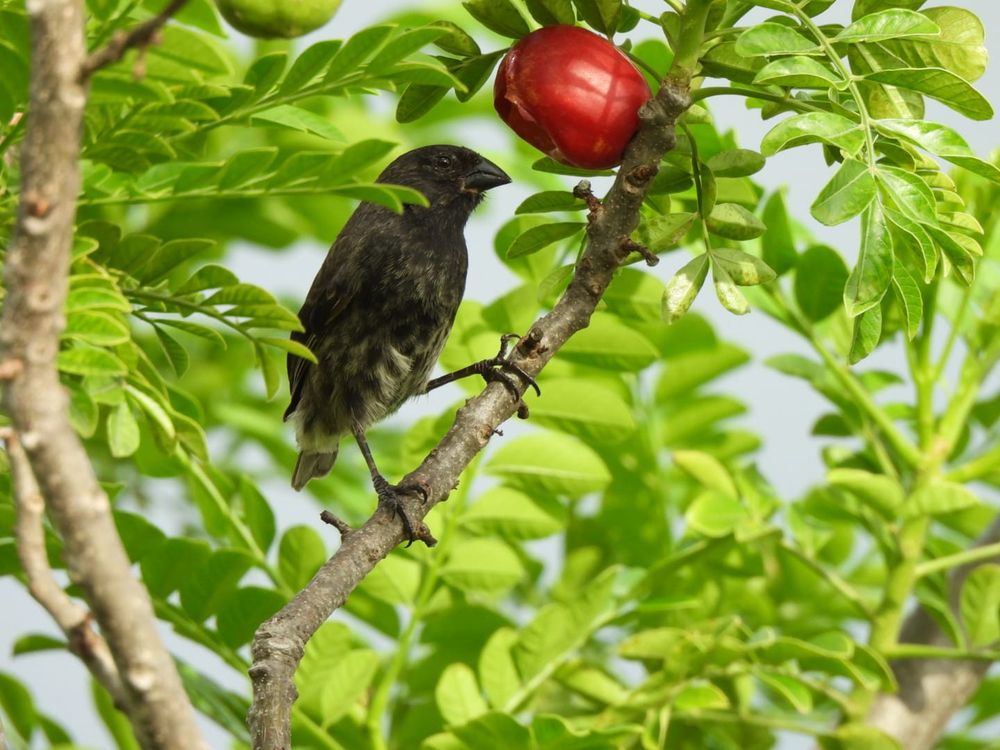
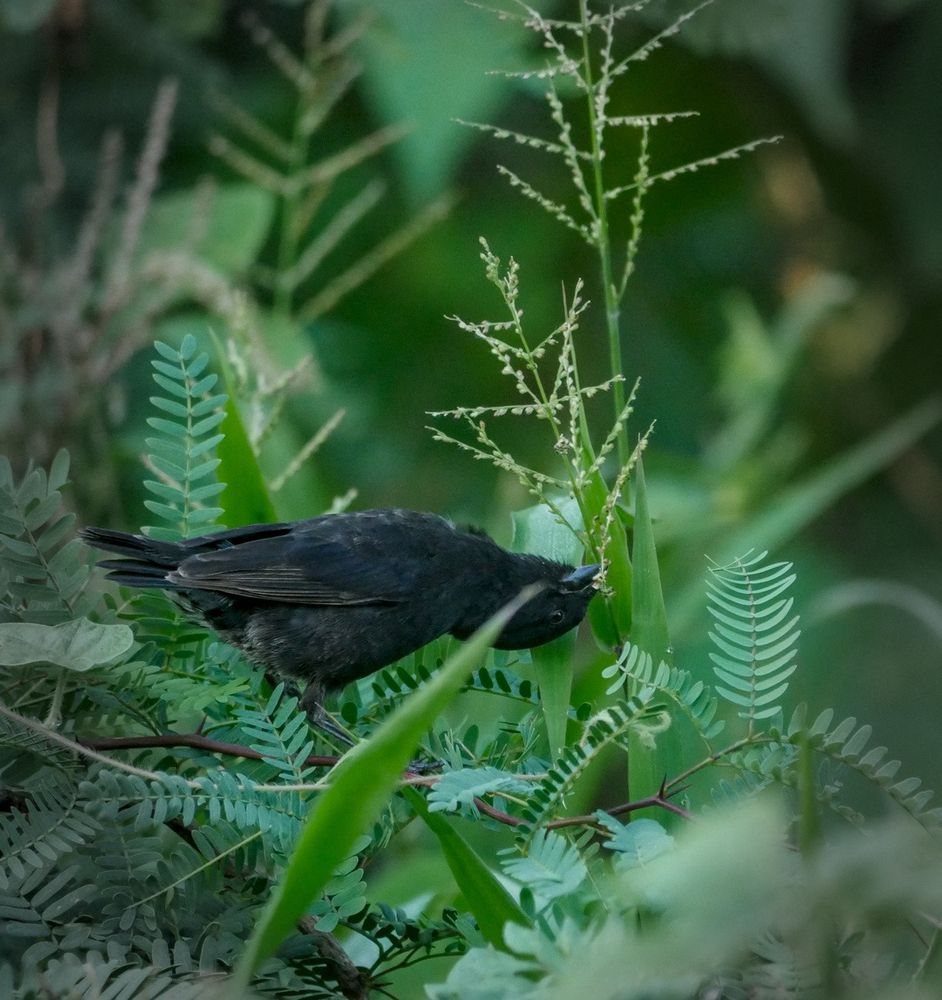
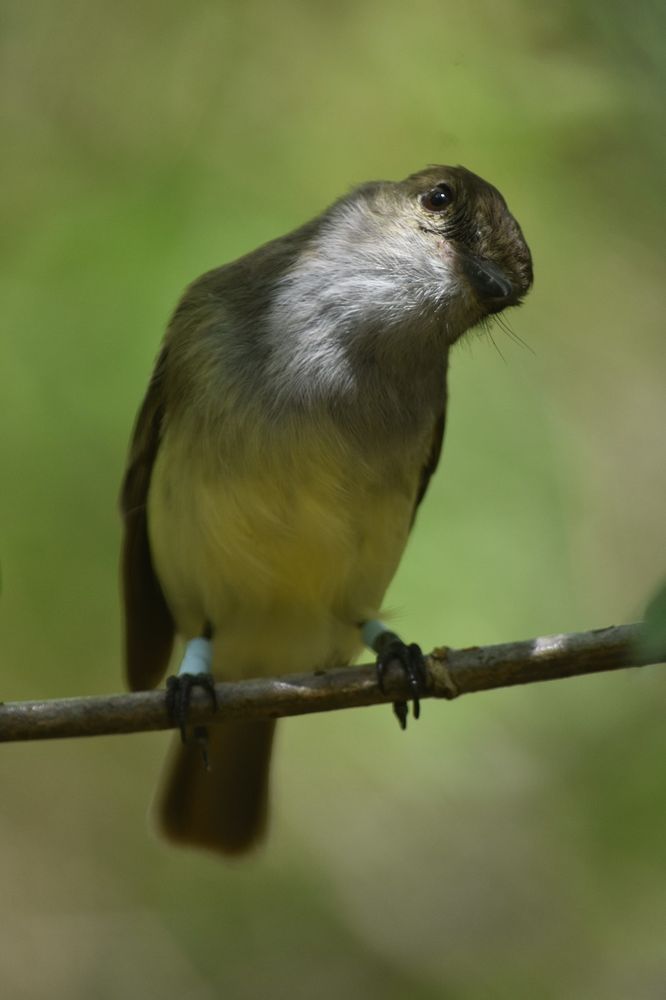
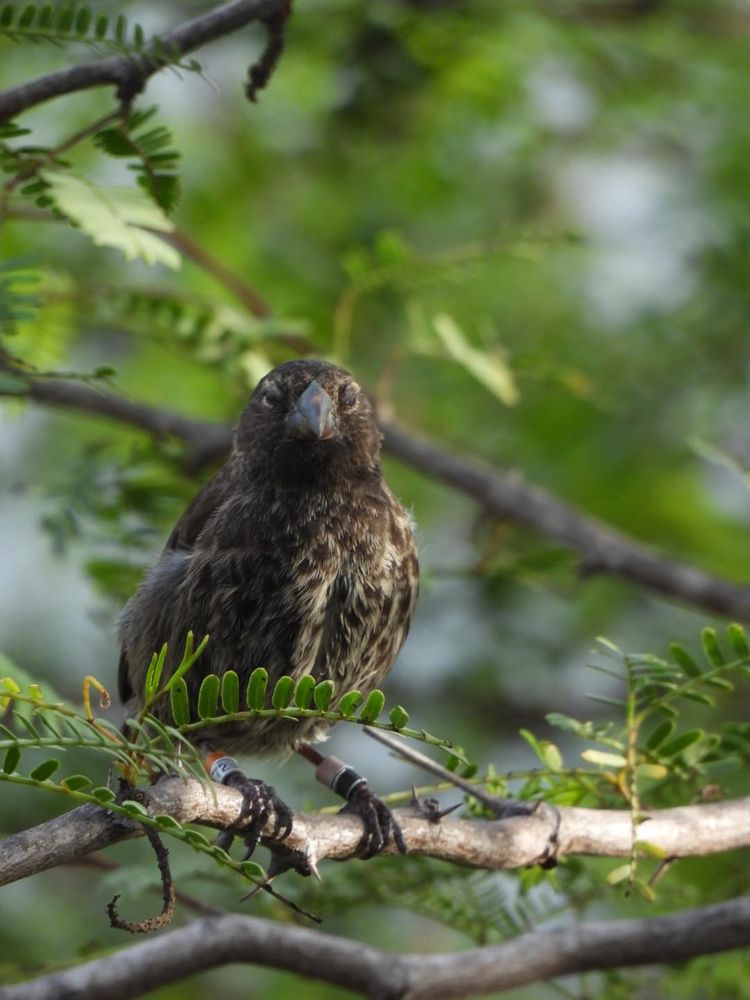
How does personality shape ecological roles?🐦
A new Galápagos study shows that more exploratory birds use a broader foraging niche-linking consistent behavior with ecological flexibility.
📄 García-Loor et al.2025
doi.org/10.1111/btp....
#BirdBehavior #ForagingNiche #Galapagos
📸 Kleindorfer, Ploderer
A new Galápagos study shows that more exploratory birds use a broader foraging niche-linking consistent behavior with ecological flexibility.
📄 García-Loor et al.2025
doi.org/10.1111/btp....
#BirdBehavior #ForagingNiche #Galapagos
📸 Kleindorfer, Ploderer
July 14, 2025 at 1:06 PM
How does personality shape ecological roles?🐦
A new Galápagos study shows that more exploratory birds use a broader foraging niche-linking consistent behavior with ecological flexibility.
📄 García-Loor et al.2025
doi.org/10.1111/btp....
#BirdBehavior #ForagingNiche #Galapagos
📸 Kleindorfer, Ploderer
A new Galápagos study shows that more exploratory birds use a broader foraging niche-linking consistent behavior with ecological flexibility.
📄 García-Loor et al.2025
doi.org/10.1111/btp....
#BirdBehavior #ForagingNiche #Galapagos
📸 Kleindorfer, Ploderer
Reposted by Urvi Gupta
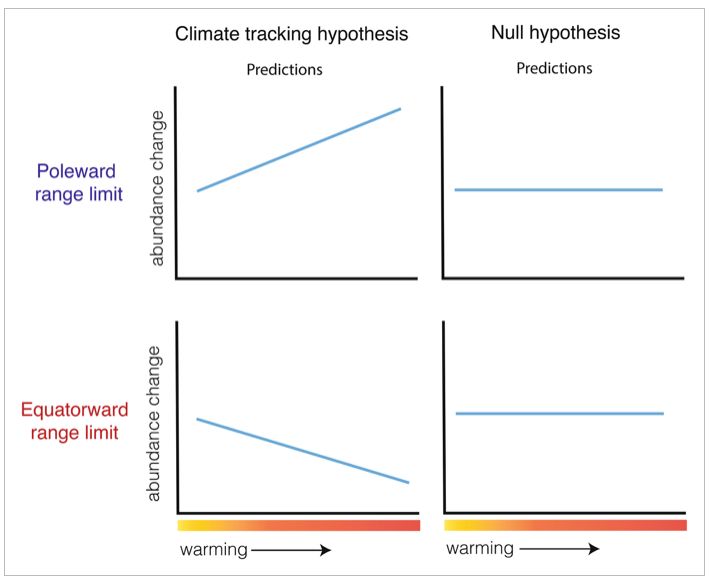
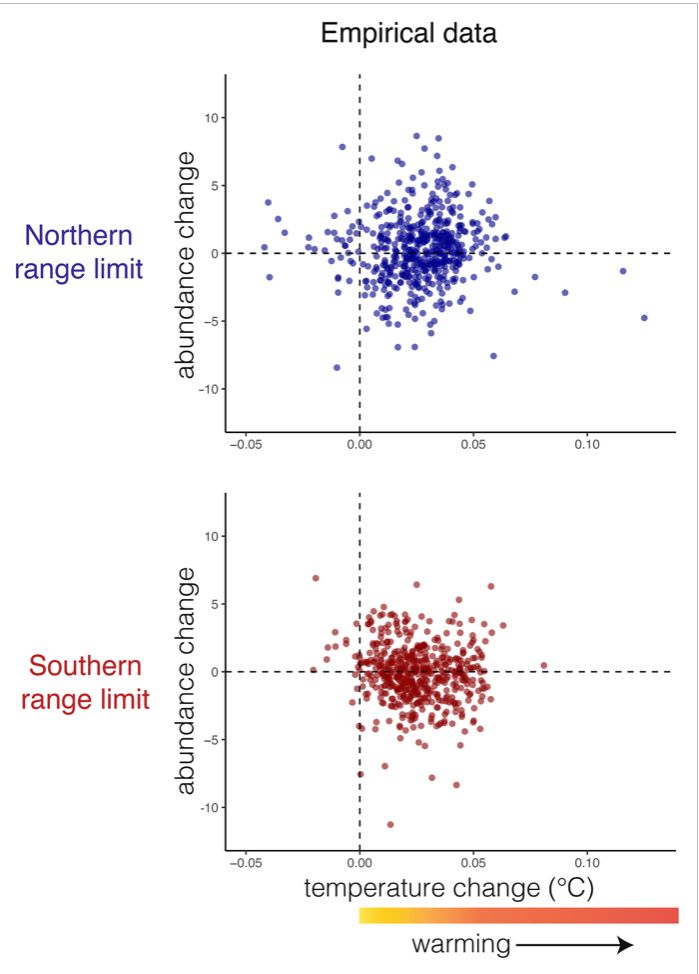
you might think N American species are getting common at their north range limit and rare at their south range limit as temps get warmer
but you would be wrong
new paper in GEB w/ @eliotmiller.bsky.social & Matt Strimas-Mackey, eBird Status & Trends ftw
onlinelibrary.wiley.com/doi/full/10....
but you would be wrong
new paper in GEB w/ @eliotmiller.bsky.social & Matt Strimas-Mackey, eBird Status & Trends ftw
onlinelibrary.wiley.com/doi/full/10....
May 12, 2025 at 2:08 PM
you might think N American species are getting common at their north range limit and rare at their south range limit as temps get warmer
but you would be wrong
new paper in GEB w/ @eliotmiller.bsky.social & Matt Strimas-Mackey, eBird Status & Trends ftw
onlinelibrary.wiley.com/doi/full/10....
but you would be wrong
new paper in GEB w/ @eliotmiller.bsky.social & Matt Strimas-Mackey, eBird Status & Trends ftw
onlinelibrary.wiley.com/doi/full/10....
Reposted by Urvi Gupta

Book: State of the World's Raptors | Conservation Science
science.peregrinefund.org
May 11, 2025 at 5:37 PM
Reposted by Urvi Gupta

📢 🐾New paper: We developed robust methods to monitor snow leopard population. By implementing it across 59000 sq.km., we found one of the world’s largest snow leopard population and highest densities in Indian Trans-Himalaya. All thanks to local communities and a wonderful collaboration
Comprehensive assessment of snow leopard distribution and population in the Indian Trans-Himalaya, Ladakh: Standardizing methods for evidence-based conservation
Effective conservation of threatened species depends on accurate scientific assessment of their occurrence and population status. This information is often lacking or has poor scientific reliability f...
journals.plos.org
May 9, 2025 at 2:48 PM
📢 🐾New paper: We developed robust methods to monitor snow leopard population. By implementing it across 59000 sq.km., we found one of the world’s largest snow leopard population and highest densities in Indian Trans-Himalaya. All thanks to local communities and a wonderful collaboration
Reposted by Urvi Gupta
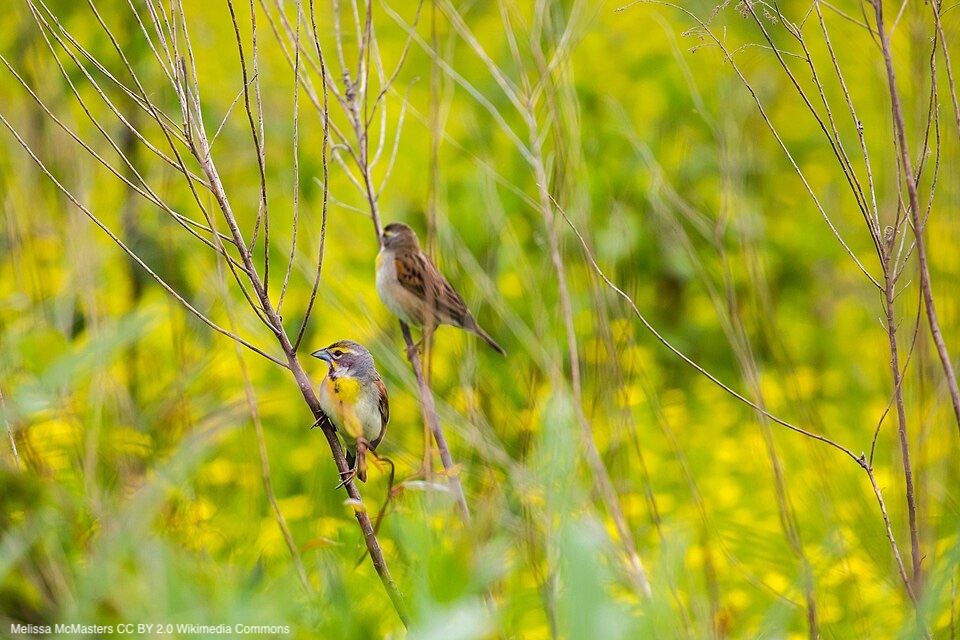
Nestling condition of a grassland bird is not associated with food availability in restored grasslands | ace-eco.org/vol20/is... | Avian Conservation and Ecology | #ornithology 🪶
May 7, 2025 at 7:30 AM
Nestling condition of a grassland bird is not associated with food availability in restored grasslands | ace-eco.org/vol20/is... | Avian Conservation and Ecology | #ornithology 🪶
Reposted by Urvi Gupta

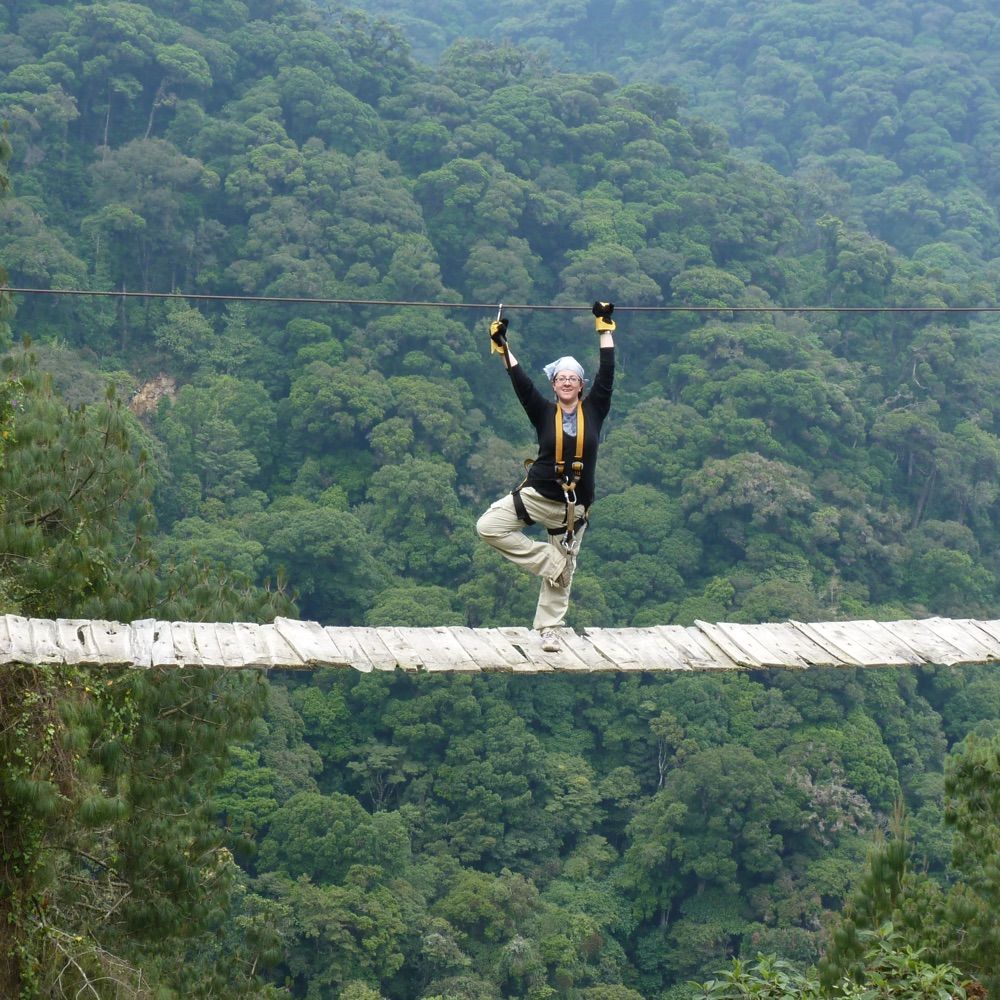
what is it REALLY like to be a #speciesonthemove? @mwtingley.bsky.social, @mhcneateclegg.bsky.social, Luke Evans, Brett Scheffers, an incredible team of co-authors, and I took a deep dive into this question.
we argue that thermal gradients are all around us—in space and time...
we argue that thermal gradients are all around us—in space and time...
May 8, 2025 at 9:03 PM
what is it REALLY like to be a #speciesonthemove? @mwtingley.bsky.social, @mhcneateclegg.bsky.social, Luke Evans, Brett Scheffers, an incredible team of co-authors, and I took a deep dive into this question.
we argue that thermal gradients are all around us—in space and time...
we argue that thermal gradients are all around us—in space and time...

Reposted by Urvi Gupta

A lot of blood sweat and tears put into this one: we revisit Robert MacArthur's classic warbler study—with @eliotmiller.bsky.social and colleagues—using, among other techniques, fecal metabarcoding.
🧪🦉
📸 Ronnie d'Entremont
royalsocietypublishing.org/doi/10.1098/...
@psubiodept.bsky.social
🧪🦉
📸 Ronnie d'Entremont
royalsocietypublishing.org/doi/10.1098/...
@psubiodept.bsky.social
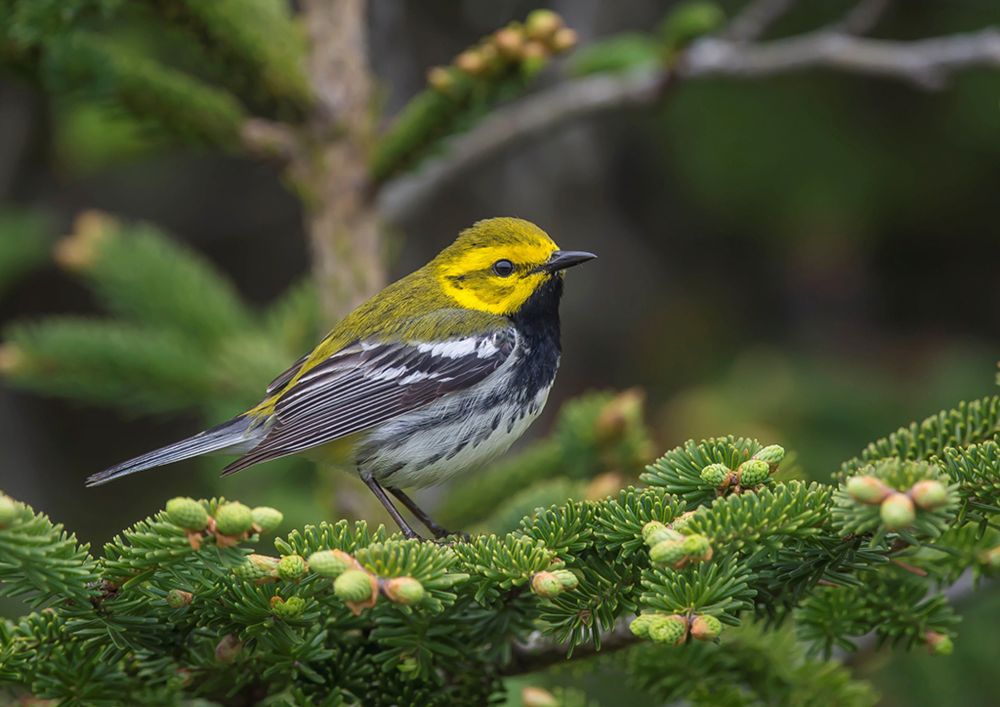
Reassessing niche partitioning in MacArthur’s warblers: foraging behaviour, morphology and diet differentiation in a phylogenetic context | Biology Letters
Owing in large part to Robert MacArthur’s classic research, wood warblers in the family
Parulidae are textbook exemplars of species competition and niche partitioning. Conventional
wisdom suggests tha...
royalsocietypublishing.org
April 15, 2025 at 11:34 PM
A lot of blood sweat and tears put into this one: we revisit Robert MacArthur's classic warbler study—with @eliotmiller.bsky.social and colleagues—using, among other techniques, fecal metabarcoding.
🧪🦉
📸 Ronnie d'Entremont
royalsocietypublishing.org/doi/10.1098/...
@psubiodept.bsky.social
🧪🦉
📸 Ronnie d'Entremont
royalsocietypublishing.org/doi/10.1098/...
@psubiodept.bsky.social
Reposted by Urvi Gupta

“It’s like claiming to have brought Napoleon back from the dead by asking a short French man to wear his hat.”
A short piece in The Conversation by me on why “de-extinction” is nothing of the sort, and bad, bad conservation.
theconversation.com/why-de-extin...
A short piece in The Conversation by me on why “de-extinction” is nothing of the sort, and bad, bad conservation.
theconversation.com/why-de-extin...
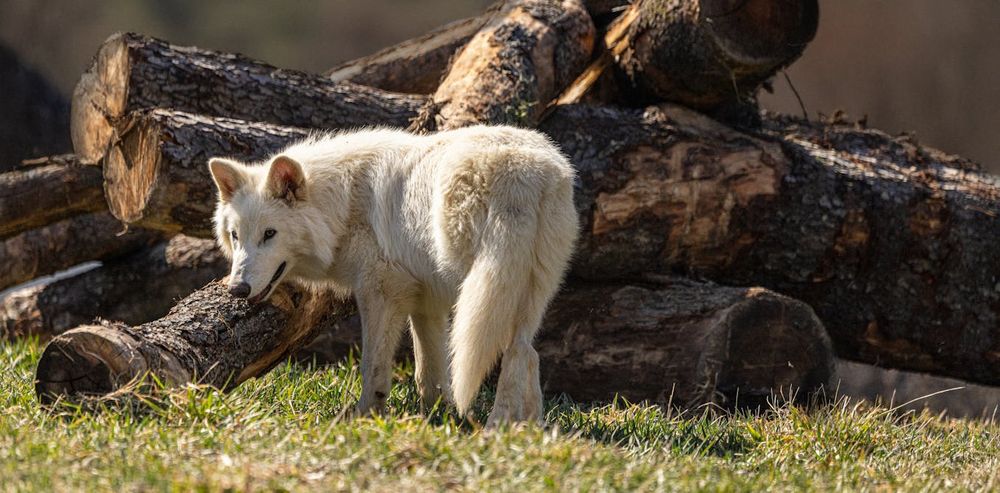
Why ‘de-extinct’ dire wolves are a Trojan horse to hide humanity’s destruction of nature
Extinction is, for the time being, forever – and a symptom of our global economic system.
theconversation.com
April 14, 2025 at 4:29 PM
“It’s like claiming to have brought Napoleon back from the dead by asking a short French man to wear his hat.”
A short piece in The Conversation by me on why “de-extinction” is nothing of the sort, and bad, bad conservation.
theconversation.com/why-de-extin...
A short piece in The Conversation by me on why “de-extinction” is nothing of the sort, and bad, bad conservation.
theconversation.com/why-de-extin...
Reposted by Urvi Gupta

Black kites-free ranging dogs associate in Delhi. While there are situations of conflict over human food subsidies, stay tuned for more information on cross-species social cognition in Urban Information Landscapes being focus of www.thinkpaws.org. @lucymaplin.bsky.social is doing it in Sydney.
April 5, 2025 at 6:47 PM
Black kites-free ranging dogs associate in Delhi. While there are situations of conflict over human food subsidies, stay tuned for more information on cross-species social cognition in Urban Information Landscapes being focus of www.thinkpaws.org. @lucymaplin.bsky.social is doing it in Sydney.