


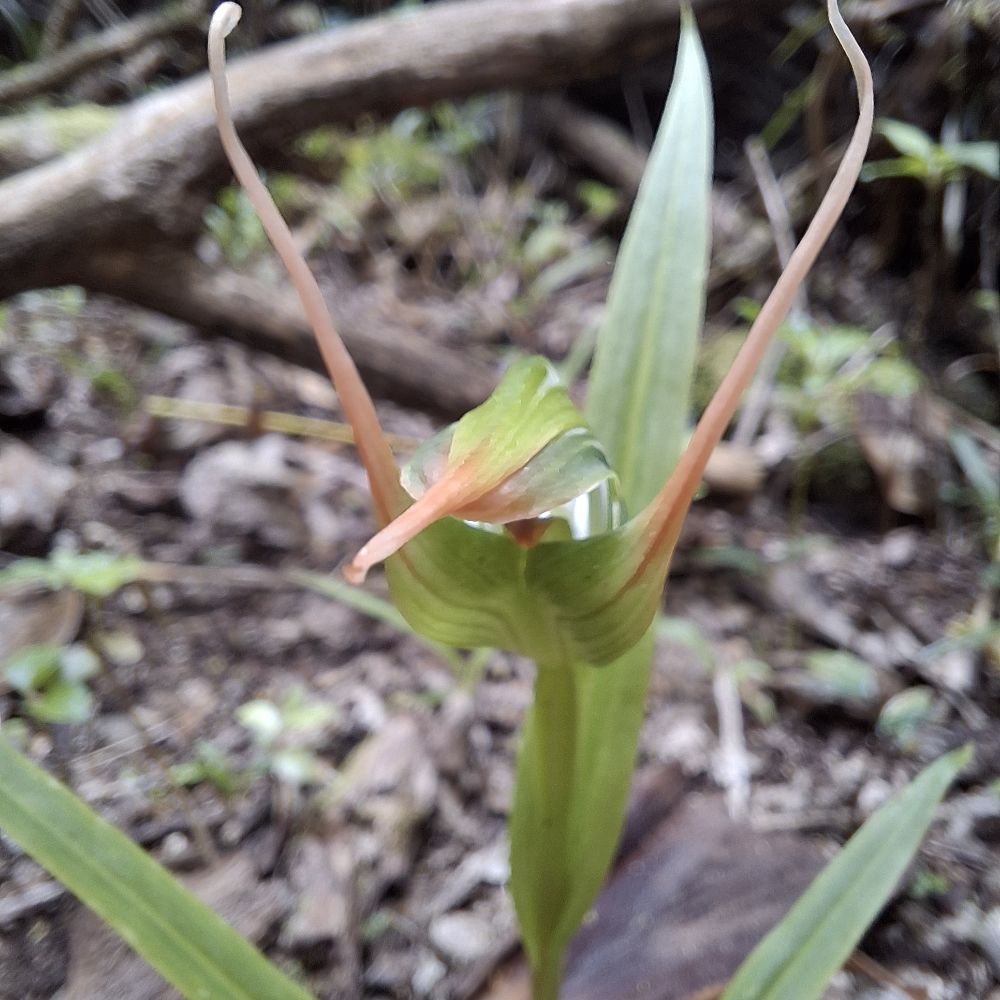
Small aside, citizen science and @inaturalist.bsky.social providing critical information for species conservation.
🌏
🌏

February 4, 2026 at 7:34 AM
Small aside, citizen science and @inaturalist.bsky.social providing critical information for species conservation.
🌏
🌏

Azulones en el parque Martiricos: https://www.inaturalist.org/observations/337295164.
#inaturalist #martiricos
#inaturalist #martiricos

Mallard (Anas platyrhynchos)
Mallard from Parque Periodista José Antonio Frías Ruiz (Parque Martiricos), Málaga, Andalucía, Spain on February 4, 2026 at 07:05 AM by Daniel Capilla
www.inaturalist.org
February 4, 2026 at 6:21 AM
Azulones en el parque Martiricos: https://www.inaturalist.org/observations/337295164.
#inaturalist #martiricos
#inaturalist #martiricos

Each season I do four nights of moth lighting in my garden in suburban Ōtautahi-Christchurch, NZ. My summer moth lighting this year started on Saturday. I photograph every moth that settles at my light and today I've been uploading my photos to #inaturalist […]
[Original post on mastodon.nz]
[Original post on mastodon.nz]


February 4, 2026 at 6:09 AM
Each season I do four nights of moth lighting in my garden in suburban Ōtautahi-Christchurch, NZ. My summer moth lighting this year started on Saturday. I photograph every moth that settles at my light and today I've been uploading my photos to #inaturalist […]
[Original post on mastodon.nz]
[Original post on mastodon.nz]
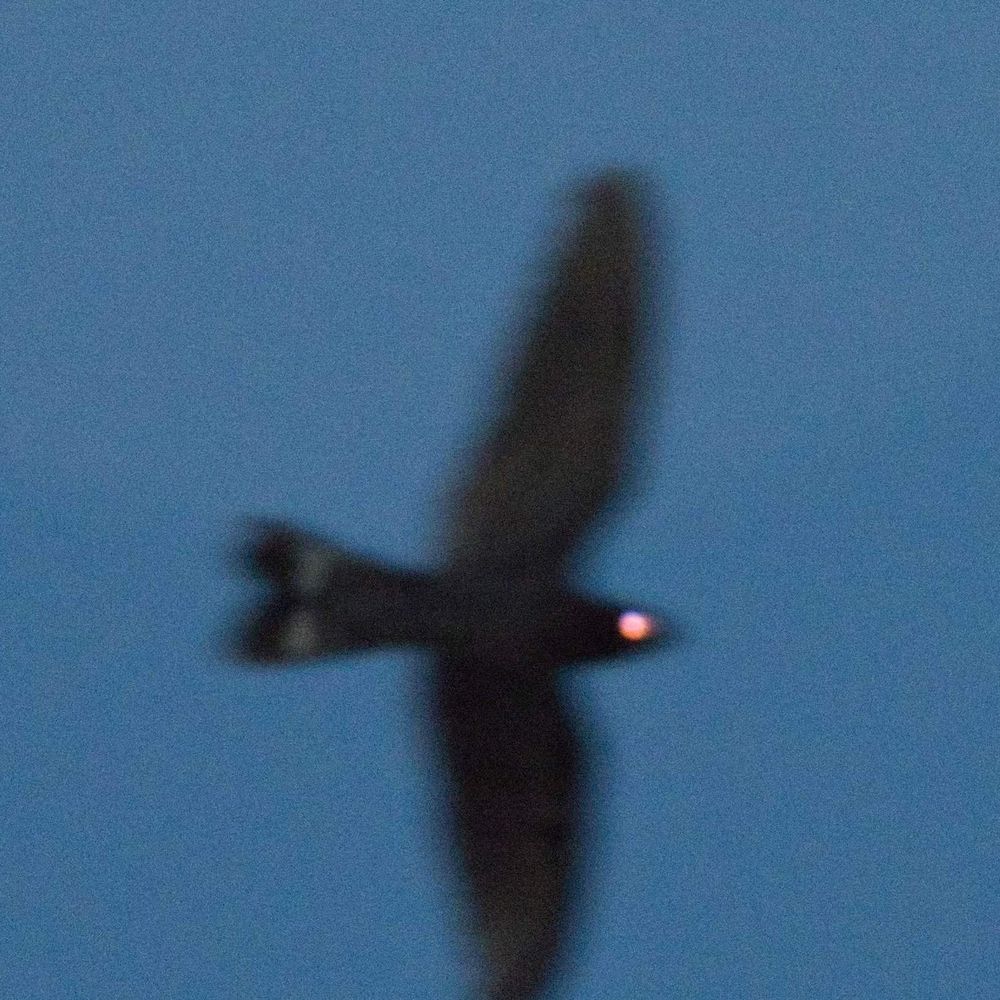
source: inaturalist - 📷 jimmygreene
February 4, 2026 at 3:09 AM
source: inaturalist - 📷 jimmygreene

How many Arthropods are on iNaturalist as of now?
Which taxa have gained the most additional species over time?
forum.inaturalist.org/t/how-many-a...
Which taxa have gained the most additional species over time?
forum.inaturalist.org/t/how-many-a...

How many Arthropods are on iNaturalist as of now?
https://forum.inaturalist.org/t/how-complete-is-arthropoda-on-inaturalist/57838 In November 2024, I made a post detailing the percent of species in each arthropod order that was observed on inaturali...
forum.inaturalist.org
February 3, 2026 at 9:37 PM
How many Arthropods are on iNaturalist as of now?
Which taxa have gained the most additional species over time?
forum.inaturalist.org/t/how-many-a...
Which taxa have gained the most additional species over time?
forum.inaturalist.org/t/how-many-a...

A year ago I would have put this into iNaturalist to learn something and support crowd sourced science.
Fuck AI. It's ruining so much.
Fuck AI. It's ruining so much.
It was above 70° this afternoon, so I met a friend to do yoga on the hill.
And then I met this green friend also.
And then I met this green friend also.
February 3, 2026 at 5:15 PM
A year ago I would have put this into iNaturalist to learn something and support crowd sourced science.
Fuck AI. It's ruining so much.
Fuck AI. It's ruining so much.

All pictures courtesy of inaturalist.


February 3, 2026 at 2:34 PM
All pictures courtesy of inaturalist.

There are two great apps that can help you identify birds: Merlin Bird ID from Cornell can id bird song and also physical descriptions, and Seek by iNaturalist can id birds (and mammals, plants/flowers, reptiles, insects, fungi, etc) with your camera or photos. Good luck
February 3, 2026 at 1:13 PM
There are two great apps that can help you identify birds: Merlin Bird ID from Cornell can id bird song and also physical descriptions, and Seek by iNaturalist can id birds (and mammals, plants/flowers, reptiles, insects, fungi, etc) with your camera or photos. Good luck

A Silvereye or Tauhou (Zosterops lateralis) spotted at Glenorchy Lagoon Wildlife Reserve, New Zealand on 25 Dec 2025. A common bird that colonised New Zealand from Australia in the 1850s.
On iNaturalist [ www.inaturalist.org/observations... ].
#iNaturalist #Nature #NewZealand #Birds #Aves
On iNaturalist [ www.inaturalist.org/observations... ].
#iNaturalist #Nature #NewZealand #Birds #Aves

February 3, 2026 at 1:00 PM
A Silvereye or Tauhou (Zosterops lateralis) spotted at Glenorchy Lagoon Wildlife Reserve, New Zealand on 25 Dec 2025. A common bird that colonised New Zealand from Australia in the 1850s.
On iNaturalist [ www.inaturalist.org/observations... ].
#iNaturalist #Nature #NewZealand #Birds #Aves
On iNaturalist [ www.inaturalist.org/observations... ].
#iNaturalist #Nature #NewZealand #Birds #Aves

tumblr.amnh.org 's ot the mood of the month.

February 3, 2026 at 11:46 AM
tumblr.amnh.org 's ot the mood of the month.

🟢🟡⚫️ The Carpet Chameleon (Furcifer lateralis). Alias the jewel chameleon, this Madagascan reptile can grow up to 25 cm.
Males are territorial, intimidating rivals with displays that include hissing, body flexing, and color changing.
Photography by Vincent Porcher for iNaturalist
#chameleon #nature
Males are territorial, intimidating rivals with displays that include hissing, body flexing, and color changing.
Photography by Vincent Porcher for iNaturalist
#chameleon #nature

February 3, 2026 at 10:01 AM
🟢🟡⚫️ The Carpet Chameleon (Furcifer lateralis). Alias the jewel chameleon, this Madagascan reptile can grow up to 25 cm.
Males are territorial, intimidating rivals with displays that include hissing, body flexing, and color changing.
Photography by Vincent Porcher for iNaturalist
#chameleon #nature
Males are territorial, intimidating rivals with displays that include hissing, body flexing, and color changing.
Photography by Vincent Porcher for iNaturalist
#chameleon #nature

I have no real claim to expertise here bc I definitely typed “omg a woodcock” and then got nervous and squinted and started googling “birds that look like woodcocks” and consulting iNaturalist lol. however there is nothing I love more than birding memes I don’t quite fully understand
February 3, 2026 at 7:12 AM
I have no real claim to expertise here bc I definitely typed “omg a woodcock” and then got nervous and squinted and started googling “birds that look like woodcocks” and consulting iNaturalist lol. however there is nothing I love more than birding memes I don’t quite fully understand

Going through old videos for iNaturalist and it's frankly insane how well my fingernails have grown since I stopped biting them in 2025. Nail beds 100% regrow and it's never too late to stop. It's just an incredibly slow process.


February 3, 2026 at 6:41 AM
Going through old videos for iNaturalist and it's frankly insane how well my fingernails have grown since I stopped biting them in 2025. Nail beds 100% regrow and it's never too late to stop. It's just an incredibly slow process.

They found a Bush duiker with the funny puppy ears so I am once again asking you to consider the humble bovidae


February 3, 2026 at 4:18 AM
They found a Bush duiker with the funny puppy ears so I am once again asking you to consider the humble bovidae
source: inaturalist - 📷 suewhitelaw
February 3, 2026 at 4:17 AM
source: inaturalist - 📷 suewhitelaw

iNaturalist Updates for January 2026 Here are iNaturalist updates from January 2026! General updates Over 4 million accounts have added at least one verifiable observation! See iNat’s Impact High...
#News #and #Updates
Origin | Interest | Match
#News #and #Updates
Origin | Interest | Match

iNaturalist Updates for January 2026
Here are iNaturalist updates from January 2026! General updates Over 4 million accounts have added at least one verifiable observation! See iNat’s Impact Highlights from 2025 iNat released its Product Goals for January–June 2026! Published results of iNat’s first ID-a-Thon and Identifiers Survey! A new Computer Vision model was released! Released a demo for a different way to handle infraspecies IDs. Product updates Website The Identify page has now been moved to API version 2. Let us know i...
forum.inaturalist.org
February 3, 2026 at 2:47 PM

Right now, there are only six iNaturalist records of this striking ant, Myrmecia cydista, which is native to and only found in Australia!
📷 timpaasila on iNaturalist
📍 Australia
🔗: www.inaturalist.org/observations...
#ObservationOfTheDay
📷 timpaasila on iNaturalist
📍 Australia
🔗: www.inaturalist.org/observations...
#ObservationOfTheDay

February 2, 2026 at 7:06 PM
Right now, there are only six iNaturalist records of this striking ant, Myrmecia cydista, which is native to and only found in Australia!
📷 timpaasila on iNaturalist
📍 Australia
🔗: www.inaturalist.org/observations...
#ObservationOfTheDay
📷 timpaasila on iNaturalist
📍 Australia
🔗: www.inaturalist.org/observations...
#ObservationOfTheDay


February 2, 2026 at 4:30 PM
It is dreadful quality data. iNaturalist don’t generally provide a recorder name just a username, no method, no quantity, no stage and often site names that are completely different to the gridref provided. Or no gridref! Loads of duplicated records, so a nightmare to sort out!
February 2, 2026 at 3:05 PM
It is dreadful quality data. iNaturalist don’t generally provide a recorder name just a username, no method, no quantity, no stage and often site names that are completely different to the gridref provided. Or no gridref! Loads of duplicated records, so a nightmare to sort out!
New Zealand Scaup (Aythya novaeseelandiae) spotted at Glenorchy Lagoon Wildlife Reserve on 25 Dec 2025. These ducks are endemic to New Zealand. Second shot shows a female in front of the male.
On iNaturalist [ www.inaturalist.org/observations... ].
#iNaturalist #Nature #NewZealand #Birds #Aves
On iNaturalist [ www.inaturalist.org/observations... ].
#iNaturalist #Nature #NewZealand #Birds #Aves


February 2, 2026 at 1:54 PM
New Zealand Scaup (Aythya novaeseelandiae) spotted at Glenorchy Lagoon Wildlife Reserve on 25 Dec 2025. These ducks are endemic to New Zealand. Second shot shows a female in front of the male.
On iNaturalist [ www.inaturalist.org/observations... ].
#iNaturalist #Nature #NewZealand #Birds #Aves
On iNaturalist [ www.inaturalist.org/observations... ].
#iNaturalist #Nature #NewZealand #Birds #Aves

Coquerel's giant mouse lemurs (Mirza coquereli) are endemic to western Madagascar. Solitary and nocturnal; in day, they sleep in spherical nests in the fork of large tree branches or among dense lianas. Threatened by habitat loss and fragmentation. Endangered. Photo: ©zozologiste/iNaturalist/CC4.0.

February 2, 2026 at 1:08 PM
Coquerel's giant mouse lemurs (Mirza coquereli) are endemic to western Madagascar. Solitary and nocturnal; in day, they sleep in spherical nests in the fork of large tree branches or among dense lianas. Threatened by habitat loss and fragmentation. Endangered. Photo: ©zozologiste/iNaturalist/CC4.0.
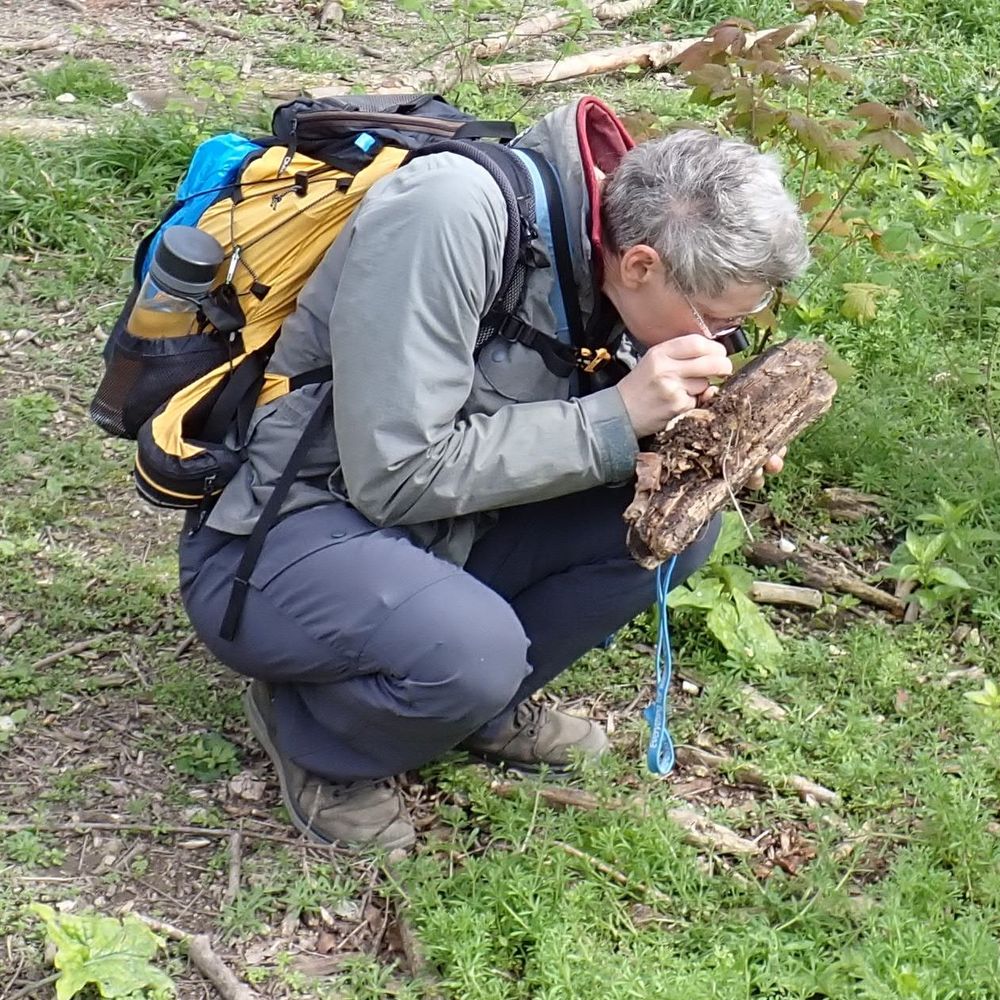
I dare say there are lots of reasons. Norfolk moths website is brilliant at what it does and it is much easier for the volunteers to verify recs in one place, ie via the website rather than having to check various ther sources. iNaturalist recs are sometimes very poor with bad data and poor photos.
February 2, 2026 at 1:00 PM
I dare say there are lots of reasons. Norfolk moths website is brilliant at what it does and it is much easier for the volunteers to verify recs in one place, ie via the website rather than having to check various ther sources. iNaturalist recs are sometimes very poor with bad data and poor photos.
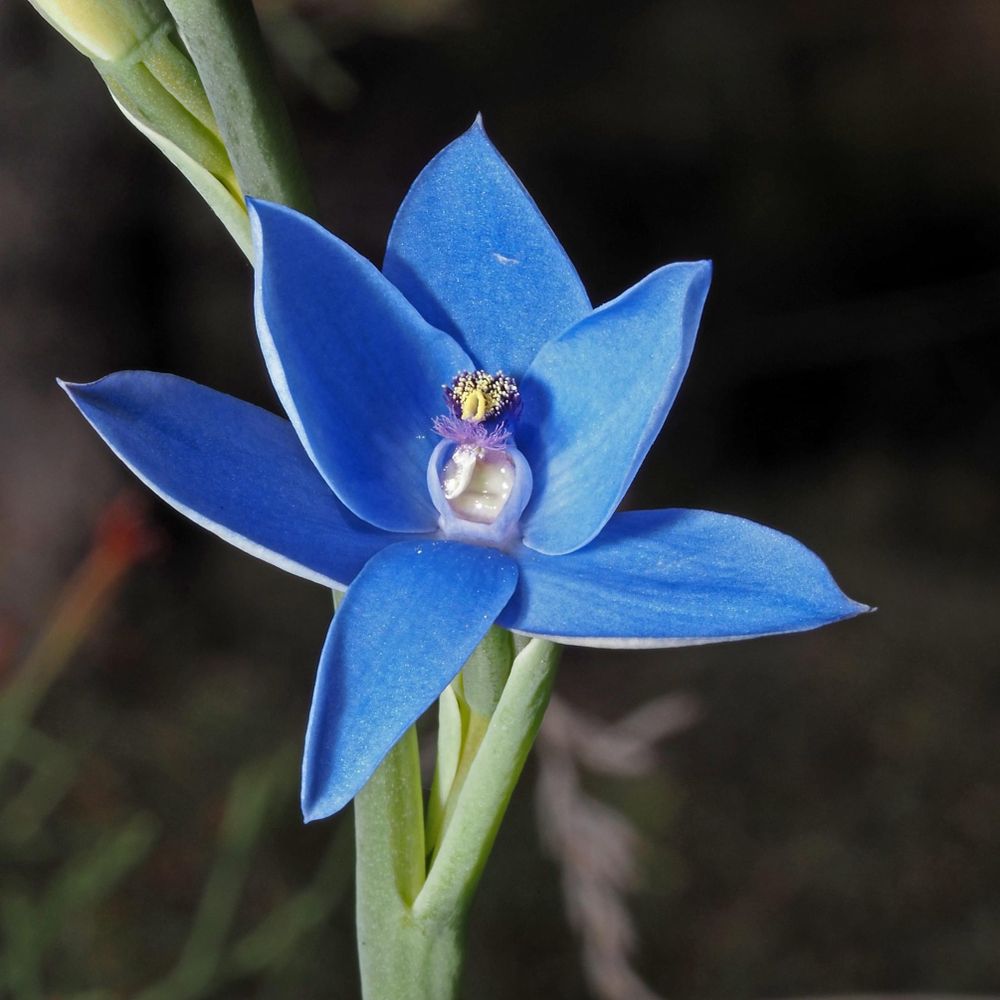
In honour of #WorldWetlandsDay2026 here is a wetland species from the southwest of Western Australia.
This is Cycnogeton lineare, sometimes known as a Water Ribbon and known as Tjaawkurr in the local Noongar language.
#ozflora #wildoz #wetlands #nativeplants #inaturalist
This is Cycnogeton lineare, sometimes known as a Water Ribbon and known as Tjaawkurr in the local Noongar language.
#ozflora #wildoz #wetlands #nativeplants #inaturalist

February 2, 2026 at 11:27 AM
In honour of #WorldWetlandsDay2026 here is a wetland species from the southwest of Western Australia.
This is Cycnogeton lineare, sometimes known as a Water Ribbon and known as Tjaawkurr in the local Noongar language.
#ozflora #wildoz #wetlands #nativeplants #inaturalist
This is Cycnogeton lineare, sometimes known as a Water Ribbon and known as Tjaawkurr in the local Noongar language.
#ozflora #wildoz #wetlands #nativeplants #inaturalist
If I may make one request this year please do NOT use iNaturalist for recording moths in Norfolk. Please record directly on the website norfolkmoths.co.uk Thank you! #norfolkmoths #teammoth

Norfolk Moths
The Moths of Norfolk. In association with the Norfolk Moth Survey.
norfolkmoths.co.uk
February 2, 2026 at 11:26 AM
If I may make one request this year please do NOT use iNaturalist for recording moths in Norfolk. Please record directly on the website norfolkmoths.co.uk Thank you! #norfolkmoths #teammoth

Great white sharks grow a new kind of tooth
It comes in handy for slicing bone as the sharks age, and reflects how their lifestyle changes over ...
🤿 Full story in comments 👇
It comes in handy for slicing bone as the sharks age, and reflects how their lifestyle changes over ...
🤿 Full story in comments 👇

February 2, 2026 at 10:20 AM
Great white sharks grow a new kind of tooth
It comes in handy for slicing bone as the sharks age, and reflects how their lifestyle changes over ...
🤿 Full story in comments 👇
It comes in handy for slicing bone as the sharks age, and reflects how their lifestyle changes over ...
🤿 Full story in comments 👇