



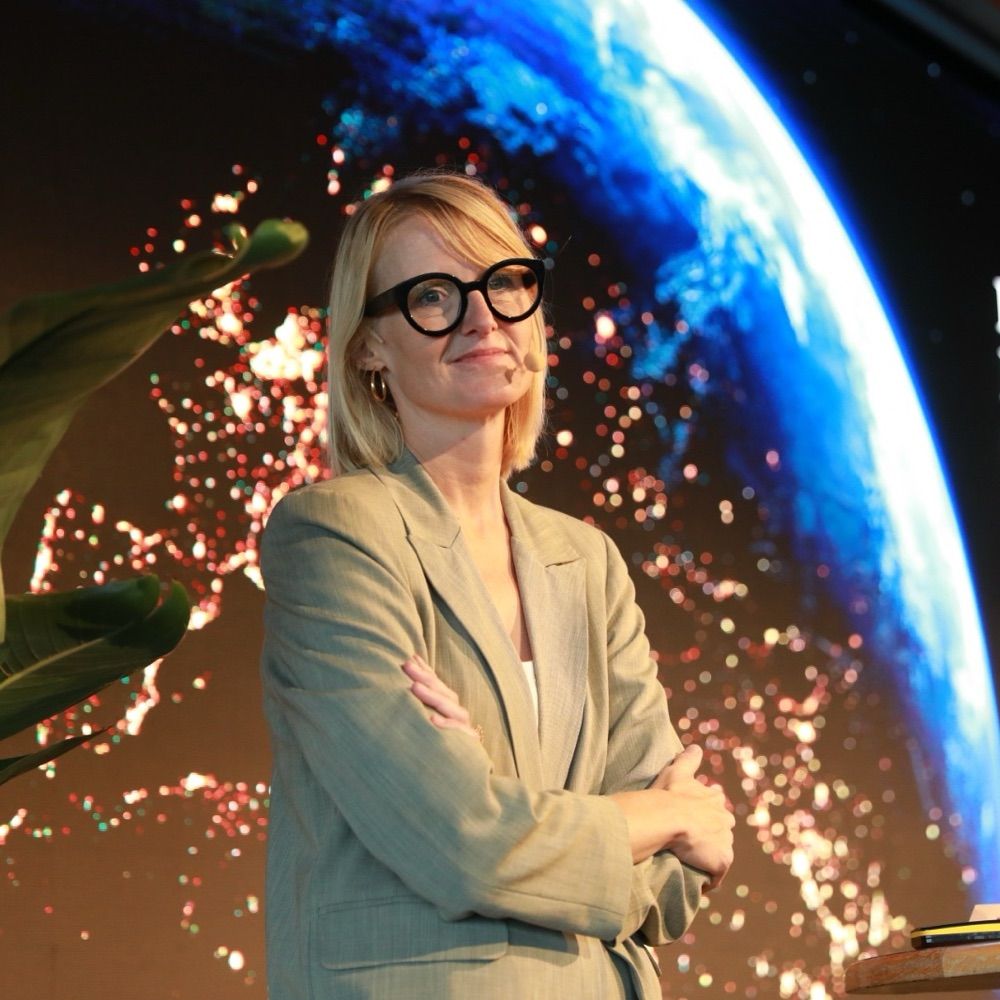
Vice Dean and Professor at the School of Economics, Politics and Globale Affairs at IE University, Madrid (she/her)
www.catherinedevries.eu
Respect the Marble Substack: catherineeunicedevries.substack.com
Catherine E. de Vries is a Dutch political scientist. She is Dean of Diversity & Inclusion and Professor of Political Science at Bocconi University. She is known for her research on European politics, including political behaviour, comparative European politics and political economy. She is also a columnist for the Dutch newspaper Het Financieele Dagblad. .. more

💡 Conversations with writers + thinkers about how ideas last.
First guest: Simon Kuper, FT columnist & author of Football Against the Enemy & Chums
🔗 catherineeunicedevries.substack.com/p/etched-in-...
🧵
Reposted by Catherine E. De Vries


Listen here: open.spotify.com/episode/1pf4...
Reposted by Catherine E. De Vries
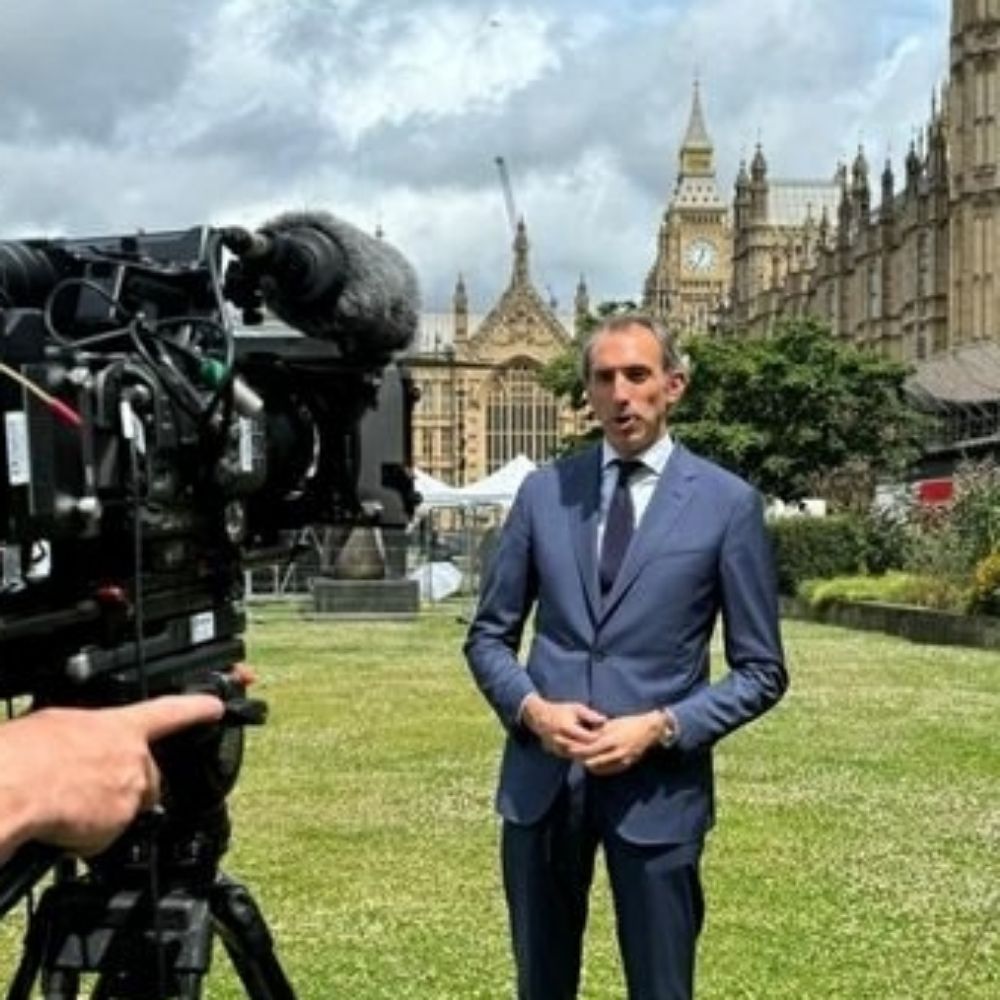

En die is niet in het Nederlandse belang
nos.nl/nieuwsuur/ar...

This is the last Etched in Marble post of the year * what a finale it is.
I’ll be back tomorrow with some of my own thoughts about the year, to return mid-January.
/end
“Don’t take your reader for granted. Write for the reader you respect.”
Make your writing honest, vivid and make sure it’s yours.
🔗 Read the full conversation here:
catherineeunicedevries.substack.com/p/rosie-coll...
8/
“Academic papers reward narrowness. Public writing lets me think bigger.”
That space opens up innovative ideas.
7/
- She reads drafts aloud
- She avoids AI tools (“they drain the life out of language”)
- She leaves paragraphs unfinished so ‘future Rosie’ has something to grab onto
Writing should sound like a person thinking, not like a machine summarizing.
6/
Public writing, for her, is about fairness. It’s about respect for readers who are giving you their commute, their nap break, their Saturday afternoon.
You have to earn every word.
5/
It’s meditation: Thinking slowed down enough to feel where ideas resist.
In an age of AI drafts and frictionless text, that insistence is radical, especially for a younger scholar.
4/
Diaries as a child, a novel written in the evenings while working.
This practice taught her how writing actually works: returning to the page until something true emerges.
3/
But what struck me most wasn’t only her analysis.
It was her relationship to writing itself.
2/
New Etched in Marble conversation just out. 👇
catherineeunicedevries.substack.com/p/rosie-coll...
🧵
Check out last week’s conversation with @drodrik.bsky.social
& next week @rosiecollington.bsky.social closes the Etched in Marble series!
/end
🔗 Read the full conversation here:
catherineeunicedevries.substack.com/p/etched-in-...
8/
Take their hand.
Show them the view.
Use your freedom carefully.
7/
You can’t hide behind idiom when you have to rebuild the sentence in another language.
6/
An editor told him:
“Don’t park the argument in a room, let it walk through the forest.”
Ideas shouldn’t just sit in abstract paragraphs. They should move through scenes, actions, and examples.
5/
Instead:
- Slow down where the footing is tricky
- Avoid cliffs of jargon
- Point out the ridge line
Clarity, for him, is a form of kindness.
4/
“When you write, imagine taking the reader’s hand, like a child you care about, and show them the landscape.”
If the path is muddy, that’s on the guide, not the traveler.
3/
He’s written academic books, newspaper columns, and now fiction about democracy and AI.
Across all of it, he holds on to one principle:
“Be clear. And be kind to your reader.”
2/
New Etched in Marble conversation is up: on writing as service, not performance. 👇
catherineeunicedevries.substack.com/p/etched-in-...
🧵
Reposted by Catherine E. De Vries
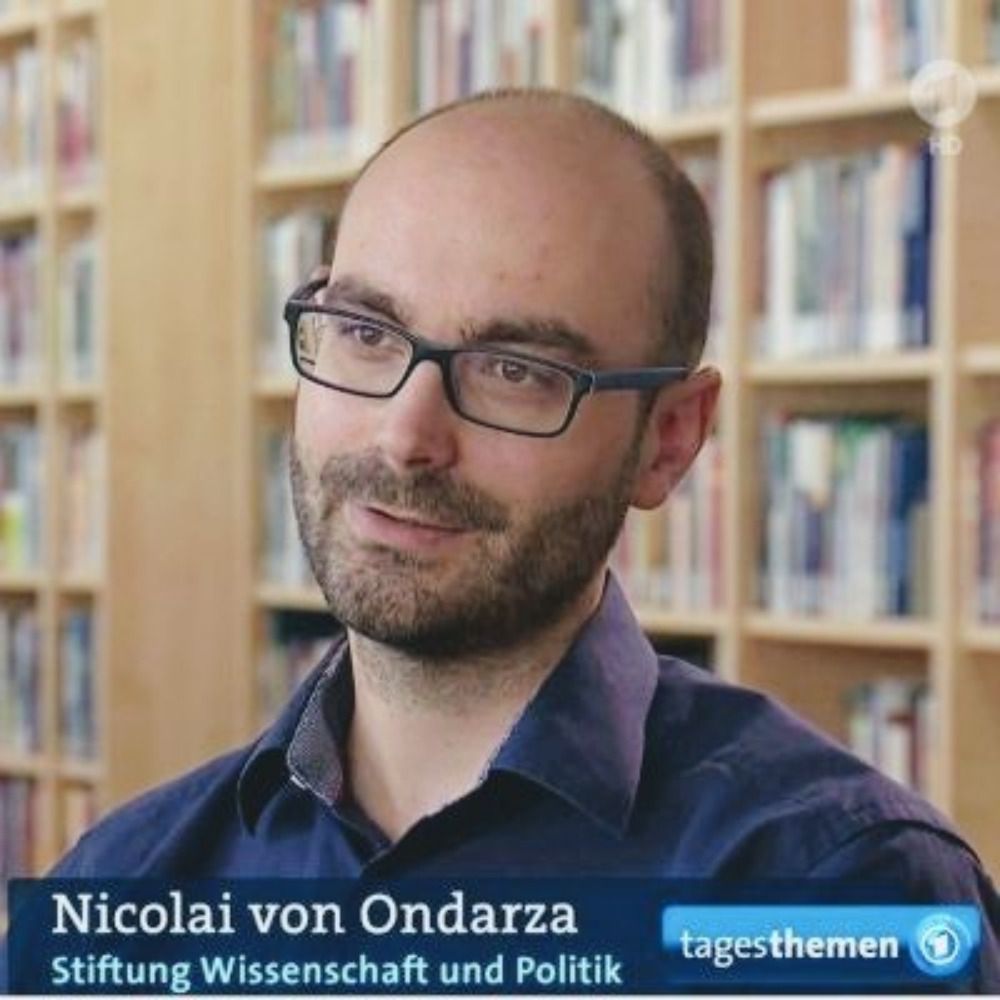
This is exactly the kind of avenue for the US/Trump to split Europe and reign over smaller European countries.
Remember also to check last weeks’ discussion with @leaypi.bsky.social
And look out for next week’s conversation with @lapuente.bsky.social
/end
🔗 catherineeunicedevries.substack.com/p/etched-in-...
Good arguments don’t start fully formed, they’re made, one sentence at a time.
9/
Don’t wait for perfect understanding.
Use writing to discover where your argument holds, where it breaks & where it needs courage.
8/
“Alternate long sentences with very short ones.”
Long sentences can hide uncertainty. Short ones force clarity.
The mix does the work.
7/
He challenged globalization orthodoxy early, “spending his reputational capital,” as he puts it, because no one else would occupy that space.
“If we only talk to each other, we mistake our consensus for truth.”
6/
Lead with the idea, then bring in evidence to complicate & illuminate, but don’t bury it.
5/
“The first sentence.”
Once he has that, structure reveals itself.
If something breaks two paragraphs in, Rodrik stops and rethinks.
Writing is how his convictions & ideas get tested.
4/
“I write because I like to write.”
Writing is his laboratory.
He begins before he fully knows where the argument will go & finds clarity by putting ideas on the page.
3/