



Dezene Huber 🍁 🌻
@dezene.me
🪲 Professor 🪰 University of Northern British Columbia 🕷️ Insect ecologist 🐝 conservation, biodiversity, natural history 🐛 Opinions are my own. 🐞 https://linktr.ee/dezene 🦋
Reposted by Dezene Huber 🍁 🌻

BEYOND LOCAL: How non-migratory birds survive the winter

How non-migratory birds survive the winter
Throughout the winter there has been a large concentration of birds in and the around the Westlock Terminals grain terminal despite temperatures dropping below -30 C.
dlvr.it
January 13, 2026 at 7:21 PM
BEYOND LOCAL: How non-migratory birds survive the winter
TFW you realize you made a mistake inviting that speaker to your biology department seminar series.

Trump to the Detroit Economic Club:
"We lost 36,000 people to the mosquito, you know that, right? To the mosquito, and a certain snake, which was not a very nice reptile. This was a brutal reptile. You got bit, it was over. It was just, say bye bye everybody."
"We lost 36,000 people to the mosquito, you know that, right? To the mosquito, and a certain snake, which was not a very nice reptile. This was a brutal reptile. You got bit, it was over. It was just, say bye bye everybody."
January 13, 2026 at 7:50 PM
TFW you realize you made a mistake inviting that speaker to your biology department seminar series.
Reposted by Dezene Huber 🍁 🌻
Tuesday 13th Jan
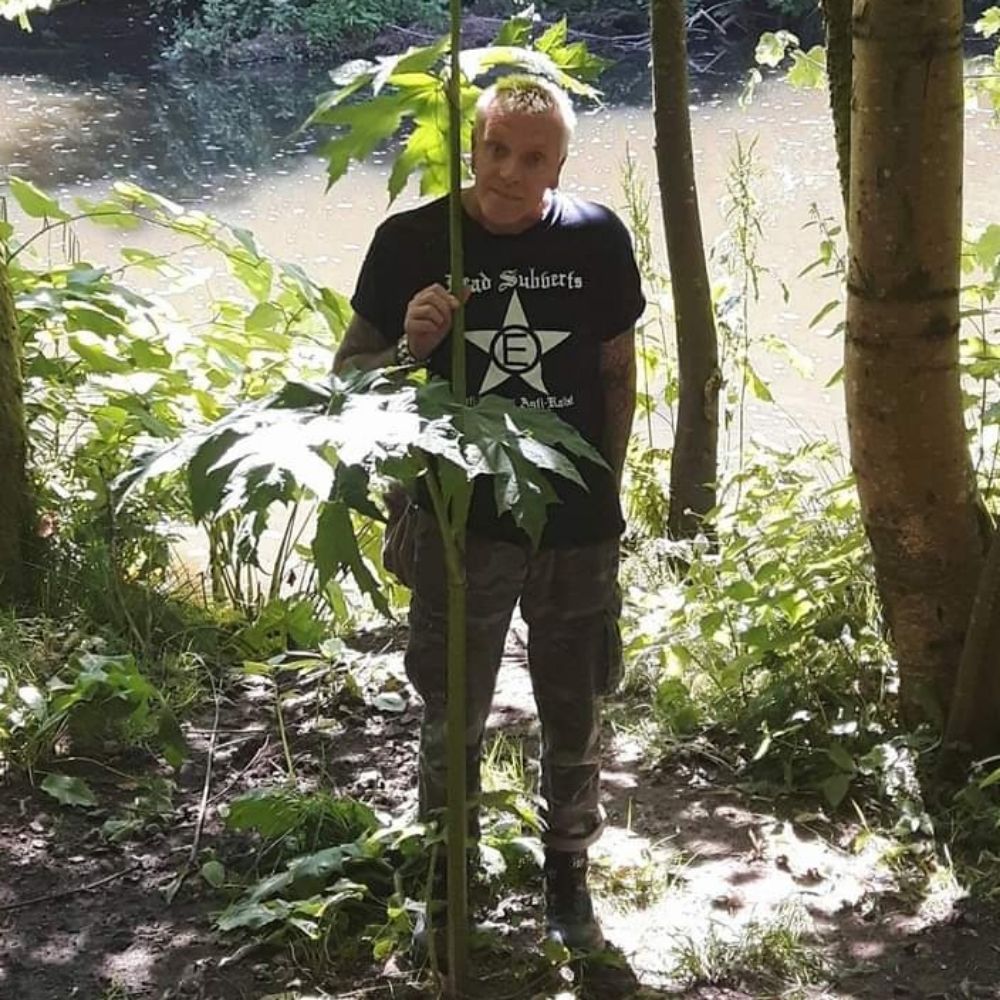
Zygiella sp (probably x-notata) quite a large female found on one of the supports of Stockingfield Bridge, F&C Canal.
#spiders
Zygiella sp (probably x-notata) quite a large female found on one of the supports of Stockingfield Bridge, F&C Canal.
#spiders

January 13, 2026 at 3:01 PM
Tuesday 13th Jan
Zygiella sp (probably x-notata) quite a large female found on one of the supports of Stockingfield Bridge, F&C Canal.
#spiders
Zygiella sp (probably x-notata) quite a large female found on one of the supports of Stockingfield Bridge, F&C Canal.
#spiders
Reposted by Dezene Huber 🍁 🌻

The Michigan Department of Agriculture and Rural Development is proposing a state-wide ban on out-of-state firewood to help slow the spread of invasive pests and plant diseases.
Read more: www.mlive.com/environment/...
#DontMoveFirewood #InvasiveSpecies #Entomology 🧪🌍🍁
Read more: www.mlive.com/environment/...
#DontMoveFirewood #InvasiveSpecies #Entomology 🧪🌍🍁

Michigan proposes ban on out-of-state firewood to combat invasive pests
Public comments accepted through Feb. 9 on measure that would require heat treatment for imported campfire logs while exempting processed wood products.
www.mlive.com
January 13, 2026 at 4:25 PM
The Michigan Department of Agriculture and Rural Development is proposing a state-wide ban on out-of-state firewood to help slow the spread of invasive pests and plant diseases.
Read more: www.mlive.com/environment/...
#DontMoveFirewood #InvasiveSpecies #Entomology 🧪🌍🍁
Read more: www.mlive.com/environment/...
#DontMoveFirewood #InvasiveSpecies #Entomology 🧪🌍🍁
Reposted by Dezene Huber 🍁 🌻

In these turbulent times, there is beauty to appreciate. Yesterday in Death Valley, at -190 feet sea level, a few monarch butterflies chased each other around, pausing on a branch to rest in the sunny crisp desert air. My Nikon D-3300 was ready.
#nature
#naturephotography
#butterflies
#photography
#nature
#naturephotography
#butterflies
#photography


January 13, 2026 at 4:49 PM
In these turbulent times, there is beauty to appreciate. Yesterday in Death Valley, at -190 feet sea level, a few monarch butterflies chased each other around, pausing on a branch to rest in the sunny crisp desert air. My Nikon D-3300 was ready.
#nature
#naturephotography
#butterflies
#photography
#nature
#naturephotography
#butterflies
#photography
Growing up in Calgary, my home river was (and remains in my heart) the Bow, which also has other names:
Ijathibe Wapta (Stoney Nakoda) meaning “a place where people made bows out of Saskatoon saplings.”
Makhabn (Blackfoot) meaning “river where the bow reeds grow.”
banff.ca/indigenouspe...
Ijathibe Wapta (Stoney Nakoda) meaning “a place where people made bows out of Saskatoon saplings.”
Makhabn (Blackfoot) meaning “river where the bow reeds grow.”
banff.ca/indigenouspe...
My favorite Twitter prompt was "RT this with your home river," so reskeet this with your home river.
Mine is the Patuxent.
Mine is the Patuxent.
January 12, 2026 at 8:27 PM
Growing up in Calgary, my home river was (and remains in my heart) the Bow, which also has other names:
Ijathibe Wapta (Stoney Nakoda) meaning “a place where people made bows out of Saskatoon saplings.”
Makhabn (Blackfoot) meaning “river where the bow reeds grow.”
banff.ca/indigenouspe...
Ijathibe Wapta (Stoney Nakoda) meaning “a place where people made bows out of Saskatoon saplings.”
Makhabn (Blackfoot) meaning “river where the bow reeds grow.”
banff.ca/indigenouspe...
Reposted by Dezene Huber 🍁 🌻

For years, Jim Elzinga and Roger Vernon have gone to the Columbia Icefield to photograph glaciers before they disappear. @amberbracken.bsky.social alongside reporter Sara King-Abadi rappelled deep into the ice to capture their work for this beautiful photo essay. thenarwhal.ca/photos-melti...

In photos: the melting glaciers of the Canadian Rockies | The Narwhal
Photographers Jim Elzinga and Roger Vernon venture into the melting glaciers of the Columbia Icefield to capture its vanishing beauty
thenarwhal.ca
January 12, 2026 at 5:49 PM
For years, Jim Elzinga and Roger Vernon have gone to the Columbia Icefield to photograph glaciers before they disappear. @amberbracken.bsky.social alongside reporter Sara King-Abadi rappelled deep into the ice to capture their work for this beautiful photo essay. thenarwhal.ca/photos-melti...
Reposted by Dezene Huber 🍁 🌻
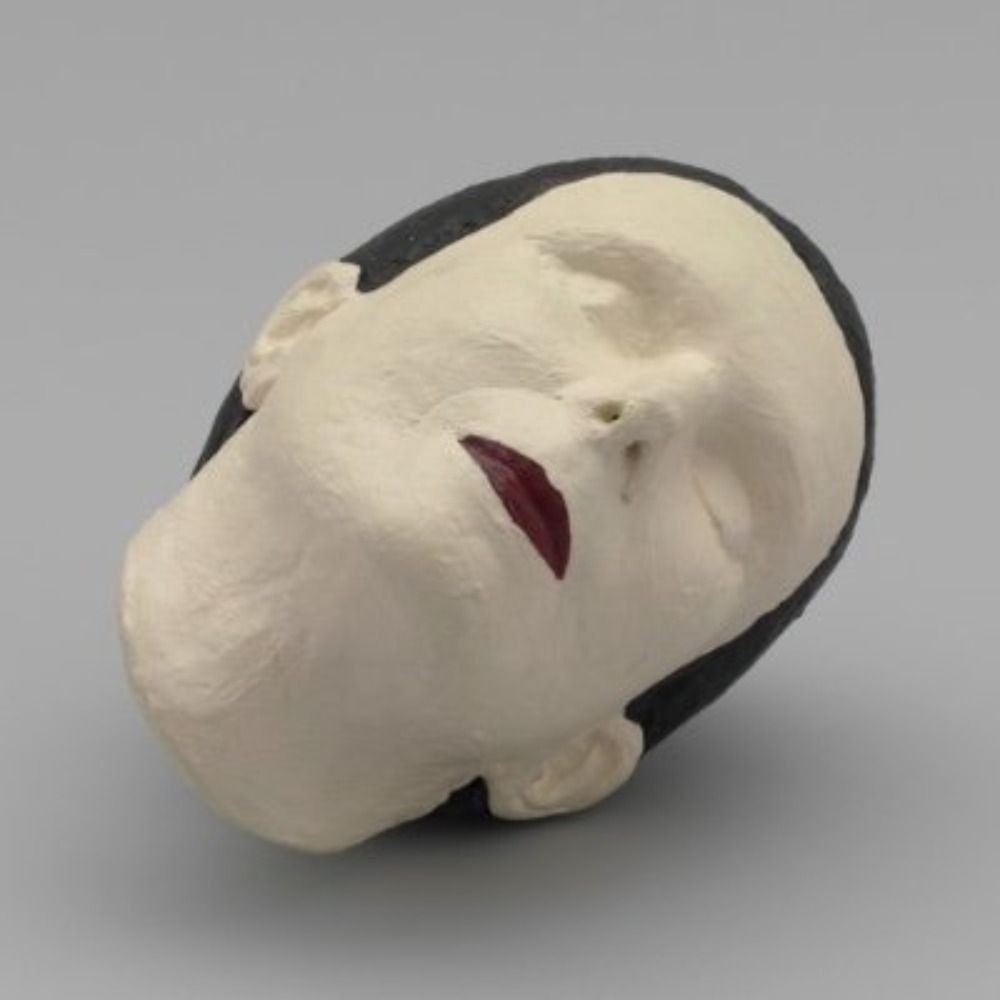
Richard Artschwager, The Organ of Cause & Effect, 1981
https://botfrens.com/collections/14377/contents/1134977
https://botfrens.com/collections/14377/contents/1134977

January 12, 2026 at 5:20 AM
Richard Artschwager, The Organ of Cause & Effect, 1981
https://botfrens.com/collections/14377/contents/1134977
https://botfrens.com/collections/14377/contents/1134977
One more…
3. Go into your “Privacy and safety” settings and set as much as you can to prioritize privacy. In particular, turn off all the Grok permissions.
3. Go into your “Privacy and safety” settings and set as much as you can to prioritize privacy. In particular, turn off all the Grok permissions.

January 10, 2026 at 7:49 PM
One more…
3. Go into your “Privacy and safety” settings and set as much as you can to prioritize privacy. In particular, turn off all the Grok permissions.
3. Go into your “Privacy and safety” settings and set as much as you can to prioritize privacy. In particular, turn off all the Grok permissions.
This. I’m probably mainly preaching to the choir here, but for those of you who spend time at each site, please stop.
No matter your follower (or “follower”) count there, it’s not worth it.
Two quick tips (short 🧵):
No matter your follower (or “follower”) count there, it’s not worth it.
Two quick tips (short 🧵):
My message to my friends still on X: You think it gives you a voice. But you are being used. You are being used to lend validity to a site designed in every way to amplify the voices of the most despicable people out there.
January 10, 2026 at 5:51 PM
This. I’m probably mainly preaching to the choir here, but for those of you who spend time at each site, please stop.
No matter your follower (or “follower”) count there, it’s not worth it.
Two quick tips (short 🧵):
No matter your follower (or “follower”) count there, it’s not worth it.
Two quick tips (short 🧵):
This is really cool. Researchers used sound to ID several species of marine fish off the coast of BC.
This means that we might be able to use similar techniques for monitoring fish populations and communities, without needing to capture fish in the process. 🐠🐟🐡
🌎🧪
This means that we might be able to use similar techniques for monitoring fish populations and communities, without needing to capture fish in the process. 🐠🐟🐡
🌎🧪

Knock, knock, who's there? B.C. biologists identify unique sounds of 8 fish species

Knock, knock, who's there? B.C. biologists identify unique sounds of 8 fish species
There are grunts and growls, knocks and croaks — but the wild sounds detected by a team of British Columbia researchers don't belong to any of the province's famous forest creatures.
The noises are made by fish off coastal B.C.
dlvr.it
January 9, 2026 at 11:21 PM
This is really cool. Researchers used sound to ID several species of marine fish off the coast of BC.
This means that we might be able to use similar techniques for monitoring fish populations and communities, without needing to capture fish in the process. 🐠🐟🐡
🌎🧪
This means that we might be able to use similar techniques for monitoring fish populations and communities, without needing to capture fish in the process. 🐠🐟🐡
🌎🧪
The photography here is **amazing**. 🌼🐝
🪲🪳
🪲🪳
For nearly two decades, photojournalist Tim Smith has documented the people in western Manitoba’s communities. Recently, he tried something different. He spent a summer photographing bees, beautifully capturing the lives of these industrious little creatures. thenarwhal.ca/manitoba-bee...

Life with the bees | The Narwhal
A Manitoba photojournalist reflects on an unusual project: a summer spent taking portraits of bees
thenarwhal.ca
January 9, 2026 at 6:16 PM
The photography here is **amazing**. 🌼🐝
🪲🪳
🪲🪳
Reposted by Dezene Huber 🍁 🌻
The Trump Administration's announced withdraw from the IPCC is disappointing, but not surprising. US scientists will continue to play key roles in the @ipcc.bsky.social. A statement from the US Academic Alliance for the IPCC:


January 8, 2026 at 8:08 PM
The Trump Administration's announced withdraw from the IPCC is disappointing, but not surprising. US scientists will continue to play key roles in the @ipcc.bsky.social. A statement from the US Academic Alliance for the IPCC:
Reposted by Dezene Huber 🍁 🌻

After the US admin cancelled the $B Climate + Weather Disaster dataset, @climatecentral.org hired the scientists who ran it and set it back up.
Now the 2025 numbers are in: it's 3rd highest year on record and highest year w/o land-falling hurricanes.
More: www.climatecentral.org/climate-serv...
Now the 2025 numbers are in: it's 3rd highest year on record and highest year w/o land-falling hurricanes.
More: www.climatecentral.org/climate-serv...

January 8, 2026 at 5:33 PM
After the US admin cancelled the $B Climate + Weather Disaster dataset, @climatecentral.org hired the scientists who ran it and set it back up.
Now the 2025 numbers are in: it's 3rd highest year on record and highest year w/o land-falling hurricanes.
More: www.climatecentral.org/climate-serv...
Now the 2025 numbers are in: it's 3rd highest year on record and highest year w/o land-falling hurricanes.
More: www.climatecentral.org/climate-serv...
Some tropical spiders precisely arrange debris in their webs to mimic a much larger spider, possibly to deter predators (e.g. damselflies).
Have a look at the amazing images here (open access): onlinelibrary.wiley.com/doi/10.1002/...
And the video abstract here: youtu.be/GDySHFRXbCE
🕷️🪳🪲🧪
Have a look at the amazing images here (open access): onlinelibrary.wiley.com/doi/10.1002/...
And the video abstract here: youtu.be/GDySHFRXbCE
🕷️🪳🪲🧪

Cyclosa Menge, 1866 (Araneidae) Orb‐Weavers Build Stabilimenta That Resemble Larger Spiders
The orb-weaving spider Cyclosa longicauda from Peru constructs unique stabilimenta from detritus and silk that visually resemble a larger spider. This previously undescribed behavior likely functions...
onlinelibrary.wiley.com
January 8, 2026 at 6:01 PM
Some tropical spiders precisely arrange debris in their webs to mimic a much larger spider, possibly to deter predators (e.g. damselflies).
Have a look at the amazing images here (open access): onlinelibrary.wiley.com/doi/10.1002/...
And the video abstract here: youtu.be/GDySHFRXbCE
🕷️🪳🪲🧪
Have a look at the amazing images here (open access): onlinelibrary.wiley.com/doi/10.1002/...
And the video abstract here: youtu.be/GDySHFRXbCE
🕷️🪳🪲🧪
If you happen to be looking for entomological gin, the Royal Entomological Society may have a deal for you:
www.brandsuntapped.com/from-insect-...
🪲🪳
www.brandsuntapped.com/from-insect-...
🪲🪳

From insect-friendly lighting to botanical booze: Royal Entomological Society discusses brand plans - Brands Untapped
We dig into brand plans with Nikki Beckett, MD at The Snowball Effect and the Royal Entomological Society's Anne Weinhold, Head of Development and Projects, and Francisca Sconce, Senior Outreach and L...
www.brandsuntapped.com
January 8, 2026 at 5:50 PM
If you happen to be looking for entomological gin, the Royal Entomological Society may have a deal for you:
www.brandsuntapped.com/from-insect-...
🪲🪳
www.brandsuntapped.com/from-insect-...
🪲🪳
Reposted by Dezene Huber 🍁 🌻

Kitkatla Winter
Roy Henry Vickers ~ Haida, Heiltsuk, Tsimshian
1993
Roy Henry Vickers ~ Haida, Heiltsuk, Tsimshian
1993

January 8, 2026 at 12:00 AM
Kitkatla Winter
Roy Henry Vickers ~ Haida, Heiltsuk, Tsimshian
1993
Roy Henry Vickers ~ Haida, Heiltsuk, Tsimshian
1993
Reminds me that I'm due for a sabbatical. I'd love to spend some time in 🇺🇸 with great colleagues there. But I can confidently say that there's no way in 🔥👹🔥 that I'd do that at this point. So it'll likely be 🇨🇦 or 🇪🇺.
(Aside: For reasons, my previous sabbatical was a "stay-batical." Not a good idea.)
(Aside: For reasons, my previous sabbatical was a "stay-batical." Not a good idea.)

I have sabbatical starting July 2026!
I was planning to visit Cornell to work on various labour law projects, but you know, Trump. So no USA.
Instead, I’ll be a Visiting Professor at Oxford and the London School of Economics during the year instead!
So that turned out pretty excellent!
I was planning to visit Cornell to work on various labour law projects, but you know, Trump. So no USA.
Instead, I’ll be a Visiting Professor at Oxford and the London School of Economics during the year instead!
So that turned out pretty excellent!
January 8, 2026 at 12:09 AM
Reminds me that I'm due for a sabbatical. I'd love to spend some time in 🇺🇸 with great colleagues there. But I can confidently say that there's no way in 🔥👹🔥 that I'd do that at this point. So it'll likely be 🇨🇦 or 🇪🇺.
(Aside: For reasons, my previous sabbatical was a "stay-batical." Not a good idea.)
(Aside: For reasons, my previous sabbatical was a "stay-batical." Not a good idea.)
A virus is transmitted to rice by an insect herbivore. Often a plant will use a chemical signal to call parasitoid wasps to come and kill herbivores. But in this case, the virus shuts down the biochemical pathway so the plant can't signal to its friends. 🤯
www.science.org/doi/10.1126/...
🪲🪳🧪
www.science.org/doi/10.1126/...
🪲🪳🧪

Arboviruses manipulate rice’s volatile emissions, protecting insect vectors from natural enemies in the field
Rice viruses modify plant volatiles to protect insect vectors from natural enemies.
www.science.org
January 7, 2026 at 9:14 PM
A virus is transmitted to rice by an insect herbivore. Often a plant will use a chemical signal to call parasitoid wasps to come and kill herbivores. But in this case, the virus shuts down the biochemical pathway so the plant can't signal to its friends. 🤯
www.science.org/doi/10.1126/...
🪲🪳🧪
www.science.org/doi/10.1126/...
🪲🪳🧪
Reposted by Dezene Huber 🍁 🌻

Okuhara Seiko was a Literati artist in Japan during the late 19th century.
Literati art focuses on expressive ink paintings with an emphasis on personal feelings and themes of literature and nature #WomensArt
Literati art focuses on expressive ink paintings with an emphasis on personal feelings and themes of literature and nature #WomensArt

January 7, 2026 at 7:38 AM
Okuhara Seiko was a Literati artist in Japan during the late 19th century.
Literati art focuses on expressive ink paintings with an emphasis on personal feelings and themes of literature and nature #WomensArt
Literati art focuses on expressive ink paintings with an emphasis on personal feelings and themes of literature and nature #WomensArt
Reposted by Dezene Huber 🍁 🌻
In this week’s Talking Climate, I unpack why recent cuts to scientific programs and data don’t only affect climate research in the U.S. They weaken the knowledge infrastructure we rely on to protect public health, manage risk, and make good decisions around the world.
www.patreon.com/posts/how-si...
www.patreon.com/posts/how-si...

How silencing science harms us | Talking Climate with Katharine Hayhoe
Get more from Talking Climate with Katharine Hayhoe on Patreon
www.patreon.com
January 6, 2026 at 8:56 PM
In this week’s Talking Climate, I unpack why recent cuts to scientific programs and data don’t only affect climate research in the U.S. They weaken the knowledge infrastructure we rely on to protect public health, manage risk, and make good decisions around the world.
www.patreon.com/posts/how-si...
www.patreon.com/posts/how-si...
Reposted by Dezene Huber 🍁 🌻
Unhook ourselves from oil and gas and we unhook ourselves from dependency on dictators, autocrats and expansionist regimes all over the planet.
Renewables and other low-carbon energy sources are not just good climate sense. They are also good political sense.
Renewables and other low-carbon energy sources are not just good climate sense. They are also good political sense.
January 6, 2026 at 5:04 PM
Unhook ourselves from oil and gas and we unhook ourselves from dependency on dictators, autocrats and expansionist regimes all over the planet.
Renewables and other low-carbon energy sources are not just good climate sense. They are also good political sense.
Renewables and other low-carbon energy sources are not just good climate sense. They are also good political sense.
This is pretty 😮 (yes, pun intended): ticks found embedded in an electric eel.
(Also, this once again highlights the importance of long-term, well-curated, and well-researched biological collections.)
entomologytoday.org/2025/12/03/t...
🪳🪲🌎🧪
(Also, this once again highlights the importance of long-term, well-curated, and well-researched biological collections.)
entomologytoday.org/2025/12/03/t...
🪳🪲🌎🧪

Ticks on an Eel: Museum Specimen is a First of its Kind
Two ticks found on an 1873 electric eel specimen mark the first recorded case of ticks parasitizing a fish—but only documented just this year.
entomologytoday.org
January 6, 2026 at 12:16 AM
This is pretty 😮 (yes, pun intended): ticks found embedded in an electric eel.
(Also, this once again highlights the importance of long-term, well-curated, and well-researched biological collections.)
entomologytoday.org/2025/12/03/t...
🪳🪲🌎🧪
(Also, this once again highlights the importance of long-term, well-curated, and well-researched biological collections.)
entomologytoday.org/2025/12/03/t...
🪳🪲🌎🧪
Peru 🇵🇪 has given legal rights to 175 native bee 🐝 species:
"...stingless bees now have the fundamental right to exist and flourish in a healthy environment, without pollution, habitat loss, climate change, human activity or other threats..."
🪲🪳🌎
www.smithsonianmag.com/smart-news/h...
"...stingless bees now have the fundamental right to exist and flourish in a healthy environment, without pollution, habitat loss, climate change, human activity or other threats..."
🪲🪳🌎
www.smithsonianmag.com/smart-news/h...

Honey-Making Stingless Bees in the Peruvian Amazon Become the First Insects to Gain Legal Rights
Two local ordinances granted rights to at least 175 stingless bee species in Peru, which are culturally and spiritually significant to Indigenous peoples and help maintain a healthy rainforest ecosyst...
www.smithsonianmag.com
January 5, 2026 at 9:41 PM
Peru 🇵🇪 has given legal rights to 175 native bee 🐝 species:
"...stingless bees now have the fundamental right to exist and flourish in a healthy environment, without pollution, habitat loss, climate change, human activity or other threats..."
🪲🪳🌎
www.smithsonianmag.com/smart-news/h...
"...stingless bees now have the fundamental right to exist and flourish in a healthy environment, without pollution, habitat loss, climate change, human activity or other threats..."
🪲🪳🌎
www.smithsonianmag.com/smart-news/h...
Reposted by Dezene Huber 🍁 🌻

Dag 5 in de #vlindermaand van @erikdepay.bsky.social is voor het icarusblauwtje. Een vlinder van bloemrijke graslanden, die ook in goed beheerde wegbermen prima leefgebied vindt.

January 5, 2026 at 6:41 AM
Dag 5 in de #vlindermaand van @erikdepay.bsky.social is voor het icarusblauwtje. Een vlinder van bloemrijke graslanden, die ook in goed beheerde wegbermen prima leefgebied vindt.