




Jorge Sastre Domínguez
@jorgesastred.bsky.social
PhD student in the Plasmid Biology and Evolution (PBE) and Evolution of Microbes and Mobile Genetic Elements labs.
Bioinformatics 💻 Evolutionary Biology 🦠 Antimicrobial resistance 💊
📍CNB - CSIC
Bioinformatics 💻 Evolutionary Biology 🦠 Antimicrobial resistance 💊
📍CNB - CSIC
Reposted by Jorge Sastre Domínguez

Hey y’all,
New paper out from the lab in Microbial Genomics, starting down the rabbit hole of IS elements in Paeudomonas syringae
www.microbiologyresearch.org/content/jour...
New paper out from the lab in Microbial Genomics, starting down the rabbit hole of IS elements in Paeudomonas syringae
www.microbiologyresearch.org/content/jour...

Independent, ongoing clade-specific expansions of IS5 elements in Pseudomonas syringae
Insertion sequence (IS) elements are transposable regions of DNA present in a majority of bacterial genomes. It is hypothesized that differences in distributions of IS elements across bacterial strain...
www.microbiologyresearch.org
February 3, 2026 at 8:24 PM
Hey y’all,
New paper out from the lab in Microbial Genomics, starting down the rabbit hole of IS elements in Paeudomonas syringae
www.microbiologyresearch.org/content/jour...
New paper out from the lab in Microbial Genomics, starting down the rabbit hole of IS elements in Paeudomonas syringae
www.microbiologyresearch.org/content/jour...
Reposted by Jorge Sastre Domínguez

Our new paper on Insertion Sequences (IS) in #Klebsiella
- Lineages have vastly different IS loads and profiles
- An inverse relationship between IS load and metabolic capacity, in particular phosphorus use, consistent with early reductive evolution.
www.microbiologyresearch.org/content/jour...
- Lineages have vastly different IS loads and profiles
- An inverse relationship between IS load and metabolic capacity, in particular phosphorus use, consistent with early reductive evolution.
www.microbiologyresearch.org/content/jour...

Exploring the IS-capades of Klebsiella pneumoniae: insertion sequences drive metabolic loss in obscure sub-lineages
Introduction. Klebsiella pneumoniae is an opportunistic pathogen that causes a wide spectrum of infections within healthcare settings and the community. Four K. pneumoniae sub-lineages, defined using ...
www.microbiologyresearch.org
January 22, 2026 at 7:52 PM
Our new paper on Insertion Sequences (IS) in #Klebsiella
- Lineages have vastly different IS loads and profiles
- An inverse relationship between IS load and metabolic capacity, in particular phosphorus use, consistent with early reductive evolution.
www.microbiologyresearch.org/content/jour...
- Lineages have vastly different IS loads and profiles
- An inverse relationship between IS load and metabolic capacity, in particular phosphorus use, consistent with early reductive evolution.
www.microbiologyresearch.org/content/jour...
Reposted by Jorge Sastre Domínguez

🧬New paper out! We report the first isolation of viable B. bacteriovorus predators from human gut microbiota. www.frontiersin.org/journals/mic.... Great work of Mario Romero @migueldiezfdz.bsky.social @josete600.bsky.social and @rosacampo.bsky.social

Frontiers | Genome assembly and functional predation analysis of novel Bdellovibrio isolates from human gut microbiota
IntroductionPredatory bacteria of the Bdellovibrio and like organisms (BALOs) have long been postulated as living antimicrobials, yet their occurrence and ec...
www.frontiersin.org
February 2, 2026 at 10:52 AM
🧬New paper out! We report the first isolation of viable B. bacteriovorus predators from human gut microbiota. www.frontiersin.org/journals/mic.... Great work of Mario Romero @migueldiezfdz.bsky.social @josete600.bsky.social and @rosacampo.bsky.social
Reposted by Jorge Sastre Domínguez

New paper out in @pnas.org, and it made the cover! 👁️
We represent plasmids as circles and mutations as dots, resembling an eye, because in this paper we literally 𝑤𝑎𝑡𝑐ℎ plasmids evolve.
‼️Check Paula’s 🧵 and the paper👇
𝗣𝗹𝗮𝘀𝗺𝗶𝗱 𝗺𝘂𝘁𝗮𝘁𝗶𝗼𝗻 𝗿𝗮𝘁𝗲𝘀 𝘀𝗰𝗮𝗹𝗲 𝘄𝗶𝘁𝗵 𝗰𝗼𝗽𝘆 𝗻𝘂𝗺𝗯𝗲𝗿
www.pnas.org/doi/10.1073/...
We represent plasmids as circles and mutations as dots, resembling an eye, because in this paper we literally 𝑤𝑎𝑡𝑐ℎ plasmids evolve.
‼️Check Paula’s 🧵 and the paper👇
𝗣𝗹𝗮𝘀𝗺𝗶𝗱 𝗺𝘂𝘁𝗮𝘁𝗶𝗼𝗻 𝗿𝗮𝘁𝗲𝘀 𝘀𝗰𝗮𝗹𝗲 𝘄𝗶𝘁𝗵 𝗰𝗼𝗽𝘆 𝗻𝘂𝗺𝗯𝗲𝗿
www.pnas.org/doi/10.1073/...

January 27, 2026 at 8:23 PM
New paper out in @pnas.org, and it made the cover! 👁️
We represent plasmids as circles and mutations as dots, resembling an eye, because in this paper we literally 𝑤𝑎𝑡𝑐ℎ plasmids evolve.
‼️Check Paula’s 🧵 and the paper👇
𝗣𝗹𝗮𝘀𝗺𝗶𝗱 𝗺𝘂𝘁𝗮𝘁𝗶𝗼𝗻 𝗿𝗮𝘁𝗲𝘀 𝘀𝗰𝗮𝗹𝗲 𝘄𝗶𝘁𝗵 𝗰𝗼𝗽𝘆 𝗻𝘂𝗺𝗯𝗲𝗿
www.pnas.org/doi/10.1073/...
We represent plasmids as circles and mutations as dots, resembling an eye, because in this paper we literally 𝑤𝑎𝑡𝑐ℎ plasmids evolve.
‼️Check Paula’s 🧵 and the paper👇
𝗣𝗹𝗮𝘀𝗺𝗶𝗱 𝗺𝘂𝘁𝗮𝘁𝗶𝗼𝗻 𝗿𝗮𝘁𝗲𝘀 𝘀𝗰𝗮𝗹𝗲 𝘄𝗶𝘁𝗵 𝗰𝗼𝗽𝘆 𝗻𝘂𝗺𝗯𝗲𝗿
www.pnas.org/doi/10.1073/...
Reposted by Jorge Sastre Domínguez

Bacteriophages mobilize bacterial defense systems via lateral transduction
#phage #virus #microecoevo
www.science.org/doi/10.1126/...
#phage #virus #microecoevo
www.science.org/doi/10.1126/...

Bacteriophages mobilize bacterial defense systems via lateral transduction
Bacteriophages and PICIs spread bacterial defenses via lateral transduction, shaping microbial immunity and pathogen evolution.
www.science.org
January 25, 2026 at 3:55 PM
Bacteriophages mobilize bacterial defense systems via lateral transduction
#phage #virus #microecoevo
www.science.org/doi/10.1126/...
#phage #virus #microecoevo
www.science.org/doi/10.1126/...
Reposted by Jorge Sastre Domínguez

Big week: welcomed a new baby boy Harris Lopatkin, AND our PlasAnn paper is finally out: academic.oup.com/nar/article/... (obviously the first more important than the second 🥰). Currently on leave but if anyone has the need to annotate large plasmids, go check it out!

PlasAnn: a curated plasmid-specific database and annotation pipeline for standardized gene and function analysis
Abstract. Conjugative plasmids are key drivers of bacterial adaptation, enabling the horizontal transfer of accessory genes within and across diverse micro
academic.oup.com
January 27, 2026 at 4:59 PM
Big week: welcomed a new baby boy Harris Lopatkin, AND our PlasAnn paper is finally out: academic.oup.com/nar/article/... (obviously the first more important than the second 🥰). Currently on leave but if anyone has the need to annotate large plasmids, go check it out!
Reposted by Jorge Sastre Domínguez
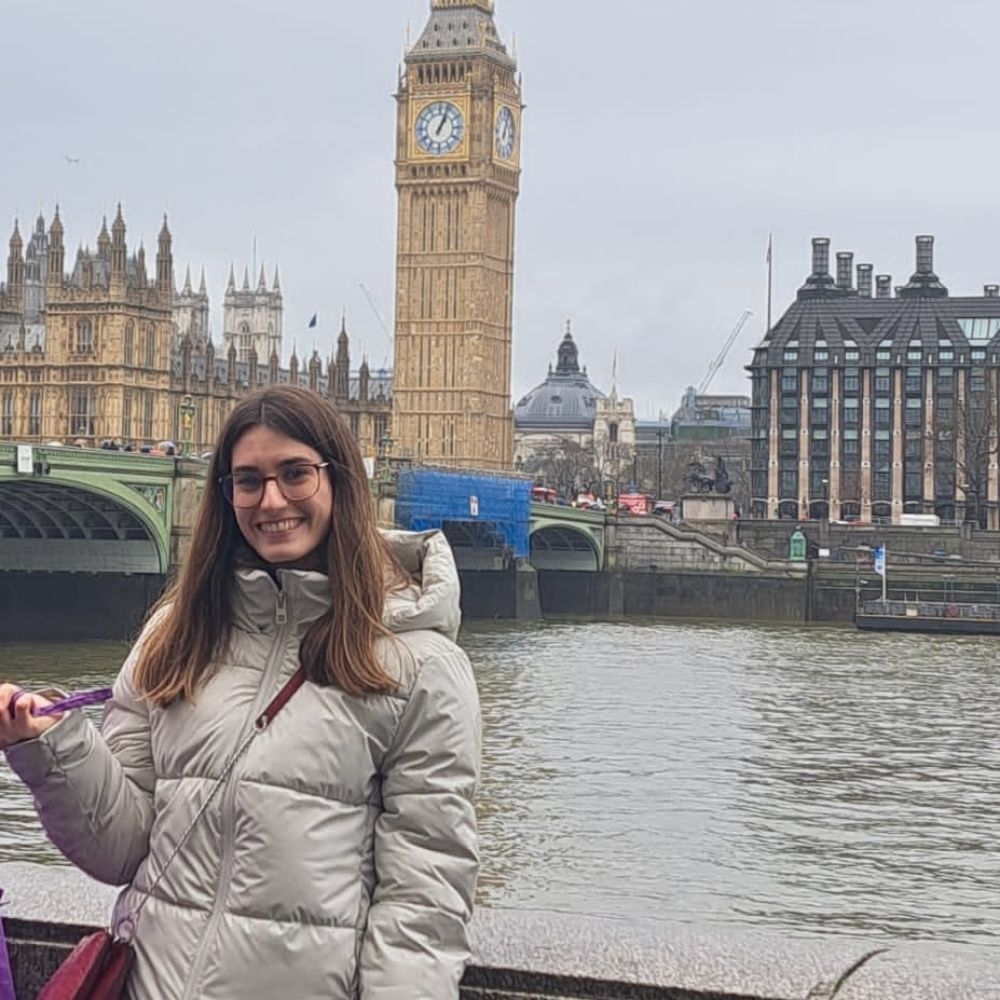
New paper out in PNAS!!! 🎉
Do more plasmid copies mean faster evolution?
🧵 Dive into the story
www.pnas.org/doi/10.1073/...
Do more plasmid copies mean faster evolution?
🧵 Dive into the story
www.pnas.org/doi/10.1073/...

Plasmid mutation rates scale with copy number | PNAS
Plasmids are extrachromosomal DNA molecules that spread by horizontal transfer and
shape bacterial evolution. Plasmids are typically present at mul...
www.pnas.org
January 27, 2026 at 12:02 PM
New paper out in PNAS!!! 🎉
Do more plasmid copies mean faster evolution?
🧵 Dive into the story
www.pnas.org/doi/10.1073/...
Do more plasmid copies mean faster evolution?
🧵 Dive into the story
www.pnas.org/doi/10.1073/...
Reposted by Jorge Sastre Domínguez
New paper out!📢 Exploring the computing power of microbes that shapes the environment.
In this short review we talk about the "complexity gap", the distance between bottom-up genetic circuits and microbial information processes. Key questions to improve #biocomputation.
🔗 doi.org/10.1016/j.mi...
In this short review we talk about the "complexity gap", the distance between bottom-up genetic circuits and microbial information processes. Key questions to improve #biocomputation.
🔗 doi.org/10.1016/j.mi...

January 8, 2026 at 10:24 AM
New paper out!📢 Exploring the computing power of microbes that shapes the environment.
In this short review we talk about the "complexity gap", the distance between bottom-up genetic circuits and microbial information processes. Key questions to improve #biocomputation.
🔗 doi.org/10.1016/j.mi...
In this short review we talk about the "complexity gap", the distance between bottom-up genetic circuits and microbial information processes. Key questions to improve #biocomputation.
🔗 doi.org/10.1016/j.mi...
Reposted by Jorge Sastre Domínguez

Last week, we hosted the XXXIII CNB Scientific Workshop.
We are delighted to announce this year’s award winners:
🏆 Best Postdoctoral Talk: Alicia Calvo-Villamañán
🏆 Best PhD Talk: Silvia López Borrego
🏆 Best Poster: Jorge Sastre Domínguez
Congratulations to all!
#CNB_CSIC
We are delighted to announce this year’s award winners:
🏆 Best Postdoctoral Talk: Alicia Calvo-Villamañán
🏆 Best PhD Talk: Silvia López Borrego
🏆 Best Poster: Jorge Sastre Domínguez
Congratulations to all!
#CNB_CSIC

December 22, 2025 at 11:26 AM
Last week, we hosted the XXXIII CNB Scientific Workshop.
We are delighted to announce this year’s award winners:
🏆 Best Postdoctoral Talk: Alicia Calvo-Villamañán
🏆 Best PhD Talk: Silvia López Borrego
🏆 Best Poster: Jorge Sastre Domínguez
Congratulations to all!
#CNB_CSIC
We are delighted to announce this year’s award winners:
🏆 Best Postdoctoral Talk: Alicia Calvo-Villamañán
🏆 Best PhD Talk: Silvia López Borrego
🏆 Best Poster: Jorge Sastre Domínguez
Congratulations to all!
#CNB_CSIC
Reposted by Jorge Sastre Domínguez

Preprint alert📢!
Ever wondered how much bacterial parasites influence evolutionary outcomes of their host?
➡️ We co-evolved two bacterial strains in conditions in which the costs and benefits of prophage carriage varied
Here is what we found. www.biorxiv.org/content/10.6...
#MicroSky #PhageSky
🧵
➡️ We co-evolved two bacterial strains in conditions in which the costs and benefits of prophage carriage varied
Here is what we found. www.biorxiv.org/content/10.6...
#MicroSky #PhageSky
🧵

Environment-dependent evolution drives divergent adaptive strategies and parasite dynamics in a minimal community
Prophages, phage genomes integrated into bacterial chromosomes, are widespread, yet, the extent to which these resident parasites contribute to host fitness and shape evolutionary trajectories, partic...
www.biorxiv.org
December 18, 2025 at 2:11 PM
Preprint alert📢!
Ever wondered how much bacterial parasites influence evolutionary outcomes of their host?
➡️ We co-evolved two bacterial strains in conditions in which the costs and benefits of prophage carriage varied
Here is what we found. www.biorxiv.org/content/10.6...
#MicroSky #PhageSky
🧵
➡️ We co-evolved two bacterial strains in conditions in which the costs and benefits of prophage carriage varied
Here is what we found. www.biorxiv.org/content/10.6...
#MicroSky #PhageSky
🧵
Reposted by Jorge Sastre Domínguez

Behavioural ecology in the 21st century..... www.nature.com/articles/s41... @asgriffin.bsky.social

Behavioural ecology in the twenty-first century - Nature Ecology & Evolution
This Perspective discusses how the field of behavioural ecology has contributed to fundamental science and tackling global challenges, ranging from understanding how natural selection leads to adaptat...
www.nature.com
November 25, 2025 at 11:15 AM
Behavioural ecology in the 21st century..... www.nature.com/articles/s41... @asgriffin.bsky.social
Reposted by Jorge Sastre Domínguez

What is the best strategy to win any contest?
Eliminate your opponents of course.
Recently, my friend @fernpizza.bsky.social showed how plasmids compete intracellularly (check out his paper published in Science today!). With @baym.lol, we now know they can fight.
www.biorxiv.org/content/10.1...
Eliminate your opponents of course.
Recently, my friend @fernpizza.bsky.social showed how plasmids compete intracellularly (check out his paper published in Science today!). With @baym.lol, we now know they can fight.
www.biorxiv.org/content/10.1...

November 20, 2025 at 10:12 PM
What is the best strategy to win any contest?
Eliminate your opponents of course.
Recently, my friend @fernpizza.bsky.social showed how plasmids compete intracellularly (check out his paper published in Science today!). With @baym.lol, we now know they can fight.
www.biorxiv.org/content/10.1...
Eliminate your opponents of course.
Recently, my friend @fernpizza.bsky.social showed how plasmids compete intracellularly (check out his paper published in Science today!). With @baym.lol, we now know they can fight.
www.biorxiv.org/content/10.1...
Reposted by Jorge Sastre Domínguez

🚨 Excited to share our new paper is out! 🎉
We show how interactions within gut microbiomes allow certain antibiotic-resistant E. coli strains to persist even without antibiotics, helping explain how resistance is maintained in the human gut.
Now published in @natcomms.nature.com rdcu.be/eOf63
We show how interactions within gut microbiomes allow certain antibiotic-resistant E. coli strains to persist even without antibiotics, helping explain how resistance is maintained in the human gut.
Now published in @natcomms.nature.com rdcu.be/eOf63

Multi-layered ecological interactions determine growth of clinical antibiotic-resistant strains within human microbiomes
Nature Communications - The role of ecological factors in modulating the spread of antibiotic-resistance bacteria in the gut remains unclear. Here, the authors use anaerobic microcosms to study the...
rdcu.be
November 7, 2025 at 9:15 AM
🚨 Excited to share our new paper is out! 🎉
We show how interactions within gut microbiomes allow certain antibiotic-resistant E. coli strains to persist even without antibiotics, helping explain how resistance is maintained in the human gut.
Now published in @natcomms.nature.com rdcu.be/eOf63
We show how interactions within gut microbiomes allow certain antibiotic-resistant E. coli strains to persist even without antibiotics, helping explain how resistance is maintained in the human gut.
Now published in @natcomms.nature.com rdcu.be/eOf63
Reposted by Jorge Sastre Domínguez

So happy to share this! Bacteriocins were first discovered over 100 years ago, but what do they actually do? We look at >1000 bacteriocin plasmids and find links to virulence and antimicrobial resistance, and frequent bacteriocin sharing in Enterobacteriaceae.
www.nature.com/articles/s41...
www.nature.com/articles/s41...

Bacterial warfare is associated with virulence and antimicrobial resistance - Nature Communications
Bacteria employ a range of competition systems that deliver toxins to inhibit competing strains. This study shows that these systems are particularly important for the ecology of virulent and antibiot...
www.nature.com
November 5, 2025 at 7:32 AM
So happy to share this! Bacteriocins were first discovered over 100 years ago, but what do they actually do? We look at >1000 bacteriocin plasmids and find links to virulence and antimicrobial resistance, and frequent bacteriocin sharing in Enterobacteriaceae.
www.nature.com/articles/s41...
www.nature.com/articles/s41...
Reposted by Jorge Sastre Domínguez


Reposted by Jorge Sastre Domínguez
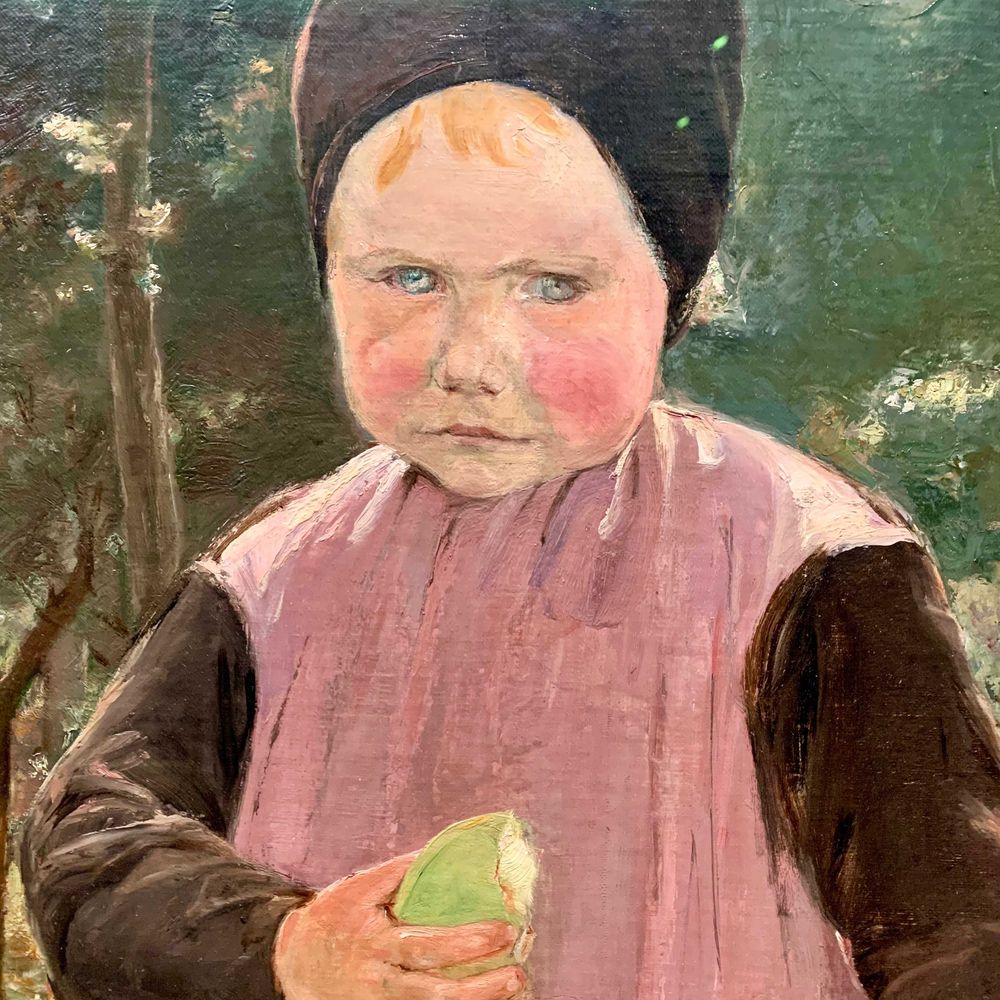
@prczhaoyansong.bsky.social’s deep dive into the dark matter of compost communities is now out 🎉 Genomic islands hijack jumbo phages—whose capsids enable transfer of large tracts of DNA—shedding new light on the scale & scope of phage-mediated gene flow 😎
www.pnas.org/doi/10.1073/...
www.pnas.org/doi/10.1073/...

Jumbo phage–mediated transduction of genomic islands | PNAS
Bacteria acquire new genes by horizontal gene transfer, typically mediated by mobile
genetic elements (MGEs). While plasmids, bacteriophages, and c...
www.pnas.org
October 28, 2025 at 6:36 PM
@prczhaoyansong.bsky.social’s deep dive into the dark matter of compost communities is now out 🎉 Genomic islands hijack jumbo phages—whose capsids enable transfer of large tracts of DNA—shedding new light on the scale & scope of phage-mediated gene flow 😎
www.pnas.org/doi/10.1073/...
www.pnas.org/doi/10.1073/...
Reposted by Jorge Sastre Domínguez

Do plasmids really move around that much? Well, maybe not always
Thrilled to have contributed to this story with two of my favourite microbiologists: @jrpenades.bsky.social & @sanmillan.bsky.social
This great work was led by Akshay Sabnis & @wfigueroac3.bsky.social
www.cell.com/cell-reports...
Thrilled to have contributed to this story with two of my favourite microbiologists: @jrpenades.bsky.social & @sanmillan.bsky.social
This great work was led by Akshay Sabnis & @wfigueroac3.bsky.social
www.cell.com/cell-reports...

Non-conjugative plasmids limit their mobility to persist in nature
Sabnis et al. explain why non-conjugative plasmids move at a low rate in nature. While
increased mobility can easily evolve by incorporating phage DNA into plasmids, this
is disadvantageous because it...
www.cell.com
October 22, 2025 at 5:47 PM
Do plasmids really move around that much? Well, maybe not always
Thrilled to have contributed to this story with two of my favourite microbiologists: @jrpenades.bsky.social & @sanmillan.bsky.social
This great work was led by Akshay Sabnis & @wfigueroac3.bsky.social
www.cell.com/cell-reports...
Thrilled to have contributed to this story with two of my favourite microbiologists: @jrpenades.bsky.social & @sanmillan.bsky.social
This great work was led by Akshay Sabnis & @wfigueroac3.bsky.social
www.cell.com/cell-reports...
Reposted by Jorge Sastre Domínguez
New paper with my (amazing) friend and mentor @jrpenades.bsky.social
Really looking forward to see what plasmid aficionados think of this one!!
With @asantoslopez.bsky.social @wfigueroac3.bsky.social Akshay Sabins and others
www.cell.com/cell-reports...
Really looking forward to see what plasmid aficionados think of this one!!
With @asantoslopez.bsky.social @wfigueroac3.bsky.social Akshay Sabins and others
www.cell.com/cell-reports...

Non-conjugative plasmids limit their mobility to persist in nature
Sabnis et al. explain why non-conjugative plasmids move at a low rate in nature. While
increased mobility can easily evolve by incorporating phage DNA into plasmids, this
is disadvantageous because it...
www.cell.com
October 22, 2025 at 1:12 PM
New paper with my (amazing) friend and mentor @jrpenades.bsky.social
Really looking forward to see what plasmid aficionados think of this one!!
With @asantoslopez.bsky.social @wfigueroac3.bsky.social Akshay Sabins and others
www.cell.com/cell-reports...
Really looking forward to see what plasmid aficionados think of this one!!
With @asantoslopez.bsky.social @wfigueroac3.bsky.social Akshay Sabins and others
www.cell.com/cell-reports...
Reposted by Jorge Sastre Domínguez
Our latest work reveals that arbitrium phages cross-communicate across species! These tiny viruses “listen” to signals from others, coordinating lysis-lysogeny decisions across species.
Original idea from @albertomarina.bsky.social and, as usual, he was right.
www.biorxiv.org/content/10.1...
Original idea from @albertomarina.bsky.social and, as usual, he was right.
www.biorxiv.org/content/10.1...

Phages communicate across species to shape microbial ecosystems
Arbitrium is a communication system that helps bacteriophages decide between lysis and lysogeny via secreted peptides. In arbitrium, the AimP peptide binds its cognate AimR receptor to repress aimX ex...
www.biorxiv.org
October 14, 2025 at 1:36 PM
Our latest work reveals that arbitrium phages cross-communicate across species! These tiny viruses “listen” to signals from others, coordinating lysis-lysogeny decisions across species.
Original idea from @albertomarina.bsky.social and, as usual, he was right.
www.biorxiv.org/content/10.1...
Original idea from @albertomarina.bsky.social and, as usual, he was right.
www.biorxiv.org/content/10.1...
Reposted by Jorge Sastre Domínguez
Can we exploit past phage infection events (prophages) to decipher the specificity of phage receptor-binding proteins such as depolymerases?🔎 Happy to share our recent work at @natcomms.nature.com 🔽 #microsky #phagesky
www.nature.com/articles/s41...
www.nature.com/articles/s41...

Unlocking data in Klebsiella lysogens to predict capsular type-specificity of phage depolymerases - Nature Communications
Here, the authors exploit the genetic information encoded in Klebsiella prophages to model the interplay between bacteria, prophages, and their depolymerases, using a directed acyclic graph-model and a sequence clustering-based model.
www.nature.com
October 8, 2025 at 8:59 AM
Can we exploit past phage infection events (prophages) to decipher the specificity of phage receptor-binding proteins such as depolymerases?🔎 Happy to share our recent work at @natcomms.nature.com 🔽 #microsky #phagesky
www.nature.com/articles/s41...
www.nature.com/articles/s41...
Reposted by Jorge Sastre Domínguez

Imagine we could travel back in time ⏪⌛️to explore the world of bacterial pathogens before humans discovered and industrialised antibiotics
We just did that to study the history of #AMR spread @science.org
doi.org/10.1126/scie...
If you like time travel & biology, this 🧵is for you👇
We just did that to study the history of #AMR spread @science.org
doi.org/10.1126/scie...
If you like time travel & biology, this 🧵is for you👇

Pre- and postantibiotic epoch: The historical spread of antimicrobial resistance
Plasmids are now the primary vectors of antimicrobial resistance, but our understanding of how human industrialisation of antibiotics influenced their evolution is limited by a paucity of data predati...
doi.org
October 6, 2025 at 10:42 AM
Imagine we could travel back in time ⏪⌛️to explore the world of bacterial pathogens before humans discovered and industrialised antibiotics
We just did that to study the history of #AMR spread @science.org
doi.org/10.1126/scie...
If you like time travel & biology, this 🧵is for you👇
We just did that to study the history of #AMR spread @science.org
doi.org/10.1126/scie...
If you like time travel & biology, this 🧵is for you👇
Reposted by Jorge Sastre Domínguez
Published in Current Biology! P. aeruginosa can use its filamentous phage to inhibit competitors but high phage production is susceptible to cheater miniphage invasion. Subsequent phage tragedy of the commons can lower bacteria and phage fitness. Link: authors.elsevier.com/c/1lt5I3QW8S...
Preprint out! Bacteria w/ hyper-replicative filamentous phage lead to overnight emergence of cheater phages. Bacteria w/ both phages can outcompete wildtype, then rapidly lose phage via a phage Tragedy of the Commons
@shellyscrib.bsky.social @vscooper.micropopbio.org www.biorxiv.org/content/10.1...
@shellyscrib.bsky.social @vscooper.micropopbio.org www.biorxiv.org/content/10.1...

Filamentous cheater phages drive bacterial and phage populations to lower fitness
Many bacteria carry phage genome(s) in their chromosome (i.e., prophage), and this intertwines the fitness of the bacterium and the phage. Most Pseudomonas aeruginosa strains carry filamentous phages ...
www.biorxiv.org
October 2, 2025 at 3:54 PM
Published in Current Biology! P. aeruginosa can use its filamentous phage to inhibit competitors but high phage production is susceptible to cheater miniphage invasion. Subsequent phage tragedy of the commons can lower bacteria and phage fitness. Link: authors.elsevier.com/c/1lt5I3QW8S...
Reposted by Jorge Sastre Domínguez
Precisely calling mutations across hundreds of bacterial isolates has been hard, requiring manual filtering and expertise.
Until now, using AccuSNV.
Herui Liao trained an ML model based on our previous meticulously called SNVs.
www.biorxiv.org/content/10.1...
Until now, using AccuSNV.
Herui Liao trained an ML model based on our previous meticulously called SNVs.
www.biorxiv.org/content/10.1...

High-accuracy SNV calling for bacterial isolates using deep learning with AccuSNV
Accurate detection of mutations within bacterial species is critical for fundamental studies of microbial evolution, reconstructing transmission events, and identifying antimicrobial resistance mutati...
www.biorxiv.org
September 29, 2025 at 7:45 PM
Precisely calling mutations across hundreds of bacterial isolates has been hard, requiring manual filtering and expertise.
Until now, using AccuSNV.
Herui Liao trained an ML model based on our previous meticulously called SNVs.
www.biorxiv.org/content/10.1...
Until now, using AccuSNV.
Herui Liao trained an ML model based on our previous meticulously called SNVs.
www.biorxiv.org/content/10.1...
Reposted by Jorge Sastre Domínguez

Delighted to see our paper studying the evolution of plasmids over the last 100 years, now out! Years of work by Adrian Cazares, also Nick Thomson @sangerinstitute.bsky.social - this version much improved over the preprint. Final version should be open access, apols.
Thread 1/n
Thread 1/n

September 25, 2025 at 9:29 PM
Delighted to see our paper studying the evolution of plasmids over the last 100 years, now out! Years of work by Adrian Cazares, also Nick Thomson @sangerinstitute.bsky.social - this version much improved over the preprint. Final version should be open access, apols.
Thread 1/n
Thread 1/n
Reposted by Jorge Sastre Domínguez

I am so proud to be part of this work, that we initiated Fernando de la Cruz and I, when he was on sabbatical in my lab in 2009... it took so much time for this achievement, 1000 thanks to Raúl Fernández-López! this brought me back to my PhD on cyanobacteria genetics. www.pnas.org/doi/10.1073/...

Mutations in the circadian cycle drive adaptive plasticity in cyanobacteria | PNAS
Circadian clocks allow organisms to anticipate daily fluctuations in light and temperature,
but how this anticipatory role promotes adaptation to d...
www.pnas.org
September 19, 2025 at 5:32 AM
I am so proud to be part of this work, that we initiated Fernando de la Cruz and I, when he was on sabbatical in my lab in 2009... it took so much time for this achievement, 1000 thanks to Raúl Fernández-López! this brought me back to my PhD on cyanobacteria genetics. www.pnas.org/doi/10.1073/...