


Dr Suresh Singh
@palaeosingh.bsky.social
• Vertebrate Palaeontologist @ The Open University, UK • Studying the links between morphology, ecology & evolution across deep time, with a focus on terrestrial tetrapods & ecosystems • 🌿- 🦕- 🦖
Pinned
Dr Suresh Singh
@palaeosingh.bsky.social
· Aug 16


For #FossilFriday, I thought I’d share my paper published earlier this year on the #macroevolution of carnivorous non-mammalian synapsids: www.nature.com/articles/s42...
May be of interest if you’re curious about the feeding morphology & ecology of Permian predators like Inostrancevia & Dimetrodon
May be of interest if you’re curious about the feeding morphology & ecology of Permian predators like Inostrancevia & Dimetrodon
🚨 UK Student Palaeo Research Opportunity 🚨
Brymbo Fossil Forest are offering students the chance to get involved in active palaeontology research & excavations ⚒️ at a unique #Carboniferous fossil site in Wales 🏴 - See below for more details ⬇️
#Paleontology #Geology #Fieldwork #FossilFriday #ECR
Brymbo Fossil Forest are offering students the chance to get involved in active palaeontology research & excavations ⚒️ at a unique #Carboniferous fossil site in Wales 🏴 - See below for more details ⬇️
#Paleontology #Geology #Fieldwork #FossilFriday #ECR

February 13, 2026 at 4:42 PM
🚨 UK Student Palaeo Research Opportunity 🚨
Brymbo Fossil Forest are offering students the chance to get involved in active palaeontology research & excavations ⚒️ at a unique #Carboniferous fossil site in Wales 🏴 - See below for more details ⬇️
#Paleontology #Geology #Fieldwork #FossilFriday #ECR
Brymbo Fossil Forest are offering students the chance to get involved in active palaeontology research & excavations ⚒️ at a unique #Carboniferous fossil site in Wales 🏴 - See below for more details ⬇️
#Paleontology #Geology #Fieldwork #FossilFriday #ECR
Reposted by Dr Suresh Singh
Revealing the hidden patterns of shark and ray diversity over the past 145 million years: Current Biology www.cell.com/current-biol...

Revealing the hidden patterns of shark and ray diversity over the past 145 million years
Gardiner et al. reconstruct the diversity of sharks and rays across the past 145 million
years using deep learning and an extensive dataset. Their results unveil previously
hidden patterns, including ...
www.cell.com
January 24, 2026 at 6:01 PM
Revealing the hidden patterns of shark and ray diversity over the past 145 million years: Current Biology www.cell.com/current-biol...
Presenting a skull of the #dicynodont, Ischigualastia, at the BYU Museum of Paleontology in Provo, Utah 🇺🇸 for this #FossilFriday. This ancient, beaked herbivore was the size of a cow & lived in Argentina 🇦🇷 during the Late #Triassic (~230 Ma).
#Paleontology #Science
🧵 1/
#Paleontology #Science
🧵 1/

January 16, 2026 at 11:04 AM
Presenting a skull of the #dicynodont, Ischigualastia, at the BYU Museum of Paleontology in Provo, Utah 🇺🇸 for this #FossilFriday. This ancient, beaked herbivore was the size of a cow & lived in Argentina 🇦🇷 during the Late #Triassic (~230 Ma).
#Paleontology #Science
🧵 1/
#Paleontology #Science
🧵 1/
Reposted by Dr Suresh Singh
I need a mood booster, let's talk about capybaras.
Here's a capy demonstrating one of MANY ways they can move through the water: running along the bottom.
They're 'semi-aquatic' mammals, just like hippos, seals & beavers. They LOVE water.
(📷: Fernando Maidana)
Here's a capy demonstrating one of MANY ways they can move through the water: running along the bottom.
They're 'semi-aquatic' mammals, just like hippos, seals & beavers. They LOVE water.
(📷: Fernando Maidana)
January 6, 2026 at 1:49 PM
I need a mood booster, let's talk about capybaras.
Here's a capy demonstrating one of MANY ways they can move through the water: running along the bottom.
They're 'semi-aquatic' mammals, just like hippos, seals & beavers. They LOVE water.
(📷: Fernando Maidana)
Here's a capy demonstrating one of MANY ways they can move through the water: running along the bottom.
They're 'semi-aquatic' mammals, just like hippos, seals & beavers. They LOVE water.
(📷: Fernando Maidana)
Reposted by Dr Suresh Singh
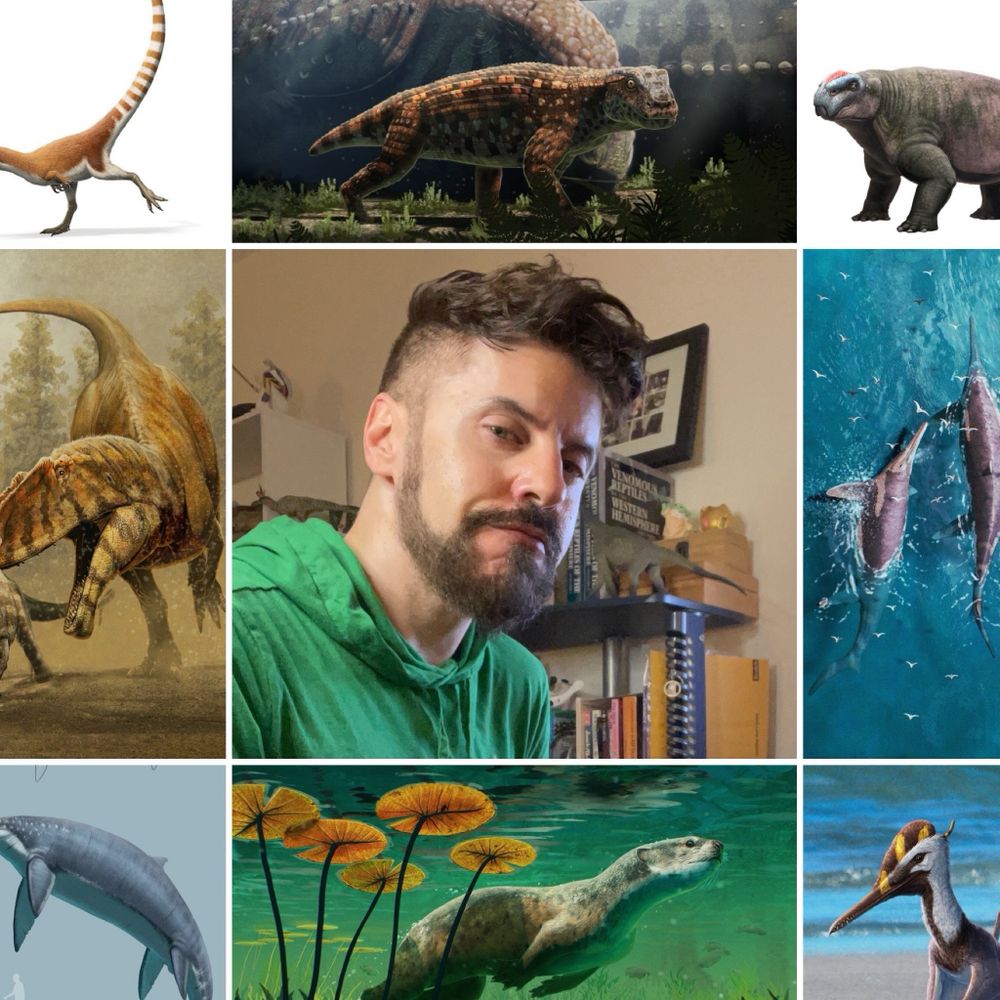
Selected species of Dimetrodon.
Here are various sketches showing some species of Dimetrodon, which was a quite diverse genus during the Early Permian. The genus includes about a dozen of species
#paleoart #sciart #synapsids
Here are various sketches showing some species of Dimetrodon, which was a quite diverse genus during the Early Permian. The genus includes about a dozen of species
#paleoart #sciart #synapsids


January 7, 2026 at 3:10 PM
Selected species of Dimetrodon.
Here are various sketches showing some species of Dimetrodon, which was a quite diverse genus during the Early Permian. The genus includes about a dozen of species
#paleoart #sciart #synapsids
Here are various sketches showing some species of Dimetrodon, which was a quite diverse genus during the Early Permian. The genus includes about a dozen of species
#paleoart #sciart #synapsids
Reposted by Dr Suresh Singh
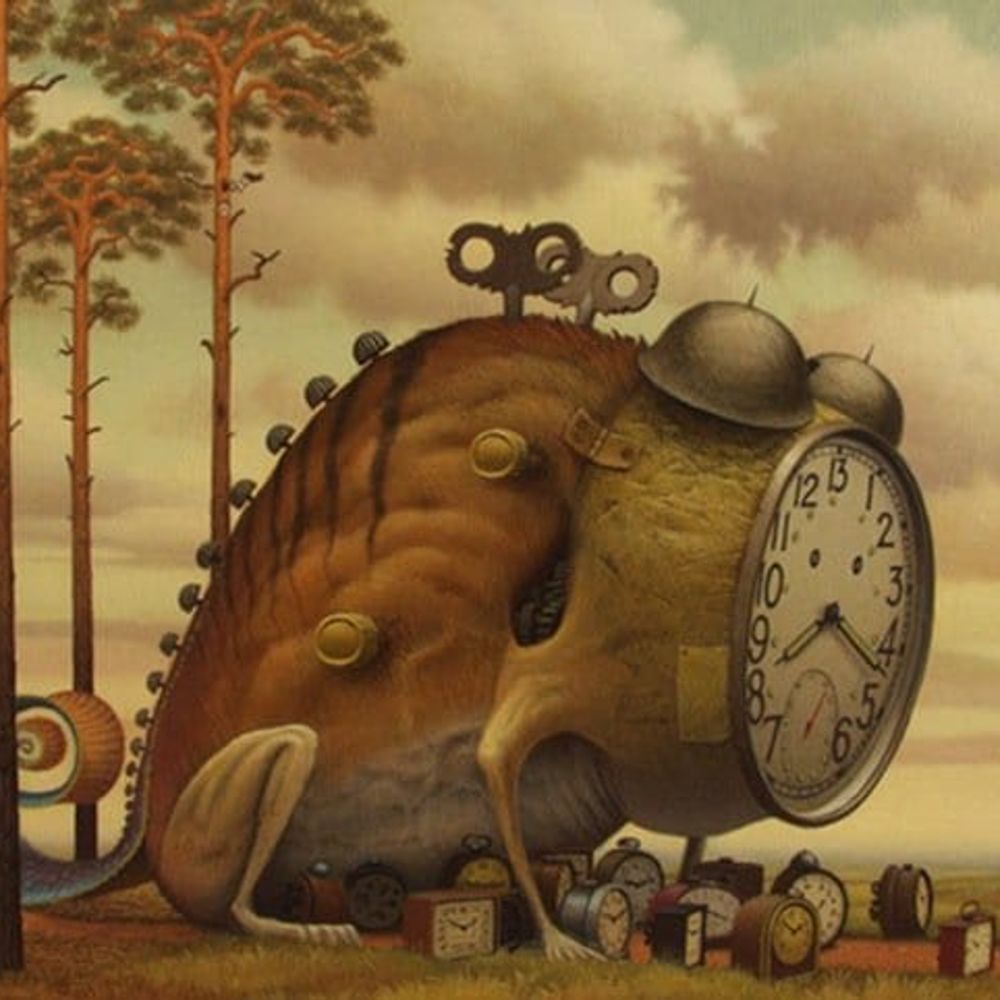
Just in time for #FossilFriday
A highly diverse Pennsylvanian #tetrapod ichnoassemblage from the Semily Formation (Krkonoše Piedmont Basin, Czechia)
peerj.com/articles/204...
@peerj.bsky.social #ichnology #paleontology #paleobiology
peerj.com/articles/204...
@peerj.bsky.social #ichnology #paleontology #paleobiology

January 9, 2026 at 11:59 AM
Just in time for #FossilFriday
Reposted by Dr Suresh Singh
Earliest Cenozoic ammonoids:
Machalski, M., Olszewska-Nejbert, D., Landman, N.H. et al. Ammonite survival across the Cretaceous–Paleogene boundary confirmed by new data from Denmark. Sci Rep 15, 45802 (2025). doi.org/10.1038/s415...
Machalski, M., Olszewska-Nejbert, D., Landman, N.H. et al. Ammonite survival across the Cretaceous–Paleogene boundary confirmed by new data from Denmark. Sci Rep 15, 45802 (2025). doi.org/10.1038/s415...

Ammonite survival across the Cretaceous–Paleogene boundary confirmed by new data from Denmark - Scientific Reports
We provide a reassessment of the hypothesis of ammonite survival across the Cretaceous–Paleogene (Maastrichtian–Danian) boundary, based on new data from the lower Danian Cerithium Limestone Member at ...
doi.org
January 1, 2026 at 5:30 PM
Earliest Cenozoic ammonoids:
Machalski, M., Olszewska-Nejbert, D., Landman, N.H. et al. Ammonite survival across the Cretaceous–Paleogene boundary confirmed by new data from Denmark. Sci Rep 15, 45802 (2025). doi.org/10.1038/s415...
Machalski, M., Olszewska-Nejbert, D., Landman, N.H. et al. Ammonite survival across the Cretaceous–Paleogene boundary confirmed by new data from Denmark. Sci Rep 15, 45802 (2025). doi.org/10.1038/s415...
Reposted by Dr Suresh Singh

A chunk of Weald Clay from SE England, covered with fragments of ferns, conifers and other seed plants from 130 million years ago.
Mesofossils may not look as appealing as large hand specimens, but can provide a better snapshot of vegetation.
#FossilFriday ⚒🌏🌱🔬🌿🌲
Mesofossils may not look as appealing as large hand specimens, but can provide a better snapshot of vegetation.
#FossilFriday ⚒🌏🌱🔬🌿🌲

December 19, 2025 at 4:51 PM
A chunk of Weald Clay from SE England, covered with fragments of ferns, conifers and other seed plants from 130 million years ago.
Mesofossils may not look as appealing as large hand specimens, but can provide a better snapshot of vegetation.
#FossilFriday ⚒🌏🌱🔬🌿🌲
Mesofossils may not look as appealing as large hand specimens, but can provide a better snapshot of vegetation.
#FossilFriday ⚒🌏🌱🔬🌿🌲
Reposted by Dr Suresh Singh

For #fossilfriday, The New York Times has written a good article about the Paleontological Research Institution, what the museum means to the field of Paleontology, and its current financial situation (much improved even from a few weeks ago).
🧪🦑⚒️🦣 #paleontology
www.nytimes.com/2025/12/19/s...
🧪🦑⚒️🦣 #paleontology
www.nytimes.com/2025/12/19/s...

An Engine of Fossil Discovery Fights Its Own Extinction
www.nytimes.com
December 19, 2025 at 6:54 PM
For #fossilfriday, The New York Times has written a good article about the Paleontological Research Institution, what the museum means to the field of Paleontology, and its current financial situation (much improved even from a few weeks ago).
🧪🦑⚒️🦣 #paleontology
www.nytimes.com/2025/12/19/s...
🧪🦑⚒️🦣 #paleontology
www.nytimes.com/2025/12/19/s...
Reposted by Dr Suresh Singh
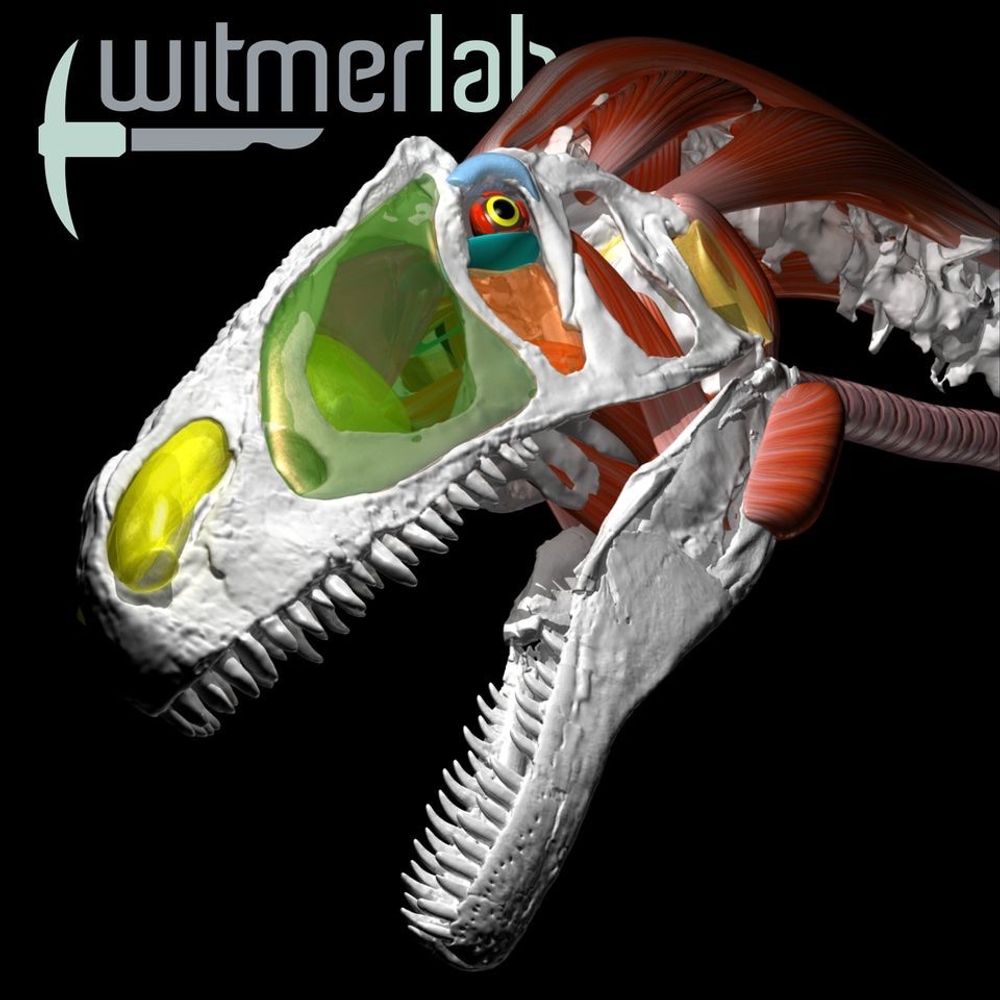
Apparently Bill Simpson, longtime Collections Manager of fossil vertebrates at the @FieldMuseum in Chicago, is retiring—after 46 yrs! Bill has always been so helpful, including pulling out the skull of @SUEtheTrex for study multiple times! Happy Retirement, Bill! 🎥: Emily Rieff #FossilFriday
December 19, 2025 at 6:03 PM
Apparently Bill Simpson, longtime Collections Manager of fossil vertebrates at the @FieldMuseum in Chicago, is retiring—after 46 yrs! Bill has always been so helpful, including pulling out the skull of @SUEtheTrex for study multiple times! Happy Retirement, Bill! 🎥: Emily Rieff #FossilFriday
Nice new study by Martinez & Jenkins on procolophonid #parareptile tooth morphology & dietary #evolution ⬇️ Great to see their quantitative comparison to living reptiles 🦎 to infer procolophonid feeding habits 🍽️
#Paleontology #Science #Permian #Triassic
www.cambridge.org/core/journal...
#Paleontology #Science #Permian #Triassic
www.cambridge.org/core/journal...
Procolophonids display unique tooth morphologies in relation to reptilian herbivory | Journal of Paleontology | Cambridge Core
Procolophonids display unique tooth morphologies in relation to reptilian herbivory
www.cambridge.org
December 19, 2025 at 2:08 PM
Nice new study by Martinez & Jenkins on procolophonid #parareptile tooth morphology & dietary #evolution ⬇️ Great to see their quantitative comparison to living reptiles 🦎 to infer procolophonid feeding habits 🍽️
#Paleontology #Science #Permian #Triassic
www.cambridge.org/core/journal...
#Paleontology #Science #Permian #Triassic
www.cambridge.org/core/journal...
A somewhat festive snapshot for this last #FossilFriday before Christmas! 🎄 - Presenting Sophie the #Stegosaurus, one of the most complete stegosaur skeletons ever found, proudly on display front & centre in the Earth Hall at the @nhm-london.bsky.social.
#Paleontology #Science
🧵 1/
#Paleontology #Science
🧵 1/

December 19, 2025 at 11:17 AM
A somewhat festive snapshot for this last #FossilFriday before Christmas! 🎄 - Presenting Sophie the #Stegosaurus, one of the most complete stegosaur skeletons ever found, proudly on display front & centre in the Earth Hall at the @nhm-london.bsky.social.
#Paleontology #Science
🧵 1/
#Paleontology #Science
🧵 1/
Reposted by Dr Suresh Singh
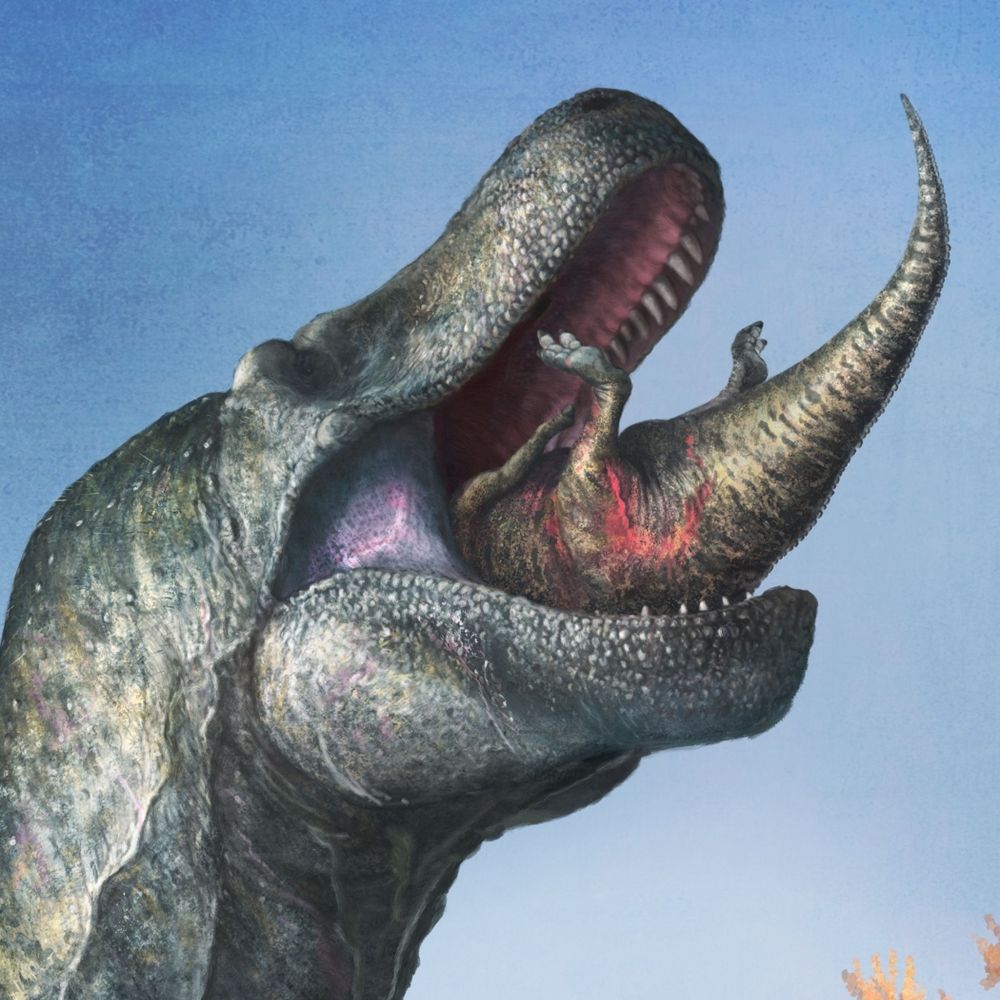
New #paleoart on #FossilFriday: #Tiktaalik sees the world. Discussions of early #tetrapods often focus on limbs and lungs, but major changes also took place in their eyes. Seeing further and clearer than any animal before, they were the first to clearly see sunsets, stars, and the moon. #sciart

December 12, 2025 at 2:32 PM
New #paleoart on #FossilFriday: #Tiktaalik sees the world. Discussions of early #tetrapods often focus on limbs and lungs, but major changes also took place in their eyes. Seeing further and clearer than any animal before, they were the first to clearly see sunsets, stars, and the moon. #sciart
Reposted by Dr Suresh Singh

The Vertebrate Paleontology students did a great job 3D printing and painting skulls—look at that homology!


December 12, 2025 at 3:08 PM
The Vertebrate Paleontology students did a great job 3D printing and painting skulls—look at that homology!
Reposted by Dr Suresh Singh

In the early Devonian #lungfishes — now considered "living fossils" — were all the rage!
A new #fish from China attests to this early diversification.
www.cell.com/current-biol...
A new #fish from China attests to this early diversification.
www.cell.com/current-biol...
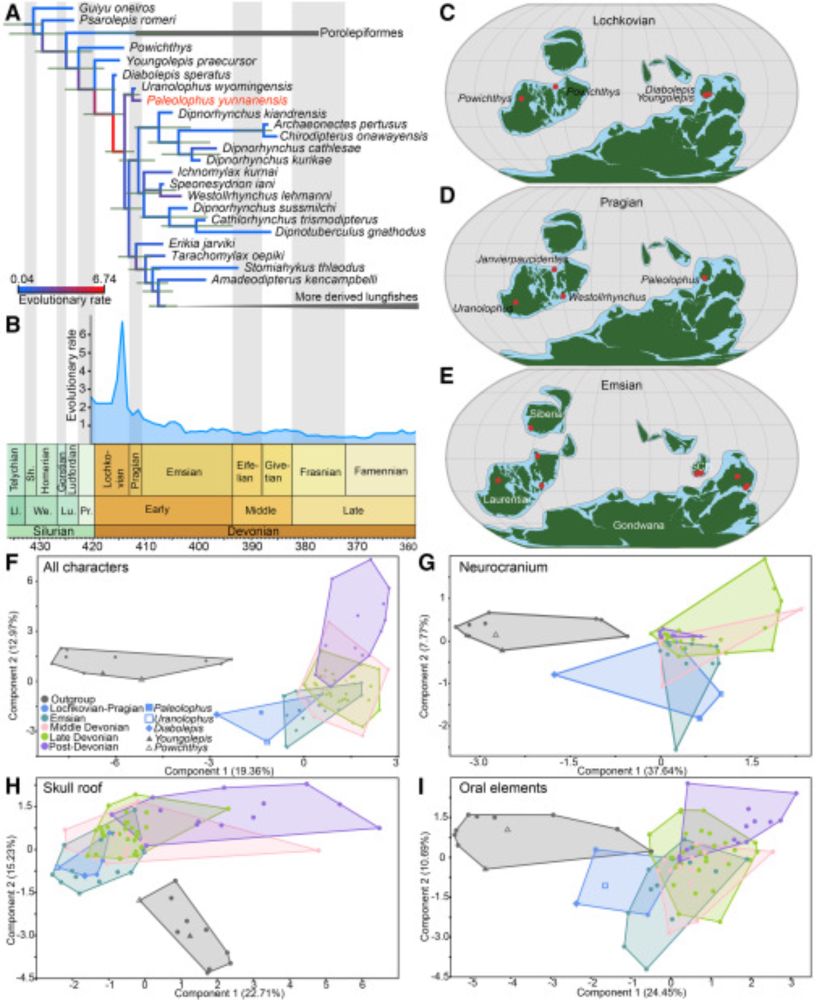
A new fossil fish sheds light on the rapid evolution of early lungfishes
Qiao et al. report a new Early Devonian lungfish from China, Paleolophus, which bridges
the morphological gap between Diabolepis and eudipnoans. Its three-dimensional preservation
reveals cranial anat...
www.cell.com
December 11, 2025 at 12:18 AM
In the early Devonian #lungfishes — now considered "living fossils" — were all the rage!
A new #fish from China attests to this early diversification.
www.cell.com/current-biol...
A new #fish from China attests to this early diversification.
www.cell.com/current-biol...
Reposted by Dr Suresh Singh
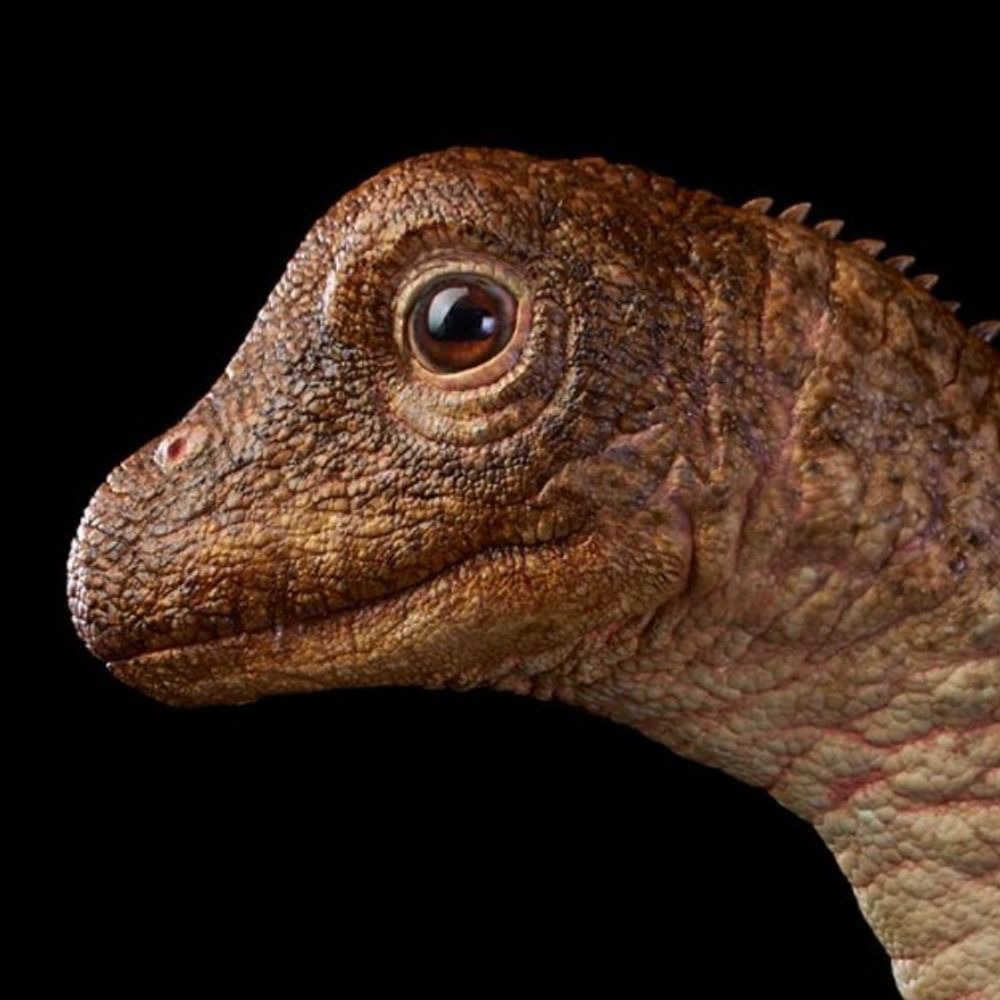
Excited to announce that my second manuscript, “Fossilised Melanosomes Reveal Colour Patterning in A Sauropod Dinosaur” has been published in
@royalsociety.org !! Diplodocus scales are complex and diverse, and it turns out their color patterning was even more so. A 🧵🦕 1/26
@royalsociety.org !! Diplodocus scales are complex and diverse, and it turns out their color patterning was even more so. A 🧵🦕 1/26

December 10, 2025 at 3:14 PM
Excited to announce that my second manuscript, “Fossilised Melanosomes Reveal Colour Patterning in A Sauropod Dinosaur” has been published in
@royalsociety.org !! Diplodocus scales are complex and diverse, and it turns out their color patterning was even more so. A 🧵🦕 1/26
@royalsociety.org !! Diplodocus scales are complex and diverse, and it turns out their color patterning was even more so. A 🧵🦕 1/26
Reposted by Dr Suresh Singh

New paper! Here we look at shape evolution of the mandible in Pelagiaria, a group of open-ocean fishes that includes tuna and mackerel. We find that shape disparity accumulated rapidly at the origin of the clade at around the K/Pg boundary... academic.oup.com/evlett/advan...

Adaptive radiation of pelagiarian fishes at the K/Pg boundary led to rapid diversification of mandible morphology
Abstract. Mandibles represent a key evolutionary innovation that has enabled jawed vertebrates to adapt and diversify in response to a range of food source
academic.oup.com
December 9, 2025 at 10:28 AM
New paper! Here we look at shape evolution of the mandible in Pelagiaria, a group of open-ocean fishes that includes tuna and mackerel. We find that shape disparity accumulated rapidly at the origin of the clade at around the K/Pg boundary... academic.oup.com/evlett/advan...
Interesting new paper by Alfonso-Rojas et al. on #anaconda 🐍 size #evolution using fossils from Venezuela 🇻🇪 - they suggest giant anacondas are survivors from the radiation of giant vertebrates in South America during the Miocene ⬇️
#Paleontology #Science #Snakes
www.tandfonline.com/doi/full/10....
#Paleontology #Science #Snakes
www.tandfonline.com/doi/full/10....

An early origin of gigantism in anacondas (Serpentes: Eunectes) revealed by the fossil record
Anacondas (Serpentes: Eunectes) are among the largest extant snakes, reaching body lengths up to 7 meters, but the evolution of gigantism in anacondas and its environmental drivers is poorly unders...
www.tandfonline.com
December 9, 2025 at 12:20 PM
Interesting new paper by Alfonso-Rojas et al. on #anaconda 🐍 size #evolution using fossils from Venezuela 🇻🇪 - they suggest giant anacondas are survivors from the radiation of giant vertebrates in South America during the Miocene ⬇️
#Paleontology #Science #Snakes
www.tandfonline.com/doi/full/10....
#Paleontology #Science #Snakes
www.tandfonline.com/doi/full/10....
Reposted by Dr Suresh Singh

Great opportunity for ECRs, especially those with tight funding! ⬇️
Did a couple courses with @tscourses.bsky.social when I was a PhD student & would thoroughly recommend!
#PhD #Postdoc #ResearchSkills #ScienceTraining #ProfessionalDevelopment
Did a couple courses with @tscourses.bsky.social when I was a PhD student & would thoroughly recommend!
#PhD #Postdoc #ResearchSkills #ScienceTraining #ProfessionalDevelopment

Applications for our next Transmitting Science course fee waiver open soon!
Learn more: https://www.transmittingscience.com/funding/fee-waiver/
#TransmittingScience #ScientificTraining #FeeWaiver #LifelongLearning
Learn more: https://www.transmittingscience.com/funding/fee-waiver/
#TransmittingScience #ScientificTraining #FeeWaiver #LifelongLearning

December 2, 2025 at 1:40 PM
Great opportunity for ECRs, especially those with tight funding! ⬇️
Did a couple courses with @tscourses.bsky.social when I was a PhD student & would thoroughly recommend!
#PhD #Postdoc #ResearchSkills #ScienceTraining #ProfessionalDevelopment
Did a couple courses with @tscourses.bsky.social when I was a PhD student & would thoroughly recommend!
#PhD #Postdoc #ResearchSkills #ScienceTraining #ProfessionalDevelopment
Reposted by Dr Suresh Singh

Anyone considering doing a #PhD with us at the OU in life science or #environment ILESLA is a fantastic opportunity to take part in a world class PhD training programme, find out more this Wednesday
Thinking about a research degree in life or environmental sciences? We offer 4-year PhD studentships that cover your course fees, provide a tax-free living stipend, and include additional funding for project costs and travel. Find out more and register for our virtual open day. www.ilesla.ox.ac.uk

November 24, 2025 at 9:17 PM
Anyone considering doing a #PhD with us at the OU in life science or #environment ILESLA is a fantastic opportunity to take part in a world class PhD training programme, find out more this Wednesday
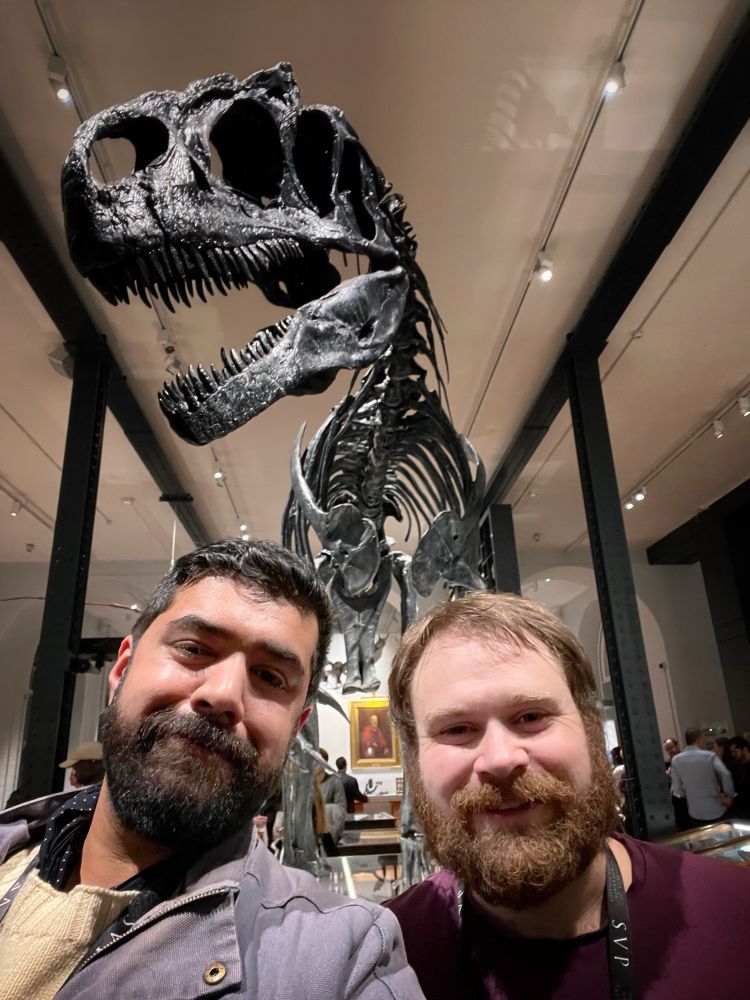
A small selection of snapshots from #2025SVP last week for this #FossilFriday! This was my first @societyofvertpaleo.bsky.social meeting since 2022 & it was fantastic to see so many friends & colleagues after so long. Presented my latest research & forged new connections - much exciting work ahead!



November 21, 2025 at 2:11 PM
A small selection of snapshots from #2025SVP last week for this #FossilFriday! This was my first @societyofvertpaleo.bsky.social meeting since 2022 & it was fantastic to see so many friends & colleagues after so long. Presented my latest research & forged new connections - much exciting work ahead!
🚨 Save #Geology & #Paleobiology at Leicester Uni! 🚨
@uniofleicester.bsky.social bosses plan to dissolve the #EarthSciences dept. & entirely AXE the Centre for Palaeobiology & Biosphere Evolution & ALL of its academic staff.
Please sign the petition to help halt these plans ✍️⬇️
c.org/8wDkwRBsgp
@uniofleicester.bsky.social bosses plan to dissolve the #EarthSciences dept. & entirely AXE the Centre for Palaeobiology & Biosphere Evolution & ALL of its academic staff.
Please sign the petition to help halt these plans ✍️⬇️
c.org/8wDkwRBsgp

Sign the Petition
Save Geology at the University of Leicester
c.org
November 19, 2025 at 4:14 PM
🚨 Save #Geology & #Paleobiology at Leicester Uni! 🚨
@uniofleicester.bsky.social bosses plan to dissolve the #EarthSciences dept. & entirely AXE the Centre for Palaeobiology & Biosphere Evolution & ALL of its academic staff.
Please sign the petition to help halt these plans ✍️⬇️
c.org/8wDkwRBsgp
@uniofleicester.bsky.social bosses plan to dissolve the #EarthSciences dept. & entirely AXE the Centre for Palaeobiology & Biosphere Evolution & ALL of its academic staff.
Please sign the petition to help halt these plans ✍️⬇️
c.org/8wDkwRBsgp
Reposted by Dr Suresh Singh
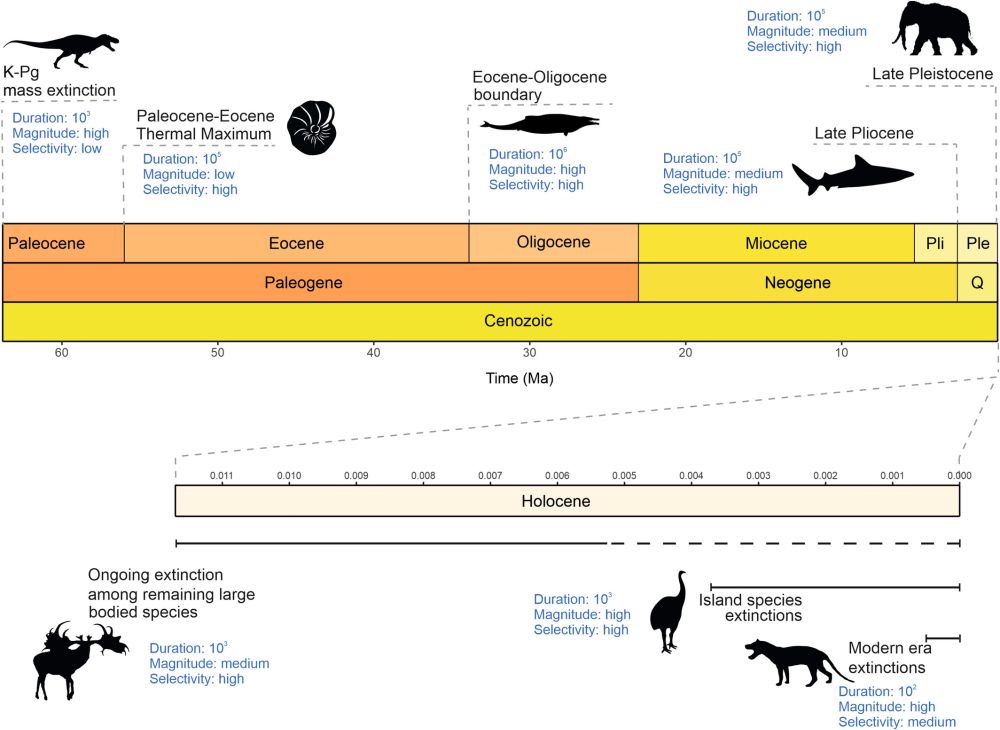
PGRs Amy Shipley (@sauropodlets.bsky.social) & Lydia Woods recently published a review in @globalchangebio.bsky.social showing that while today’s extinction rates aren't yet at "Big Five" mass extinction levels, they’re likely the highest seen in the last 66myrs.
amdunhill.co.uk/2025/11/17/n...
amdunhill.co.uk/2025/11/17/n...
New paper by Amy Shipley and Lydia Woods
DeepBio@Leeds PGRs Amy Shipley and Lydia have published a review on the sixth mass extinction, as part of a working group on Cenozoic extinctions led out of the Anthropocene Biodiversity Centre at …
amdunhill.co.uk
November 17, 2025 at 1:46 PM
PGRs Amy Shipley (@sauropodlets.bsky.social) & Lydia Woods recently published a review in @globalchangebio.bsky.social showing that while today’s extinction rates aren't yet at "Big Five" mass extinction levels, they’re likely the highest seen in the last 66myrs.
amdunhill.co.uk/2025/11/17/n...
amdunhill.co.uk/2025/11/17/n...
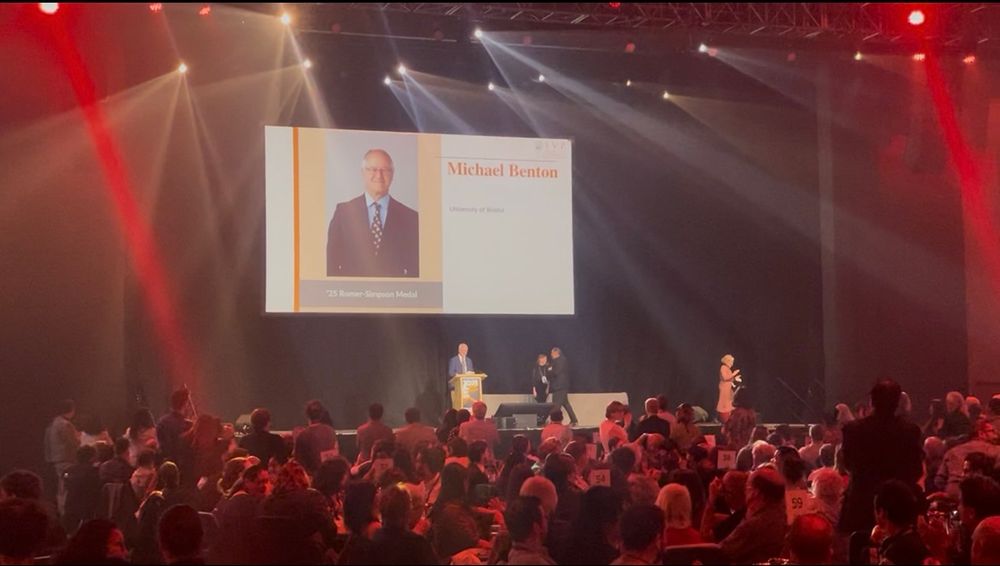
Great to see Prof. Mike Benton awarded the Romer-Simpson medal from @societyofvertpaleo.bsky.social. Mike’s been an incredible teacher & mentor to me & so many others - I’m v. glad to see his enormous contribution to the knowledge & people of our field honoured here tonight 🏅
#2025SVP #paleontology
#2025SVP #paleontology
November 15, 2025 at 10:38 PM
Great to see Prof. Mike Benton awarded the Romer-Simpson medal from @societyofvertpaleo.bsky.social. Mike’s been an incredible teacher & mentor to me & so many others - I’m v. glad to see his enormous contribution to the knowledge & people of our field honoured here tonight 🏅
#2025SVP #paleontology
#2025SVP #paleontology