


Plant Science
@plantscience.bsky.social
Amplifying general #PlantScience content that may be interesting to the plant research community.
Tag us in your post if you want it to be reposted by us!
Feed: https://bsky.app/profile/did:plc:c4ovrfqv6g2kwzgdkiibwrj3/feed/aaabp4vo7vzy2
Tag us in your post if you want it to be reposted by us!
Feed: https://bsky.app/profile/did:plc:c4ovrfqv6g2kwzgdkiibwrj3/feed/aaabp4vo7vzy2
Reposted by Plant Science

"Tidestromia oblongifolia took only two days to increase its photosynthetic capacity to produce energy and thrive in extreme heat, and by day 14 reached its ideal photosynthetic temperature of 45 °C (113 °F)"
#PlantScience #PlantStress #ClimateChange
Original paper: www.cell.com/current-biol...
#PlantScience #PlantStress #ClimateChange
Original paper: www.cell.com/current-biol...

The 'Hell-Plant' of Death Valley offers hope to a hotter world
We humans are a delicate bunch. We don’t have bark, boney exo-plates, or lush fur to protect us from hostile environments, so we have to steal what other creatures produce just to survive in regions a...
newatlas.com
January 12, 2026 at 12:43 PM
"Tidestromia oblongifolia took only two days to increase its photosynthetic capacity to produce energy and thrive in extreme heat, and by day 14 reached its ideal photosynthetic temperature of 45 °C (113 °F)"
#PlantScience #PlantStress #ClimateChange
Original paper: www.cell.com/current-biol...
#PlantScience #PlantStress #ClimateChange
Original paper: www.cell.com/current-biol...
Reposted by Plant Science
Why I’m genetically engineering a rainbow flower…
And how a Russian fairy tale inspired the idea 🧵
And how a Russian fairy tale inspired the idea 🧵

January 16, 2026 at 9:32 AM
Why I’m genetically engineering a rainbow flower…
And how a Russian fairy tale inspired the idea 🧵
And how a Russian fairy tale inspired the idea 🧵
Reposted by Plant Science

Book a 30-minute appointment with a #TAIR team member! Whether you are new to TAIR and want to learn about our features and functionality, or an experienced user with specific questions or feedback, we're here to help! 🧪
bit.ly/45MFg6z
#plantbiology #plantscience #Arabidopsis #scisky #plantsci
bit.ly/45MFg6z
#plantbiology #plantscience #Arabidopsis #scisky #plantsci

TAIR invites you to open office hours in January, February, and March - Phoenix Bioinformatics
We’re excited to host a series of free open office hours for TAIR users on the third Tuesday of each month
phoenixbioinfo.org
January 14, 2026 at 11:01 PM
Book a 30-minute appointment with a #TAIR team member! Whether you are new to TAIR and want to learn about our features and functionality, or an experienced user with specific questions or feedback, we're here to help! 🧪
bit.ly/45MFg6z
#plantbiology #plantscience #Arabidopsis #scisky #plantsci
bit.ly/45MFg6z
#plantbiology #plantscience #Arabidopsis #scisky #plantsci
Reposted by Plant Science
Goldenberries, Physalis peruviana, are sweet tasting and highly nutritious. They are mainly grown in South America. Their biggest drawback to becoming more mainstream is that they grow on unruly bushy plants. Making them hard to harvest.
🧵1/6
#PlantScience
Image credit: Shuttershock
🧵1/6
#PlantScience
Image credit: Shuttershock

January 12, 2026 at 7:35 AM
Goldenberries, Physalis peruviana, are sweet tasting and highly nutritious. They are mainly grown in South America. Their biggest drawback to becoming more mainstream is that they grow on unruly bushy plants. Making them hard to harvest.
🧵1/6
#PlantScience
Image credit: Shuttershock
🧵1/6
#PlantScience
Image credit: Shuttershock
Reposted by Plant Science

All this, and more, in our article from the archives: "Gregor Mendel's Vanishing Act":
press.asimov.com/articles/me...
press.asimov.com/articles/me...
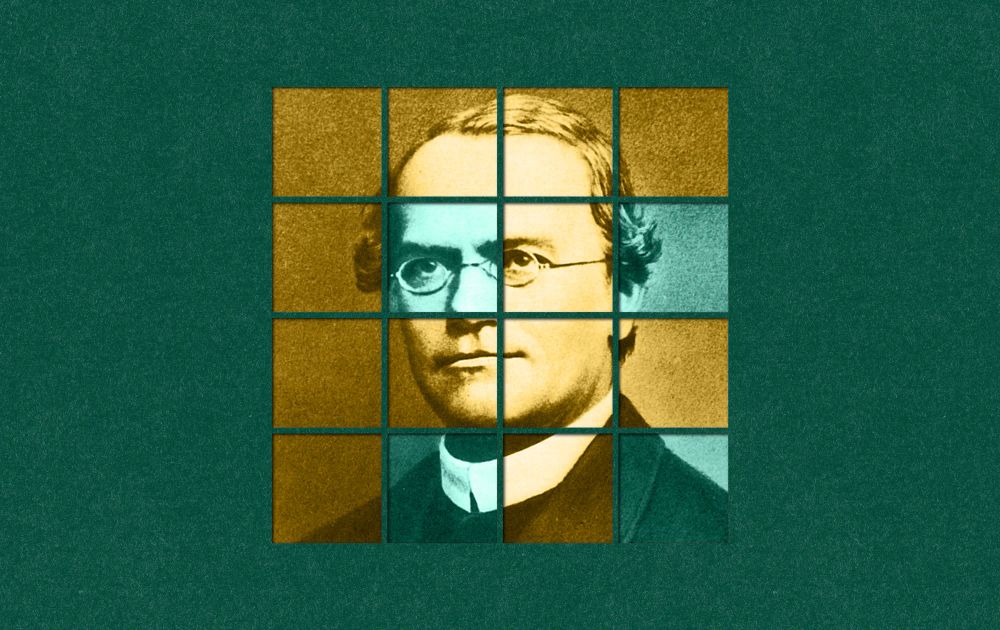
Gregor Mendel's Vanishing Act
After his death in 1884, thousands of Gregor Mendel’s letters and notes — filled with scientific data and figures — were destroyed. What did the friar discover, and what have we forgotten?
press.asimov.com
August 1, 2025 at 6:47 PM
All this, and more, in our article from the archives: "Gregor Mendel's Vanishing Act":
press.asimov.com/articles/me...
press.asimov.com/articles/me...
Reposted by Plant Science
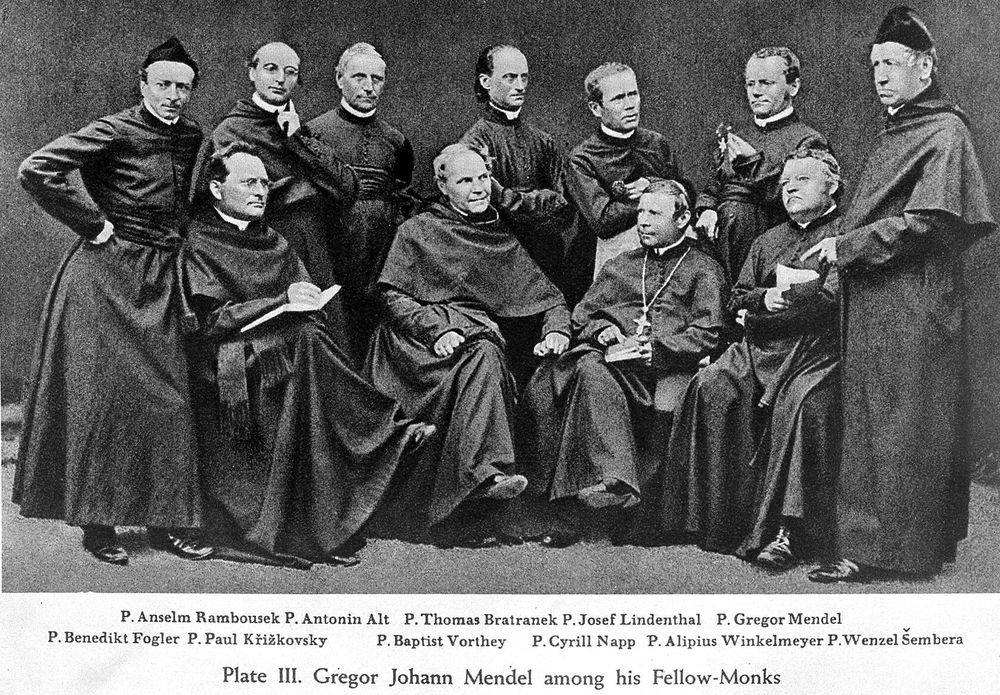
Some fun facts about Gregor Mendel:
1. He smoked 20 cigars a day.
2. He bred more than 10,000 plants to make his genetics discoveries.
3. In his obituary, he was mostly remembered as a great beekeeper.
4. Most of his papers were burned after his death.
1. He smoked 20 cigars a day.
2. He bred more than 10,000 plants to make his genetics discoveries.
3. In his obituary, he was mostly remembered as a great beekeeper.
4. Most of his papers were burned after his death.
August 1, 2025 at 6:47 PM
Some fun facts about Gregor Mendel:
1. He smoked 20 cigars a day.
2. He bred more than 10,000 plants to make his genetics discoveries.
3. In his obituary, he was mostly remembered as a great beekeeper.
4. Most of his papers were burned after his death.
1. He smoked 20 cigars a day.
2. He bred more than 10,000 plants to make his genetics discoveries.
3. In his obituary, he was mostly remembered as a great beekeeper.
4. Most of his papers were burned after his death.
Reposted by Plant Science

Scientists have identified Tidestromia oblongifolia in Death Valley as the most heat-tolerant plant ever recorded, capable of surviving temperatures above 120°F, according to a study published in Current Biology.
#ClimateChange #ExtremeHeat #PlantScience #AgricultureFuture #GlobalWarming
#ClimateChange #ExtremeHeat #PlantScience #AgricultureFuture #GlobalWarming

January 9, 2026 at 12:38 PM
Scientists have identified Tidestromia oblongifolia in Death Valley as the most heat-tolerant plant ever recorded, capable of surviving temperatures above 120°F, according to a study published in Current Biology.
#ClimateChange #ExtremeHeat #PlantScience #AgricultureFuture #GlobalWarming
#ClimateChange #ExtremeHeat #PlantScience #AgricultureFuture #GlobalWarming
Reposted by Plant Science

Inspiring the next generation of plant scientists: What we learned from 421 plant biologists
@joannakacprzyk.bsky.social and Rainer Melzer
nph.onlinelibrary.wiley.com/doi/10.1002/...
@plantmemories.bsky.social
@ucdflowerpower.bsky.social
#PlantScience
@joannakacprzyk.bsky.social and Rainer Melzer
nph.onlinelibrary.wiley.com/doi/10.1002/...
@plantmemories.bsky.social
@ucdflowerpower.bsky.social
#PlantScience

January 7, 2026 at 2:01 PM
Inspiring the next generation of plant scientists: What we learned from 421 plant biologists
@joannakacprzyk.bsky.social and Rainer Melzer
nph.onlinelibrary.wiley.com/doi/10.1002/...
@plantmemories.bsky.social
@ucdflowerpower.bsky.social
#PlantScience
@joannakacprzyk.bsky.social and Rainer Melzer
nph.onlinelibrary.wiley.com/doi/10.1002/...
@plantmemories.bsky.social
@ucdflowerpower.bsky.social
#PlantScience
Reposted by Plant Science
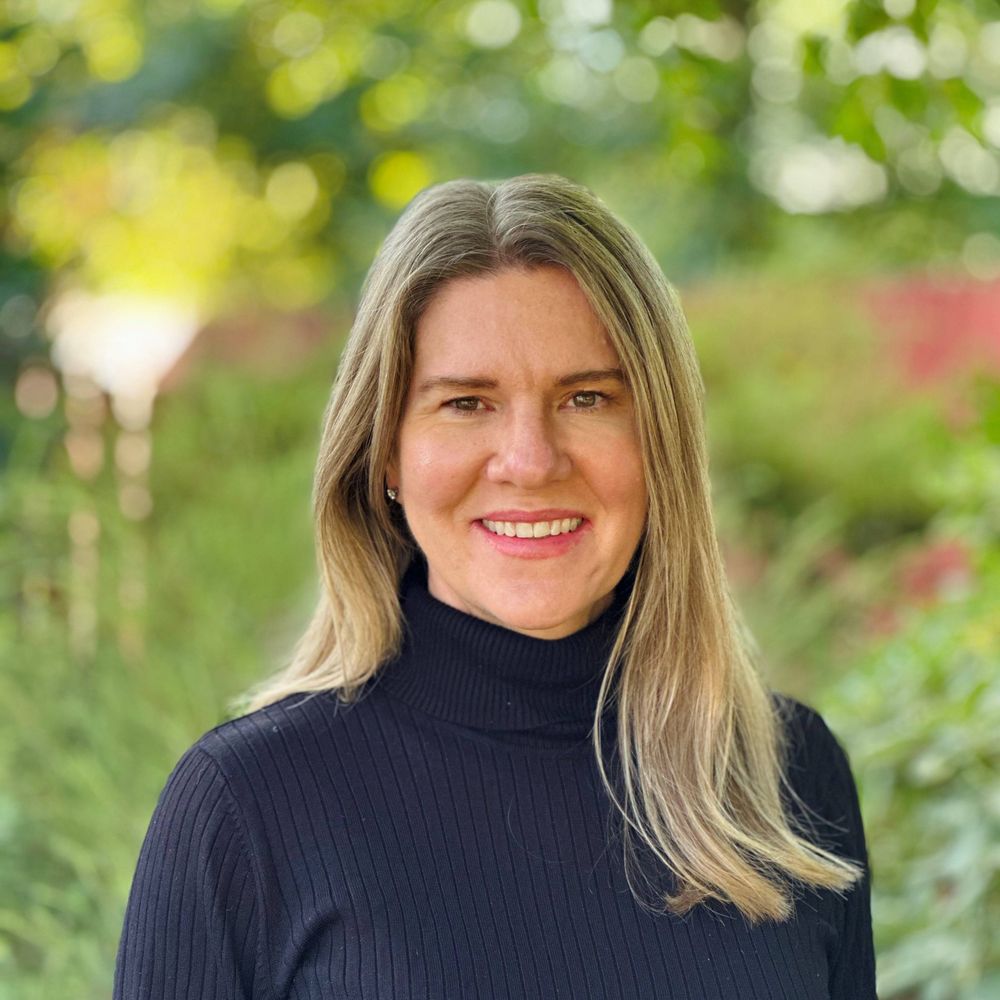
Bruce Hammock was a scientific legend, brilliant and kind. He was always happy to talk and collaborate without ego. Like many others, I will miss him. 💔

Bruce Hammock: 1947-2026
UC Davis Distinguished Professor Bruce Hammock at his desk, Feb. 24, 2009.
entnem.ucdavis.edu
January 8, 2026 at 6:40 AM
Bruce Hammock was a scientific legend, brilliant and kind. He was always happy to talk and collaborate without ego. Like many others, I will miss him. 💔
Reposted by Plant Science

Each season, mango growers across Australia watch helplessly as millions of mangoes fall to the ground too early. Here’s why – and how science can help.

Why mangoes fall before they’re ripe – and how science is helping them hang on
theconversation.com
December 24, 2025 at 5:04 AM
Each season, mango growers across Australia watch helplessly as millions of mangoes fall to the ground too early. Here’s why – and how science can help.
Reposted by Plant Science

“We did our absolute best to get the best possible outcome from these products.”
but
“The biggest surprise of anything is that nothing worked anywhere,” says Naeve. “Even among cynical people like me, that was really shocking.”
Me too.
blog-crop-news.extension.umn.edu/2026/01/do-b...
but
“The biggest surprise of anything is that nothing worked anywhere,” says Naeve. “Even among cynical people like me, that was really shocking.”
Me too.
blog-crop-news.extension.umn.edu/2026/01/do-b...

Do biostimulant seed treatments boost soybean yields? New study across 103 locations in 22 states says no
Biostimulants—especially seed-applied biological products—continue to generate interest across soybean-growing regions. The promise is appe...
blog-crop-news.extension.umn.edu
January 7, 2026 at 7:48 PM
“We did our absolute best to get the best possible outcome from these products.”
but
“The biggest surprise of anything is that nothing worked anywhere,” says Naeve. “Even among cynical people like me, that was really shocking.”
Me too.
blog-crop-news.extension.umn.edu/2026/01/do-b...
but
“The biggest surprise of anything is that nothing worked anywhere,” says Naeve. “Even among cynical people like me, that was really shocking.”
Me too.
blog-crop-news.extension.umn.edu/2026/01/do-b...
Reposted by Plant Science

At the end of 2024 I did a chronological round up of all the #plantscience in @science.org that year.
So how did 2025 pan out? This year, I’m grouping papers thematically instead of chronologically so read on to find out what exciting plant science came out over the last 12 months. (1/22)
So how did 2025 pan out? This year, I’m grouping papers thematically instead of chronologically so read on to find out what exciting plant science came out over the last 12 months. (1/22)
January 2, 2026 at 6:24 PM
At the end of 2024 I did a chronological round up of all the #plantscience in @science.org that year.
So how did 2025 pan out? This year, I’m grouping papers thematically instead of chronologically so read on to find out what exciting plant science came out over the last 12 months. (1/22)
So how did 2025 pan out? This year, I’m grouping papers thematically instead of chronologically so read on to find out what exciting plant science came out over the last 12 months. (1/22)
Reposted by Plant Science
Explore #FloraObscura: a series of short articles highlighting extraordinary plant biology 👇
🌱 nph.onlinelibrary.wiley.com/page/journal...
#PlantScience
🌱 nph.onlinelibrary.wiley.com/page/journal...
#PlantScience

January 4, 2026 at 12:00 PM
Explore #FloraObscura: a series of short articles highlighting extraordinary plant biology 👇
🌱 nph.onlinelibrary.wiley.com/page/journal...
#PlantScience
🌱 nph.onlinelibrary.wiley.com/page/journal...
#PlantScience
Reposted by Plant Science


Reposted by Plant Science


December 21, 2025 at 7:00 AM
Reposted by Plant Science
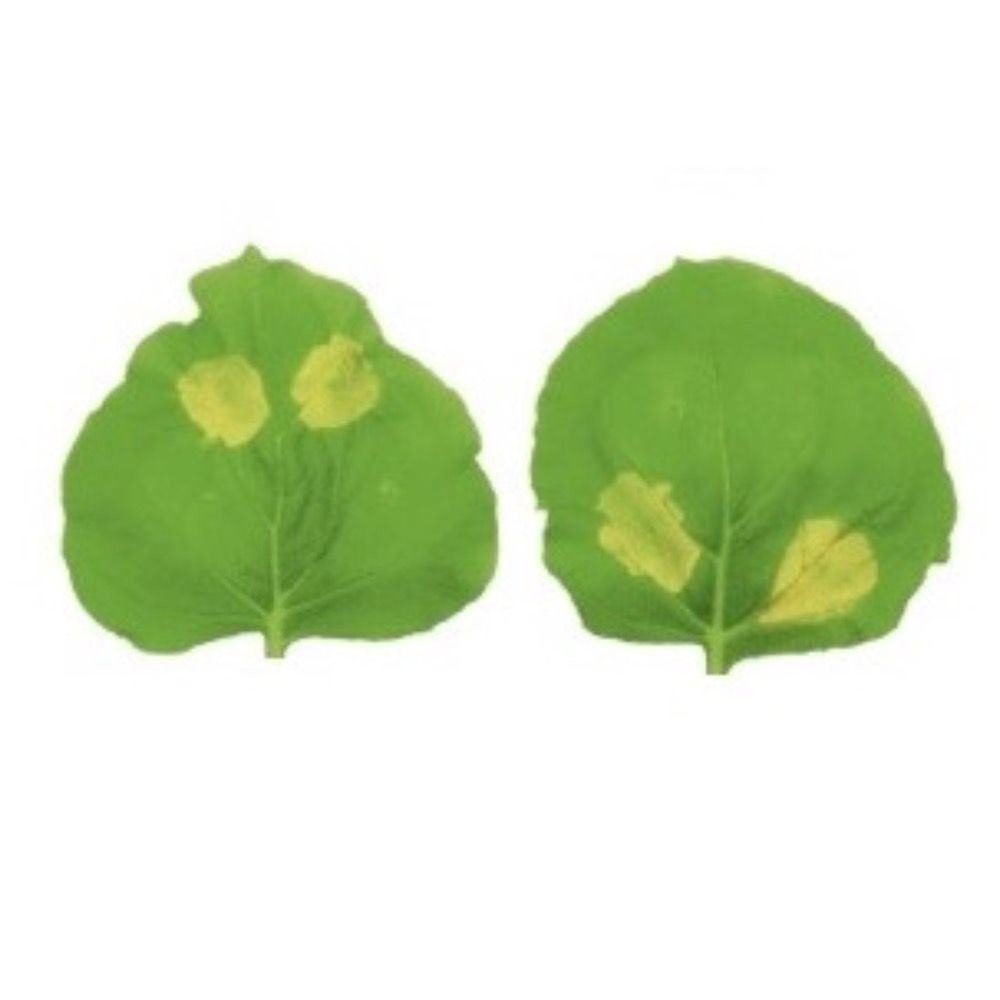
The key global crops, wheat, rice and maize, are expected to see the losses to pests increase by about 46%, 19% and 31% respectively when global heating reaches 2C 👇 www.theguardian.com/global-devel...

‘Borrowed time’: crop pests and food losses supercharged by climate crisis
Heating means pests breeding and spreading faster, warn scientists, with simplified current food system already vulnerable
www.theguardian.com
December 21, 2025 at 4:57 AM
The key global crops, wheat, rice and maize, are expected to see the losses to pests increase by about 46%, 19% and 31% respectively when global heating reaches 2C 👇 www.theguardian.com/global-devel...
Reposted by Plant Science
Comment in @nature.com: "Food will be more affordable — if we double funds for agriculture research now" www.nature.com/articles/d41...
A global drop in public and private investment in agricultural science in the past four decades is partly to blame for high food prices, an analysis reveals.
A global drop in public and private investment in agricultural science in the past four decades is partly to blame for high food prices, an analysis reveals.

Food will be more affordable — if we double funds for agriculture research now
A global drop in public and private investment in agricultural science in the past four decades is partly to blame for high food prices, an analysis reveals.
www.nature.com
December 10, 2025 at 10:52 AM
Comment in @nature.com: "Food will be more affordable — if we double funds for agriculture research now" www.nature.com/articles/d41...
A global drop in public and private investment in agricultural science in the past four decades is partly to blame for high food prices, an analysis reveals.
A global drop in public and private investment in agricultural science in the past four decades is partly to blame for high food prices, an analysis reveals.
Welcome to the 21st century, EU! 🥳👍
"New genomic techniques: Council and Parliament strike deal to boost the competitiveness and sustainability of our food systems"
#PlantScience #PlantNGTs
www.consilium.europa.eu/en/press/pre...
"New genomic techniques: Council and Parliament strike deal to boost the competitiveness and sustainability of our food systems"
#PlantScience #PlantNGTs
www.consilium.europa.eu/en/press/pre...

New genomic techniques: Council and Parliament strike deal to boost the competitiveness and sustainability of our food systems
Council and Parliament reach provisional deal on a set of rules for new genomic techniques, aiming to improve the competitiveness of European agriculture and support the sustainability of our food sys...
www.consilium.europa.eu
December 4, 2025 at 8:47 AM
Welcome to the 21st century, EU! 🥳👍
"New genomic techniques: Council and Parliament strike deal to boost the competitiveness and sustainability of our food systems"
#PlantScience #PlantNGTs
www.consilium.europa.eu/en/press/pre...
"New genomic techniques: Council and Parliament strike deal to boost the competitiveness and sustainability of our food systems"
#PlantScience #PlantNGTs
www.consilium.europa.eu/en/press/pre...
Reposted by Plant Science
I really enjoyed the opportunity to hear Mark Estelle, Maarten Koornneef & @plantevolution.bsky.social speak about their careers at the recent @naascarabidopsis.bsky.social #PlantScience Awards.
As always on such occasions, I found myself looking up the old papers mentioned. I compiled them here 🧵👇
As always on such occasions, I found myself looking up the old papers mentioned. I compiled them here 🧵👇

2025 PNBenfey Arabidopsis Lifetime Achievement Awards
YouTube video by NAASC
www.youtube.com
December 2, 2025 at 12:44 PM
I really enjoyed the opportunity to hear Mark Estelle, Maarten Koornneef & @plantevolution.bsky.social speak about their careers at the recent @naascarabidopsis.bsky.social #PlantScience Awards.
As always on such occasions, I found myself looking up the old papers mentioned. I compiled them here 🧵👇
As always on such occasions, I found myself looking up the old papers mentioned. I compiled them here 🧵👇
Reposted by Plant Science

Applications are open for @dev-journal.bsky.social 2026 Pathway to Independence (PI) programme, supporting postdocs applying for group leader positions:
Mentoring
Profile raising
Leadership training
Network building
Spread the word...
www.biologists.com/grants/devel...
Mentoring
Profile raising
Leadership training
Network building
Spread the word...
www.biologists.com/grants/devel...

Development's Pathway to Independence Programme
Our grants support and encourage the sharing of knowledge throughout the community by facilitating international collaboration, event attendance and the organisation of scientific meetings, conference...
www.biologists.com
December 3, 2025 at 6:56 AM
Applications are open for @dev-journal.bsky.social 2026 Pathway to Independence (PI) programme, supporting postdocs applying for group leader positions:
Mentoring
Profile raising
Leadership training
Network building
Spread the word...
www.biologists.com/grants/devel...
Mentoring
Profile raising
Leadership training
Network building
Spread the word...
www.biologists.com/grants/devel...
Reposted by Plant Science

Plant Science Research Weekly -- Review: Evaluating plant agricultural interventions as climate-mitigation strategies (Plant Physiol.) @claudiavickers.bsky.social (Summary by Mary Williams @PlantTeaching.bsyk.social)
buff.ly/38uXlIv
#PlantaePSRW
buff.ly/38uXlIv
#PlantaePSRW

Review: How to evaluate the climate-mitigation potential of plant agricultural interventions | Plantae
Agriculture contributes substantially to climate change. Many agricultural interventions have been suggested as opportunities to lower this impact, through CO2 sequestration or through reducing…
buff.ly
October 16, 2025 at 7:15 PM
Plant Science Research Weekly -- Review: Evaluating plant agricultural interventions as climate-mitigation strategies (Plant Physiol.) @claudiavickers.bsky.social (Summary by Mary Williams @PlantTeaching.bsyk.social)
buff.ly/38uXlIv
#PlantaePSRW
buff.ly/38uXlIv
#PlantaePSRW
Reposted by Plant Science
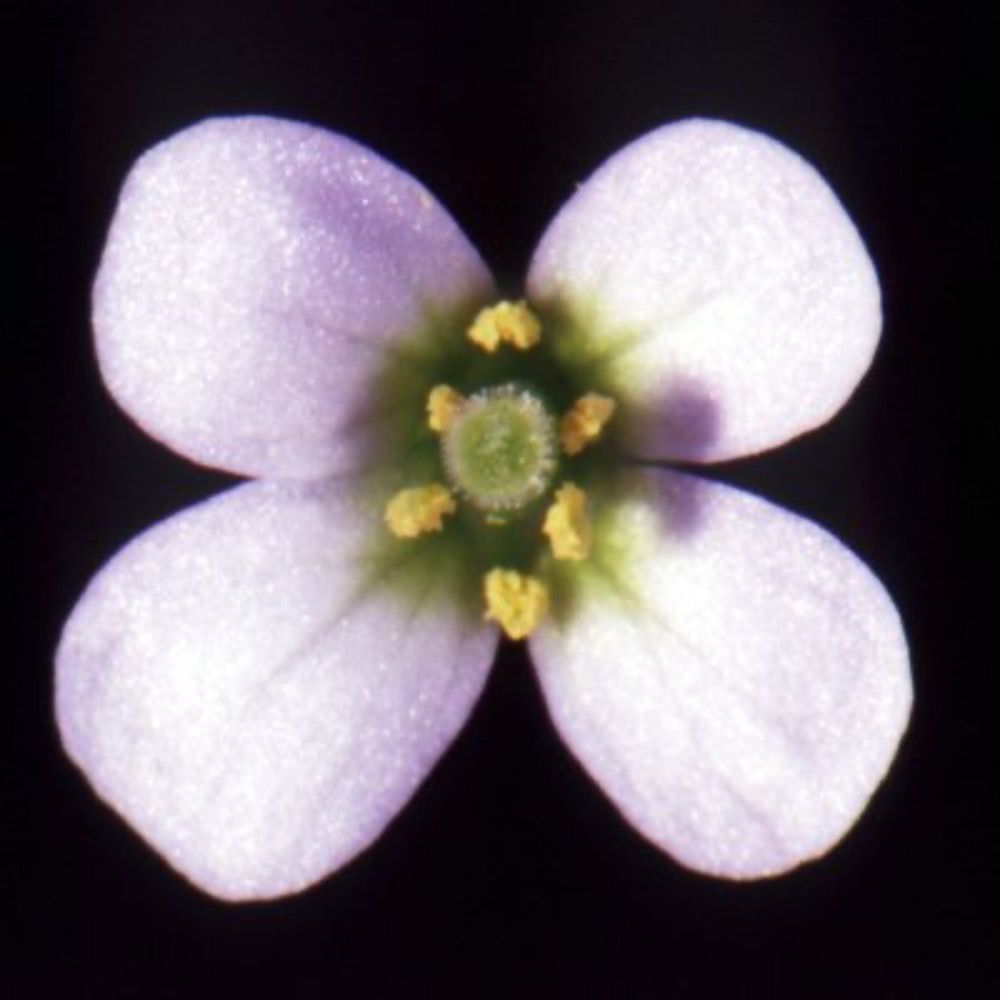
We (Nordborg & Weigel labs) need input on the next generation of genome browsers & data download modes for the #Arabidopsis #1001GenomesPlus project. We have now a curated collection of over 500 long read genomes.
Please help us by filling out this questionnaire: docs.google.com/forms/d/e/1F...
Please help us by filling out this questionnaire: docs.google.com/forms/d/e/1F...

Next generation of 1001 Genomes Plus browser and data download
Please indicate all features you would like to see in a browser that displays features of completely sequenced Arabidopsis thaliana genomes
docs.google.com
November 24, 2025 at 2:49 PM
We (Nordborg & Weigel labs) need input on the next generation of genome browsers & data download modes for the #Arabidopsis #1001GenomesPlus project. We have now a curated collection of over 500 long read genomes.
Please help us by filling out this questionnaire: docs.google.com/forms/d/e/1F...
Please help us by filling out this questionnaire: docs.google.com/forms/d/e/1F...
Reposted by Plant Science

Today is a big day as the Precision Breeding Act comes into force 🌱
@kamounlab.bsky.social: “This is a milestone for UK science and innovation. We now have the regulatory framework to translate discovery into impact — improving crops, strengthening food security, and benefiting society” 🌿
@kamounlab.bsky.social: “This is a milestone for UK science and innovation. We now have the regulatory framework to translate discovery into impact — improving crops, strengthening food security, and benefiting society” 🌿

November 13, 2025 at 5:27 PM
Today is a big day as the Precision Breeding Act comes into force 🌱
@kamounlab.bsky.social: “This is a milestone for UK science and innovation. We now have the regulatory framework to translate discovery into impact — improving crops, strengthening food security, and benefiting society” 🌿
@kamounlab.bsky.social: “This is a milestone for UK science and innovation. We now have the regulatory framework to translate discovery into impact — improving crops, strengthening food security, and benefiting society” 🌿
Reposted by Plant Science

There's still time to RSVP and receive the Zoom link for the Philip N. Benfey Arabidopsis Community Lifetime Achievement Awards webinar featuring Detlef Weigel, Mark Estelle, and Maarten Koornneef!
RSVP---> bit.ly/naascawards
@plantevolution.bsky.social
RSVP---> bit.ly/naascawards
@plantevolution.bsky.social

November 7, 2025 at 7:22 PM
There's still time to RSVP and receive the Zoom link for the Philip N. Benfey Arabidopsis Community Lifetime Achievement Awards webinar featuring Detlef Weigel, Mark Estelle, and Maarten Koornneef!
RSVP---> bit.ly/naascawards
@plantevolution.bsky.social
RSVP---> bit.ly/naascawards
@plantevolution.bsky.social
Reposted by Plant Science

Arabidopsis, a little weed in the mustard family, joined the celebrity ranks of Drosophila, E. coli and other model organisms in the 1980s. There was a lot of pushback-- in some circles it was referred to as the "A-word" (!)

Arabidopsis thaliana was always an unlikely candidate for the limelight. But 25 years ago, the diminutive thale cress launched the botanical world into the molecular era.
✍️ Rachel Ehrenberg
knowmag.org/4hImL8e
✍️ Rachel Ehrenberg
knowmag.org/4hImL8e

How a humble weed became a superstar of biology
Arabidopsis thaliana was always an unlikely candidate for the limelight. But 25 years ago, the diminutive thale cress launched the botanical world into the molecular era.
knowmag.org
November 4, 2025 at 4:00 PM
Arabidopsis, a little weed in the mustard family, joined the celebrity ranks of Drosophila, E. coli and other model organisms in the 1980s. There was a lot of pushback-- in some circles it was referred to as the "A-word" (!)