




Rafael Pinilla-Redondo (Rafa)
@rafomics.bsky.social
Asst. Prof. at Copenhagen University. Excited about phages, plasmids, and bacterial immunity!👨🔬🔬 https://pinillaredondolab.com/
Reposted by Rafael Pinilla-Redondo (Rafa)
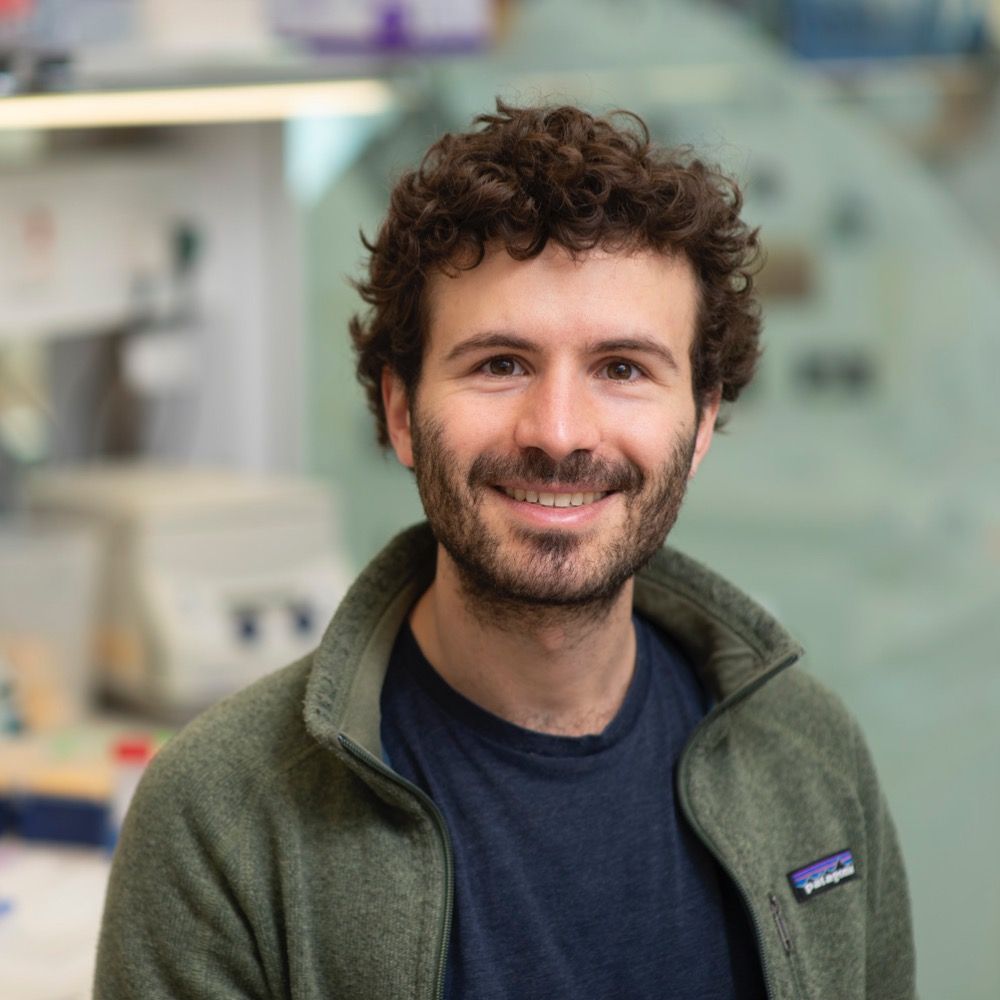
How could a simple self-replicating system emerge at the origins of life? RNA polymerase ribozymes can replicate RNA, but existing ones are so large that their self-replication seems impossible. Could they be smaller?
Excited to share our latest work in @science.org on a new small polymerase.
1/n
Excited to share our latest work in @science.org on a new small polymerase.
1/n

A small polymerase ribozyme that can synthesize itself and its complementary strand
The emergence of a chemical system capable of self-replication and evolution is a critical event in the origin of life. RNA polymerase ribozymes can replicate RNA, but their large size and structural ...
www.science.org
February 13, 2026 at 11:42 AM
How could a simple self-replicating system emerge at the origins of life? RNA polymerase ribozymes can replicate RNA, but existing ones are so large that their self-replication seems impossible. Could they be smaller?
Excited to share our latest work in @science.org on a new small polymerase.
1/n
Excited to share our latest work in @science.org on a new small polymerase.
1/n
Reposted by Rafael Pinilla-Redondo (Rafa)

Out Now! Realizing phage therapy in the UK #MicroSky
Realizing phage therapy in the UK
Nature Microbiology, Published online: 13 February 2026; doi:10.1038/s41564-026-02280-zOn 25 November 2025, the international phage therapy research and biotechnology communities gathered in Liverpool, UK, to discuss progress in implementing clinical phage therapies and the latest technological breakthroughs in phage biology and engineering, while UK regulators and health agencies provided the latest guidance.
go.nature.com
February 14, 2026 at 12:12 AM
Out Now! Realizing phage therapy in the UK #MicroSky
Reposted by Rafael Pinilla-Redondo (Rafa)


February 11, 2026 at 6:26 PM
Reposted by Rafael Pinilla-Redondo (Rafa)

Abstract submission is now OPEN for the 2026 Symposium on the Immune System of Bacteria!
sisb2026.rockefeller.edu
🗓 May 5–7, 2026
📍 Rockefeller University, New York City
⏰ Abstract deadline: March 16, 2026
Attendance will be capped, be sure to register early and secure your spot.
See you in NYC!
sisb2026.rockefeller.edu
🗓 May 5–7, 2026
📍 Rockefeller University, New York City
⏰ Abstract deadline: March 16, 2026
Attendance will be capped, be sure to register early and secure your spot.
See you in NYC!
SISB2026
sisb2026.rockefeller.edu
February 11, 2026 at 2:05 PM
Abstract submission is now OPEN for the 2026 Symposium on the Immune System of Bacteria!
sisb2026.rockefeller.edu
🗓 May 5–7, 2026
📍 Rockefeller University, New York City
⏰ Abstract deadline: March 16, 2026
Attendance will be capped, be sure to register early and secure your spot.
See you in NYC!
sisb2026.rockefeller.edu
🗓 May 5–7, 2026
📍 Rockefeller University, New York City
⏰ Abstract deadline: March 16, 2026
Attendance will be capped, be sure to register early and secure your spot.
See you in NYC!
Reposted by Rafael Pinilla-Redondo (Rafa)

Plasmids weaponize conjugation to eliminate non-permissive recipients https://www.biorxiv.org/content/10.64898/2026.02.10.705089v1
February 11, 2026 at 4:16 AM
Plasmids weaponize conjugation to eliminate non-permissive recipients https://www.biorxiv.org/content/10.64898/2026.02.10.705089v1
Reposted by Rafael Pinilla-Redondo (Rafa)
Molecular basis for anti-jumbo phage #immunity by AVAST type 5.
Avs5 detects an early jumbo‑phage activator and halts infection by rapidly hydrolyzing NAD+.
www.sciencedirect.com/science/arti... #phage #bacteriophage #MicroSky
Avs5 detects an early jumbo‑phage activator and halts infection by rapidly hydrolyzing NAD+.
www.sciencedirect.com/science/arti... #phage #bacteriophage #MicroSky

February 7, 2026 at 7:26 PM
Molecular basis for anti-jumbo phage #immunity by AVAST type 5.
Avs5 detects an early jumbo‑phage activator and halts infection by rapidly hydrolyzing NAD+.
www.sciencedirect.com/science/arti... #phage #bacteriophage #MicroSky
Avs5 detects an early jumbo‑phage activator and halts infection by rapidly hydrolyzing NAD+.
www.sciencedirect.com/science/arti... #phage #bacteriophage #MicroSky
Reposted by Rafael Pinilla-Redondo (Rafa)

First events of our initiative debating access to phage therapy in Switzerland took place in Basel over the last weeks - great and constructive debates with the people as well as politicians, patients, clinicians, and regulators!
Together we can make things happen. 🇨🇭🧬🌟
Together we can make things happen. 🇨🇭🧬🌟


February 5, 2026 at 8:23 AM
First events of our initiative debating access to phage therapy in Switzerland took place in Basel over the last weeks - great and constructive debates with the people as well as politicians, patients, clinicians, and regulators!
Together we can make things happen. 🇨🇭🧬🌟
Together we can make things happen. 🇨🇭🧬🌟
Reposted by Rafael Pinilla-Redondo (Rafa)

Online Now: Filament-mediated repurposing of toxic dITP for immunity in the Kongming system Online now:

Filament-mediated repurposing of toxic dITP for immunity in the Kongming system
Feng et al. uncover how a bacterial immune effector, KomBC, is activated by the toxic nucleotide dITP. A preassembled filament converts sparse, non-cyclic dITP signals into cooperative NADase activation, revealing a distinct ultrasensitive immune mechanism.
dlvr.it
February 3, 2026 at 8:14 PM
Online Now: Filament-mediated repurposing of toxic dITP for immunity in the Kongming system Online now:
Reposted by Rafael Pinilla-Redondo (Rafa)
A DNA damage-activated kinase controls bacterial immune pathway expression https://www.biorxiv.org/content/10.64898/2026.02.02.703251v1
February 4, 2026 at 4:16 AM
A DNA damage-activated kinase controls bacterial immune pathway expression https://www.biorxiv.org/content/10.64898/2026.02.02.703251v1
Reposted by Rafael Pinilla-Redondo (Rafa)

Sustained in situ protein production and release in the mammalian gut by an engineered bacteriophage www.nature.com/articles/s41...

Sustained in situ protein production and release in the mammalian gut by an engineered bacteriophage - Nature Biotechnology
Biologics are delivered to the gut using phage that infects resident commensal bacteria.
www.nature.com
January 30, 2026 at 3:22 PM
Sustained in situ protein production and release in the mammalian gut by an engineered bacteriophage www.nature.com/articles/s41...
Reposted by Rafael Pinilla-Redondo (Rafa)

A widespread extended arbitrium system controls lysis/lysogeny through antirepression
@cp-cellhostmicrobe.bsky.social from Avigdor Eldar
www.sciencedirect.com/science/arti...
@cp-cellhostmicrobe.bsky.social from Avigdor Eldar
www.sciencedirect.com/science/arti...

A widespread extended arbitrium system controls lysis/lysogeny through antirepression
Many temperate Bacillus phages use the arbitrium peptide-based signaling system to regulate lysis-lysogeny decisions. In this system, the secreted Aim…
www.sciencedirect.com
February 1, 2026 at 11:21 AM
A widespread extended arbitrium system controls lysis/lysogeny through antirepression
@cp-cellhostmicrobe.bsky.social from Avigdor Eldar
www.sciencedirect.com/science/arti...
@cp-cellhostmicrobe.bsky.social from Avigdor Eldar
www.sciencedirect.com/science/arti...
Reposted by Rafael Pinilla-Redondo (Rafa)
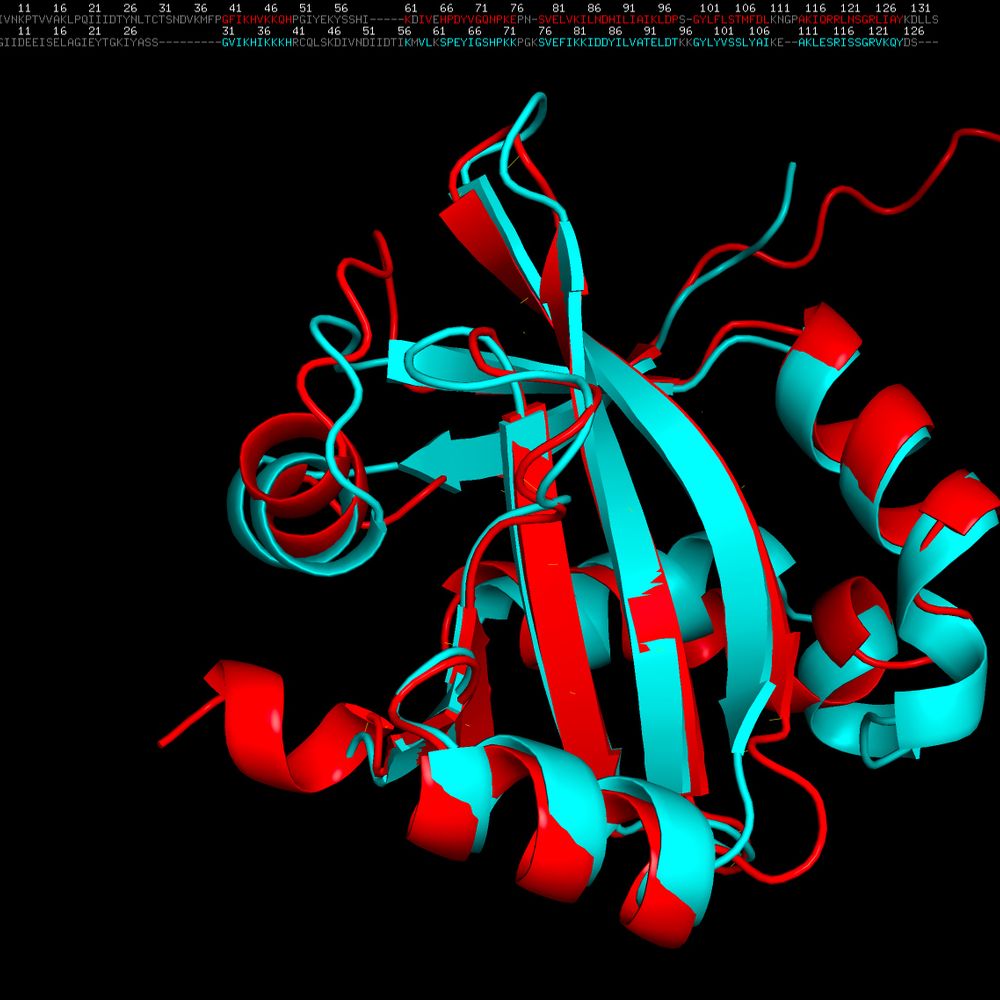
🫴 Fantastic work: DNA recognition-mimicry switch governs induction in arbitrium phages:
www.sciencedirect.com/science/arti...
@spp2330.bsky.social #subtiwiki @cp-cellhostmicrobe.bsky.social
www.sciencedirect.com/science/arti...
@spp2330.bsky.social #subtiwiki @cp-cellhostmicrobe.bsky.social

A DNA recognition-mimicry switch governs induction in arbitrium phages
Temperate phages integrate multiple information sources to regulate lysis-lysogeny transitions. SPbeta-like phages use arbitrium signaling and DNA dam…
www.sciencedirect.com
January 31, 2026 at 10:24 PM
🫴 Fantastic work: DNA recognition-mimicry switch governs induction in arbitrium phages:
www.sciencedirect.com/science/arti...
@spp2330.bsky.social #subtiwiki @cp-cellhostmicrobe.bsky.social
www.sciencedirect.com/science/arti...
@spp2330.bsky.social #subtiwiki @cp-cellhostmicrobe.bsky.social
Reposted by Rafael Pinilla-Redondo (Rafa)

🚨 Hiring Alert! 🚨My lab at Institut Pasteur is recruiting several Postdocs! We have exciting open projects in: 🦠 Synthetic Biology and🛡️ Bacterial Immunity. Come do great science with us in the middle of Paris! 🇫🇷🥐 research.pasteur.fr/en/job/postd...

Postdoctoral position - Synthetic Biology / Bacterial Immunity - Research
The Bikard lab at Institut Pasteur in Paris is seeking to hire postdoctoral researchers. We are investigating bacteria / bacteriophages interactions, and the genetic innovation that happens at this in...
research.pasteur.fr
January 28, 2026 at 11:19 AM
🚨 Hiring Alert! 🚨My lab at Institut Pasteur is recruiting several Postdocs! We have exciting open projects in: 🦠 Synthetic Biology and🛡️ Bacterial Immunity. Come do great science with us in the middle of Paris! 🇫🇷🥐 research.pasteur.fr/en/job/postd...
Reposted by Rafael Pinilla-Redondo (Rafa)


A prophage-encoded abortive infection protein preserves host and prophage spread www.nature.com/articles/s41...

A prophage-encoded abortive infection protein preserves host and prophage spread - Nature
A Gifsy-1 prophage–encoded higher eukaryotes and prokaryotes nucleotide-binding protein, HepS, senses Siphoviridae infection, activates abortive defence by cleaving host transfer RNAs, blocks rival ph...
www.nature.com
January 28, 2026 at 11:01 PM
Reposted by Rafael Pinilla-Redondo (Rafa)

Another cool finding of nucleotides activating antiphage defense 👇🏽
5′-phosphorylated deoxydinucleotides arising during host genome degradation activate the doughnut shaped ApeA oligomer, to cleave host
tRNAs and abort infection
✂️🧬➡️🍩✨➡️✂️☠️🦠
www.biorxiv.org/content/10.6...
5′-phosphorylated deoxydinucleotides arising during host genome degradation activate the doughnut shaped ApeA oligomer, to cleave host
tRNAs and abort infection
✂️🧬➡️🍩✨➡️✂️☠️🦠
www.biorxiv.org/content/10.6...
www.biorxiv.org
January 27, 2026 at 1:13 PM
Another cool finding of nucleotides activating antiphage defense 👇🏽
5′-phosphorylated deoxydinucleotides arising during host genome degradation activate the doughnut shaped ApeA oligomer, to cleave host
tRNAs and abort infection
✂️🧬➡️🍩✨➡️✂️☠️🦠
www.biorxiv.org/content/10.6...
5′-phosphorylated deoxydinucleotides arising during host genome degradation activate the doughnut shaped ApeA oligomer, to cleave host
tRNAs and abort infection
✂️🧬➡️🍩✨➡️✂️☠️🦠
www.biorxiv.org/content/10.6...
Reposted by Rafael Pinilla-Redondo (Rafa)

New paper out in @pnas.org, and it made the cover! 👁️
We represent plasmids as circles and mutations as dots, resembling an eye, because in this paper we literally 𝑤𝑎𝑡𝑐ℎ plasmids evolve.
‼️Check Paula’s 🧵 and the paper👇
𝗣𝗹𝗮𝘀𝗺𝗶𝗱 𝗺𝘂𝘁𝗮𝘁𝗶𝗼𝗻 𝗿𝗮𝘁𝗲𝘀 𝘀𝗰𝗮𝗹𝗲 𝘄𝗶𝘁𝗵 𝗰𝗼𝗽𝘆 𝗻𝘂𝗺𝗯𝗲𝗿
www.pnas.org/doi/10.1073/...
We represent plasmids as circles and mutations as dots, resembling an eye, because in this paper we literally 𝑤𝑎𝑡𝑐ℎ plasmids evolve.
‼️Check Paula’s 🧵 and the paper👇
𝗣𝗹𝗮𝘀𝗺𝗶𝗱 𝗺𝘂𝘁𝗮𝘁𝗶𝗼𝗻 𝗿𝗮𝘁𝗲𝘀 𝘀𝗰𝗮𝗹𝗲 𝘄𝗶𝘁𝗵 𝗰𝗼𝗽𝘆 𝗻𝘂𝗺𝗯𝗲𝗿
www.pnas.org/doi/10.1073/...

January 27, 2026 at 8:23 PM
New paper out in @pnas.org, and it made the cover! 👁️
We represent plasmids as circles and mutations as dots, resembling an eye, because in this paper we literally 𝑤𝑎𝑡𝑐ℎ plasmids evolve.
‼️Check Paula’s 🧵 and the paper👇
𝗣𝗹𝗮𝘀𝗺𝗶𝗱 𝗺𝘂𝘁𝗮𝘁𝗶𝗼𝗻 𝗿𝗮𝘁𝗲𝘀 𝘀𝗰𝗮𝗹𝗲 𝘄𝗶𝘁𝗵 𝗰𝗼𝗽𝘆 𝗻𝘂𝗺𝗯𝗲𝗿
www.pnas.org/doi/10.1073/...
We represent plasmids as circles and mutations as dots, resembling an eye, because in this paper we literally 𝑤𝑎𝑡𝑐ℎ plasmids evolve.
‼️Check Paula’s 🧵 and the paper👇
𝗣𝗹𝗮𝘀𝗺𝗶𝗱 𝗺𝘂𝘁𝗮𝘁𝗶𝗼𝗻 𝗿𝗮𝘁𝗲𝘀 𝘀𝗰𝗮𝗹𝗲 𝘄𝗶𝘁𝗵 𝗰𝗼𝗽𝘆 𝗻𝘂𝗺𝗯𝗲𝗿
www.pnas.org/doi/10.1073/...
Reposted by Rafael Pinilla-Redondo (Rafa)

A new paper from the lab on virus-like particles called eCISs www.nature.com/articles/s41...
How bacteria evolved thousands of precision nanoinjectors?
Some bacteria don’t secrete toxins — they inject them using phage-derived machines called extracellular contractile injection systems (eCISs).
How bacteria evolved thousands of precision nanoinjectors?
Some bacteria don’t secrete toxins — they inject them using phage-derived machines called extracellular contractile injection systems (eCISs).
A comprehensive catalogue of receptor-binding domains in extracellular contractile injection systems - Nature Communications
Extracellular contractile injection systems (eCISs) are bacteriophage tail-derived toxin delivery complexes that are present in many prokaryotes. Here, the authors present an analysis of eCIS tail fib...
www.nature.com
January 26, 2026 at 1:26 PM
A new paper from the lab on virus-like particles called eCISs www.nature.com/articles/s41...
How bacteria evolved thousands of precision nanoinjectors?
Some bacteria don’t secrete toxins — they inject them using phage-derived machines called extracellular contractile injection systems (eCISs).
How bacteria evolved thousands of precision nanoinjectors?
Some bacteria don’t secrete toxins — they inject them using phage-derived machines called extracellular contractile injection systems (eCISs).

Reposted by Rafael Pinilla-Redondo (Rafa)

Our latest CRISPR ring nuclease paper focusses on Csx15 - which seems to act as of a sponge as well as a canonical phosphodiesterase. Great work led by @haotianchi.bsky.social
www.biorxiv.org/content/10.6...
www.biorxiv.org/content/10.6...
www.biorxiv.org
January 22, 2026 at 8:57 AM
Our latest CRISPR ring nuclease paper focusses on Csx15 - which seems to act as of a sponge as well as a canonical phosphodiesterase. Great work led by @haotianchi.bsky.social
www.biorxiv.org/content/10.6...
www.biorxiv.org/content/10.6...
Reposted by Rafael Pinilla-Redondo (Rafa)
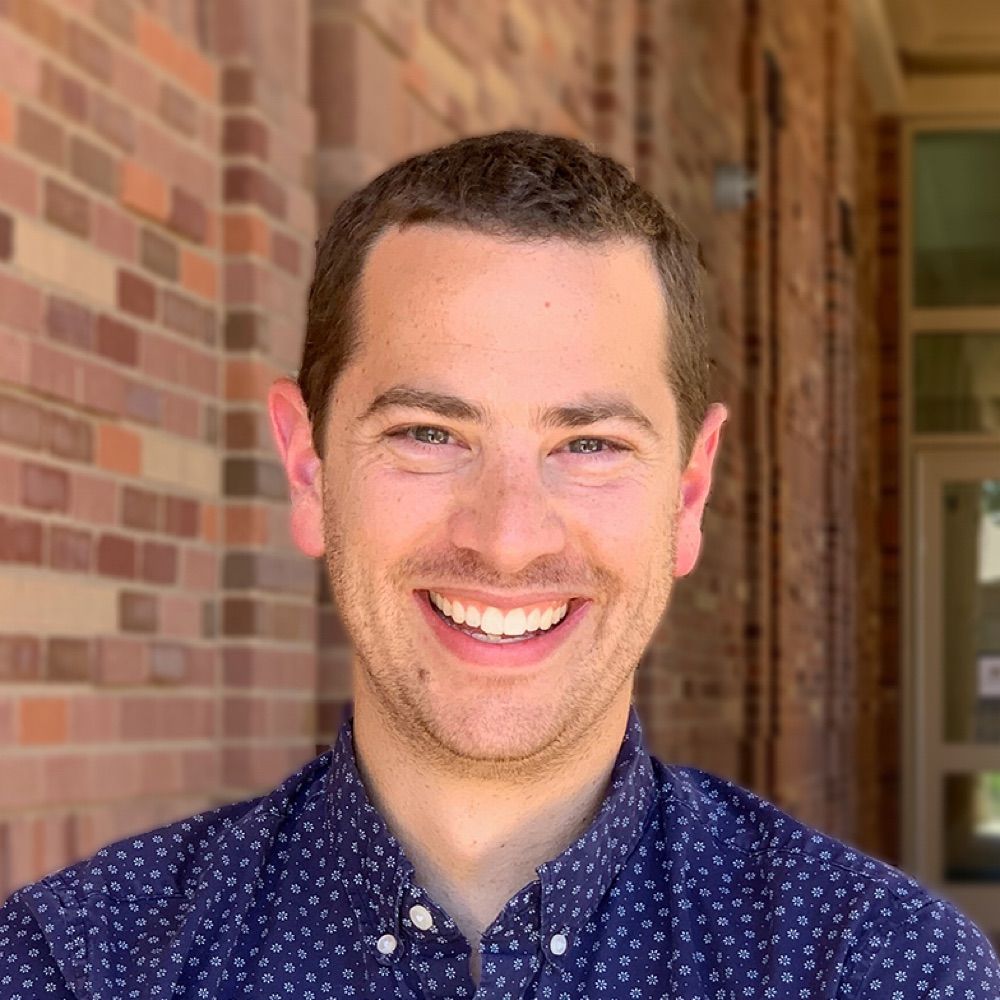
I’m thrilled to share our work on phage triggers of the bacterial immune system in its final form @natmicrobiol.nature.com www.nature.com/articles/s41...

A phage protein screen identifies triggers of the bacterial innate immune system - Nature Microbiology
A library of 400 phage protein-coding genes is used to find a trove of antiphage systems, revealing systems that target tail fibre and major capsid proteins.
www.nature.com
January 18, 2026 at 10:45 PM
I’m thrilled to share our work on phage triggers of the bacterial immune system in its final form @natmicrobiol.nature.com www.nature.com/articles/s41...
Reposted by Rafael Pinilla-Redondo (Rafa)

Preprint out: We characterise PUA-Cal-HAD, a widespread bacterial antiphage defence family. An infection cue switches a preassembled complex into an immune filament that drains dNTPs via a coupled two-enzyme cascade, and phage DNA mimics can block filament assembly (anti-polymerisation).
A methylome-derived m6-dAMP trigger assembles a PUA-Cal-HAD immune filament that depletes dNTPs to abort phage infection
Bacteria must distinguish phage attack from normal homeostatic processes, yet the danger signals that trigger many defence systems remain unknown. Here, we show that a PUA-Calcineurin-CE-HAD module from Escherichia coli ECOR28 confers broad anti-phage protection by binding Dam-methylated deoxyadenosine monophosphate (m6-dAMP) generated during phage-induced chromosome degradation. Ligand binding converts a preassembled PUA-Calcineurin-CE hexamer loaded with six HAD phosphatases into a polymerising filament. The filament acts as a high-flux dNTP sink through a two-enzyme cascade: HAD first dephosphorylates dATP to dADP, and Calcineurin-CE then converts dADP to dAMP. dNTP collapse halts phage replication and enforces abortive infection. Multiple mobile-element DNA mimic proteins block filament assembly, revealing a direct phage counter-defence. More broadly, our findings extend a conserved, cross-kingdom paradigm of immune filament assembly to nucleotide-depletion antiviral defence and suggest modified-nucleotide sensing by related PUA-Calcineurin-CE modules as a widespread, underappreciated bacterial strategy. ### Competing Interest Statement The authors have declared no competing interest. NIHR Southampton Biomedical Research Centre, https://ror.org/01qqpzg67, Postdoctoral Bridging Fellowship F.L.N. is supported by a Wessex Health Partners (WHP) and National Institute for Health and Care Research Wessex Experimental Medicine Network (NIHR WEMN), Seed fund National Institutes of Health, GM145888, U24 GM129539) Maloris Foundation Memorial Sloan Kettering Cancer Center, P30-CA008748 Simons Foundation, SF349247 New York State Assembly
www.biorxiv.org
January 17, 2026 at 2:52 PM
Preprint out: We characterise PUA-Cal-HAD, a widespread bacterial antiphage defence family. An infection cue switches a preassembled complex into an immune filament that drains dNTPs via a coupled two-enzyme cascade, and phage DNA mimics can block filament assembly (anti-polymerisation).
Reposted by Rafael Pinilla-Redondo (Rafa)
Out Now! A phage protein screen identifies triggers of the bacterial innate immune system #MicroSky

A phage protein screen identifies triggers of the bacterial innate immune system
Nature Microbiology, Published online: 16 January 2026; doi:10.1038/s41564-025-02239-6A library of 400 phage protein-coding genes is used to find a trove of antiphage systems, revealing systems that target tail fibre and major capsid proteins.
go.nature.com
January 16, 2026 at 4:53 PM
Out Now! A phage protein screen identifies triggers of the bacterial innate immune system #MicroSky
Reposted by Rafael Pinilla-Redondo (Rafa)

Save the date, please RT:
Looking forward to an exciting International Symposium @spp2330.bsky.social "New concepts in prokaryotic virus-host interactions".
October 5-7, 2026; Harnack-Haus Berlin (Germany).
@dfg.de @hhu.de @fz-juelich.de
Looking forward to an exciting International Symposium @spp2330.bsky.social "New concepts in prokaryotic virus-host interactions".
October 5-7, 2026; Harnack-Haus Berlin (Germany).
@dfg.de @hhu.de @fz-juelich.de

January 14, 2026 at 2:41 PM
Save the date, please RT:
Looking forward to an exciting International Symposium @spp2330.bsky.social "New concepts in prokaryotic virus-host interactions".
October 5-7, 2026; Harnack-Haus Berlin (Germany).
@dfg.de @hhu.de @fz-juelich.de
Looking forward to an exciting International Symposium @spp2330.bsky.social "New concepts in prokaryotic virus-host interactions".
October 5-7, 2026; Harnack-Haus Berlin (Germany).
@dfg.de @hhu.de @fz-juelich.de
Reposted by Rafael Pinilla-Redondo (Rafa)
Happy to share our recent preprint:
"DNA-intercalating antiphage molecules trigger abortive infection through mutual destruction and synergize with bacterial immunity"
www.biorxiv.org/content/10.6...
@spp2330.bsky.social, @mibinet.bsky.social, @dfg.de @hhu.de @fzj.bsky.social
"DNA-intercalating antiphage molecules trigger abortive infection through mutual destruction and synergize with bacterial immunity"
www.biorxiv.org/content/10.6...
@spp2330.bsky.social, @mibinet.bsky.social, @dfg.de @hhu.de @fzj.bsky.social

January 14, 2026 at 8:57 AM
Happy to share our recent preprint:
"DNA-intercalating antiphage molecules trigger abortive infection through mutual destruction and synergize with bacterial immunity"
www.biorxiv.org/content/10.6...
@spp2330.bsky.social, @mibinet.bsky.social, @dfg.de @hhu.de @fzj.bsky.social
"DNA-intercalating antiphage molecules trigger abortive infection through mutual destruction and synergize with bacterial immunity"
www.biorxiv.org/content/10.6...
@spp2330.bsky.social, @mibinet.bsky.social, @dfg.de @hhu.de @fzj.bsky.social
Reposted by Rafael Pinilla-Redondo (Rafa)

Bacteria chromosomes contain Genomic Islands that provide virulence, antibiotic resistance, MGE-defence,... They transfer between cells, but the mechanism of most remains elusive.
Here we explore the conjugative capacity of these mysterious Genomic Islands.
www.biorxiv.org/content/10.6...
Here we explore the conjugative capacity of these mysterious Genomic Islands.
www.biorxiv.org/content/10.6...
www.biorxiv.org
January 14, 2026 at 10:14 AM
Bacteria chromosomes contain Genomic Islands that provide virulence, antibiotic resistance, MGE-defence,... They transfer between cells, but the mechanism of most remains elusive.
Here we explore the conjugative capacity of these mysterious Genomic Islands.
www.biorxiv.org/content/10.6...
Here we explore the conjugative capacity of these mysterious Genomic Islands.
www.biorxiv.org/content/10.6...