




Nature Microbiology
@natmicrobiol.nature.com
Nature Microbiology publishes the latest research and commentary in all areas of microbiology.
https://www.nature.com/nmicrobiol/
https://www.nature.com/nmicrobiol/
Pinned

Nature Microbiology turns 10! 🎂
As a special treat, we take you back to the editorial team that started it all and then fast forward to take a peek into the future of microbiology through some brilliant microbiologists.
#MicroSky 🦠
www.nature.com/nmicrobiol/v...
As a special treat, we take you back to the editorial team that started it all and then fast forward to take a peek into the future of microbiology through some brilliant microbiologists.
#MicroSky 🦠
www.nature.com/nmicrobiol/v...
Reposted by Nature Microbiology

Hot off the press and very interesting: Hsu, Schnabl et al. reveal how gut bacteria contribute to (not kidding) auto-brewery syndrome (ABS). Patients become intoxicated without drinking alcohol. Their gut microbiota ferments carbohydrates into ethanol. Which microbes are responsible? ⬇️
1/3
1/3
January 12, 2026 at 1:56 PM
Hot off the press and very interesting: Hsu, Schnabl et al. reveal how gut bacteria contribute to (not kidding) auto-brewery syndrome (ABS). Patients become intoxicated without drinking alcohol. Their gut microbiota ferments carbohydrates into ethanol. Which microbes are responsible? ⬇️
1/3
1/3
Reposted by Nature Microbiology

I've written a highlight article for @natmicrobiol.nature.com on their new publication from the Ding lab that showed the healing potential of commensal #fungi. Important work started in mice with possible health benefits for humans. Read more here:
rdcu.be/eYFyy
#immunosky #microsky 🧪🍄
rdcu.be/eYFyy
#immunosky #microsky 🧪🍄
Client Challenge
rdcu.be
January 12, 2026 at 12:26 PM
I've written a highlight article for @natmicrobiol.nature.com on their new publication from the Ding lab that showed the healing potential of commensal #fungi. Important work started in mice with possible health benefits for humans. Read more here:
rdcu.be/eYFyy
#immunosky #microsky 🧪🍄
rdcu.be/eYFyy
#immunosky #microsky 🧪🍄
Reposted by Nature Microbiology

@carmen-aguilar.bsky.social and her team have, for the first time, uncovered how E. coli bacteria sneak into the prostate. New paper out in @natmicrobiol.nature.com

The secret route of prostate infections
A research team at the University of Würzburg has, for the first time, uncovered how E. coli bacteria sneak into the prostate. The discovery opens the door to potential new treatments for bacterial pr...
www.uni-wuerzburg.de
January 12, 2026 at 10:29 AM
@carmen-aguilar.bsky.social and her team have, for the first time, uncovered how E. coli bacteria sneak into the prostate. New paper out in @natmicrobiol.nature.com
Reposted by Nature Microbiology

#NewResearch
Uropathogenic E. coli (UPEC) can cause bacterial prostatitis, a prevalent and recurrent infection with high morbidity in men. Here they show that UPEC invades luminal prostate cells via a bacterial FimH and host PPAP receptor interaction
#microsky
www.nature.com/articles/s41...
Uropathogenic E. coli (UPEC) can cause bacterial prostatitis, a prevalent and recurrent infection with high morbidity in men. Here they show that UPEC invades luminal prostate cells via a bacterial FimH and host PPAP receptor interaction
#microsky
www.nature.com/articles/s41...

January 9, 2026 at 11:29 AM
#NewResearch
Uropathogenic E. coli (UPEC) can cause bacterial prostatitis, a prevalent and recurrent infection with high morbidity in men. Here they show that UPEC invades luminal prostate cells via a bacterial FimH and host PPAP receptor interaction
#microsky
www.nature.com/articles/s41...
Uropathogenic E. coli (UPEC) can cause bacterial prostatitis, a prevalent and recurrent infection with high morbidity in men. Here they show that UPEC invades luminal prostate cells via a bacterial FimH and host PPAP receptor interaction
#microsky
www.nature.com/articles/s41...
#NewResearch
Gut microbes can produce ethanol and contribute to auto-brewery syndrome. FMT can potentially treat individuals with this syndrome and improve symptoms.
#microsky
www.nature.com/articles/s41...
Gut microbes can produce ethanol and contribute to auto-brewery syndrome. FMT can potentially treat individuals with this syndrome and improve symptoms.
#microsky
www.nature.com/articles/s41...

January 9, 2026 at 11:23 AM
#NewResearch
Gut microbes can produce ethanol and contribute to auto-brewery syndrome. FMT can potentially treat individuals with this syndrome and improve symptoms.
#microsky
www.nature.com/articles/s41...
Gut microbes can produce ethanol and contribute to auto-brewery syndrome. FMT can potentially treat individuals with this syndrome and improve symptoms.
#microsky
www.nature.com/articles/s41...
#NewResearch
Infecting phages co-opt a bacterial protein to potentially faciliate genome degradation of competing phages
#microsky
www.nature.com/articles/s41...
Infecting phages co-opt a bacterial protein to potentially faciliate genome degradation of competing phages
#microsky
www.nature.com/articles/s41...

January 9, 2026 at 11:18 AM
#NewResearch
Infecting phages co-opt a bacterial protein to potentially faciliate genome degradation of competing phages
#microsky
www.nature.com/articles/s41...
Infecting phages co-opt a bacterial protein to potentially faciliate genome degradation of competing phages
#microsky
www.nature.com/articles/s41...
New Review!
Sang Yup Lee, Bernhard Palsson & Gi Bae Kim discuss how #AI can aid microbial gene function discovery
www.nature.com/articles/s41...
#microsky
Sang Yup Lee, Bernhard Palsson & Gi Bae Kim discuss how #AI can aid microbial gene function discovery
www.nature.com/articles/s41...
#microsky

January 9, 2026 at 11:13 AM
New Review!
Sang Yup Lee, Bernhard Palsson & Gi Bae Kim discuss how #AI can aid microbial gene function discovery
www.nature.com/articles/s41...
#microsky
Sang Yup Lee, Bernhard Palsson & Gi Bae Kim discuss how #AI can aid microbial gene function discovery
www.nature.com/articles/s41...
#microsky
New Microbe Matters!
@relenski.bsky.social traces the legacy of Escherichia coli and how science is evolving to use this model organism in new ways
#microsky
www.nature.com/articles/s41...
@relenski.bsky.social traces the legacy of Escherichia coli and how science is evolving to use this model organism in new ways
#microsky
www.nature.com/articles/s41...

January 9, 2026 at 11:09 AM
New Microbe Matters!
@relenski.bsky.social traces the legacy of Escherichia coli and how science is evolving to use this model organism in new ways
#microsky
www.nature.com/articles/s41...
@relenski.bsky.social traces the legacy of Escherichia coli and how science is evolving to use this model organism in new ways
#microsky
www.nature.com/articles/s41...
New Perspective!
Navigating the duality of Akkermansia muciniphila
by Erica Grant, Elena Monzel & Mahesh Desai
#microsky #microbiomesky
www.nature.com/articles/s41...
Navigating the duality of Akkermansia muciniphila
by Erica Grant, Elena Monzel & Mahesh Desai
#microsky #microbiomesky
www.nature.com/articles/s41...

January 9, 2026 at 11:07 AM
New Perspective!
Navigating the duality of Akkermansia muciniphila
by Erica Grant, Elena Monzel & Mahesh Desai
#microsky #microbiomesky
www.nature.com/articles/s41...
Navigating the duality of Akkermansia muciniphila
by Erica Grant, Elena Monzel & Mahesh Desai
#microsky #microbiomesky
www.nature.com/articles/s41...
Reposted by Nature Microbiology

How can we tell whether an antibiotic eradicates an infection? Researchers from the @biomedizin.unibas.ch, at the @unibas.ch, present an antimicrobial single-cell microscopy-based method that measures antibiotic lethality in individual bacteria.
🔗 doi.org/10.1038/s415...
@natmicrobiol.nature.com
🔗 doi.org/10.1038/s415...
@natmicrobiol.nature.com

January 9, 2026 at 10:54 AM
How can we tell whether an antibiotic eradicates an infection? Researchers from the @biomedizin.unibas.ch, at the @unibas.ch, present an antimicrobial single-cell microscopy-based method that measures antibiotic lethality in individual bacteria.
🔗 doi.org/10.1038/s415...
@natmicrobiol.nature.com
🔗 doi.org/10.1038/s415...
@natmicrobiol.nature.com
Reposted by Nature Microbiology

Two fantastic papers published back-to-back in @natmicrobiol.nature.com show that strictly lytic phages can persist intracellularly for long periods of time. Very much in line with ideas we had suggested in a recent study. Highly recommended reads 👇
www.nature.com/articles/s41...
www.nature.com/articles/s41...
January 9, 2026 at 9:50 AM
Two fantastic papers published back-to-back in @natmicrobiol.nature.com show that strictly lytic phages can persist intracellularly for long periods of time. Very much in line with ideas we had suggested in a recent study. Highly recommended reads 👇
www.nature.com/articles/s41...
www.nature.com/articles/s41...
Reposted by Nature Microbiology

Our first paper is out today in @natmicrobiol.nature.com!
We introduce a prostate organoid model and show that UPEC invades prostate cells via FimH binding to the prostate-specific protein PAPP. A step toward targeted therapies against bacterial prostatitis. 🎉
#UTI #UPEC #Organoids #AMR
We introduce a prostate organoid model and show that UPEC invades prostate cells via FimH binding to the prostate-specific protein PAPP. A step toward targeted therapies against bacterial prostatitis. 🎉
#UTI #UPEC #Organoids #AMR

Uropathogenic Escherichia coli invade luminal prostate cells via FimH–PPAP receptor binding - Nature Microbiology
Uropathogenic Escherichia coli infection of a murine prostate organoid model reveals a bacterial FimH–host prostatic acid phosphatase adhesin-receptor interaction enabling invasion and replication wit...
www.nature.com
January 8, 2026 at 11:12 AM
Our first paper is out today in @natmicrobiol.nature.com!
We introduce a prostate organoid model and show that UPEC invades prostate cells via FimH binding to the prostate-specific protein PAPP. A step toward targeted therapies against bacterial prostatitis. 🎉
#UTI #UPEC #Organoids #AMR
We introduce a prostate organoid model and show that UPEC invades prostate cells via FimH binding to the prostate-specific protein PAPP. A step toward targeted therapies against bacterial prostatitis. 🎉
#UTI #UPEC #Organoids #AMR
Nature Microbiology turns 10! 🎂
As a special treat, we take you back to the editorial team that started it all and then fast forward to take a peek into the future of microbiology through some brilliant microbiologists.
#MicroSky 🦠
www.nature.com/nmicrobiol/v...
As a special treat, we take you back to the editorial team that started it all and then fast forward to take a peek into the future of microbiology through some brilliant microbiologists.
#MicroSky 🦠
www.nature.com/nmicrobiol/v...
January 5, 2026 at 4:44 PM
Nature Microbiology turns 10! 🎂
As a special treat, we take you back to the editorial team that started it all and then fast forward to take a peek into the future of microbiology through some brilliant microbiologists.
#MicroSky 🦠
www.nature.com/nmicrobiol/v...
As a special treat, we take you back to the editorial team that started it all and then fast forward to take a peek into the future of microbiology through some brilliant microbiologists.
#MicroSky 🦠
www.nature.com/nmicrobiol/v...
Reposted by Nature Microbiology

Precious Matsoso, a public-health official based in Pretoria, South Africa, brokered the world’s first pandemic-preparedness treaty after years of hard-fought negotiations. She’s part of Nature’s 10 for 2025. 🧪

The first global pandemic treaty — and the woman who made it happen
Precious Matsoso is part of Nature’s 10, a list of people who shaped science in 2025.
go.nature.com
January 2, 2026 at 2:36 PM
Precious Matsoso, a public-health official based in Pretoria, South Africa, brokered the world’s first pandemic-preparedness treaty after years of hard-fought negotiations. She’s part of Nature’s 10 for 2025. 🧪
#NewResearch
While oral bacteria rarely colonize the healthy gut, they dominate the gut microbiome of patients with chronic liver disease. Here a bacterial gene encoded by microbial translocators is linked to gut barrier disruption and fibrosis
#MicroSky 🦠
www.nature.com/articles/s41...
While oral bacteria rarely colonize the healthy gut, they dominate the gut microbiome of patients with chronic liver disease. Here a bacterial gene encoded by microbial translocators is linked to gut barrier disruption and fibrosis
#MicroSky 🦠
www.nature.com/articles/s41...

Microbial collagenase activity is linked to oral–gut translocation in advanced chronic liver disease - Nature Microbiology
While oral bacteria rarely colonize the healthy gut, they dominate the gut microbiome of patients with chronic liver disease. Here a bacterial gene encoded by microbial translocators is linked to gut ...
www.nature.com
January 2, 2026 at 2:07 PM
#NewResearch
While oral bacteria rarely colonize the healthy gut, they dominate the gut microbiome of patients with chronic liver disease. Here a bacterial gene encoded by microbial translocators is linked to gut barrier disruption and fibrosis
#MicroSky 🦠
www.nature.com/articles/s41...
While oral bacteria rarely colonize the healthy gut, they dominate the gut microbiome of patients with chronic liver disease. Here a bacterial gene encoded by microbial translocators is linked to gut barrier disruption and fibrosis
#MicroSky 🦠
www.nature.com/articles/s41...
#NewResearch
Diverse genomes of lytic phages are found in bacterial assemblies, challenging assumptions about the nature of the lytic lifestyle.
#MicroSky 🦠
www.nature.com/articles/s41...
Diverse genomes of lytic phages are found in bacterial assemblies, challenging assumptions about the nature of the lytic lifestyle.
#MicroSky 🦠
www.nature.com/articles/s41...

Large-scale analysis of bacterial genomes reveals thousands of lytic phages - Nature Microbiology
Diverse genomes of lytic phages are found in bacterial assemblies, challenging assumptions about the nature of the lytic lifestyle.
www.nature.com
January 2, 2026 at 2:06 PM
#NewResearch
Diverse genomes of lytic phages are found in bacterial assemblies, challenging assumptions about the nature of the lytic lifestyle.
#MicroSky 🦠
www.nature.com/articles/s41...
Diverse genomes of lytic phages are found in bacterial assemblies, challenging assumptions about the nature of the lytic lifestyle.
#MicroSky 🦠
www.nature.com/articles/s41...
#NewResearch
The long-term existence of diverse virulent phages within cultures of Escherichia coli and others challenges the virulent–temperate dichotomy and points to non-canonical phage lifestyles.
#MicroSky 🦠 @peterdoug.bsky.social @emggroupucph.bsky.social
www.nature.com/articles/s41...
The long-term existence of diverse virulent phages within cultures of Escherichia coli and others challenges the virulent–temperate dichotomy and points to non-canonical phage lifestyles.
#MicroSky 🦠 @peterdoug.bsky.social @emggroupucph.bsky.social
www.nature.com/articles/s41...

Persistent virulent phages exist across bacterial isolates - Nature Microbiology
The long-term existence of diverse virulent phages within cultures of Escherichia coli and others challenges the virulent–temperate dichotomy and points to non-canonical phage lifestyles.
www.nature.com
January 2, 2026 at 2:05 PM
#NewResearch
The long-term existence of diverse virulent phages within cultures of Escherichia coli and others challenges the virulent–temperate dichotomy and points to non-canonical phage lifestyles.
#MicroSky 🦠 @peterdoug.bsky.social @emggroupucph.bsky.social
www.nature.com/articles/s41...
The long-term existence of diverse virulent phages within cultures of Escherichia coli and others challenges the virulent–temperate dichotomy and points to non-canonical phage lifestyles.
#MicroSky 🦠 @peterdoug.bsky.social @emggroupucph.bsky.social
www.nature.com/articles/s41...
A big thanks to all the authors, reviewers, and readers of Nature Microbiology for their love and support throughout the year.
We are on a break & will be back on Jan 2nd, in what will be a very special year for us!
In the meantime, enjoy a collage made by @francoismayer.bsky.social
#MicroSky 🦠
We are on a break & will be back on Jan 2nd, in what will be a very special year for us!
In the meantime, enjoy a collage made by @francoismayer.bsky.social
#MicroSky 🦠

December 19, 2025 at 8:46 PM
A big thanks to all the authors, reviewers, and readers of Nature Microbiology for their love and support throughout the year.
We are on a break & will be back on Jan 2nd, in what will be a very special year for us!
In the meantime, enjoy a collage made by @francoismayer.bsky.social
#MicroSky 🦠
We are on a break & will be back on Jan 2nd, in what will be a very special year for us!
In the meantime, enjoy a collage made by @francoismayer.bsky.social
#MicroSky 🦠
Reposted by Nature Microbiology

My article on aeonophiles (ultra-long lived organisms) came out in Aeon Magazine today!

The discovery of organisms that have been alive for many thousands of years requires a revolution in how we understand life. An Essay by @karenlloyd.bsky.social

The discovery of aeonophiles expands our definition of life | Aeon Essays
The discovery of organisms that have been alive for many thousands of years requires a revolution in how we understand life
aeon.co
December 18, 2025 at 11:19 PM
My article on aeonophiles (ultra-long lived organisms) came out in Aeon Magazine today!
Reposted by Nature Microbiology
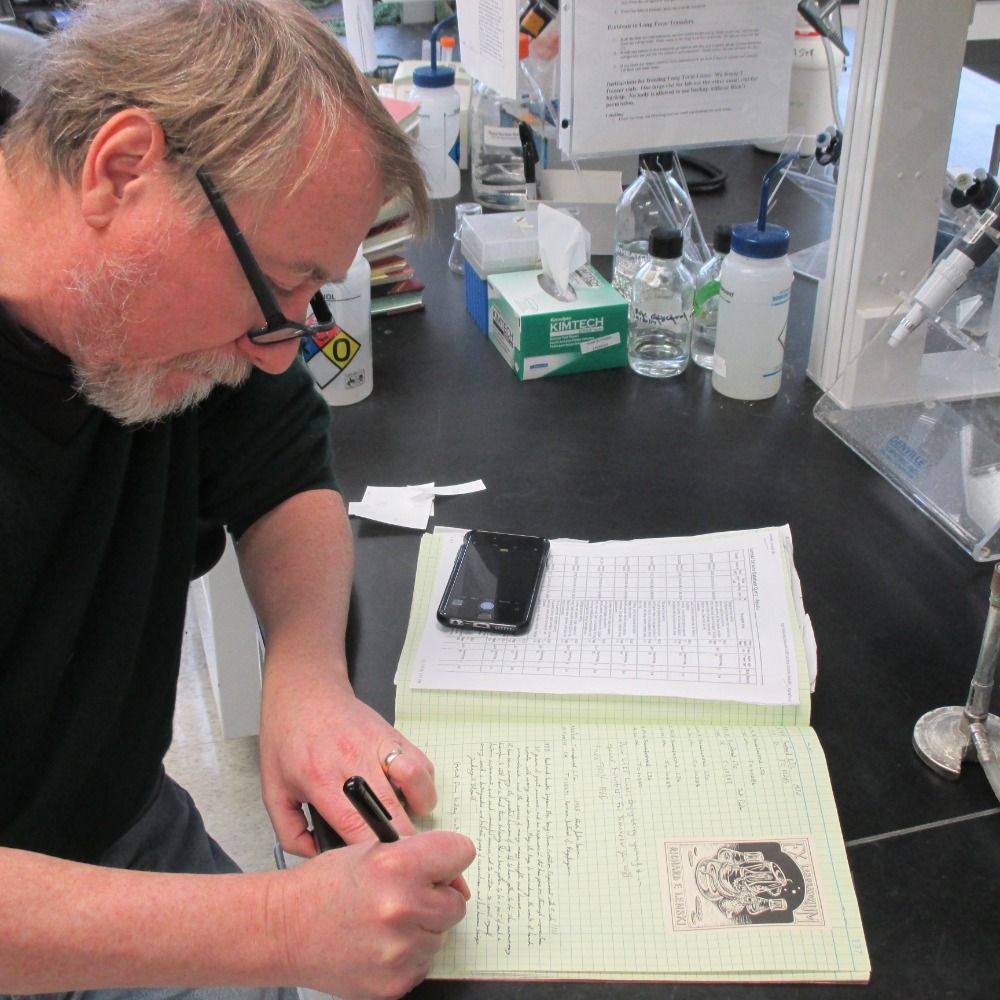

Oh well, we had to stop adding more papers at one point because the computer memory wasn't able to handle a thread that long!
We would like to hear from our readers about their favourite papers! Do add them in replies.
#MicroSky 🦠
We would like to hear from our readers about their favourite papers! Do add them in replies.
#MicroSky 🦠
As the year ends, we decided to select our favorite papers of 2025
Turns out, it is impossible as we love them all!
So, we picked 'some' that exhibit the range of microbiology highlighted through the columns of Nature Microbiology.
Here is a glimpse into #EditorPicks of 2025
#MicroSky 🦠
Turns out, it is impossible as we love them all!
So, we picked 'some' that exhibit the range of microbiology highlighted through the columns of Nature Microbiology.
Here is a glimpse into #EditorPicks of 2025
#MicroSky 🦠
December 19, 2025 at 3:05 PM
Oh well, we had to stop adding more papers at one point because the computer memory wasn't able to handle a thread that long!
We would like to hear from our readers about their favourite papers! Do add them in replies.
#MicroSky 🦠
We would like to hear from our readers about their favourite papers! Do add them in replies.
#MicroSky 🦠
As the year ends, we decided to select our favorite papers of 2025
Turns out, it is impossible as we love them all!
So, we picked 'some' that exhibit the range of microbiology highlighted through the columns of Nature Microbiology.
Here is a glimpse into #EditorPicks of 2025
#MicroSky 🦠
Turns out, it is impossible as we love them all!
So, we picked 'some' that exhibit the range of microbiology highlighted through the columns of Nature Microbiology.
Here is a glimpse into #EditorPicks of 2025
#MicroSky 🦠
December 19, 2025 at 3:03 PM
As the year ends, we decided to select our favorite papers of 2025
Turns out, it is impossible as we love them all!
So, we picked 'some' that exhibit the range of microbiology highlighted through the columns of Nature Microbiology.
Here is a glimpse into #EditorPicks of 2025
#MicroSky 🦠
Turns out, it is impossible as we love them all!
So, we picked 'some' that exhibit the range of microbiology highlighted through the columns of Nature Microbiology.
Here is a glimpse into #EditorPicks of 2025
#MicroSky 🦠
What is better than one? Two connected papers!
#NewResearch
S protein of Streptococcus pneumoniae activates PBP1a and coordinates with a wider GpsB-associated multi-protein complex to regulate peptidoglycan remodelling and cell division.
#MicroSky 🦠
www.nature.com/articles/s41...
#NewResearch
S protein of Streptococcus pneumoniae activates PBP1a and coordinates with a wider GpsB-associated multi-protein complex to regulate peptidoglycan remodelling and cell division.
#MicroSky 🦠
www.nature.com/articles/s41...
December 19, 2025 at 2:06 PM
What is better than one? Two connected papers!
#NewResearch
S protein of Streptococcus pneumoniae activates PBP1a and coordinates with a wider GpsB-associated multi-protein complex to regulate peptidoglycan remodelling and cell division.
#MicroSky 🦠
www.nature.com/articles/s41...
#NewResearch
S protein of Streptococcus pneumoniae activates PBP1a and coordinates with a wider GpsB-associated multi-protein complex to regulate peptidoglycan remodelling and cell division.
#MicroSky 🦠
www.nature.com/articles/s41...
#NewResearch
S protein from Streptococcus pneumoniae activates cell wall repair and modification to promote virulence against in vivo antimicrobial pressures including lysozyme and LL-37 @veeninglab.com
#MicroSky 🦠
www.nature.com/articles/s41...
S protein from Streptococcus pneumoniae activates cell wall repair and modification to promote virulence against in vivo antimicrobial pressures including lysozyme and LL-37 @veeninglab.com
#MicroSky 🦠
www.nature.com/articles/s41...

Pneumococcal S protein coordinates cell wall modification and repair to resist host antimicrobials - Nature Microbiology
Streptococcal S protein activates a peptidoglycan cell wall repair and modification complex to promote resistance of Streptococcus pneumoniae to lysozyme and LL-37, and increase virulence during infec...
www.nature.com
December 19, 2025 at 2:05 PM
#NewResearch
S protein from Streptococcus pneumoniae activates cell wall repair and modification to promote virulence against in vivo antimicrobial pressures including lysozyme and LL-37 @veeninglab.com
#MicroSky 🦠
www.nature.com/articles/s41...
S protein from Streptococcus pneumoniae activates cell wall repair and modification to promote virulence against in vivo antimicrobial pressures including lysozyme and LL-37 @veeninglab.com
#MicroSky 🦠
www.nature.com/articles/s41...