




BejaLab
@bejalab.bsky.social
the unculturables: exploratory research & beyond. EMBO-YIP 2003, EAM 2012, adERC 2013, EMBO 2024. https://beja.net.technion.ac.il/
Pinned
BejaLab
@bejalab.bsky.social
· Nov 12

the sun is shining through the clouds in the sky above the ocean
ALT: the sun is shining through the clouds in the sky above the ocean
media.tenor.com
Viral NblA proteins negatively affect oceanic cyanobacterial photosynthesis www.nature.com/articles/s41...
this project was led by @omernadel.bsky.social and is a joint work between the labs of @bejalab.bsky.social, Debbie Lindell and Oded Kleifeld from @biologytechnion.bsky.social
this project was led by @omernadel.bsky.social and is a joint work between the labs of @bejalab.bsky.social, Debbie Lindell and Oded Kleifeld from @biologytechnion.bsky.social
Reposted by BejaLab

The ISME20 abstract submission deadline has been extended to 22 February. Microbial ecologists worldwide are invited to submit abstracts for oral, short talk, or poster presentations and contribute to the ISME20 programme.
isme-microbes.org/isme20-abstr...
#ISME20 #MicrobialEcology
isme-microbes.org/isme20-abstr...
#ISME20 #MicrobialEcology

February 12, 2026 at 12:00 PM
The ISME20 abstract submission deadline has been extended to 22 February. Microbial ecologists worldwide are invited to submit abstracts for oral, short talk, or poster presentations and contribute to the ISME20 programme.
isme-microbes.org/isme20-abstr...
#ISME20 #MicrobialEcology
isme-microbes.org/isme20-abstr...
#ISME20 #MicrobialEcology
Reposted by BejaLab

Two more weeks to apply - come join us () in The Netherlands as a postdoctoral researcher on large-scale metagenomic exploration of new lineages!
I have a postdoc position in metagenomic exploration available in my group. Candidates with documented experience in phylo & metagenomics and preferably with petabase-scale data mining and GLM workflows are encouraged to apply. Come join us! 🧬🦠💻
Please repost
Apply here: www.wur.nl/en/vacancy/p...
Please repost
Apply here: www.wur.nl/en/vacancy/p...
February 12, 2026 at 7:46 AM
Two more weeks to apply - come join us () in The Netherlands as a postdoctoral researcher on large-scale metagenomic exploration of new lineages!
Channel gating in bacteriorhodopsin-like channelrhodopsins with contrasting K+ and Na+ selectivity www.cell.com/biophysj/ful...

February 12, 2026 at 7:28 AM
Channel gating in bacteriorhodopsin-like channelrhodopsins with contrasting K+ and Na+ selectivity www.cell.com/biophysj/ful...
Reposted by BejaLab

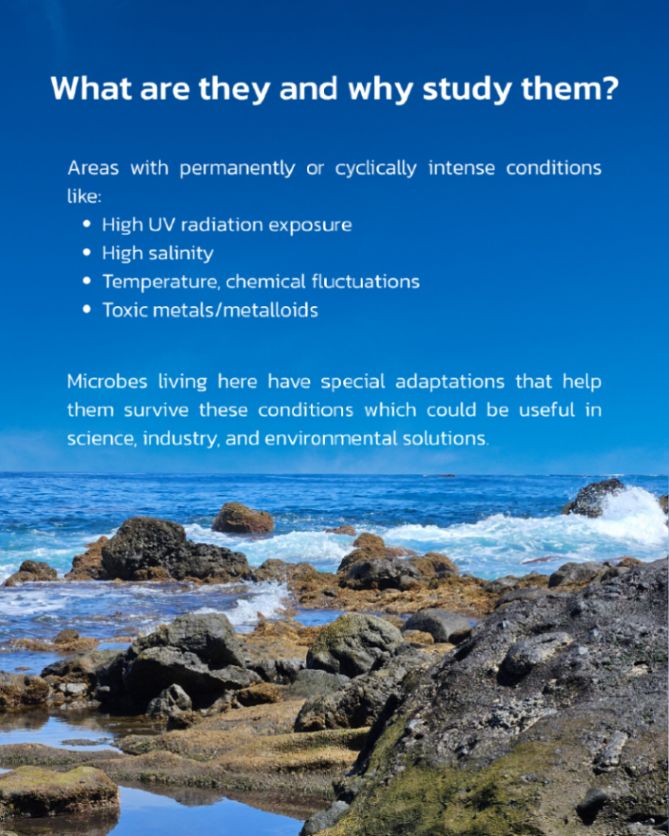
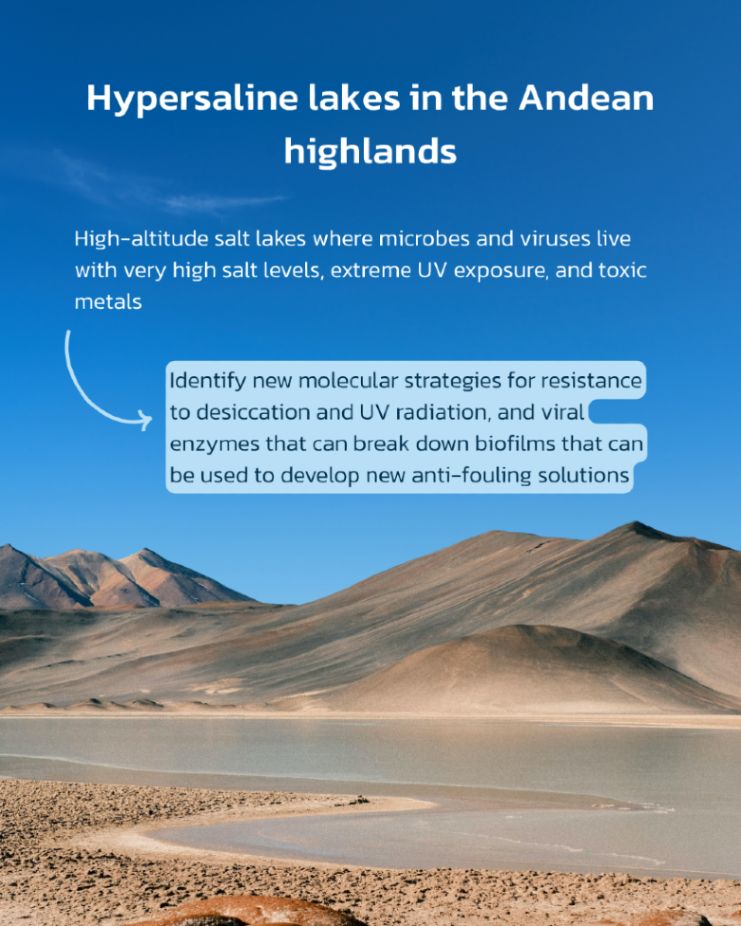
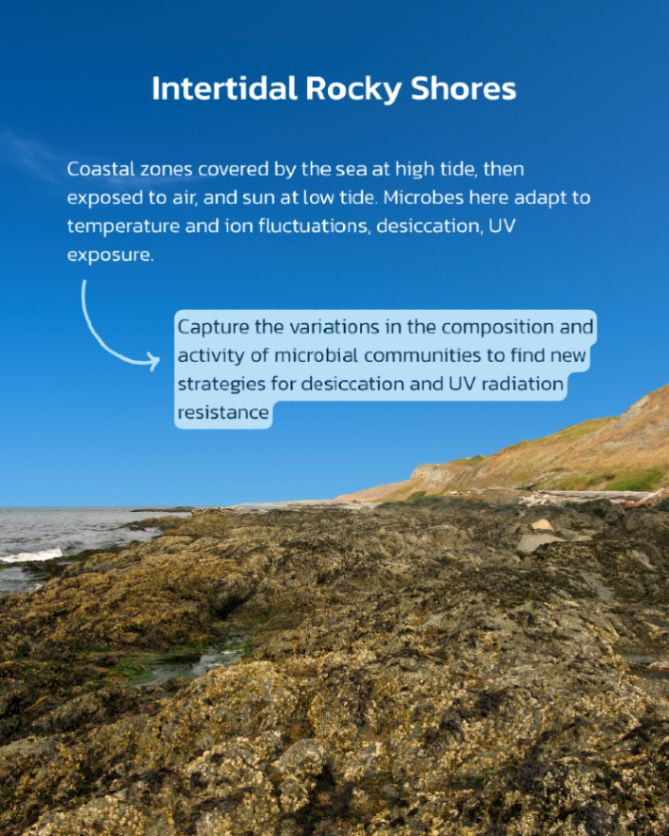
🦠 Some microbes thrive in extreme places like salty Andes lakes & rocky shores.
BLUETOOLS is studying how they survive UV & dryness, searching for genes & enzymes that can be useful for anti-fouling, plastic degradation & more.
#blueeconomy #biotech #climatechange #sustainability
BLUETOOLS is studying how they survive UV & dryness, searching for genes & enzymes that can be useful for anti-fouling, plastic degradation & more.
#blueeconomy #biotech #climatechange #sustainability
June 26, 2025 at 12:02 PM
🦠 Some microbes thrive in extreme places like salty Andes lakes & rocky shores.
BLUETOOLS is studying how they survive UV & dryness, searching for genes & enzymes that can be useful for anti-fouling, plastic degradation & more.
#blueeconomy #biotech #climatechange #sustainability
BLUETOOLS is studying how they survive UV & dryness, searching for genes & enzymes that can be useful for anti-fouling, plastic degradation & more.
#blueeconomy #biotech #climatechange #sustainability
Reposted by BejaLab
🧪🧬 Marine organisms offer new ways to make food safer and longer-lasting. BLUETOOLS explores natural ocean compounds that fight spoilage, improve texture, and support sustainability. #FoodSystems #Sustainable #Biotechnology #BlueEconomy


September 17, 2025 at 9:30 AM
🧪🧬 Marine organisms offer new ways to make food safer and longer-lasting. BLUETOOLS explores natural ocean compounds that fight spoilage, improve texture, and support sustainability. #FoodSystems #Sustainable #Biotechnology #BlueEconomy
Reposted by BejaLab

Latest work! 🧬
We uncover how evolution of translation initiation factor 2 (IF2) extensions links translation to bacterial stress response. We map 7 structural architectures & show how terminal extensions are enriched in intrinsic disorder & phase-separation features.
Link: doi.org/10.64898/202...
We uncover how evolution of translation initiation factor 2 (IF2) extensions links translation to bacterial stress response. We map 7 structural architectures & show how terminal extensions are enriched in intrinsic disorder & phase-separation features.
Link: doi.org/10.64898/202...

February 11, 2026 at 6:18 PM
Latest work! 🧬
We uncover how evolution of translation initiation factor 2 (IF2) extensions links translation to bacterial stress response. We map 7 structural architectures & show how terminal extensions are enriched in intrinsic disorder & phase-separation features.
Link: doi.org/10.64898/202...
We uncover how evolution of translation initiation factor 2 (IF2) extensions links translation to bacterial stress response. We map 7 structural architectures & show how terminal extensions are enriched in intrinsic disorder & phase-separation features.
Link: doi.org/10.64898/202...
Reposted by BejaLab

Abstract submission is now OPEN for the 2026 Symposium on the Immune System of Bacteria!
sisb2026.rockefeller.edu
🗓 May 5–7, 2026
📍 Rockefeller University, New York City
⏰ Abstract deadline: March 16, 2026
Attendance will be capped, be sure to register early and secure your spot.
See you in NYC!
sisb2026.rockefeller.edu
🗓 May 5–7, 2026
📍 Rockefeller University, New York City
⏰ Abstract deadline: March 16, 2026
Attendance will be capped, be sure to register early and secure your spot.
See you in NYC!
SISB2026
sisb2026.rockefeller.edu
February 11, 2026 at 2:05 PM
Abstract submission is now OPEN for the 2026 Symposium on the Immune System of Bacteria!
sisb2026.rockefeller.edu
🗓 May 5–7, 2026
📍 Rockefeller University, New York City
⏰ Abstract deadline: March 16, 2026
Attendance will be capped, be sure to register early and secure your spot.
See you in NYC!
sisb2026.rockefeller.edu
🗓 May 5–7, 2026
📍 Rockefeller University, New York City
⏰ Abstract deadline: March 16, 2026
Attendance will be capped, be sure to register early and secure your spot.
See you in NYC!
Reposted by BejaLab

Celebrate #internationaldayofwomenandgirlsinscience🎉
This is to all the inspiring women driving knowledge & equality in science!
Meet @bruzos.bsky.social, Laura & Nahja & learn about their journey & thoughts on #womeninscience
@maxplanck.de #WomenInSTEM #MinervaFastTrack #MinervaFellows #MaxPlanck
This is to all the inspiring women driving knowledge & equality in science!
Meet @bruzos.bsky.social, Laura & Nahja & learn about their journey & thoughts on #womeninscience
@maxplanck.de #WomenInSTEM #MinervaFastTrack #MinervaFellows #MaxPlanck
February 11, 2026 at 2:49 PM
Celebrate #internationaldayofwomenandgirlsinscience🎉
This is to all the inspiring women driving knowledge & equality in science!
Meet @bruzos.bsky.social, Laura & Nahja & learn about their journey & thoughts on #womeninscience
@maxplanck.de #WomenInSTEM #MinervaFastTrack #MinervaFellows #MaxPlanck
This is to all the inspiring women driving knowledge & equality in science!
Meet @bruzos.bsky.social, Laura & Nahja & learn about their journey & thoughts on #womeninscience
@maxplanck.de #WomenInSTEM #MinervaFastTrack #MinervaFellows #MaxPlanck
Reposted by BejaLab

~50 kb genomes, 4× smaller than the genomes of 𝘕𝘢𝘳𝘥𝘰𝘯𝘦𝘭𝘭𝘢 sp. 👀 and ~3× smaller than the 𝘊𝘢𝘳𝘴𝘰𝘯𝘦𝘭𝘭𝘢 genome 👀. Elio called 𝘊𝘢𝘳𝘴𝘰𝘯𝘦𝘭𝘭𝘢 ...👇
#SymbioSky
#SymbioSky
February 11, 2026 at 1:38 PM
~50 kb genomes, 4× smaller than the genomes of 𝘕𝘢𝘳𝘥𝘰𝘯𝘦𝘭𝘭𝘢 sp. 👀 and ~3× smaller than the 𝘊𝘢𝘳𝘴𝘰𝘯𝘦𝘭𝘭𝘢 genome 👀. Elio called 𝘊𝘢𝘳𝘴𝘰𝘯𝘦𝘭𝘭𝘢 ...👇
#SymbioSky
#SymbioSky
Reposted by BejaLab
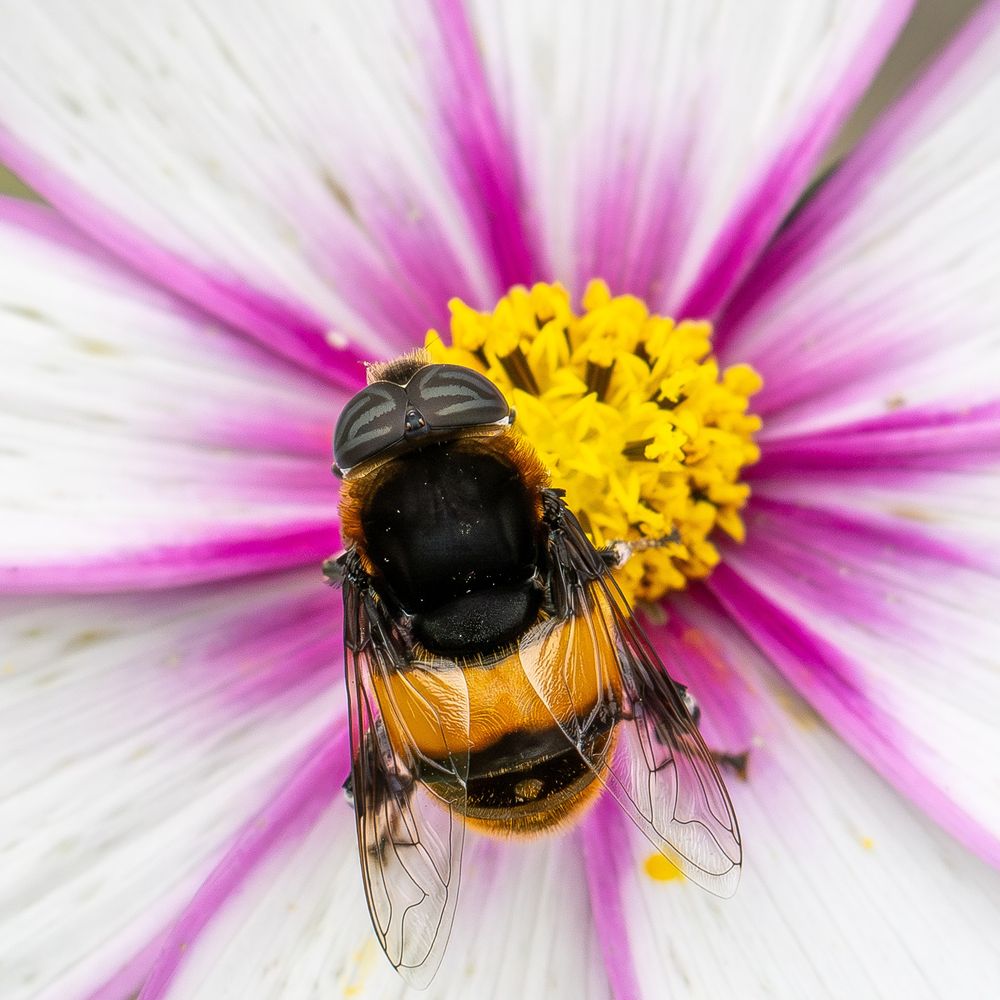
Our new paper in @natcomms.nature.com is now online-early!
We describe independent evolution of bacterial genomes of only ~50–52 kb — the smallest known outside cellular organelles — revealing striking convergence toward minimal gene sets.
🔗 doi.org/10.1038/s414...
We describe independent evolution of bacterial genomes of only ~50–52 kb — the smallest known outside cellular organelles — revealing striking convergence toward minimal gene sets.
🔗 doi.org/10.1038/s414...

February 11, 2026 at 11:15 AM
Our new paper in @natcomms.nature.com is now online-early!
We describe independent evolution of bacterial genomes of only ~50–52 kb — the smallest known outside cellular organelles — revealing striking convergence toward minimal gene sets.
🔗 doi.org/10.1038/s414...
We describe independent evolution of bacterial genomes of only ~50–52 kb — the smallest known outside cellular organelles — revealing striking convergence toward minimal gene sets.
🔗 doi.org/10.1038/s414...
HulaChrimson: A Chrimson-like cation channelrhodopsin discovered using freshwater metatranscriptomics from Lake Hula www.jstage.jst.go.jp/article/biop...

February 11, 2026 at 10:12 AM
HulaChrimson: A Chrimson-like cation channelrhodopsin discovered using freshwater metatranscriptomics from Lake Hula www.jstage.jst.go.jp/article/biop...
Apusomonad rhodopsins: A new family of ultraviolet to blue light–absorbing rhodopsin channels www.pnas.org/doi/full/10....

Apusomonad rhodopsins: A new family of ultraviolet to blue light–absorbing rhodopsin channels | PNAS
Apusomonads are sediment-dwelling bacterivorous protists that are sister to all Opisthokonta.
They have been found to show a negative phototactic r...
www.pnas.org
February 11, 2026 at 9:33 AM
Apusomonad rhodopsins: A new family of ultraviolet to blue light–absorbing rhodopsin channels www.pnas.org/doi/full/10....
Reposted by BejaLab
Hydrostatic pressure induces strong leakage of dissolved organic matter from “marine snow” particles | Science Advances www.science.org/doi/10.1126/...

Hydrostatic pressure induces strong leakage of dissolved organic matter from “marine snow” particles
Particles sinking into the deep ocean come under pressure and leak dissolved organic matter, which affects marine carbon cycling.
www.science.org
February 11, 2026 at 7:40 AM
Hydrostatic pressure induces strong leakage of dissolved organic matter from “marine snow” particles | Science Advances www.science.org/doi/10.1126/...
What can I do if my idea has been plagiarized? www.nature.com/articles/d41...

What can I do if my idea has been plagiarized?
An early-career scientist’s idea, shared at a poster session, has been published by someone else. What happens now?
www.nature.com
February 11, 2026 at 5:48 AM
What can I do if my idea has been plagiarized? www.nature.com/articles/d41...
Coffee drinking linked to slower brain ageing www.nature.com/articles/d41...

Coffee drinking linked to slower brain ageing
Huge study suggests moderate caffeine intake might reduce dementia risk and slow cognitive decline.
www.nature.com
February 10, 2026 at 11:36 AM
Coffee drinking linked to slower brain ageing www.nature.com/articles/d41...
Reposted by BejaLab

Deadline tomorrow! Explore how advances in the field of #pangenomics are transforming genome #evolution, population #genetics and more in the EMBO Practical Course "Pangenomics" in Campania region, IT, 7–13 June 2026.
https://meetings.embo.org/event/26-pangenomics
#EMBOPangenomics #EMBOevents 🧪
https://meetings.embo.org/event/26-pangenomics
#EMBOPangenomics #EMBOevents 🧪

February 9, 2026 at 3:35 PM
Deadline tomorrow! Explore how advances in the field of #pangenomics are transforming genome #evolution, population #genetics and more in the EMBO Practical Course "Pangenomics" in Campania region, IT, 7–13 June 2026.
https://meetings.embo.org/event/26-pangenomics
#EMBOPangenomics #EMBOevents 🧪
https://meetings.embo.org/event/26-pangenomics
#EMBOPangenomics #EMBOevents 🧪
באטול קאצ׳ר נותנת הרצאה בכנס באוניברסיטת חיפה!

February 9, 2026 at 5:55 AM
באטול קאצ׳ר נותנת הרצאה בכנס באוניברסיטת חיפה!
Reposted by BejaLab

Very happy to share our new manuscript on the photocycle of the highly sensitive, K⁺-selective channelrhodopsin #WiChR. Combining electrophysiology with K⁺ imaging & comp. modelling. Thanks Franzi for this fruitful cooperation—congrats to Sophia, Linda & team!
www.sciencedirect.com/science/arti...
www.sciencedirect.com/science/arti...

Experimentally informed, quantitative photocycle model of the light-gated potassium channel WiChR
Light-gated ion channels (channelrhodopsins; ChR) can be used to precisely control the electrical activity of genetically targeted cell populations wi…
www.sciencedirect.com
February 8, 2026 at 10:10 PM
Very happy to share our new manuscript on the photocycle of the highly sensitive, K⁺-selective channelrhodopsin #WiChR. Combining electrophysiology with K⁺ imaging & comp. modelling. Thanks Franzi for this fruitful cooperation—congrats to Sophia, Linda & team!
www.sciencedirect.com/science/arti...
www.sciencedirect.com/science/arti...
Comparison of Spatio-Temporal Dynamics and Composition in Size-Fractionated and Unfractionated Northwestern Atlantic Microbial Communities enviromicro-journals.onlinelibrary.wiley.com/doi/10.1111/...

Comparison of Spatio‐Temporal Dynamics and Composition in Size‐Fractionated and Unfractionated Northwestern Atlantic Microbial Communities
Size fractionation differentiates large, particle-associated microbes from small, free-living ones. We show that pooling size-fractionated marine samples, normalised by their DNA concentration, eithe...
enviromicro-journals.onlinelibrary.wiley.com
February 8, 2026 at 7:07 AM
Comparison of Spatio-Temporal Dynamics and Composition in Size-Fractionated and Unfractionated Northwestern Atlantic Microbial Communities enviromicro-journals.onlinelibrary.wiley.com/doi/10.1111/...
Reposted by BejaLab

The photolyase/cryptochrome of Aspergillus nidulans senses oxidative stress and shuttles from nuclei to mitochondria | Nature Communications https://www.nature.com/articles/s41467-026-69403-2
February 8, 2026 at 6:40 AM
The photolyase/cryptochrome of Aspergillus nidulans senses oxidative stress and shuttles from nuclei to mitochondria | Nature Communications https://www.nature.com/articles/s41467-026-69403-2
Reposted by BejaLab

Our eLetter github.com/caseywdunn/s... responding to a recent Science paper was just posted. The paper found more genes with consistent support for sponge-sister than ctenophore-sister. We found several technical issues that, when corrected, reverse the conclusions and recover ctenophore-sister.

January 9, 2026 at 11:44 AM
Our eLetter github.com/caseywdunn/s... responding to a recent Science paper was just posted. The paper found more genes with consistent support for sponge-sister than ctenophore-sister. We found several technical issues that, when corrected, reverse the conclusions and recover ctenophore-sister.
Reposted by BejaLab
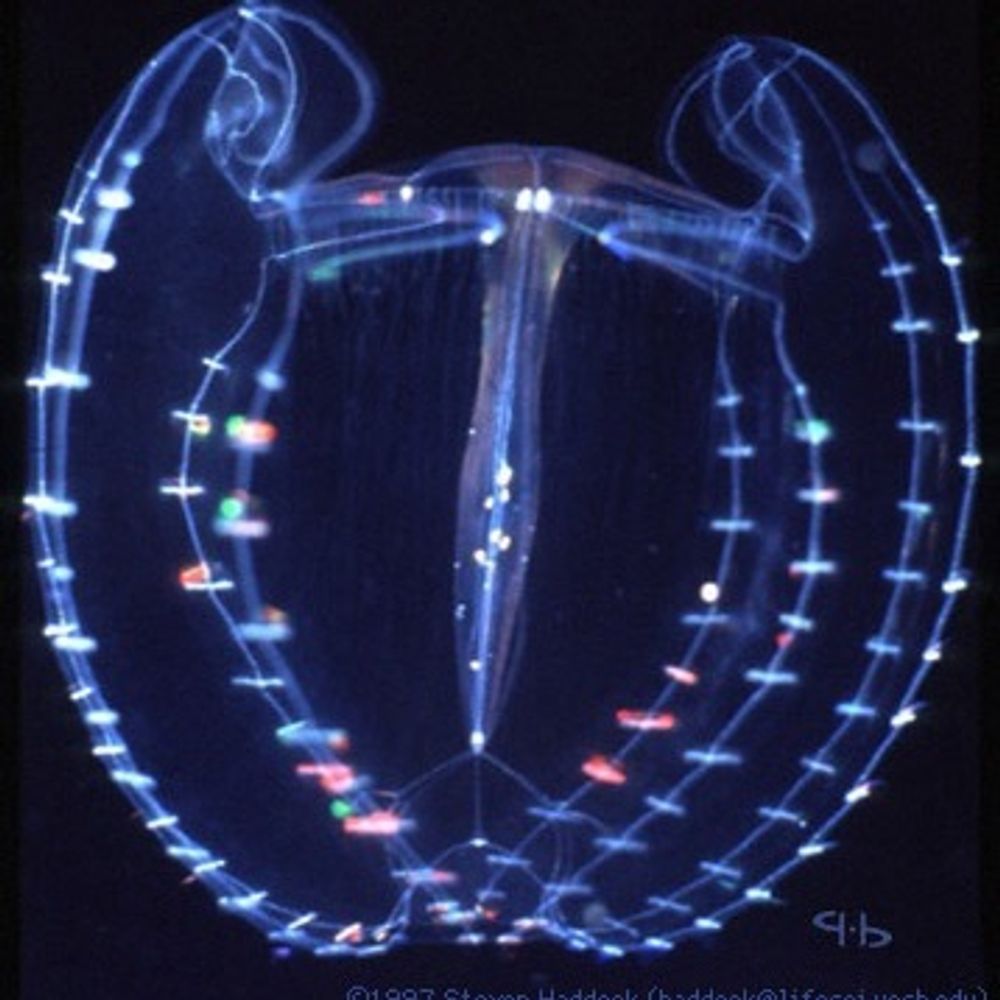
The re-analysis of this #sponge #ctenophore study made me realize how important it is to really *look* at your data.
Their filtering pipeline was meant to retain "strong" genes, but many of them had NO ctenophores and most had polyphyletic sponges.
Time to put down the pitchforks for a while.
Their filtering pipeline was meant to retain "strong" genes, but many of them had NO ctenophores and most had polyphyletic sponges.
Time to put down the pitchforks for a while.
Our eLetter github.com/caseywdunn/s... responding to a recent Science paper was just posted. The paper found more genes with consistent support for sponge-sister than ctenophore-sister. We found several technical issues that, when corrected, reverse the conclusions and recover ctenophore-sister.
January 9, 2026 at 4:52 PM
The re-analysis of this #sponge #ctenophore study made me realize how important it is to really *look* at your data.
Their filtering pipeline was meant to retain "strong" genes, but many of them had NO ctenophores and most had polyphyletic sponges.
Time to put down the pitchforks for a while.
Their filtering pipeline was meant to retain "strong" genes, but many of them had NO ctenophores and most had polyphyletic sponges.
Time to put down the pitchforks for a while.
WOW! Retraction of Research Article “Integrative phylogenomics positions sponges at the root of the animal tree” www.science.org/doi/10.1126/...

February 8, 2026 at 4:55 AM
WOW! Retraction of Research Article “Integrative phylogenomics positions sponges at the root of the animal tree” www.science.org/doi/10.1126/...
Reposted by BejaLab
Molecular basis for anti-jumbo phage #immunity by AVAST type 5.
Avs5 detects an early jumbo‑phage activator and halts infection by rapidly hydrolyzing NAD+.
www.sciencedirect.com/science/arti... #phage #bacteriophage #MicroSky
Avs5 detects an early jumbo‑phage activator and halts infection by rapidly hydrolyzing NAD+.
www.sciencedirect.com/science/arti... #phage #bacteriophage #MicroSky

February 7, 2026 at 7:26 PM
Molecular basis for anti-jumbo phage #immunity by AVAST type 5.
Avs5 detects an early jumbo‑phage activator and halts infection by rapidly hydrolyzing NAD+.
www.sciencedirect.com/science/arti... #phage #bacteriophage #MicroSky
Avs5 detects an early jumbo‑phage activator and halts infection by rapidly hydrolyzing NAD+.
www.sciencedirect.com/science/arti... #phage #bacteriophage #MicroSky
Reposted by BejaLab

The immune systems paradox
Some widespread prokaryotic immune systems are absent in eukaryotes, whereas relatively rare ones became central to eukaryotic innate immunity
@audeber.bsky.social & E. Koonin hypothesize the answer is #HGT
shareable link: rdcu.be/e2EmD
www.nature.com/articles/s41...
Some widespread prokaryotic immune systems are absent in eukaryotes, whereas relatively rare ones became central to eukaryotic innate immunity
@audeber.bsky.social & E. Koonin hypothesize the answer is #HGT
shareable link: rdcu.be/e2EmD
www.nature.com/articles/s41...

The paradox of immune systems conservation between prokaryotes and eukaryotes - Nature Reviews Microbiology
The widespread prokaryotic immune systems, in particular restriction–modification, CRISPR–Cas and defensive toxin–antitoxin systems, are absent in eukaryotes, whereas relatively rare ones, such as Arg...
www.nature.com
February 6, 2026 at 10:22 AM
The immune systems paradox
Some widespread prokaryotic immune systems are absent in eukaryotes, whereas relatively rare ones became central to eukaryotic innate immunity
@audeber.bsky.social & E. Koonin hypothesize the answer is #HGT
shareable link: rdcu.be/e2EmD
www.nature.com/articles/s41...
Some widespread prokaryotic immune systems are absent in eukaryotes, whereas relatively rare ones became central to eukaryotic innate immunity
@audeber.bsky.social & E. Koonin hypothesize the answer is #HGT
shareable link: rdcu.be/e2EmD
www.nature.com/articles/s41...